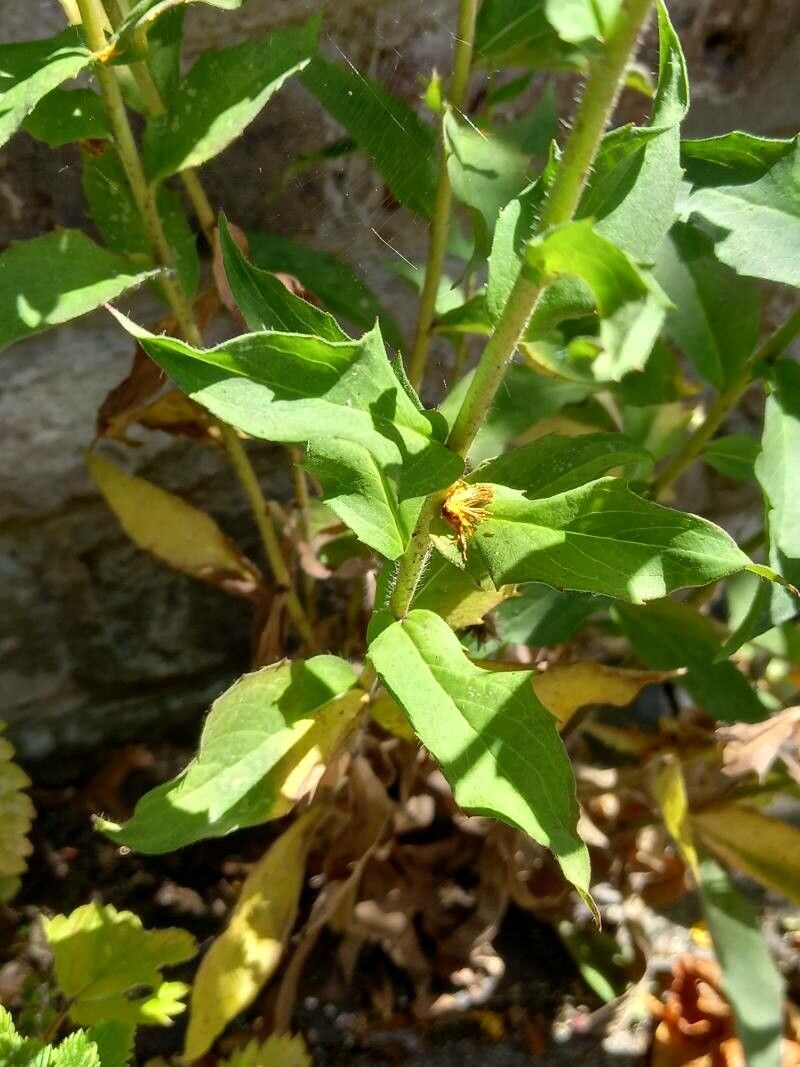
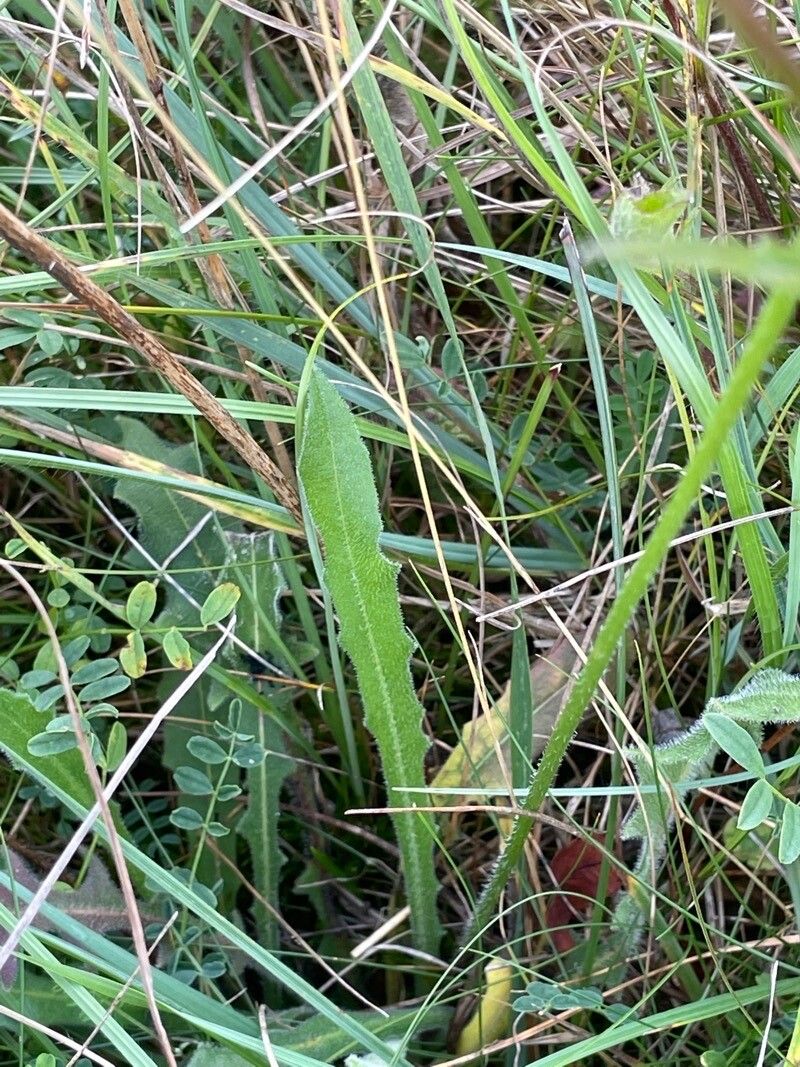
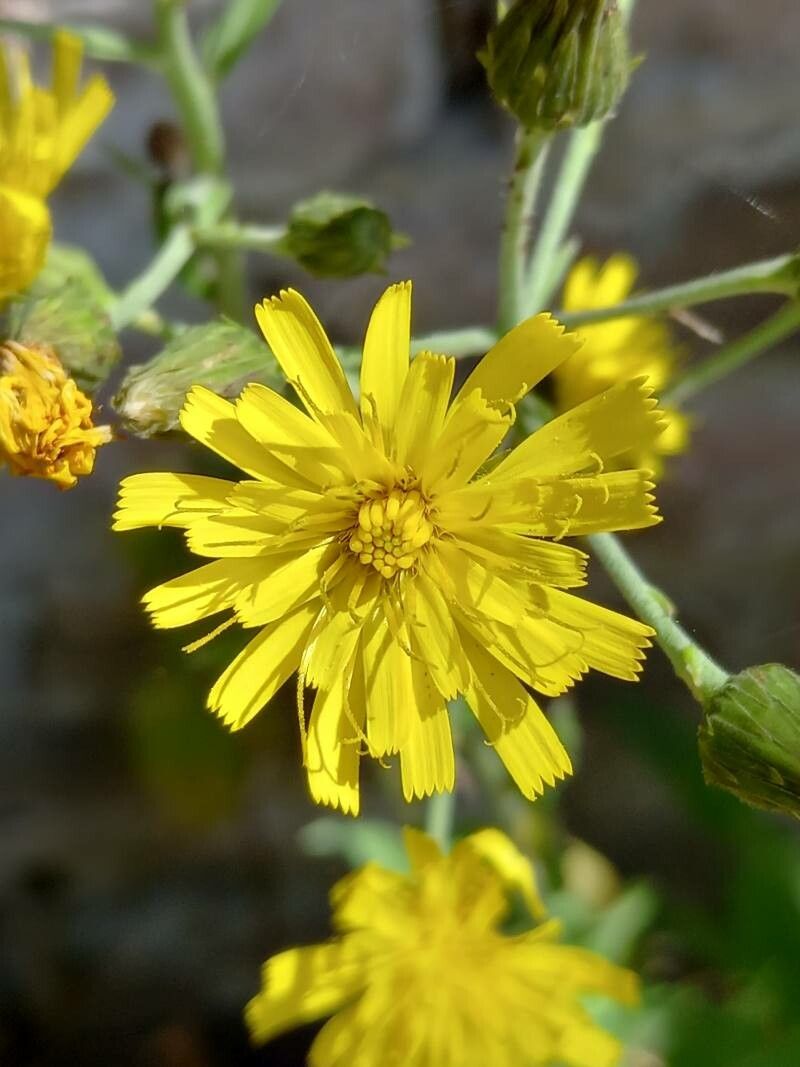
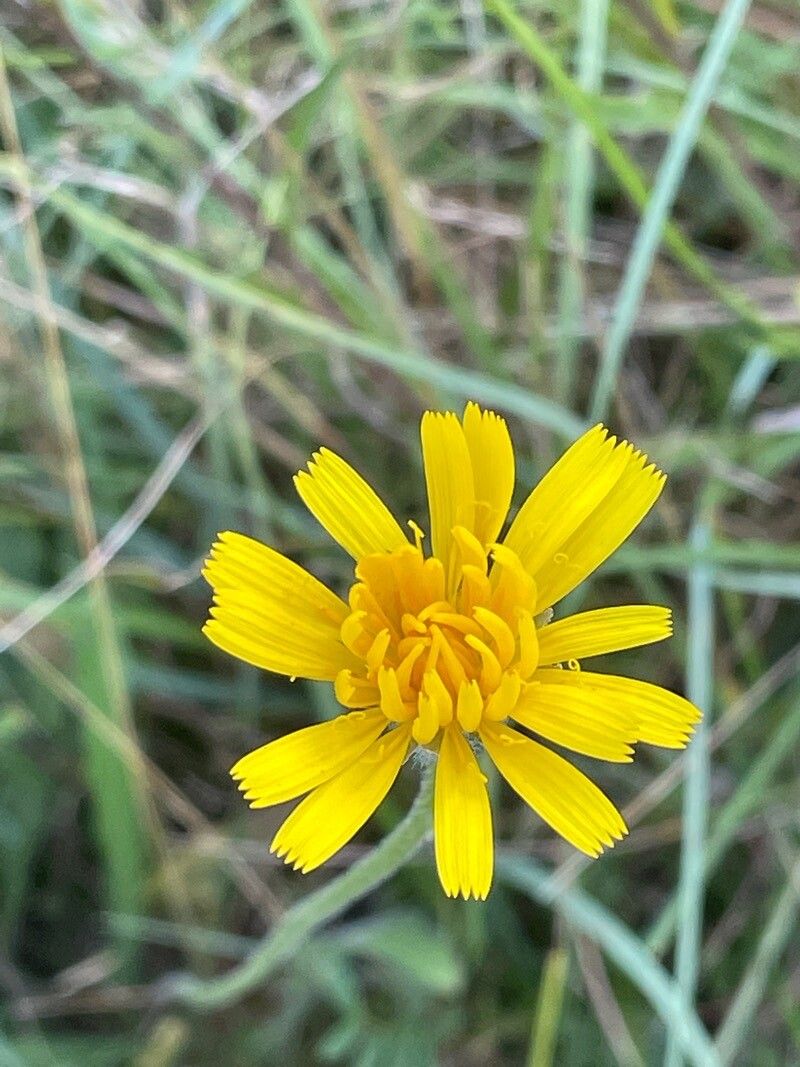
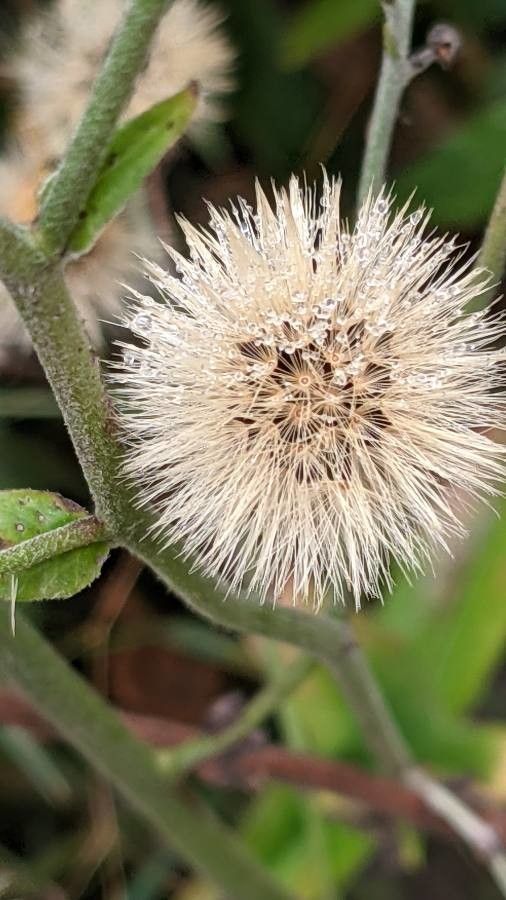
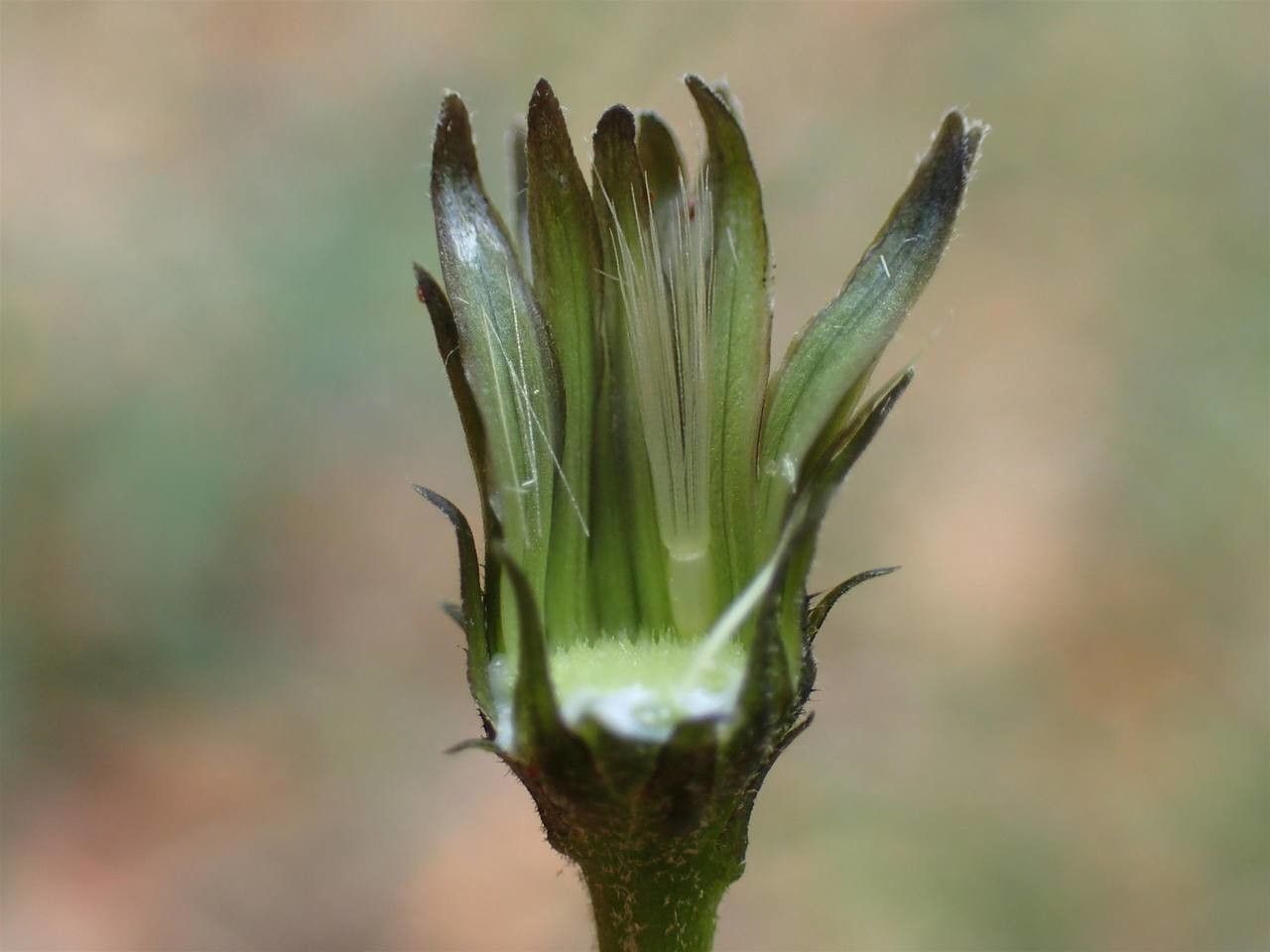
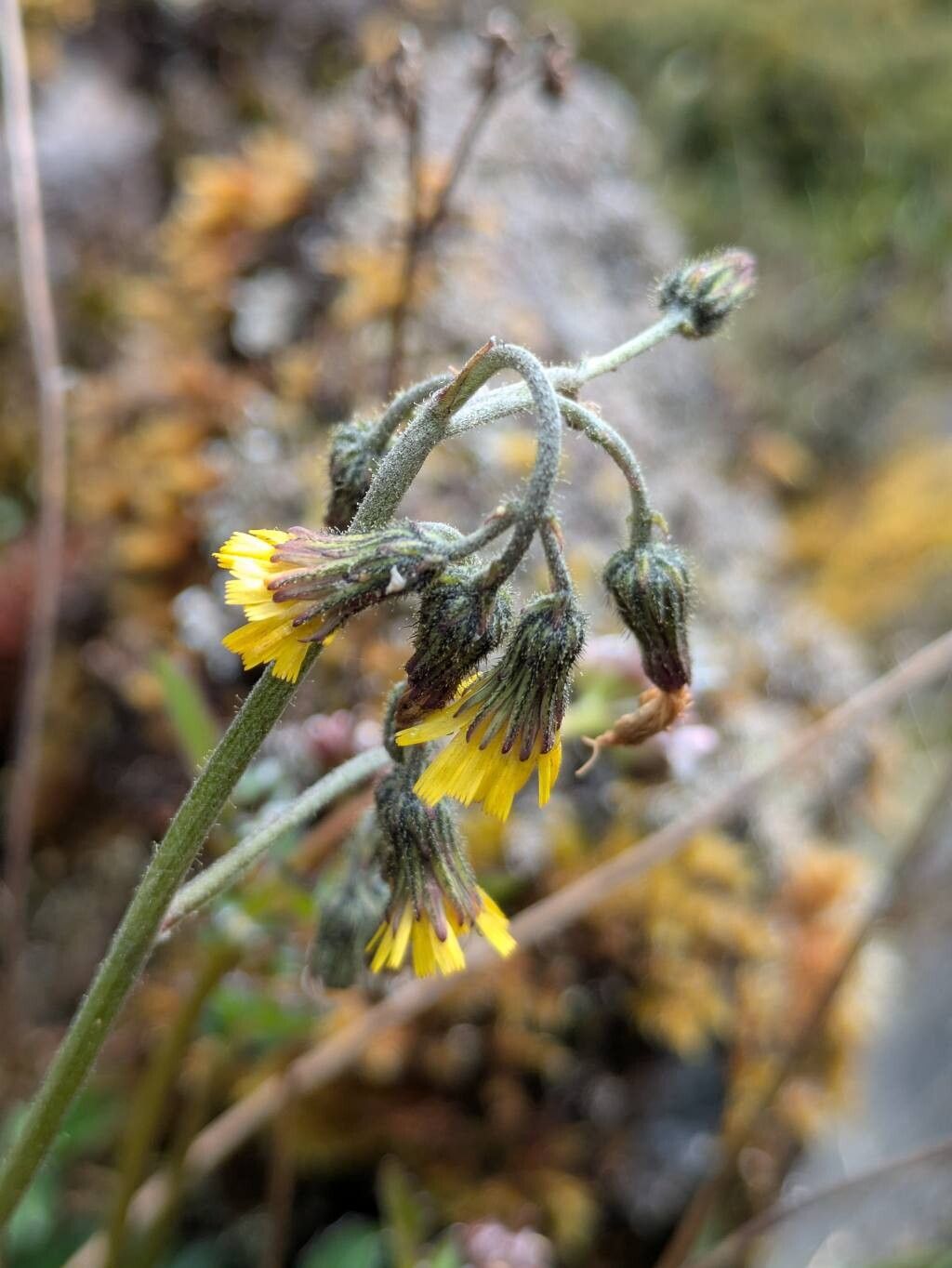
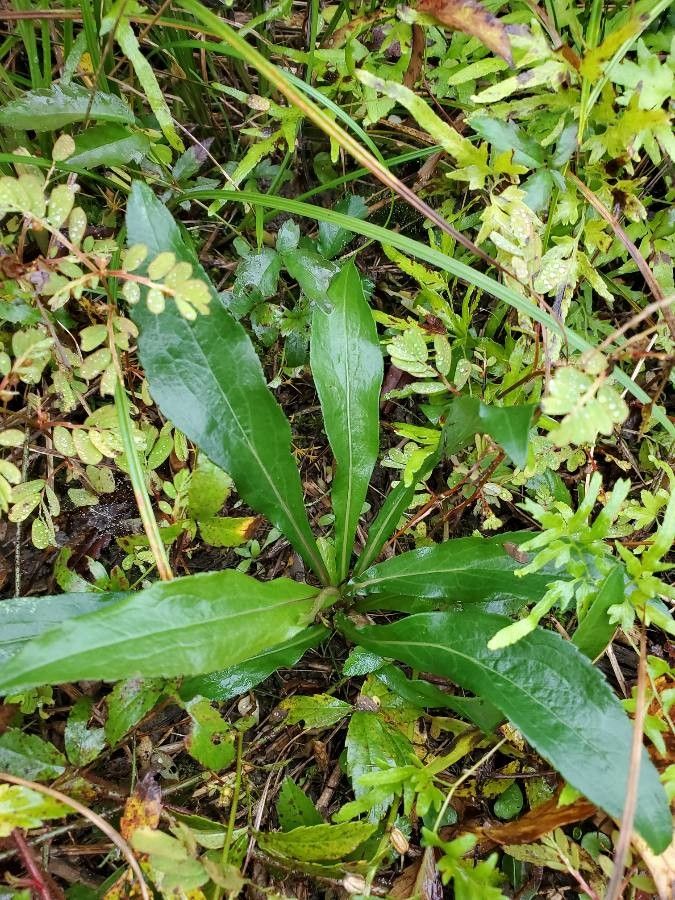
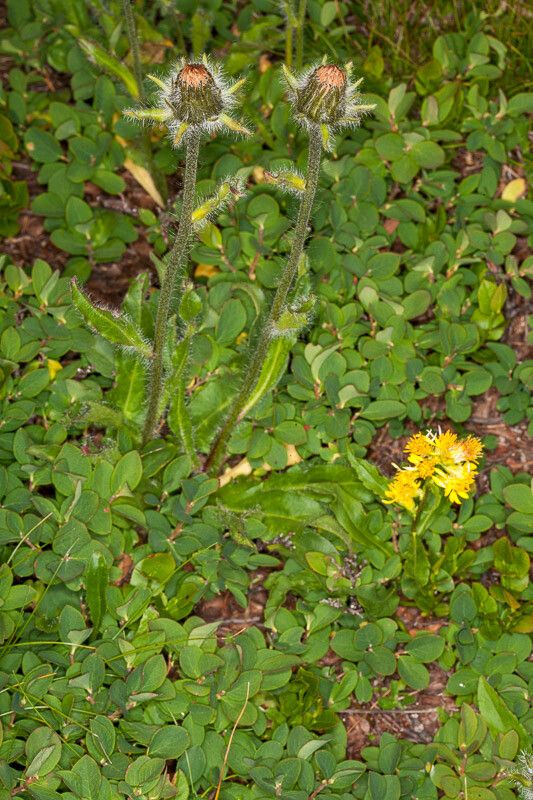
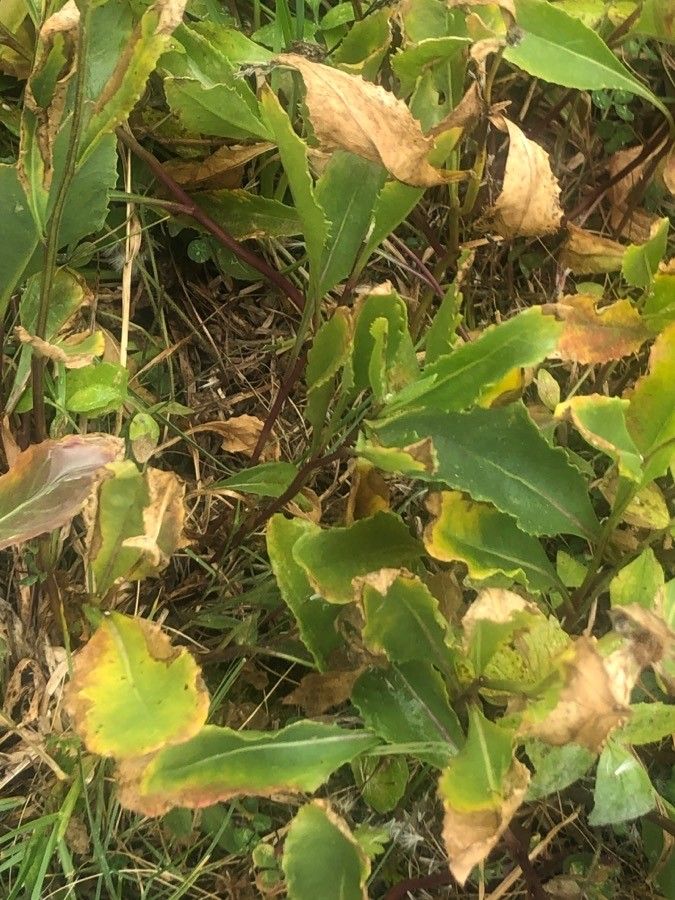
Hieracium sabaudum, commonly known as Alpine hawkweed, is a perennial herbaceous plant in the Asteraceae family. Native to the mountainous regions of Europe and Asia, it thrives in alpine meadows, rocky slopes, and open woodlands. The plant can grow up to 30 cm in height, featuring a basal rosette of hairy, toothed leaves.
The flowers of Hieracium sabaudum are bright yellow and have five petals arranged in a daisy-like shape. They bloom from June to August on long stems above the basal leaves. The plant reproduces through seeds or by forming new plants from its creeping rhizomes.
Alpine hawkweed has been used for medicinal purposes for centuries due to its anti-inflammatory properties. It has also served as an herbal remedy for digestive issues such as stomach ulcers and diarrhea.
However, Hieracium sabaudum is considered invasive in some areas outside its native range due to its ability to spread rapidly through rhizomes or seeds carried by wind or animals. Therefore, it should be carefully monitored when introduced into new regions outside its natural habitat.
In summary, Hieracium sabaudum is a beautiful alpine plant with valuable medicinal properties, but it requires careful management when introduced to environments outside of Europe and Asia, where it naturally occurs.
Yellow-glandular hawkweed is fairly disease-resistant and generally not easily affected by illnesses. However, it can be susceptible to pests and diseases present in its surroundings. These infections are usually mild. In terms of care, the plant requires moderate maintenance. It should be pruned regularly to maintain a neat appearance and healthy growth. Fertilizing can also help encourage flowering. Yellow-glandular hawkweed is suitable for anyone with outdoor space, such as a garden or patio, and does not demand much care experience. It may need more attention when grown indoors.
How to keep Hieracium Sabaudum.
Light
Yellow-glandular hawkweed is a sun-preferring perennial herbaceous plant that comes from open habitats and commonly grows in meadows and grasslands. It prefers full sun but can also tolerate partial sun.
Water
Yellow-glandular hawkweed flourishes in alpine climates that provide consistent moisture, although it can endure short periods of dryness. To mimic its natural growth cycle, it should ideally be watered once a week. This plant thrives in cool, humid conditions, so careful watering is essential to maintain its growth and lush foliage during its vigorous outdoor growing season.
Temperature
Yellow-glandular hawkweed can tolerate a wide range of temperatures, but its distribution may still be restricted by different combinations of moisture and heat. It does best in warm summer climates with sufficient rainfall or watering. Extended periods of cloudy, rainy weather or prolonged high temperatures can raise the chances of Yellow-glandular hawkweed dying. In winter, appropriate protection from cold can increase the plant's likelihood of surviving.
Fertilizer
The ideal time to fertilize a Yellow-glandular hawkweed is in early spring, as it exits dormancy and begins active growth. Fertilization supplies key nutrients needed for healthy growth. Although Yellow-glandular hawkweed has relatively low fertilizer requirements, applying fertilizer annually can improve its survival and promote better, longer-lasting flowers.
Pruning
Yellow-glandular hawkweed, known for its distinctive yellow glandular hairs, benefits greatly from pruning in early spring. To promote dense foliage and stimulate new growth, remove any dead or diseased stems, and trim back any overgrown areas. Consistent maintenance not only improves the plant's vigor but also enhances its appearance. For the best pruning techniques specific to yellow-glandular hawkweed, consult reputable horticultural references.
Botanical profile.
- Plant Type
- Herb
- Life Cycle
- Perennial
- Genus
- Hieracium
- Family
- Asteraceae
- Hardiness Zone
- 4-8
- Mature Height
- 40 cm to 76 cm
- Mature Spread
- 20 cm to 40 cm
- Leaf Color
- Dark Green
- Leaf Type
- Semi-evergreen
- Flower Color
- Yellow
- Flower Size
- 1.52 cm to 2.54 cm
- Bloom Time
- Late summer, Early fall, Mid fall
- Planting Time
- Spring, Summer, Autumn
- Harvest Time
- Fall
Other names.
Reader questions.
How should I water my Yellow-glandular hawkweed plant?
To properly water the Yellow-glandular hawkweed, it is best to use filtered water at room temperature. This ensures that any harmful particles in tap water do not affect the plant's health. Since the plant originates from a warm environment, it is important to avoid using cold water, as it can shock the plant. Additionally, it is recommended to avoid overhead watering, as it can lead to issues with the foliage. Instead, gently soak the soil with the filtered room temperature water until it is completely saturated. This helps to moisturize the roots and promote their spread through the soil, allowing them to absorb the necessary nutrients for the plant's well-being.
What are the sunlight requirements for Yellow-glandular hawkweed?
Yellow-glandular hawkweed is a sun-loving perennial that thrives best in full sun, requiring more than 6 hours of sunlight daily, but it can also tolerate partial sun conditions, which means about 3-6 hours of sunlight. It's essential to observe how sunlight moves through your garden to select spots that offer the ideal balance of light and shade, ensuring your plants grow healthy and happy.
What should I do if I give my Yellow-glandular hawkweed too much or too little water?
Overwatering is a more common issue than underwatering for Yellow-glandular hawkweed. If it receives too much water, the stems and leaves may wilt and turn yellow. Overwatering over time can also lead to diseases like root rot, mold, and mildew, which can be fatal for the plant. While underwatering is less common, it can still happen. In this case, the leaves of the plant will become brittle and brown. It's important to recognize the signs of overwatering early on, as some of the resulting diseases may not be reversible if you wait too long. If you notice these signs, reduce your watering schedule and check the soil's quality. If it drains poorly, replace it with a loose, well-draining potting mix. Conversely, if you notice signs of underwatering, water more frequently until the signs subside.
What are the essential facts about Yellow-glandular hawkweed?
Yellow-glandular hawkweed, known botanically as Hieracium sabaudum, is a perennial herbaceous plant that originates from open habitats like meadows and grasslands. It prefers full sun but can tolerate partial sun conditions. For indoor plants that can't receive natural sunlight, especially in winter or less sunny spaces, artificial lighting such as LED lights can be used. These lights should be adjusted in terms of type, distance (12-36 inches above the plant), and duration (8-12 hours per day) based on the plant's specific needs.
How often do I need to water my Yellow-glandular hawkweed?
If your Yellow-glandular hawkweed is in a pot, the best way to check if it needs water is to stick your finger in the soil. If the top two to three inches are dry, it's time to water it. If you have it planted outdoors in the ground, you can use the same method. If the top few inches of soil are dry, it's time to water. In the spring and early fall, you'll likely need to water about once a week. In very hot weather, you may need to water twice or more per week. However, mature Yellow-glandular hawkweed that is well-established can withstand drought well.
What are some symptoms of improper lighting for Yellow-glandular hawkweed?
Symptoms of improper lighting for Yellow-glandular hawkweed include small new leaves, leggy or sparse growth, faster leaf drop, slower or no new growth, lighter-colored new leaves, chlorosis (leaves turning yellow), sunscald, leaf curling, wilting, and leaf scorching. These symptoms indicate the plant is not receiving the optimal light conditions it needs for growth and photosynthesis. Chlorosis and sunscald specifically result from excessive sunlight, while the other symptoms generally signify insufficient light.
How much water does my yellow hawkweed plant need?
To water your Yellow-glandular hawkweed effectively, make sure to give it a generous amount of water. Wait until the top two to three inches of soil are dry before watering. When you water, soak the soil completely, ensuring that excess water flows out of the pot's drainage holes. If you don't see any excess water draining, it means you haven't watered enough. However, be careful not to let the water accumulate inside the soil, as it can harm the plant. If the water is not draining properly, it might be because of poorly draining soils, which is bad for the plant's health. If the plant is outside, it should receive about 1 inch of rain per week, which will be enough.
How can I address lighting issues for my Yellow-glandular hawkweed?
To address lighting issues for your Yellow-glandular hawkweed, consider the following solutions: For indoor plants, gradually move them to a sunnier location each week until they receive at least 6 hours of sunlight daily, utilizing south-facing windows and keeping curtains open during the day. Artificial lights, such as desk lamps or professional grow lights, can also supplement natural light for at least 8 hours daily. For outdoor plants, gradually acclimatize them to sunnier spots to avoid sunburn. If plants are ground-planted and sunlight is obstructed, consider pruning obstructions or transplanting to a sunnier location, ensuring ample sunlight and good drainage. Note that while parts of the plant affected by insufficient sunlight may not recover, new growth should be healthy with proper light.
How do I water my yellow-glandular hawkweed as it grows?
The water needs of the Yellow-glandular hawkweed vary depending on its growth stages. When the plant is young or has recently been transplanted, it requires more water to support the development of new roots. These roots are crucial for future growth and perform best when they receive slightly more moisture. However, as the plant matures over a few seasons, it will require less water. Additionally, during the bloom period, when the plant is producing flowers, it may need additional water as flower development utilizes a significant amount of moisture.
How often should I water my Yellow-glandular hawkweed throughout the year?
The water needs of the Yellow-glandular hawkweed vary depending on the season. In the hottest months of the year, it requires more water, potentially needing to be watered more than once per week if the soil dries out quickly. However, during the winter, the plant enters a dormant phase and needs significantly less water. In fact, you may not need to water it at all during this time. If you do choose to water it in winter, limit it to about once per month to minimize the risk of disease.
What's the difference between watering my Yellow-glandular hawkweed inside and outside?
The Yellow-glandular hawkweed is ideal for indoor gardening in non-temperate and non-tropical regions. Keep in mind that soil in containers tends to dry out faster than ground soil. Additionally, if there are drying elements like air conditioning, your plant may need more frequent watering compared to if it were planted outside. In such cases, outdoor plants may not require much watering, especially if they receive regular rainfall. However, for indoor plants, you'll need to water them more often as they won't have the option of absorbing rainwater from the soil.