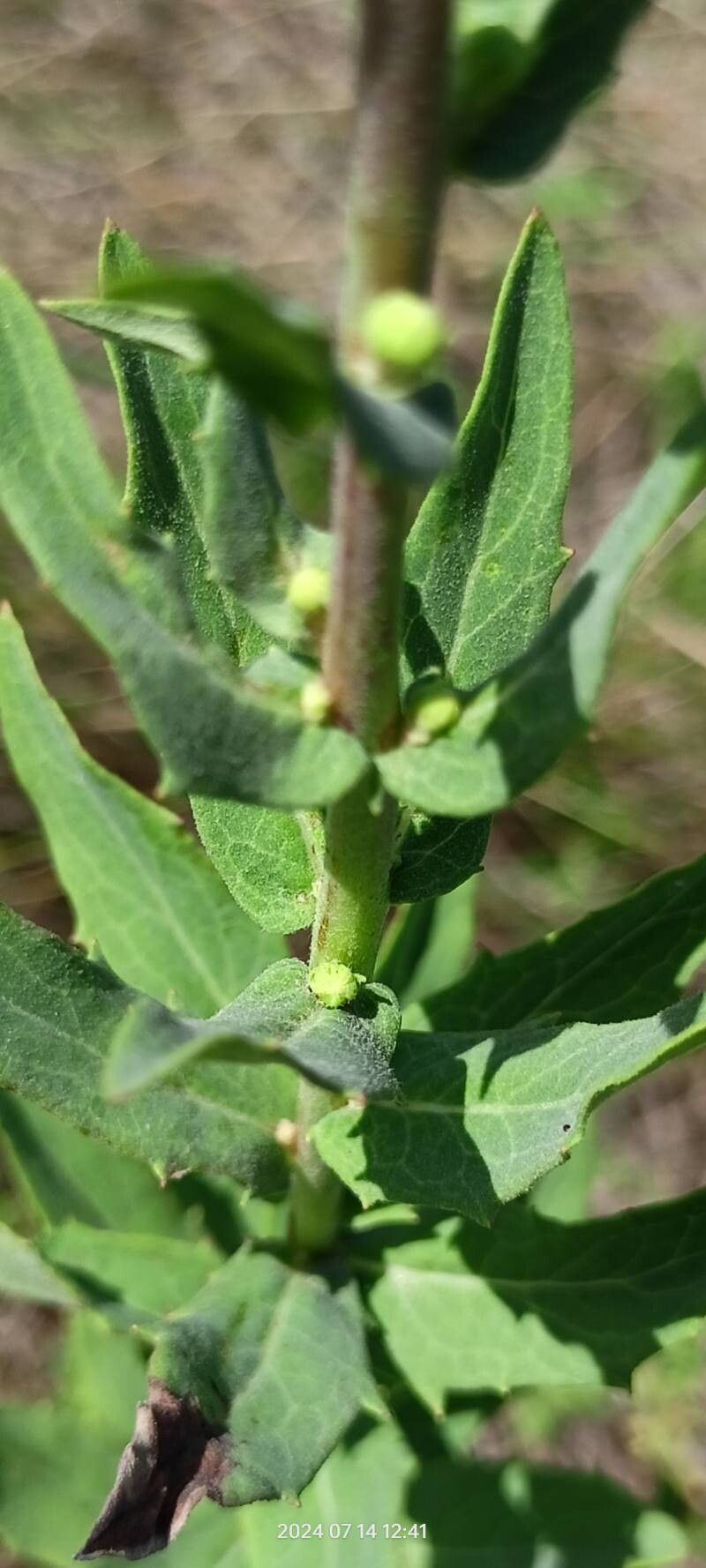
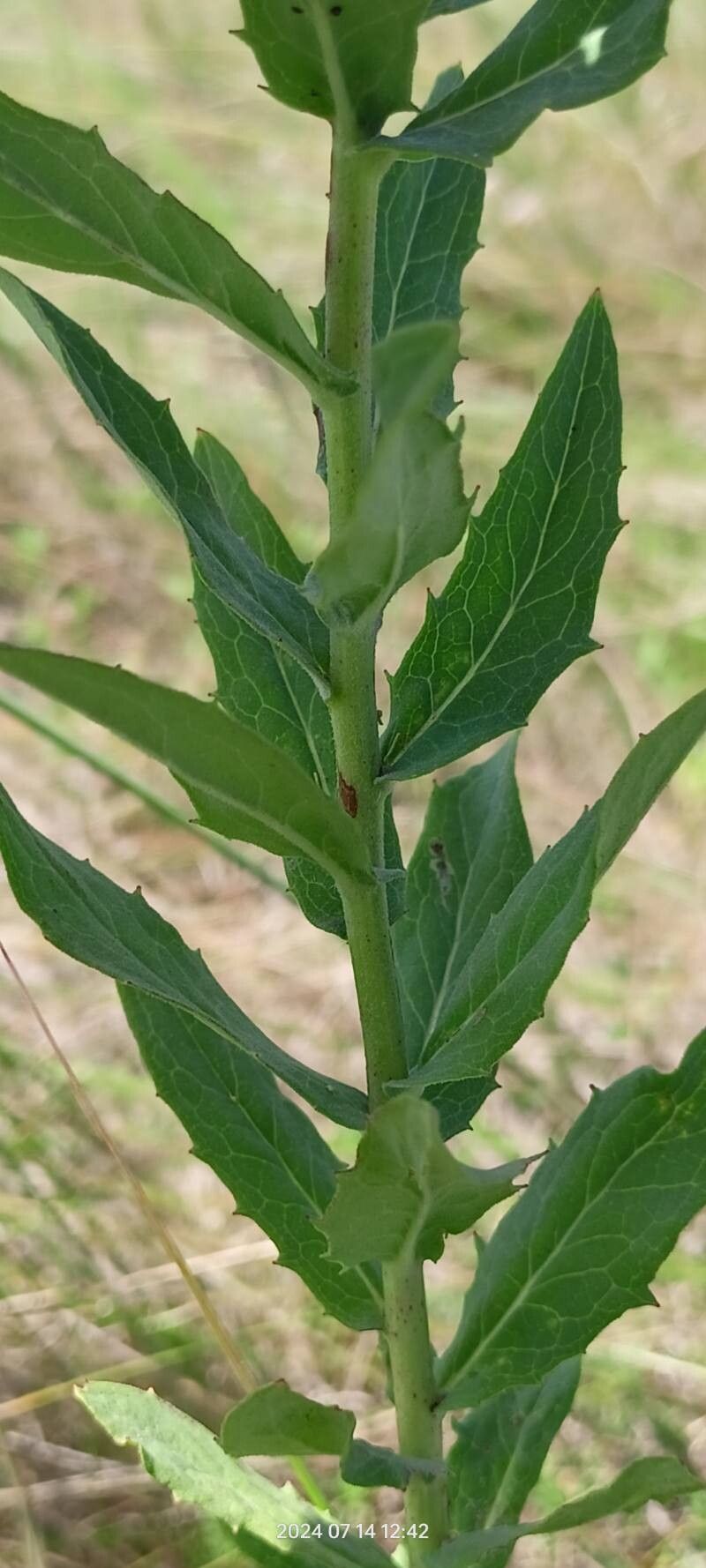
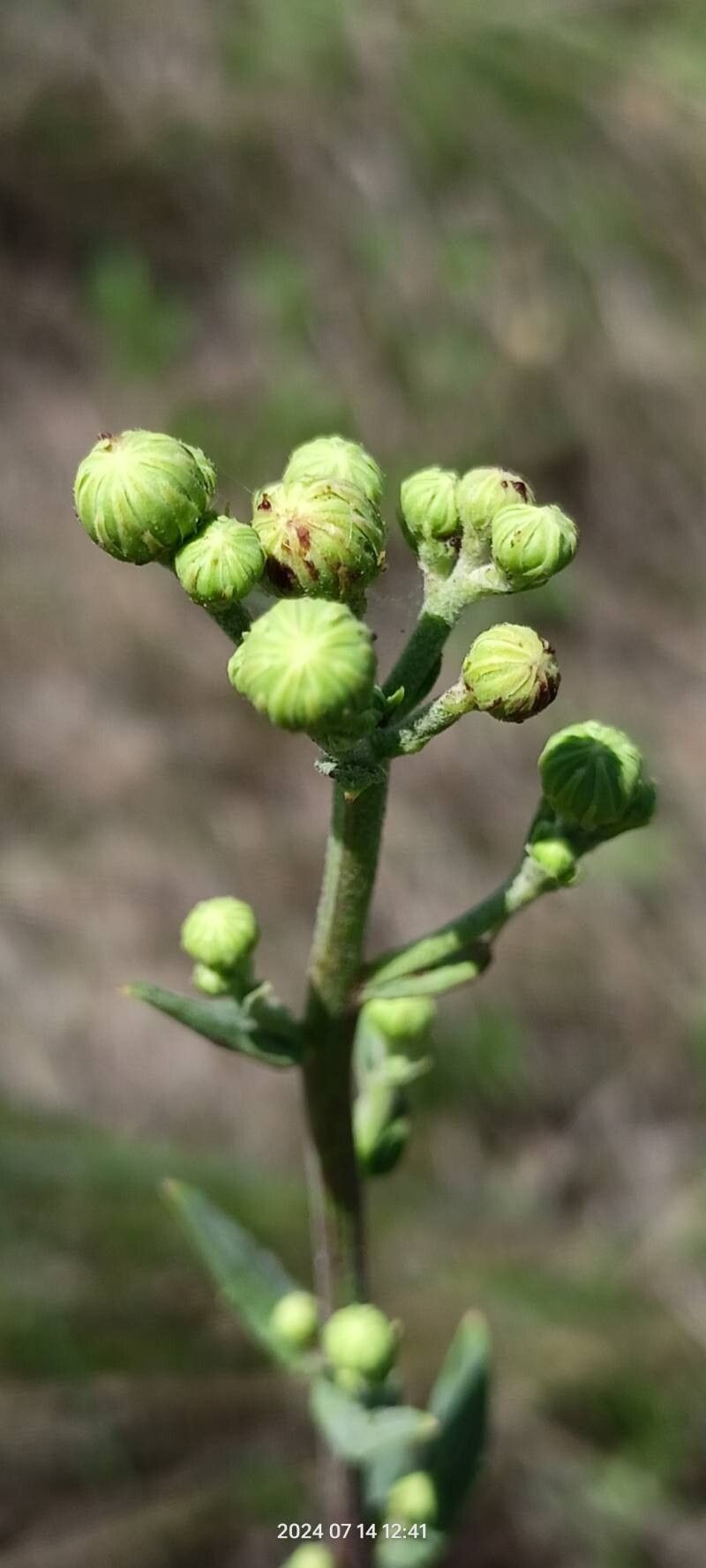
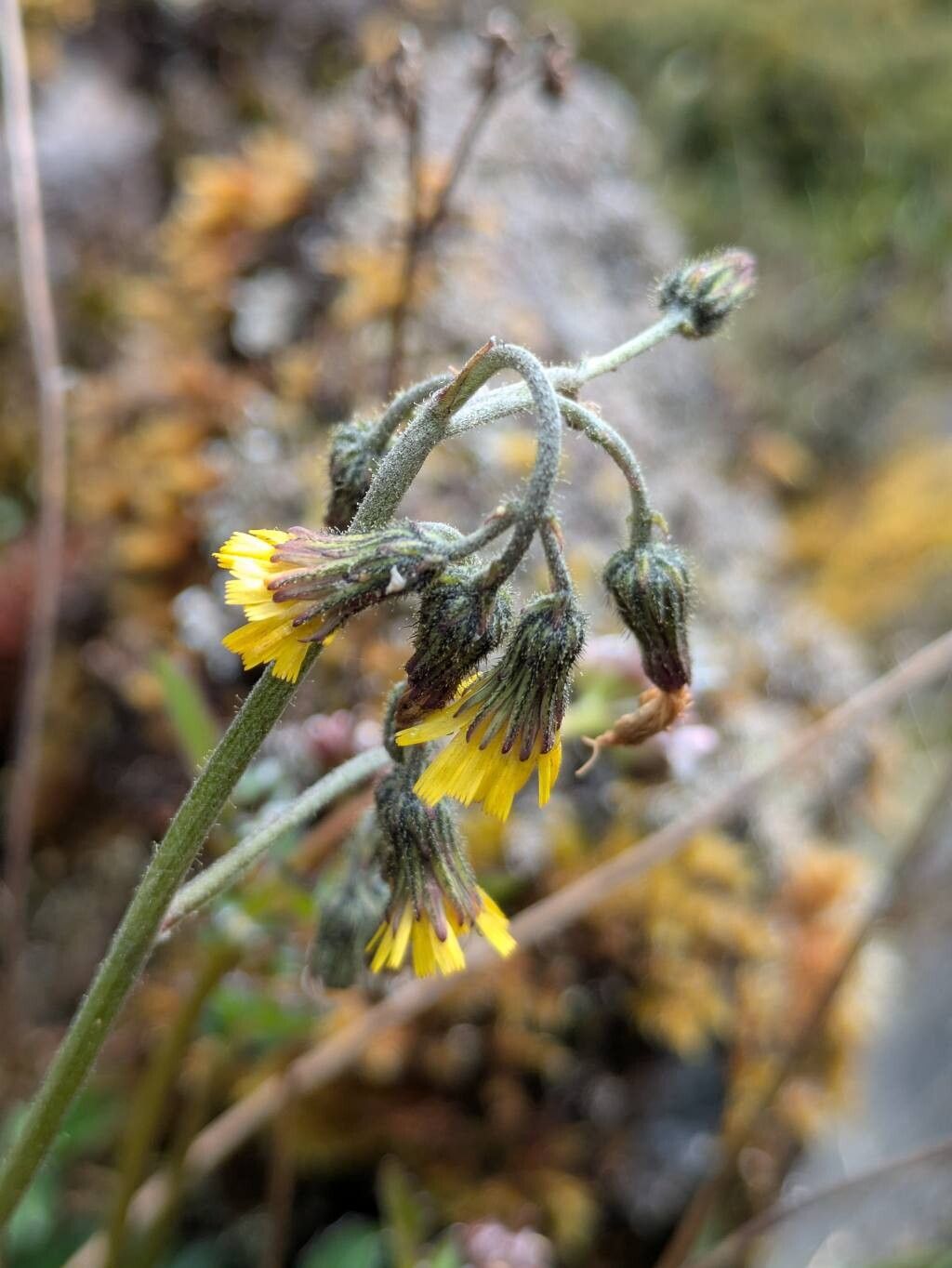
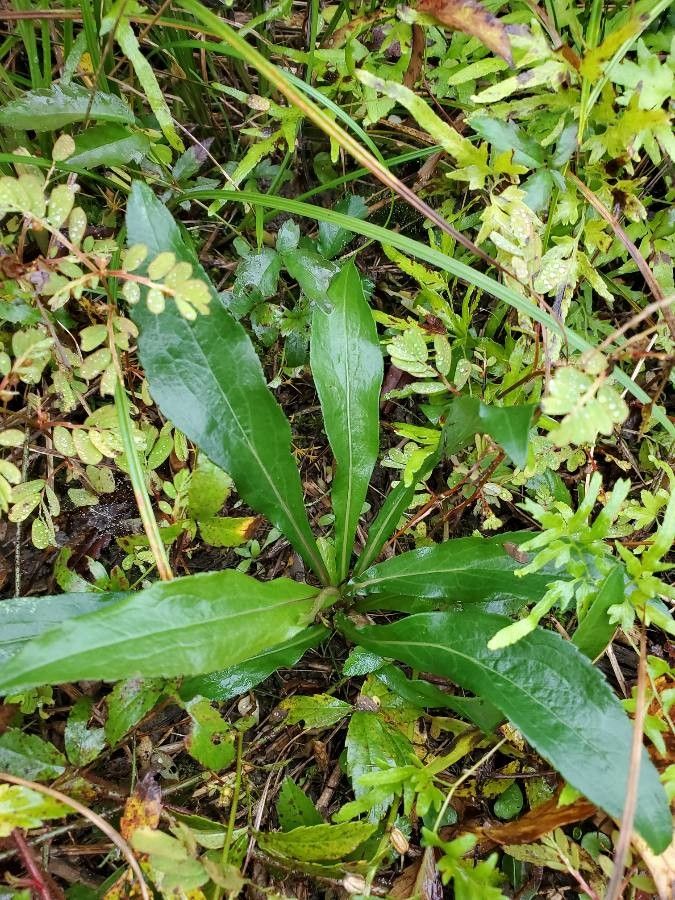
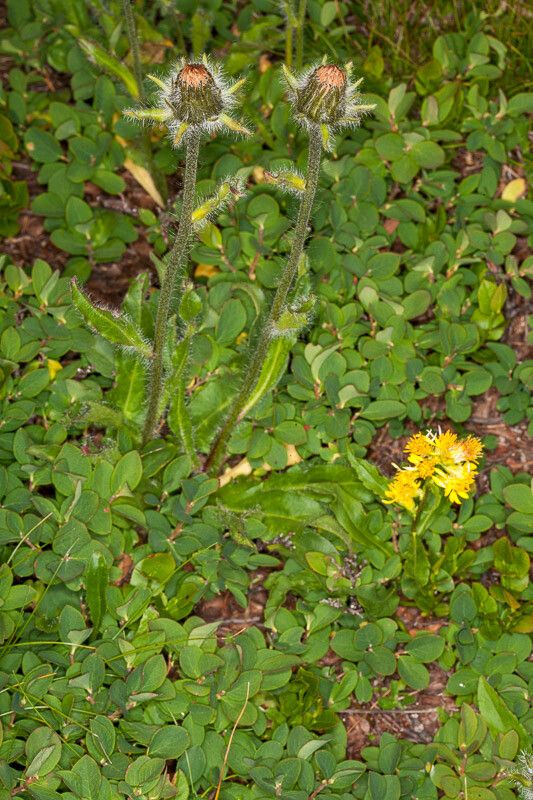
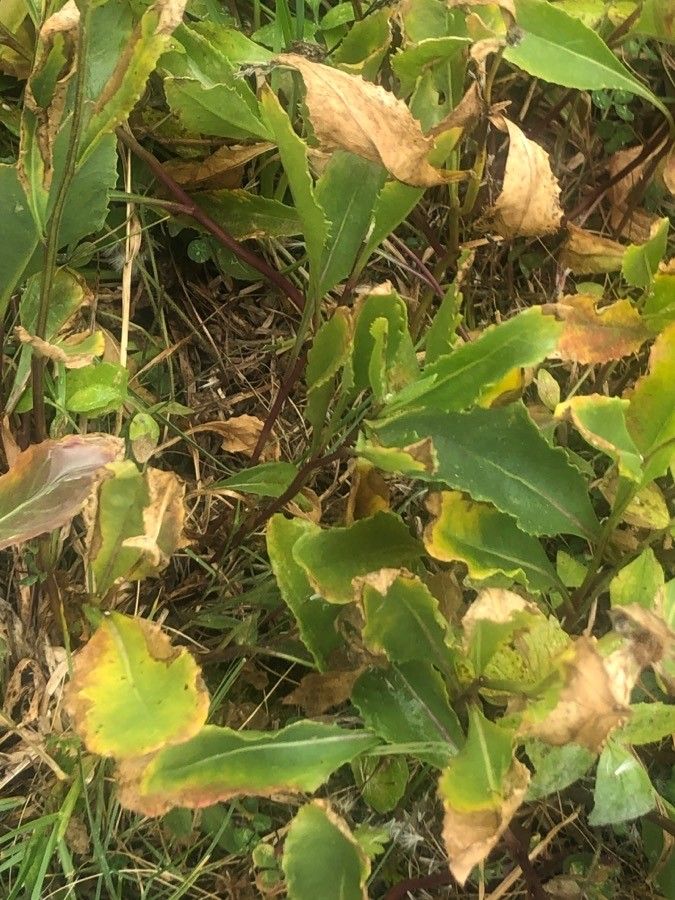
Hieracium virosum is a species of flowering plant in the hawkweed genus Hieracium. It is native to non-arid temperate areas of Eurasia, from southeastern and eastern Europe, Central Asia, across Siberia, Mongolia, northern China, and as far as Sakhalin island. A perennial of the steppes and forest-steppes, it is not apomictic.
Narrow-leaved hawkweed is fairly resistant to disease and is generally not prone to becoming ill. Nevertheless, it can be affected by pests and pathogens present in its surroundings. Such infections are usually mild. Regarding care, this plant requires a moderate level of maintenance. Regular pruning is necessary to maintain a neat appearance and healthy growth. Applying fertilizer can also help encourage flowering. Narrow-leaved hawkweed is suitable for anyone with an outdoor space, such as a garden or patio, and does not demand extensive plant-care experience. It may need extra attention when grown indoors.
How to keep Hieracium Virosum.
Light
Narrow-leaved hawkweed is a sun-loving perennial herbaceous plant native to open habitats, commonly thriving in meadows and grasslands. It prefers full sun but can also tolerate partial sun.
Water
Narrow-leaved hawkweed flourishes in consistently moist environments and needs to be watered weekly to stay hydrated. Although it prefers constant moisture, it can withstand brief dry spells. Its adaptability to different moisture levels demonstrates its resilience, making it ideal for regions with similar rainfall patterns.
Temperature
Narrow-leaved hawkweed can tolerate a wide range of temperatures, but its range may still be restricted by different combinations of moisture and heat. It performs best in warm summer climates with sufficient rainfall or watering. Extended periods of cloudy, rainy weather, as well as prolonged high temperatures, can raise the chance of Narrow-leaved hawkweed dying. In winter, adequate protection from cold can increase the plant's survival rate.
Fertilizer
Generally, a single fertilizer application in the spring is typically enough for Narrow-leaved hawkweed. However, to optimally boost growth, you could apply fertilizer multiple times. Aim for once every 30 to 45 days. Fertilizing improves the looks and functionality of the leaves, encouraging a uniform color and a robust texture. It also triggers root expansion and the ability to absorb nutrients, enhancing the plant's health in the long run.
Pruning
Narrow-leaved hawkweed is a hardy plant characterized by its slender leaves. For optimal growth, prune it from early to late spring. This will not only encourage new growth but also help remove damaged foliage, improving air circulation. Thinning out the plant maintains its shape and enhances blooming. Always use clean, sharp tools for pruning, and consider adding mulch afterward to provide nourishment and retain moisture.
Botanical profile.
- Plant Type
- Herb
- Life Cycle
- Perennial
- Genus
- Hieracium
- Family
- Asteraceae
- Hardiness Zone
- 4-8
- Mature Height
- 49 cm to 91 cm
- Mature Spread
- 30 cm to 49 cm
- Leaf Color
- Green, Dark Green
- Leaf Type
- Semi-evergreen
- Flower Color
- Yellow
- Flower Size
- 2.03 cm to 3.05 cm
- Bloom Time
- Early summer, Mid summer
- Planting Time
- Spring, Summer
- Harvest Time
- Mid summer, Late summer