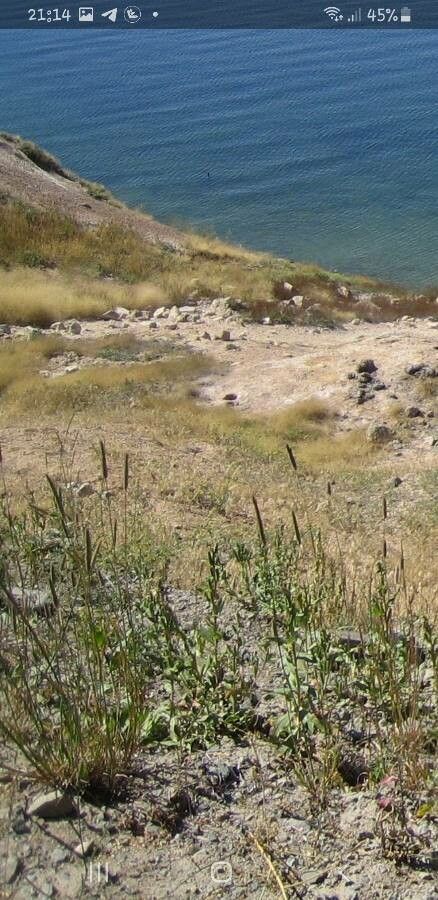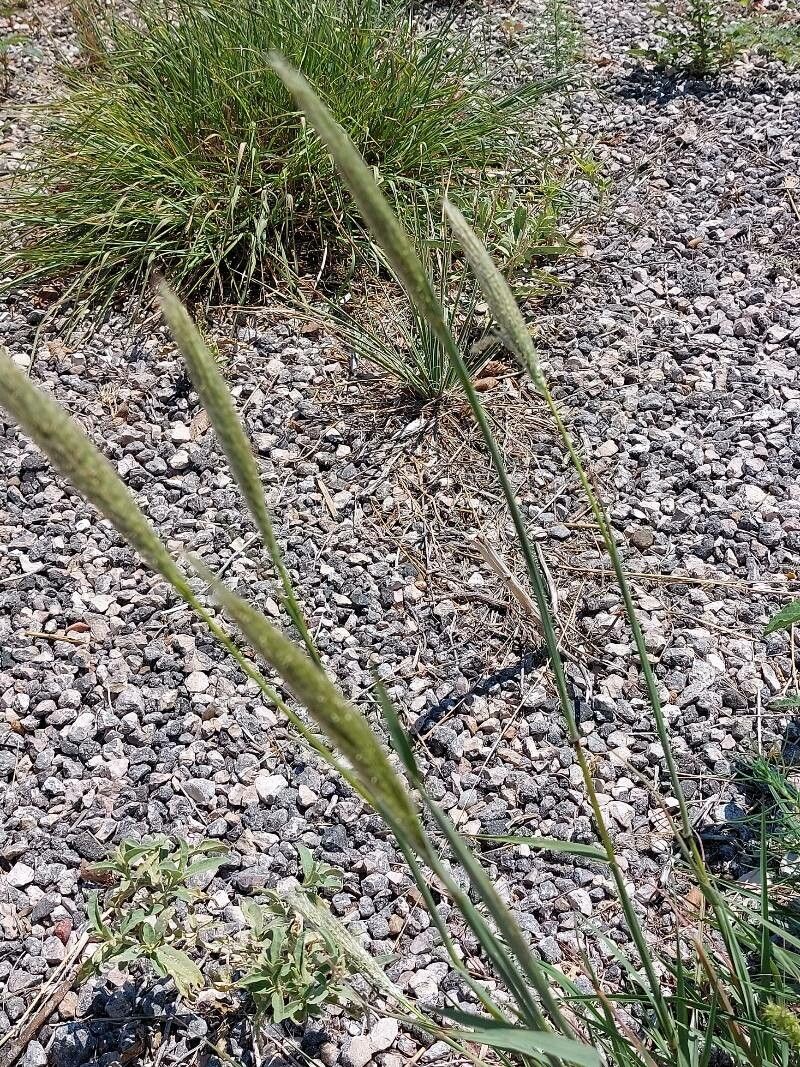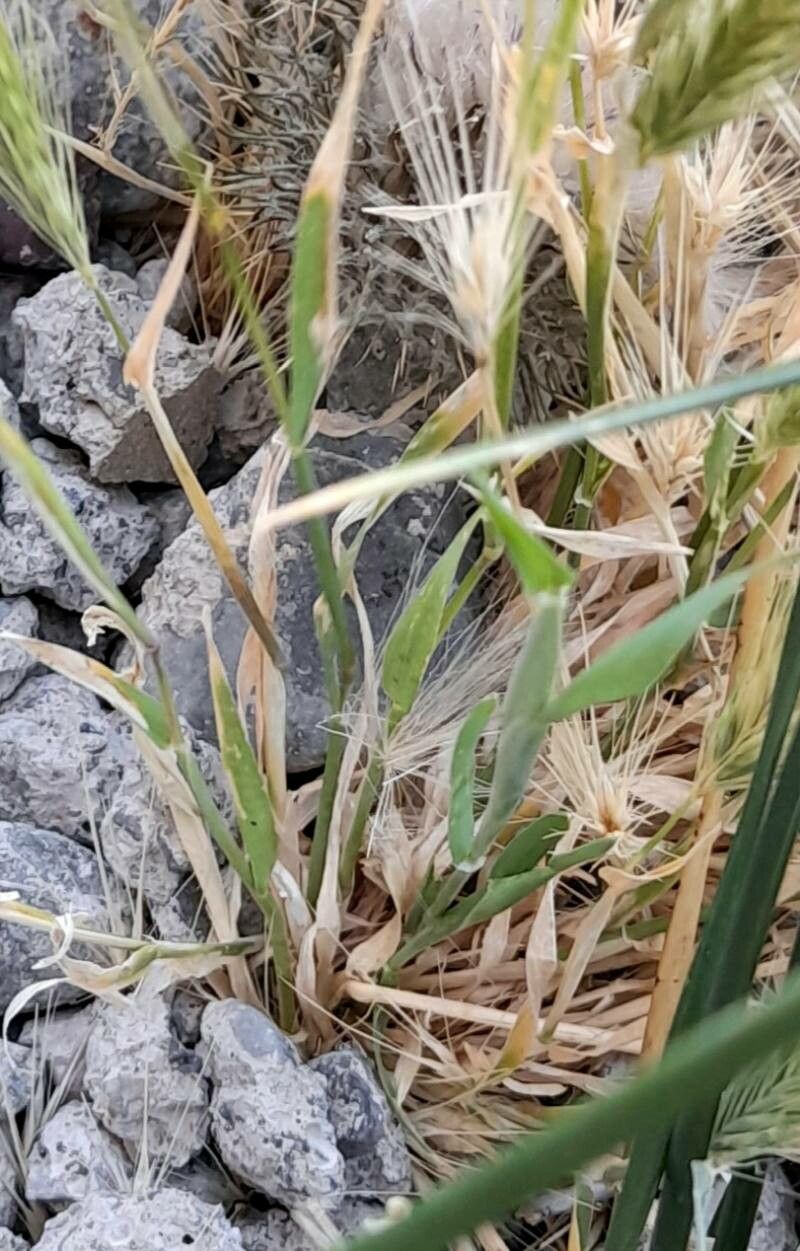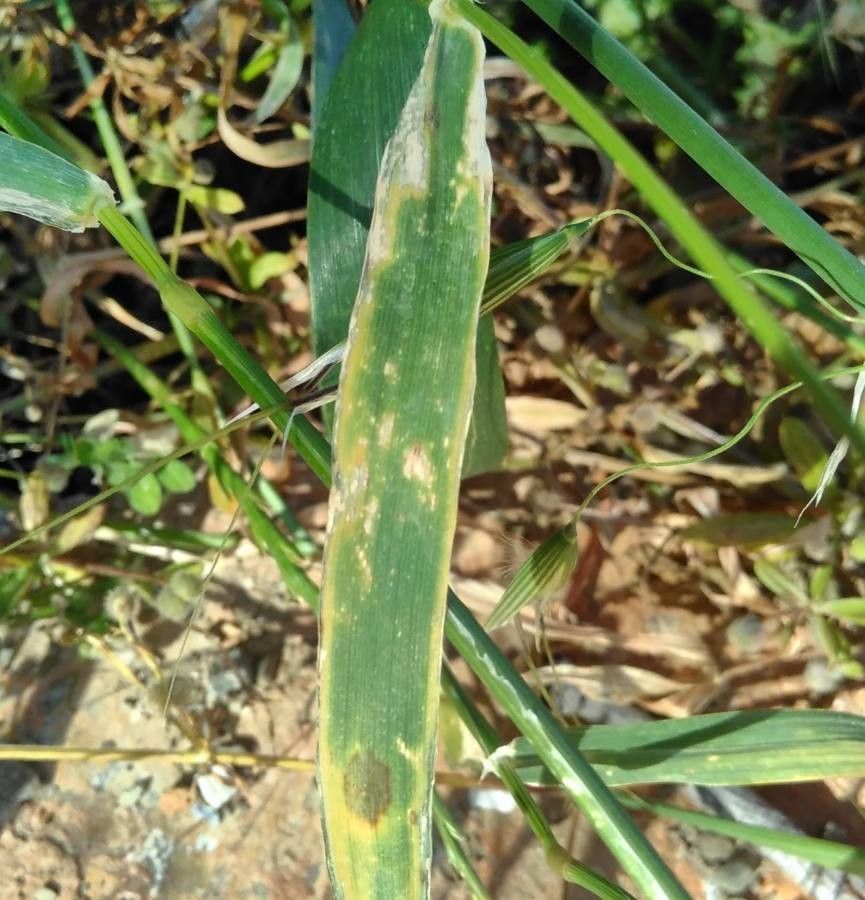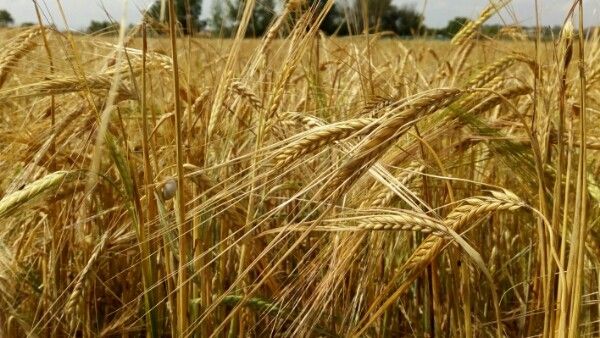
Hordeum distichon, the common barley or two-rowed barley, is a cultigen of barley, family Poaceae. It is native to Iraq, and is widely grown throughout temperate regions of the world. Some authorities consider it a subspecies of six-rowed barley, Hordeum vulgare. It is the principal raw material for malting and brewing beer in Europe, as it is lower in protein than the six-rowed barley usually used in North America.
Two-rowed barley is fairly disease-resistant and is typically not vulnerable to illnesses. Regarding upkeep, this plant is fairly low-maintenance. Outdoors it needs only light watering, and larger specimens usually do not require pruning. Smaller specimens, however, should be pruned after they finish blooming. Two-rowed barley is appropriate for anyone with an outdoor area, such as a garden or a deck, and does not demand extensive plant-care experience.
How to keep Hordeum Distichon.
Light
Two rowed barley comes from bright, open habitats where it does best in full sun. It can tolerate partial sun but prefers direct sunlight for optimal growth. This plant, which may be annual or biennial, is known for its sun-loving nature.
Temperature
Two rowed barley can adjust to a wide range of temperature conditions, though its distribution may still be restricted by different combinations of water and heat. It performs best in warm summer climates with sufficient rainfall or watering. Extended periods of cloudy, rainy weather or prolonged high temperatures can raise the chances of Two rowed barley dying. During winter, proper protection from cold can increase the plant's survival rate.
Fertilizer
For optimal growth, Two rowed barley needs three fertilizer applications: before planting, about one month after seedlings emerge, and a final application 1 to 1.5 months after the second. Some Two rowed barley types also benefit from extra fertilizer at planting to encourage rapid growth.
Pruning
Two-row barley is a hardy annual cereal with upright, slender stems and distinctive two-row seed heads. Pruning from early to late spring encourages growth, enhances air circulation, and reduces the risk of disease. This leads to improved grain production and better overall plant health.
Botanical profile.
- Plant Type
- Grass
- Life Cycle
- Annual
- Genus
- Hordeum
- Family
- Poaceae
- Hardiness Zone
- 4-9
- Mature Height
- 0.61 m to 1.22 m
- Mature Spread
- 20 cm to 30 cm
- Leaf Color
- Green, Light Green
- Leaf Type
- Semi-evergreen
- Bloom Time
- Early summer, Mid summer
- Planting Time
- Spring
- Harvest Time
- Late summer, Early fall
- Native Area
- Uzbekistan, Russia, Tajikistan, Turkey, Syria, Iraq, Kazakhstan, Mongolia, Iran, Armenia, Azerbaijan, Turkmenistan, China