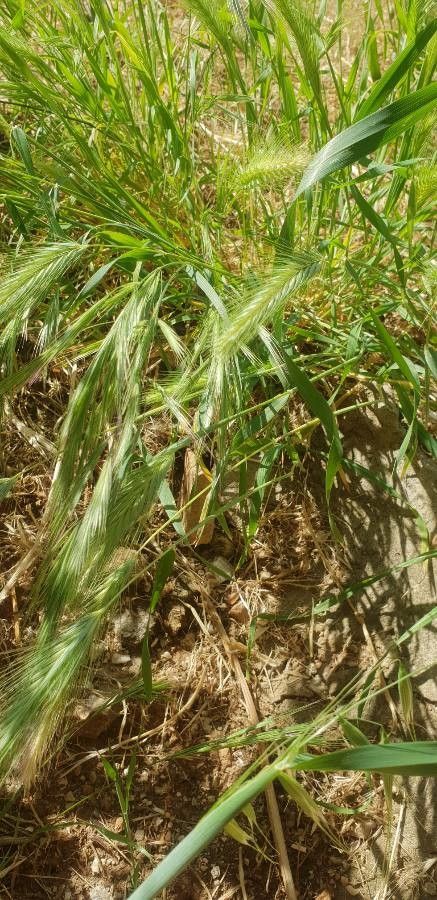
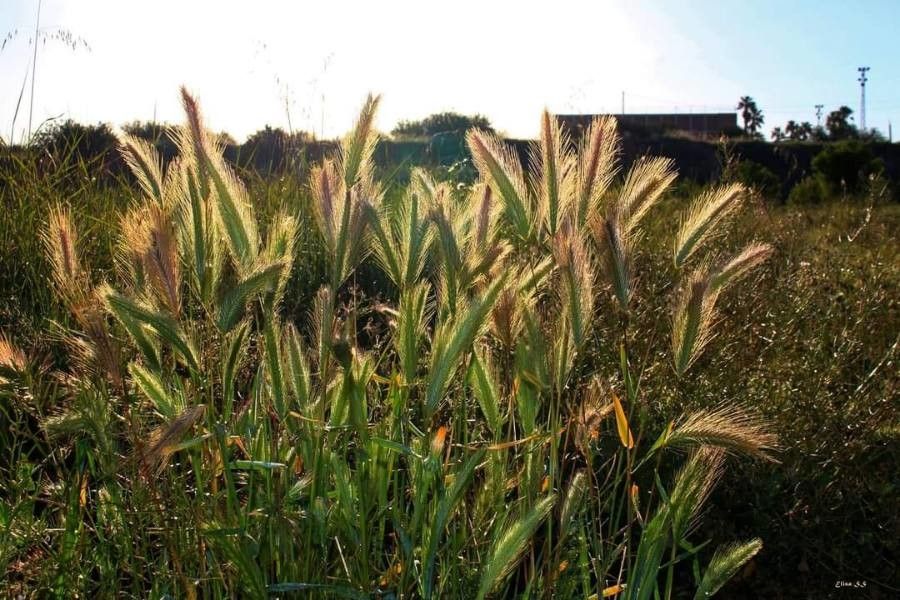
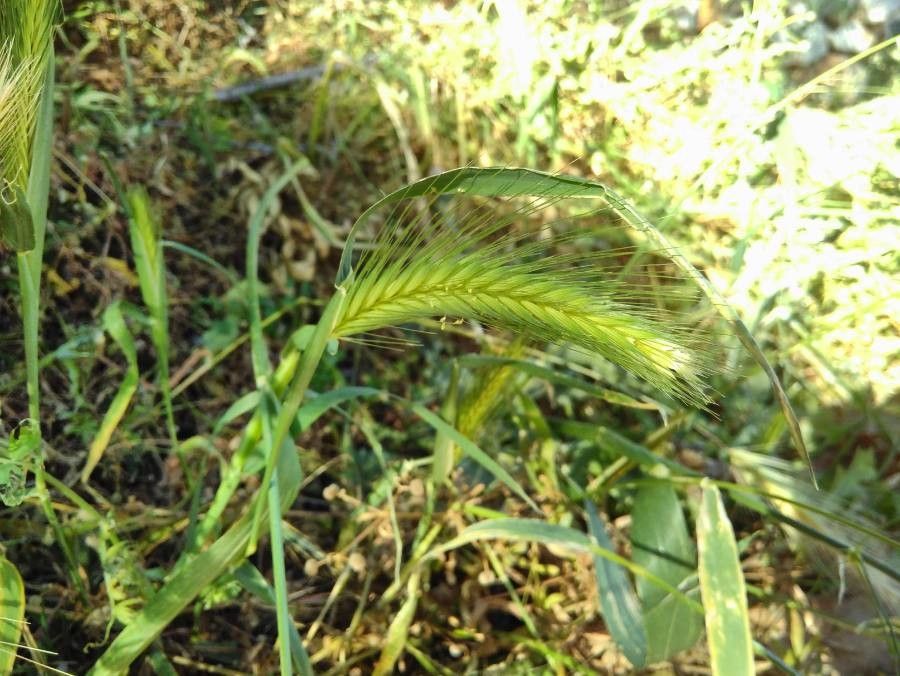
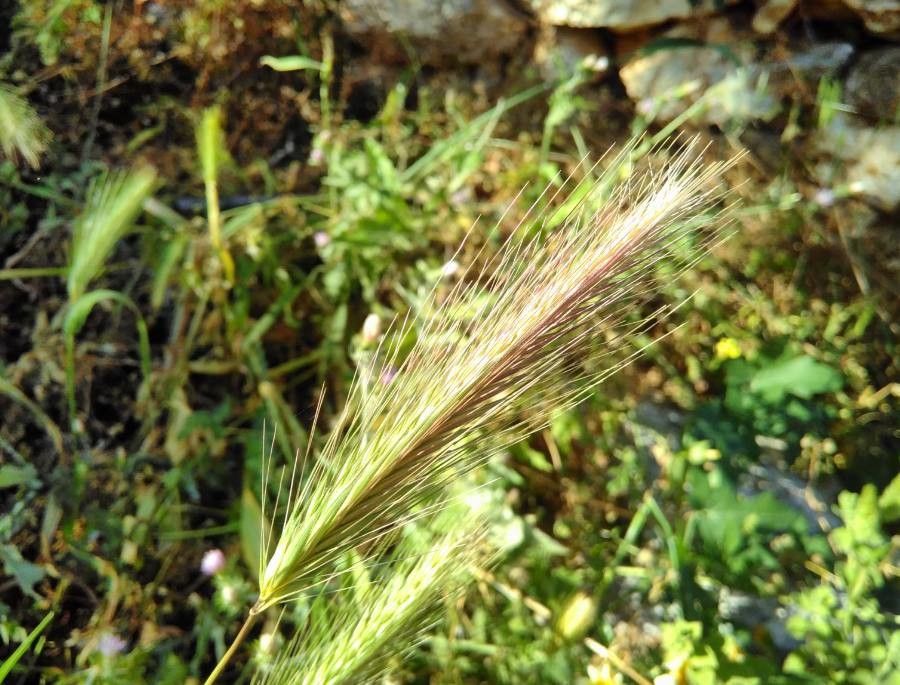
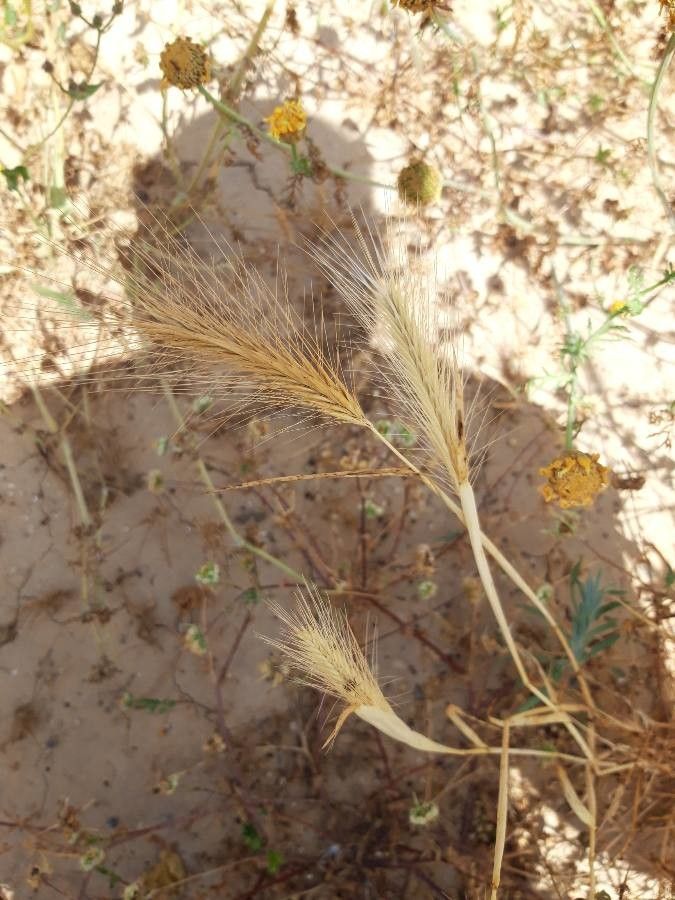
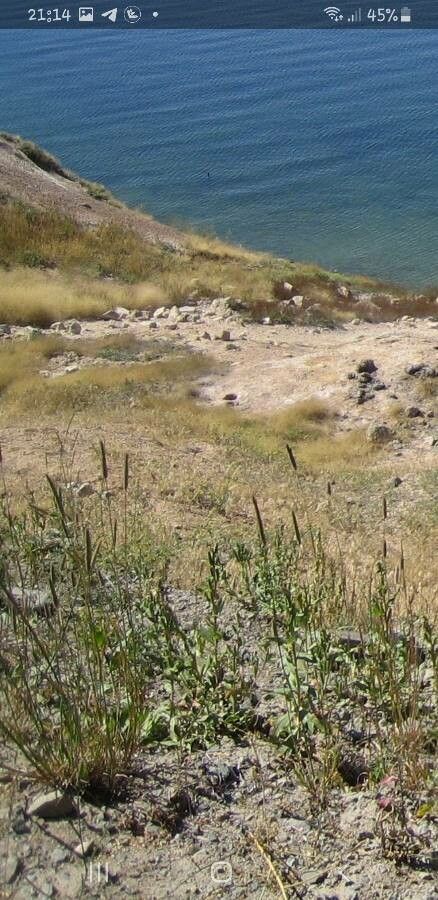
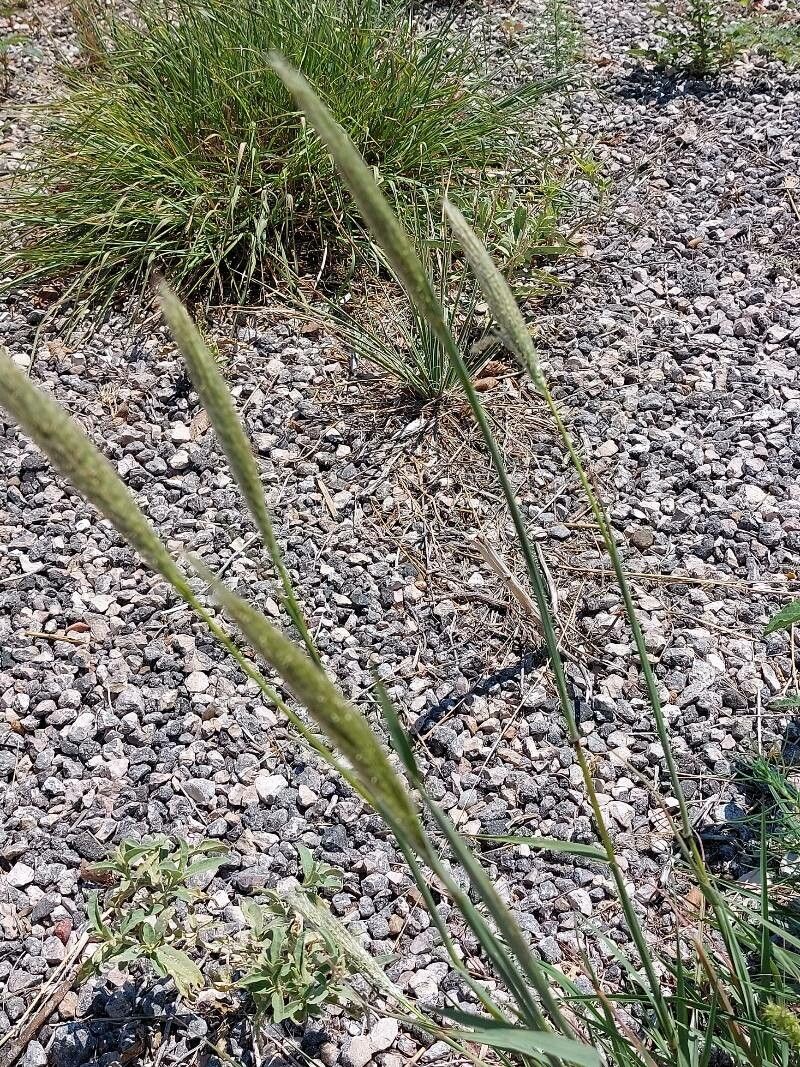
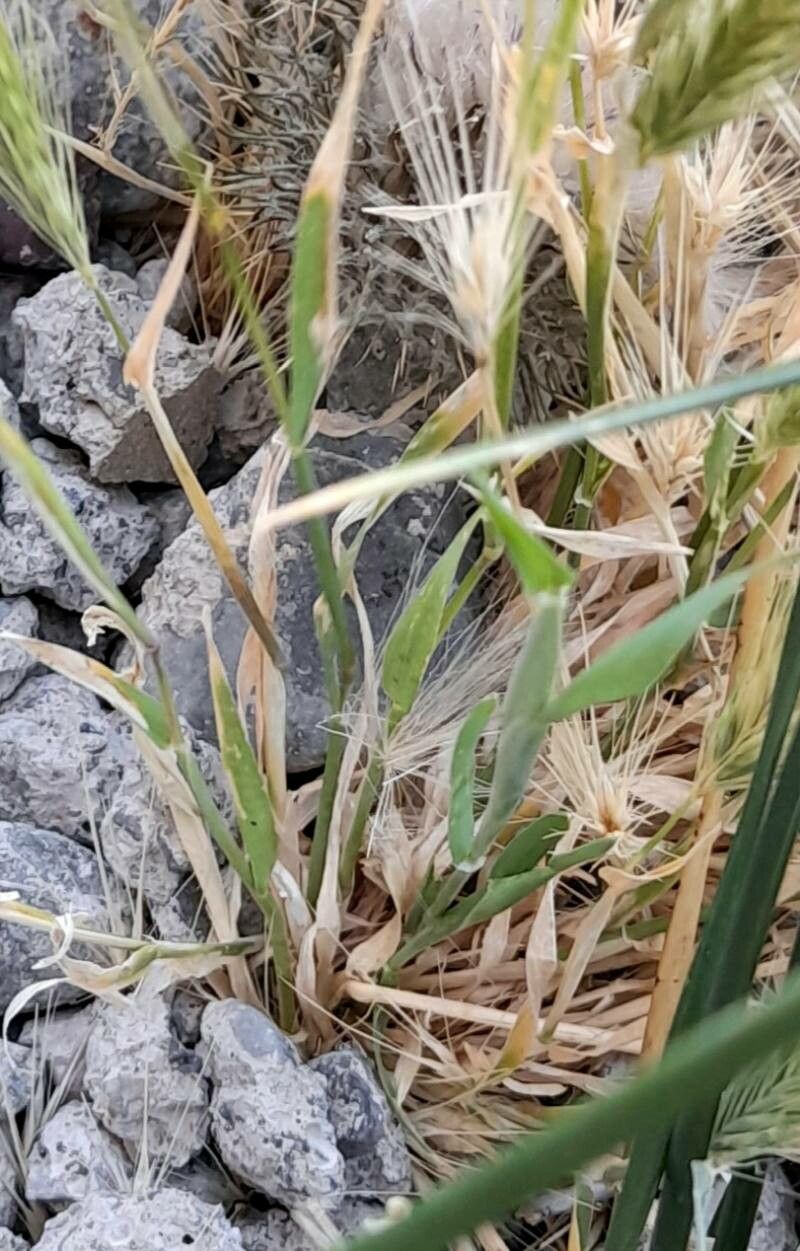
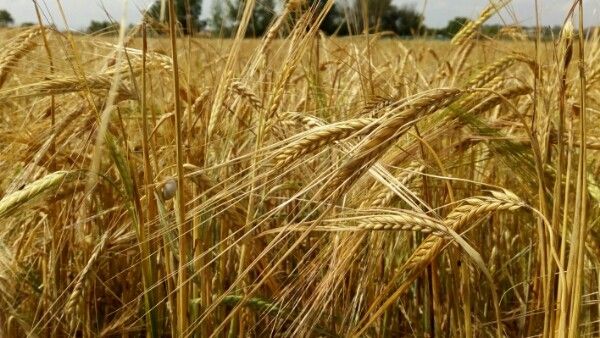
Hordeum marinum, commonly known as sea barley or seaside barley, is a species of grass.
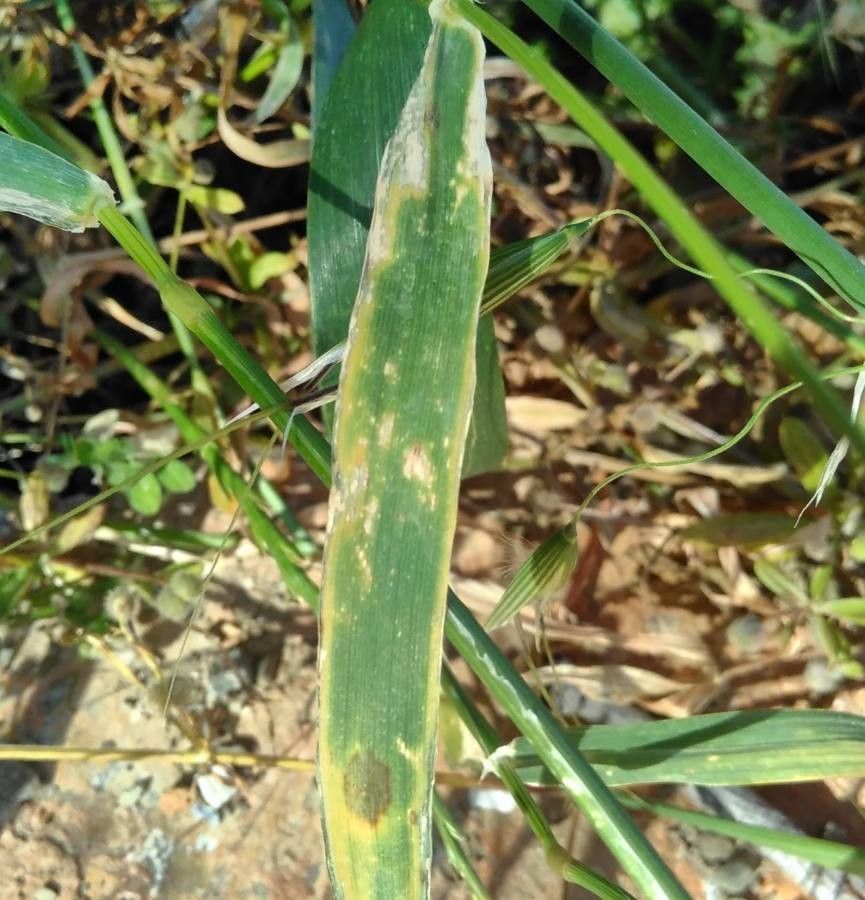
Sea barleygrass has strong resistance to disease and is generally unlikely to suffer from illnesses. Regarding care, this plant is fairly low-maintenance. When grown outdoors it needs little watering, and larger specimens typically do not require pruning. Smaller specimens, however, should be pruned after they have finished blooming. Sea barleygrass is appropriate for anyone with an outdoor area, like a garden or a deck, and does not demand extensive plant-care experience.
How to keep Hordeum Geniculatum.
Light
Sea barleygrass comes from bright, open habitats where it thrives in full sun. It can tolerate partial sun but prefers direct sunlight for optimal growth. This annual and biennial plant is recognized for its sun-loving nature.
Temperature
Sea barleygrass can tolerate a wide range of temperatures, although its distribution may still be restricted by different combinations of moisture and heat. It does best in warm summer climates with sufficient rainfall or watering. Extended periods of cloudy, rainy weather or prolonged high temperatures increase the chance of Sea barleygrass dying. In winter, protecting it from cold can improve its survival.
Fertilizer
For optimal growth, Sea barleygrass needs three fertilizer applications: one before planting, a second one month after seedlings emerge, and a final application 1 to 1.5 months after the second. Some Sea barleygrass types also benefit from extra fertilizer at planting to promote rapid growth.
Botanical profile.
Other names.