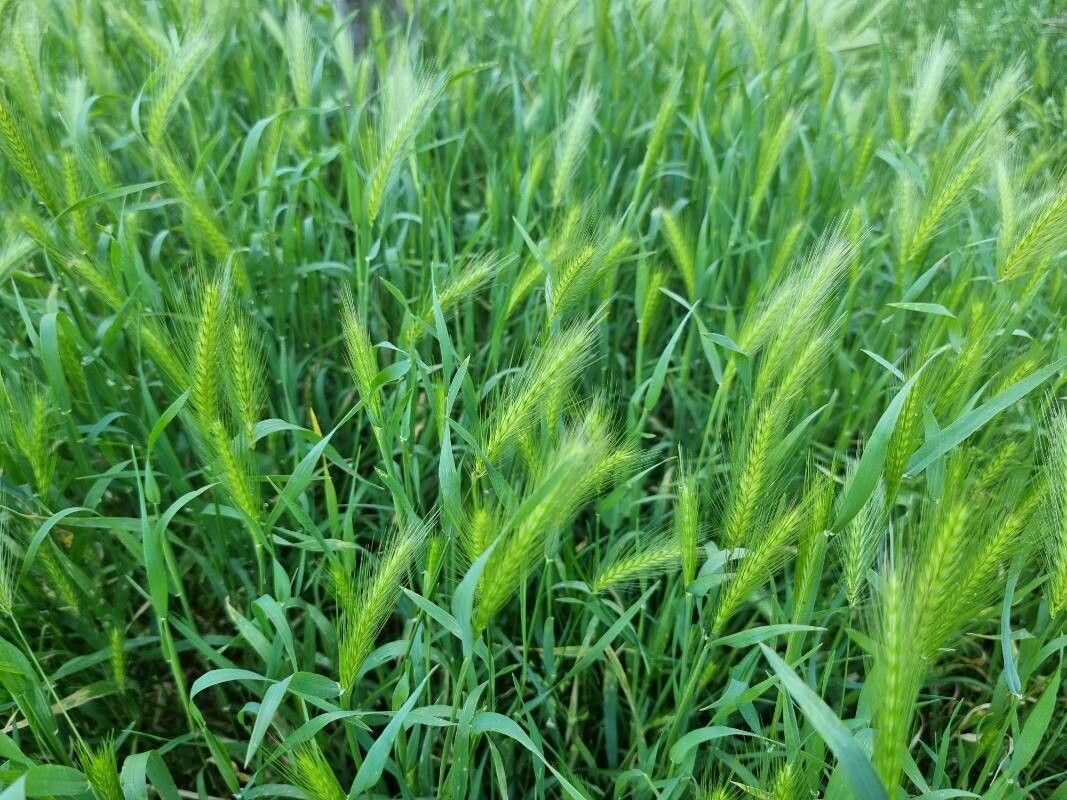
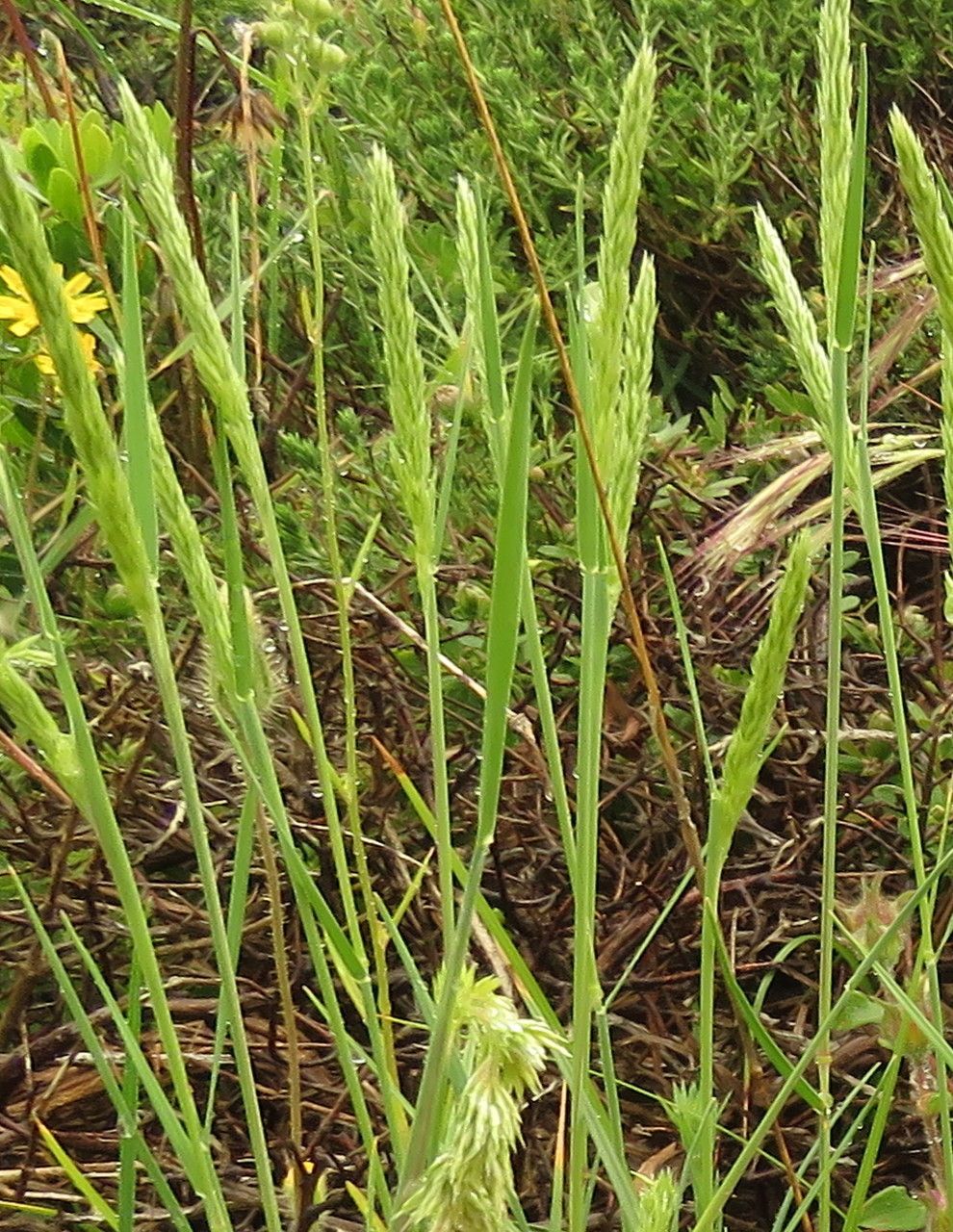
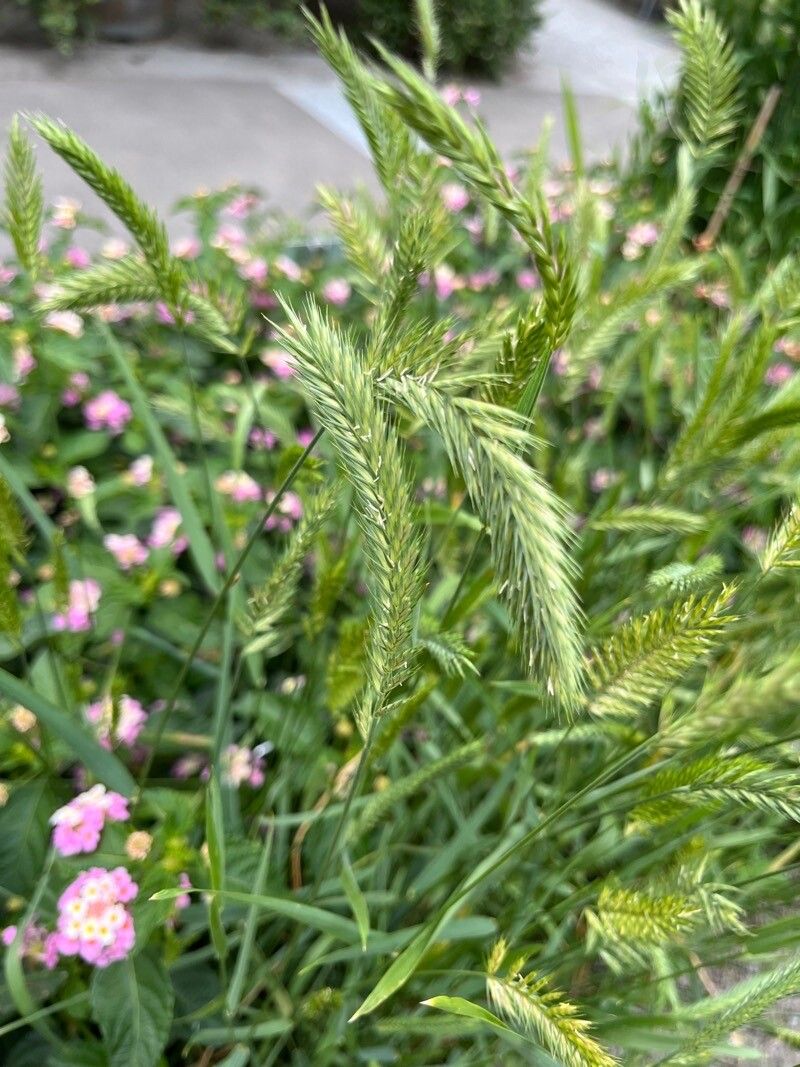
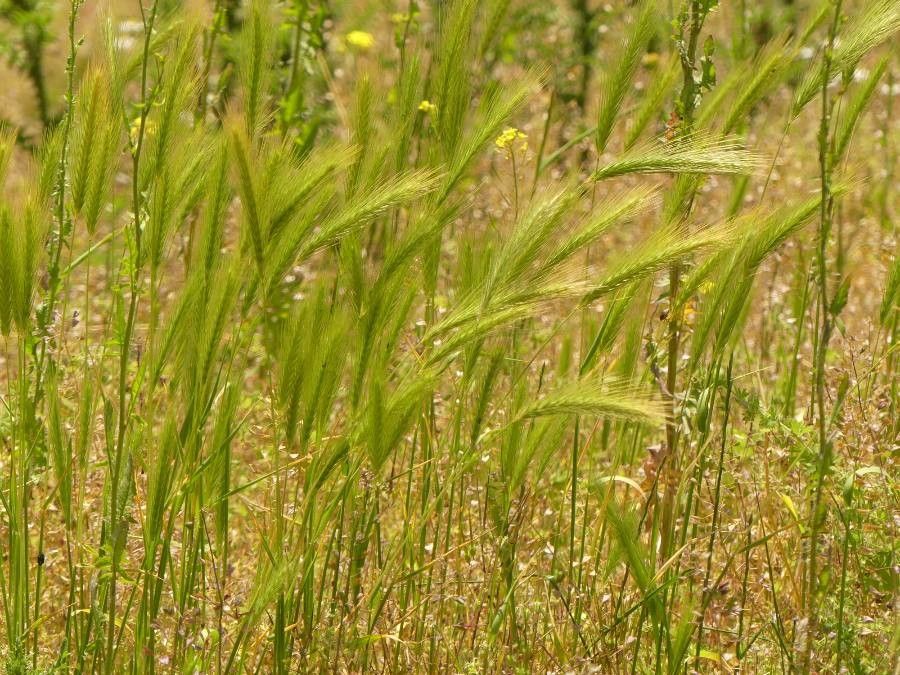
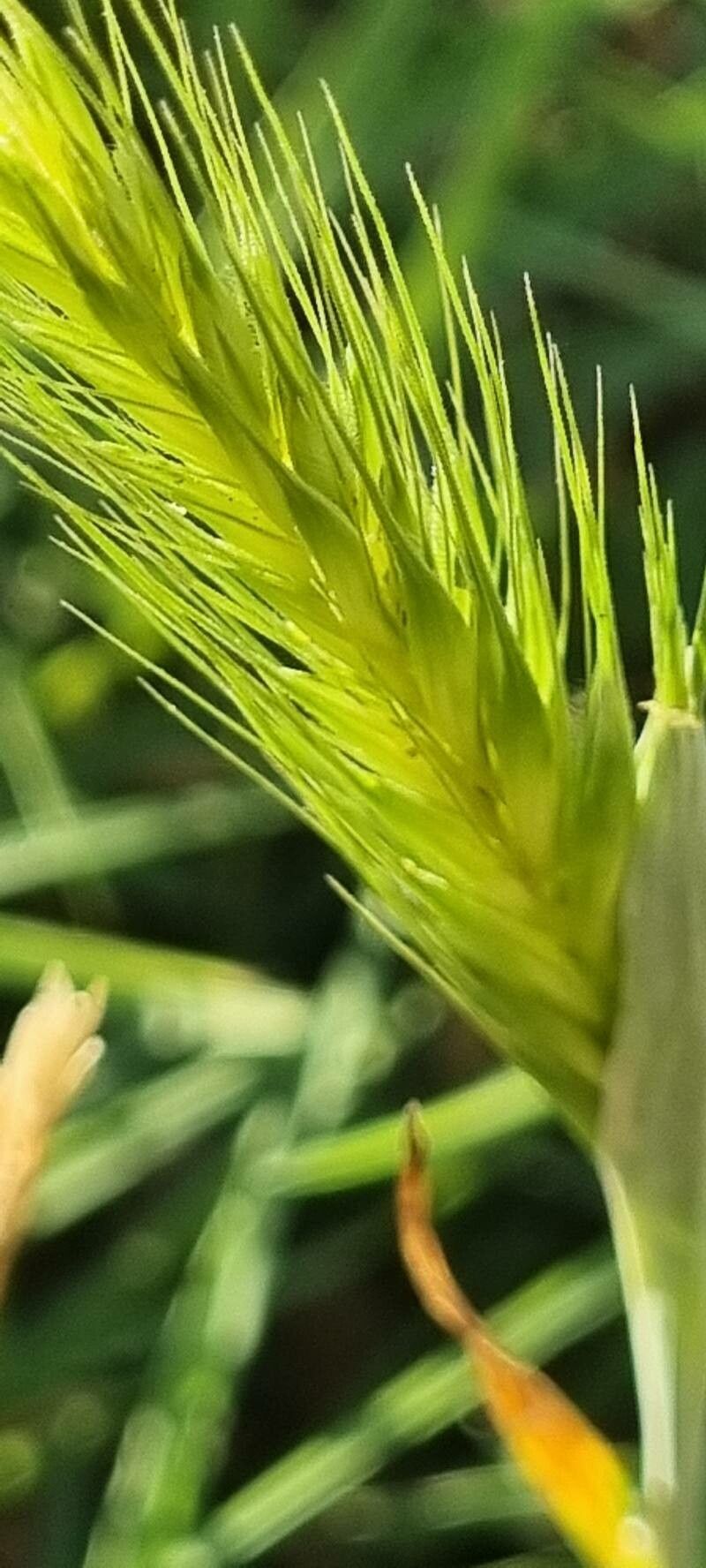
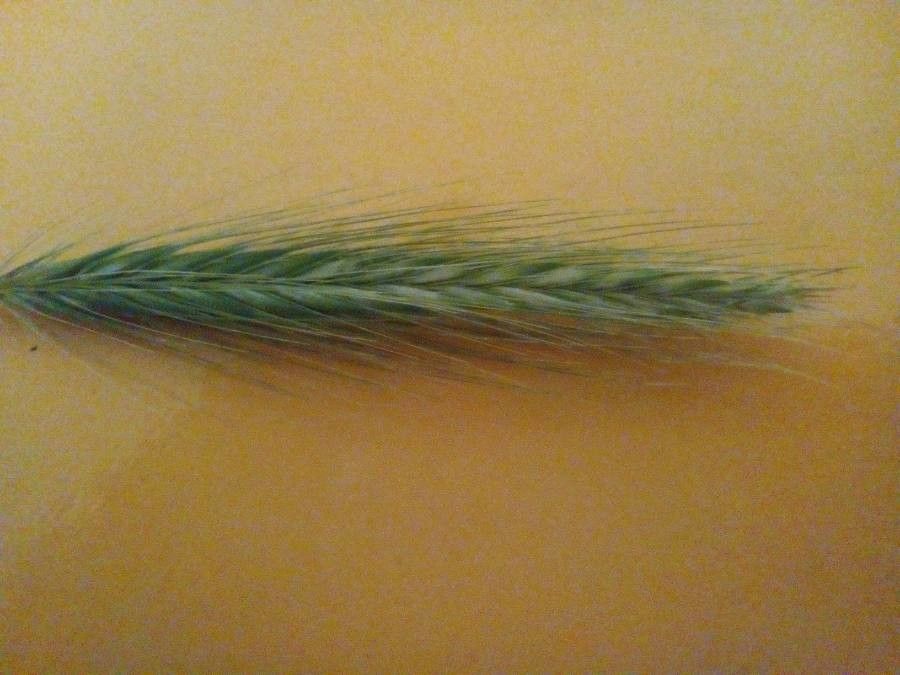
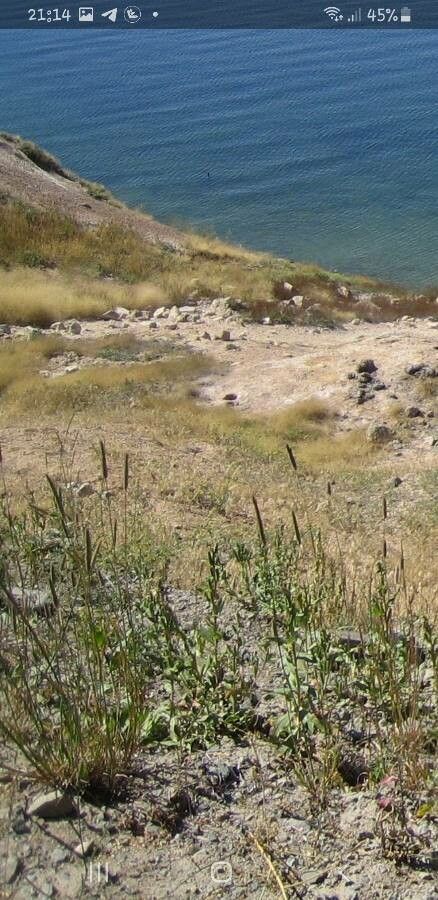
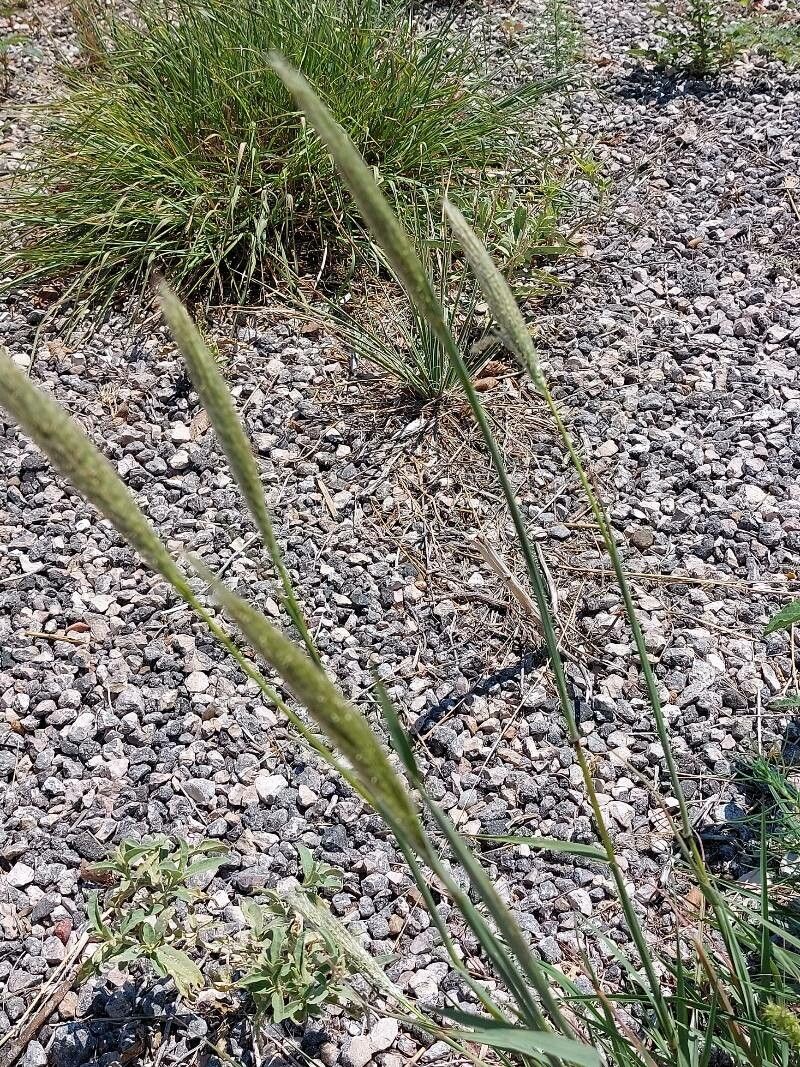
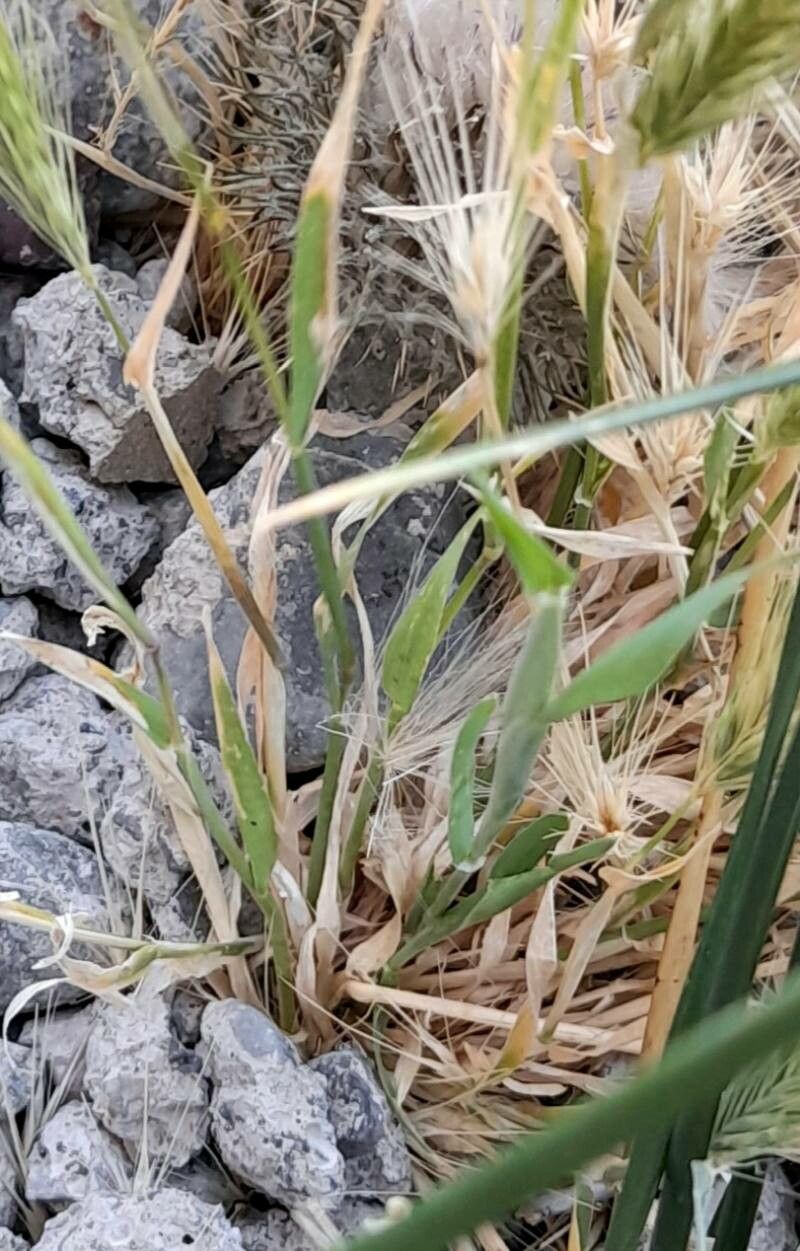
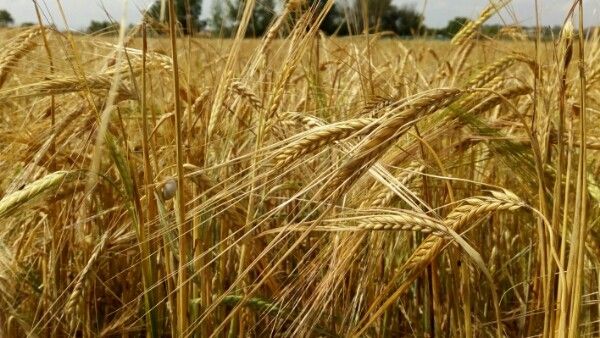
Hordeum pusillum, commonly known as little barley, is an annual grass species that belongs to the Poaceae family. Native to North America, it thrives in various habitats such as prairies, meadows, and disturbed areas. This plant can grow up to 60 cm tall, featuring a slender stem and narrow leaves that can reach up to 15 cm in length. The inflorescence of Hordeum pusillum consists of spikelets arranged in pairs along the stem, each containing several small flowers with bristly awns at their tips.
Little barley serves as an important forage crop for livestock and wildlife, including deer and birds. It also possesses some medicinal properties and has traditionally been used by Native Americans to treat ailments such as diarrhea, fever, coughs, and sore throats.
Hordeum pusillum can be easily cultivated from seeds in well-drained soil with full sun or partial shade. During its growing season, it requires moderate watering but is drought-tolerant once established.
Overall, Hordeum pusillum is notable for its ecological significance as a food source for wildlife and its medicinal properties. It is an important part of North America's flora and plays a vital role in biodiversity conservation efforts today.
Little barley is fairly disease-resistant and typically does not get sick easily. However, it can be vulnerable to pests and diseases present in its environment. Such infections are generally mild. For care, this plant needs moderate maintenance. It should be pruned regularly to preserve a neat appearance and support healthy growth. Fertilizing can also encourage flowering. Little barley is well suited to people with outdoor spaces like a garden or patio and does not demand extensive gardening experience. It may need extra attention if grown indoors.
How to keep Hordeum Pusillum.
Light
Little barley comes from bright, open habitats where it grows best in full sun. It can tolerate partial sun but prefers direct sunlight for optimal growth. This annual or biennial plant is known for its sun-loving nature.
Water
Little barley is native to the prairies of North America, where it thrives in conditions of moderate watering that mirror its natural cycle of wet and dry periods. It does best with watering twice a week and adapts well to temperate climates with seasonal rainfall. Additionally, it exhibits some tolerance to drought.
Temperature
Little barley can tolerate a wide range of temperature conditions, but its range may still be constrained by various combinations of water and heat. It grows best in warm summer climates with sufficient rainfall or irrigation. Extended periods of cloudy, rainy weather, as well as prolonged high temperatures, can raise the risk of Little barley dying. In winter, protecting it from the cold can increase the plant's chance of survival.
Fertilizer
For optimal growth, Little barley needs three fertilizer applications: one before planting, a second about one month after seedling emergence, and a final application 1 to 1.5 months after the second. Some Little barley types benefit from extra fertilizer applied at planting to encourage rapid growth.
Pruning
To promote healthy growth and improve the appearance of little barley, prune it in early to late spring. This involves removing dead foliage to enhance air circulation and reduce the risk of disease. Before pruning, be sure to sanitize your tools to prevent infections, ensuring the plant remains robust and visually appealing.
Botanical profile.
- Plant Type
- Herb
- Life Cycle
- Annual
- Genus
- Hordeum
- Family
- Poaceae
- Hardiness Zone
- 4-9
- Mature Height
- 10 cm to 40 cm
- Mature Spread
- 10 cm to 20 cm
- Leaf Color
- Green, Light Green
- Leaf Type
- Semi-evergreen
- Flower Size
- 0.20 cm to 0.25 cm
- Bloom Time
- Mid spring, Late spring
- Planting Time
- Spring, Winter
- Harvest Time
- Early summer, Mid summer
- Native Area
- Mexico
Other names.
Reader questions.
What are the sunlight requirements for Little Barley (Hordeum pusillum)?
Little Barley (Hordeum pusillum) thrives in various sunlight conditions. For full sun exposure, it requires above 6 hours of sunlight daily. For partial sun exposure, it needs about 3-6 hours of sunlight. It's important to watch how sunlight moves through your garden throughout the day. Choosing the right spots that provide a perfect balance of light and shade is crucial for the happiness and health of your Little Barley plants.
What is Little Barley?
Little barley, scientifically known as Hordeum pusillum, is a plant species. There is no additional information provided about its essentials or symptoms associated with it.