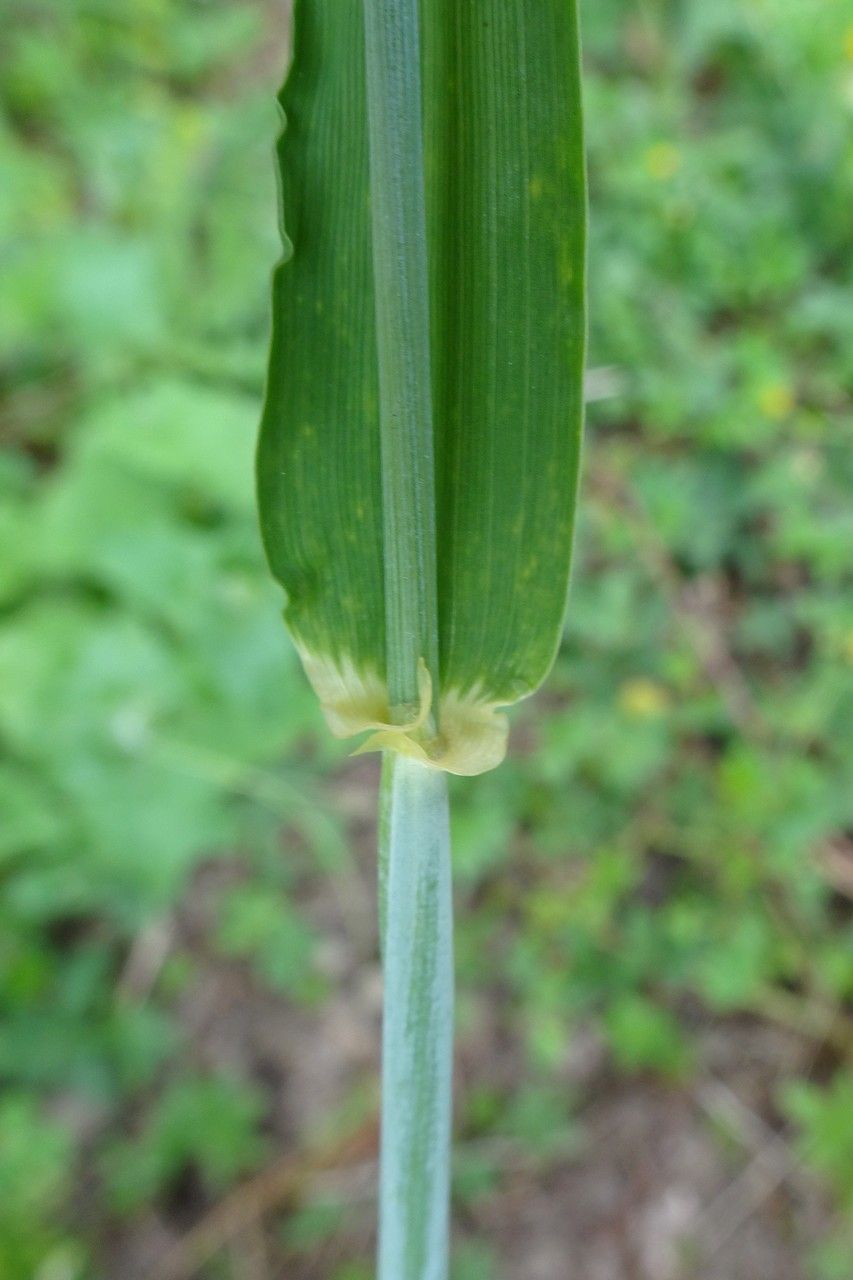
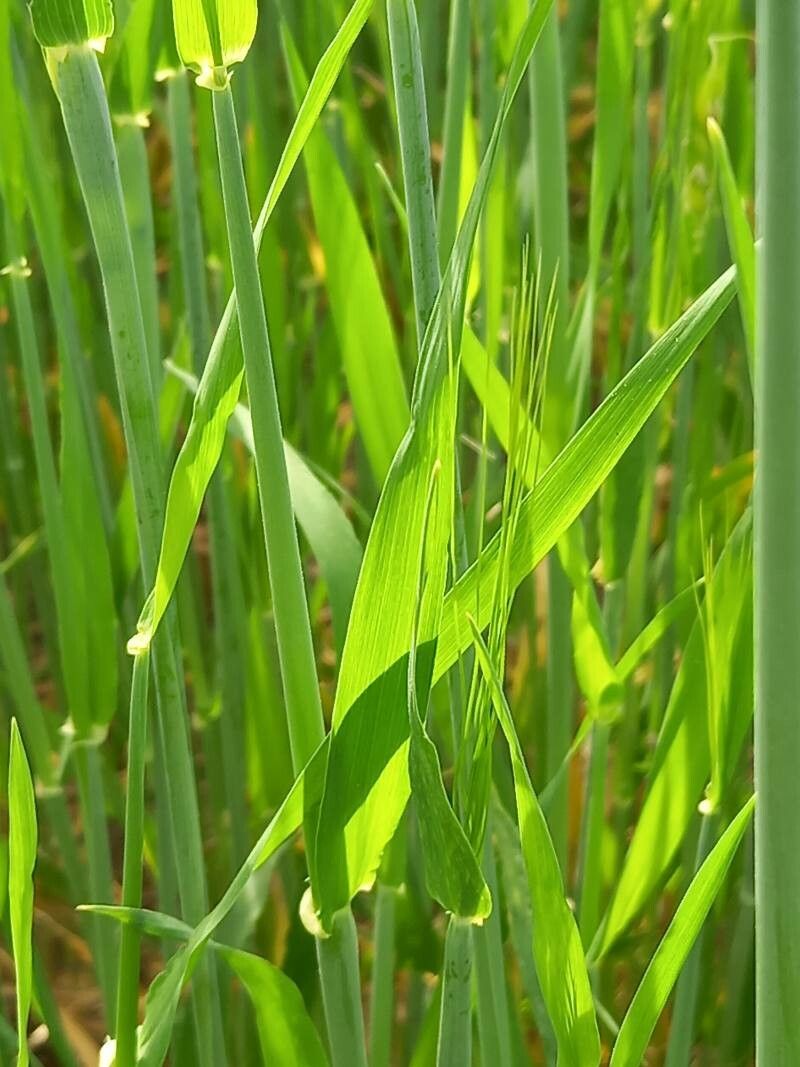
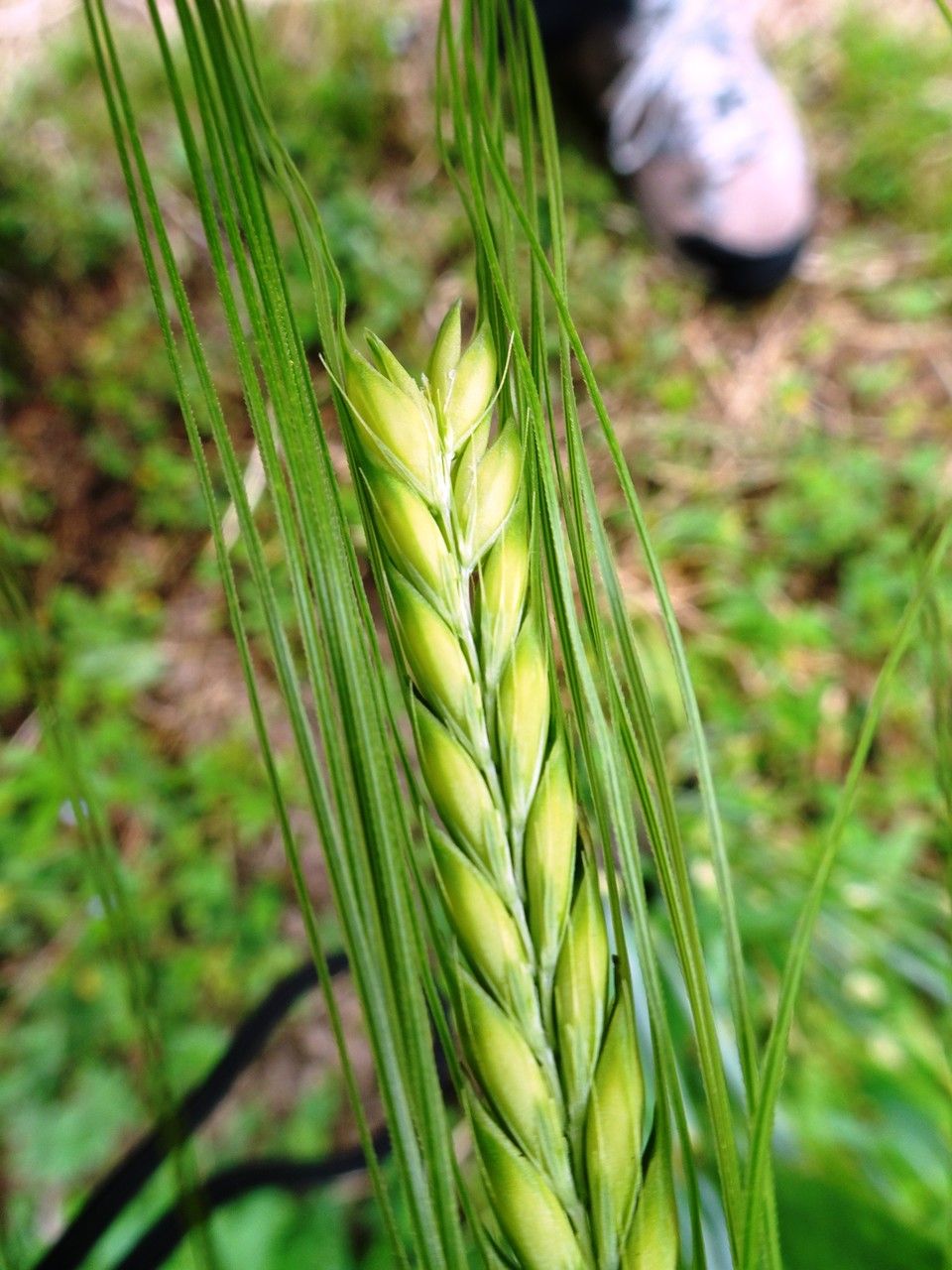
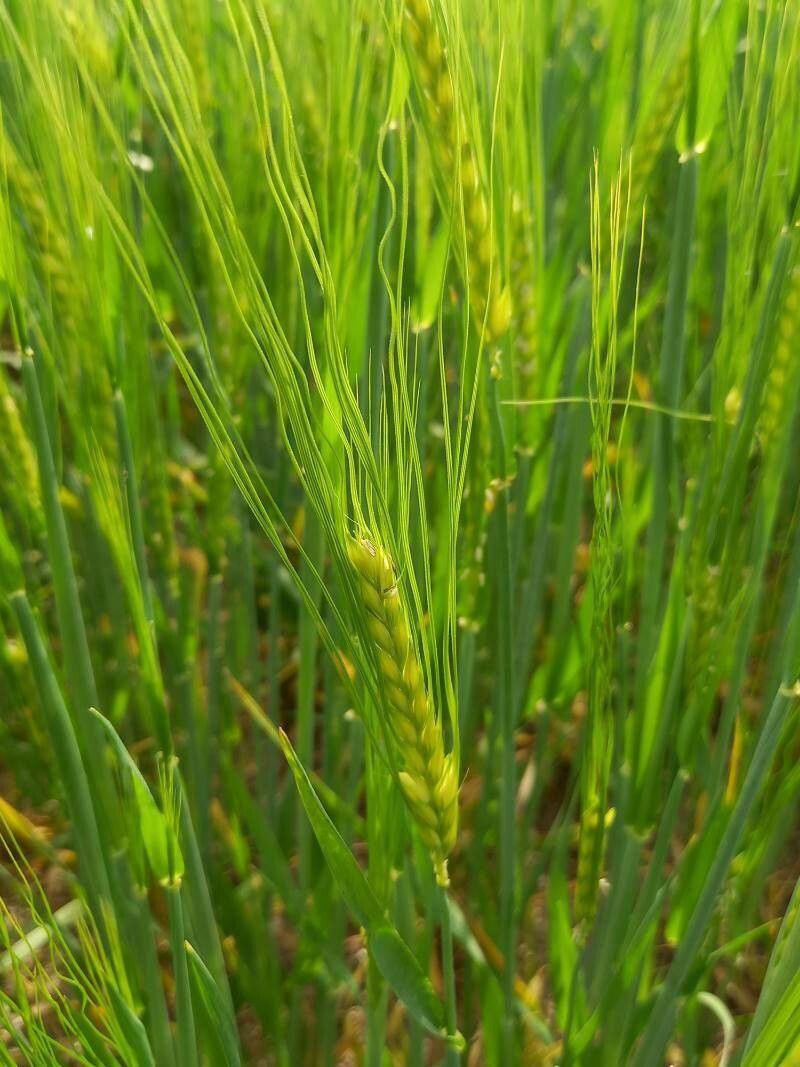
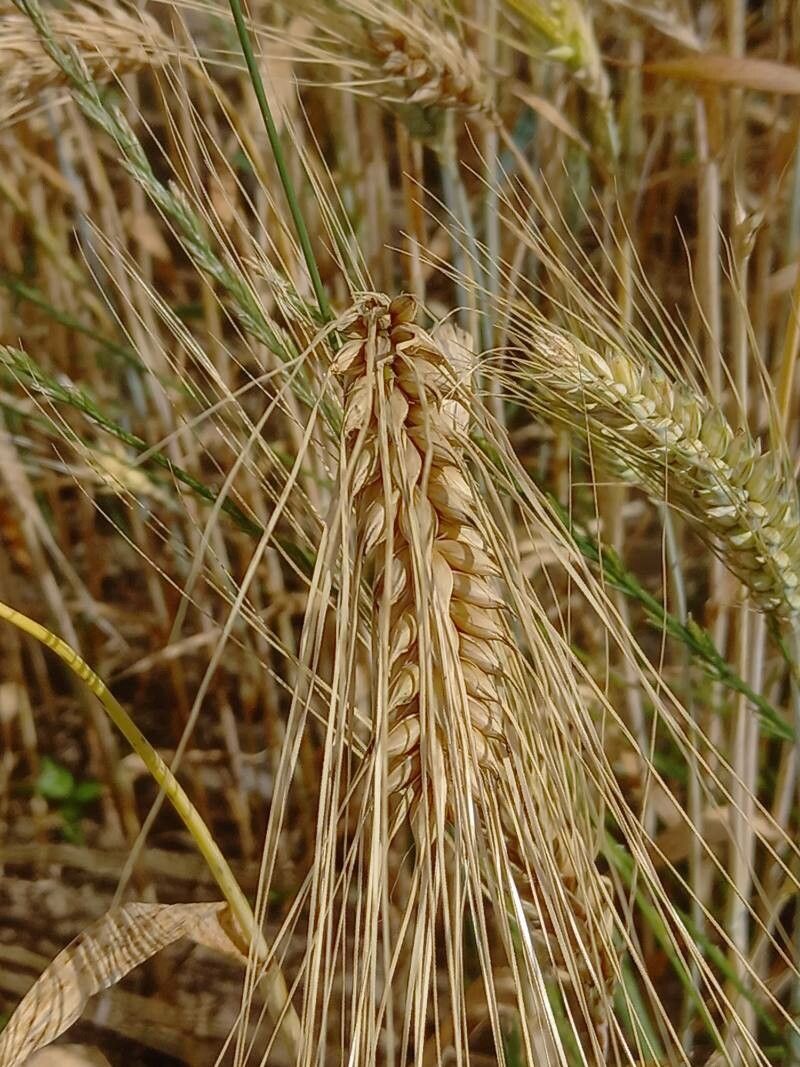
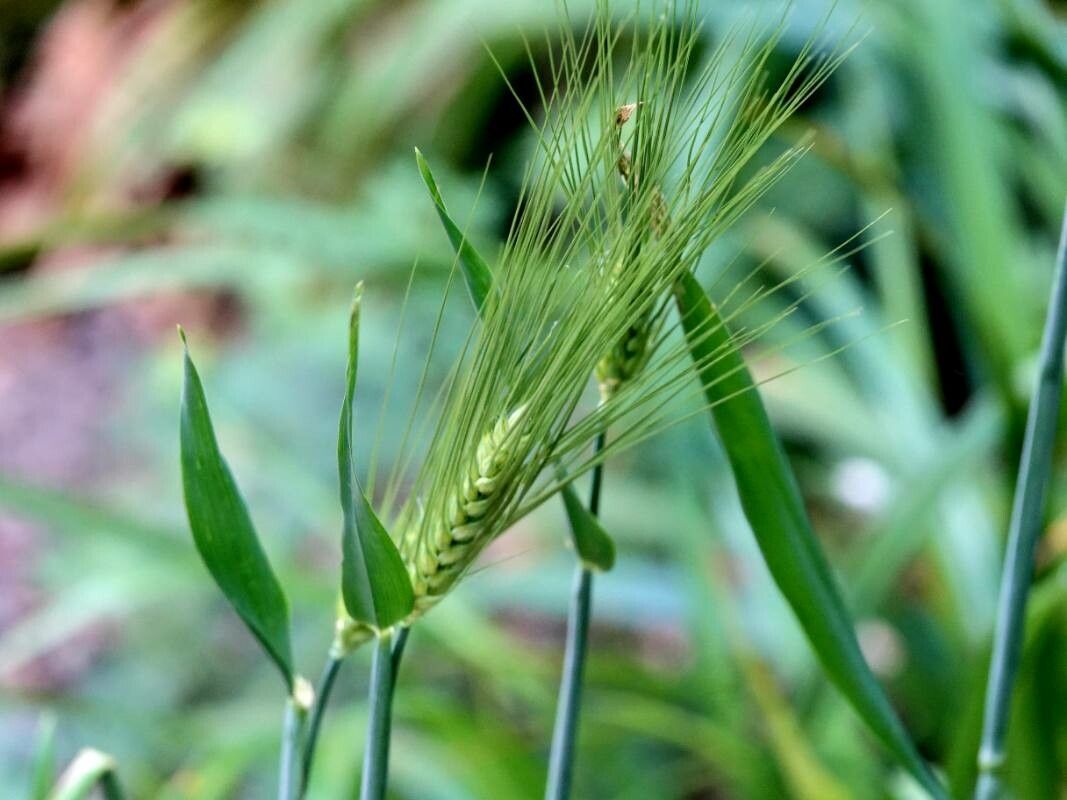
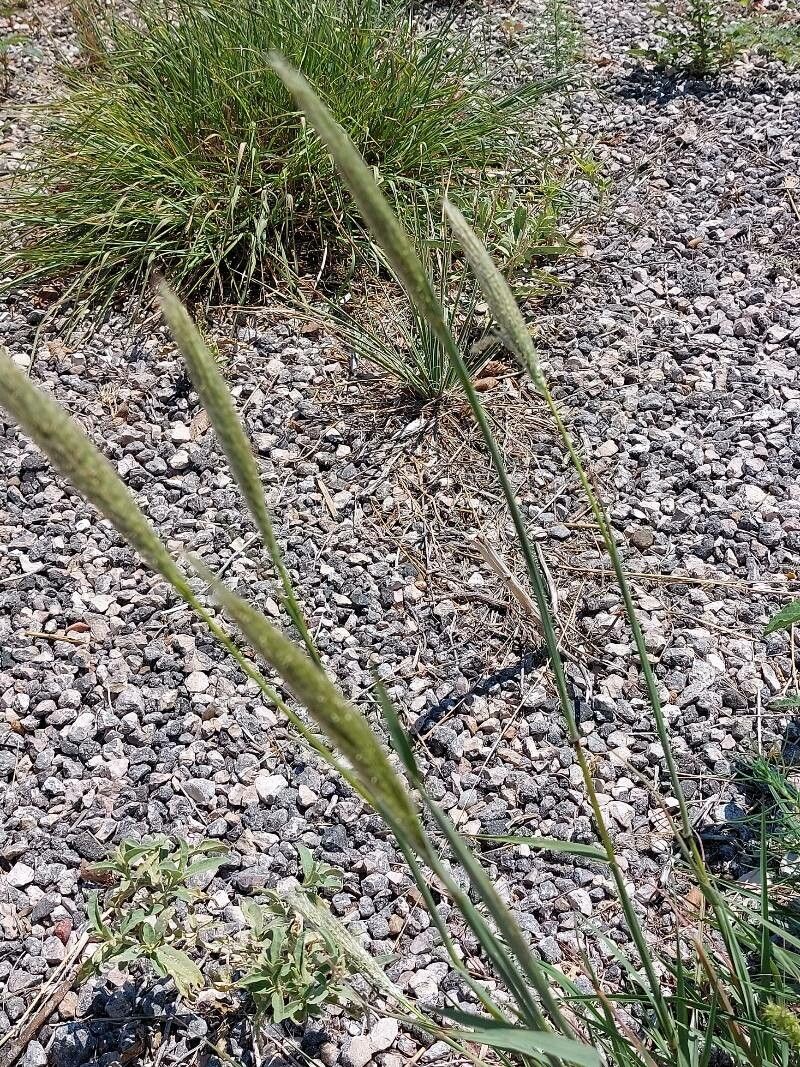
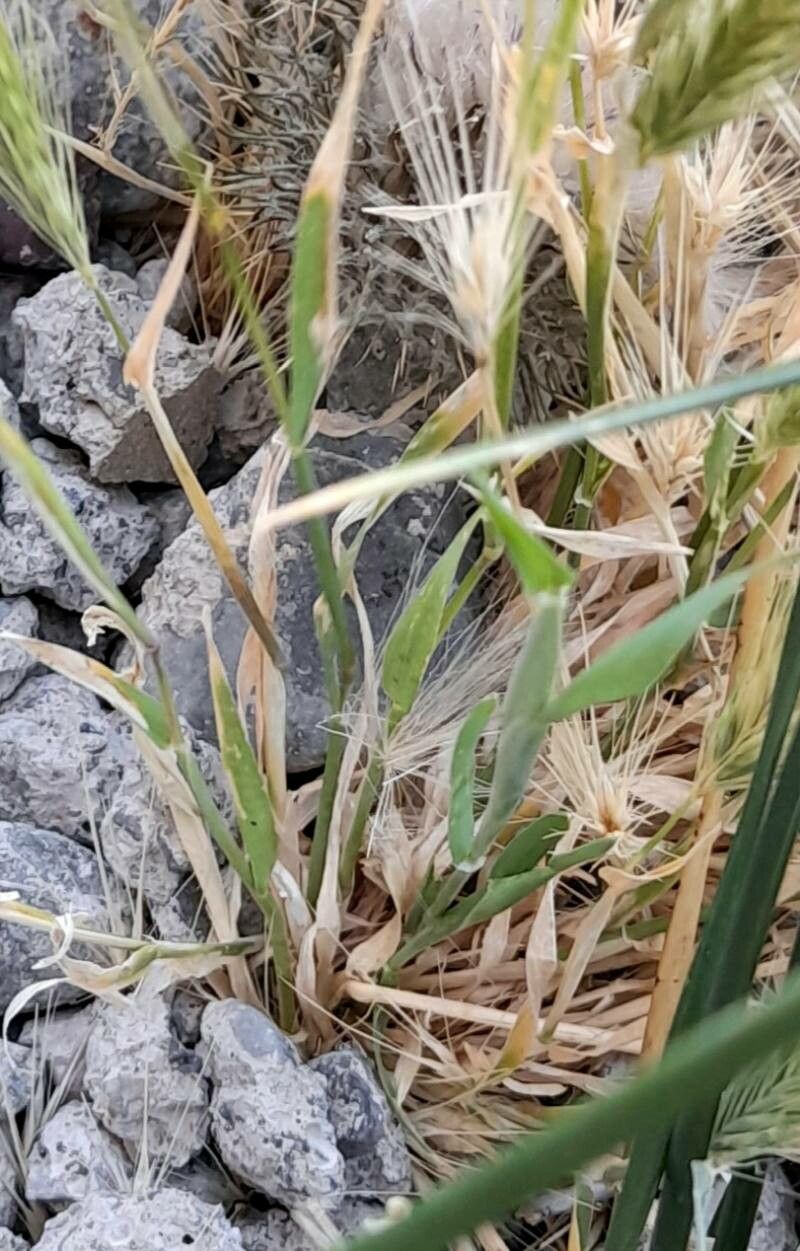
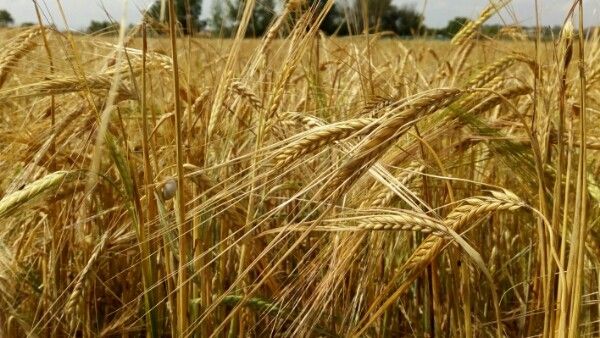
Barley (Hordeum vulgare), a member of the grass family, is a major cereal grain grown in temperate climates globally. It was one of the first cultivated grains, particularly in Eurasia as early as 10,000 years ago. Globally 70% of barley production is used as animal fodder, while 30% as a source of fermentable material for beer and certain distilled beverages, and as a component of various foods. It is used in soups and stews, and in barley bread of various cultures. Barley grains are commonly made into malt in a traditional and ancient method of preparation. In 2017, barley was ranked fourth among grains in quantity produced (149 million tonnes or 330 billion pounds) behind maize, rice and wheat.
Barley is fairly disease-resistant and typically not prone to illnesses. However, it can be vulnerable to pests and diseases present in its surroundings. Such infections are generally not severe. In terms of care, this plant requires moderate maintenance. Regular pruning is needed to maintain a neat appearance and encourage healthy growth. Applying fertilizer can also help promote flowering. Barley is suitable for anyone with outdoor space, such as a garden or patio, and does not demand extensive care experience. It may need more attention when grown indoors.
How to keep Hordeum Vulgare.
Light
Barley favors direct, unobstructed sunlight, a preference tied to the conditions of its original growing environment. Ample sunlight promotes strong health and growth throughout its life stages. However, too much or too little light can negatively affect the plant.
Water
Barley thrives in environments with plenty of moisture and requires weekly watering to grow optimally. While it can endure periods of drought, it performs best when consistently hydrated. Generally grown outdoors, it requires careful management of soil moisture during its crucial growing season to ensure healthy development.
Temperature
Barley is naturally suited to environments with temperatures between 68 and 95°F (20 to 35℃). Originating from temperate regions, the plant prefers these conditions. For favourable growth, keep temperatures within this range, especially in spring and summer.
Fertilizer
To achieve optimal growth, Barley needs three fertilizer treatments: one before planting, a second one one month after the seedlings emerge, and a final one 1 to 1.5 months after the second. Some Barley types also benefit from an extra fertilizer application at planting to support rapid growth.
Toxicity
Hordeum vulgare has no toxic effects reported.
Further reading →
The toxicity and danger assessments provided are for reference only. We do not assure their accuracy, so it's crucial not to depend on them. Seek professional advice when necessary for accurate guidance.
Botanical profile.
Other names.
Reader questions.
How should I water my Barley plant?
To water Barley, you have several options. You can use a garden hose with a spray nozzle, a watering can, or any other common watering tool. Barley is not too fussy about the water source, and it can survive with rainwater, tap water, or filtered water. It's generally advisable to avoid watering this plant from above, as it can harm the leaves, flowers, and potentially lead to disease. A drip irrigation system is often the best method for watering Barley as it provides even and direct water supply to the soil. If you have Barley in a container, you can use similar watering techniques but with different tools. Simply use a cup, watering can, or tap water to directly water the soil of the container-grown Barley.
Why should I add fertilizer to my Barley?
Some plants can obtain all the nutrients they need without using fertilizers, but most plants require additional nutrients to grow. Barley, for example, benefits from fertilization because it helps increase the yield of each harvest. Like other plants, barley needs nutrients to support growth and all the internal processes that lead to edible seeds or grains. These nutrients allow plants to grow, produce flowers, carry out photosynthesis, and ultimately produce seeds or fruits. If a plant lacks sufficient nutrients, it may result in reduced tillering, smaller seed size, and lower protein content in the final product.
What are the sunlight requirements for barley?
Barley requires full unobstructed exposure to the sun's rays, thriving in environments with over 6 hours of sunlight for full sun and about 3-6 hours for partial sun. An abundance of sunlight is crucial for its health and growth, reminiscent of its native growing conditions. However, both excessive and insufficient light can have adverse effects. Observing the movement of sunlight through your garden and choosing spots that offer a balance of light and shade is important for the well-being of your plants.
What is the ideal temperature range for growing barley?
Barley, a plant native to temperate climates, thrives best in temperatures between 68 to 95°F (20 to 35°C), especially during the spring and summer months. This temperature range suits its inherent adaptation and ensures favorable growth.
What should I do if I give too much water or too little water to my Barley plants?
The solution for underwatering Barley is clear: when you notice your plant is dry, water it more regularly. On the other hand, overwatering can be a serious problem if not addressed early. This can lead to diseases and the eventual decline and death of the Barley. To prevent this, it's important to choose a suitable location with ample sunlight to dry the soil and good drainage to avoid waterlogging. If your potted Barley is overwatered, it may be necessary to change to a new pot with better soil drainage or more drainage holes. When repotting, use loose soil and ensure the new pot drains efficiently.
When should I fertilize my Barley for best results?
In general, spring is the ideal time to fertilize Barley. To achieve optimal growth, many types of Barley require three fertilizer treatments throughout the growing season. The first treatment should be applied before planting the seeds, the second about a month after the seedlings emerge, and the final treatment should be given approximately 1 to 1.5 months after the second treatment. Additionally, certain types of Barley benefit from an extra fertilizer boost during planting. Nutrients are essential at every stage of the growth cycle. For some Barley varieties that have a short one-month lifespan from seed to harvest, it is crucial to provide sufficient nutrients to ensure rapid and complete growth.
How does artificial lighting support barley growth indoors?
When natural sunlight is insufficient, particularly in winter or less sunny spaces, artificial lighting becomes essential for barley growth indoors. Adequate artificial lighting ensures optimal growth by promoting faster, healthier development. LED lights, being customizable to specific plant needs, are popular for indoor plant lighting. For full sun plants, 30-50W/sq ft of artificial light is recommended, 20-30W/sq ft for partial sun plants, and 10-20W/sq ft for full shade plants. The right placement involves the light source being 12-36 inches above the plant, mimicking natural sunlight, and ensuring 8-12 hours of light per day to simulate natural daylight hours.
How does barley cope with winter conditions?
Barley possesses strong cold resistance and doesn't usually require frost protection measures during winter. However, if temperatures are expected to fall below -30°C, it's essential to protect the plant by covering it with soil or straw. Additionally, watering the plant abundantly before the first freeze in autumn helps the soil retain moisture through winter, preventing drought and water scarcity for the plant.
How much water should I give my Barley?
To keep your Barley plant healthy, it needs regular watering throughout the growing season. In spring, water it once a week. As the season gets warmer, increase the watering to two or three times a week, but be careful not to overdo it. The soil should be moist, but not soggy. If your Barley is in a pot, you'll need to water it more frequently compared to if it was planted in the ground. Generally, water a potted Barley a few times per week, as the soil in the pot can dry out faster than in the ground.
When is it not a good idea to add fertilizer to my Barley?
Ensuring a regular feeding schedule is crucial for maintaining the health and strength of Barley. However, there are certain risks associated with over-fertilizing or fertilizing at inappropriate times. It is best to avoid fertilizing when the soil is extremely dry or during extreme weather conditions, whether very warm or cold. Moreover, it is important to exercise caution when allowing indirect contact between fertilizers and seeds, as this may inhibit germination. Additionally, it is advisable to verify whether the fertilizer is safe to directly touch the plant, as it might harm the leaves and fruits. While many fertilizers are designed to be applied near the plants in the soil, they should not be spread over the tops of actively growing plants.
What are some common symptoms of insufficient light in barley?
Barley shows several symptoms when grown indoors with inadequate light, including smaller new leaves, leggy or sparse growth, faster leaf drop, slower or halted growth, and lighter-colored new leaves. Other signs of poor light conditions can be chlorosis (leaves turning yellow), sunscald, leaf curling, wilting, and leaf scorching. These symptoms indicate the plant's struggle with insufficient sunlight, affecting its ability to photosynthesize and maintain healthy growth.
What are the symptoms of barley being exposed to low temperatures?
While barley is cold-tolerant and thrives above 20°C, maintaining it above 0°C during winter is crucial. Exposure to temperatures below -30°C may not show immediate changes, but can result in a decrease in sprouting or failure to sprout at all during spring.