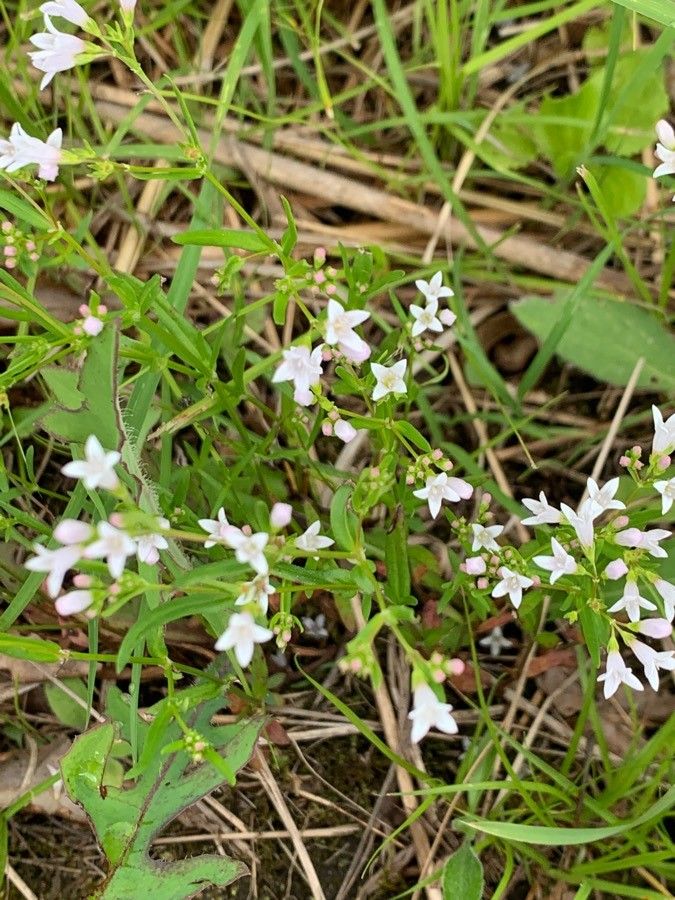
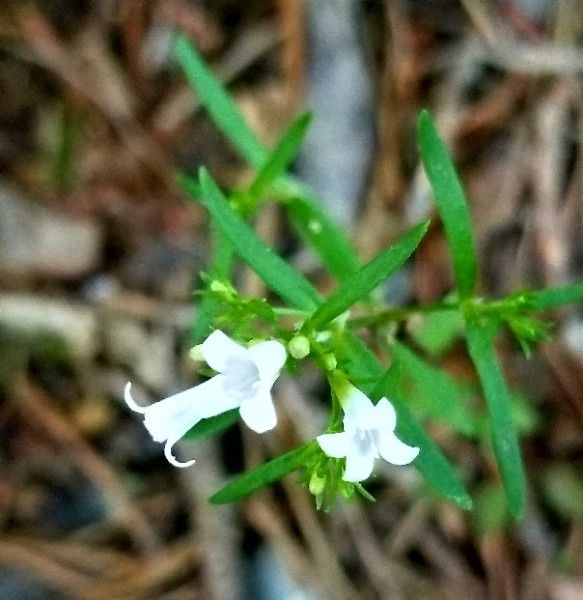
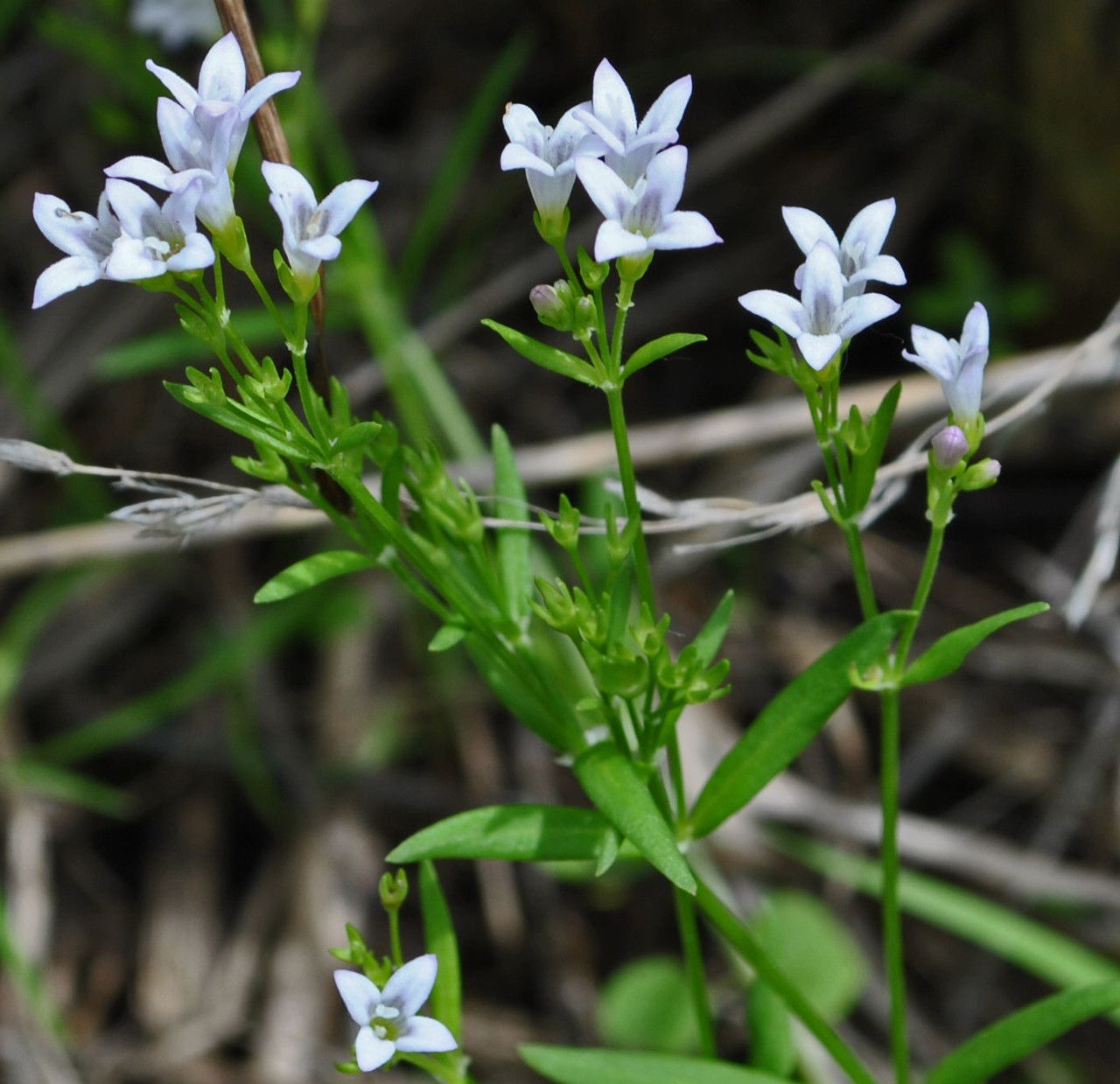
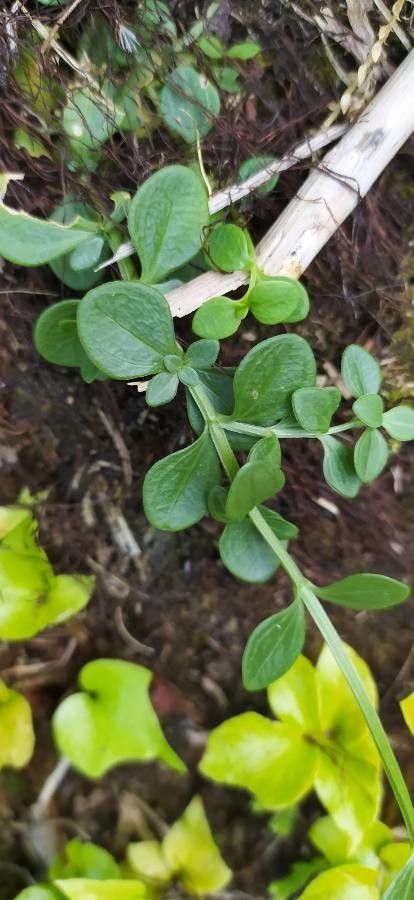
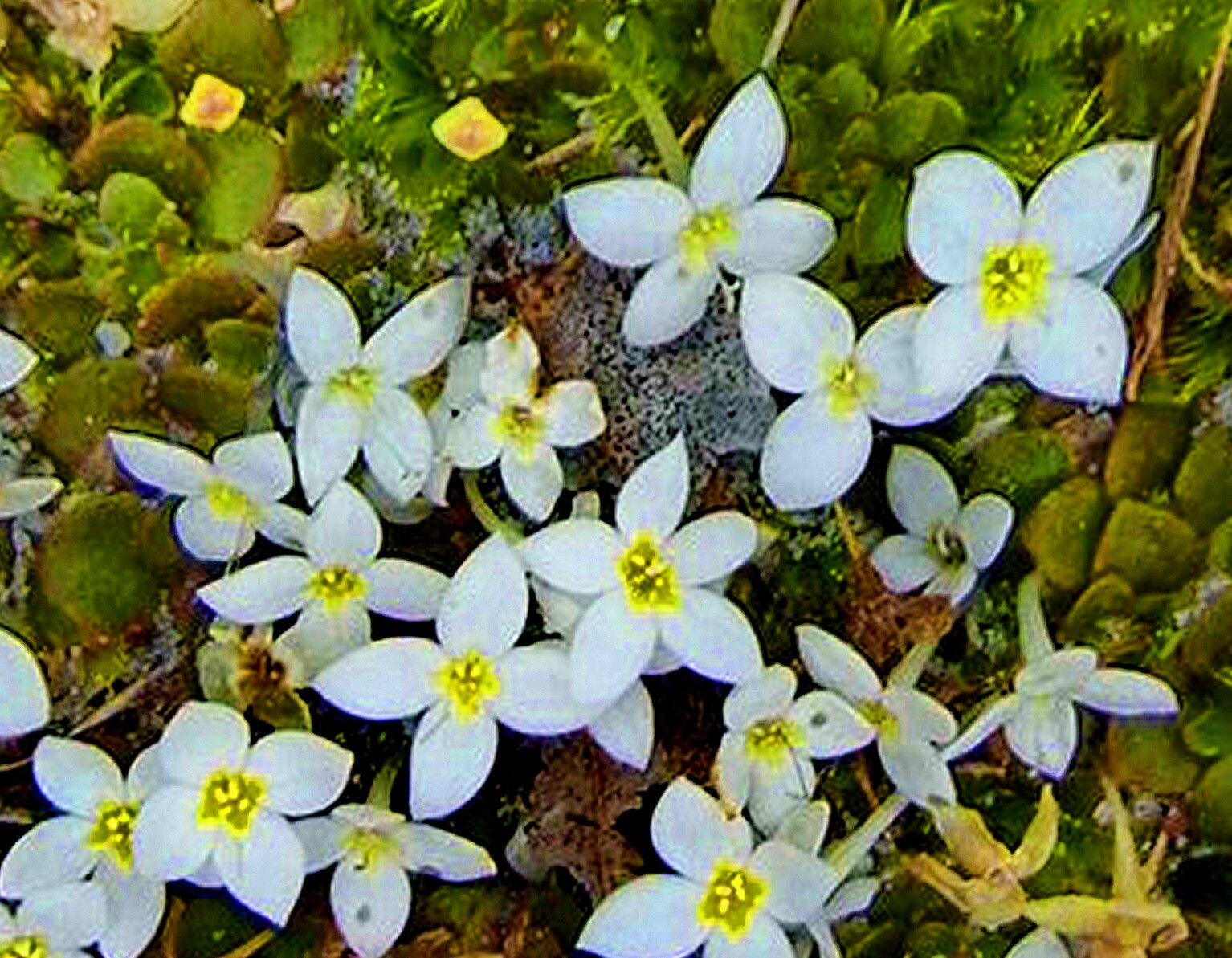
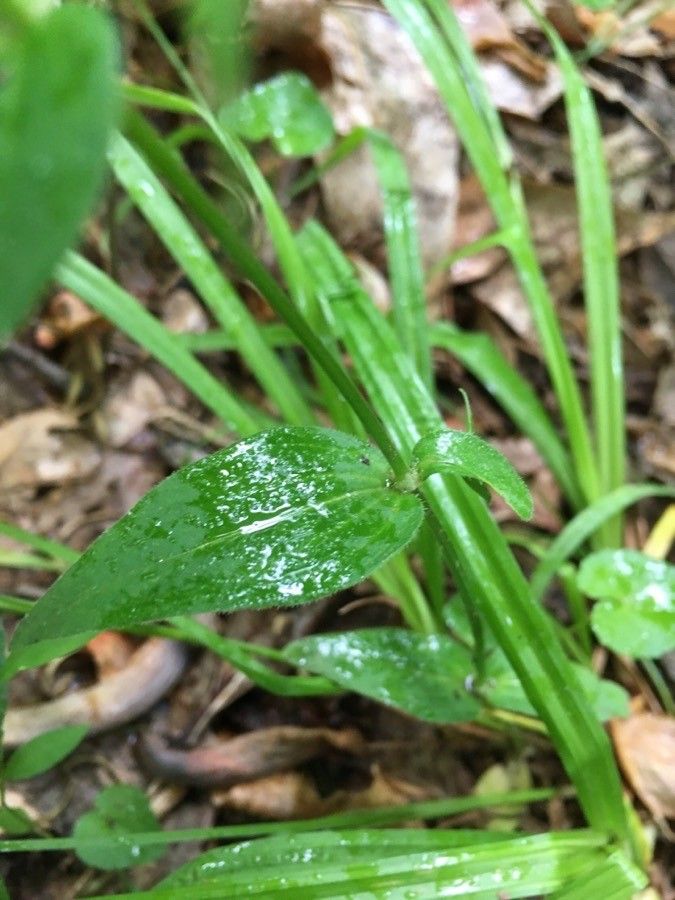
Houstonia longifolia, commonly known as long-leaved bluet or longleaf summer bluet, is a perennial plant in the family Rubiaceae. It can be found throughout most of the Eastern United States and Canada. It has been reported from every state east of the Mississippi River except Delaware, plus North Dakota, Minnesota, Missouri, Arkansas and Oklahoma, with isolated populations in Kansas and Texas. Also, all Canadian provinces from Quebec to Alberta. It prefers upland woods in poor, dry, often sandy soil.
Longleaf summer bluet is fairly resistant to disease and typically does not suffer from many illnesses. Still, it can be affected by pests and diseases present in its environment. When infections do occur, they are usually mild. Regarding upkeep, this plant needs a moderate level of care. Regular pruning is necessary to keep it looking good and to support healthy growth. Applying fertilizer can also encourage more blooms. Longleaf summer bluet is appropriate for anyone with outdoor areas like a garden or patio and does not demand extensive gardening experience. It may need additional attention if cultivated indoors.
How to keep Houstonia Longifolia.
Light
Longleaf summer bluet does best with plentiful sunlight and needs a substantial amount of light to maintain vigorous growth. Because it comes from habitats with very high sun exposure, the plant can tolerate some shade but performs best in strong sunlight. Insufficient light can cause stunted growth, while too much can dry the plant out.
Water
Longleaf summer bluet thrives in humid environments with consistent rainfall and is also drought tolerant. To mimic its natural conditions, it needs to be watered weekly. Typically grown outdoors, this plant prefers plenty of sunlight. During dry seasons, it enters dormancy to conserve water for spring growth.
Temperature
Longleaf summer bluet does best when temperatures are between 32 and 95 °F (0 to 35 ℃). During periods of extreme cold or heat, consider taking protective measures to maintain its health.
Fertilizer
The best time to fertilize a Longleaf summer bluet is in early spring, when it is coming out of dormancy and starting active growth. Fertilization supplies essential nutrients for healthy development. Although Longleaf summer bluet has fairly low fertilizer requirements, giving it fertilizer annually can improve its survival and encourage better, longer-lasting flowers.
Pruning
To keep your Longleaf Summer Bluet healthy and vibrant, it's important to prune it from early to late spring. By trimming off spent blooms and leggy growth, you can encourage more robust flowering and maintain a compact shape. Additionally, removing any dead or damaged stems promotes vigorous growth, enhancing the plant's overall vitality and appearance.
Botanical profile.
- Plant Type
- Herb
- Life Cycle
- Perennial
- Genus
- Houstonia
- Family
- Rubiaceae
- Hardiness Zone
- 3-9
- Mature Height
- 10 cm to 25 cm
- Mature Spread
- 15 cm to 25 cm
- Leaf Color
- Green, Blue
- Leaf Type
- Semi-evergreen
- Flower Color
- White
- Flower Size
- 0.76 cm
- Bloom Time
- Mid spring, Late spring, Early summer, Mid summer
- Planting Time
- Spring
- Harvest Time
- Summer, Early fall
Other names.
Reader questions.
How should I water my Longleaf summer bluet plant?
To properly water the Longleaf summer bluet, use filtered water at room temperature. Tap water may contain harmful particles, so it's best to avoid using it. The plant prefers warm water since it naturally thrives in warm environments. Cold water can shock its system. Instead of overhead watering, apply the filtered room temperature water directly to the soil until it is fully soaked. This method helps moisten the roots and allows them to spread and gather nutrients effectively.
What are the sunlight requirements for Longleaf Summer Bluet?
Longleaf Summer Bluet thrives in environments with extensive sunlight, requiring full sun exposure of above 6 hours daily to support its vigorous growth. It can withstand some degree of shade, with partial sun exposure of about 3-6 hours daily, but optimal growth is achieved in intense solar conditions. Insufficient light may lead to stunted growth, while too much direct light could desiccate the plant. It's essential to observe how sunlight moves through your garden and choose spots that provide a perfect balance of light and shade for the plants, ensuring their happiness and health.
What are the ideal temperature conditions for Longleaf summer bluet?
Longleaf summer bluet thrives best in a temperature range between 32°F (0°C) and 95°F (35°C). It is a plant with strong cold resistance, generally not requiring special frost protection measures during winter. However, in the case of extreme cold, where temperatures are expected to drop below -35°C, it is important to take measures to protect the plant. This can include covering the plant with soil or straw and ensuring the soil around the plant is moist before the first freeze, to prevent drought and water scarcity during the colder months.
What should I do if I give my Longleaf summer bluet plant too much water or too little water?
Both overwatering and underwatering can harm your Longleaf summer bluet, but overwatering is more common. When overwatered, the plant's stems and leaves may wilt and turn yellow. Prolonged overwatering can also lead to diseases such as root rot, mold, and mildew, which can be fatal. Underwatering is less common because the plant has good drought tolerance. However, if it does occur, the leaves may become brittle and brown. It's important to notice and address signs of overwatering promptly. Some diseases caused by overwatering, like root rot, may be irreversible if not caught early. If you see early signs of overwatering, reduce watering immediately. Check the soil's drainage quality and replace it with a well-draining mix if it doesn't drain well. If your Longleaf summer bluet shows signs of needing more water, simply water it regularly until the signs go away.
Can artificial lighting be used for Longleaf Summer Bluet indoors, and if so, how?
Yes, artificial lighting can be used for Longleaf Summer Bluet indoors, especially when natural sunlight is insufficient. Indoor plants require adequate lighting for optimal growth. In winter or less sunny spaces, artificial lights, such as LED lights, are beneficial because they can be customized to provide specific wavelengths needed by the plants. For full sun plants, 30-50W/sq ft of artificial light is needed; for partial sun plants, 20-30W/sq ft; and for full shade plants, 10-20W/sq ft. The light source should be placed 12-36 inches above the plant to mimic natural sunlight, and most plants need 8-12 hours of light per day to mimic the length of natural daylight hours for your plant species.
How does Longleaf summer bluet react to low temperatures, and what measures should be taken?
Longleaf summer bluet can tolerate cold conditions well, remaining resilient during winters as long as temperatures are kept above -30°C. When temperatures fall below -35°C, the plant may show no immediate adverse signs, but come spring, there can be a noticeable decline in sprouting, or the plant may not sprout at all. To combat this, any parts of the plant that fail to sprout in the spring should be removed to promote the health of the remaining plant.
How frequently should I moisten my Longleaf summer bluet?
If your Longleaf summer bluet is in a pot, the best way to determine if it needs water is by sticking your finger into the soil. If the top two to three inches of soil are dry, it's time to water it. Similarly, if you have planted your Longleaf summer bluet in the ground, you can use the same method to check the soil. Once the top few inches of soil have dried out, it's time to water it. Usually, during spring and early fall, watering once a week is sufficient. However, in extremely hot weather, you may need to water it twice or more per week. Nonetheless, mature and well-established Longleaf summer bluets have the ability to withstand drought.
What are the symptoms of light deficiency in Longleaf Summer Bluet, and how can it be addressed?
Symptoms of light deficiency in Longleaf Summer Bluet include small leaves, leggy or sparse growth, faster leaf drop, slower or no new growth, lighter-colored new leaves, and symptoms of excessive light exposure like chlorosis, sunscald, leaf curling, wilting, and leaf scorching. To address light deficiency indoors, gradually move plants to sunnier locations each week until they receive at least 6 hours of direct sunlight daily, use south-facing windows, and consider artificial lighting for at least 8 hours daily. Outdoors, gradually transition plants to sunnier spots to avoid sunburn. Removing obstructions and transplanting to sunnier locations with good drainage can also help. Note that parts of the plant affected by insufficient sunlight may not recover, but new growth should be healthy with increased light exposure.
How does Longleaf summer bluet respond to high temperatures, and how can it be protected?
During the summer, it is crucial to keep the Longleaf summer bluet's surrounding temperature below 35°C. Exposing the plant to temperatures above 38°C can lead to symptoms such as lighter leaf color, leaf curling, sunburn, and in severe cases, wilting and drying of the plant. To protect and care for the plant under such conditions, trim away any sunburned or dried-up parts of the plant. Relocate the plant to a shaded area, especially from the midday and afternoon sun, or use a shade cloth to protect it. Watering the plant in the morning and evening can help keep the soil moist and reduce stress on the plant.
How much water does my Longleaf summer bluet plant need?
To properly water your Longleaf summer bluet, don't be afraid to give it a generous amount of water. When the top two to three inches of soil are dry, it's time for a thorough watering. Make sure to water enough to completely saturate the soil, allowing excess water to flow out of the drainage holes at the bottom of the pot. If you don't see this excess water draining, you may not have watered enough. However, be careful not to let water accumulate in the soil, as this can harm the plant. On the other hand, if the water doesn't drain properly, it could be a sign of poorly draining soil, which is not good for the plant's health. If the plant is outdoors, receiving 1 inch of rain per week should be adequate.
How do I water my Longleaf summer bluet when it is growing at different stages?
The water needs of the Longleaf summer bluet depend on its growth stages. When the plant is in its first few years or when it has just been transplanted, it requires more water. During these stages, the plant focuses on growing new roots that will support future growth. These roots need more moisture. As the plant matures, it needs less water. Additionally, during the bloom period, the plant requires more water due to the energy used for flower development.
How often do I need to water my Longleaf summer bluet all year round?
The Longleaf summer bluet has different water needs throughout the year. During the hottest months of summer, it requires the most water. Depending on how quickly the soil dries out, you may need to water this plant more than once a week. However, in winter, the plant goes into a dormant phase and requires much less water. In fact, you may not need to water it at all during this time. If you choose to water in winter, it should only be done about once a month. Overwatering during winter increases the risk of disease for the Longleaf summer bluet.