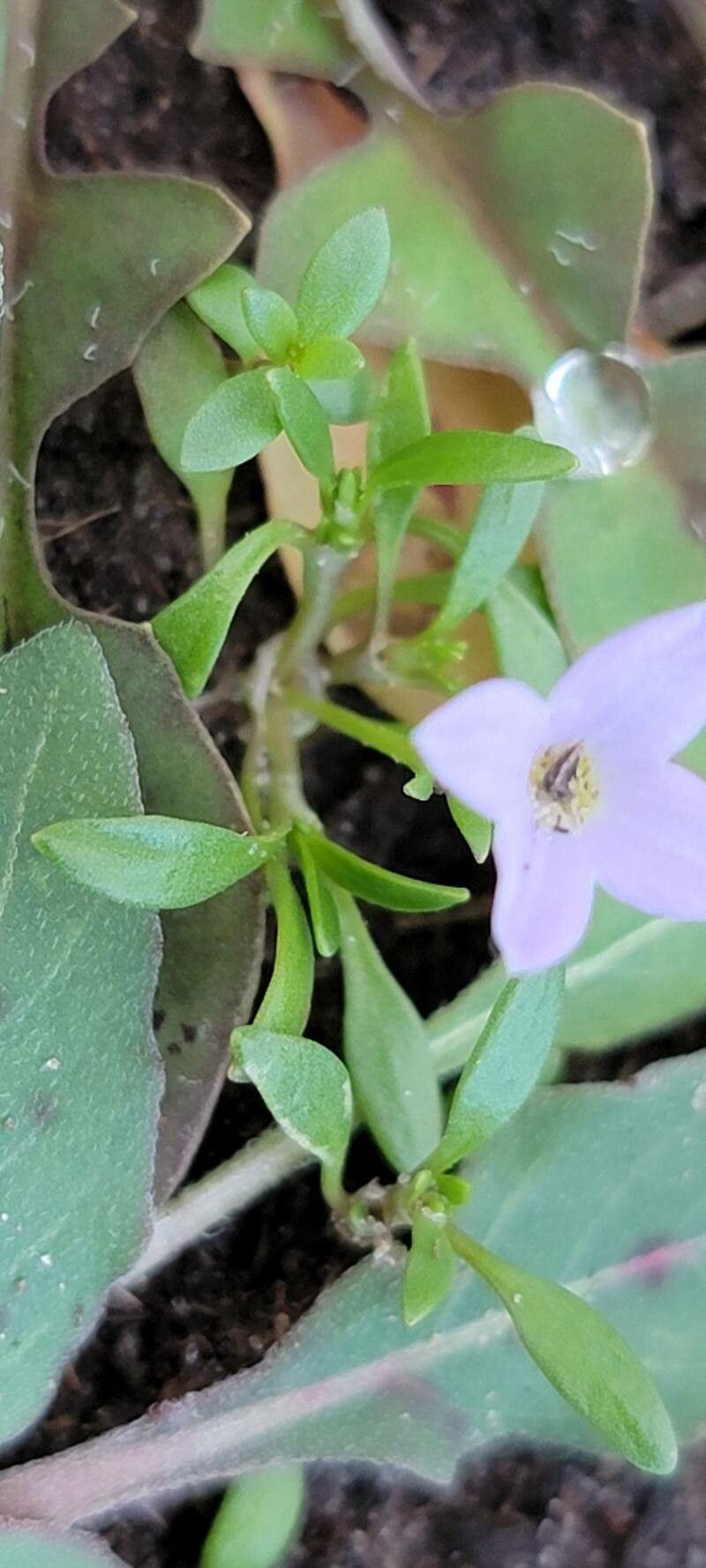
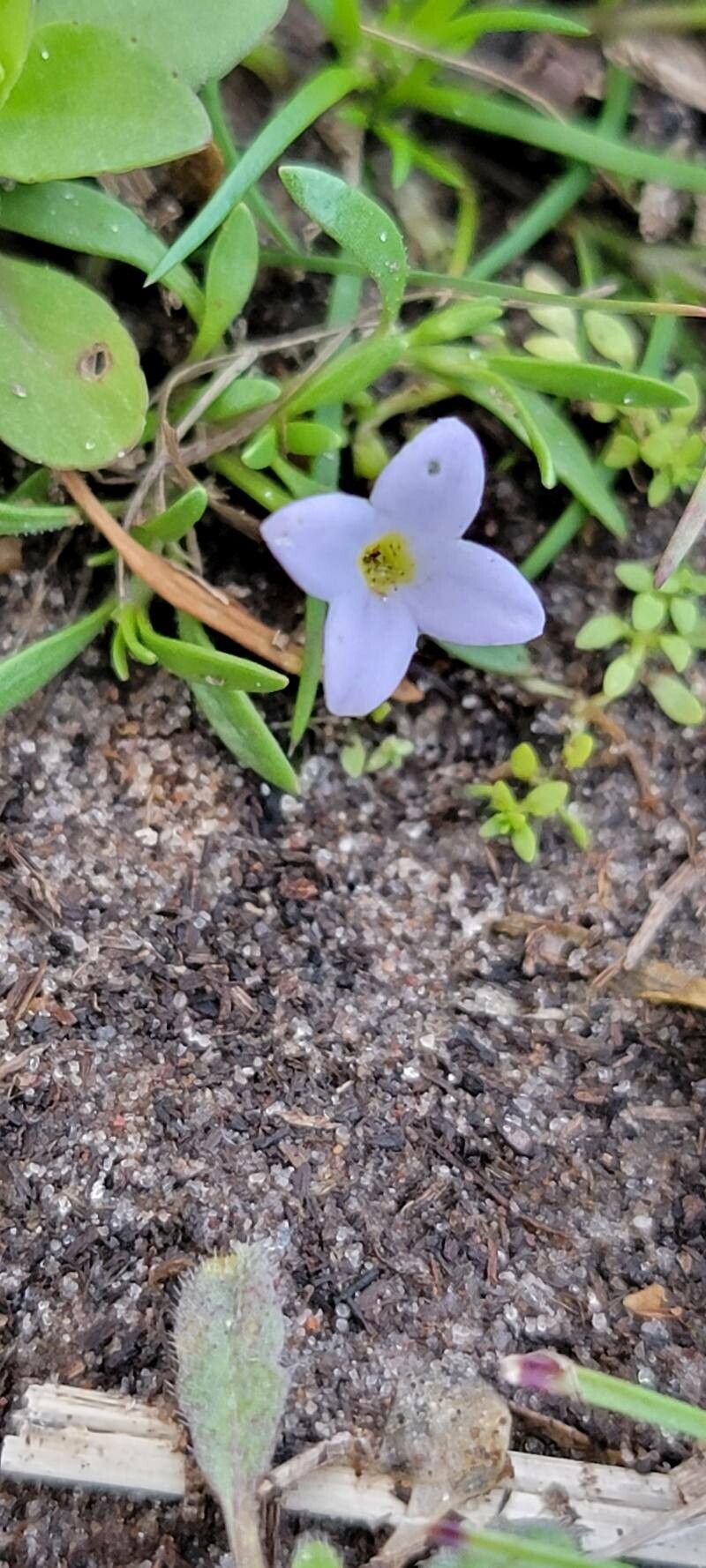
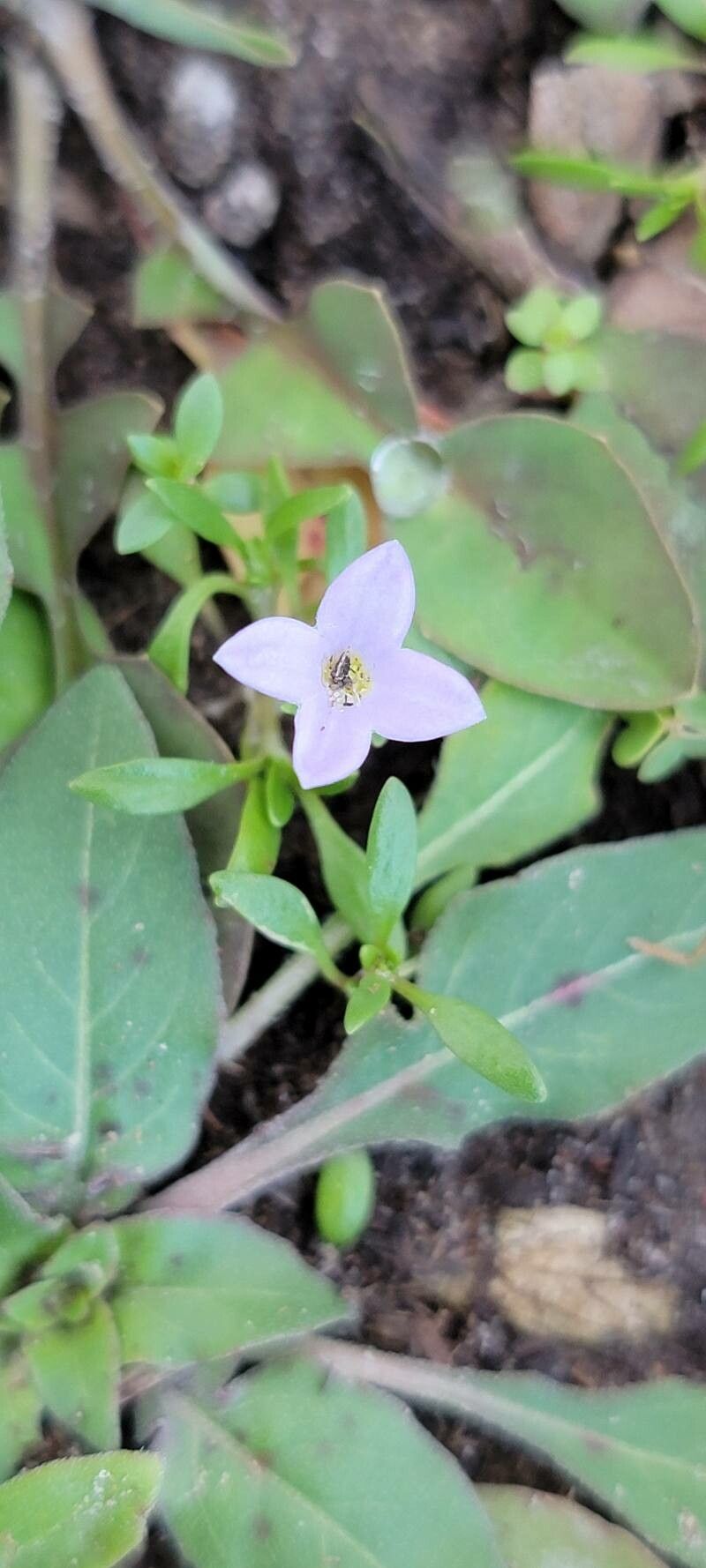
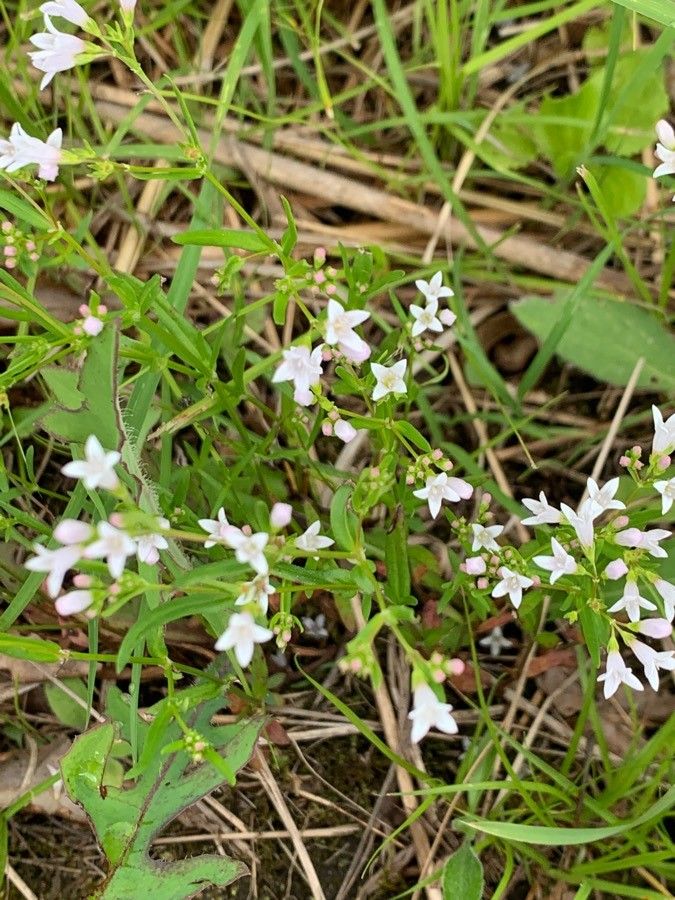
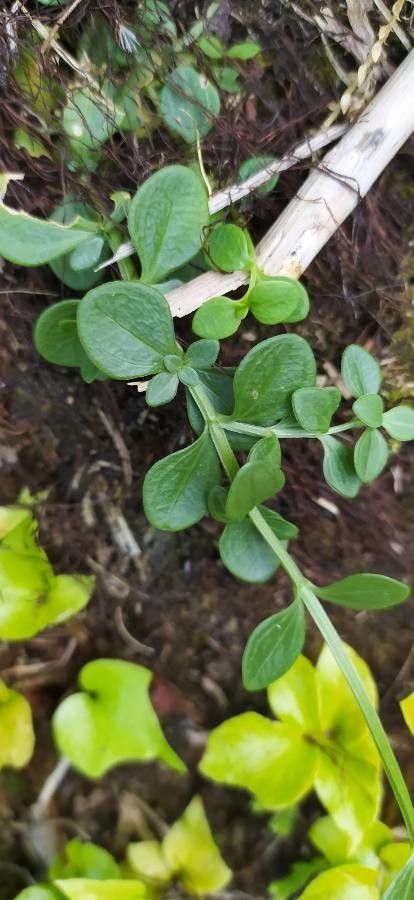
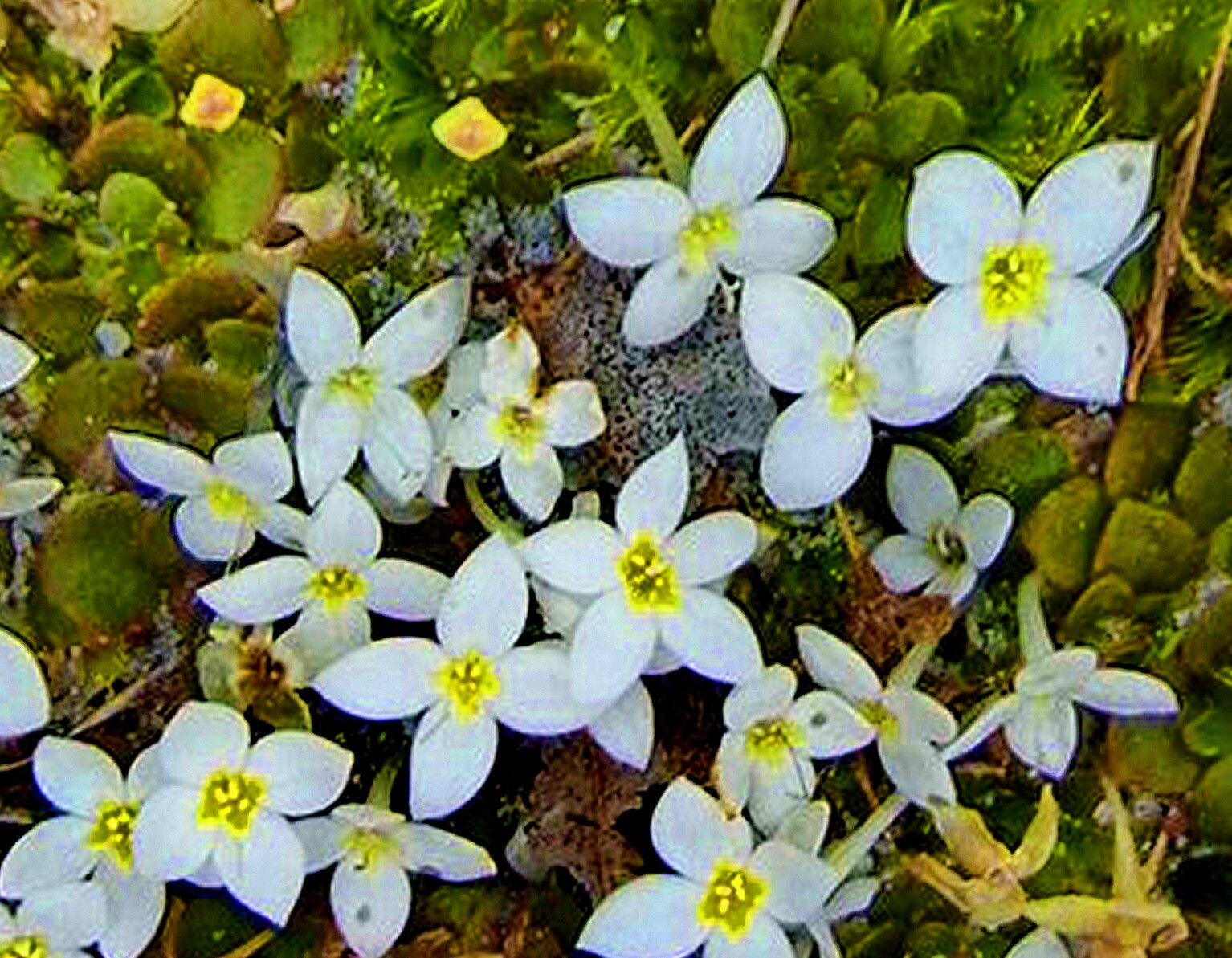
Houstonia rosea, commonly known as pink woodsorrel or pink star grass, is a small perennial herb that belongs to the Oxalidaceae family. It is native to the southeastern United States and thrives in open woods, meadows, and along roadsides. This plant typically grows up to 6 inches tall and spreads outward with slender stems that bear small, pink, five-petaled flowers. The leaves of pink woodsorrel are trifoliate, resembling clover leaves. Blooming from late spring through summer, it attracts pollinators such as bees and butterflies.
Pink woodsorrel prefers well-drained soils and can grow in partial shade or full sun. Once established, it can tolerate drought conditions. Traditionally, the plant has been used for its anti-inflammatory properties. However, it should be consumed in moderation due to its oxalic acid content, which can cause kidney stones if ingested excessively by humans or animals.
Rose bluet has strong resistance to disease and is generally not susceptible to illnesses. However, it can be affected by pests and diseases present in its environment. These outbreaks are typically mild. In terms of care, this plant needs moderate maintenance. It should be pruned regularly to keep a neat appearance and support healthy growth. Fertilizing can also help encourage flowering. Rose bluet is suitable for anyone with outdoor space, such as a garden or patio, and does not require extensive experience in plant care. It may need more attention when grown indoors.
How to keep Houstonia Rosea.
Light
Rose bluet comes from habitats with dappled sunlight, like forest understories or rocky spots that offer natural shade. It thrives in partial sun but can also tolerate full sun conditions.
Water
The Rose Bluet thrives in moist environments and needs consistent watering, ideally twice a week. It grows best in outdoor gardens, where its flowering potential is maximized when the soil is kept evenly moist. To achieve optimal growth, it's important to ensure that the growing medium has proper drainage and good water retention.
Fertilizer
Rose bluet benefits from regular, diluted fertilizer applications to encourage healthy leaf growth. Fertilize Rose bluet roughly once a month during the summer. Nitrogen is important for foliage, and providing nitrogen-rich sources helps Rose bluet thrive.
Pruning
To maintain the health and beauty of the rose bluet, regular pruning from early to late spring is beneficial. This practice helps enhance the plant's compact form and encourages more blooms. Removing spent flowers and dead stems stimulates new growth and extends the blooming period. Generally, light pruning is adequate, enhancing the plant's appearance whether in gardens or containers. Remember, timing is crucial for preserving the plant's vitality.
Botanical profile.
Other names.