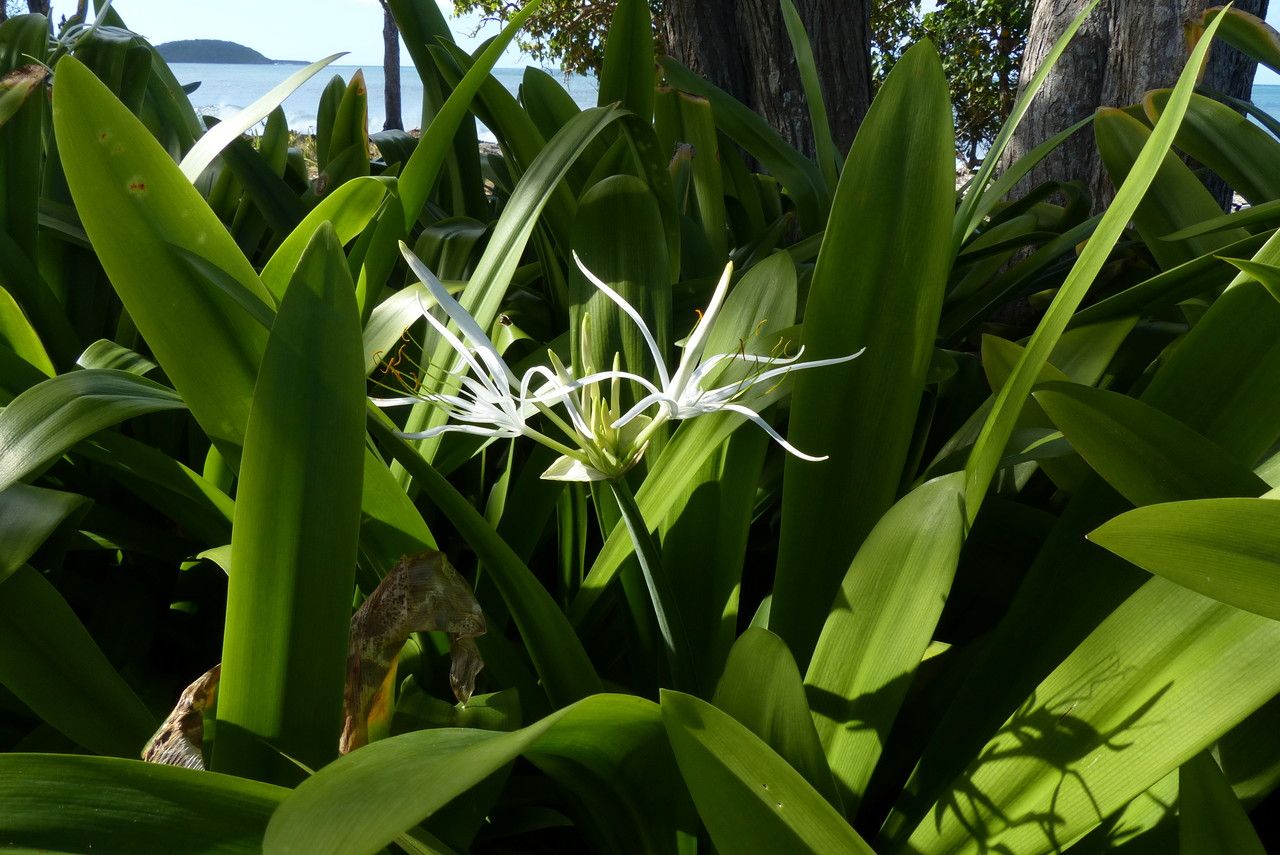
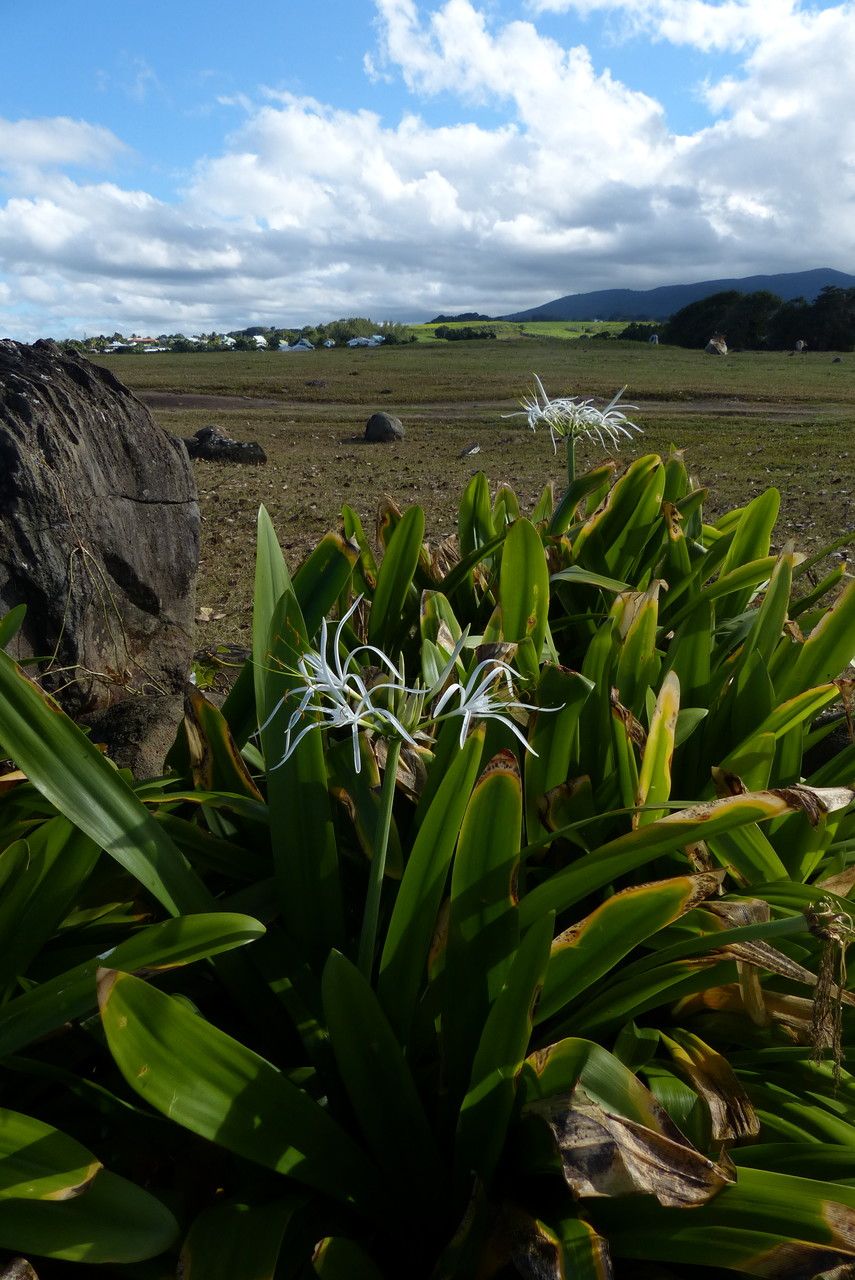
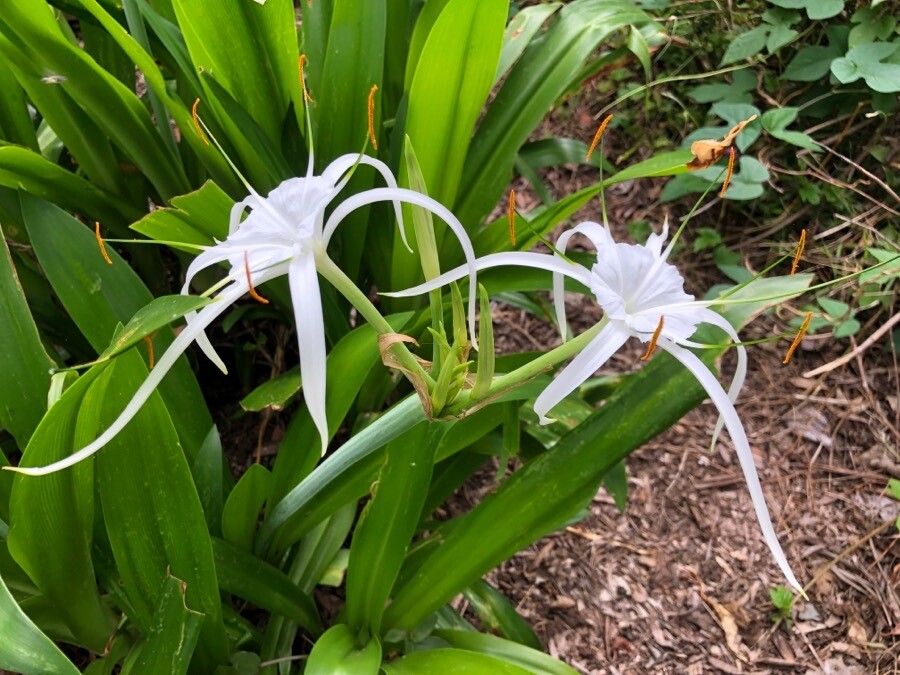
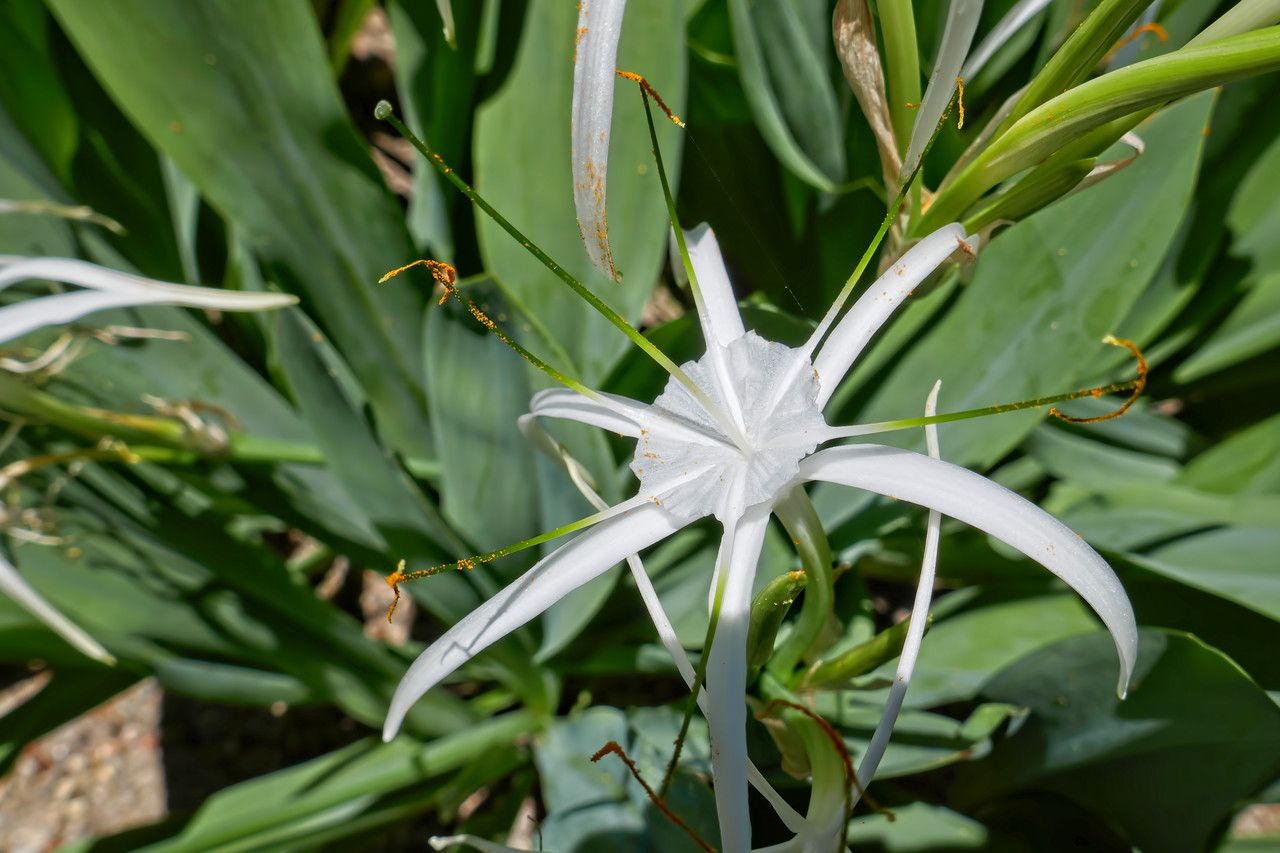
Hymenocallis caribaea, commonly known as the Caribbean spider lily, is a perennial bulbous plant belonging to the Amaryllidaceae family. Native to the Caribbean islands and parts of Central and South America, this plant is recognized for its striking ornamental and medicinal properties.
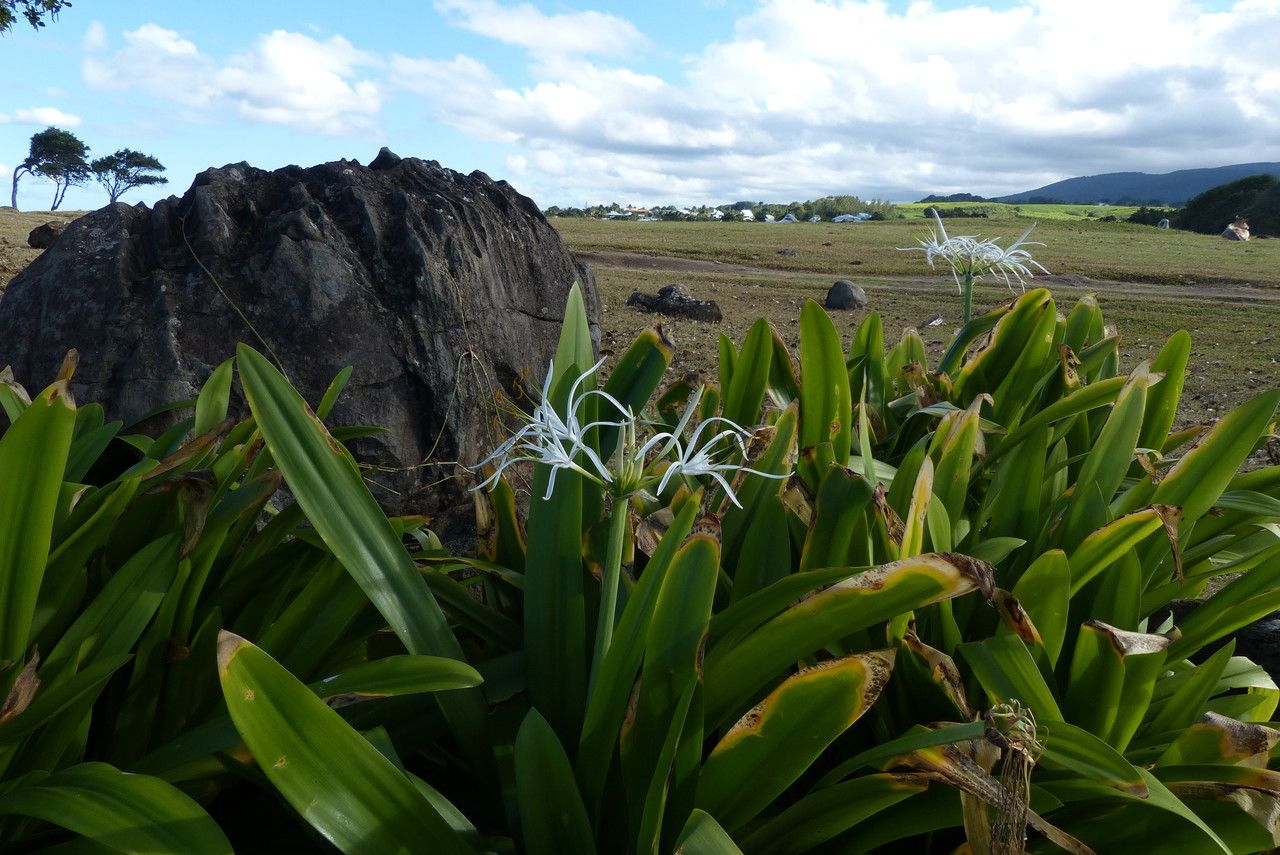
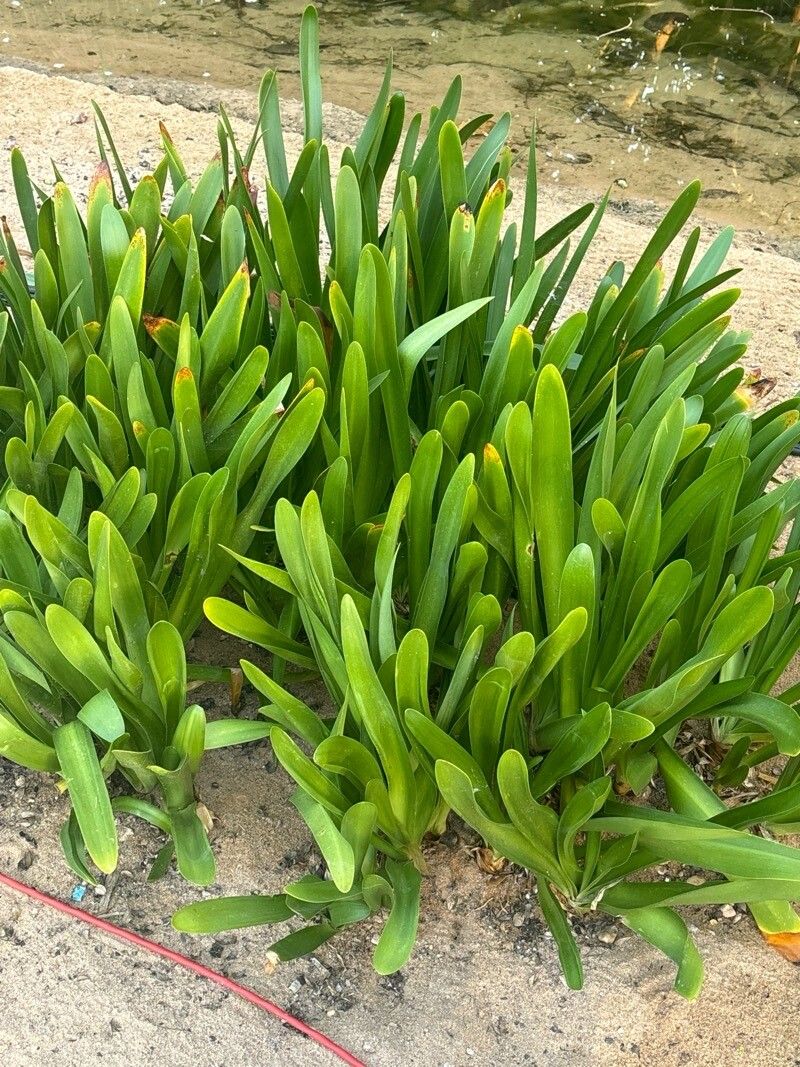
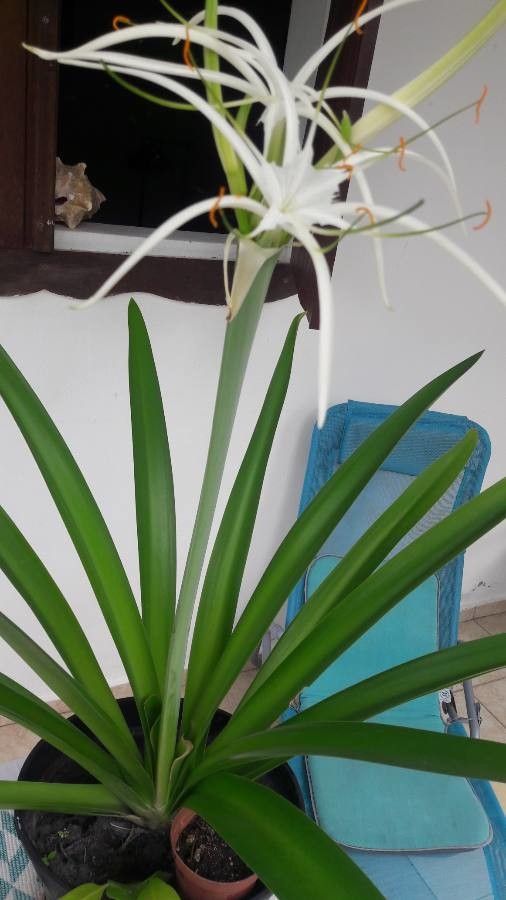
The Caribbean spider lily features long, strap-like leaves that can reach up to 60 cm in length and 2 cm in width. These dark green leaves have a glossy texture, adding to the plant's appeal.
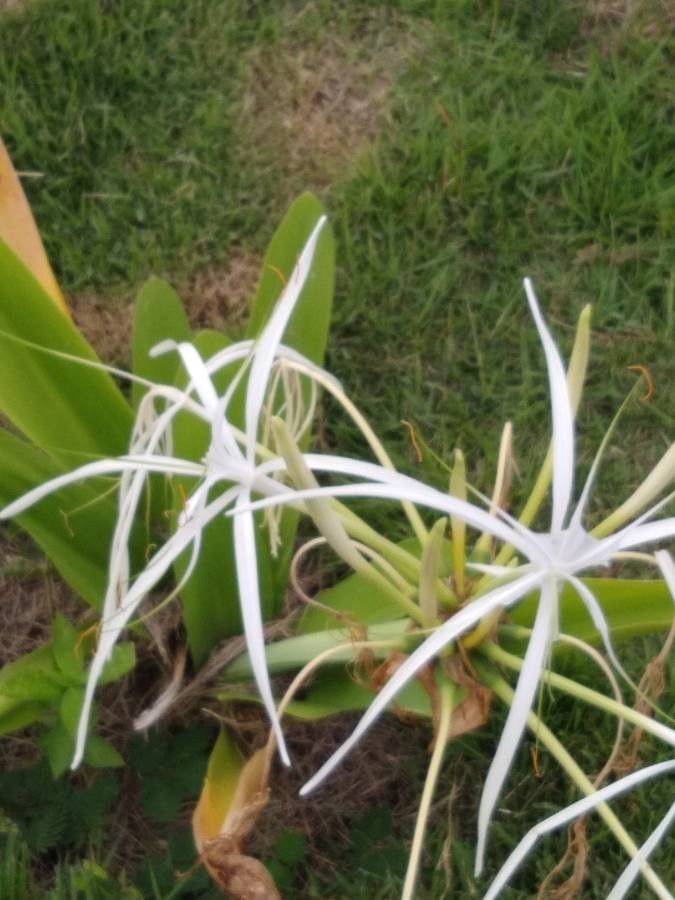
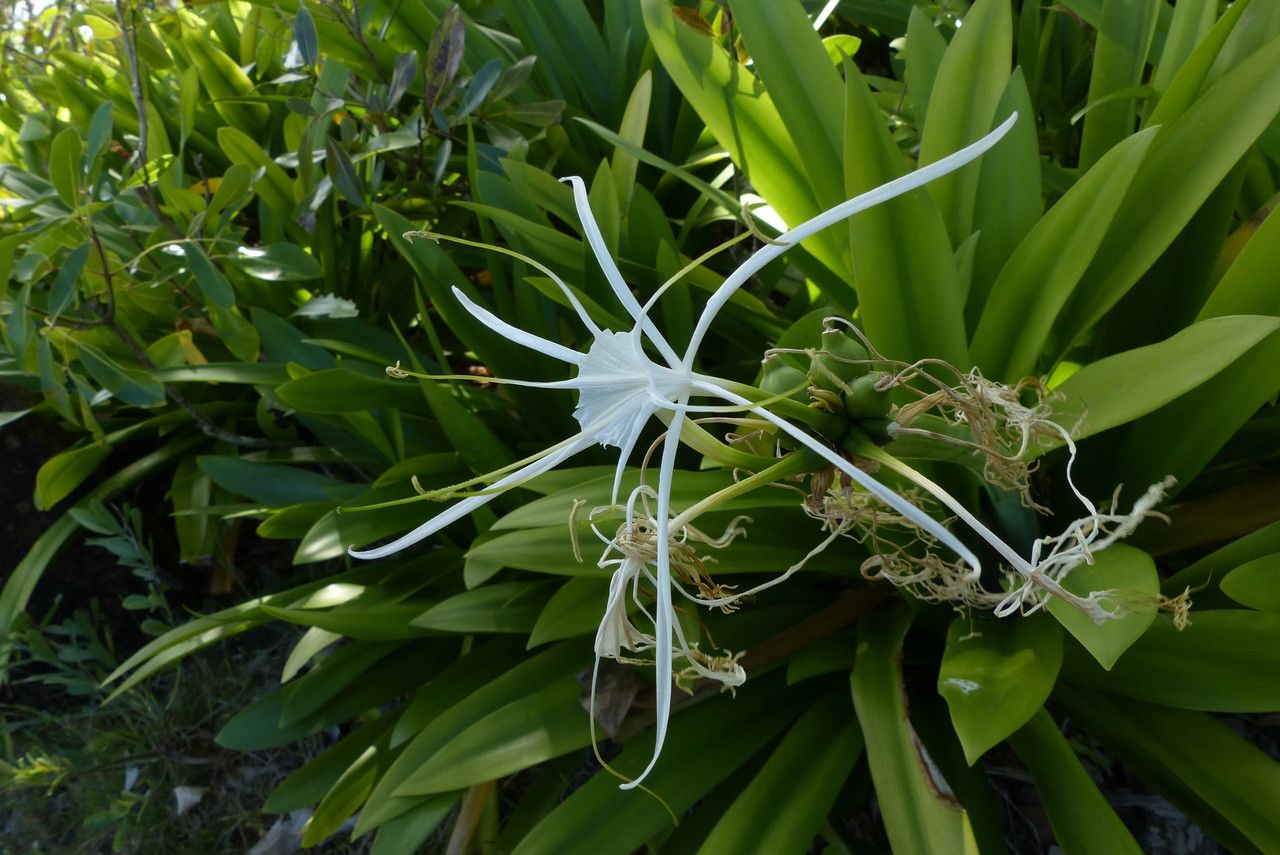
Its most notable feature is its stunning flowers, which grow on long stalks up to 90 cm tall. Each stalk bears several white flowers with six petals arranged in a starburst pattern around a central, trumpet-shaped corona. The corona is typically yellow or greenish-yellow, often adorned with purple or brown markings.
Hymenocallis caribaea thrives in moist soil but is also drought-tolerant once established. It grows best in full sun or partial shade and requires protection from strong winds, as its tall flower stalks can be easily damaged.
This plant holds several medicinal uses among indigenous communities, including treatments for skin conditions like eczema and psoriasis, inflammation from arthritis, headaches caused by sinusitis or migraines, and respiratory infections such as bronchitis or asthma.
In summary, Hymenocallis caribaea is an attractive ornamental plant with beautiful flowers that enhance any garden setting. Additionally, it offers medicinal benefits for those who use it in traditional remedies.
How to keep Hymenocallis Caribaea.
Water
The Caribbean spiderlily flourishes in tropical climates characterized by high humidity and consistent moisture levels. It prefers soil that remains evenly moist, though once established, it can tolerate moderate drought. To care for the plant, water it every 1-2 weeks, allowing the soil to dry slightly between waterings. Using rainwater is especially beneficial due to its softness and acidity, which align well with the Caribbean spiderlily's preference for slightly acidic soil.
Pruning
The Caribbean spiderlily flourishes with minimal pruning, which is most effective when done in early spring. To improve air circulation, remove dead leaves and old flower stalks. Regularly deadhead spent flowers to encourage more blooms. Handle the plant gently to protect the bulbs, thereby enhancing both its vigor and aesthetic appeal.
Botanical profile.
- Plant Type
- Herb
- Genus
- Hymenocallis
- Family
- Amaryllidaceae
Other names.