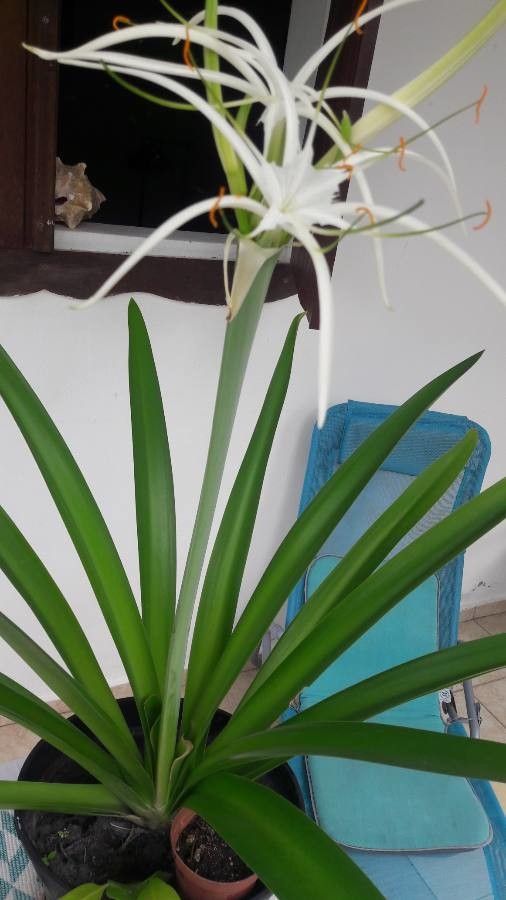
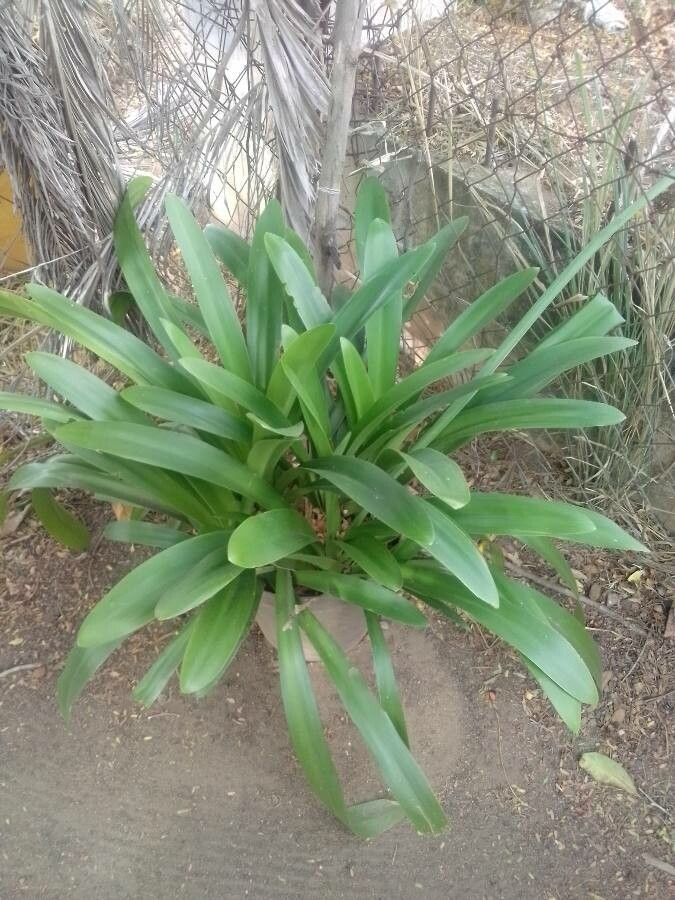
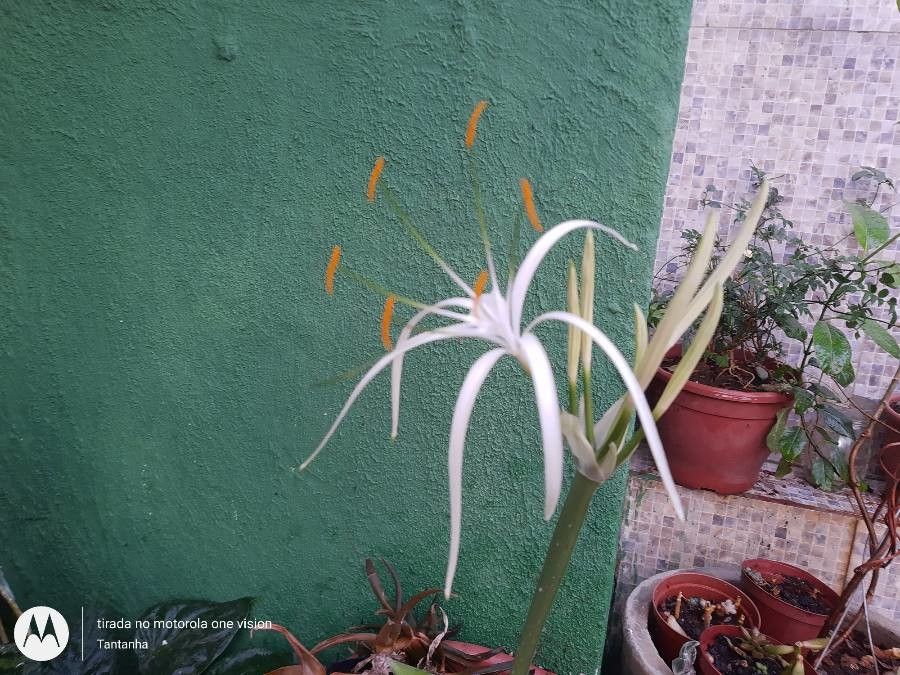
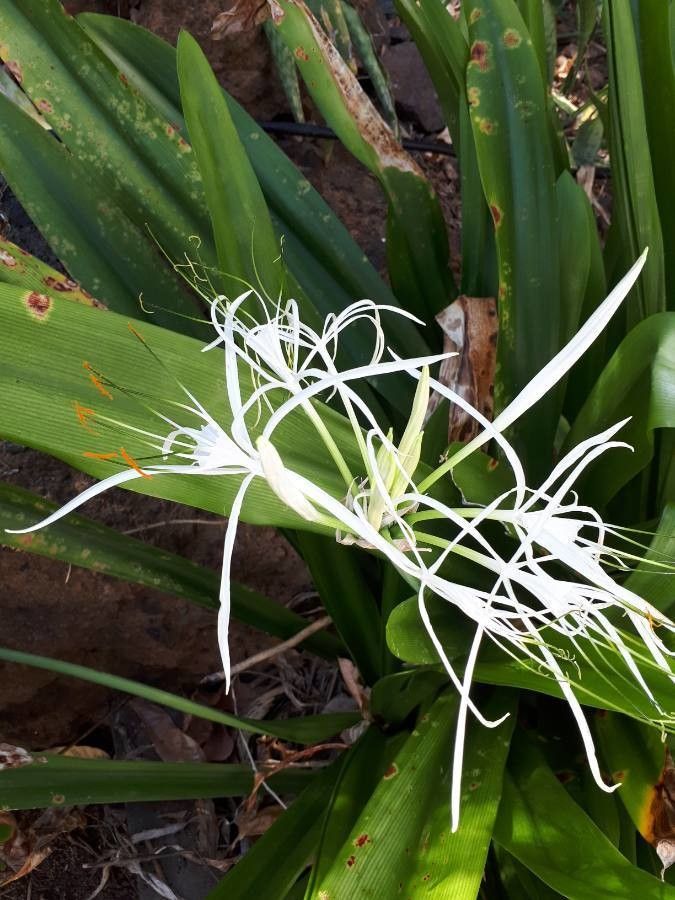
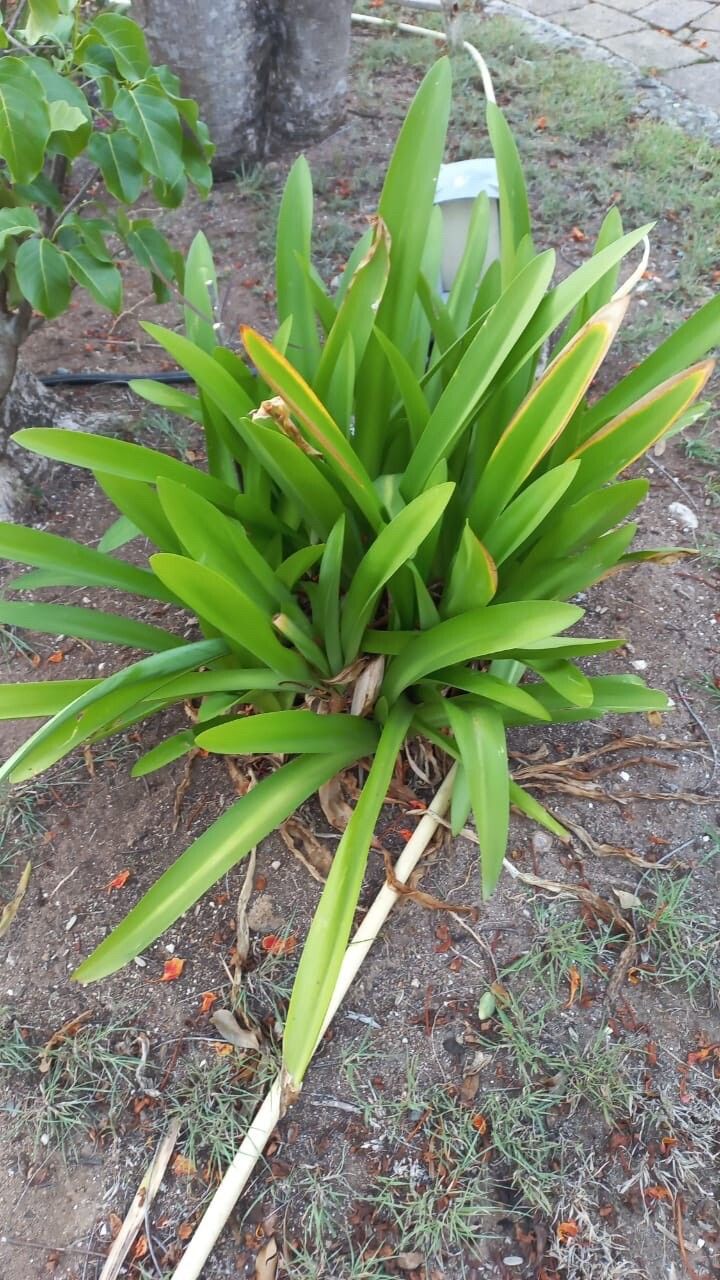
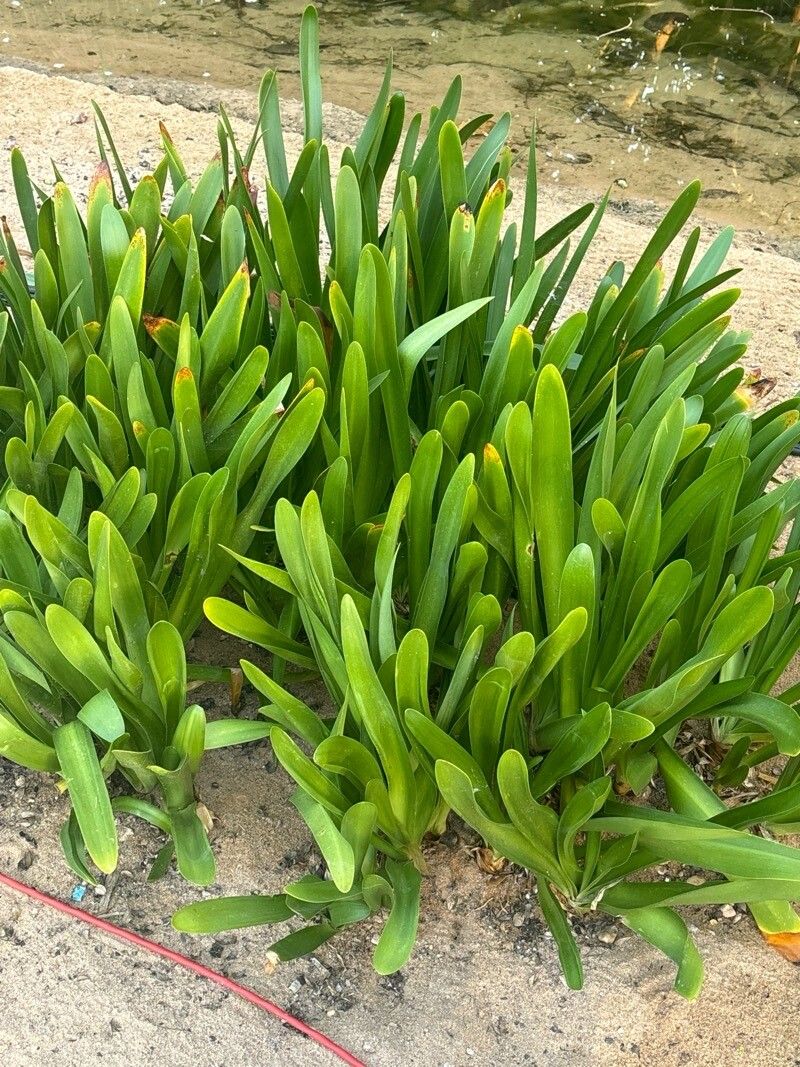
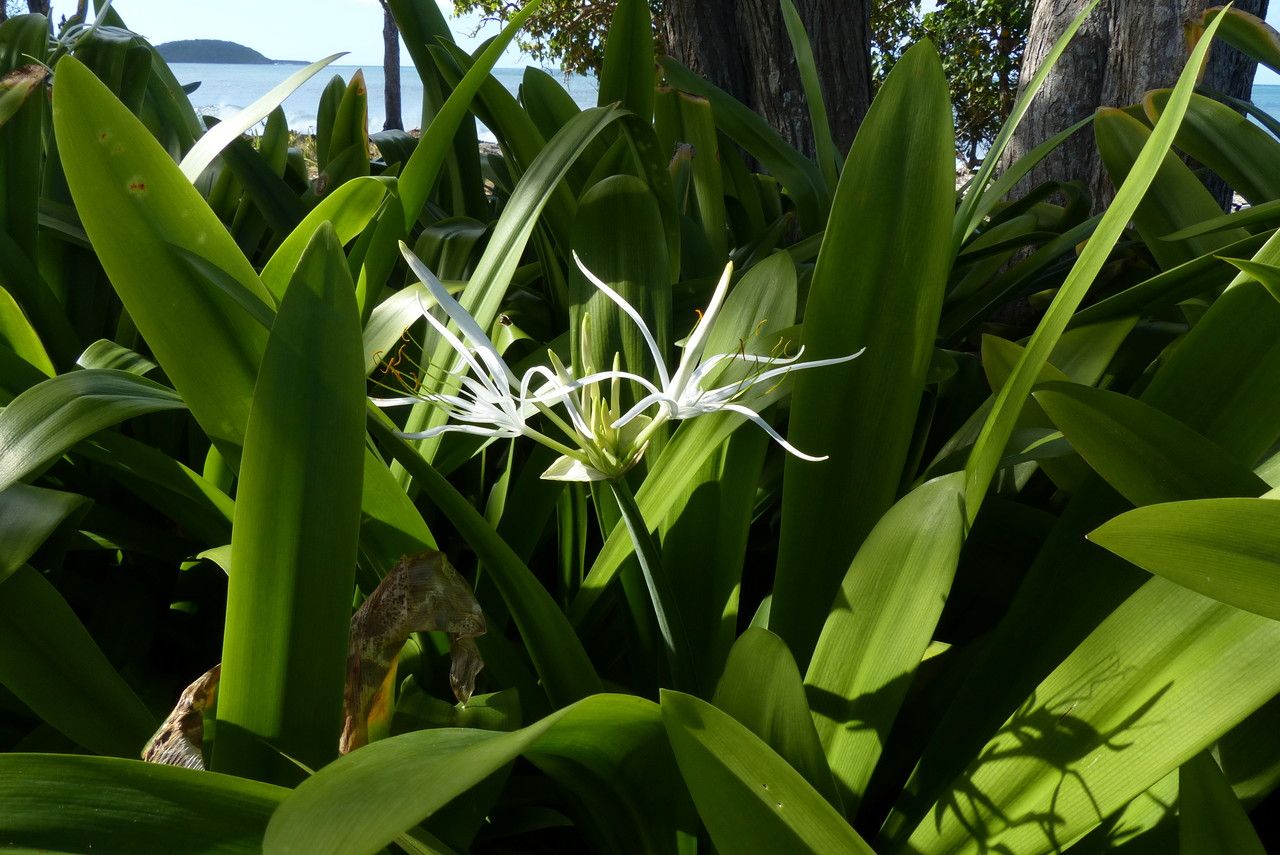
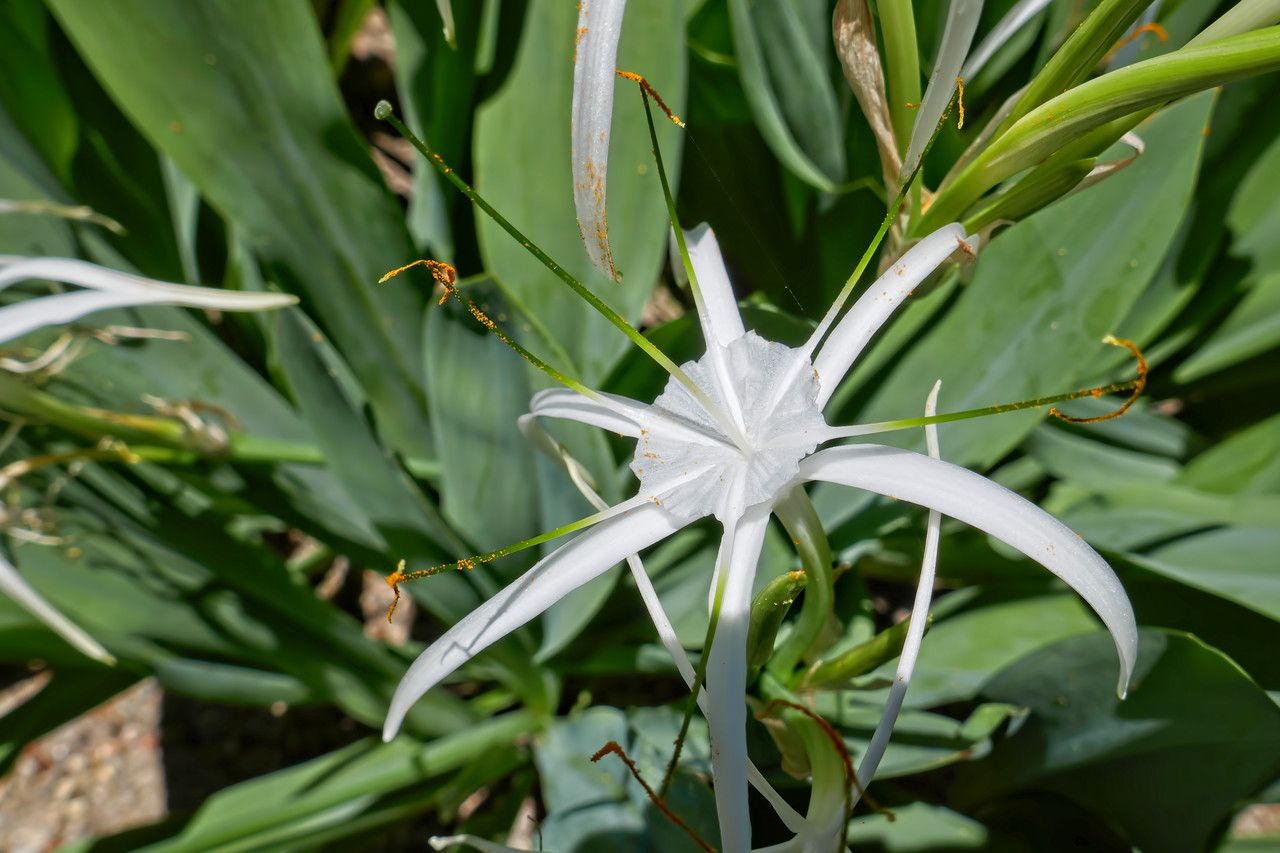
Hymenocallis includes over 60 types of herbaceous bulbous perennials local to the Southeastern United States, Mexico, Central America, the Caribbean, and Northern South America. A few species are primarily developed as ornamentals in warm zones worldwide. Many are local to wet regions like swamps, streambanks, and coastlines, while others develop on the green slants of slopes and mountains. These hardy perennials are easy-to-grow and low-maintenance with a stunning display of blooms. The flower stalks emerge from basal rosettes of lash-formed leaves. The terminal bunches of fragrant roses are green, white, or yellow, and often huge.
How to keep Hymenocallis Fragrans.
Water
New Hymenocallis plantings will need watering every few days. Once established, these plants are very hardy and will only need hydrating every 1-2 weeks. By their second year, you might only need to water them during prolonged droughts.
Temperature
Hymenocallis can withstand climates as low as 40ºF (4°C) and as high as 90ºF (32ºC). However, they will need winter protection against the frost to prevent damage or dieback. Generally, these plants are also hardy against the summer humidity.
Fertilizer
Hymenocallis typically does not require any fertilizer, especially if you have naturally rich soil. For particularly nutrient-poor soil, you can feed it with fresh organic matter or a dose of fertilizer every spring.
Pruning
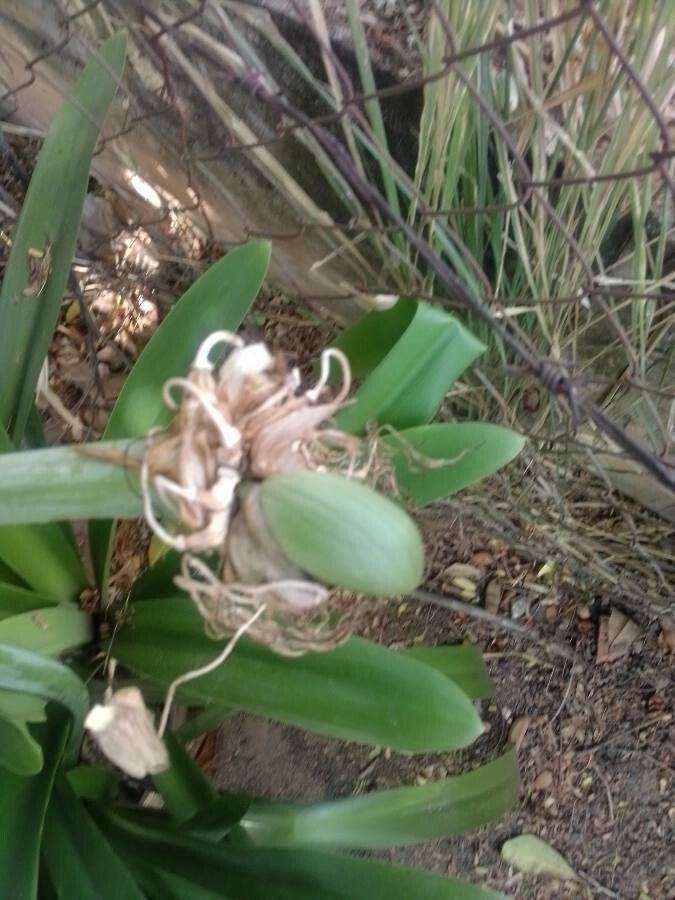
These plants usually don’t require pruning, but occasionally deadheading spent blooms will help keep them healthy and vibrant. You can cut back flower stalks once all the flowers on that stalk have bloomed. Remove any seed pods or unsightly foliage to maintain a clean look.
Toxicity
Hymenocallis contains a toxin called lycorine which can induce various toxicity symptoms upon ingestion. Eating this plant may result in stomach upset, vomiting, diarrhea, dizziness, obscured vision, spasms, hypotension, and even unconsciousness.
Further reading →
The toxicity and danger assessments provided are for reference only. We do not assure their accuracy, so it's crucial not to depend on them. Seek professional advice when necessary for accurate guidance.
Botanical profile.
- Genus
- Hymenocallis
- Family
- Amaryllidaceae
Other names.