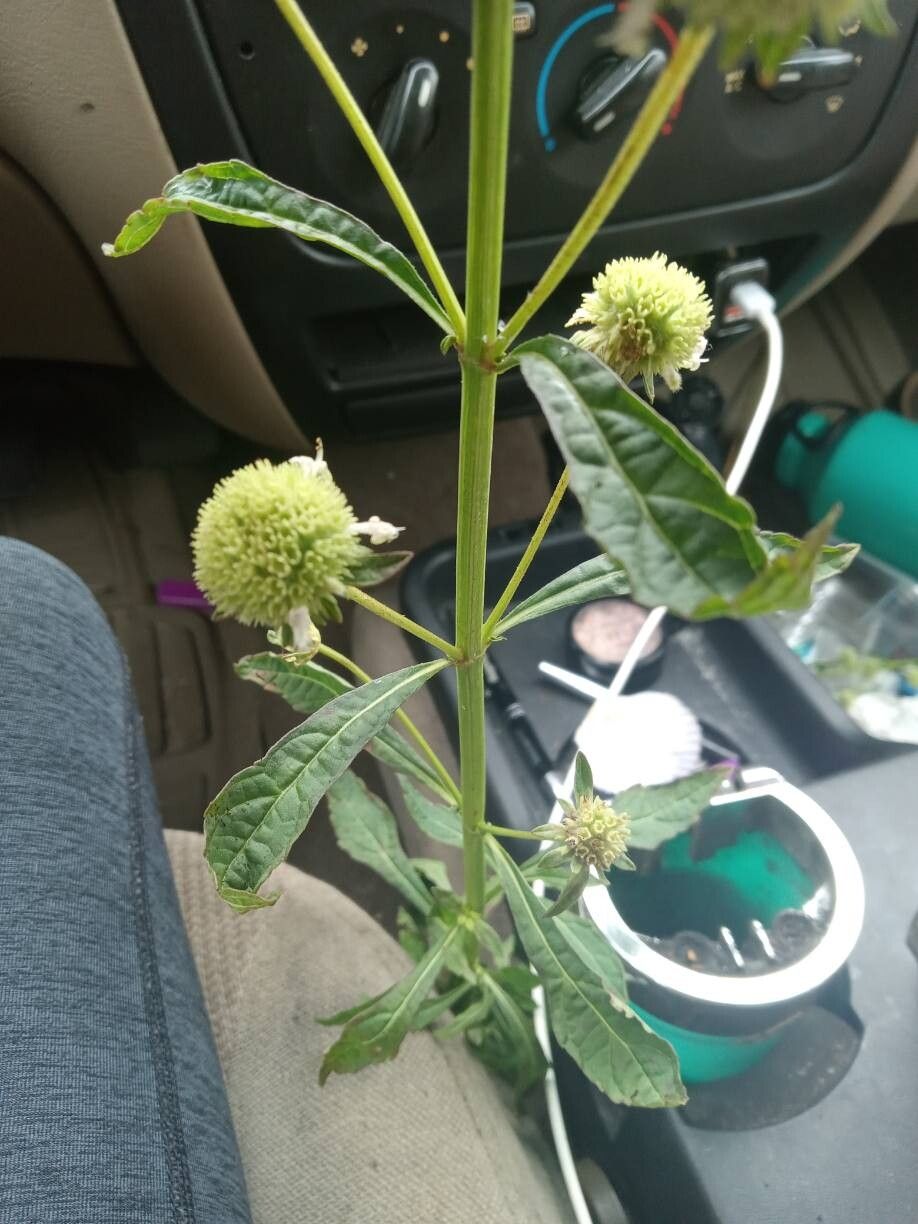
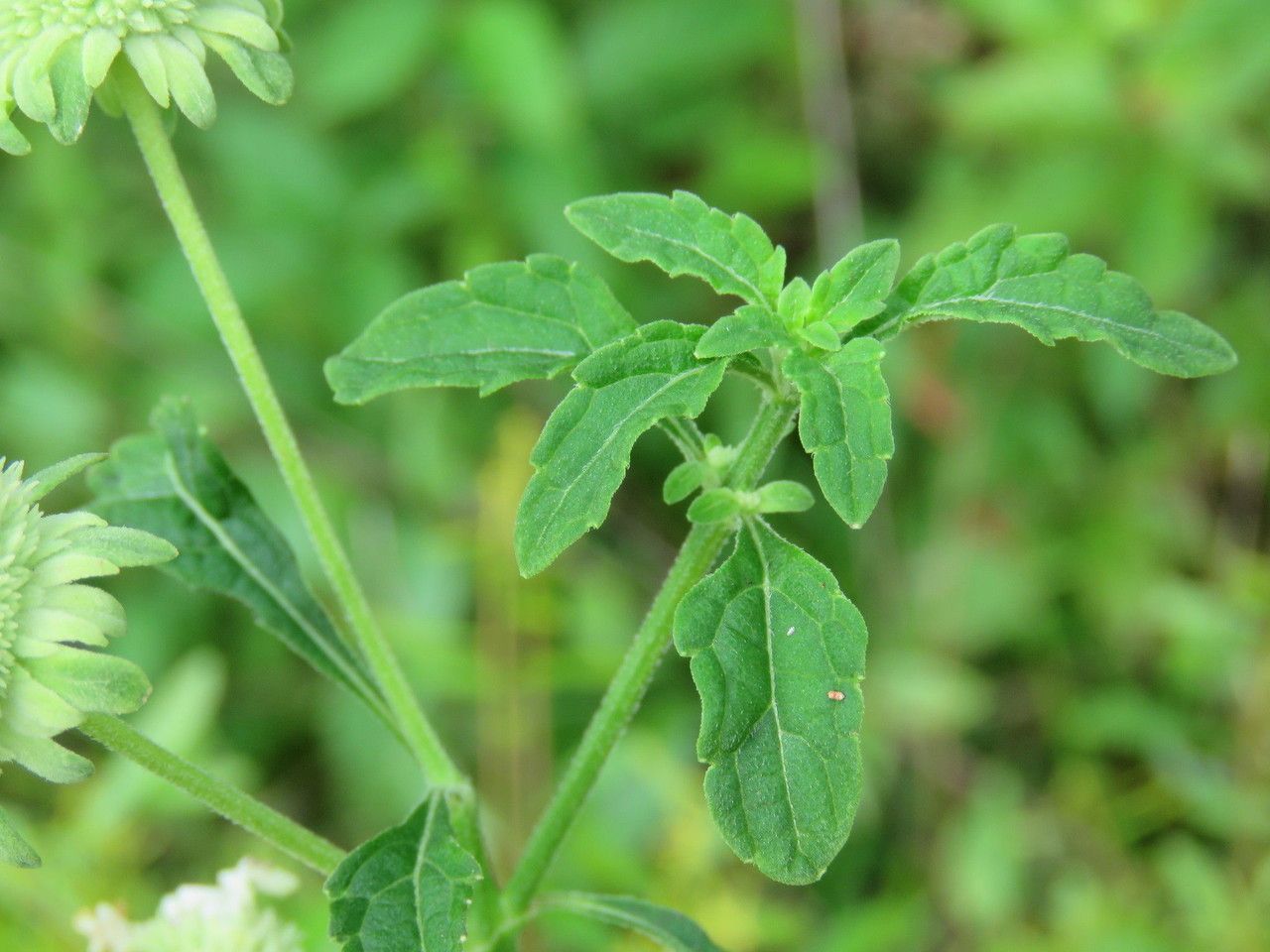
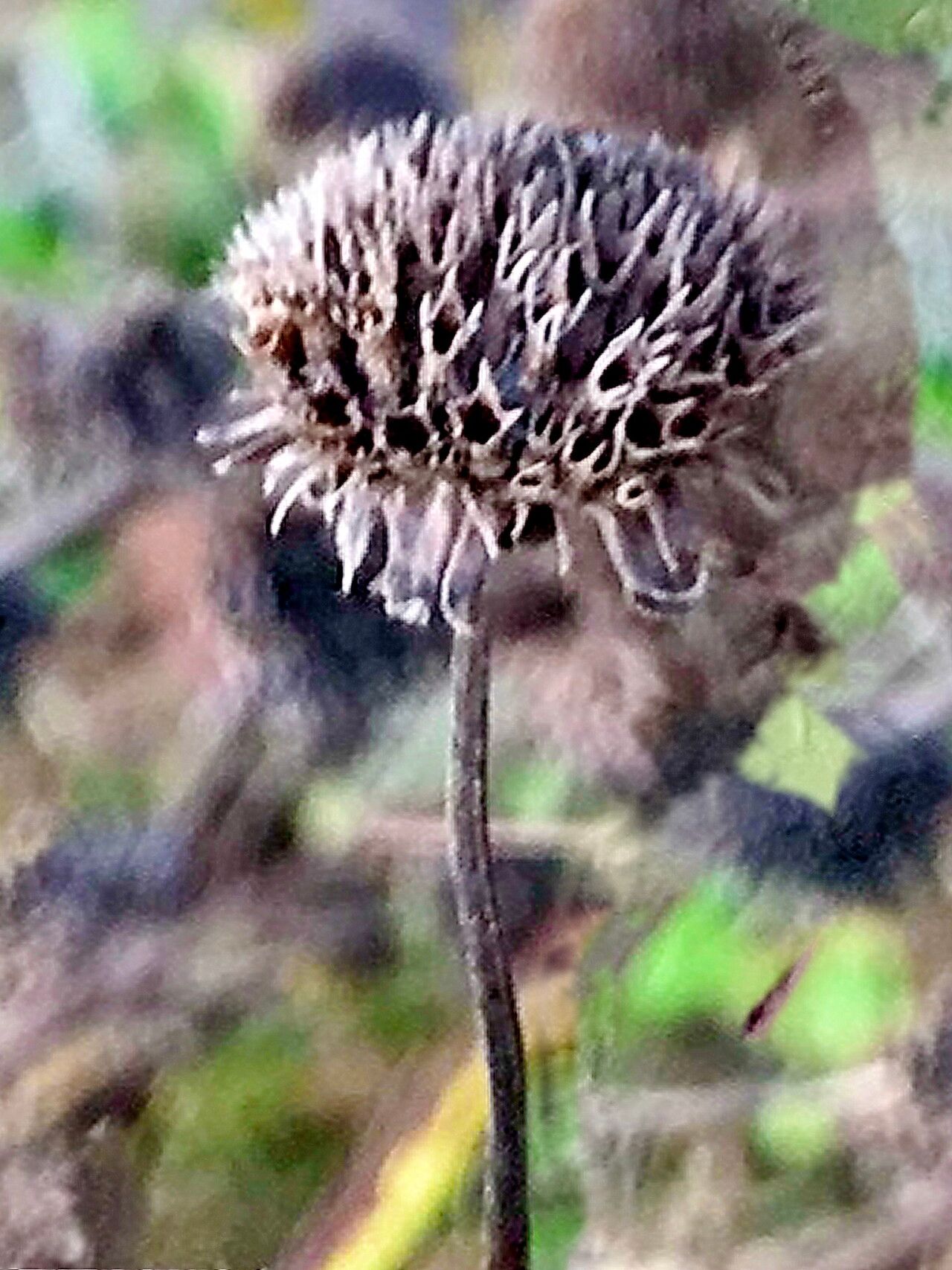
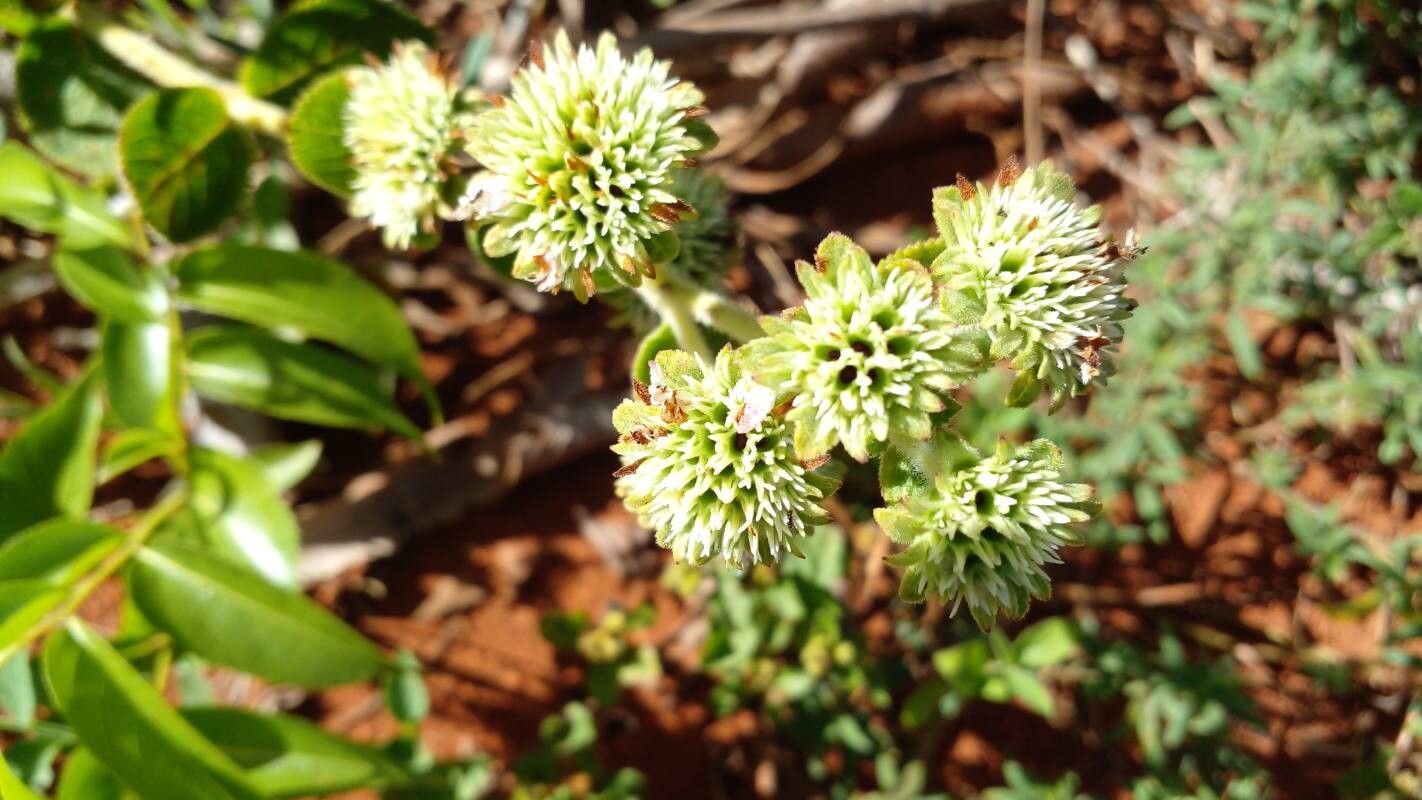
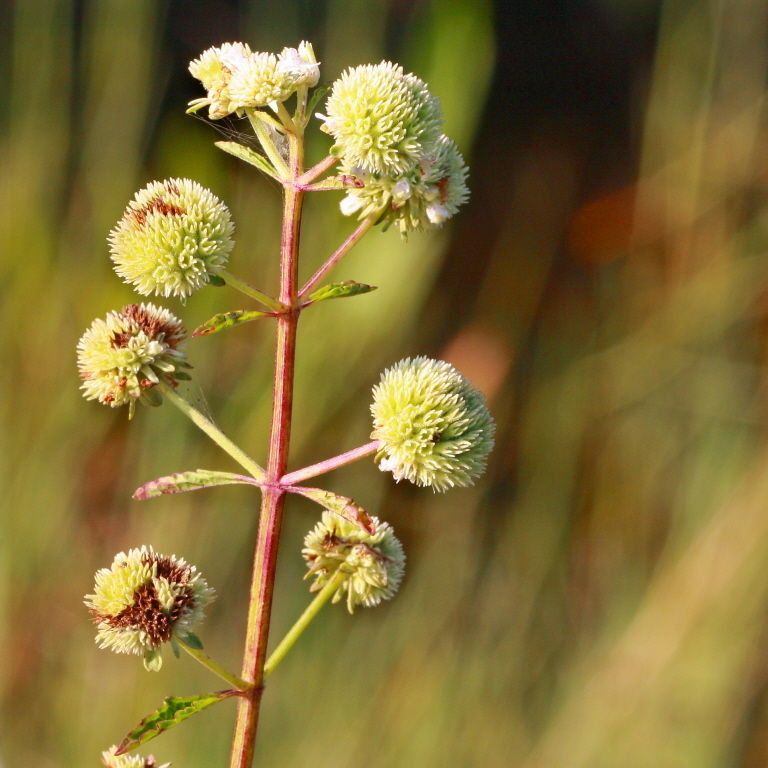
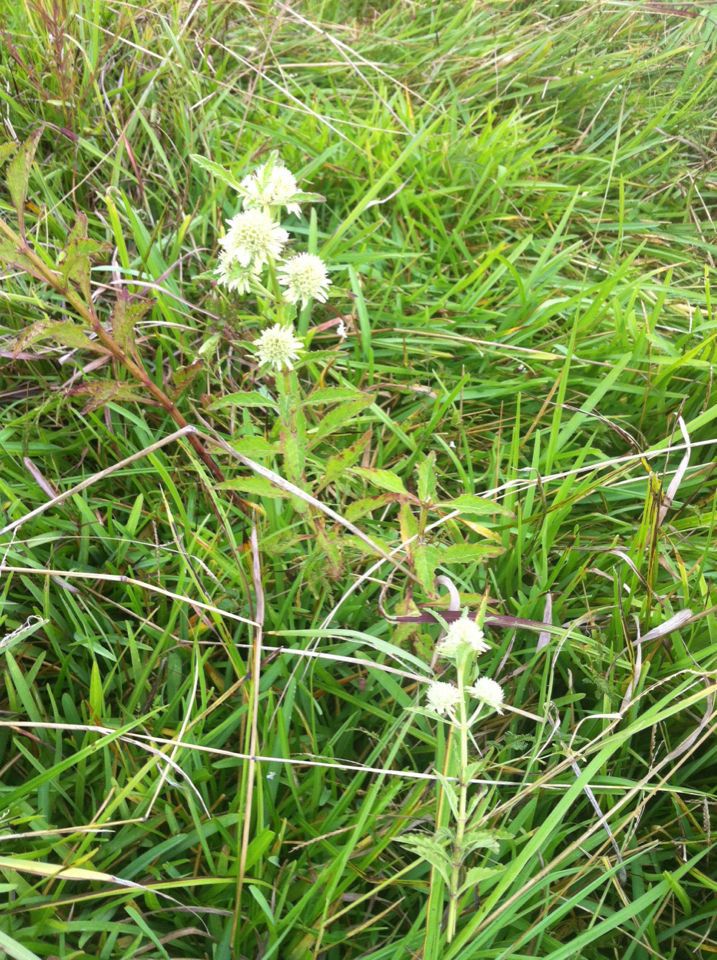
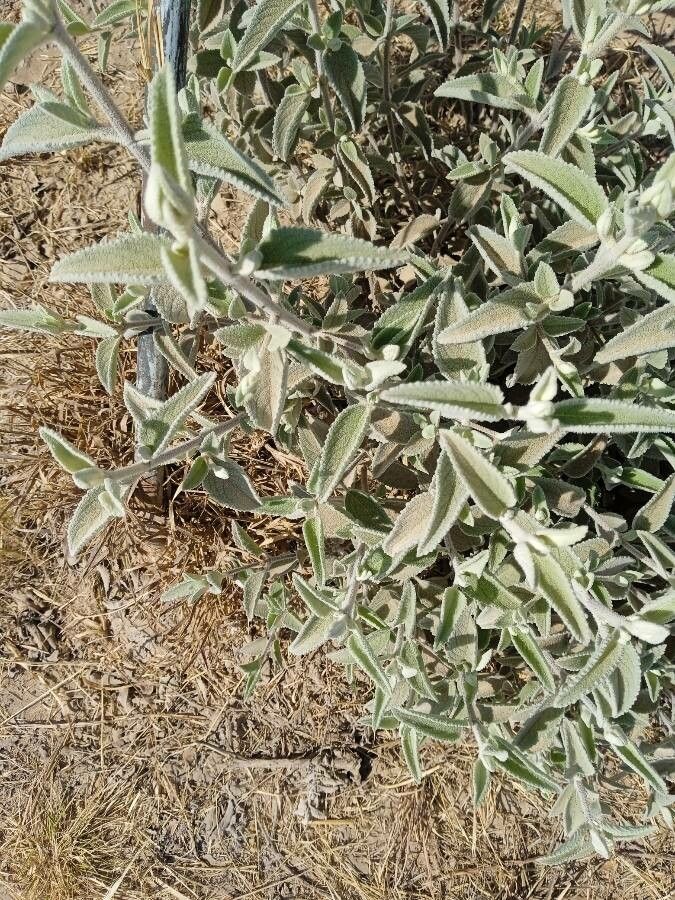
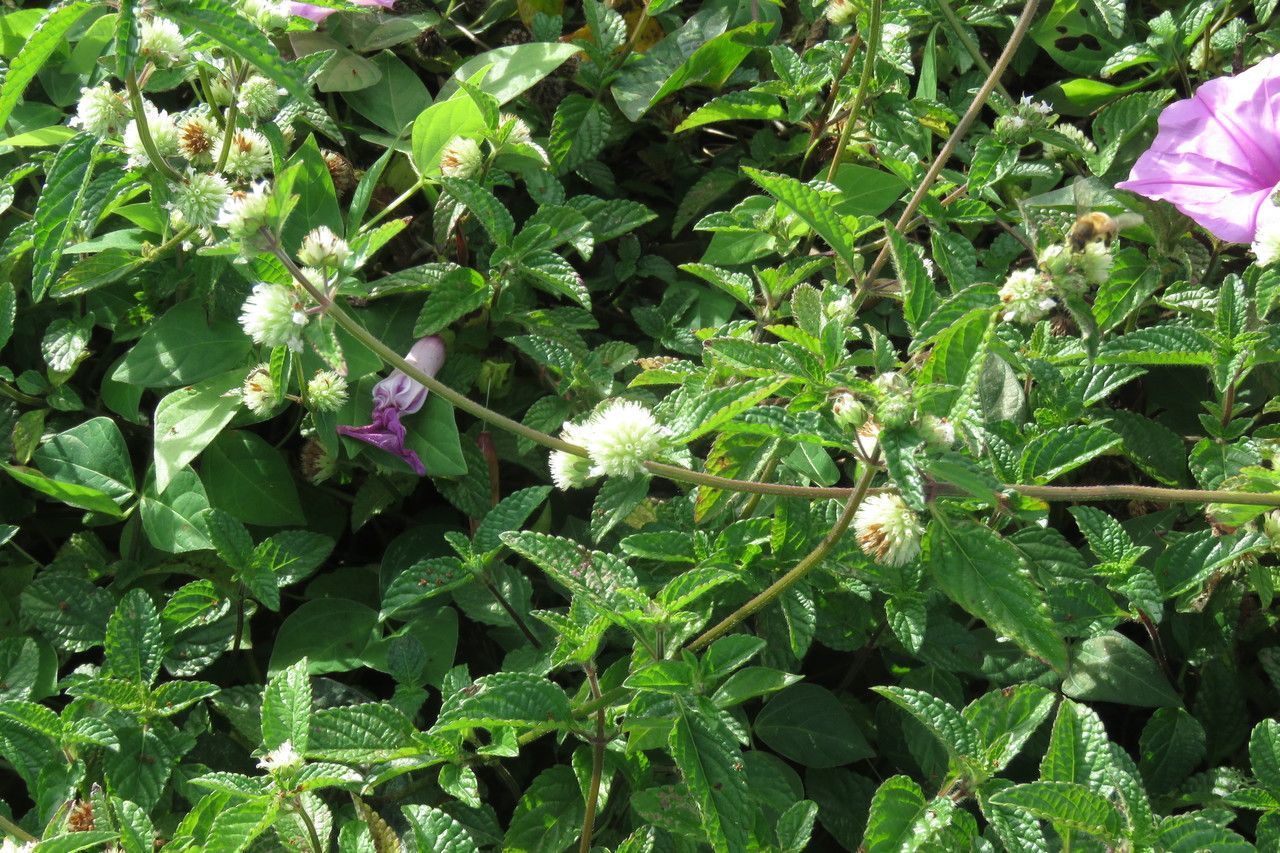
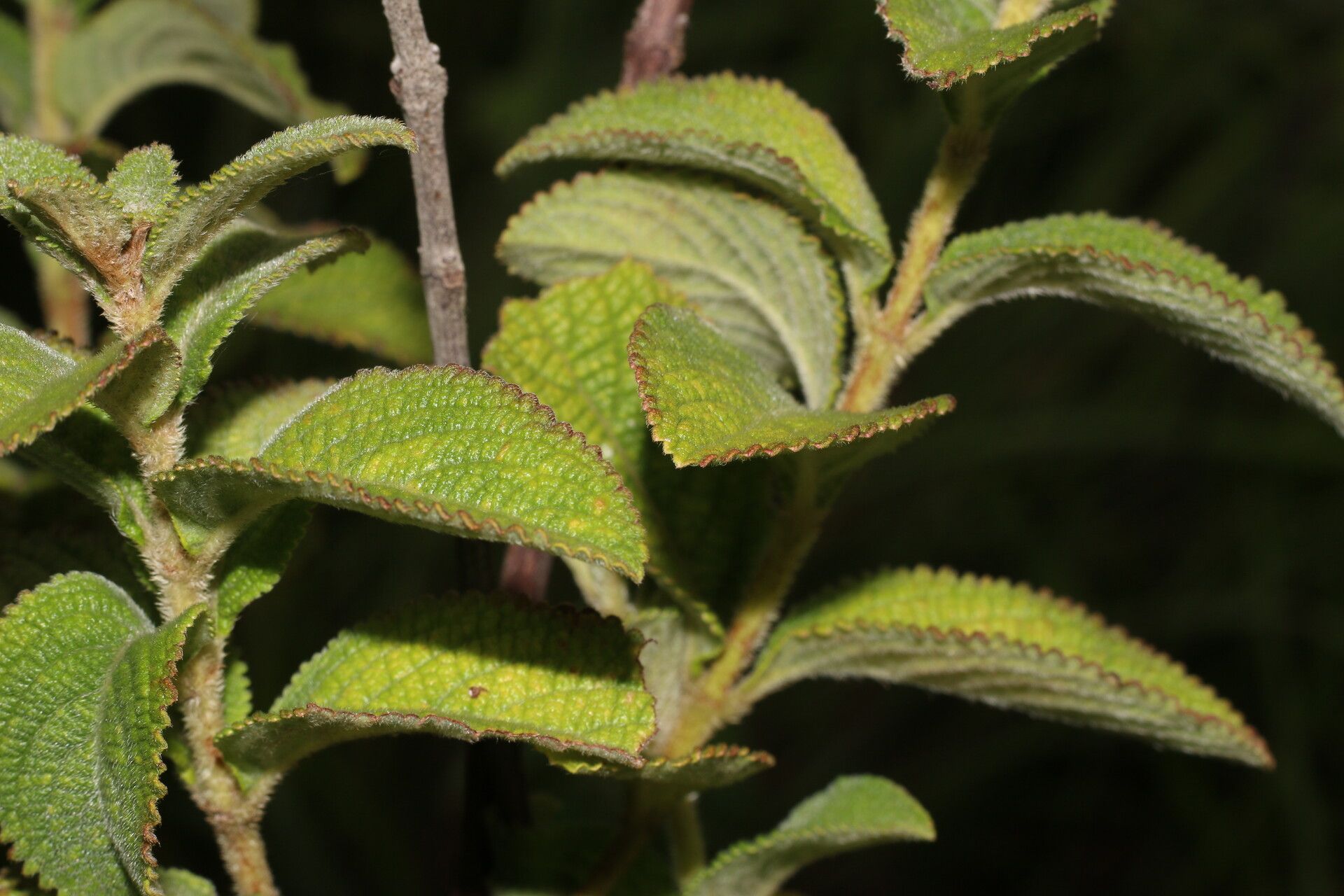
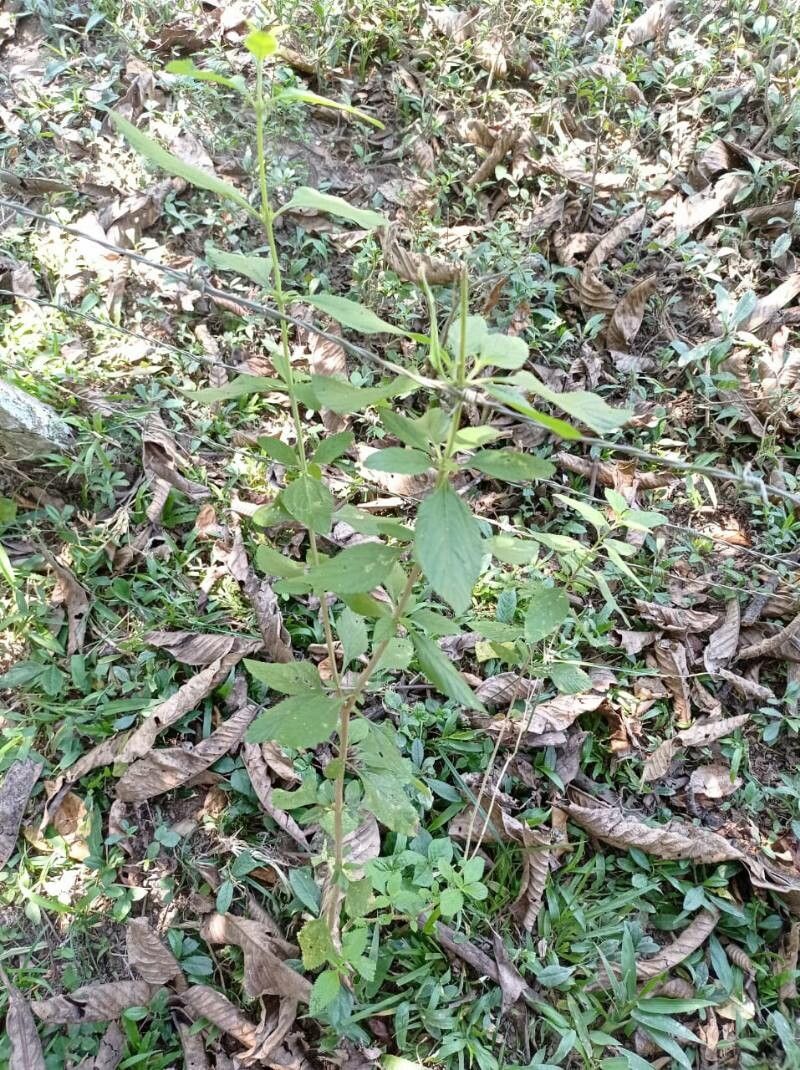
Hyptis alata, the musky mint or clustered bushmint, is a shrub species of flowering plant in the Lamiaceae, the mint family. The genus Hyptis is commonly known as the bushmints. It is a native species throughout the southeastern United States from Texas to North Carolina, as well as in Cuba, Argentina, southern Brazil, and Paraguay. It is found in wetlands, prairies, pond margins and wet flatwoods. Hyptis alata is the southeastern United States analog to the Southwestern deserts H. emoryi, the Desert Lavender.USDA: NRCS: Plants Profile Hyptis alata
VarietiesHyptis alata subsp. alata - United States and Cuba Hyptis alata subsp. rugosula (Briq.) Harley - South America
Clustered bushmint is resistant to disease and is generally not susceptible to illnesses. In terms of care, this plant is fairly low-maintenance. When grown outdoors it needs little watering, and larger plants usually do not require pruning. Smaller plants, however, should be pruned after they finish blooming. Clustered bushmint is suitable for anyone with an outdoor area, such as a garden or deck, and does not demand extensive care experience.
How to keep Hyptis Alata.
Light
Clustered bushmint grows best when it gets ample light each day. It can also survive and continue to grow healthily with only a small amount of daily sunlight. Too much light or too little light can harm the plant and result in poor health.
Water
Clustered bushmint, which comes from dry environments, is moderately drought-tolerant and thrives in well-drained soil. It should be watered every 2-3 weeks, allowing the soil to dry out between waterings. This plant prefers outdoor environments where it can benefit from natural light and rainwater, which mimic its native hydration patterns.
Temperature
Clustered bushmint naturally occurs in regions with temperatures between 59 and 95 °F (15 to 35 ℃). It prefers moderate climates, so it can be somewhat difficult for it to survive in extreme conditions. Altering conditions by providing shade in summer and some coverage in winter may help.
Fertilizer
Proper timing for fertilizing Clustered bushmint is essential. Apply fertilizer in early spring and repeat monthly through early summer. Fertilizer encourages attractive blooms and supplies energy during both dormant and active growth periods.
Pruning
Clustered bushmint is a herbaceous plant known for its aromatic leaves and clusters of flowers. To keep the plant in good shape, prune it in early spring. This helps to remove dead stems and encourages bushy growth. Pruning also promotes the development of vigorous new shoots, improves air circulation, and enhances blooming, all of which contribute to the plant's overall health.
Botanical profile.
- Plant Type
- Shrub
- Life Cycle
- Perennial
- Genus
- Hyptis
- Family
- Lamiaceae
- Hardiness Zone
- 8-10
- Mature Height
- 0.61 m to 2.44 m
- Mature Spread
- 30 cm to 61 cm
- Leaf Color
- Green, Dark Green
- Leaf Type
- Deciduous
- Flower Color
- White, Green
- Flower Size
- 2.54 cm
- Bloom Time
- Mid summer, Late summer, Early fall, Mid fall
- Planting Time
- Spring, Summer, Autumn
- Harvest Time
- Fall
- Native Area
- Brazil, Paraguay, Argentina
Other names.
Reader questions.
How should I water my Clustered bushmint plant?
To promote excellent root development, consider placing a garden hose at the base of your plants. Avoid spraying the leaves directly, especially if they are outdoors and exposed to direct sunlight. To keep the roots moist, you can use bubblers or soaker hoses on each plant. When adding or removing plants, use soaker hoses that cover the entire garden or bed and allow the roots to go deeper. Remember to drain any excess water and wait for the soil to dry before watering again. Watering at ground level is recommended to prevent diseases. On a sunny day, you may want to spray the entire bush with water. Whether your plants are in pots or in the ground, keep in mind that Clustered bushmint prefers deep watering instead of light sprinkling.
How many hours of sunlight should Clustered bushmint get each day to grow well?
To ensure healthy growth, Clustered bushmint should receive a minimum of 3-6 hours of sunlight per day. However, it is important to note that while most plants that can handle partial sun can also do well in full sun, clustered bushmint can thrive in both conditions due to its ability to perform photosynthesis with less light. This makes it more adaptable compared to plants that specifically require full sun or partial shade.
What temperature is best for Clustered bushmint?
Plants are impacted by colder temperatures because they adjust to the temperature of the air around them. Normally, when they are in sunlight, they warm up again. However, during winter, they cannot warm up as easily. The preferred temperature range for the Clustered bushmint is usually 70~85℉(21~30℃). They can tolerate temperatures as low as 20~30℉(-6~0℃), or even 15℉(-10℃), but only for short durations since this can lead to frost damage. To maintain their health, it is important to ensure the maximum temperature stays within 70~85℉(21~30℃). Additionally, remember to occasionally spray the plants with water and provide some shade to avoid wilting.
What should I do if I give Clustered bushmint too much water or too little water?
An overwatered Clustered bushmint may exhibit yellowing leaves, leaf drop, and wilting. The plant may also appear dull and unhealthy, with mushy stems. Adjusting your watering schedule is recommended when these signs appear. Wilting can also indicate under watering, characterized by crispy and dry leaves. Overwatered plants, on the other hand, will have wilted leaves that are soft. If the soil is dry and simple watering is insufficient, give the plant a thorough watering. Although this will help the Clustered bushmint recover, it may still exhibit dryness and yellowing leaves due to root damage. Once the plant returns to normal, the yellowing of leaves will cease. When housing the Clustered bushmint indoors, regularly check the moisture levels in the pot to avoid overwatering. Look for signs of black spots, and if present, allow the soil to dry by refraining from watering for a few days. Overwatering can lead to root rot, so consider transferring the plant to a different pot if discolored and slimy roots are observed. Preventing root rot is essential, so don't let the soil become overly saturated. When planting the Clustered bushmint outdoors, ensure the soil is adequately moist by checking with your fingers. If the soil is too dry, it may indicate underwatering, in which case, proper watering is needed to facilitate plant recovery.
What kind of sunlight does Clustered bushmint need?
Clustered bushmint prefers full or partial sun exposure. It thrives when it receives direct morning light, but during summer it requires protection from the intense afternoon sun. In temperate environments, excessive hot afternoon sun can harm the leaves and compromise the plant's overall appearance and health.
Should I change the temperature for Clustered bushmint as it grows?
When growing Clustered bushmint, it's important to research and ensure the temperature is suitable. Some growers may lower plant thermostats during the growing season to save on HVAC costs, but it's crucial to understand how temperature can impact flowering, pest management, and plant quality. During winter, some Clustered bushmint species may enter a dormant state, causing growth to halt. As the seasons change and temperatures rise, the base temperature for growth increases, allowing Clustered bushmint to grow faster. Species naturally found in warm habitats have higher optimum temperatures compared to those adapted to cooler climates. Exposing Clustered bushmint seeds to cool temperatures can lead to decreased uniformity and delays in growth. Lowering the temperature during flowering may be beneficial, but not during other phases. Additionally, cooler nighttime temperatures require less water, so adjust irrigation accordingly.
How many times a week should I water my Clustered bushmint?
The Clustered bushmint prefers deep and infrequent watering, especially when grown in pots. To ensure proper watering, soak them with a gallon of water each time. Potted plants have limited water storage, so their soil dries out faster. If you live in a cold region, you should water every 3 to 5 days. The best time to water is in the morning when the soil is dry, both indoors and outdoors. You can also check the soil moisture by examining the top 2-3 inches of soil. If it is dry, it's time for a full watering. In hot weather, you may need to check the moisture daily because the pot's soil can dry out quickly. For garden plants, irrigation is necessary. In hot climates, watering once a week may be sufficient. Pay attention to the soil, and when it becomes too dry by about 2 to 3 inches, it's time to water. Be mindful of rainwater on the plant and avoid adding more to prevent root rot. If there is abundant rainfall, additional watering may not be necessary. Clustered bushmint typically grows in spring and fall. When planted outdoors, applying 3 to 4 inches of mulch can help conserve water. Sandy soil tends to drain faster and requires more frequent watering, while clay soil requires less frequent watering, around 2-3 days. Consider marking the water dates on a calendar and watch out for drooping leaves, as they could indicate a need for watering sooner.
Can the sun harm Clustered bushmint? How can I protect Clustered bushmint from damage caused by the sun and heat?
Clustered bushmint, when moved outdoors, is susceptible to damage from direct sunlight. To prevent overexposure and sunburn, it is best to gradually move the pots from a shaded area to a brighter location. However, even plants that are used to the summer sun can still be affected by extreme heat. To help them cope with excessive levels of heat during a heatwave, it is important to keep the soil consistently moist. Additionally, sensitive Clustered bushmint can be protected during extreme weather events by moving plants in containers to areas with afternoon shade or by using a shade cloth to provide shade.
How can I make sure Clustered bushmint stays warm in cold weather?
To help the plant endure colder temperatures, it's recommended to stop fertilizing it and allow the existing growth to become hardier. You can also protect the plant by building structures such as cages or trellises around it. Another option is to use heat mats, which gently warm the soil and maintain an ideal temperature for the plant.
How much water does my Clustered bushmint plant need?
The Clustered bushmint plant needs about a gallon of water on a regular schedule. For potted plants, water them deeply until you see water dripping from the bottom of the pot. Wait for the soil to dry before watering again. You can use a water calculator or moisture meter to determine how much water you've given your plant in a week. During the flowering period, provide plenty of water, but let the moisture evaporate to avoid root rot. If the Clustered bushmint is planted outside and receives adequate rainfall, it may not need extra watering. When the plant is young or newly planted, ensure it receives 1-2 inches of rain per week. As the Clustered bushmint grows, it can survive solely on rainfall. Only water it fully during cooler moments of the day when the weather is excessively hot or there has been no rainfall for 2-3 weeks to prevent damage from high heat. Additional watering may be necessary during extended dry periods.
Should Clustered bushmint be shielded from the sun?
Clustered bushmint thrives in bright morning sun and some full sun exposure, but it can struggle with the harsh, hot midday sun of summer. When planted in the ground, the plant can gradually adapt to the increasing intensity of the summer sun. However, potted plants that have been indoors or in a protected location may suffer damage if suddenly exposed to direct summer sun during the hottest part of the day. To protect the plant from the intense afternoon sun, it is best to plant it in an understory location where it will be shaded at midday by taller trees, plants, buildings, or landscape features.
How can I stop Clustered bushmint from getting damaged by temperature?
In winter, protect the Clustered bushmint from frost by using cloth, tarp, burlap, sheets, or plastic buckets as a cover. Make sure to secure the covers to prevent them from being blown away. However, be careful not to let the plastic or burlap touch the plant's fruit or foliage, as this could cause burns from the cold. When daytime temperatures start to rise, remove the covers.