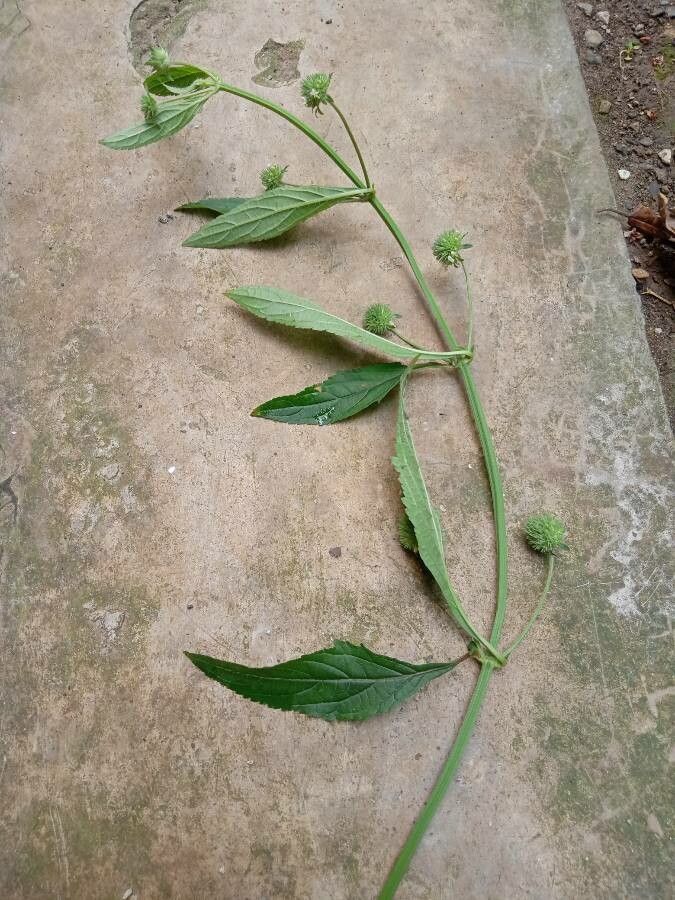
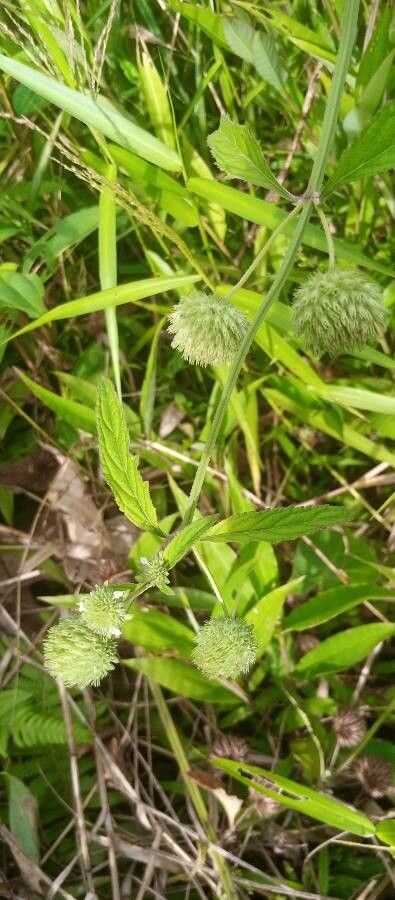
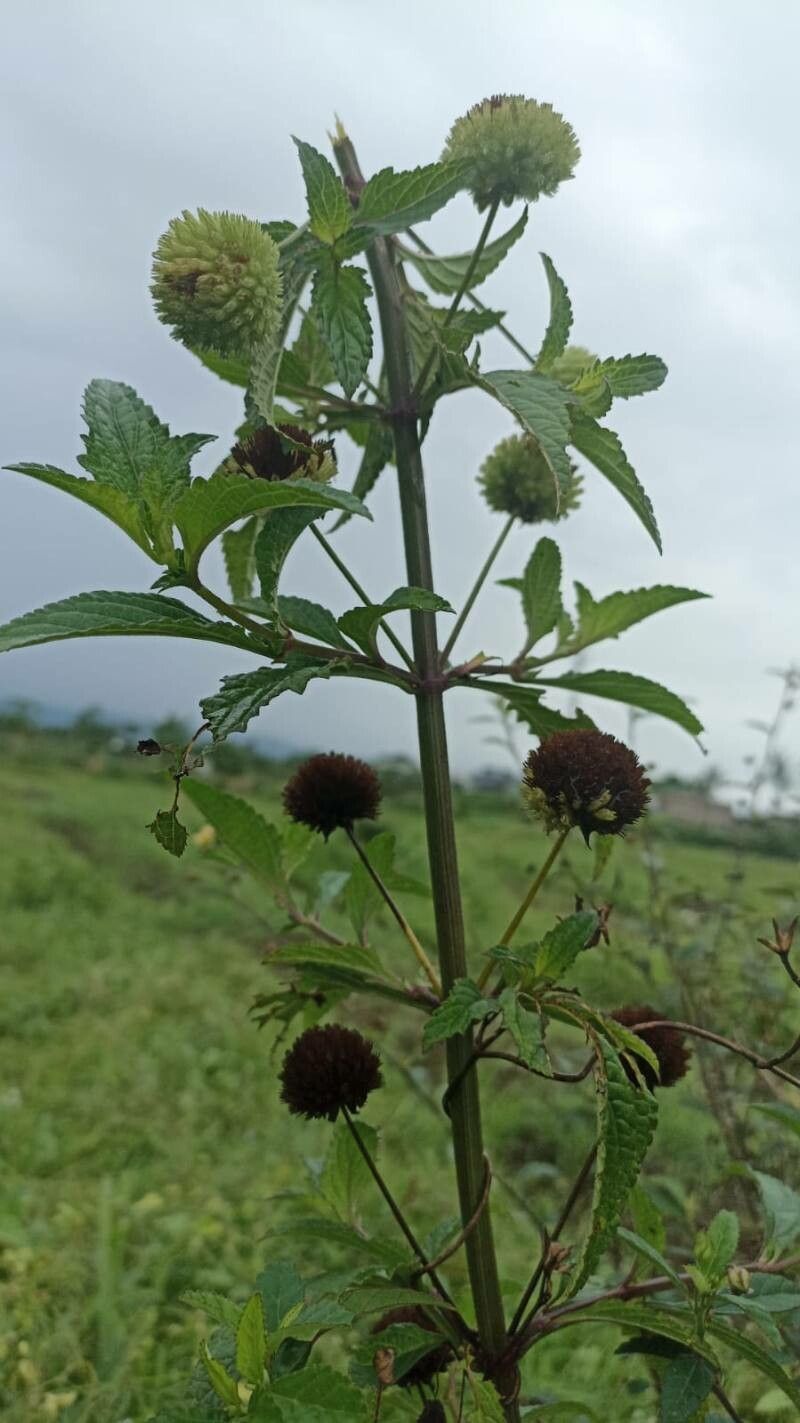
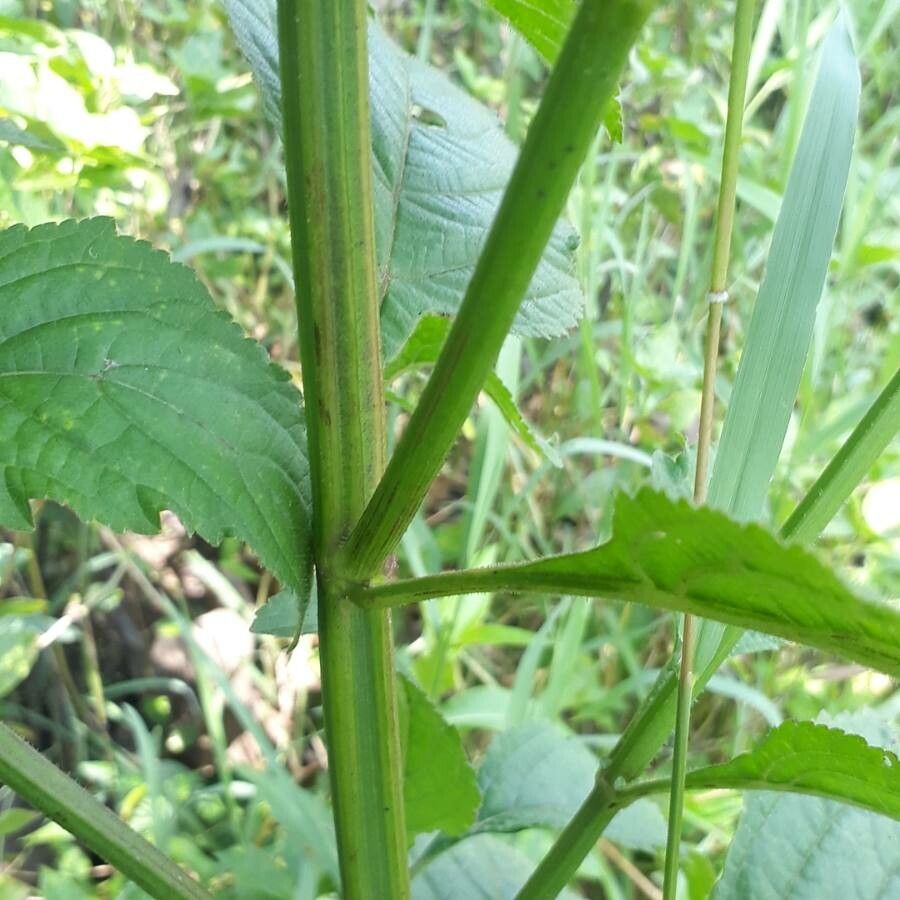
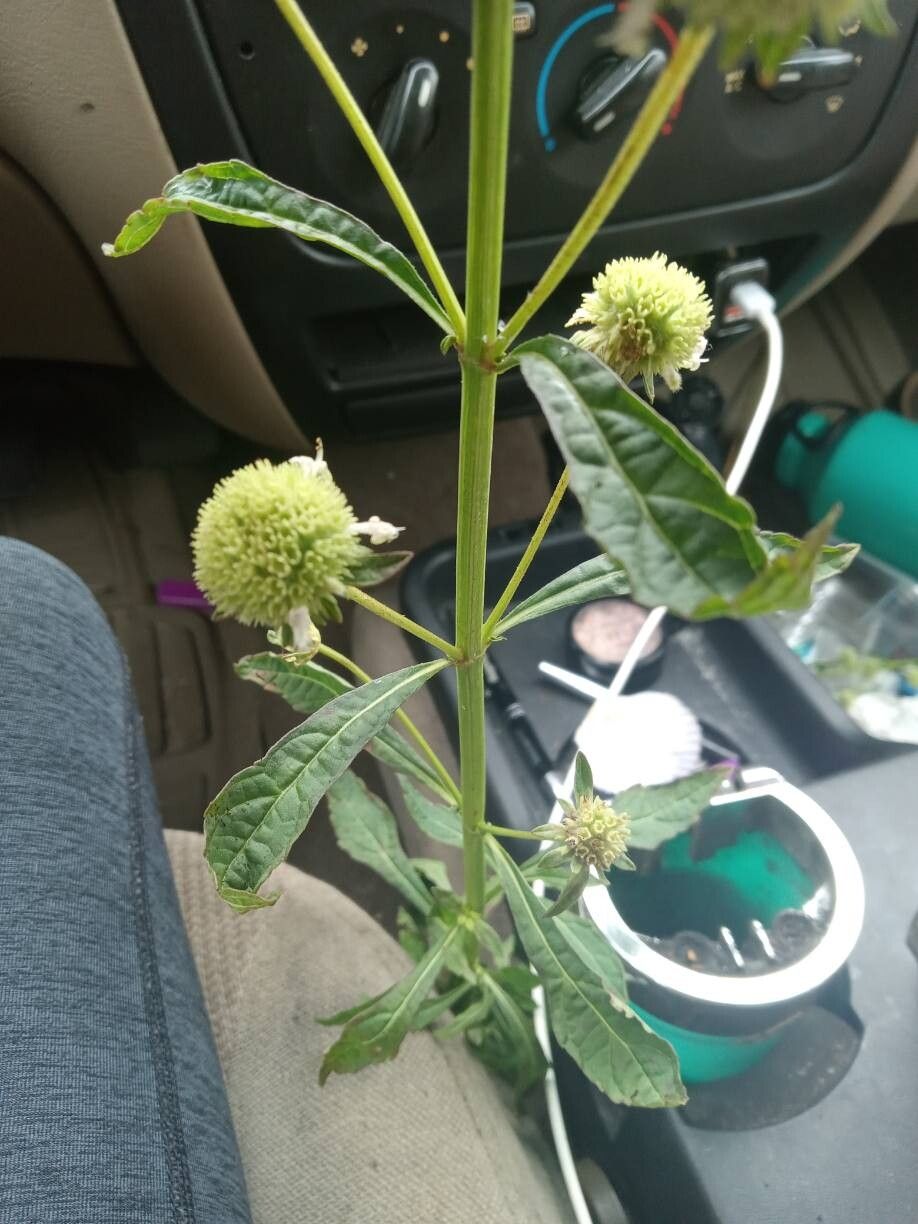
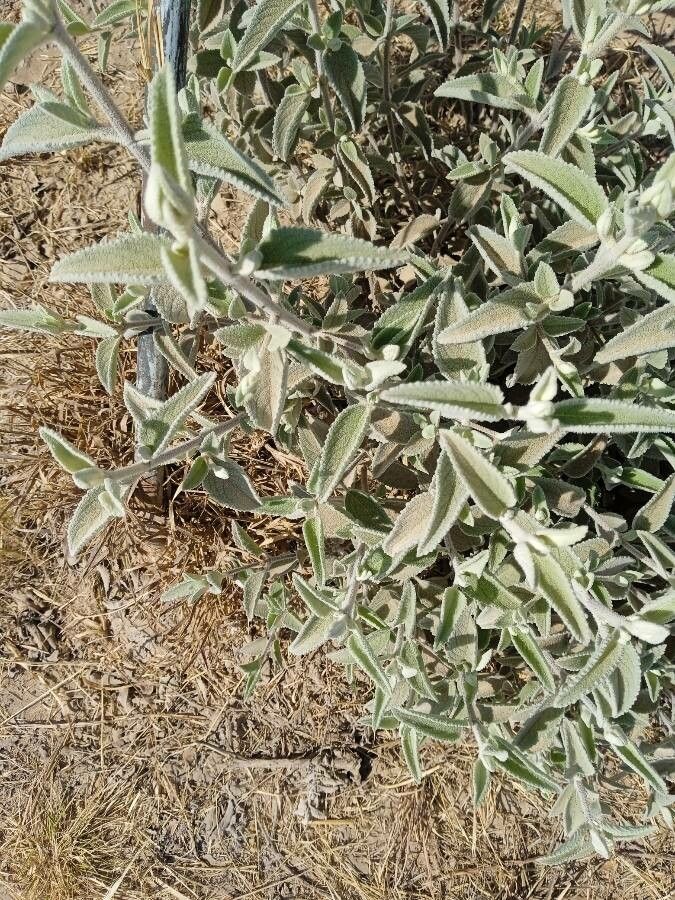
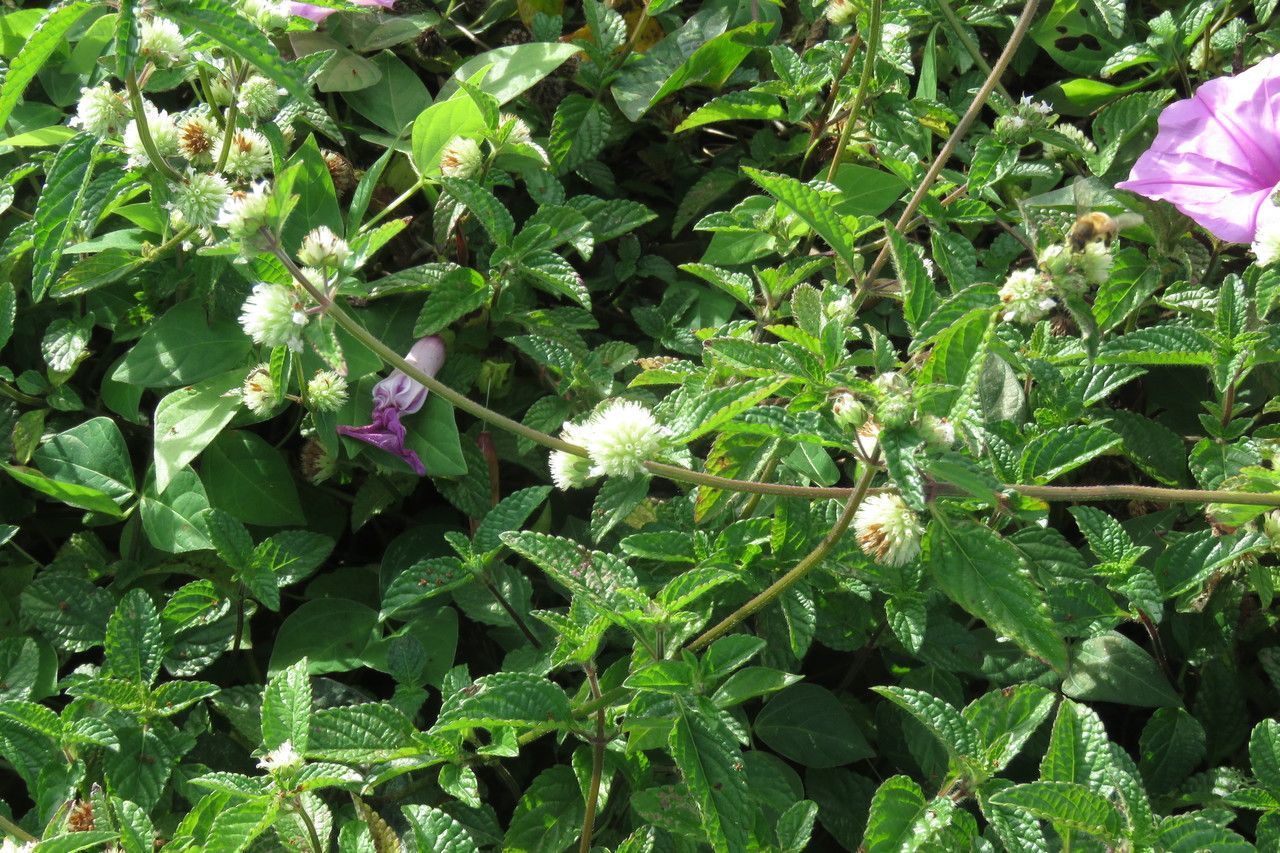
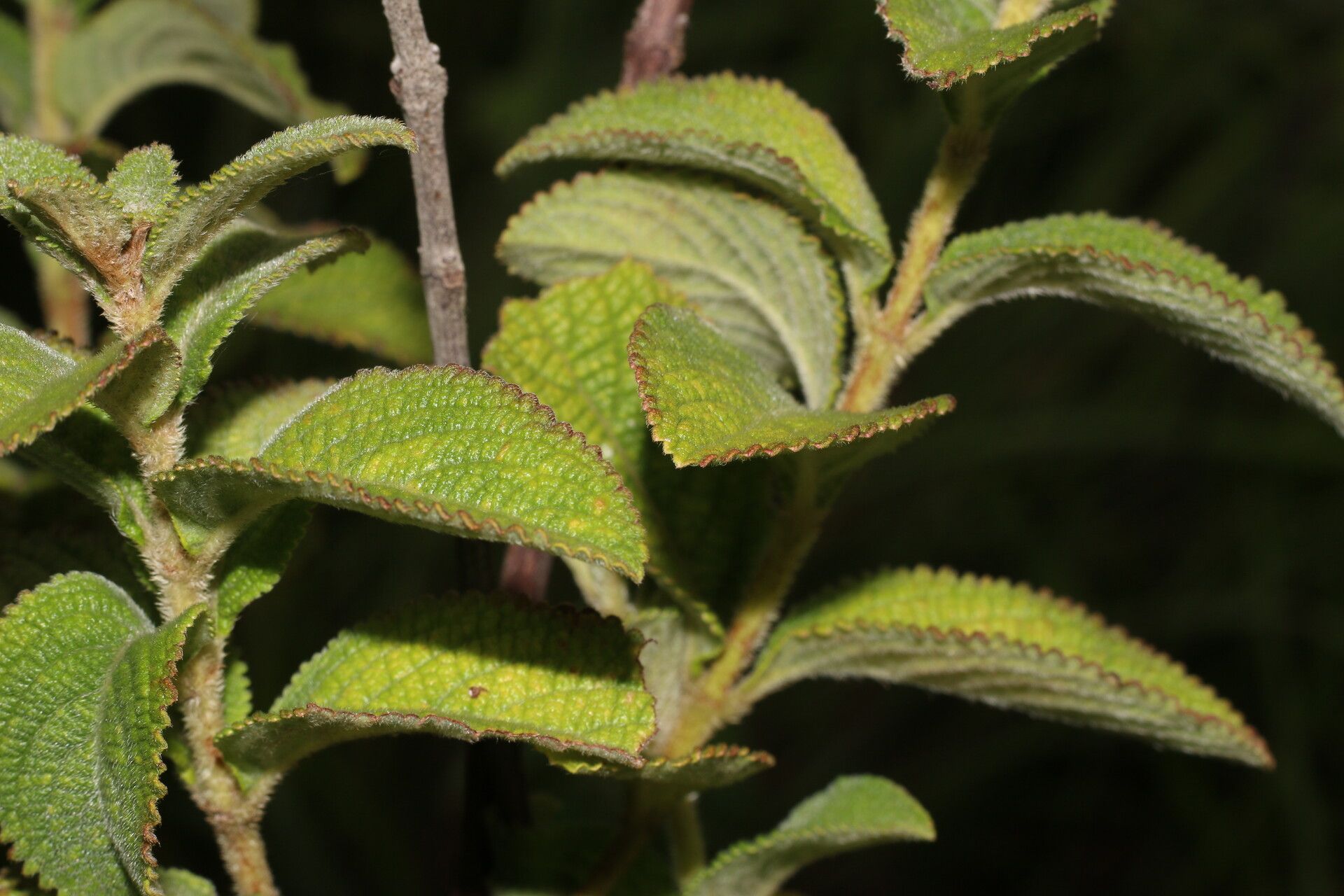
Hyptis capitata, also known as false ironwort or knobweed, is a species of erect annual shrubs, of the plant family Lamiaceae. It is native to Florida, Mexico, Central America, the West Indies, and South America but naturalized in Australia, Southeast Asia, and some tropical islands. The plants grow up to a height of 1.5 meters. Crushed leaves are applied to cuts. It is considered a weed in many places.
False ironwort is fairly disease-resistant and typically does not suffer from many illnesses. Still, it can be affected by pests and diseases present nearby. When infections do occur, they tend to be mild. Regarding maintenance, this plant is moderately demanding. It should be pruned on a regular basis to preserve an attractive appearance and vigorous growth. Applying fertilizer can also encourage more blooms. False ironwort is a good choice for anyone with outdoor areas like a garden or patio and does not demand extensive caretaking experience. It can need more attention if kept indoors.
How to keep Hyptis Capitata.
Light
False ironwort comes from bright, open habitats and does best in full sun. It will tolerate partial sun but favors direct sunlight for optimal growth. This plant, which can be annual or biennial, is known for its sun-loving nature.
Water
False ironwort thrives in environments with high humidity and prefers consistent moisture, though it can tolerate brief dry spells. For optimal growth, water it weekly. Although typically grown outdoors, false ironwort adapts well to temperature fluctuations and benefits from rainwater, efficiently capturing natural precipitation.
Temperature
False ironwort originates from climates where temperatures range from 68 to 100 °F (20 to 38 ℃). Its comfort in these warm conditions indicates a preference for hotter environments. To achieve optimal growth through different seasons, it may be necessary to adjust conditions to match that temperature range.
Fertilizer
False ironwort benefits from regular, dilute fertilizing to encourage healthy leaf development. You should apply fertilizer about once a month during the summer. Nitrogen is vital for the foliage, and providing nitrogen-rich sources helps False ironwort thrive.
Pruning
False ironwort is characterized by its aromatic leaves and clustered flowers. For optimal growth and shape, prune the plant from early to late spring, removing any dead stems. Regular pruning not only encourages bushiness but also enhances flower production. To minimize damage and reduce the risk of disease, always use clean, sharp tools. This approach supports the plant's vigorous nature and enhances its aesthetic appeal.
Botanical profile.
- Plant Type
- Herb
- Life Cycle
- Annual, Perennial
- Genus
- Hyptis
- Family
- Lamiaceae
- Hardiness Zone
- 9-11
- Mature Height
- 1.52 m
- Mature Spread
- 30 cm to 61 cm
- Leaf Color
- Green
- Leaf Type
- Evergreen
- Flower Color
- White
- Flower Size
- 0.25 cm to 0.51 cm
- Bloom Time
- Summer, Early fall, Mid fall
- Planting Time
- Spring, Summer, Autumn
- Harvest Time
- Late summer, Fall, Early winter
- Native Area
- Colombia, Bahamas, Belize, Cuba, Honduras, Mexico, Bolivia, Venezuela, Peru, El Salvador, Nicaragua, Ecuador, Costa Rica, Panama, Jamaica
Other names.
Reader questions.
How should I water my False ironwort plant?
To water False ironwort, you have several options such as using a garden hose with a spray nozzle, a watering can, or any other common watering tool. When it comes to water, False ironwort is not too picky and can survive with rainwater, tap water, or filtered water. However, it's generally recommended not to water this plant from above as it can harm the leaves and flowers and potentially cause disease. A good watering method for False ironwort is setting up a drip irrigation system, which ensures even and direct watering to the soil. For potted False ironwort, you can follow a similar approach but use a cup, watering can, or tap to water the soil directly.
How many hours of sunlight does False ironwort need to grow well?
In order for the plants to thrive, they should be exposed to a minimum of 6 to 8 hours of sunlight every day. Preferably, they should receive more morning light, particularly during the summer. The False ironwort, in particular, thrives in full sun and benefits from as much sunlight as possible. The reason for this is that the plants are able to produce more food, display stunning blooms, and increase their chances of survival when they receive ample light.
What is the best temperature for False ironwort?
To help your tropical plants thrive, it's best to maintain a temperature range of 75℉ to 90℉ (25-32℃). While different species can tolerate temperatures outside this range, sticking within a few degrees of these limits will ensure optimal growth. However, there are extreme temperature limits to be aware of. Anything below 50℉ (10℃) or above 95℉ (35℃) can hinder growth and cause issues with the leaves and stems. Low temperatures are particularly damaging, as even a light frost can lead to the death of your tropical plants. In fact, cellular death can occur rapidly, with some species dying within 12 to 24 hours.
What should I do if I give my False ironwort plant too much or too little water?
If you notice that your False ironwort is not getting enough water, the solution is simple - water it more often. However, overwatering can be a bigger problem that can lead to diseases and even the death of the plant. To prevent overwatering, choose a location for your plant that gets plenty of sunlight and has good drainage. If you have overwatered a potted False ironwort, consider transferring it to a new pot with better drainage. When repotting, use loose soil and choose a pot that drains efficiently.
What kind of sunlight does False ironwort require?
The False ironwort thrives in full sunlight. To ensure even sun exposure, avoid crowding them together. It is important to provide sufficient sunlight to the leaves. If growing them in pots, place the herbaceous flowers in windows that receive direct sun throughout the year. Partial or filtered light should be avoided as it may result in weak stems and unhealthy flowers. Overall, it is best to always keep the False ironwort exposed to the sun.
Does False ironwort need different temperatures for different growth stages?
False ironwort does not require temperature changes to enter different growth phases, but it is important to remain consistent. Wild fluctuations in temperature can slow down its growth regardless of the phase it is in, so it is best to keep it in a controlled environment. Maintaining the optimal temperature range of 75℉ and 90℉ (25-32℃) is crucial, especially by staying above the lower limit. While going above 90℉ (32℃) is not ideal, it won't harm this tropical plant too much. However, dropping below 50℉ (10℃), especially 40℉ (5℃), will cause direct damage to this heat-loving plant species.
How frequently should I water my False ironwort plant?
To properly care for False ironwort, it is important to water it regularly. In the spring, watering once a week is sufficient. However, as the weather gets warmer, you may need to increase the frequency to two to three times per week. It's important not to exceed this watering rate as it can harm the plant. Make sure to keep the soil moist, but not overly wet, regardless of how often you water. Watering False ironwort in a pot is slightly different. Potted plants tend to dry out faster, so you will likely need to water them more often, aiming for a few times per week. In contrast, plants in the ground can be watered just once per week.
Does sunlight harm plants? How can I shield False ironwort from sun and heat damage?
When the temperature rises above 90℉(32℃), it is important to protect the False ironwort from extreme heat, especially if it is exposed to long hours of sun. Providing shade in the afternoon is always a good idea during summertime, as sunlight in the summer is stronger and lasts 50% longer than in winter. If the plant becomes too stressed by sunlight, it is advisable to keep it well-watered. Check the soil and water when the top 2 inches are dry, and if it's too hot outside, consider moving the plant indoors if it is in a container. It is normal for the plant leaves to wilt during the day and recover at night. However, if the False ironwort remains droopy, it means the plant is losing water quickly and needs to be watered.
Does False ironwort require varying temperatures throughout the year?
False ironwort does not require different temperatures for different growing seasons. The key to seasonal care is maintaining the optimal temperature range. It is recommended to keep this plant indoors so you can easily control the temperature regardless of the outdoor climate. Light is also crucial for tropical species. These plants prefer partial shade and filtered light, meaning the light they receive should be dappled or indirect. Bright but indirect light is the ideal option when growing your plants indoors. Excessive direct sunlight can harm the leaves of your plant and impede its growth.
How much water does my False ironwort plant need?
There are a few different ways to determine how much water to give your False ironwort. Some gardeners prefer to feel the soil for moisture and water until the top six inches are moist. Another option is to use a set measurement, like two gallons per week, adjusting based on temperature and how quickly the soil dries. However, strict guidelines can lead to overwatering if the plant needs less. When growing in a container, a different method is needed. You should water enough to moisten all dry layers of soil, checking with your finger or looking for excess water draining from the pot's holes.
Should I shield False ironwort from the sun?
The False ironwort thrives in sunlight and even some species are heliotropic, meaning they are attracted to sunlight. It is recommended to plant them in south-facing gardens so they can soak up the sun from morning till afternoon. However, it is important to note that prolonged sun exposure might lead to sunburn for some plants. To prevent this, you can provide protection in the form of shade from a tree or a wall during the afternoon and midday. Growing the False ironwort in shady areas is not possible because the larger flowers require ample energy to grow and produce. For optimal growth, always ensure that the plants are placed in an area with full sun and provide the appropriate lighting conditions.
What temperatures are best for keeping your False ironwort healthy?
Here are three tips to help you take care of your plants: 1. Keep your plants away from windows during colder months: Cold air can leak into your home through cracks in the windows, and any plants placed near them will be affected. Move tropical plants to an area with bright but indirect light, while avoiding potential drafts. 2. Watch out for dry patches, which may indicate too much sunlight or heat: If you notice white or scorched leaves, your plant may be getting too much heat or sunlight. This can lead to dehydration and hinder growth. Dry spots can spread and eventually cause your plants to die if left unaddressed. 3. Be cautious of frost: Colder temperatures and frost can damage plants by disrupting their water circulation. This can lead to a lack of moisture in the stems and leaves. Look out for signs of hydrosis (a water-soaked appearance) and if the issue persists, the plant may shrivel and turn dark brown or black, eventually leading to death.