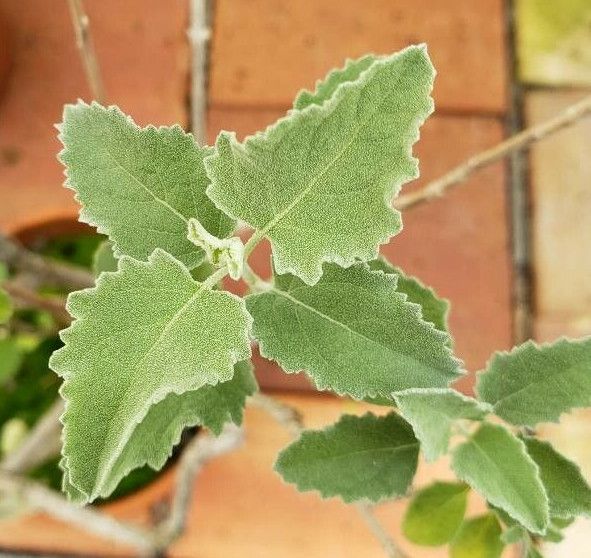
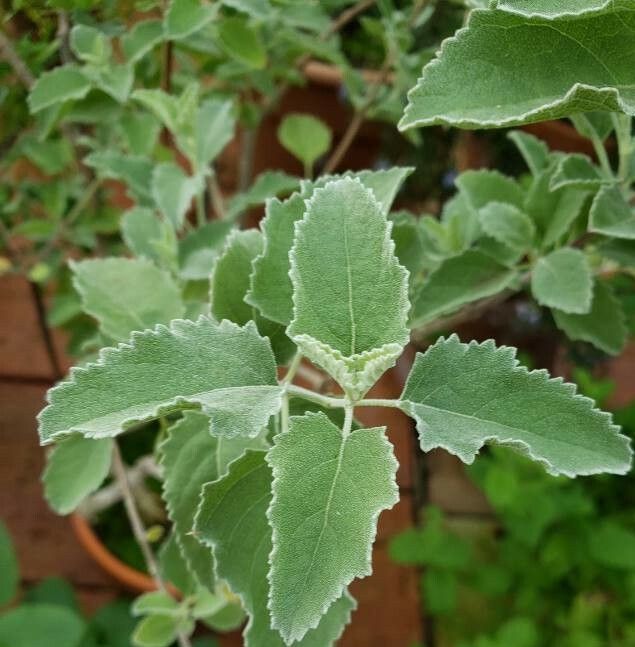
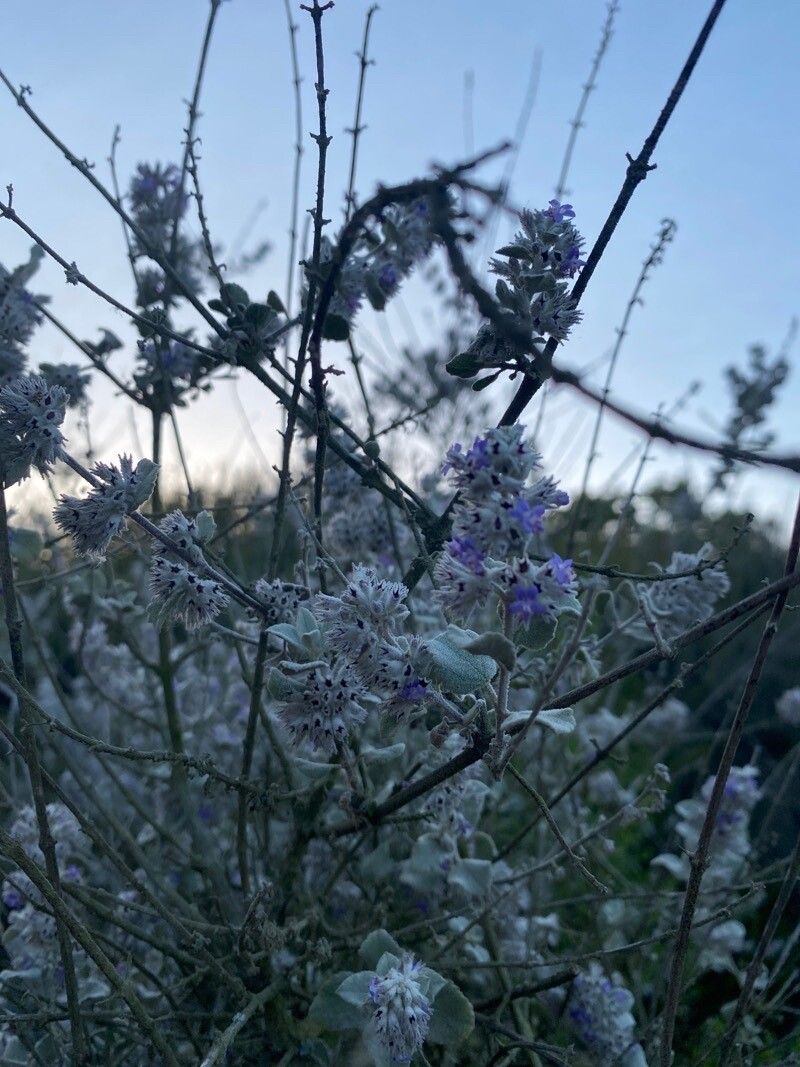
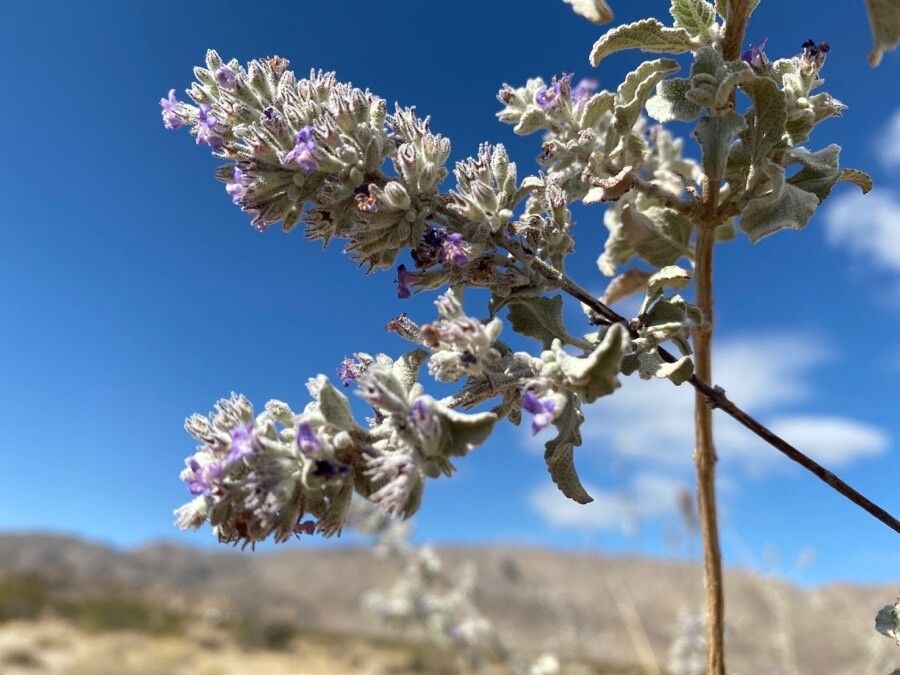
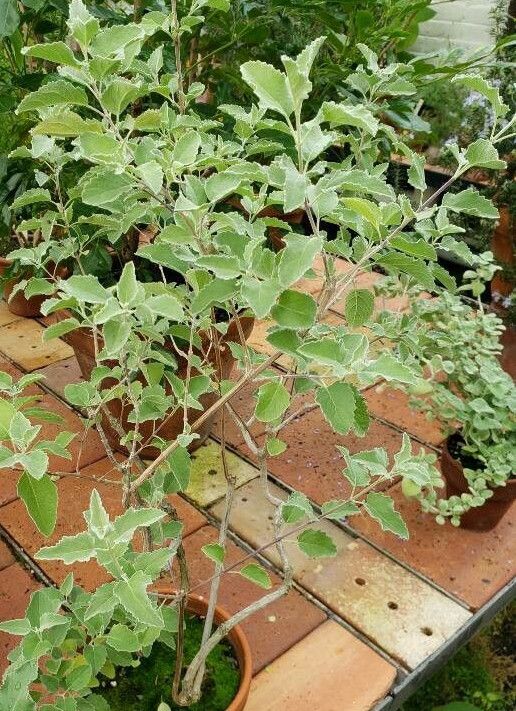
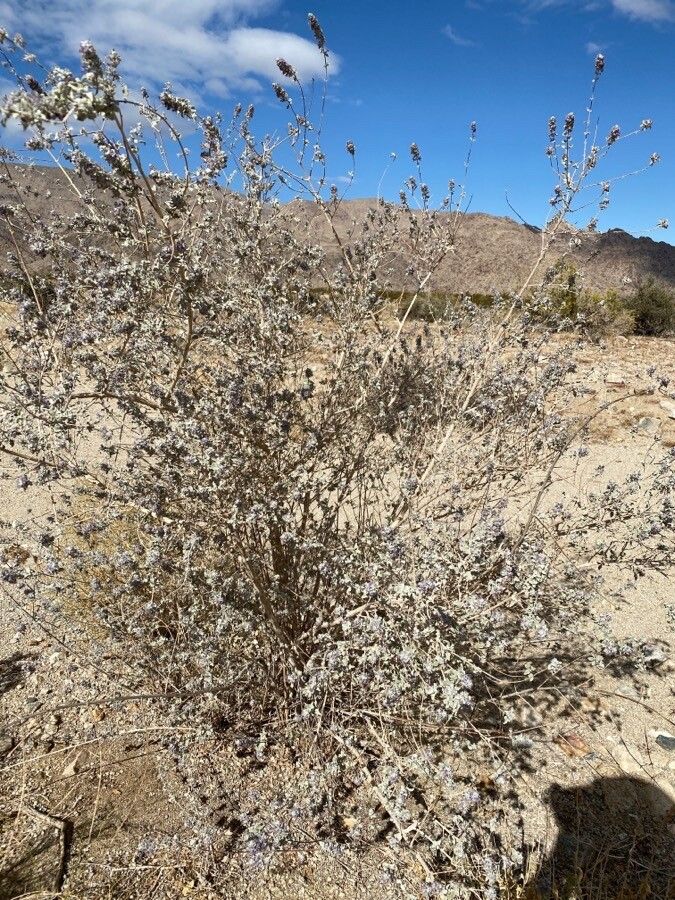
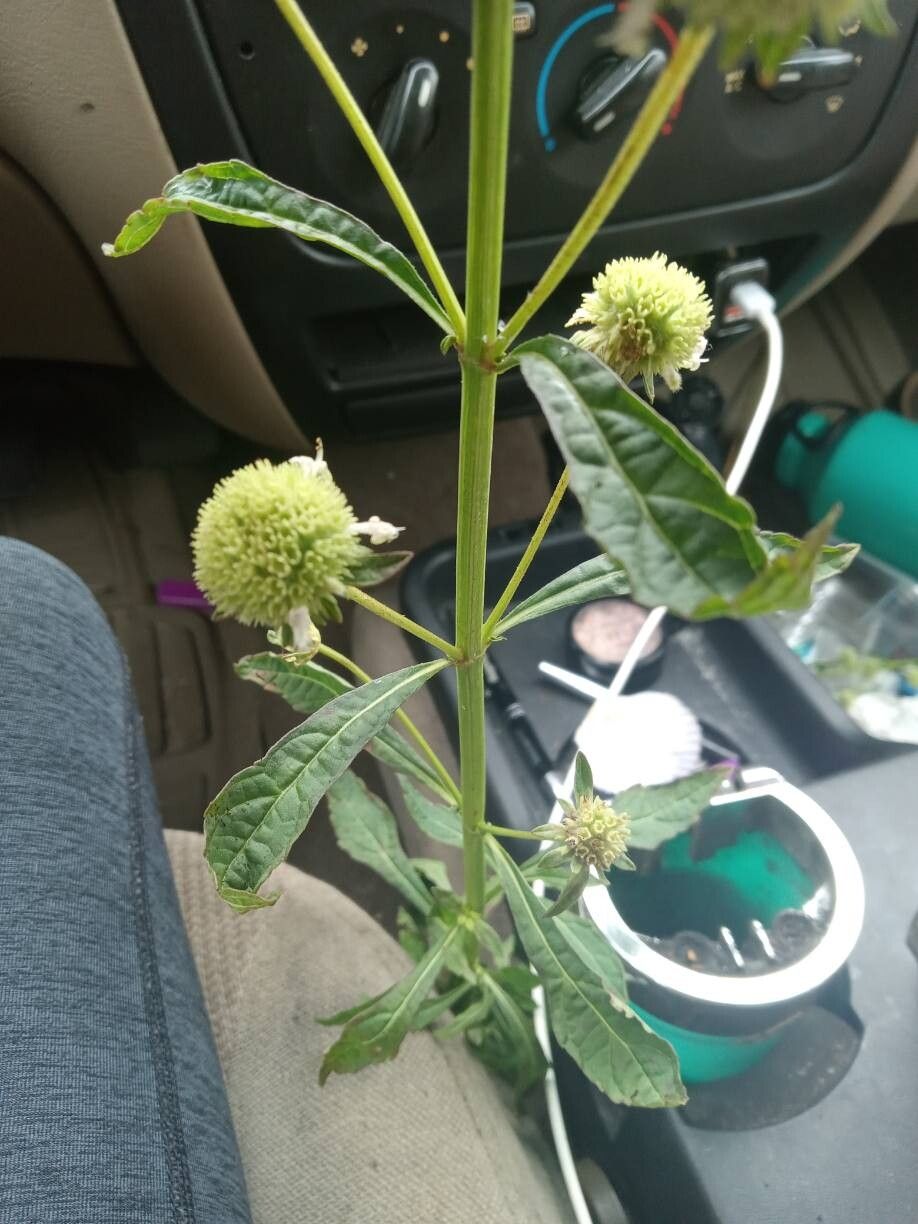
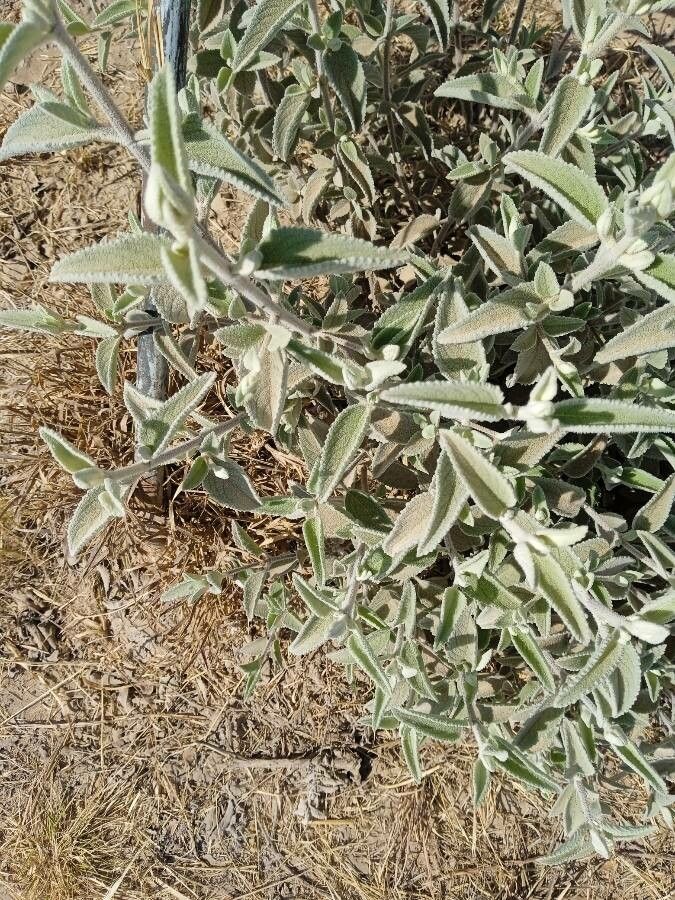
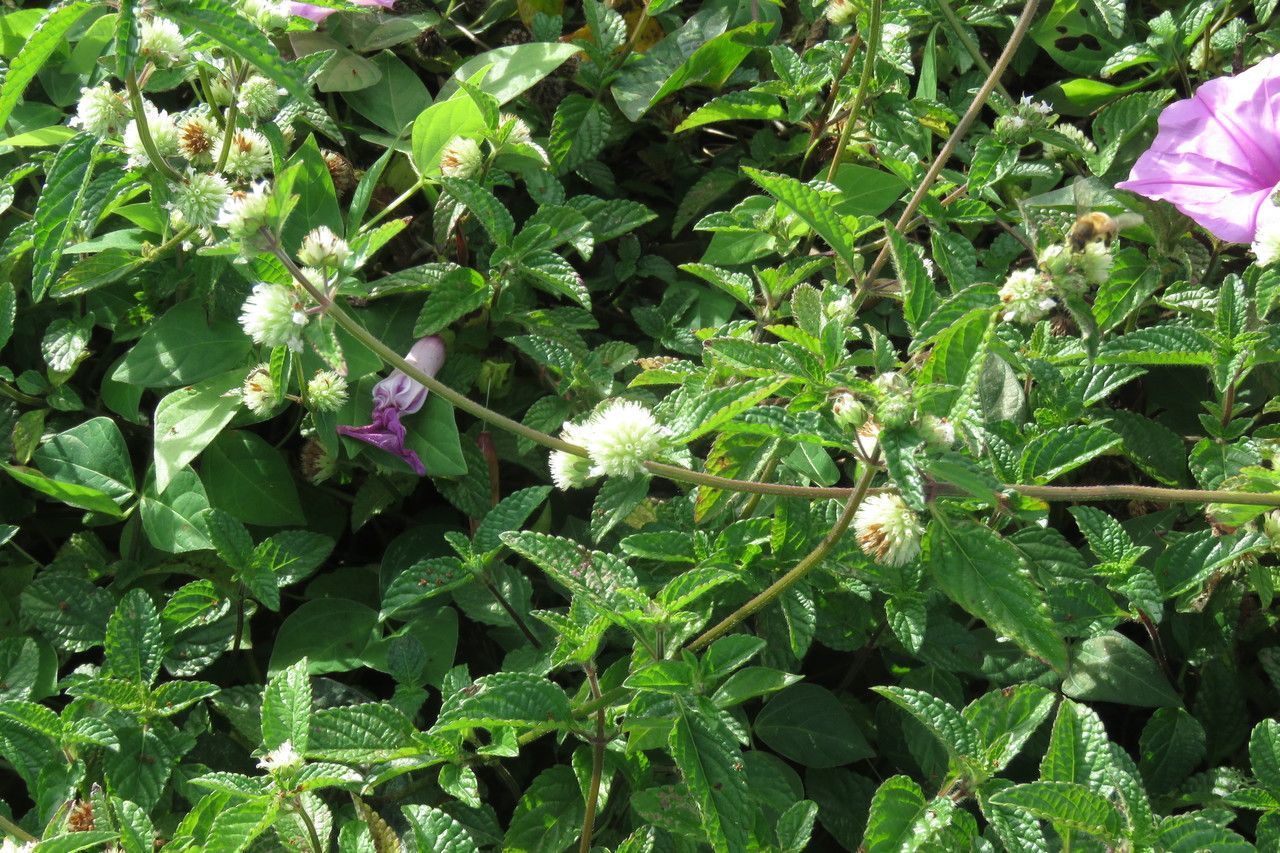
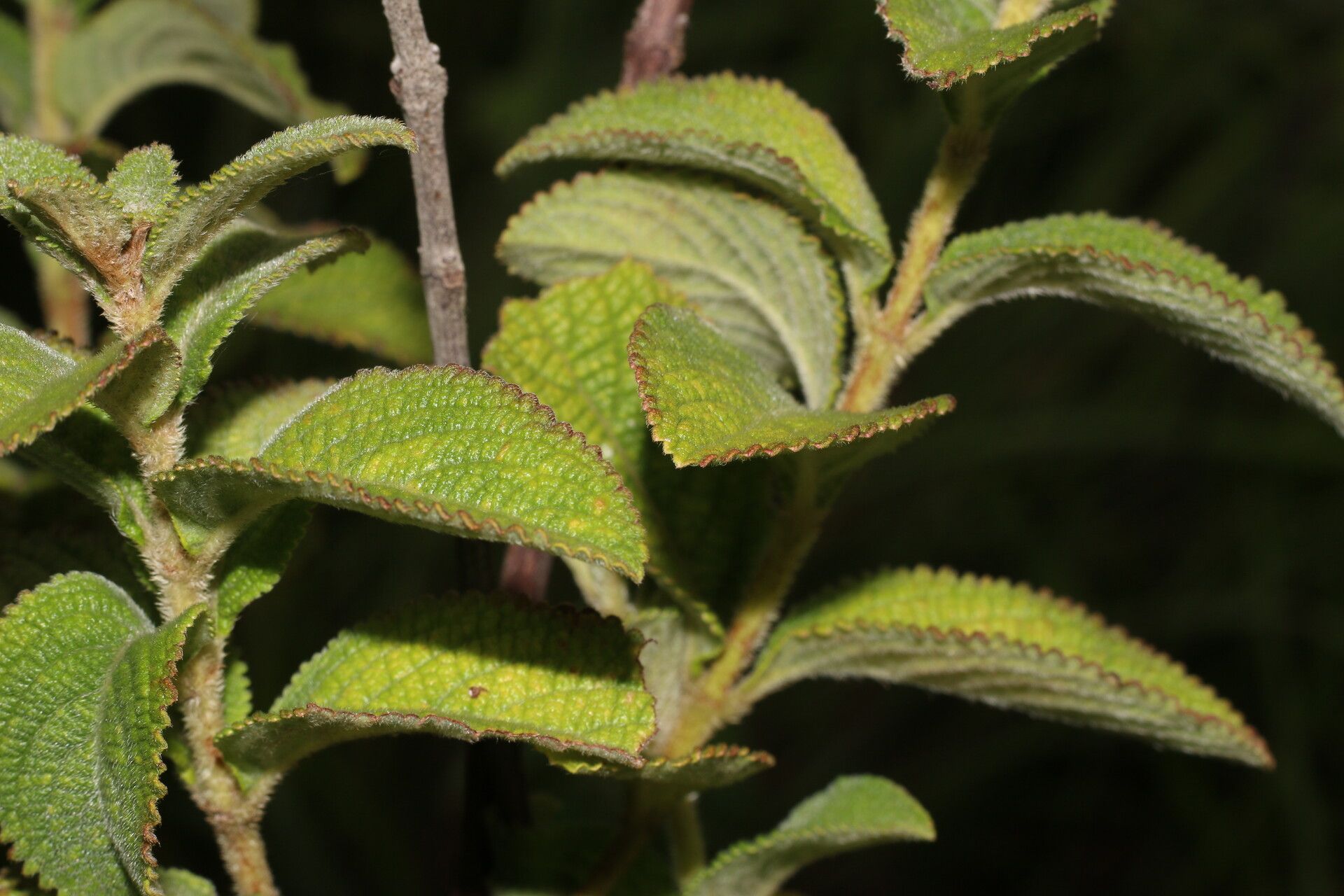
Condea emoryi (synonym Hyptis emoryi), the desert lavender, is a large, multi-stemmed shrub species of flowering plant in Lamiaceae, the mint family. It is one of the favored plants of honeybees in early spring in the southwest deserts of North America.
Desert lavender is fairly resistant to disease and is generally not prone to illnesses. Regarding care, this plant is relatively low-maintenance. When grown outdoors, it needs minimal watering, and larger plants usually do not require pruning. Smaller plants should be pruned after they have bloomed. Desert lavender is suitable for anyone with outdoor space, such as a garden or deck, and does not demand much experience in plant care.
How to keep Hyptis Emoryi.
Light
Desert lavender thrives when exposed to abundant, continuous sunlight at every stage of growth, consistent with its native semi-arid environments. Excessive sun exposure generally does not cause harm. However, inadequate sunlight can impede its healthy development.
Temperature
Desert lavender comes from temperate regions and grows best when temperatures range from 68 to 100 °F (20 to 38 ℃). In colder months, it is advisable to maintain those temperatures indoors to imitate its natural habitat.
Fertilizer
The best time to fertilize a Desert lavender is in early spring as it breaks dormancy. This encourages overall growth and flower production. Feeding the plant improves foliage, stems, and branches, and supports the development of large, vivid, long-lasting flowers. It helps transport nutrients from the roots to the flowers and enhances the plant’s health and resistance to disease.
Botanical profile.
- Plant Type
- Shrub
- Life Cycle
- Perennial
- Genus
- Hyptis
- Family
- Lamiaceae
- Hardiness Zone
- 9-11
- Mature Height
- 0.91 m to 2.13 m
- Mature Spread
- 0.91 m to 2.13 m
- Leaf Color
- Gray, Light Gray
- Leaf Type
- Evergreen
- Flower Color
- Lavender
- Flower Size
- 2.54 cm
- Bloom Time
- Late spring, Summer
- Planting Time
- Spring, Summer, Autumn
- Harvest Time
- Mid summer, Late summer, Early fall, Mid fall
- Native Area
- Mexico
Other names.