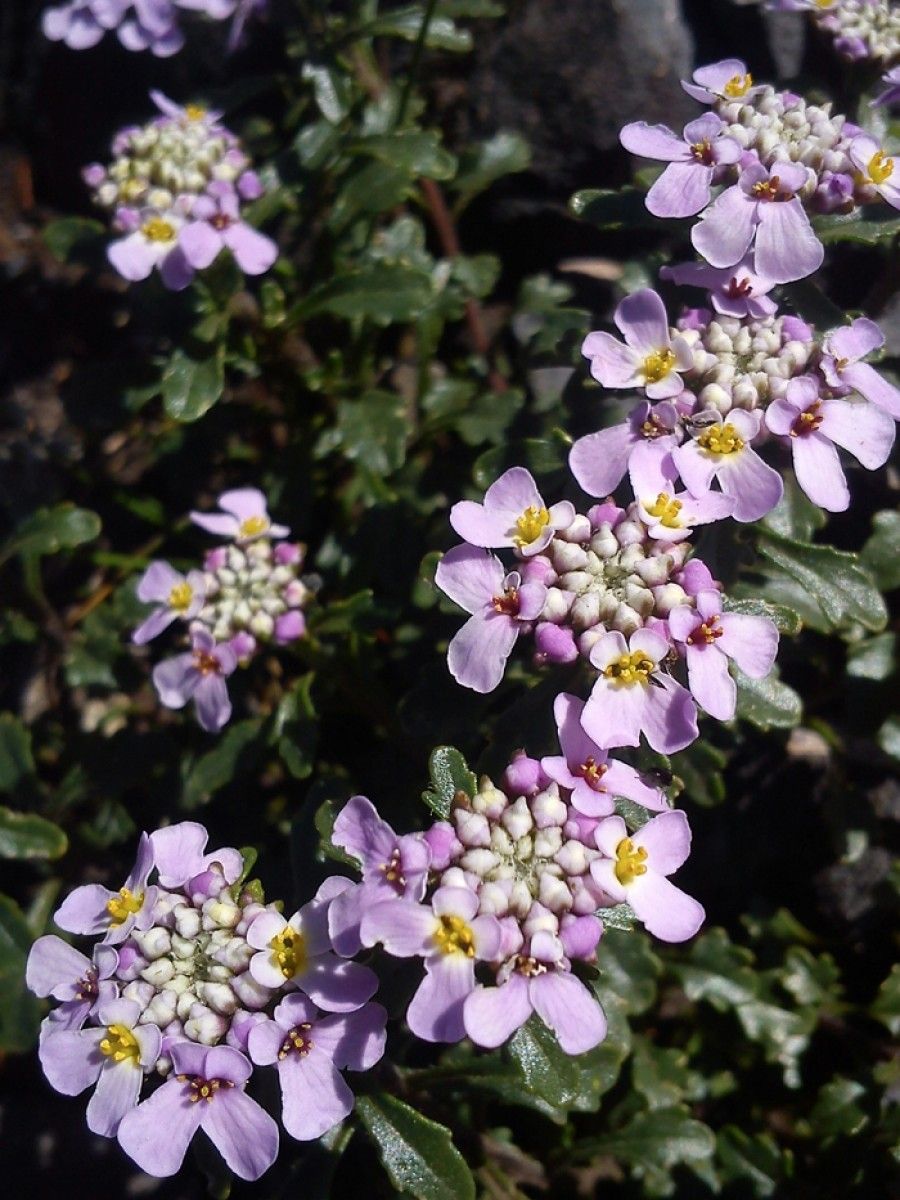
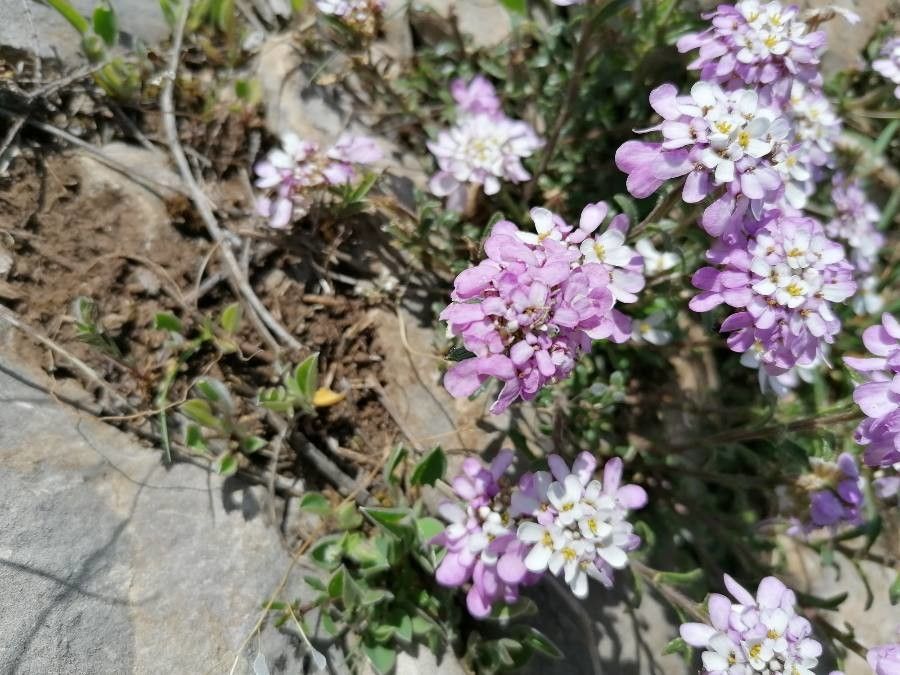
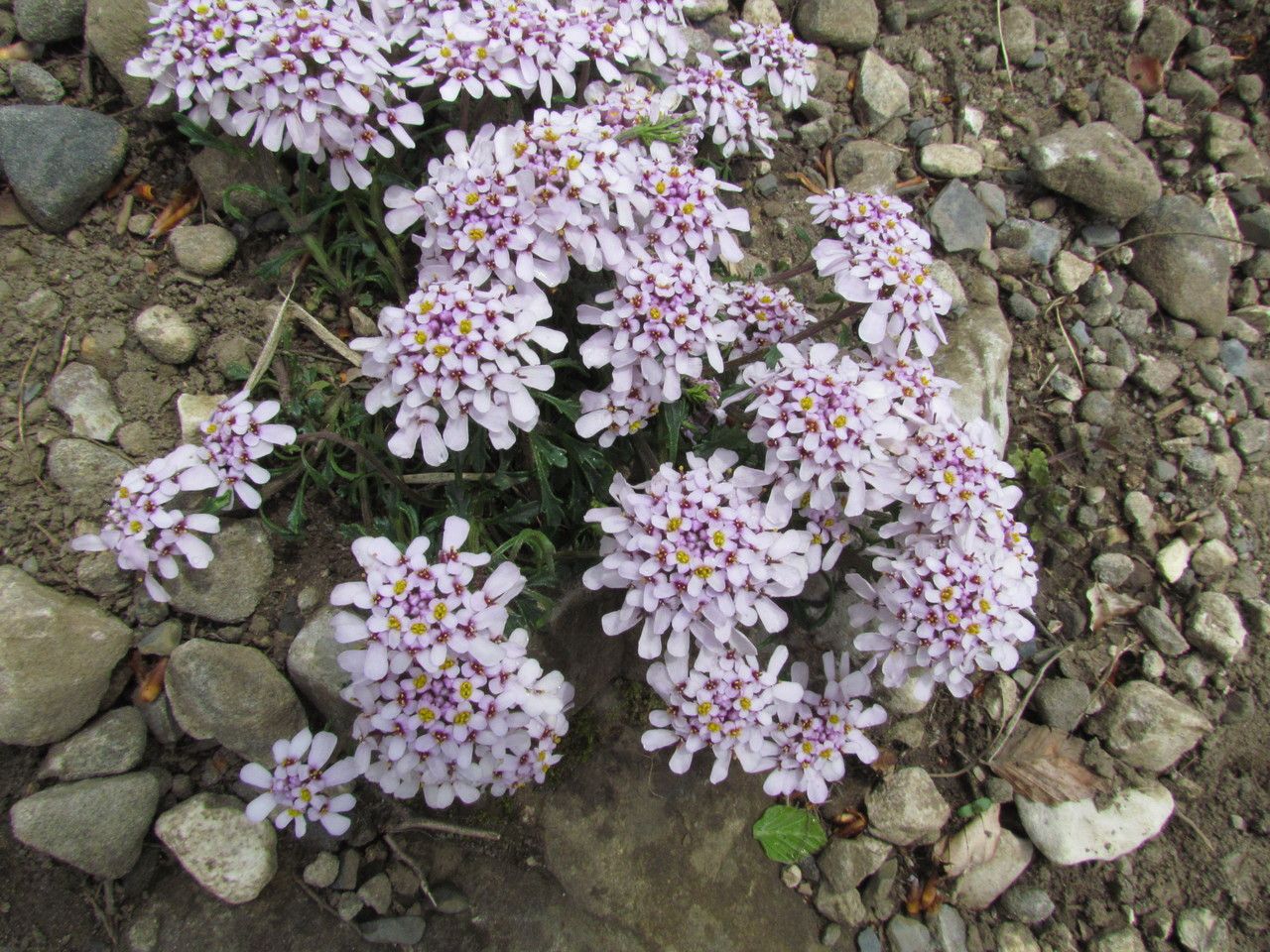
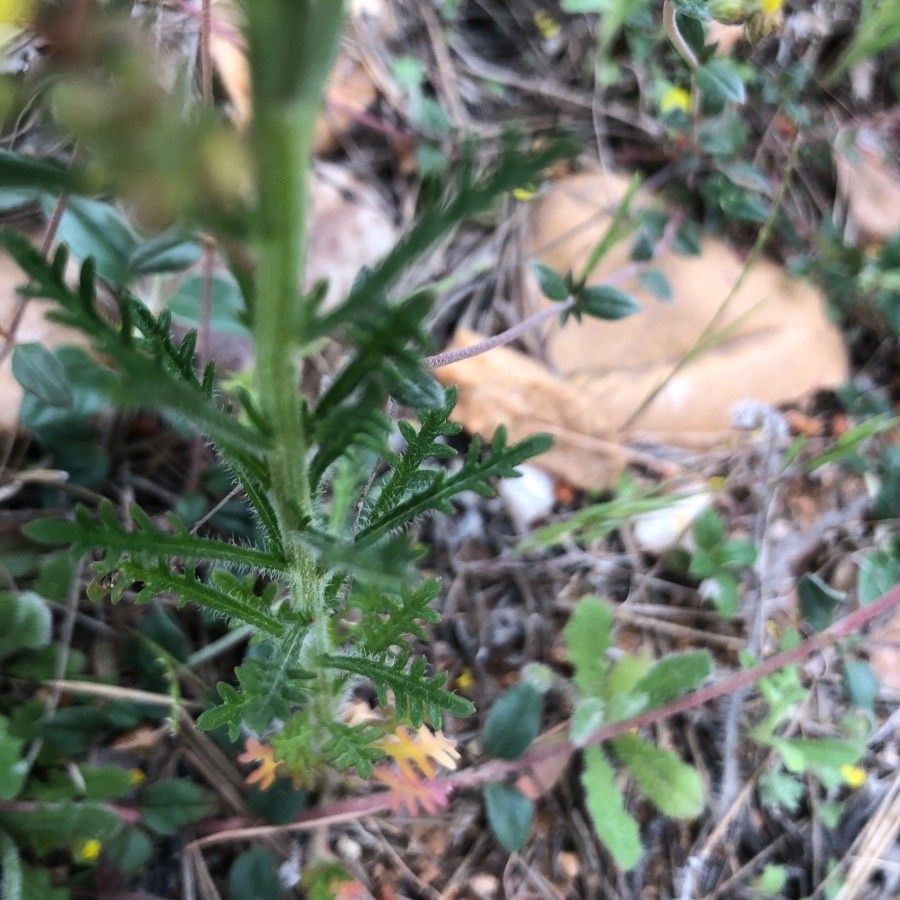
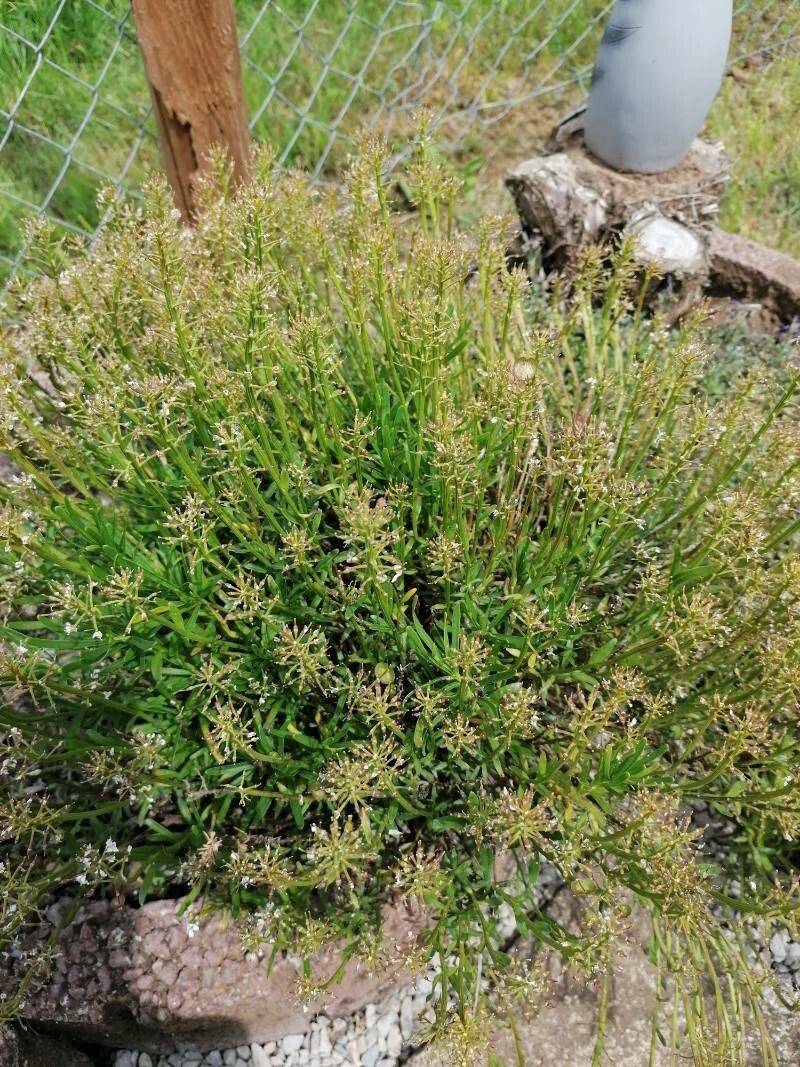
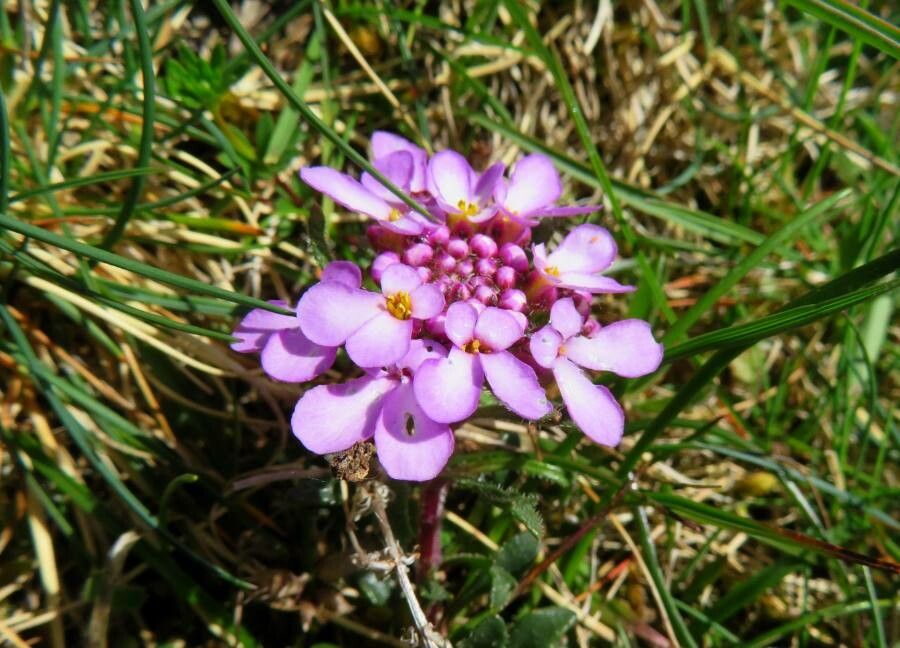
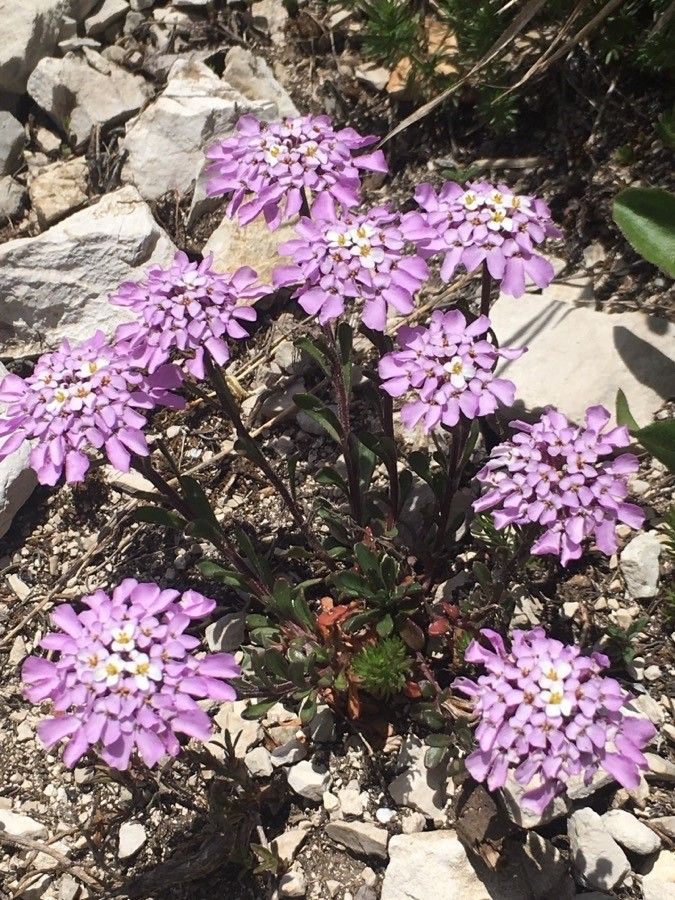
Iberis bernardiana has strong resistance to disease and is typically not prone to illnesses. Still, it can be vulnerable to pests and diseases present in its environment. Such infections are generally mild. Regarding care, this plant needs moderate maintenance. It requires regular pruning to preserve a neat appearance and healthy growth. Applying fertilizer can also encourage flowering. Iberis bernardiana is appropriate for anyone with outdoor space, like a garden or patio, and does not demand extensive care experience. It may need additional attention when cultivated indoors.
How to keep Iberis Bernardiana.
Light
Iberis bernardiana is a perennial herbaceous plant that prefers sunny conditions and originates from open habitats, frequently growing in meadows and grasslands. It favors full sun but can also tolerate partial sun.
Water
Iberis bernardiana requires frequent watering during its initial months of growth, but it's important to let the soil dry out between watering cycles. Once established, the plant primarily needs watering during dry spells. Although it is drought-tolerant, it benefits from infrequent but deep watering, receiving about 2-3 cm each year. It's best to use a soaker hose for irrigation instead of overhead watering.
Fertilizer
One spring application of fertilizer is generally enough for Iberis bernardiana, though multiple feedings can maximize growth. Feed about once a month to every six weeks. Fertilization improves leaf appearance and function, helping maintain even color and a healthy texture. It also promotes root growth and nutrient uptake for long-term plant health.
Pruning
To promote further blooming, trim Iberis bernardiana by one-third after it has finished flowering. Regularly remove wilted blooms to encourage new growth. Avoid pruning in the fall and early spring. Each year, check for any dying plants and replace them as needed. To control spreading, cut back the plants every other year. Weeds can be managed by using mulch or shallow cultivation.
Botanical profile.