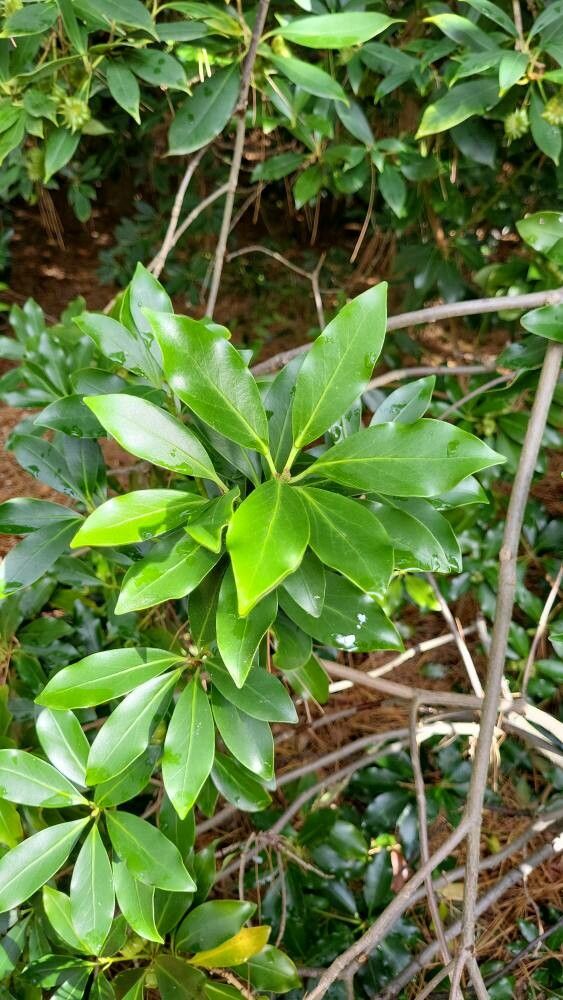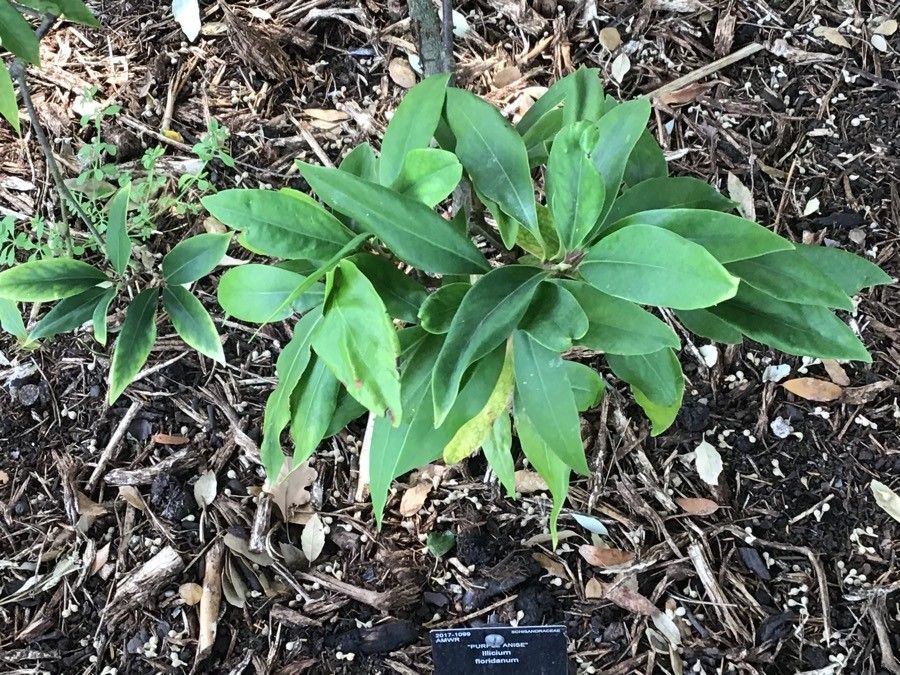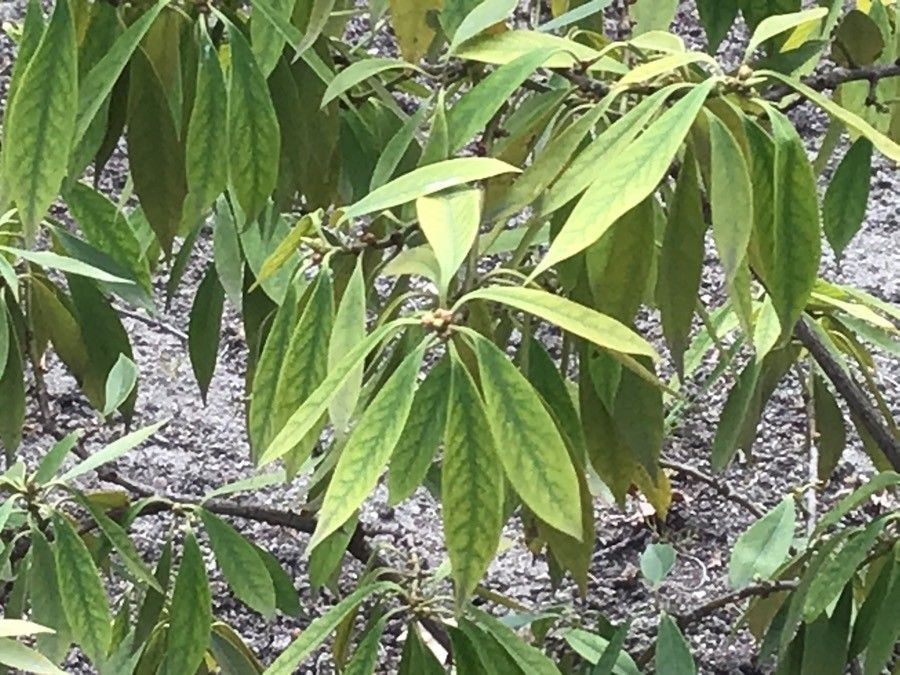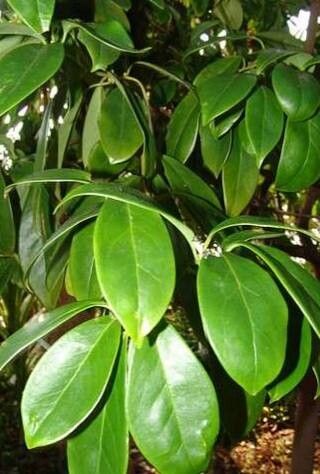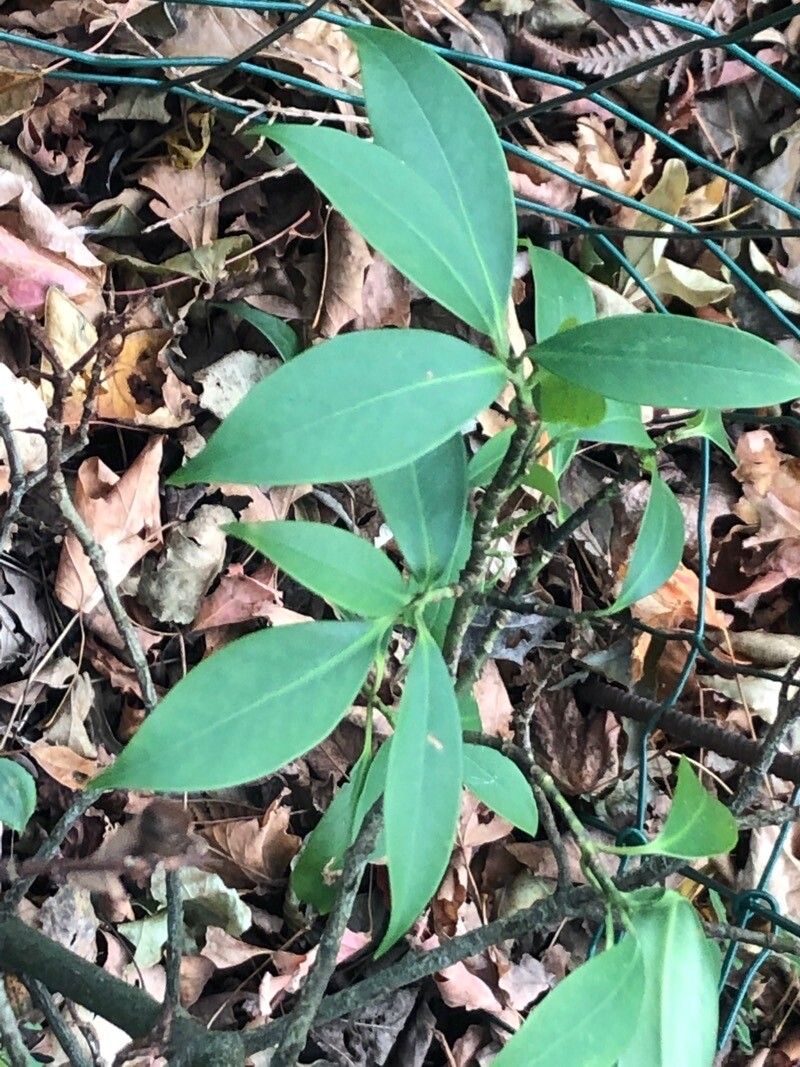
Illicium simonsii is an evergreen shrub that belongs to the family Illiciaceae. Native to China, it is commonly found in the provinces of Guangdong, Guangxi, and Yunnan. This plant typically grows up to 3 meters in height and features a dense, bushy habit with glossy, lance-shaped leaves.
Illicium simonsii produces small, fragrant flowers that are pale yellow or white, each boasting numerous stamens. The flowers bloom from late spring through early summer, followed by small fruit capsules containing multiple seeds.
The shrub thrives in moist soil with good drainage and prefers partial shade or filtered sunlight. It is relatively low-maintenance but may require occasional pruning to maintain its shape.
In traditional Chinese medicine, Illicium simonsii has been used for its analgesic properties to treat headaches, toothaches, rheumatism, and digestive disorders such as diarrhea. However, further research is necessary to confirm its medicinal properties and ensure its safe use for medical purposes.
Overall, Illicium simonsii is an attractive ornamental shrub suitable for gardens and landscapes. Its glossy foliage and fragrant flowers add year-round beauty while also offering potential health benefits when used correctly under medical supervision.
Anise tree is resistant to disease and is typically not vulnerable to illnesses. In terms of care, this plant is fairly low-maintenance. When grown outdoors, it needs only minimal watering, and larger plants usually do not require pruning. However, smaller plants should be pruned after they finish blooming. Anise treet is suitable for anyone with an outdoor area, such as a garden or deck, and does not demand much care experience.
How to keep Illicium Simonsii.
Light
The anise tree typically flourishes when exposed to a mix of light and shade, demonstrating tolerability to high light levels, but also managing just fine without them. Its native environment offers this balance which facilitates healthier development. Excessive or insufficient light may impede its growth, yet the plant shows a good level of adaptability to different light conditions.
Water
The anise tree thrives in consistently moist soil, as its natural habitat is a humid forest. While it has moderate drought tolerance, it is best to water it every two weeks. Consistent soil moisture is crucial during its active growing season to maintain its lush, evergreen foliage.
Temperature
The anise tree is native to regions where the average temperature fluctuates between 68 and 100°F (20 to 38°C). This tree generally prefers hot climates, however, it can adjust to colder conditions if correctly acclimatized. In colder regions, it may require protection during wintertime.
Fertilizer
An Anise tree should ideally be fertilized in the early spring, as it awakens from its dormant state. This encourages general growth and the development of blossoms. Fertilization improves the leaves, stems, and branches while encouraging the growth of large, bright, and durable flowers. It helps in transporting nutrients from the roots to the blossoms and boosts the plant's overall health and ability to resist diseases.
Pruning
The anise tree is a hardy evergreen shrub that requires minimal pruning. The main reasons for pruning are to remove dead branches and improve air circulation. The best time to prune is during its dormant period, from early to late winter. This timing encourages healthy growth in the spring, improves the plant's shape, and helps prevent diseases, contributing to the shrub's overall health and appearance.
Botanical profile.
- Plant Type
- Tree
- Life Cycle
- Perennial
- Genus
- Illicium
- Family
- Schisandraceae
- Hardiness Zone
- 9-11
- Mature Height
- 2.44 m
- Mature Spread
- 2.13 m
- Leaf Color
- Green
- Leaf Type
- Evergreen
- Flower Color
- Yellow
- Flower Size
- 2.54 cm to 5.08 cm
- Bloom Time
- Mid spring, Late spring
- Planting Time
- Spring, Summer, Autumn
- Harvest Time
- Late summer, Early fall, Mid fall
- Native Area
- Myanmar, India, China
Reader questions.
How should I water my Anise tree for the best results?
Your Anise tree is not very fussy about how you water it. You can use any common watering tool to water the soil. It can be a watering can, hose, or even a cup. It's important to water the soil directly and make sure all areas are equally moistened to provide water to the entire root system. It's better to use filtered water as tap water may have harmful particles. Also, use water that is at or slightly above room temperature to prevent shocking the Anise tree. However, the Anise tree generally responds well to any type of water.
Why should I put fertilizer on my Anise tree?
Fertilization plays a crucial role in maintaining the overall health and well-being of an Anise tree. By providing the necessary energy and nutrients, you can ensure that your tree grows lush foliage, strong stems, and branches. But what makes Anise trees truly valuable to gardeners are their flowers. Thankfully, fertilization also stimulates the production of large, vibrant, and long-lasting flowers. This is because the right kind of fertilizer facilitates the transfer of fuel from the roots to the flowers through the stems. Moreover, proper fertilization keeps the tree in good health, bolstering its ability to defend against diseases.
How many hours of sunlight does the Anise tree need every day?
Anise trees require a sunny location when grown indoors, but they prefer indirect, filtered, or dappled light. Ideally, they should receive at least 6 hours of daylight, including 3-6 hours of direct sunlight per day. While many hours of indirect sun are beneficial, it's important to avoid exposing the Anise tree to direct sunlight.
What temperature is best for an Anise tree?
To help your tropical plants thrive, it's best to maintain a temperature range of 75℉ to 90℉ (25-32℃). While different species can tolerate temperatures outside this range, sticking within a few degrees of these limits will ensure optimal growth. However, there are extreme temperature limits to be aware of. Anything below 50℉ (10℃) or above 95℉ (35℃) can hinder growth and cause issues with the leaves and stems. Low temperatures are particularly damaging, as even a light frost can lead to the death of your tropical plants. In fact, cellular death can occur rapidly, with some species dying within 12 to 24 hours.
What should I do if I give too much water or too little water to my Anise tree?
For outdoor plants, especially newly planted ones or seedlings, it's important to make sure they are watered enough. This is especially true for the first few months when the plant is small or recently planted. Once the roots are established, the plant can rely on rain most of the time. When your Anise tree is in a pot, overwatering is more likely to happen. If you accidentally overwater your plant, you should take immediate action to fix it. First, stop watering the plant right away to minimize the impact. Then, remove the Anise tree from its pot and check the roots. If there are no signs of root rot, you can put the plant back in the pot. However, if you do find root rot, trim away the affected roots and consider using a fungicide to prevent further damage. Finally, repot the Anise tree in well-draining soil. On the other hand, if your Anise tree is underwatered, you simply need to water it more frequently. This is an easy fix. When the plant is underwatered, the leaves may droop, dry out, and fall off. Once it receives sufficient water, the leaves will quickly become full again. Make sure to adjust your watering frequency as soon as you notice signs of underwatering.
When should I fertilize my Anise tree?
The best time to fertilize an Anise tree is in early spring when it is coming out of its dormant phase and getting ready to bloom. This provides the tree with the energy it needs for growth and flower development. However, it's not the only time to fertilize. Giving another feeding during the fall months can also benefit the tree, although it doesn't have to be as big as the spring feeding. Some gardeners might choose to fertilize their Anise tree when planting, but it's not always necessary.
What kind of sunlight does the Anise tree need?
In the wild, anise trees enjoy full-day exposure to sunlight. However, this sunlight is filtered through the leafy canopy of tall trees, resulting in dappled and mostly indirect light. When grown indoors, it is important to provide anise trees with bright indirect light, either by placing them on a sunny windowsill or using grow lights.
Does the Anise tree need different temperatures at different stages of growth?
Although the Anise tree does not require temperature changes to go through different growing phases, it is important to maintain consistent conditions. Fluctuating temperatures can slow down its growth, regardless of the current phase, so it is best to keep it in a controlled environment. The optimal temperature range for this plant is between 75℉ and 90℉ (25-32℃). It is crucial to avoid going below 50℉ (10℃), as this can directly damage the plant, particularly if the temperature drops to 40℉/5℃. While temperatures above 90℉ (32℃) are not ideal, the plant being tropical in nature can tolerate them reasonably well.
How frequently do I need to water my Anise tree?
Most plants naturally grow outdoors and can rely on rainfall for their water needs. However, if your area lacks rainfall, you should consider watering your plants every 2 weeks in the spring and fall. In the summer, you will need to water more often due to increased water needs. During the slower growth period in winter, you should water less frequently, and in some cases, not at all. If you have a young or newly planted Anise tree, it will need more frequent watering to help it establish and grow into a more adaptable and drought-tolerant plant. For potted Anise trees, there are two main approaches to determining watering frequency. The first option is to follow a set schedule, such as once a week or once every other week. However, this may not always be ideal as it does not account for the specific growing conditions of your Anise tree. Another approach is to rely on the moisture level of the soil. It is generally best to wait until the top two to four inches of soil have completely dried out before watering again. This is typically about one-third to one-half the depth of the pots. Adjust your watering frequency accordingly based on the season, as water needs are highest during the summer months.
When is it best to not use fertilizer on my Anise tree?
During the winter, you do not need to fertilize your Anise tree since it is in a dormant phase and does not require much energy from the soil for new growth. It is not recommended to fertilize during this time as it could result in negative effects from overfertilization. The main times to feed your Anise tree are in early spring and fall. Therefore, for most of the spring and summer, fertilizer is not necessary. It's also advisable to refrain from feeding your tree if it is experiencing excessively hot or dry conditions.
Does the Anise tree need to stay away from direct sunlight?
The Anise tree does not have to avoid sunlight entirely, but it does require the right type of sunlight. It should not receive more than 6 hours of direct sun per day. Direct sun refers to sunlight that directly hits the plant, while indirect light can be reflected off nearby objects or filtered through something like a sheer curtain. Therefore, it is important to protect the Anise tree from excessive direct sun exposure.
Does the Anise tree require different temperatures for each season?
The Anise tree does not require varying temperatures for different seasons. The key to taking care of it during different seasons is to maintain the temperature within the optimal range. Thus, it is advisable to keep this plant indoors to have better control over the temperature, regardless of the outside climate. In addition, light is essential for tropical species, including these plants. They prefer partial shade, meaning the light they receive should be dappled or filtered. The ideal option is bright but indirect light when growing these plants indoors. Excessive direct sunlight can harm the leaves and hinder the plant's growth.