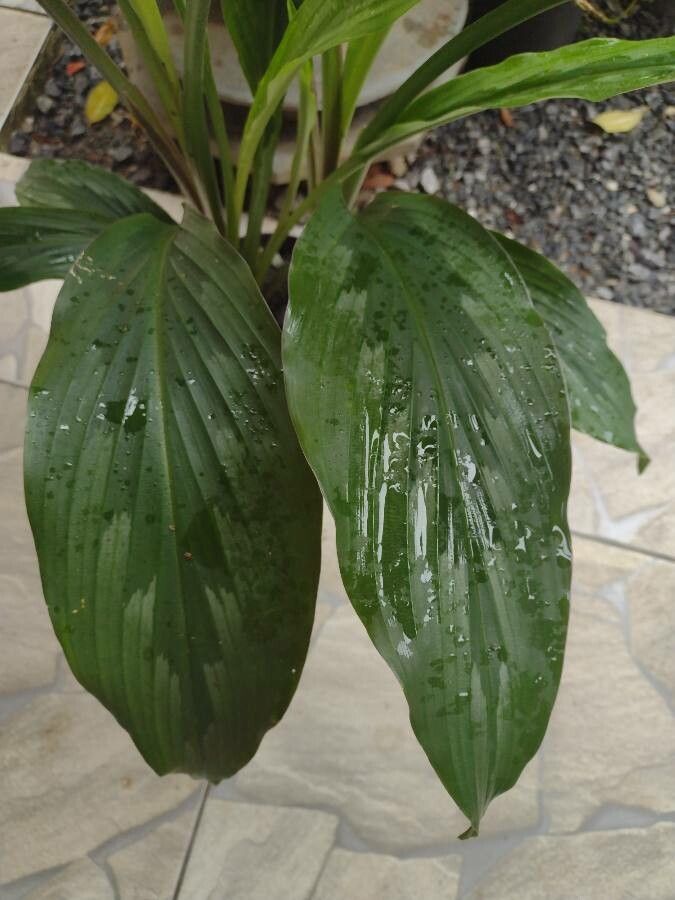
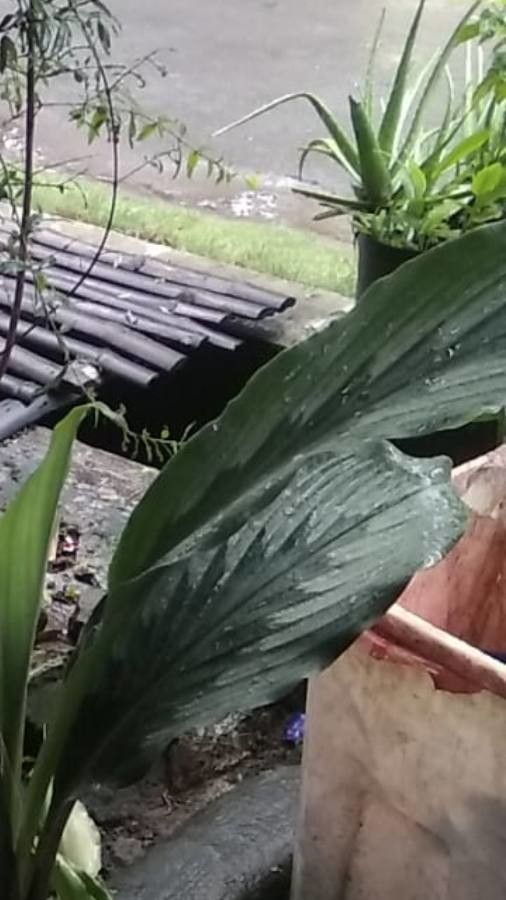
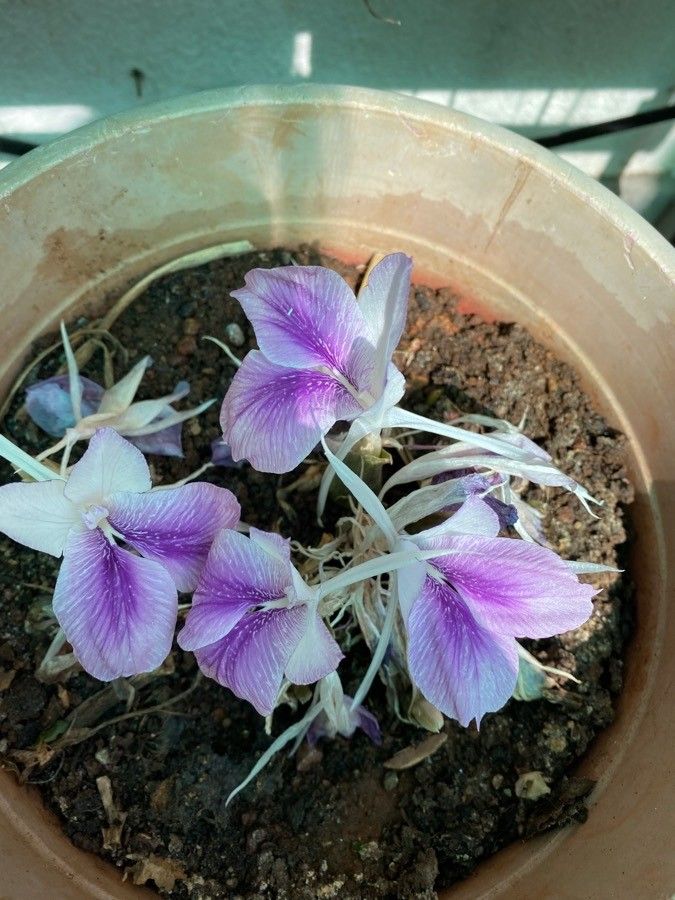
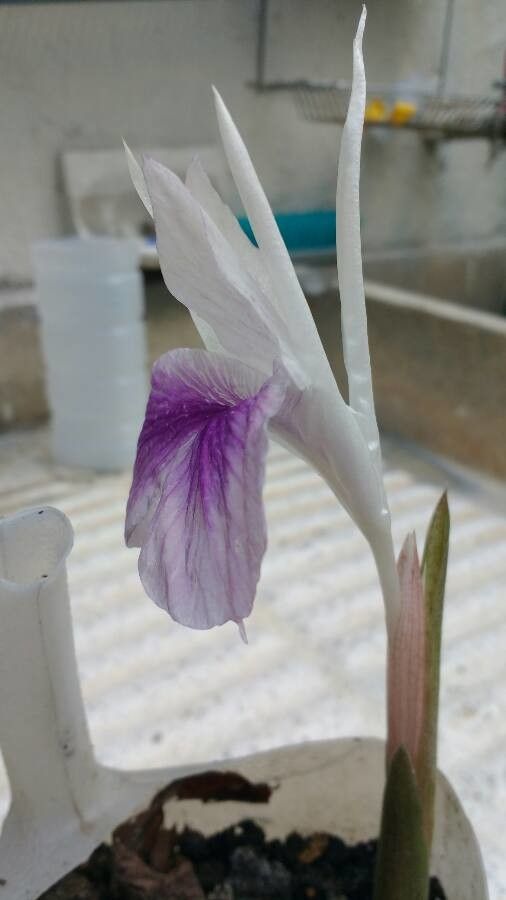
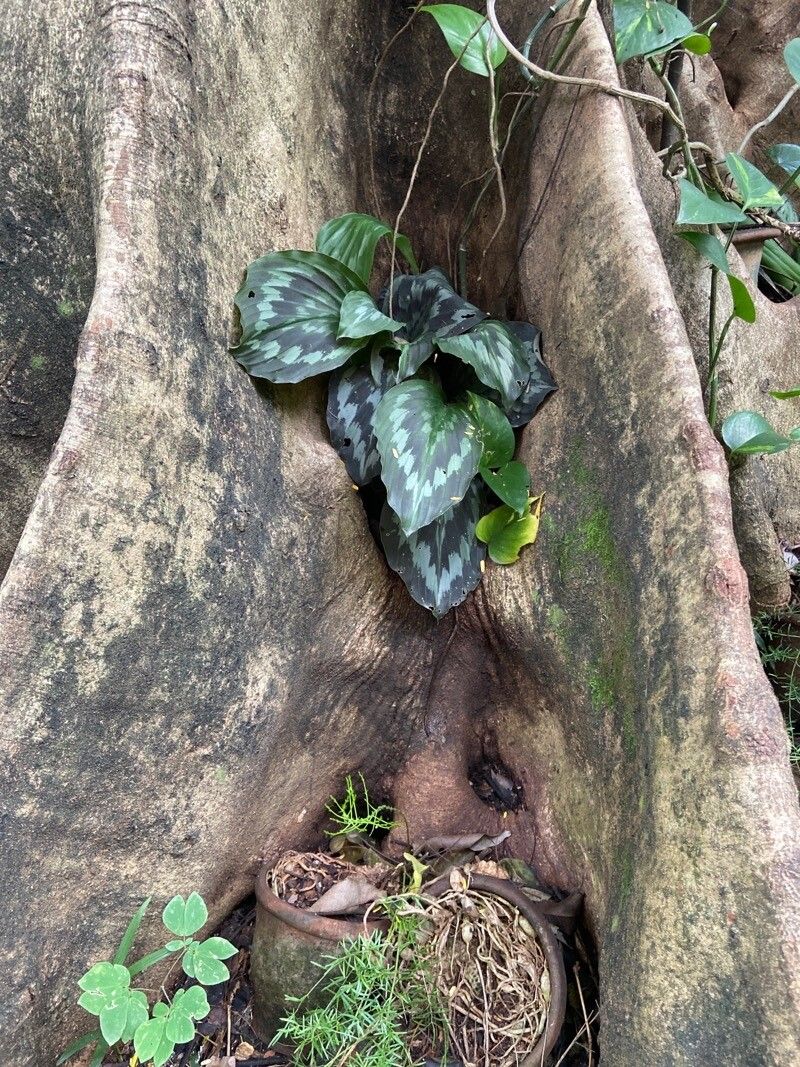
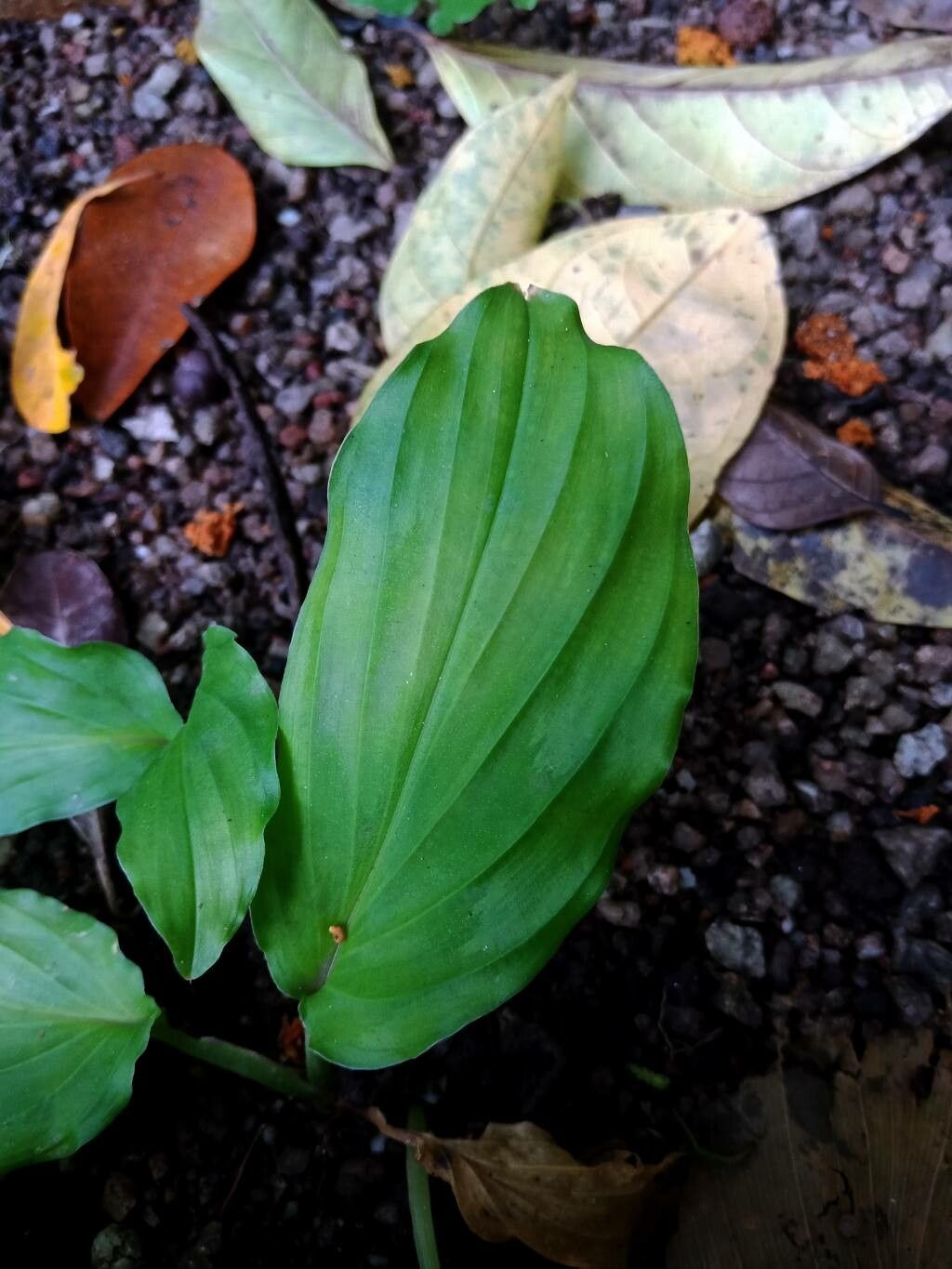
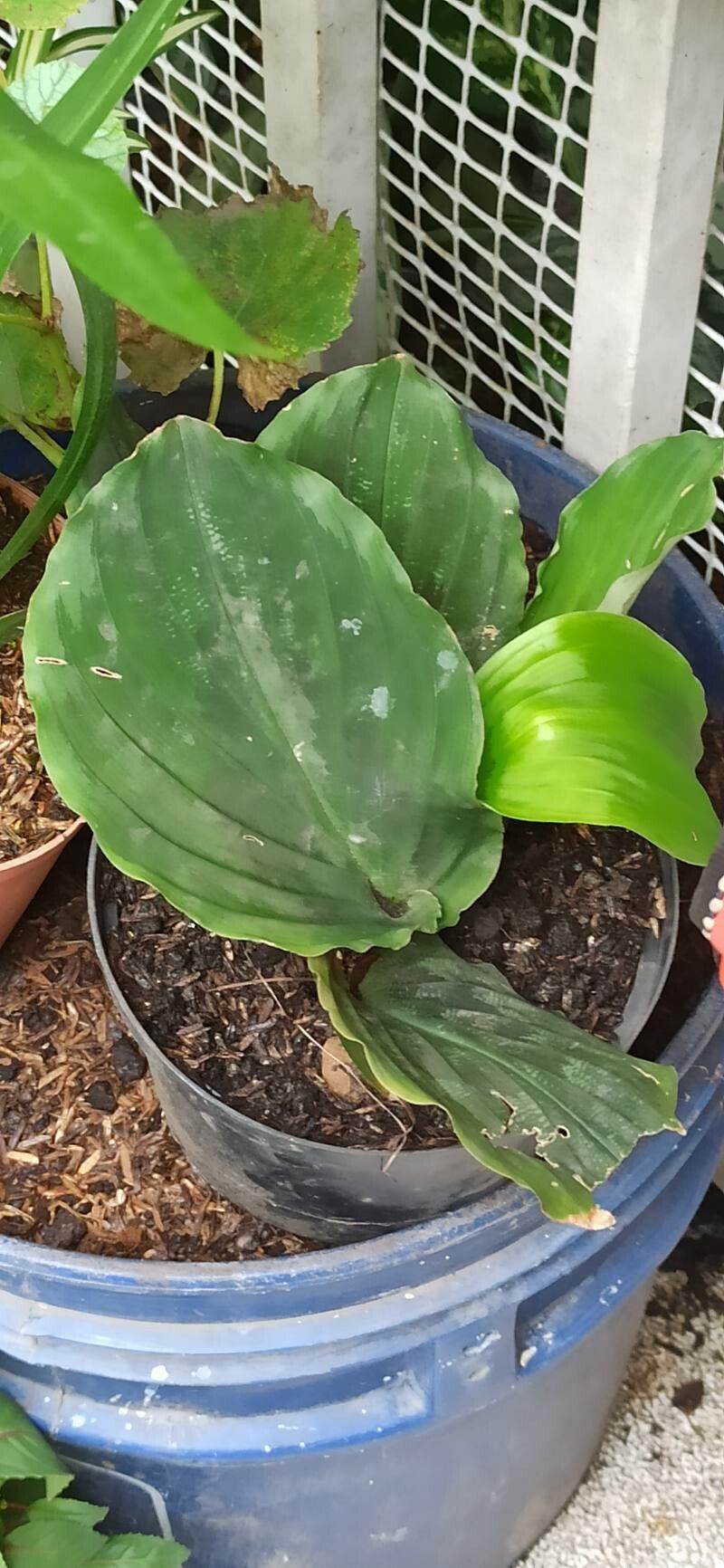
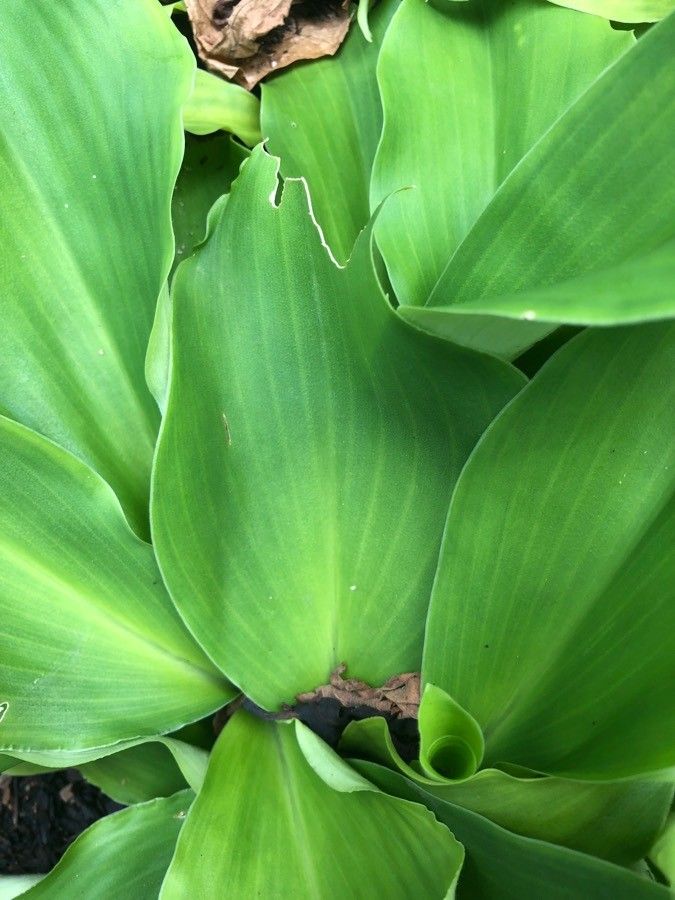
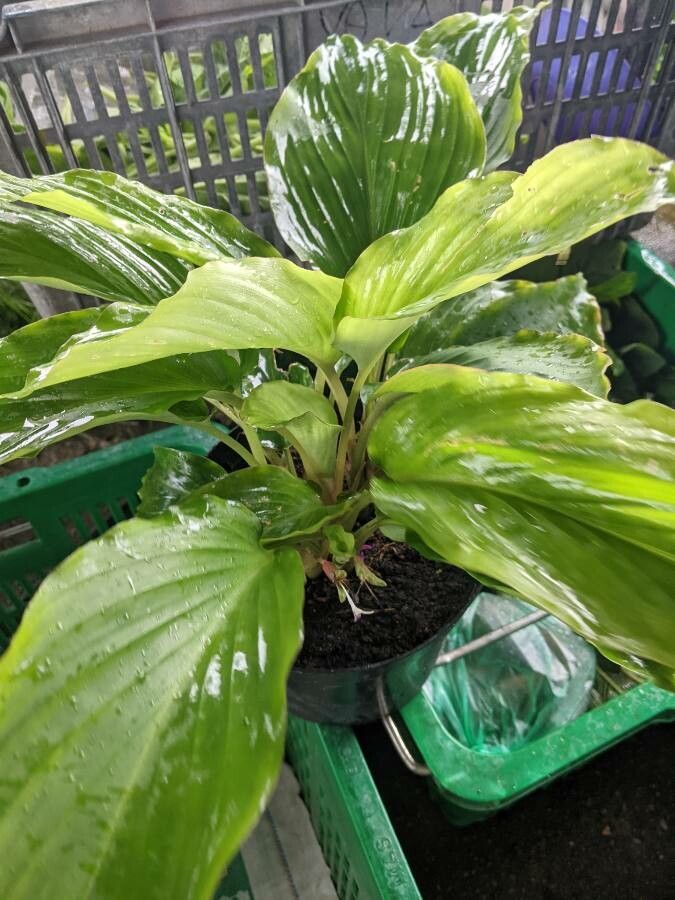
Kaempferia rotunda is a plant species in the ginger family. It is native to China (Guangdong, Guangxi, Hainan, Taiwan, Yunnan), the Indian subcontinent (including Assam, Nepal and Bangladesh), Indochina, and widely cultivated elsewhere. It is reportedly naturalized in Java, Malaysia and Costa Rica.Kaempferia rotunda is a spicy plant with many medicinal uses in Ayurvedic and allopathic medicinal systems. This plant is also calledbhumi champa, Indian crocus, peacock ginger, and round-rooted galangale. K. rotunda is found in various parts of India and adjoining regions, but seldom in the wild. The plant is groomed in small herbal nurseries for applications in medicine preparation. As its Sanskrit name bhumi champa (bloom from within earth) implies, the indigo-coloured flower shoots from within the soil. In fact, the flower emerges much in advance of the whitish leafy shoot. The flower and leaf are never seen at the same time.The flower contains the toxin benzyl benzoate used to make ointments to treat scabies. It has potential antioxidant effects.
Tropical-crocus is fairly disease-resistant and typically does not suffer from illnesses. Still, it can be affected by pests and diseases present in its environment. These issues are usually not serious. In terms of care, the plant requires moderate maintenance. It should be pruned regularly to maintain a tidy appearance and healthy growth. Fertilizing can also help encourage flowering. Tropical-crocus is suitable for anyone with outdoor space, such as a garden or patio, and does not demand extensive gardening experience. It may need more care when grown indoors.
How to keep Kaempferia Rotunda.
Light
Tropical-crocus prefers moderate sun exposure and thrives in settings that resemble its native tropical habitat. While it tolerates a range of light conditions—from intense sunlight to deep shade—extended periods of intense sun or overly shaded conditions can hinder its healthy growth.
Water
Tropical crocus, native to lush tropical forests, thrives in high humidity and consistently moist soil. To keep it healthy, it typically requires weekly watering, although it can tolerate short periods of dryness. Often grown indoors for its attractive appearance, this plant benefits from regular misting to mimic the moisture levels of its natural habitat.
Temperature
Tropical-crocus is commonly found in its native habitat where temperatures fall between 59 and 100.4 °F (15 to 38 ℃). It performs best within that range. As seasons change, adjust the plant's environment accordingly to maintain its preferred temperature.
Fertilizer
The best time to fertilize a Tropical-crocus is in early spring, as it breaks dormancy and starts active growth. Fertilization supplies essential nutrients for healthy development. Although Tropical-crocus has fairly low fertilizer requirements, feeding it once a year can improve its survival and encourage better, longer-lasting blooms.
Pruning
To help your tropical crocus thrive, prune it from early to late spring. This enhances its growth and improves air circulation. Be sure to remove any dead leaves and spent flowers to encourage blooming and prevent the formation of seeds. Pruning at the right time, during the plant's active growth, not only improves its resilience and appearance but also reduces the risk of pests and diseases.
Botanical profile.
- Plant Type
- Herb
- Life Cycle
- Perennial
- Genus
- Kaempferia
- Family
- Zingiberaceae
- Hardiness Zone
- 8-11
- Mature Height
- 25 cm
- Mature Spread
- 30 cm to 61 cm
- Leaf Color
- Dark Green, Purple
- Leaf Type
- Semi-evergreen
- Flower Color
- Purple, White
- Flower Size
- 5.08 cm to 6.35 cm
- Bloom Time
- Summer
- Planting Time
- Spring, Summer, Autumn
- Harvest Time
- Late summer, Early fall, Mid fall
- Native Area
- Indonesia
Other names.
Reader questions.
How should I water my Tropical-crocus?
To properly water the Tropical-crocus, it's best to use filtered water at room temperature. Tap water may contain harmful particles, so filtering it is important for the plant's well-being. Since the Tropical-crocus is used to warm conditions, it's crucial to avoid using cold water as it can shock the plant. Instead of overhead watering, simply pour the filtered room temperature water onto the soil until it is completely soaked. This method benefits the plant by providing moisture to the roots and allowing them to spread and gather the necessary nutrients.
Why do I have to give nutrients to my Tropical-crocus plant?
Fertilization is important for the Tropical-crocus because it provides essential nutrients for growth. While the fertilization needs of the Tropical-crocus are relatively low, annual fertilization can greatly benefit the plant by improving its overall health and encouraging the production of longer-lasting flowers. Therefore, if you want your Tropical-crocus to look its best, regular fertilization is recommended.
What are the sunlight requirements for tropical-crocus?
Tropical-crocus thrives best with moderate levels of sun exposure, ideal for its growth in native tropical habitats. It can withstand a range of light conditions, from intense sunlight to significant shade. However, both prolonged direct sun and excessive shade could impede its growth. The plant benefits from about 3-6 hours of sunlight, classified as partial sun, whereas more than 6 hours is considered full sun or full shade. It’s crucial to observe the movement of sunlight through your garden to find the best balance of light and shade that ensures the well-being of your plants.
What is the preferred temperature range for Tropical-crocus?
Tropical-crocus thrives best in a temperature range from 59 to 100.4 °F (15 to 38 °C). To ensure the plant's health, adjust its environment with the change of seasons to maintain this preferred temperature range.
What should I do if I give my Tropical-crocus too much or too little water?
Both overwatering and underwatering can harm your Tropical-crocus, but overwatering is more frequently a problem. When this plant receives too much water, its stems and leaves may wilt and turn yellow. Overwatering for a long time may also cause diseases like root rot, mold, and mildew, which can kill the plant. Underwatering is less likely for the Tropical-crocus because it can tolerate drought. However, underwatering can still happen, and you'll notice brittle and brown leaves. It's crucial to recognize the signs of overwatering early when taking care of your Tropical-crocus. Some diseases from overwatering, such as root rot, may be irreversible if you wait too long. If you spot early signs of overwatering, reduce your watering immediately. Check the soil quality where your Tropical-crocus is growing. If it drains poorly, replace it with a loose, well-draining potting mix. On the other hand, if you see signs of underwatering, simply water more regularly until those signs subside.
When should I fertilize my Tropical-crocus for the best results?
The best time to fertilize a Tropical-crocus is in late winter to early spring when it is transitioning from dormancy to active growth. Fertilizing at this time promotes healthy growth and sets the plant up for a successful season. Although early spring is the most ideal, you can also choose to fertilize in the fall. However, it is not recommended to fertilize during summer or winter.
How should artificial lighting be used for indoor Tropical-crocus plants?
When natural sunlight is not sufficient, especially during winter or in spaces that do not receive enough sunlight, artificial lighting becomes crucial for the healthy growth of indoor plants. LED lights are recommended due to their ability to provide specific wavelengths needed by the plants. The requirements vary based on the plant's natural sun exposure needs: 30-50W/sq ft for full sun plants, 20-30W/sq ft for partial sun plants, and 10-20W/sq ft for full shade plants. The light source should be placed 12-36 inches above the plant to best mimic natural sunlight. Additionally, it's important to match the natural daylight hours as closely as possible, with most plants benefiting from 8-12 hours of light per day.
Does Tropical-crocus have any cold tolerance?
Yes, Tropical-crocus has some degree of cold tolerance and generally does not require additional measures when the temperature is above -5°C. However, if temperatures are expected to drop below -5°C, it's necessary to adopt temporary measures for cold protection, such as wrapping the plant with plastic film, fabric, or other suitable materials. These measures should be removed once the temperature rises again to avoid any potential damage to the plant.
How frequently do I need to water my Tropical-crocus?
If your Tropical-crocus is in a pot, you can check if it needs water by sticking your finger into the soil. If the top two to three inches of soil are dry, it's time to water it. The same method can be used for Tropical-crocus grown outdoors in the ground. When the top few inches of soil are dry, it's time to add water. In spring and early fall, watering once a week is usually sufficient. However, during extremely hot weather, you may need to water it twice or more per week. It's worth noting that mature, well-established Tropical-crocus plants can tolerate drought well.
When should I not put fertilizer on my Tropical-crocus?
To properly care for your Tropical-crocus, it's important to know when and when not to fertilize it. Generally, the best time for fertilization is during late winter and early spring. This plant has low fertilization needs, so a single annual feeding during this time is enough. It's crucial to avoid fertilizing throughout the rest of the growing season (spring, summer, and fall) as overfertilization can easily occur, causing various complications. However, if you missed the opportunity to fertilize in spring, it is acceptable to feed the plant in the fall. Additionally, there is no need to fertilize during the winter when the Tropical-crocus enters a dormant growth phase and does not produce new growth. It is not advisable to fertilize during most of the winter.
What are the symptoms of light deficiency or excess in Tropical-crocus?
When Tropical-crocus is grown under inappropriate light conditions, it may exhibit several symptoms. Light deficiency can lead to smaller new leaves, leggy or sparse growth, quicker leaf drop, slowed or halted new growth, and lighter-colored new leaves. Conversely, excessive sunlight exposure can cause chlorosis (yellowing of leaves), sunscald, leaf curling, wilting, and leaf scorching. These signs indicate the plant's struggle with either too much or too little light, affecting its health and growth.
How does low temperature affect Tropical-crocus and what are the solutions?
Tropical-crocus has a moderate tolerance to low temperatures, thriving best when temperatures remain above 15°C and kept above -5°C during winter. If the temperature falls below -10°C, the leaves may begin to droop, which in mild cases can recover, but in severe cases, the leaves will wilt and eventually fall off. To manage low temperature effects, trim off frost-damaged parts and, before facing low temperatures again, protect the plant with materials such as non-woven fabric or cloth, and construct a wind barrier to shield it.