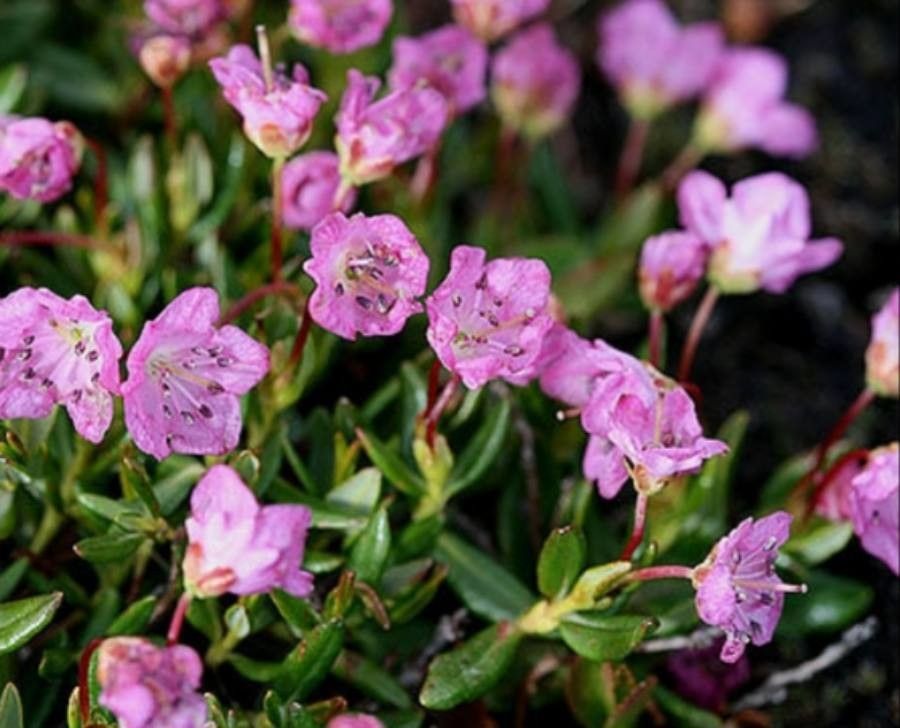
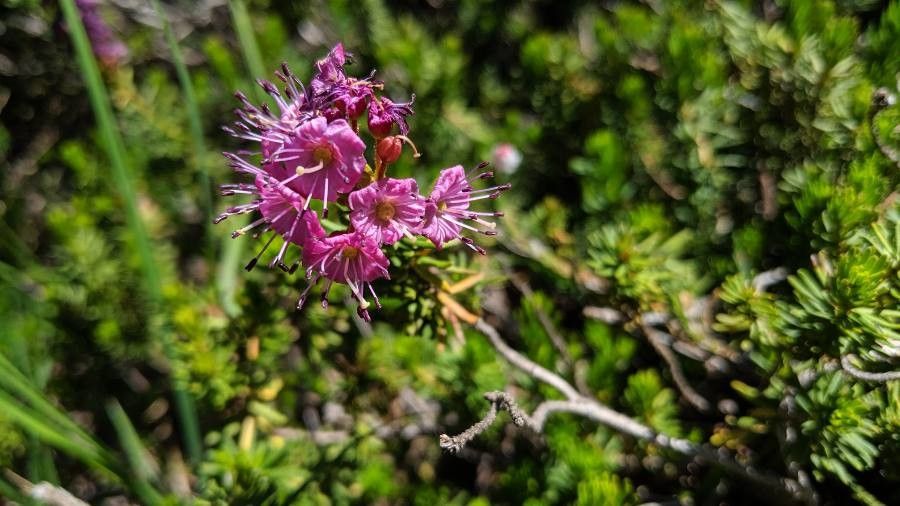
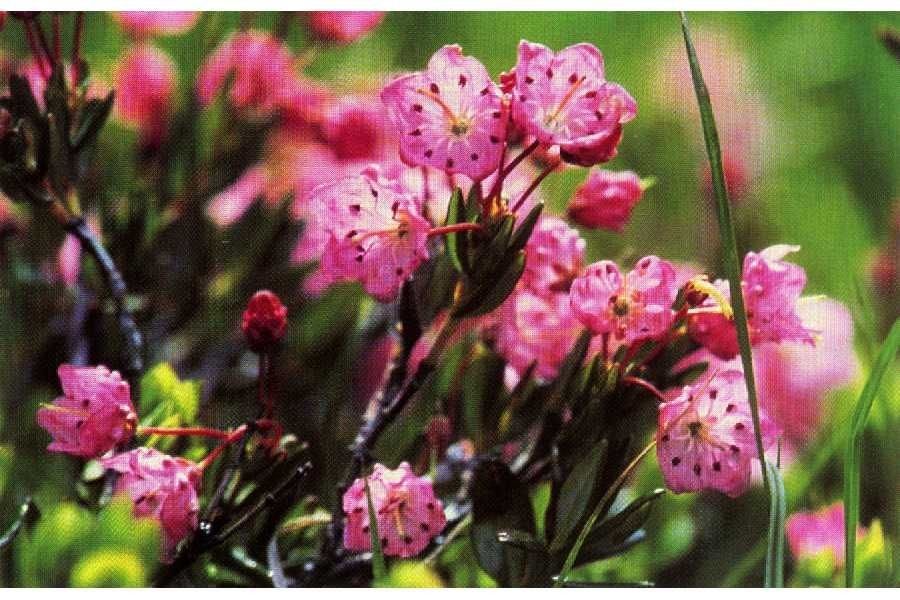
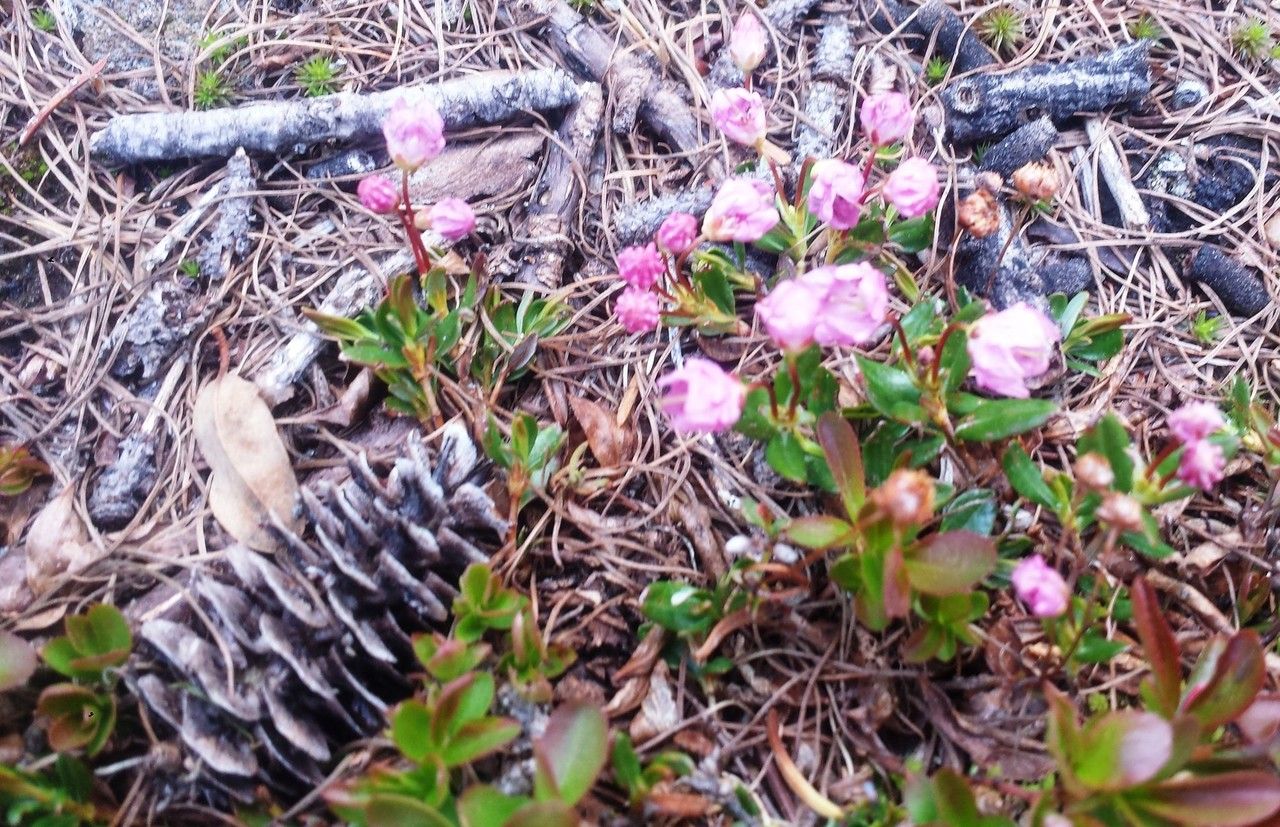
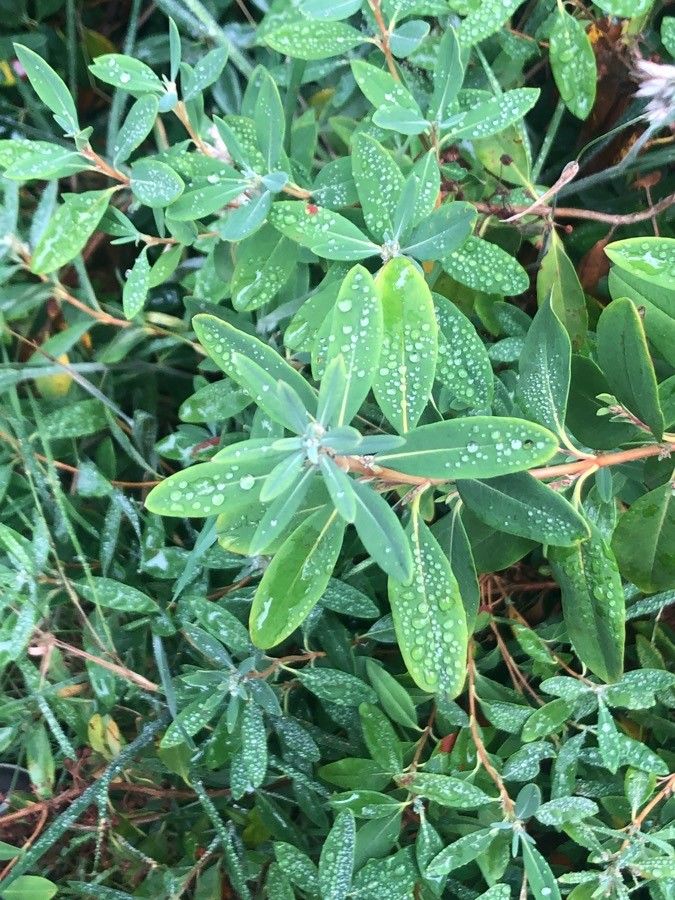
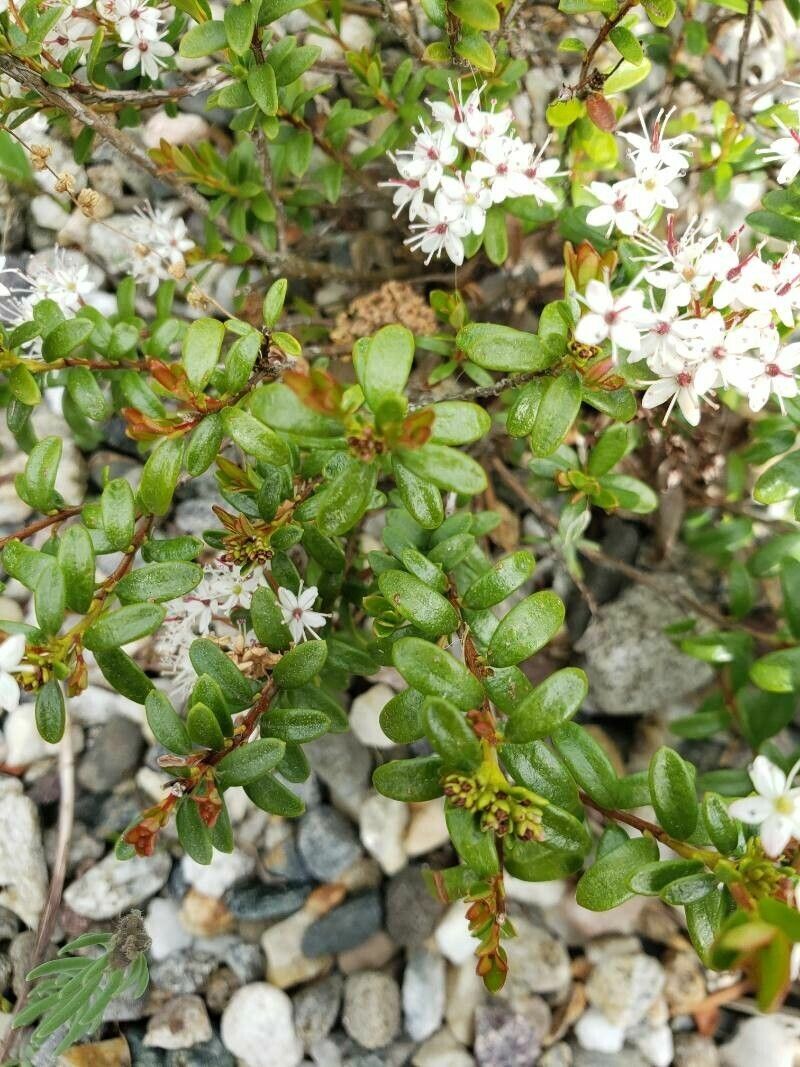
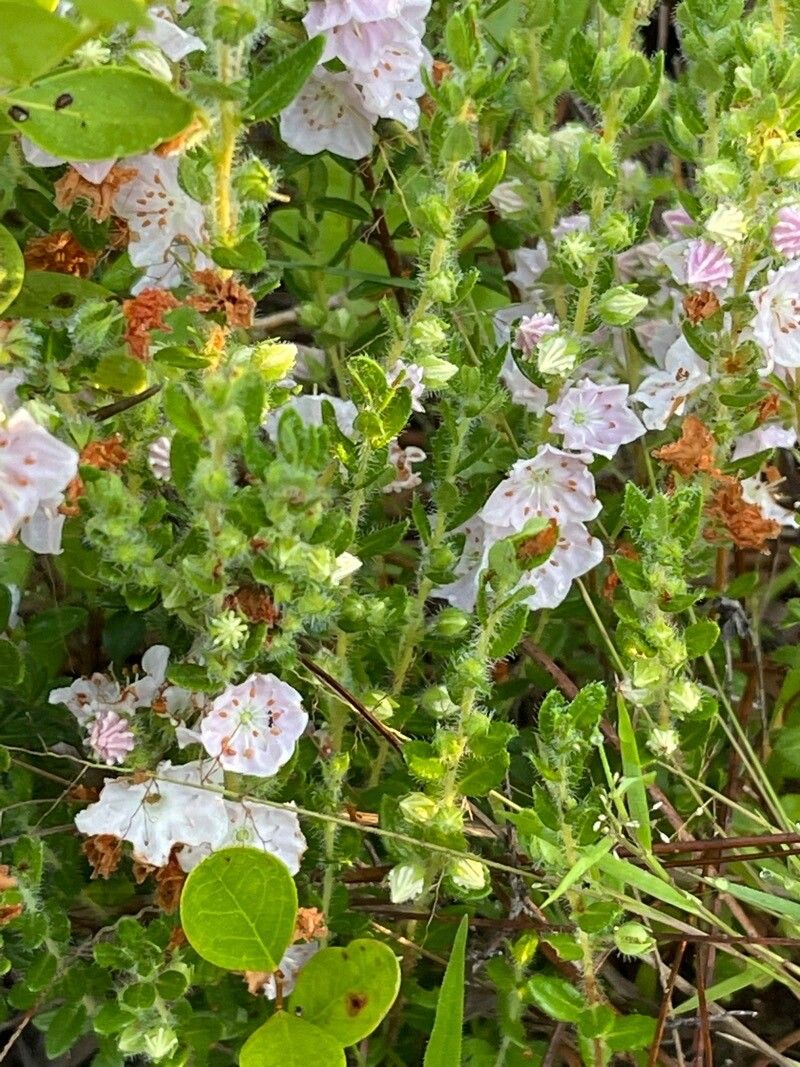
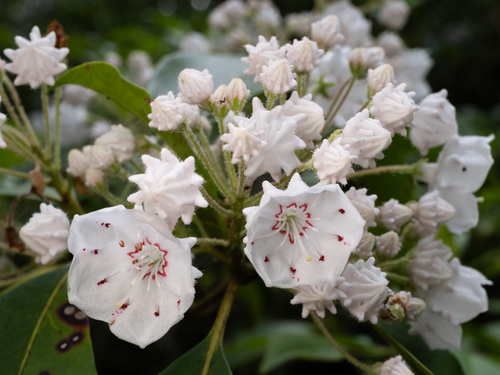
Kalmia microphylla, known as alpine laurel, bog laurel, swamp-laurel, western bog-laurel or western laurel, is a species of Kalmia of the family Ericaceae. It is native to North America and can be found throughout the western US and western and central Canada below the subarctic.
Bog-laurel shows good resistance to disease and is generally not prone to illnesses. In terms of care, this plant is fairly low-maintenance. When grown outdoors it needs only light watering, and larger plants usually do not require pruning. Smaller plants, however, should be pruned after they finish blooming. Bog-laurelt is suitable for anyone with an outdoor area, such as a garden or a deck, and does not demand a lot of care experience.
How to keep Kalmia Microphylla.
Water
Bog-laurel thrives in moist environments and does well in wet conditions, preferring consistent moisture. Watering it every 2-3 weeks helps prevent over-saturation. It flourishes in humid climates, where it benefits from natural rainfall. For optimal growth, make sure the water supply aligns with regional availability.
Temperature
Bog-laurel is highly adaptable to a wide range of climate conditions, from sweltering summers to frosty winters. Still, it has a preferred temperature range for healthy growth. If temperatures become too high, the plant is susceptible to heat and humidity stress, which can lead to its death. In places where temperatures approach the lower limit of its cold tolerance, providing insulation to protect the plant is important.
Fertilizer
Fertilize your Bog-laurel in early spring to encourage healthy growth. Regular feeding boosts the plant's overall health, leading to robust growth, better tolerance of adverse conditions, and increased resistance to diseases and pests. Follow a consistent fertilization schedule for your Bog-laurel to maintain foliage that is richly colored and lush.
Pruning
Bog laurel is a small shrub known for its vibrant pink flowers and dense foliage. To maintain its health and appearance, prune the shrub between early and late winter. During pruning, remove any dead branches and thin out crowded areas to improve air circulation. This practice not only enhances the blooms but also reduces the risk of disease and supports the overall health of the plant.
Botanical profile.
Other names.
Reader questions.
How should I water my Bog-laurel?
Your Bog-laurel is not very particular about how you water it. This means you can use any common watering tool, such as cans, hoses, or cups, to water the plant. Regardless of the tool you choose, make sure to water the soil directly. It is important to evenly moisten all areas of the soil so that every part of the root system receives sufficient water. Using filtered water is recommended to avoid any harmful particles that may be present in tap water. Also, using water at or slightly above room temperature is beneficial, as colder or hotter water can shock the Bog-laurel. However, the Bog-laurel generally responds well to any type of water you provide.
What is the best temperature for Bog-laurel?
Bog-laurel thrives in temperatures between 65 and 80℉ (18-27℃). During the main growth phase, it can tolerate temperatures as high as 95℉ (35℃) and as low as 15℉ (-10℃). This species is capable of surviving freezing winters, as it is tolerant of low temperatures. The preferred temperature range for Bog-laurel is 65-80℉ (18-27℃), while the highest tolerable range is 85-95℉ (30-35℃), and the lowest tolerable range is -5 to 15℉ (-20 to -10℃) or below.
What do I do if I give my Bog-laurel too much water or too little water?
Outdoor plants, especially newly planted ones or seedlings, are prone to not getting enough water. When trees are small or newly planted, it's important to water them regularly for a few months. This is because once the roots are established, they can rely on rain most of the time. If you have Bog-laurel plants in pots, be careful not to overwater them. If you accidentally overwater your Bog-laurel, take immediate action to fix the situation. Stop watering the plant right away to minimize the negative effects. Then, remove the plant from its pot to check its roots. If there's no root rot, you can put the plant back in its container. But if you find signs of root rot, trim away the affected roots and consider using a fungicide to prevent further damage. Finally, repot the Bog-laurel in well-draining soil. If your Bog-laurel is underwatered, simply water it more frequently. Underwatering is usually easy to fix, as the plant's leaves will droop, dry out, and fall off. Once it receives sufficient water, the leaves will quickly regain their fullness. To prevent underwatering, make sure to adjust your watering frequency as soon as you notice this happening.
Should I change the temperature for Bog-laurel at different stages of growth?
According to research, Bog-laurel's growth is negatively affected by higher temperatures, particularly during the development of axillary buds and main shoots. To promote strong growth after germination or transplanting, it is recommended to maintain consistent and cooler temperatures, around 65℉(18℃).
How frequently should I water my Bog-laurel plant?
If you live in an area with regular rainfall, most outdoor plants can grow without any additional watering. However, if you have a lack of rainfall, you will need to water your plants every two weeks during the spring and fall, and more often in the summer. In the winter, when plants need less water, you can water them less frequently or not at all. If you have a young or newly planted Bog-laurel, it will need more frequent watering to help it establish and grow. For potted Bog-laurels, there are two ways to determine how often to water them. One way is to follow a predetermined watering schedule, such as once a week or once every other week. However, this may not always work because it doesn't consider the specific conditions of your growing environment. Another option is to check the soil moisture and water accordingly. Wait until the top two to four inches of soil, or about ⅓ to ½ depth of the pots, have completely dried out before watering again. This method allows you to adjust your watering frequency based on the season, as the plant's water needs will be highest during the summer.
How can I make sure Bog-laurel stays warm in cold seasons?
Bog-laurel is able to tolerate freezing temperatures as long as it is planted in the ground in areas where the winter temperature does not drop below 15°F (-10°C). However, if it is planted in pots or containers, the roots must be protected from the cold. This can be done by wrapping the container in a blanket or bringing it indoors for complete protection from the winter weather.
How much water does my Bog-laurel plant require?
When watering your Bog-laurel, you may be surprised to learn that it does not always require a large amount of water. If only a few inches of soil have dried since the last watering, giving the plant about five to ten ounces of water each time will support healthy growth. You can also adjust the water volume based on the moisture of the soil. Pay attention to how many inches of soil have dried out between waterings. To ensure proper moisture, water all layers of soil that have dried since the last watering. If more than half of the soil has dried, you may need to give more water than usual. In this case, continue watering until you see excess water draining from the pot's holes. If your Bog-laurel is planted in a rainy outdoor location, it may not need additional watering. However, when the plant is young or newly established, it should receive 1-2 inches of rain per week. As it grows and becomes established, it can rely solely on rainwater. Only if there is a hot weather period without any rainfall for 2-3 weeks, you should consider giving a full watering to prevent stress.
If the temperature is too high or too low, what harm will be caused to Bog-laurel?
Bog-laurel is more likely to be harmed if the temperature is consistently too high rather than too low. When it gets too hot, heat stress triggers hormones that reduce seed germination and photosynthesis efficiency. This can be observed through wilting, leaf browning, and potentially death. On the other hand, when Bog-laurel gets too cold, important functions like nutrient uptake and photosynthesis stop, potentially leading to plant death. Additionally, a single freezing event during the growing season can cause a membrane phase transition, resulting in a halt to plant functions and possible death.
How do I know if I am watering my Bog-laurel enough?
Bog-laurel plants are more prone to overwatering, and there are clear signs to watch for when this happens. Typically, an overwatered Bog-laurel will develop yellowing leaves and potentially shed some. Additionally, overwatering can cause the plant's overall structure to shrink, and it may result in root rot. Conversely, an underwatered Bog-laurel will also show symptoms such as wilting and leaves that turn brown or become brittle. Regardless of whether you notice signs of overwatering or underwatering, it is important to take action and restore your Bog-laurel's health.
What should I remember about temperature for Bog-laurel?
To ensure the health of Bog-laurel and promote successful budding, flowering, and new growth, it is important to maintain a consistent soil temperature. This can be achieved by regularly watering the plant, applying mulch to any exposed soil, and choosing a shaded area for planting.
How should I give water to my Bog-laurel at various stages of growth?
When the Bog-laurel is young, especially as a seedling, it requires more water compared to when it is fully grown. To facilitate root growth, it is crucial to keep the soil consistently moist during the early stages. This also applies to transplanted Bog-laurel plants. Moreover, providing proper care to the Bog-laurel will result in the development of attractive flowers and fruits. If your Bog-laurel is flowering or producing fruits, it will likely require slightly more water to support these plant structures.
How can I make Bog-laurel cozy without using a heat pad?
Bog-laurel is cold-tolerant, so if you plant it outside in the ground, you don't need to use heating pads. However, if you have the plant in an outdoor pot, bring it inside your heated house and place it in a sunny window during the winter months.