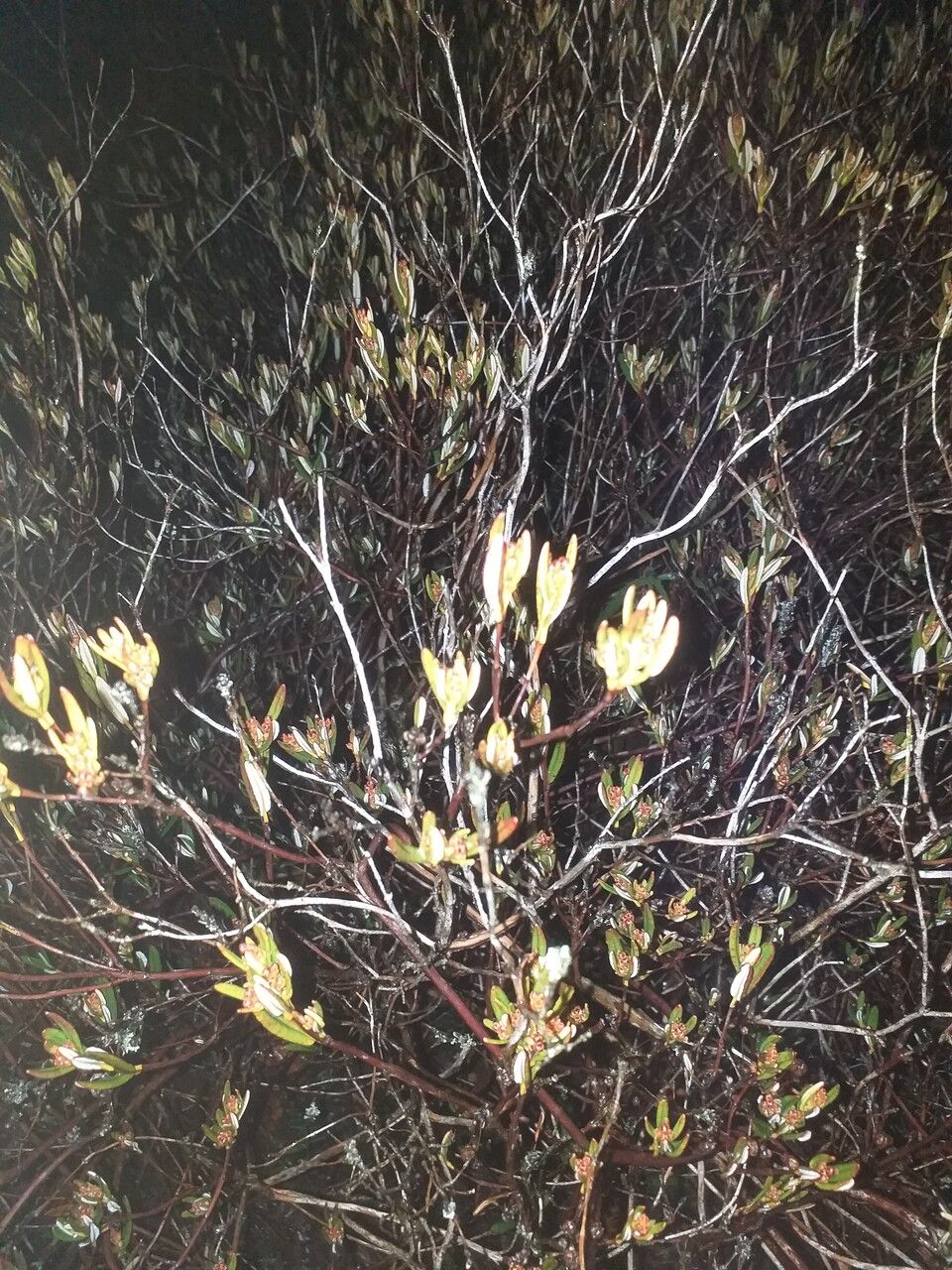
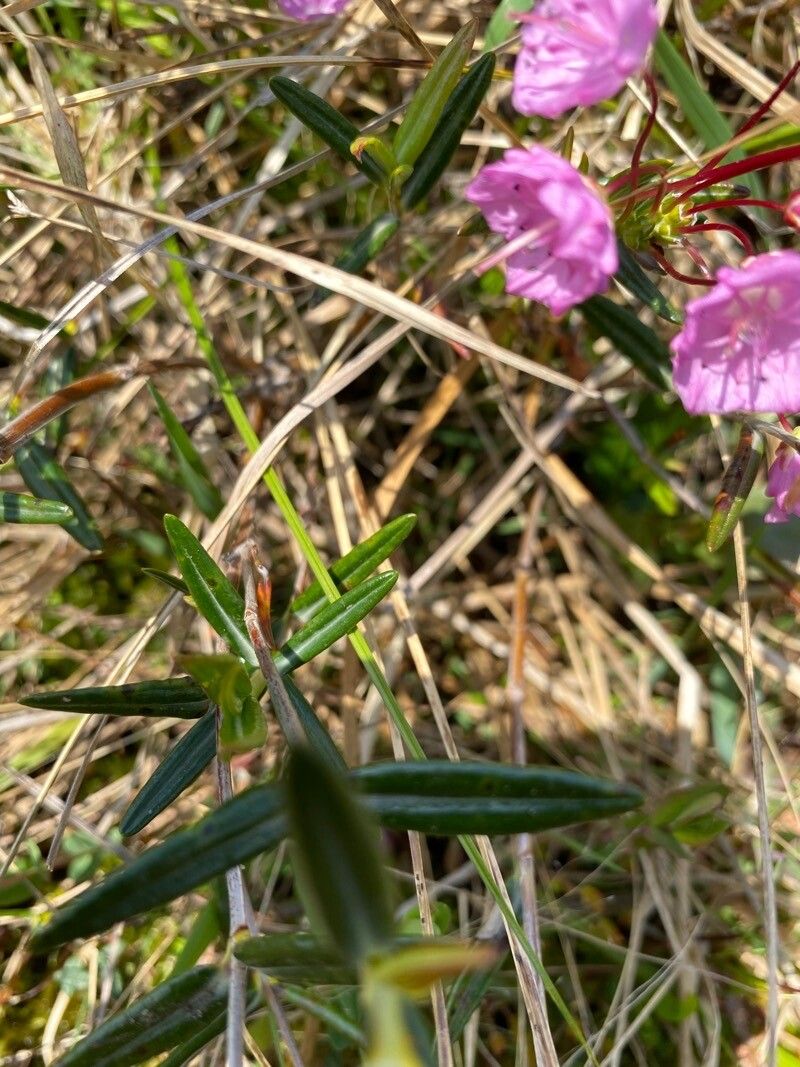
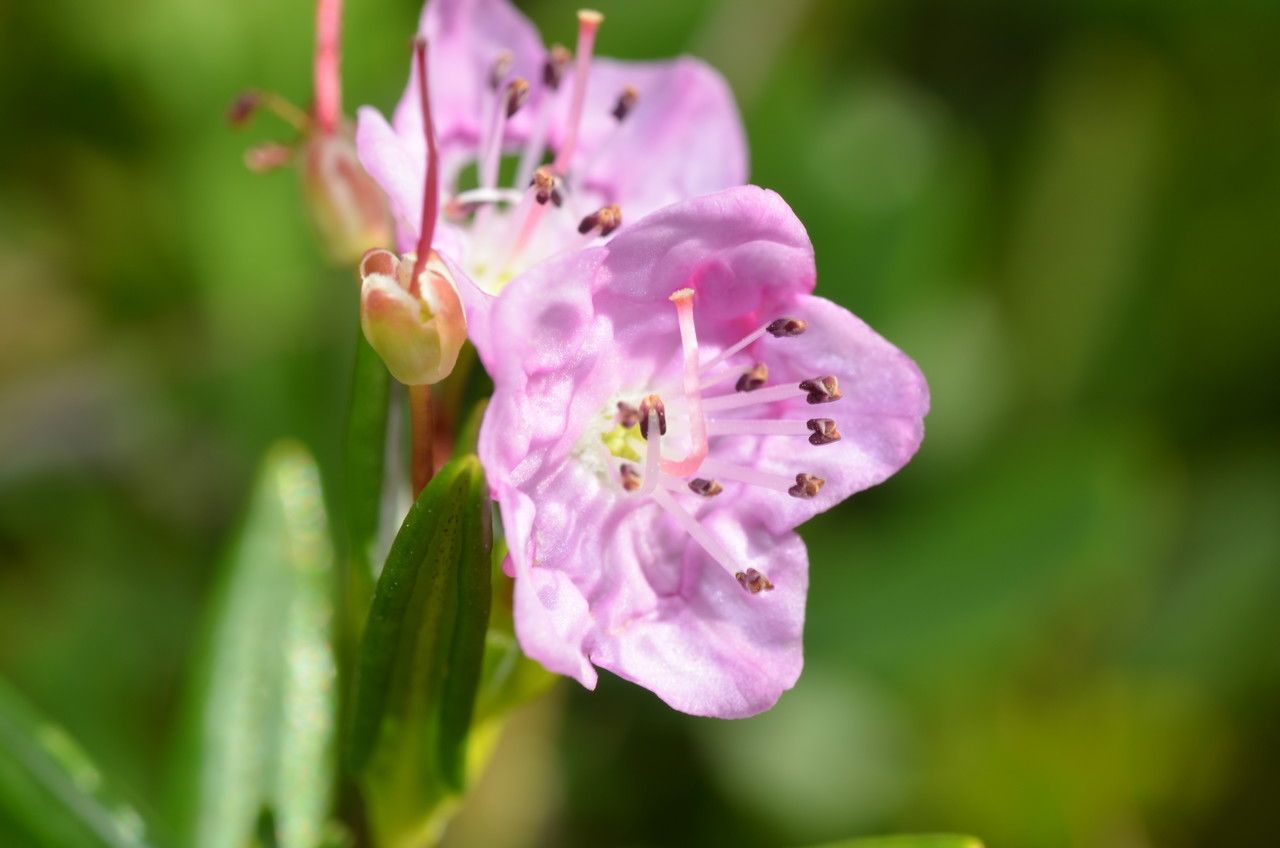
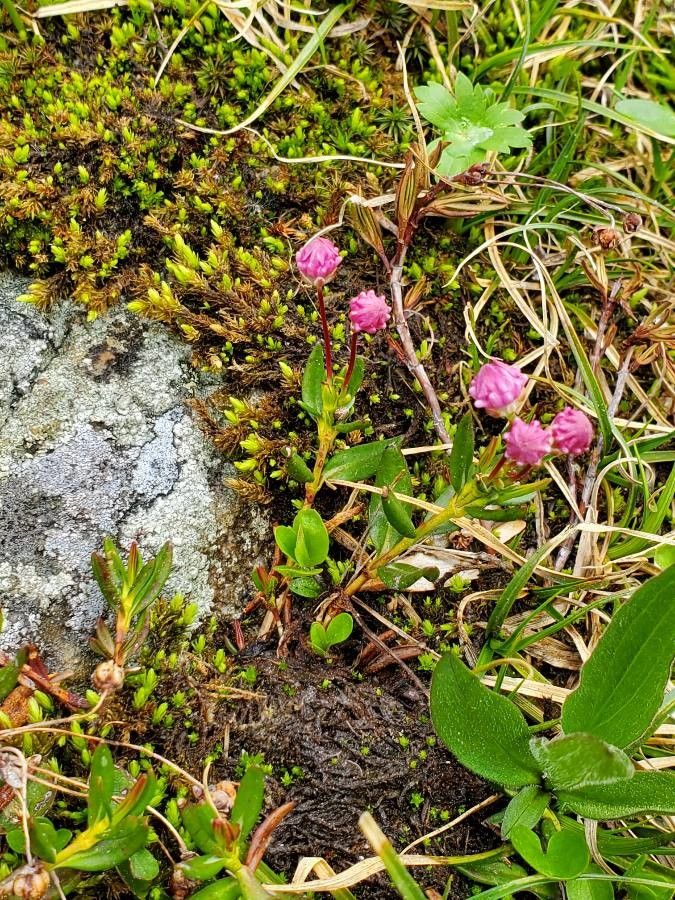
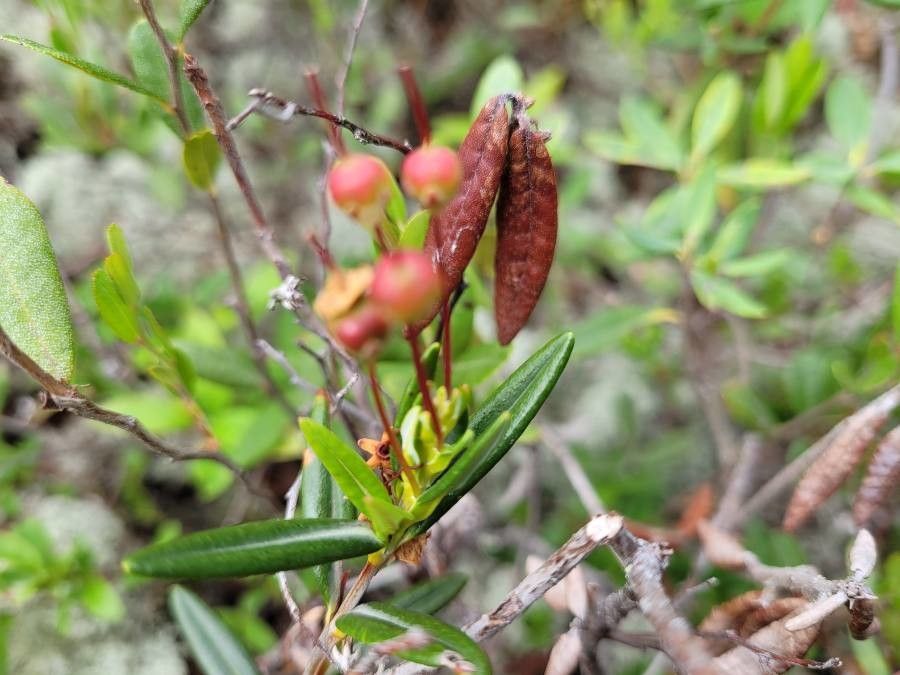
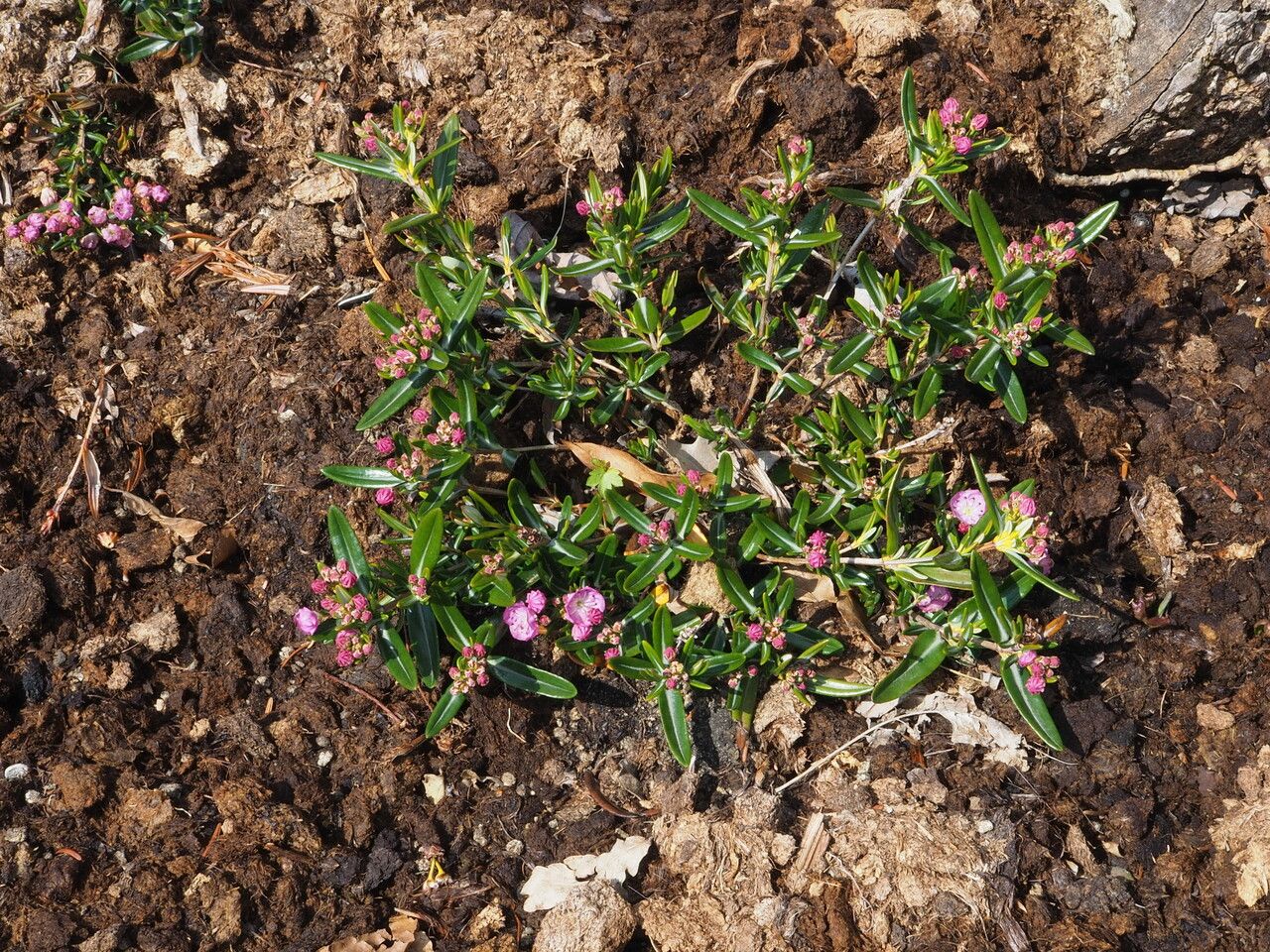
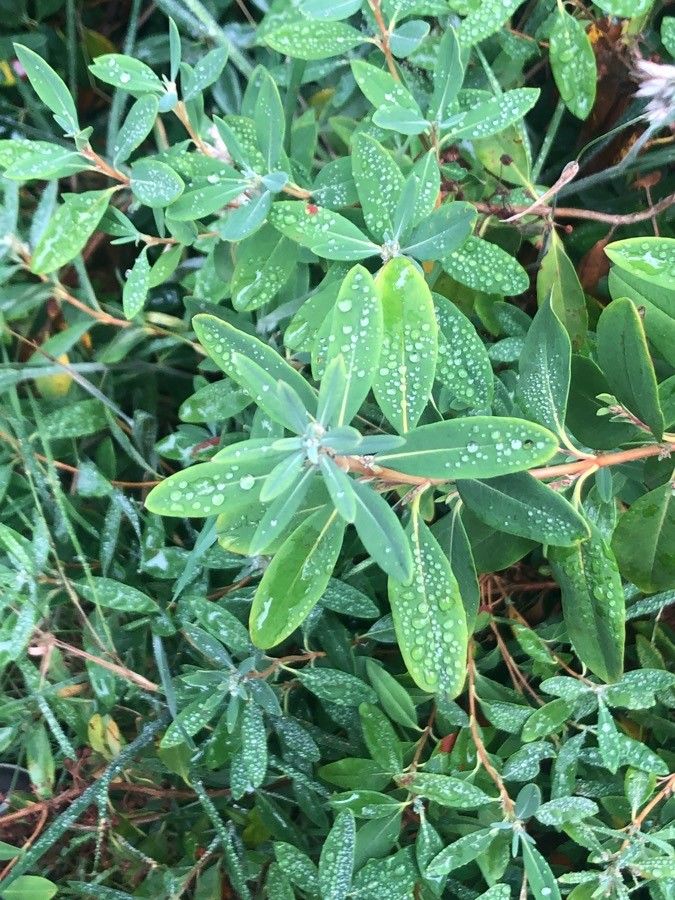
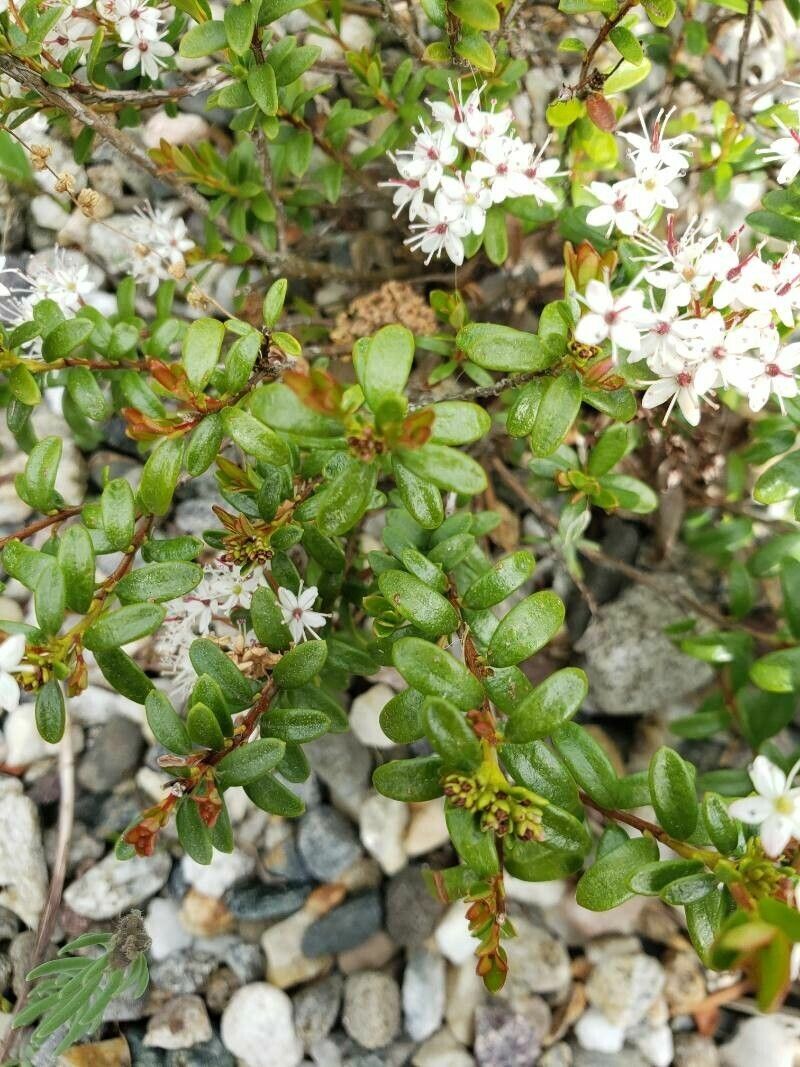
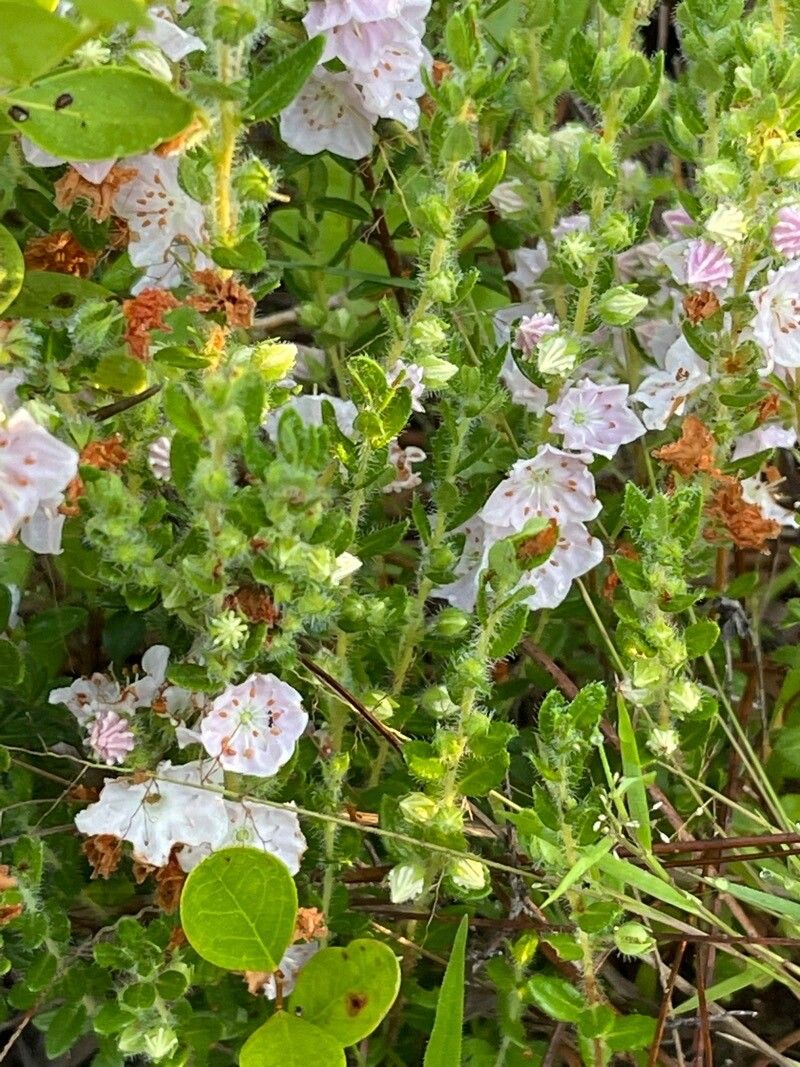
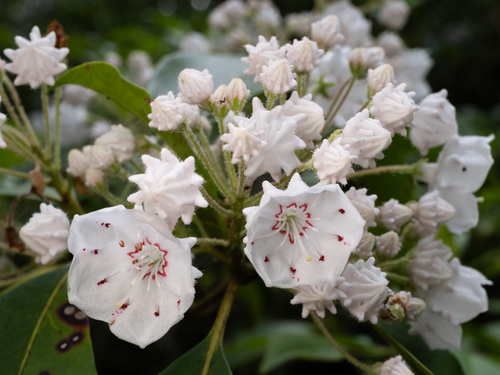
Kalmia polifolia, previously known as Kalmia glauca and commonly called bog laurel, swamp laurel, or pale laurel, is a perennial evergreen shrub of cold acidic bogs, in the family Ericaceae. It is native to north-eastern North America, from Newfoundland to Hudson Bay southwards.
Bog laurel is fairly disease-resistant and generally not prone to illnesses. However, it can be affected by pests and diseases present in its environment. These problems are typically mild. Care-wise, the plant needs moderate maintenance. Regular pruning is required to maintain an attractive appearance and healthy growth. Applying fertilizer can also encourage flowering. Bog laurel is suitable for anyone with an outdoor area, such as a garden or patio, and does not demand extensive gardening experience. It may need extra attention if grown indoors.
How to keep Kalmia Polifolia.
Light
Bog laurel is a plant that favors moderate light conditions, yet it can also endure a greater amount of light. Its natural habitat reflects this — areas with filtered light. Too much direct sun can damage it, while too little light may limit its growth.
Water
Bog laurel thrives in moist environments and needs watering once a week to stay hydrated. It prefers high humidity and is usually grown outdoors, where rainfall helps maintain its lush foliage throughout the year. However, it is somewhat sensitive to drought conditions.
Temperature
Bog laurel comes from cooler regions and does well in temperatures from 32 to 95 °F (0 to 35 ℃). During very hot summer periods, provide shade or mist the plant to reduce the surrounding temperature.
Fertilizer
The best time to fertilize a Bog laurel is in early spring, as it comes out of dormancy and begins active growth. Fertilizing supplies essential nutrients for healthy growth. Although Bog laurel has relatively low fertilizer requirements, applying fertilizer once a year can improve its survival and encourage better, longer-lasting flowers.
Pruning
Bog laurel boasts evergreen leaves and vibrant pink flowers. To keep it healthy and attractive, prune it from late winter to early spring. Remove any dead branches and lightly shape the plant for bushier growth. Moderate trimming encourages blooming and improves air circulation, which helps reduce the risk of fungal diseases.
Botanical profile.
- Plant Type
- Herb
- Life Cycle
- Perennial
- Genus
- Kalmia
- Family
- Ericaceae
- Hardiness Zone
- 3-9
- Mature Height
- 15 cm to 76 cm
- Mature Spread
- 11.58 m
- Leaf Color
- Green
- Leaf Type
- Evergreen
- Flower Color
- Pink
- Flower Size
- 1.27 cm to 2.03 cm
- Bloom Time
- Mid spring, Late spring
- Planting Time
- Spring, Summer
- Harvest Time
- Mid summer, Late summer, Early fall
Other names.
Reader questions.
What is the optimal way to water my Bog laurel plant?
To ensure the proper care of the Bog laurel, it is recommended to use filtered water at room temperature. Tap water can contain harmful particles, making filtered water a better choice. Additionally, it is important to use water that is not too cold, as the Bog laurel is accustomed to warmer conditions. To avoid any complications with its foliage, overhead watering should be avoided. Instead, the filtered room temperature water should be applied directly to the soil until it is completely soaked. This method of soaking the soil is highly beneficial as it helps moisten the roots and facilitate their spread in the soil, enabling them to absorb the necessary nutrients.
Why should I add fertilizer to my Bog laurel plant?
Fertilization is important for the growth of the Bog laurel. It provides essential nutrients for the plant's above-ground and below-ground development. While the overall fertilization needs of Bog laurel are low, annual fertilization can greatly benefit the plant. It helps to sustain the plant's health and may enhance flower production and longevity. Therefore, individuals looking to improve the appearance of their Bog laurel should consider regular annual fertilization.
What are the sunlight requirements for Bog laurel?
Bog laurel requires a specific range of sunlight to thrive, categorized into 'Partial sun' with about 3-6 hours of sunlight and 'Full sun' which means the plant should receive above 6 hours of sunlight daily. It's important to observe the movement of sunlight through your garden to find locations offering a balance of light and shade, ensuring optimal growth conditions for Bog laurel.
What is the optimal temperature range for Bog Laurel?
Bog laurel thrives in cooler climates, flourishing in temperatures ranging from 32 to 95 °F (0 to 35 °C). It has a strong resistance to cold and does not usually require special frost protection measures in winter. However, in scorching summer months, providing shade or misting to lower the ambient temperature around the plant can be beneficial.
If I give my Bog laurel too much water or too little water, what should I do?
Overwatering is a more common problem than underwatering for your Bog laurel. When the plant is overwatered, its stems and leaves may wilt and turn yellow. Overwatering over a long period can also lead to diseases like root rot, mold, and mildew, which can kill the plant. Underwatering is less common, but it can still happen. When the Bog laurel is underwatered, the leaves become brittle and brown. It's important to recognize the signs of overwatering early so that you can take action. Diseases caused by overwatering, such as root rot, may not be fixable if you wait too long. If you see signs of overwatering, reduce your watering schedule immediately. Check the soil quality of your Bog laurel. If it drains poorly, replace it with a loose, well-draining potting mix. If your Bog laurel appears to be receiving too little water, simply water it more regularly until the signs subside.
When should I fertilize my Bog laurel?
The best time to fertilize a Bog laurel is in late winter to early spring. This is when the plant is coming out of its dormant phase and starting to grow actively. By fertilizing at this time, you can help promote healthy growth and give the plant a strong start for the season. While early spring is generally the most beneficial time to fertilize a Bog laurel, it is also possible to fertilize in the fall. However, it is not recommended to fertilize during summer or winter.
What are the essentials for growing Bog laurel effectively?
Bog laurel prefers areas of intermediate light intensity but can tolerate higher levels of light, thriving in filtered light conditions. However, too much direct sunlight can be detrimental, whereas insufficient light can hinder its growth. For indoor plants, when natural light is inadequate, artificial lighting such as LED lights that provide 30-50W/sq ft for full sun plants, 20-30W/sq ft for partial sun plants, and 10-20W/sq ft for full shade plants is beneficial. The light should be placed 12-36 inches above the plant for 8-12 hours per day to mimic natural daylight conditions.
How should Bog Laurel be protected during winter?
To protect Bog laurel during winter, especially if temperatures are expected to drop below the plant's cold tolerance limit, it's important to provide cold protection. This can be achieved by covering the plant with insulating materials such as soil or straw. Additionally, watering the plant abundantly before the first freeze in autumn to ensure the soil remains moist and enters a frozen state can help prevent drought and water scarcity for the plant during winter and early spring.
How often should I give water to my Bog laurel?
If your Bog laurel is in a pot, the most precise way to determine if it needs water is by checking the soil. Stick your finger into the soil and if the top two to three inches are dry, it's time to water it. If you have your Bog laurel planted in the ground, you can use a similar method. Check the top few inches of soil, and if it's dry, then it's time to water. Typically, during spring and early fall, watering once a week is sufficient. However, during extremely hot weather, you may need to water twice a week or more. Nonetheless, mature and well-established Bog laurels can tolerate drought quite well.
When is the best time to not fertilize my Bog laurel?
To avoid overfertilization and complications, it is recommended to fertilize your Bog laurel only during late winter and early spring. One feeding during this time should be sufficient due to the plant's low fertilization needs. However, if you skipped fertilizing in spring, it is acceptable to feed the plant in fall. It is important to refrain from fertilizing during spring, summer, and fall to prevent overfertilization. Additionally, there is no need to fertilize during winter when the Bog laurel is in a dormant phase and not actively growing.
What symptoms indicate Bog laurel is receiving inadequate light?
When Bog laurel is exposed to insufficient light, several symptoms can manifest, including smaller new leaves, leggy or sparse growth, faster leaf drop, slower or halted growth, leaves appearing lighter in color or showing irregular patterns, chlorosis, sunscald, leaf curling, wilting, and leaf scorching. These signs indicate either excessive sunlight or too little light, affecting the plant's health and growth.
What are the symptoms of Bog Laurel being affected by low temperature?
Bog laurel is cold-tolerant and thrives best when the temperature stays above its minimum suitable growth temperature. If the temperature falls below its growth limit, there may not be noticeable changes during winter, but there could be a decrease in sprouting, or even no sprouting, during springtime. In spring, it's advised to remove any parts of the plant that have failed to sprout.