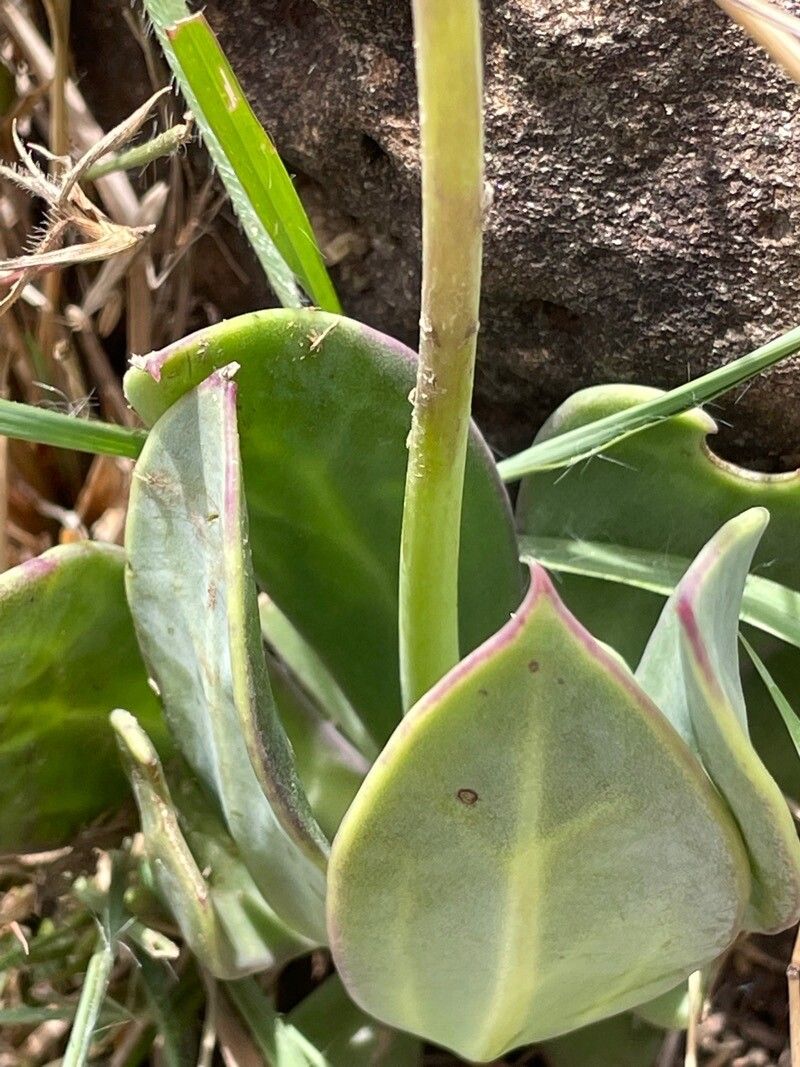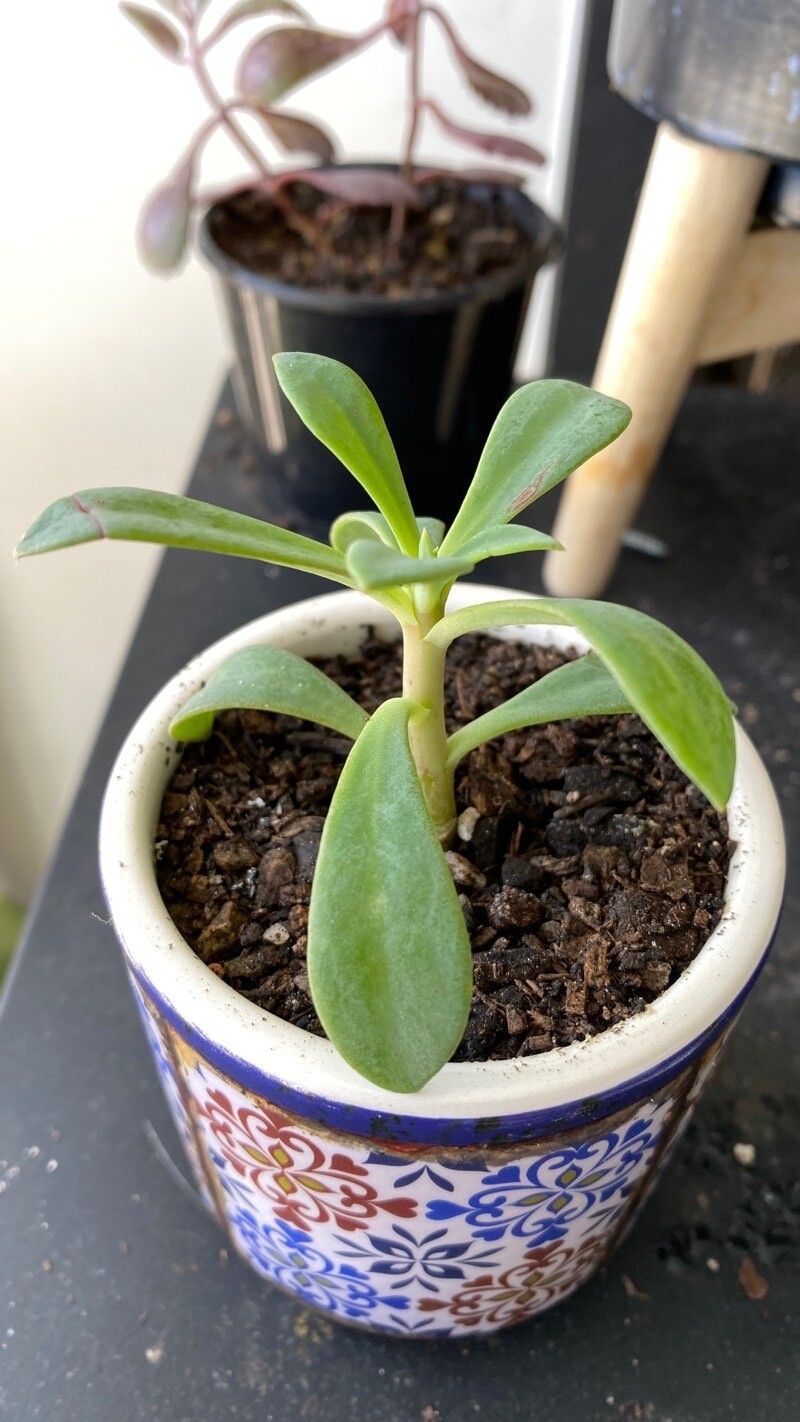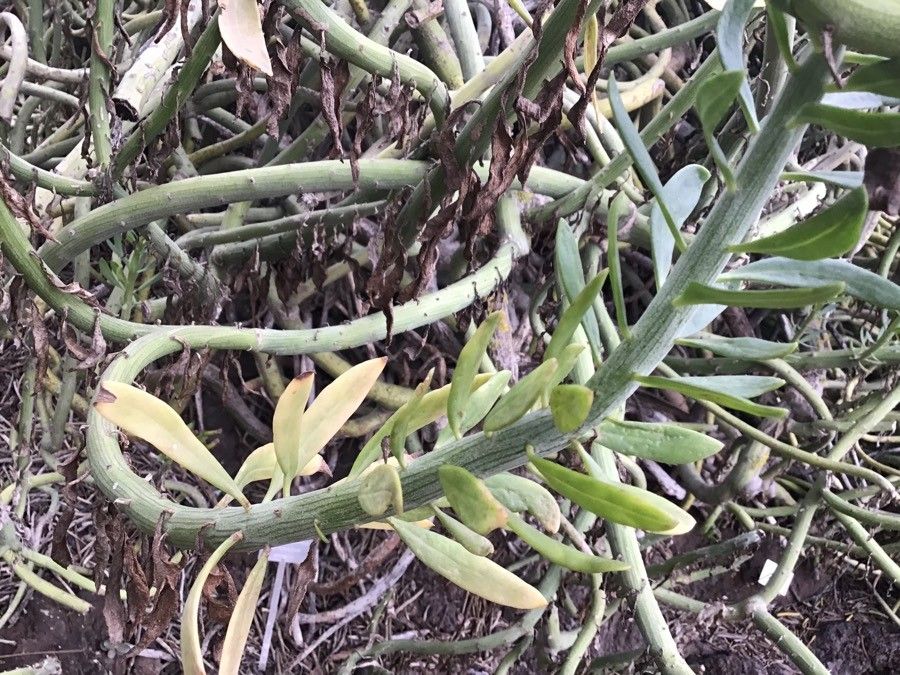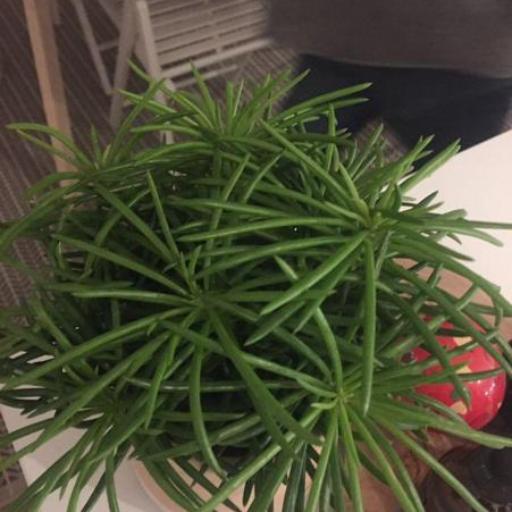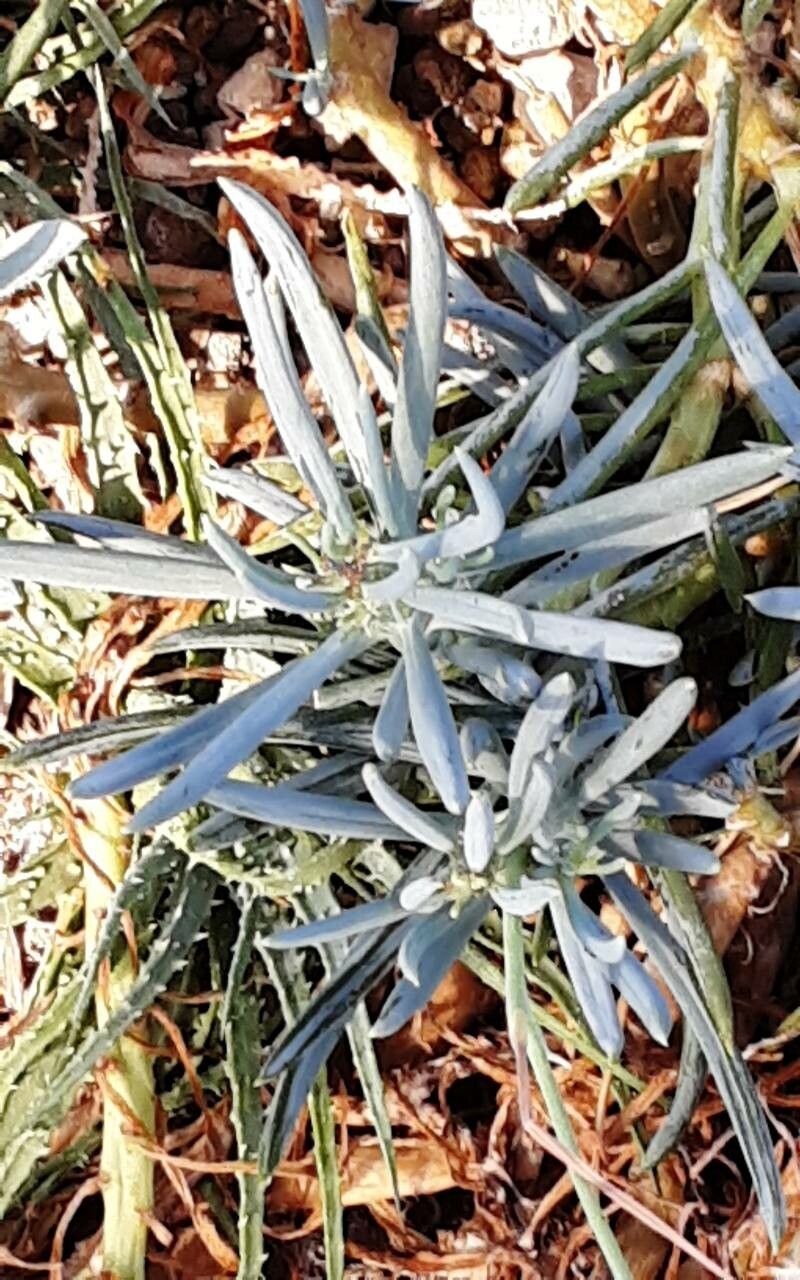
Curio repens, syn. Senecio serpens, is a species of the genus Curio in the Asteraceae family. A succulent endemic to the Western Cape province of South Africa, it is typically found growing from crevices in rocky sandstone slopes. Commonly named blue chalksticks, it is used as an ornamental plant.
Blue chalksticks has moderate resistance to disease but is more vulnerable to humidity and overwatering. It is also more prone to illnesses when it receives insufficient light and is overwatered. Regarding care needs, Blue chalksticks is drought-tolerant and can go extended periods without watering. It requires little fertilizer and only occasional pruning. For these reasons it suits gardeners of any skill level, particularly those who prefer to spend less time on plant care or who may be away from home for extended stretches. It is a good option for people who do not want to invest a lot of time in maintenance yet still want an easy-to-care-for plant.
How to keep Kleinia Repens.
Light
The Blue chalksticks plant flourishes when exposed to substantial sunlight and can endure moderate sun levels, too. It characteristically develops well in its indigenous settings under generous sunlight, which is a key factor for its balanced growth. Conversely, insufficient sunlight may hinder its growth. Overexposure to the sun, however, could trigger stress and affect its health negatively.
Temperature
Blue chalksticks thrive in temperatures between 68 and 100 ℉ (20 to 38 ℃). They are originally from regions that have warm climates, like South Africa. To accommodate for the shifts in the seasons, offer plenty of light and lessen the frequency of watering when the weather is cooler.
Fertilizer
For Blue chalksticks, administering minimal amounts of fertilizer 1-2 times annually during the growth period is adequate. Refrain from fertilizing during winter and summer when it's in a dormant state. Lessen the fertilizer quantity for rehoused plants and hold off on fertilization for a few months post-repotting. Fertilizing aids in robust growth and promotes flowering.
Pot & Repot
Choose a pot a bit larger than the previous one that possesses efficient drainage when repotting Blue chalksticks. It would be best to use a crumbly succulent or cactus mix with excellent drainage. Safely uproot the plant from its current pot, dust away extra soil, and reposition it at an equal depth. Allow a couple of days to pass before watering, providing time for the roots to recuperate from any potential damage. Opt to repot during the spring or fall, and then place it somewhere that has a lot of light.
Botanical profile.
- Plant Type
- Succulent, Herb
- Life Cycle
- Perennial
- Genus
- Kleinia
- Family
- Compositae
- Hardiness Zone
- 9-12
- Mature Height
- 20 cm
- Mature Spread
- 61 cm to 91 cm
- Leaf Color
- Blue, Silver, Green, Bronze
- Leaf Type
- Evergreen
- Flower Color
- Yellow
- Flower Size
- 2.54 cm
- Bloom Time
- Mid summer
- Planting Time
- Winter, Spring
- Harvest Time
- Mid summer, Late summer
- Native Area
- South Africa