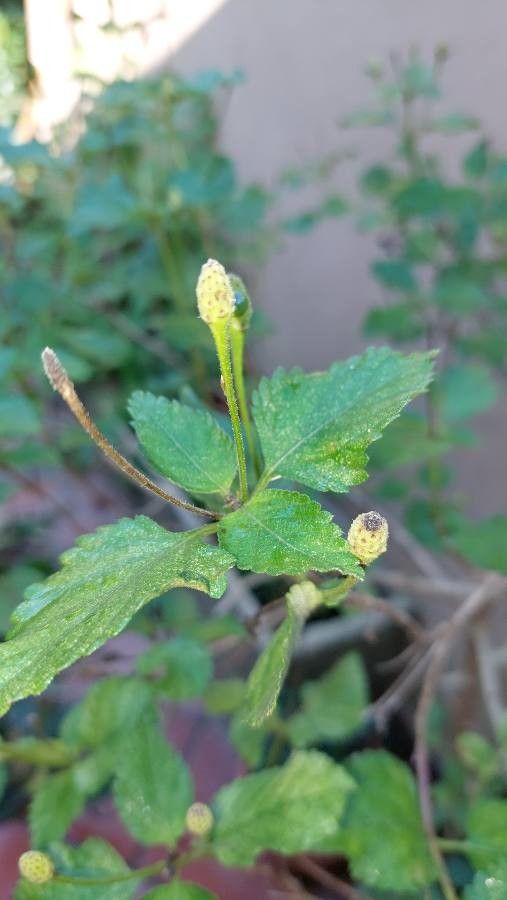
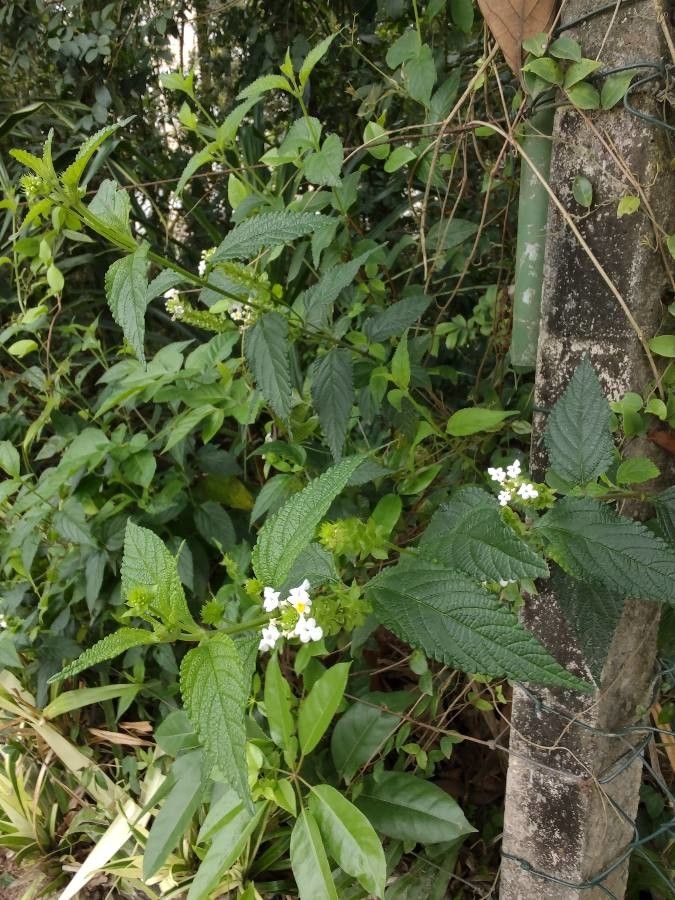
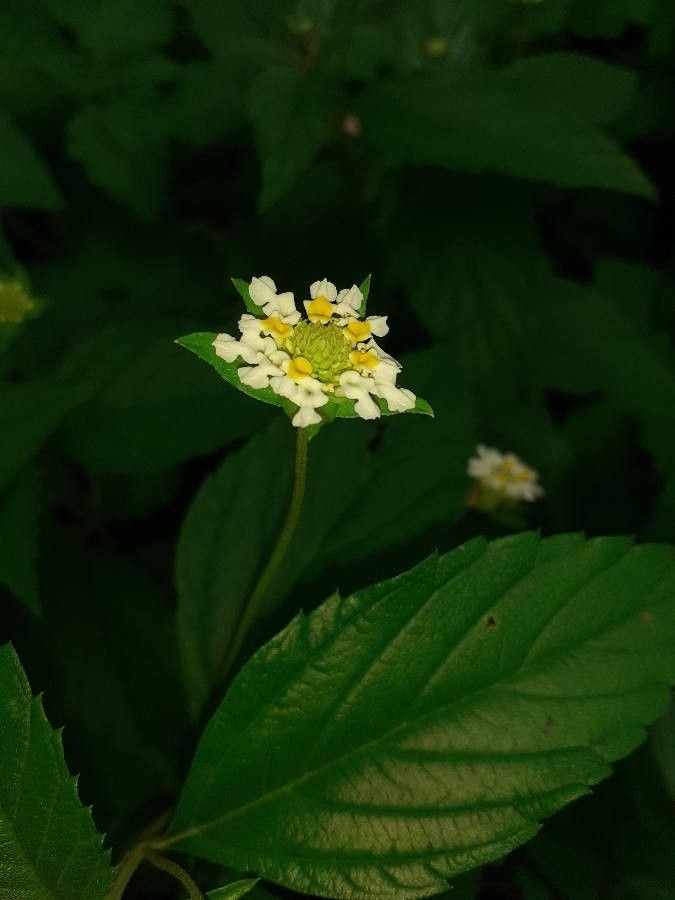
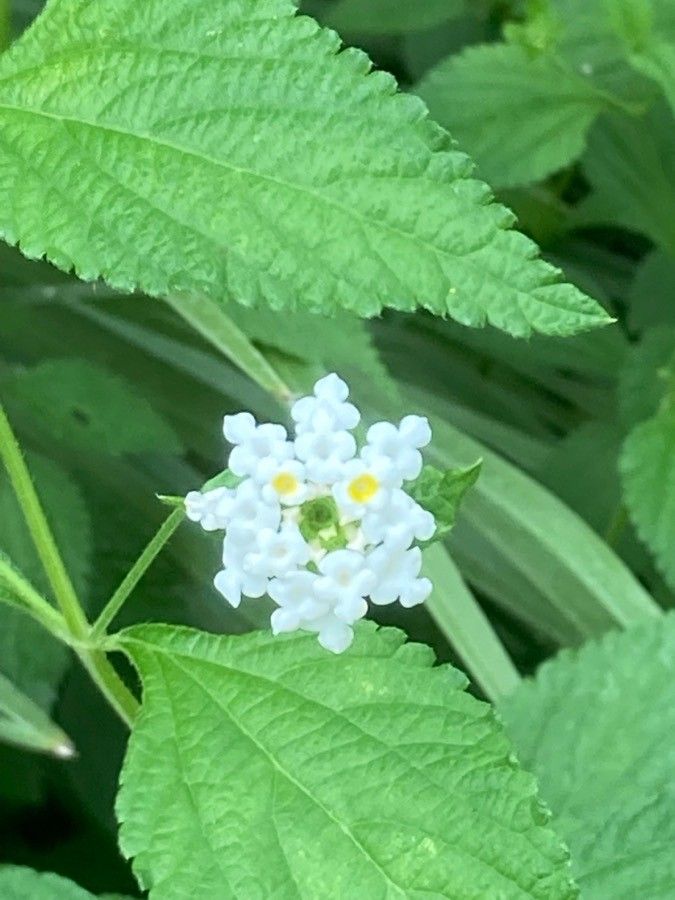
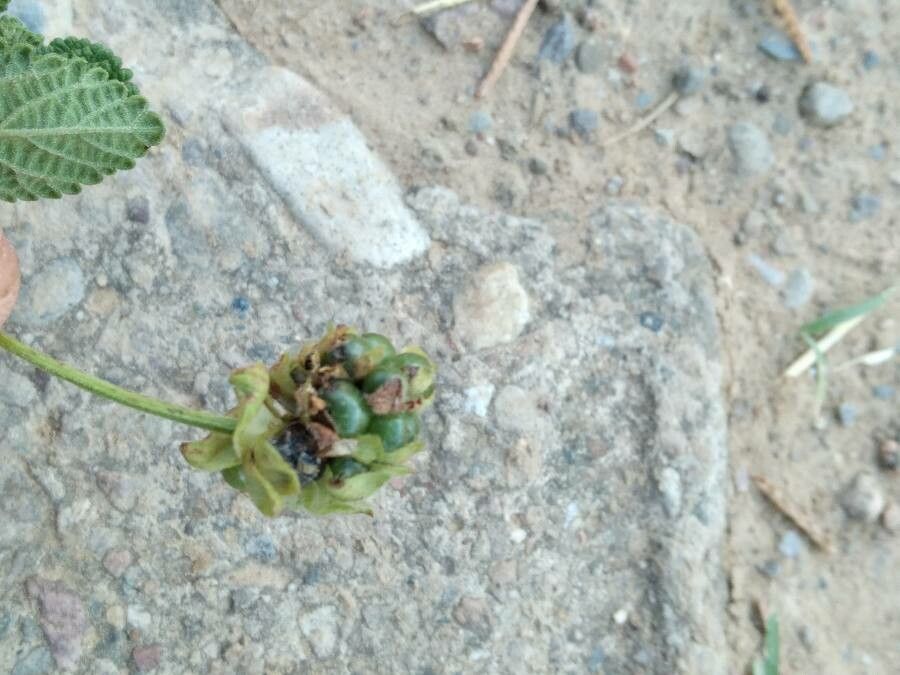
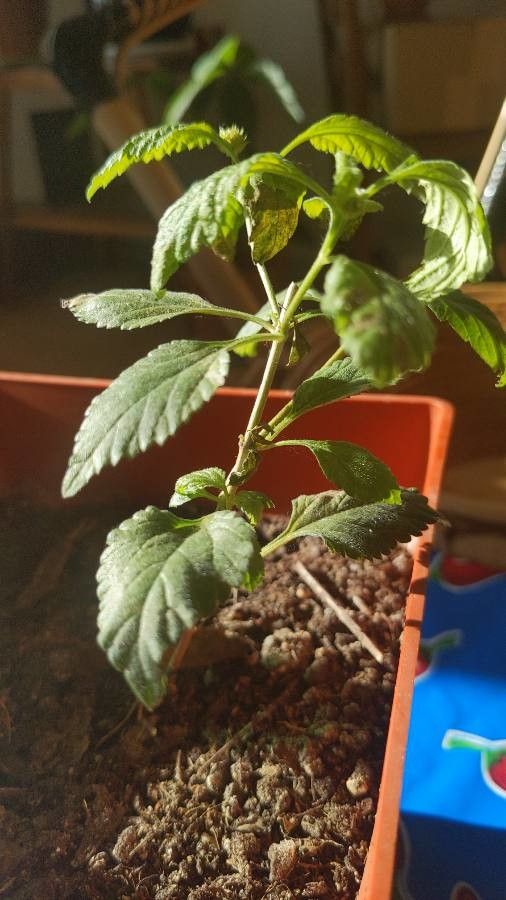
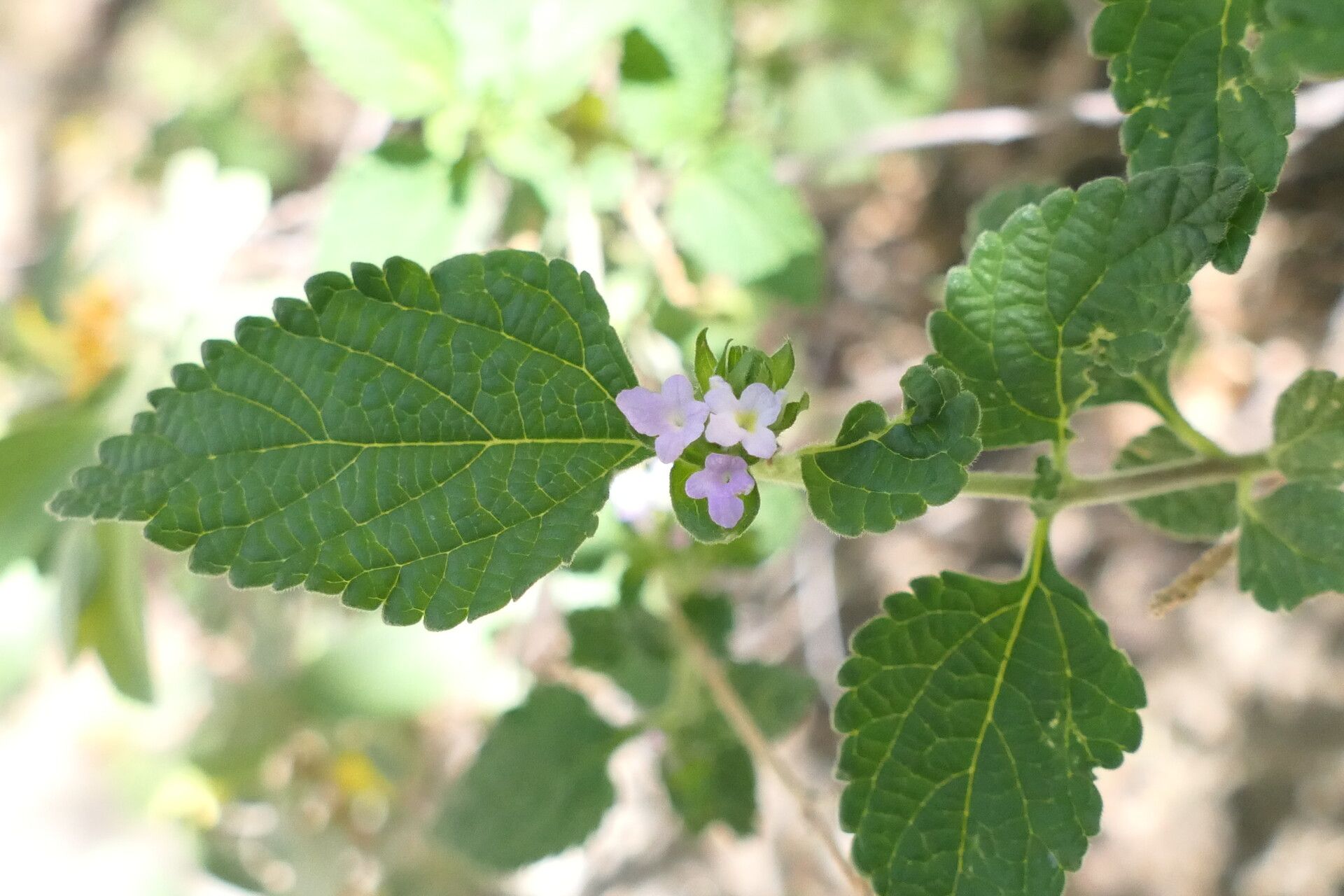
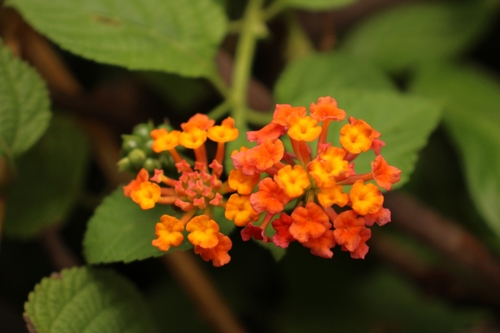
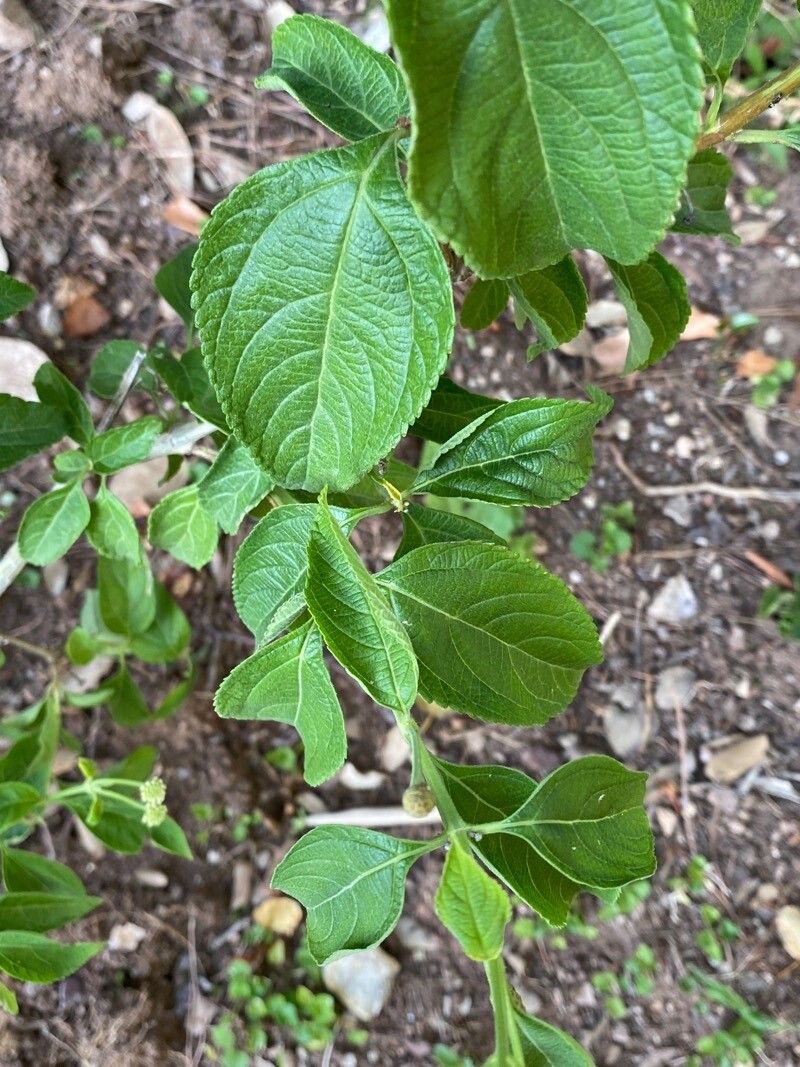
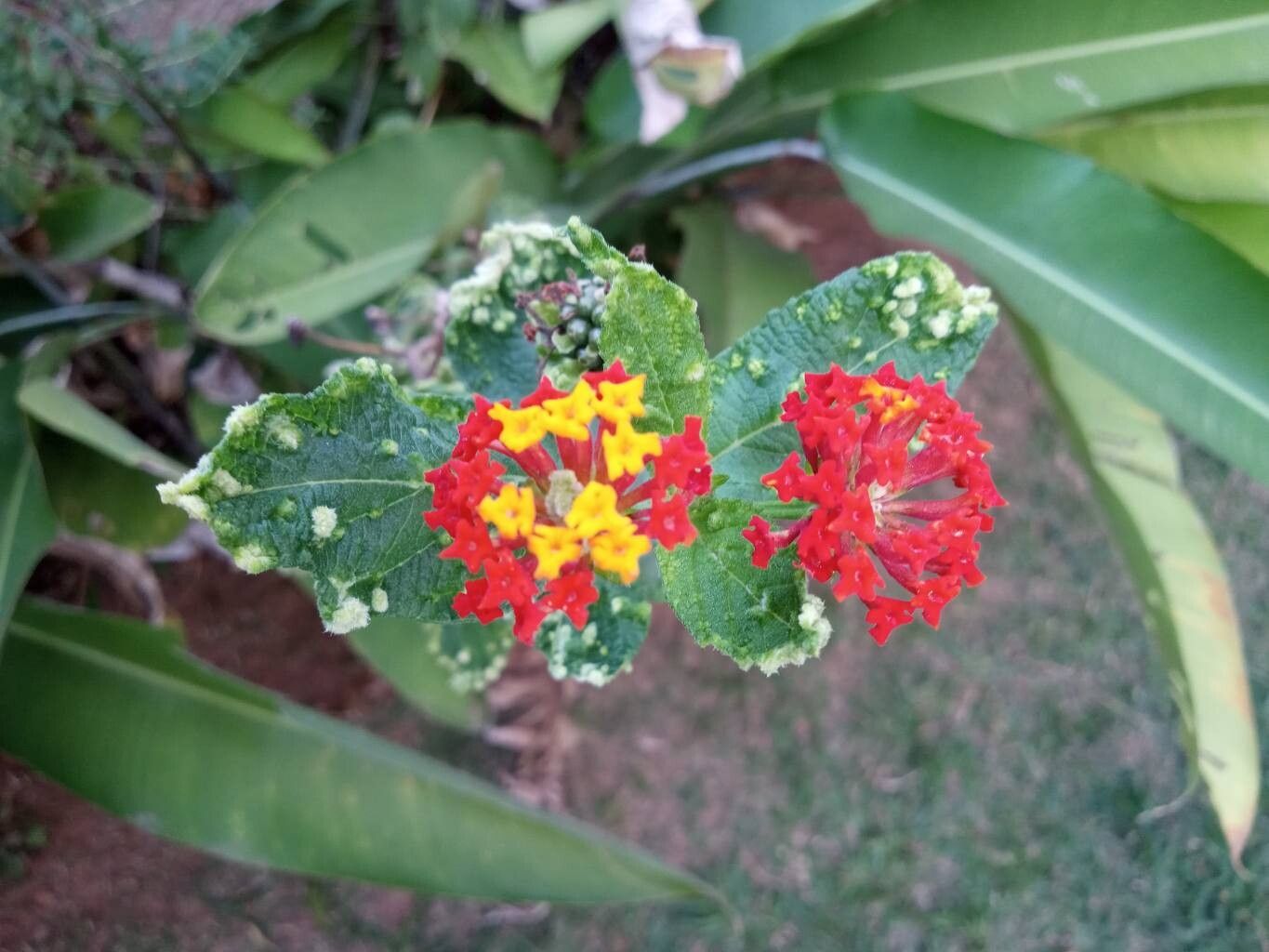
Lantana achyranthifolia, the brushland shrubverbena, is a perennial woody shrub, and a member of the verbena family, Verbenaceae.
Brushland shrubverbena shows strong resistance to disease and is usually not susceptible to illnesses. Regarding care, this plant is fairly low-maintenance. When grown outdoors it needs only light watering, and larger specimens typically do not require pruning. Smaller specimens, however, should be trimmed after they finish blooming. Brushland shrubverbenat is well suited for anyone with an outdoor area, such as a garden or a deck, and does not demand extensive gardening experience.
How to keep Lantana Achyranthifolia.
Light
Brushland shrubverbena is native to open environments, such as sunny meadows and forest edges, which offer ample light. It flourishes in Full Sun but can also tolerate Partial Sun, showing good adaptability to different sunlight conditions.
Water
To ensure a healthy growth of newly planted brushland shrubverbena, water the plant frequently to maintain moist soil, being careful to avoid water pooling. Once the plant is mature, shift to watering it weekly, making sure the soil remains moist and doesn't dry out entirely. If the shrubverbena is planted in sandy soil, you may need to water it daily. Additionally, if the plant's blooming slows or stops, consider increasing the amount of water given.
Humidity
This plant will thrive in moderate humidity, which is probably the level in your home. However, misting it a few times a week can be very beneficial. Make sure the room has good ventilation.
Temperature
Brushland shrubverbena comes from tropical areas, where the weather is generally warm and humid. Consequently, it is well suited to high heat and humidity. It is not fond of abrupt temperature shifts and favors a consistent thermal environment, so preventing temperature swings indoors is important. It typically cannot withstand cold conditions and needs warmer temperatures to grow. If the ambient temperature falls too far, the plant may stop growing or even perish.
Fertilizer
The best time to fertilize a Brushland shrubverbena is in early spring as it breaks dormancy. This supports overall growth and flower formation. Fertilization improves the foliage, stems, and branches, while encouraging flowers that are large, bright, and long-lasting. It helps transport nutrients from the roots to the flowers and enhances the plant’s health and resistance to disease.
Pruning
To encourage healthy growth and vibrant blooms in brushland shrubverbena, it is important to prune it strategically. Start by removing any dead branches to improve air circulation. Then, lightly shear the plant to maintain its shape. For best results, prune in early spring using sanitized tools to ensure clean cuts, which will enhance the plant's overall health and appearance.
Botanical profile.
- Plant Type
- Shrub
- Life Cycle
- Perennial
- Genus
- Lantana
- Family
- Verbenaceae
- Hardiness Zone
- 9-11
- Mature Height
- 49 cm to 91 cm
- Mature Spread
- 49 cm to 91 cm
- Leaf Color
- Green, Dark Green
- Leaf Type
- Deciduous
- Flower Size
- 1.02 cm to 2.03 cm
- Bloom Time
- Late spring, Summer, Fall
- Planting Time
- Spring, Summer, Autumn
- Harvest Time
- Summer, Fall, Early winter
- Native Area
- Colombia, Honduras, Mexico, Guatemala, Bolivia, Venezuela, Peru
Other names.
Reader questions.
What are the sunlight requirements for Brushland shrubverbena?
Brushland shrubverbena, or Lantana achyranthifolia, thrives in locations that receive full sun, defined as areas that get above 6 hours of sunlight daily. It's important to observe the way sunlight moves through your garden throughout the day to find the ideal spots that offer a perfect balance of light and shade. This careful selection ensures your plants stay healthy and happy.
What is the botanical name of Brushland shrubverbena?
The botanical name of Brushland shrubverbena is Lantana achyranthifolia.