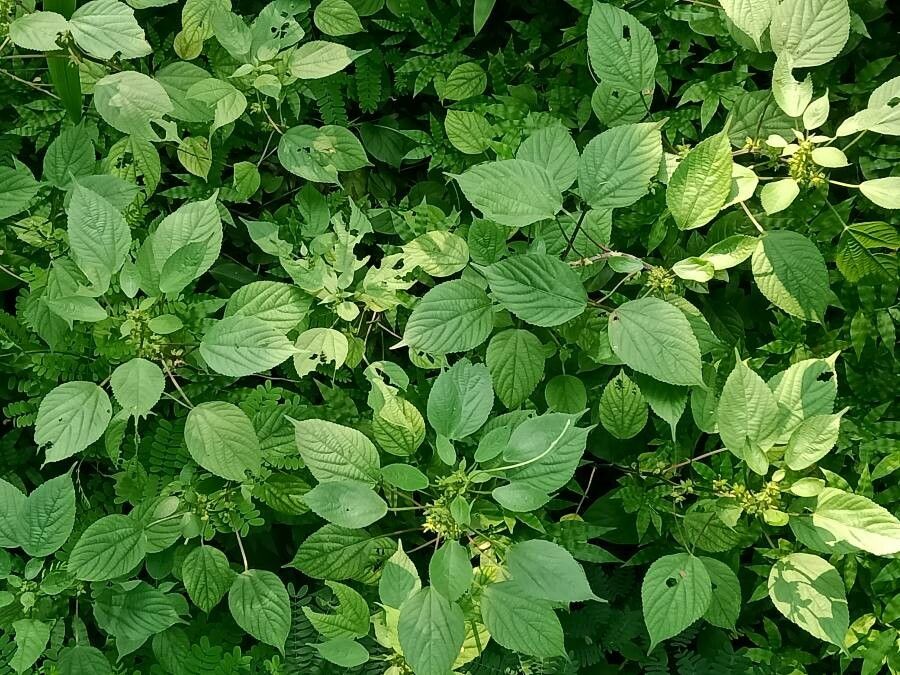
Laportea interrupta, commonly known as the African nettle or forest nettle, is a perennial plant species in the nettle family, Urticaceae. This plant is native to tropical and subtropical regions of Africa, Asia, and Australia. Growing up to 2 meters tall, Laportea interrupta features a woody stem with stinging hairs.
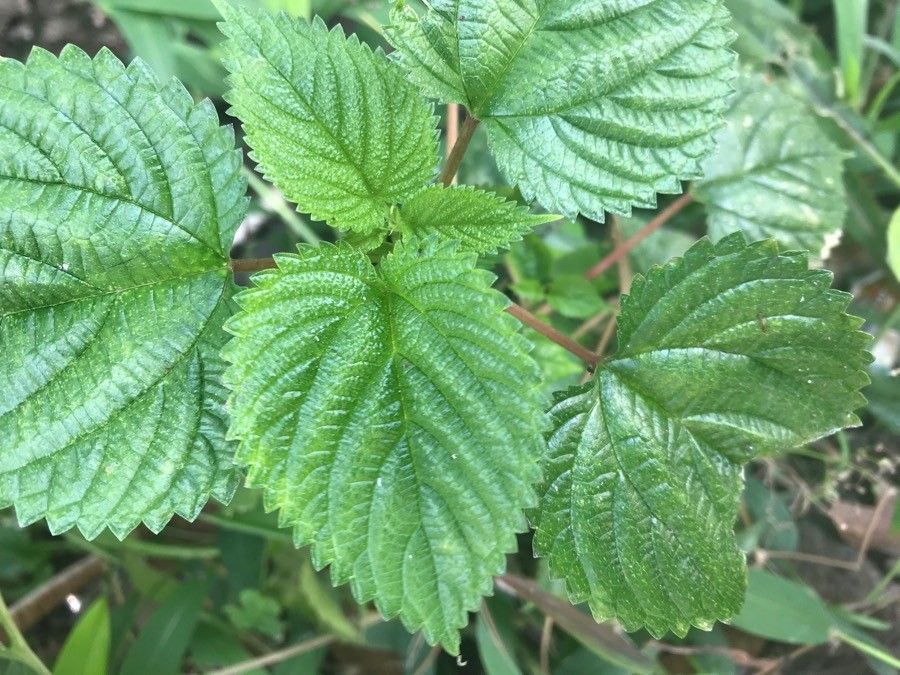
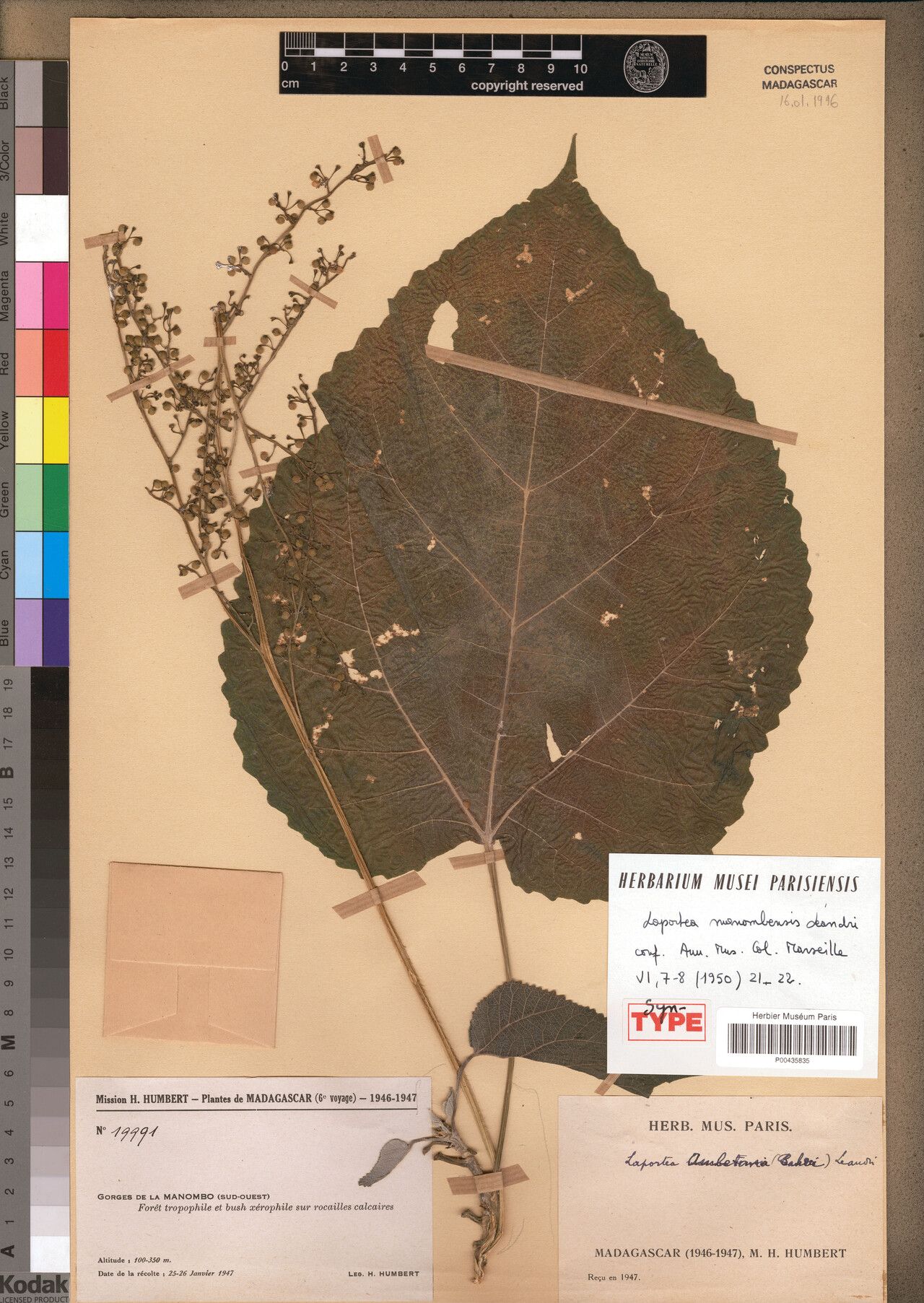
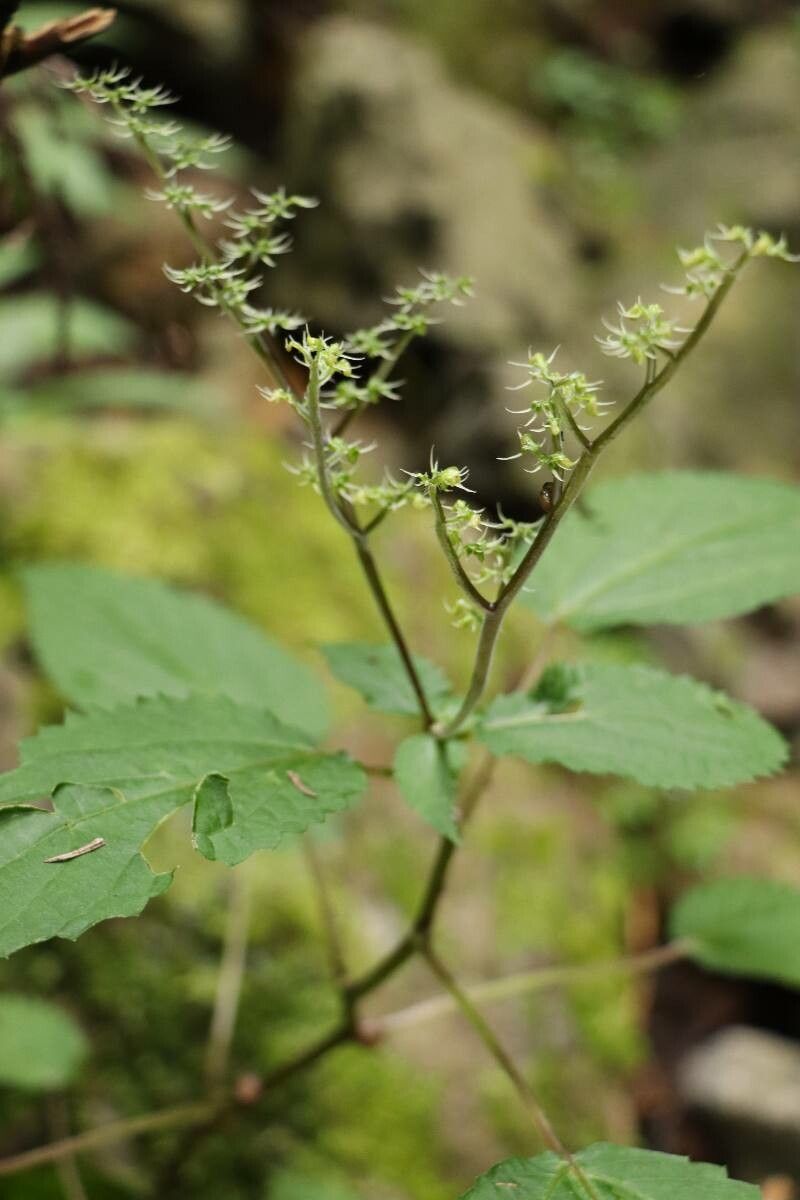
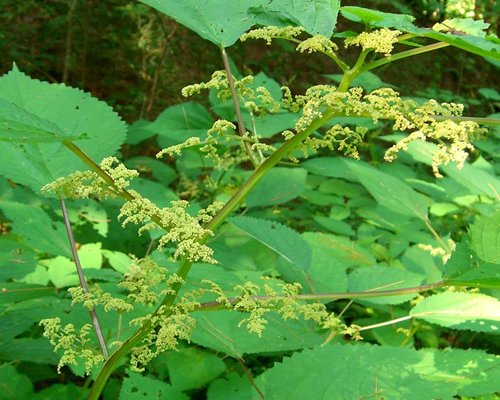
The leaves of Laportea interrupta are alternate and simple, with an ovate or elliptic shape and serrated margins. They are dark green on the upper surface and lighter green on the lower surface. The plant bears small, inconspicuous flowers; male flowers are arranged in clusters at the top of the stems, while female flowers grow at the leaf axils.
For centuries, indigenous people have utilized Laportea interrupta for its medicinal properties. The plant contains various bioactive compounds, such as flavonoids, alkaloids, and tannins, known for their anti-inflammatory effects.
Additionally, Laportea interrupta is an important food source for various animals. Elephants feed on its leaves, while birds consume its fruits and disperse the seeds over long distances, either by wind or ingestion.
Overall, Laportea interrupta plays a crucial ecological role in tropical forests. It provides food for wildlife and offers medicinal benefits to the local human populations.
How to keep Laportea Interrupta.
Water
The Hawai'i woodnettle thrives in humid environments similar to its tropical origins. To prevent waterlogging, it needs to be watered weekly. This plant grows best outdoors, where it can take advantage of natural humidity. Proper hydration is essential for its health and vigor because the availability of water greatly affects its growth cycle.
Botanical profile.
- Plant Type
- Herb
- Life Cycle
- Annual
- Genus
- Laportea
- Family
- Urticaceae
- Mature Height
- 40 cm to 1 m