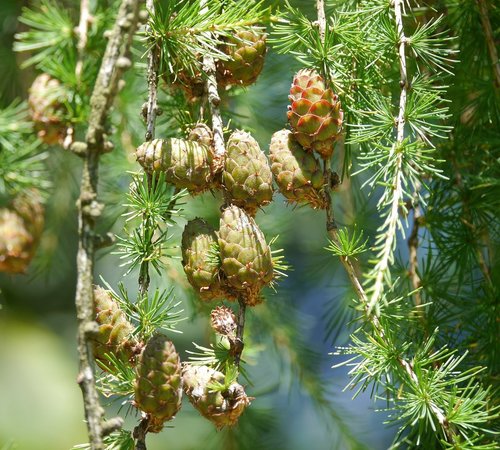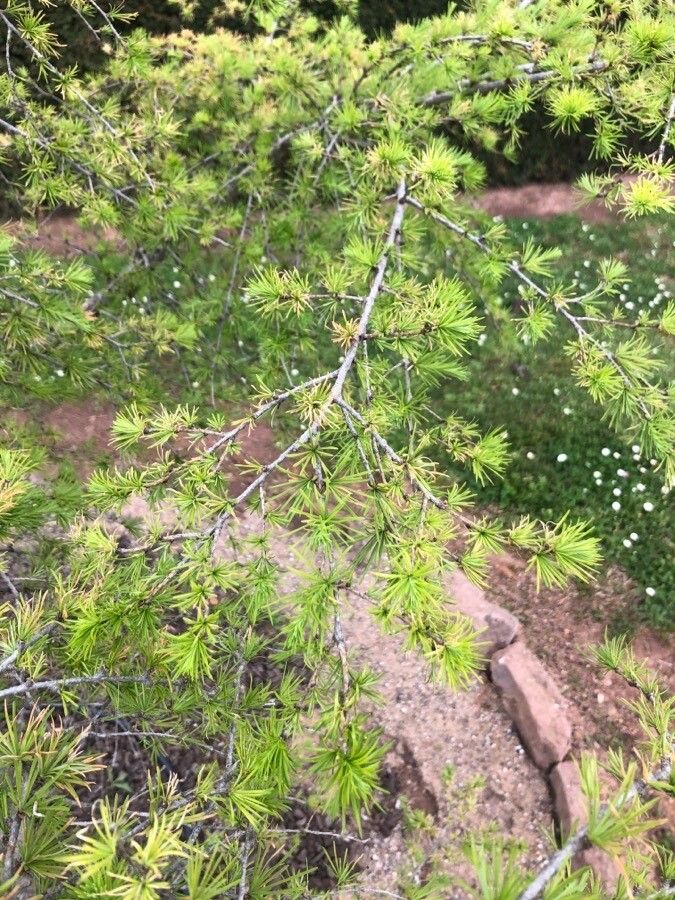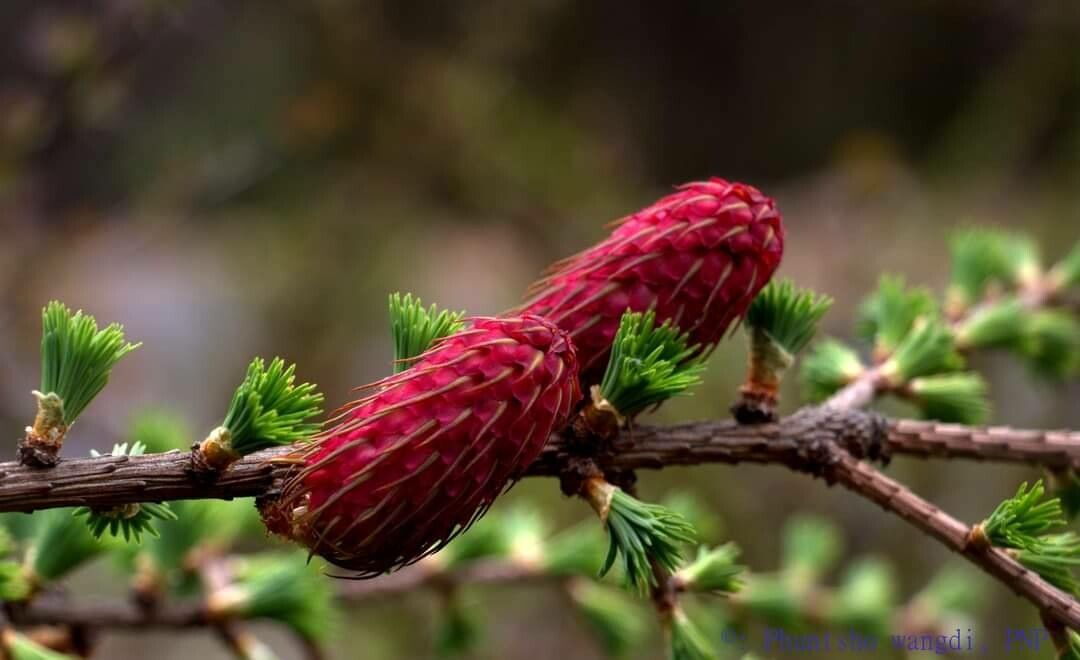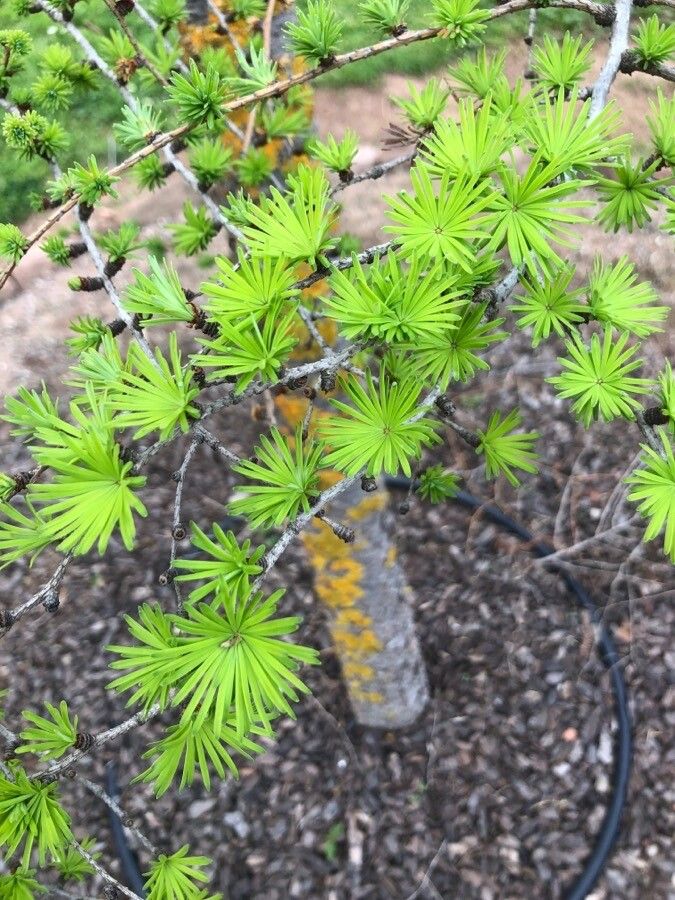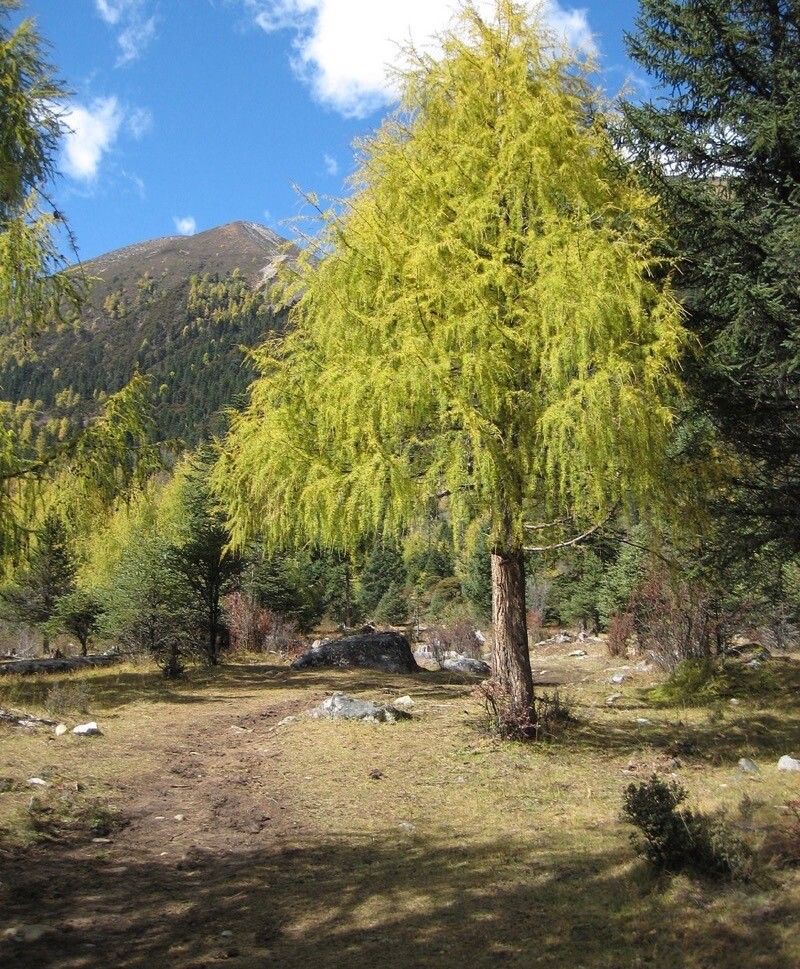
Larix potaninii is a species of larch conifer in the family Pinaceae. It is found in China and Nepal. The one of southernmost species of the genus Larix, the range of Larix potaninii extends southward almost to 27° N.
The Chinese larch is resistant to disease and generally not easily affected by illnesses. In terms of care, this species is fairly low-maintenance. When grown outdoors it needs only light watering, and larger specimens typically do not require pruning. Smaller plants, however, should be pruned after they finish blooming. The Chinese larch is appropriate for anyone with an outdoor area, such as a garden or deck, and does not demand much prior plant-care experience.
How to keep Larix Potaninii.
Light
Chinese larch comes from open habitats, such as sunny meadows and forest margins, where light is plentiful. It does best in Full Sun but can withstand Partial Sun, adapting well to a range of sunlight conditions.
Fertilizer
Chinese larch has specific nutrient needs and does not require heavy fertilization. Spring is the best time to apply fertilizer for optimal growth. Supplying nutrients enhances its health, increases its resistance to pests and diseases, and helps sustain its long lifespan.
Pruning
Chinese larch is characterized by its needle-like foliage and pyramidal shape. Pruning in early spring encourages healthy growth by removing dead branches and thinning the inner branches to improve air circulation. This practice not only enhances the tree's appearance but also helps prevent pests and diseases. Pruning during this time aligns with the Chinese larch's growth cycle, ensuring optimal recovery.
Botanical profile.
- Plant Type
- Tree
- Life Cycle
- Perennial
- Genus
- Larix
- Family
- Pinaceae
- Hardiness Zone
- 3-7
- Mature Height
- 20.12 m to 29.87 m
- Mature Spread
- 4.88 m to 7.92 m
- Leaf Color
- Light Green, Yellow Green
- Leaf Type
- Deciduous
- Flower Size
- 1.02 cm to 2.03 cm
- Bloom Time
- Mid spring, Late spring
- Planting Time
- Spring, Summer, Autumn
- Harvest Time
- Late summer, Early fall, Mid fall
- Native Area
- Nepal, Myanmar, China