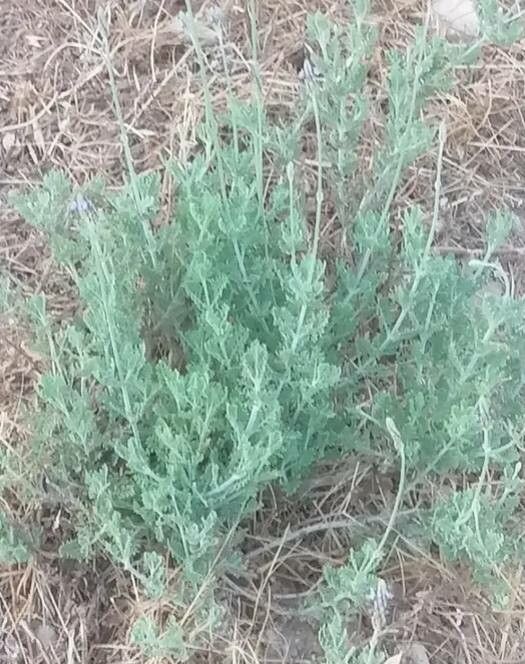
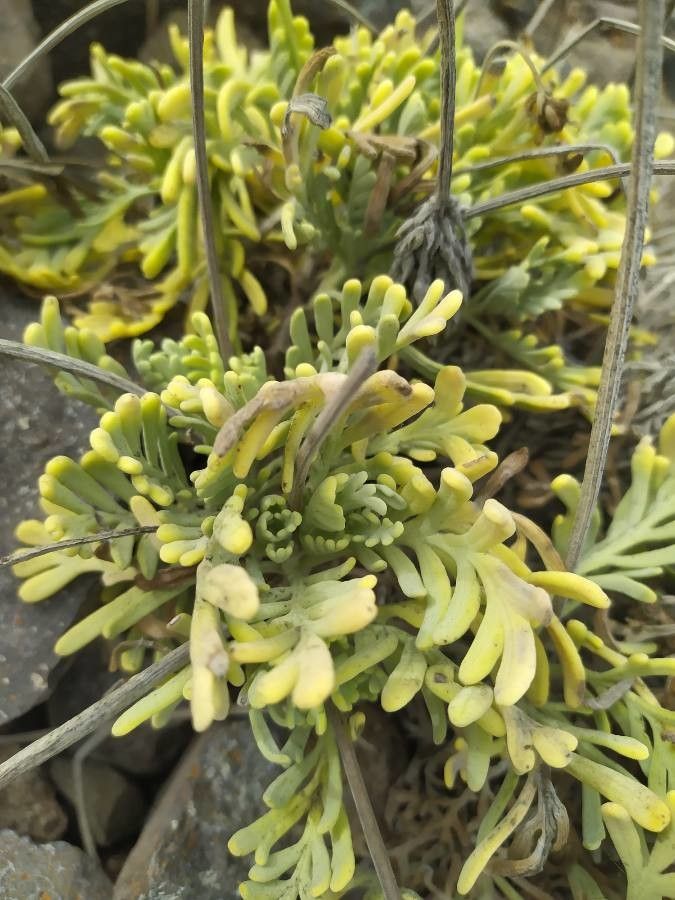
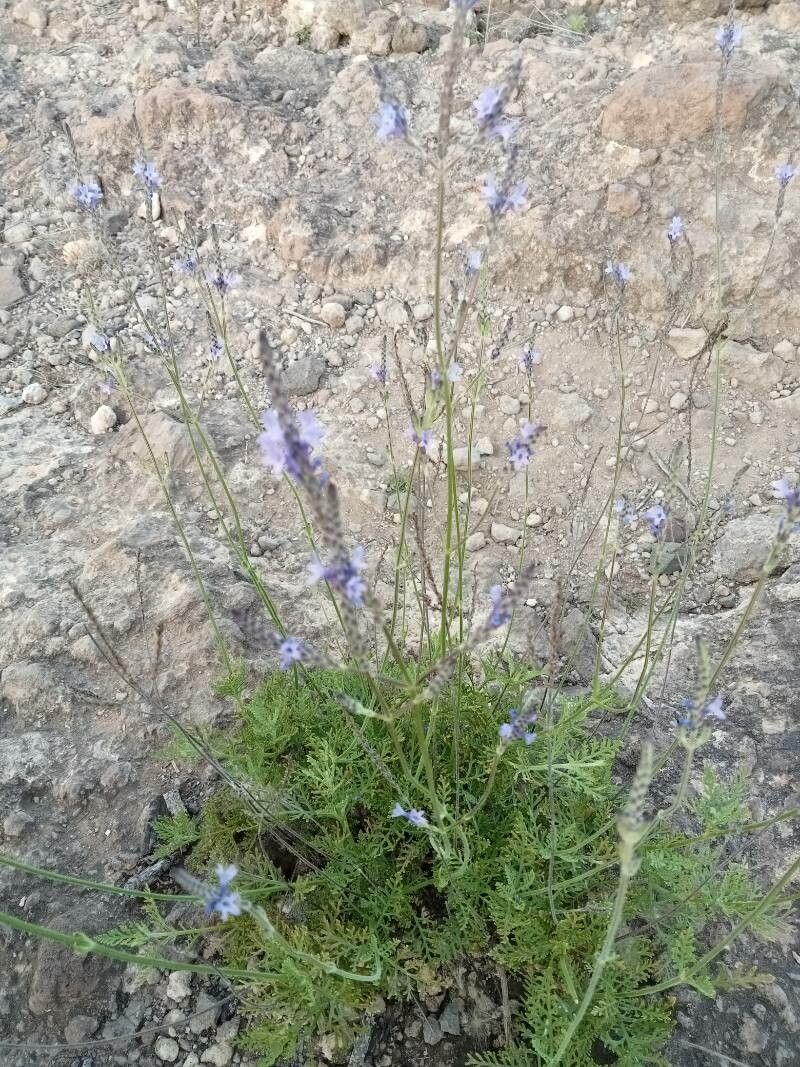
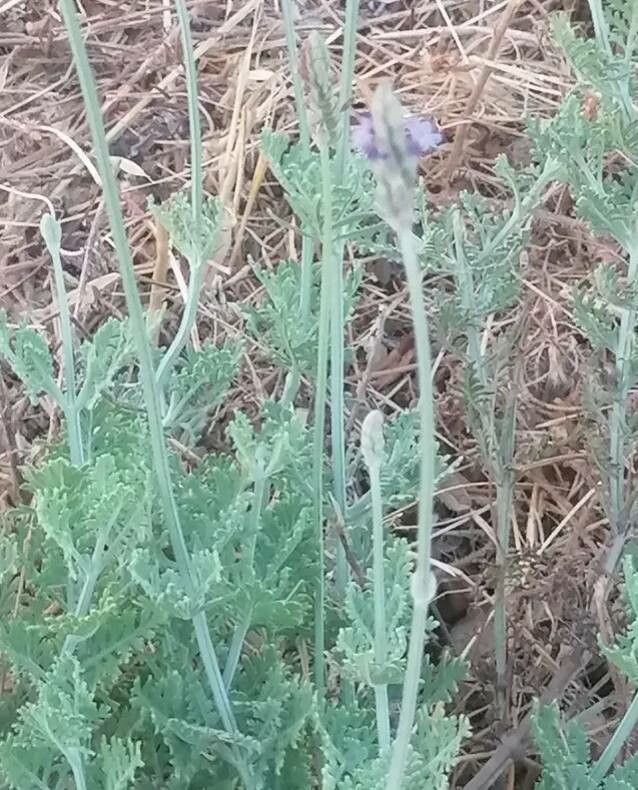
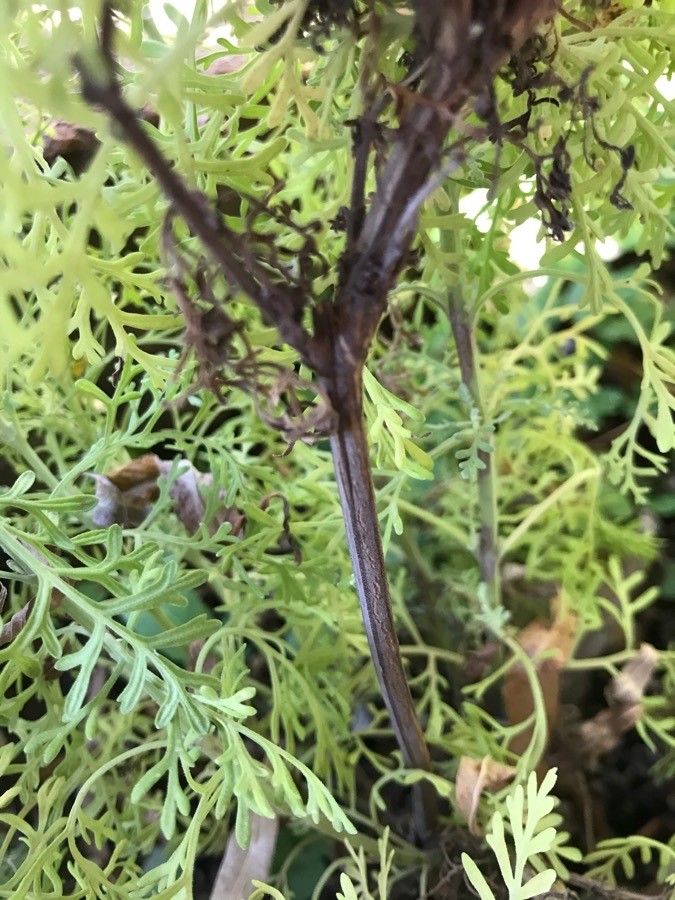
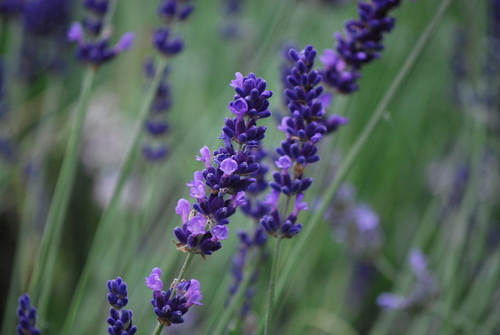
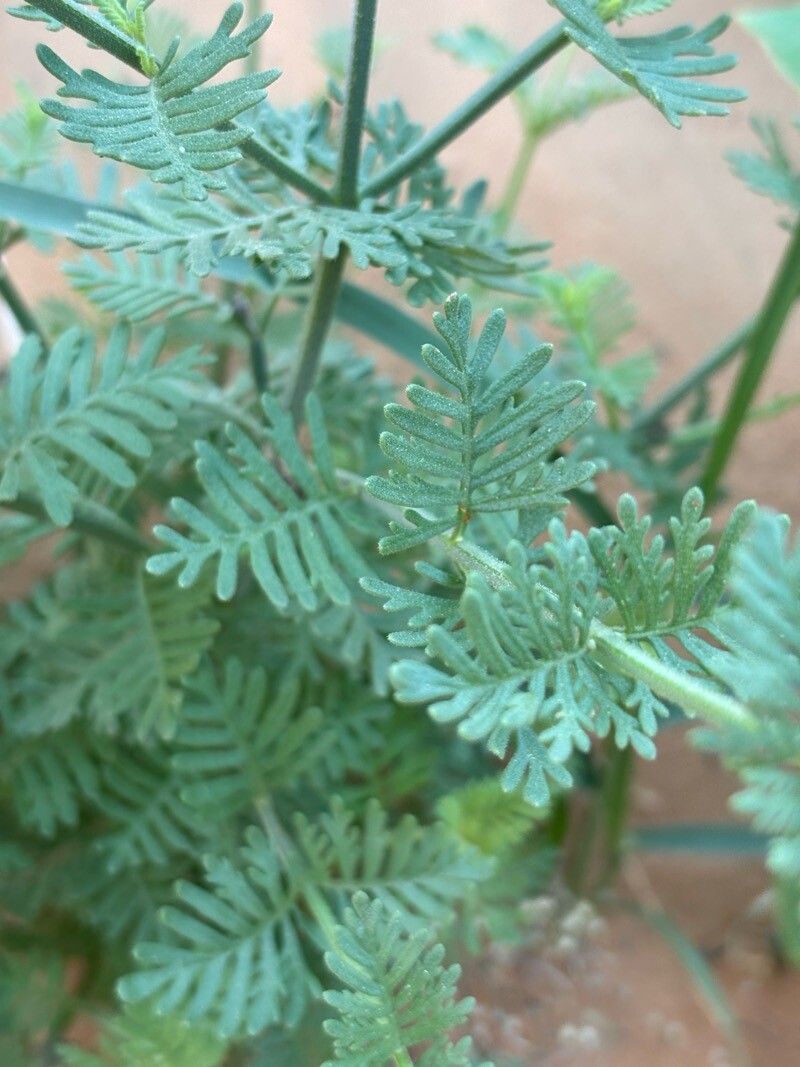
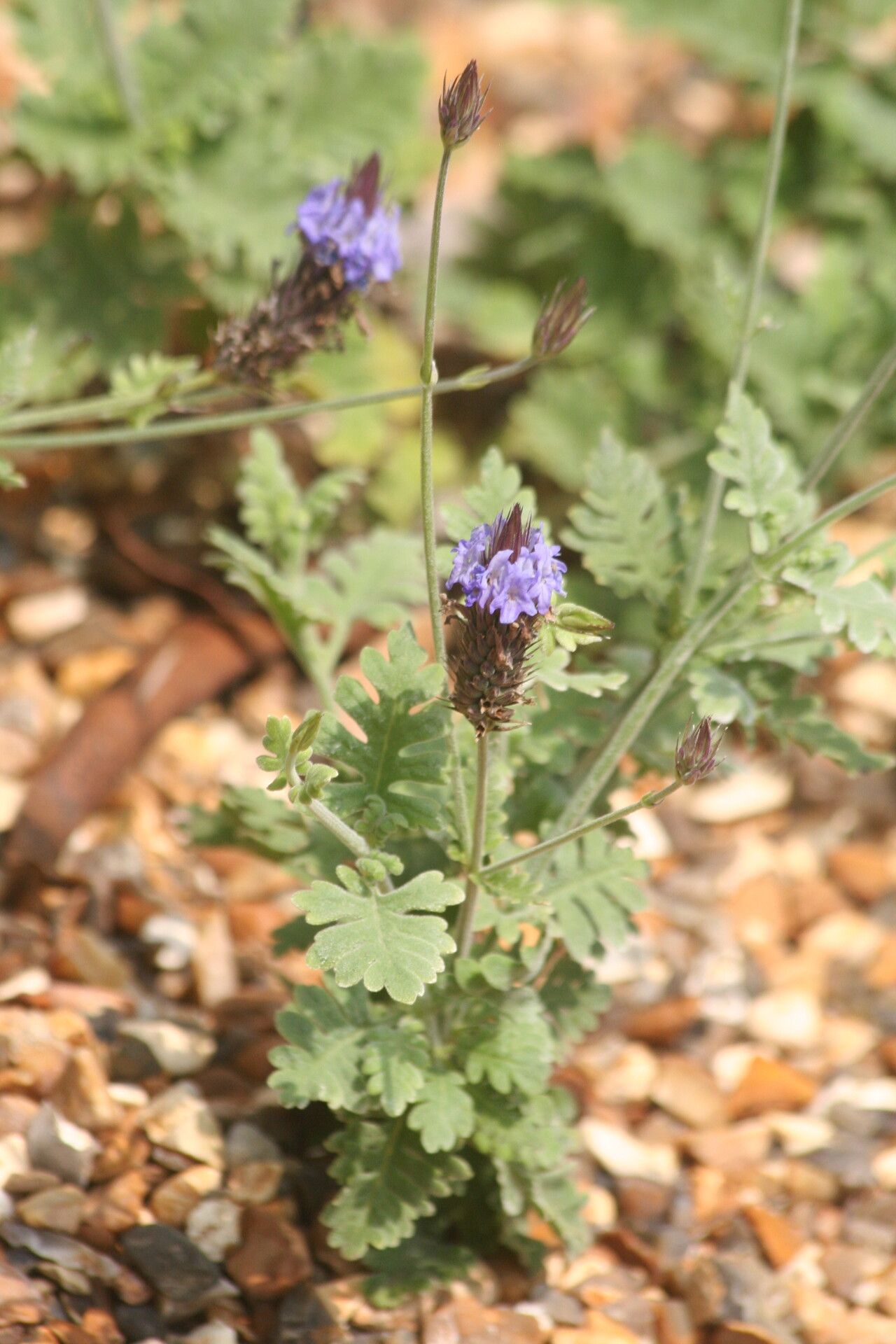
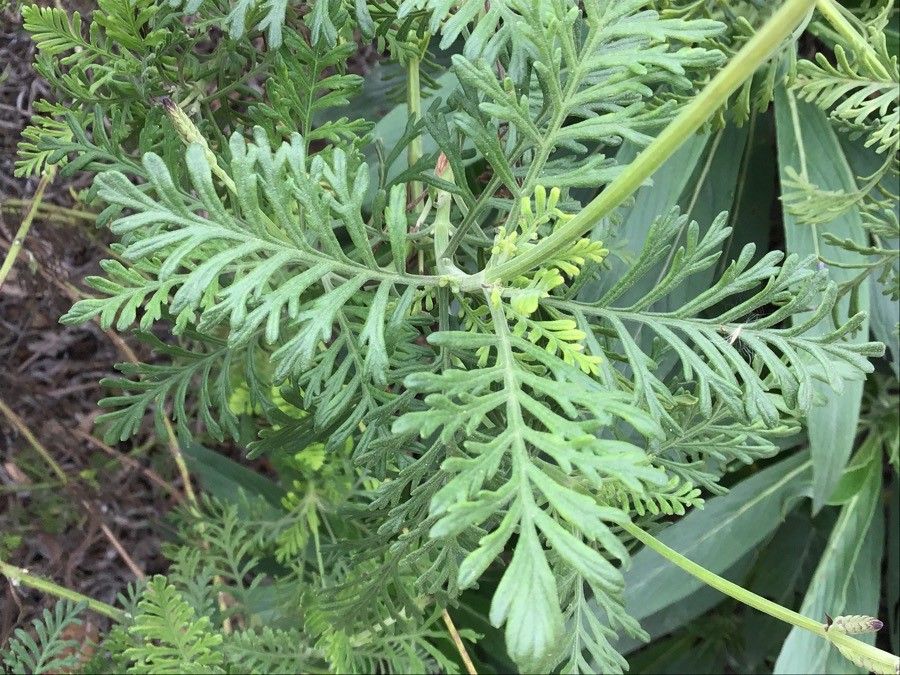
Lavandula pinnata (sometimes called fernleaf lavender) is a species of flowering plant in the mint family, Lamiaceae, native to southern Madeira and the Canary Islands (Lanzarote). It was first described in 1780.
Fernleaf lavender has strong resistance to disease and typically does not suffer from many illnesses. Still, it can be affected by pests and diseases found in its environment. Such infections tend to be mild. Regarding upkeep, this plant needs a moderate amount of care. It should be pruned on a regular basis to preserve its appearance and support healthy growth. Applying fertilizer can also encourage more blooms. Fernleaf lavender is well suited for anyone who has outdoor space, like a garden or patio, and does not demand extensive gardening experience. It may need extra attention if cultivated indoors.
How to keep Lavandula Pinnata.
Light
Fernleaf lavender does best in locations that receive ample sun throughout the day. Its original growing environment is one where sun rays are abundant but the landscape protects it from most harsh conditions. Lack of ample light can inhibit its growth and vitality.
Water
Fernleaf lavender, native to the Canary Islands, thrives in dry and sunny conditions. This drought-tolerant plant prefers well-drained soil and needs minimal watering, usually about once a week. As an evergreen, fernleaf lavender benefits from consistent light and moderate temperatures to maintain its foliage and efficiently manage water usage.
Temperature
Fernleaf lavender is native to temperate regions and is best suited to temperatures of 68 to 100°F (20 to 38 ℃). In winter, it is advisable to shelter it from harsh temperatures to preserve its vitality.
Fertilizer
Proper fertilization is essential for Fernleaf lavender's health and appearance. Fertilize Fernleaf lavender during summer, repeating the application monthly throughout the season. Nutrients support growth and maintain the plant's parts. Fertilizing improves Fernleaf lavender's flower display, ensuring the best blooms.
Pruning
Fernleaf lavender is known for its fern-like foliage and aromatic scent. To keep your plant healthy and well-shaped, strategically prune it from late winter to early spring and lightly after it flowers. Regular pruning not only promotes new growth but also improves air circulation, reduces the risk of disease, and encourages denser foliage. Make sure to use clean, sharp tools for the best results.
Pot & Repot
Repot fernleaf lavender every 2 to 3 years during the spring, using a larger container that provides good drainage. After repotting, place the plant in a spot with bright, indirect light, and water it moderately to help the roots establish. Keep in mind that, due to its Mediterranean origins, fernleaf lavender prefers a drier environment.
Botanical profile.
- Plant Type
- Herb
- Life Cycle
- Perennial
- Genus
- Lavandula
- Family
- Lamiaceae
- Hardiness Zone
- 9-11
- Mature Height
- 91 cm
- Mature Spread
- 91 cm
- Leaf Color
- Gray, Green, Silver
- Leaf Type
- Evergreen
- Flower Color
- Purple, Lavender
- Flower Size
- 1.02 cm to 1.52 cm
- Bloom Time
- All year round
- Planting Time
- Spring
- Harvest Time
- All year round
Other names.
Reader questions.
How should I water my Fernleaf lavender plant?
To properly water the Fernleaf lavender, it is best to use filtered water at room temperature. Tap water may contain harmful particles for this plant, making filtered water the better choice. The water temperature should be room temperature or slightly warmer to avoid shocking the plant's system, considering its warm environment origins. Avoid watering the plant from above, as this can cause problems with the foliage. Instead, apply the filtered room temperature water directly to the soil until it is completely soaked. This will benefit the plant, as it moistens the roots and aids in spreading them through the soil to absorb necessary nutrients.
Why is it necessary to add fertilizer to my Fernleaf lavender?
Fertilizer and soil nutrients are like fuel for your Fernleaf lavender. They help the plant grow and keep its components healthy. Specifically, fertilization is important for the plant's flowers, which are its main attraction. By using fertilization, you can ensure that your Fernleaf lavender produces beautiful blooms.
What are the sunlight requirements for Fernleaf lavender?
Fernleaf lavender needs full sun, which means it requires more than 6 hours of sunlight a day, but it can also thrive in partial sun, getting about 3-6 hours of sunlight. The plant originates from environments where sunlight is abundant, yet the landscape provides some protection against harsh conditions. It's essential to observe the movement of sunlight through your garden to find the best spots offering the right balance of light and shade, ensuring your plants thrive.
What is the ideal temperature range for Fernleaf lavender?
Fernleaf lavender thrives in temperate environments, with an ideal temperature range between 68 to 100°F (20 to 38°C). It's important to maintain this temperature range to ensure the vitality of the plant, especially during winter when shelter from harsh temperatures is recommended.
What should I do if I give my Fernleaf lavender plant too much water or too little water?
Overwatering is a common issue for Fernleaf lavender, causing its stems and leaves to wilt and turn yellow. It can also lead to diseases like root rot, mold, and mildew, which can be fatal for the plant. Underwatering is less common, but it can make the leaves brittle and brown. It's important to recognize the signs of overwatering early and reduce watering immediately. If the soil doesn't drain well, replace it with a loose, well-draining mix. If underwatering is the issue, water more regularly until the signs disappear.
When should I fertilize my Fernleaf lavender plant?
The Fernleaf lavender goes through two main phases each year: dormant and active growth. The dormant phase occurs in winter when minimal new growth happens. The active growth phase happens during spring and fall, and this is when your Fernleaf lavender needs fertilization the most. It is recommended to start fertilizing your Fernleaf lavender in the spring, repeating it once a month throughout spring and most of the summer. As fall approaches, you can gradually reduce the frequency of fertilization.
How do I provide adequate lighting for indoor Fernleaf lavender?
For indoor Fernleaf lavender, especially in scenarios where natural sunlight is scarce, like in winter or less sunny spaces, artificial lighting becomes crucial. You can use LED lights, as they can be optimized to emit specific wavelengths needed by your plants. Full sun plants need 30-50W/sq ft, partial sun plants require 20-30W/sq ft, and full shade plants should get 10-20W/sq ft of artificial light. The light source should be placed 12-36 inches above the plant to mimic natural sunlight, and plants generally need 8-12 hours of light per day.
How should Fernleaf lavender be cared for during winter?
In winter, it's crucial to protect Fernleaf lavender from cold temperatures. The plant should be brought indoors if it was grown outside and placed near a bright window to ensure it gets enough light. However, it should be kept at a certain distance from heaters to avoid damage. The ideal temperature should be kept above 20°C during the winter months, as temperatures approaching 0°C can be detrimental to the plant.
How often do I need to water my Fernleaf lavender plant?
If your Fernleaf lavender plant is in a pot, the most precise way to determine if it needs water is by checking the soil. Stick your finger into the soil and if the top two to three inches are dry, it's time to water. If you have your Fernleaf lavender planted outdoors in the ground, you can use a similar method to test the soil. Again, check the top few inches of soil and if it's dry, it's time to water. Typically, during the spring and early fall, you'll need to water this plant about once a week. However, during extremely hot weather, you may need to increase watering to about twice or more per week. It's worth noting that mature and well-established Fernleaf lavender plants have an impressive ability to tolerate drought.
When is the best time to not add fertilizer to my Fernleaf lavender?
To support the growth of Fernleaf lavender without causing root burn, it is best to provide extra nutrients during the active growth period in spring and summer. However, in fall and winter, when the plant goes into dormancy, fertilization should be stopped.
What are the symptoms of light deficiency in Fernleaf lavender?
When Fernleaf lavender doesn't get enough light, it may show symptoms like producing smaller leaves than those previously matured, leggy or sparse growth, faster leaf drop, delayed growth or a complete halt, and the development of pale or irregularly colored new leaves. Conditions such as chlorosis, sunscald, leaf curling, wilting, and leaf scorching can also occur, indicating the plant is either getting too much or too little light.
What are the symptoms of Fernleaf lavender being exposed to low temperatures?
When exposed to low temperatures, Fernleaf lavender may show symptoms such as leaves lightening in color when the temperature falls below -5°C. Following frost damage, leaves can gradually turn brown or black, and the plant may exhibit signs of wilting and drooping.