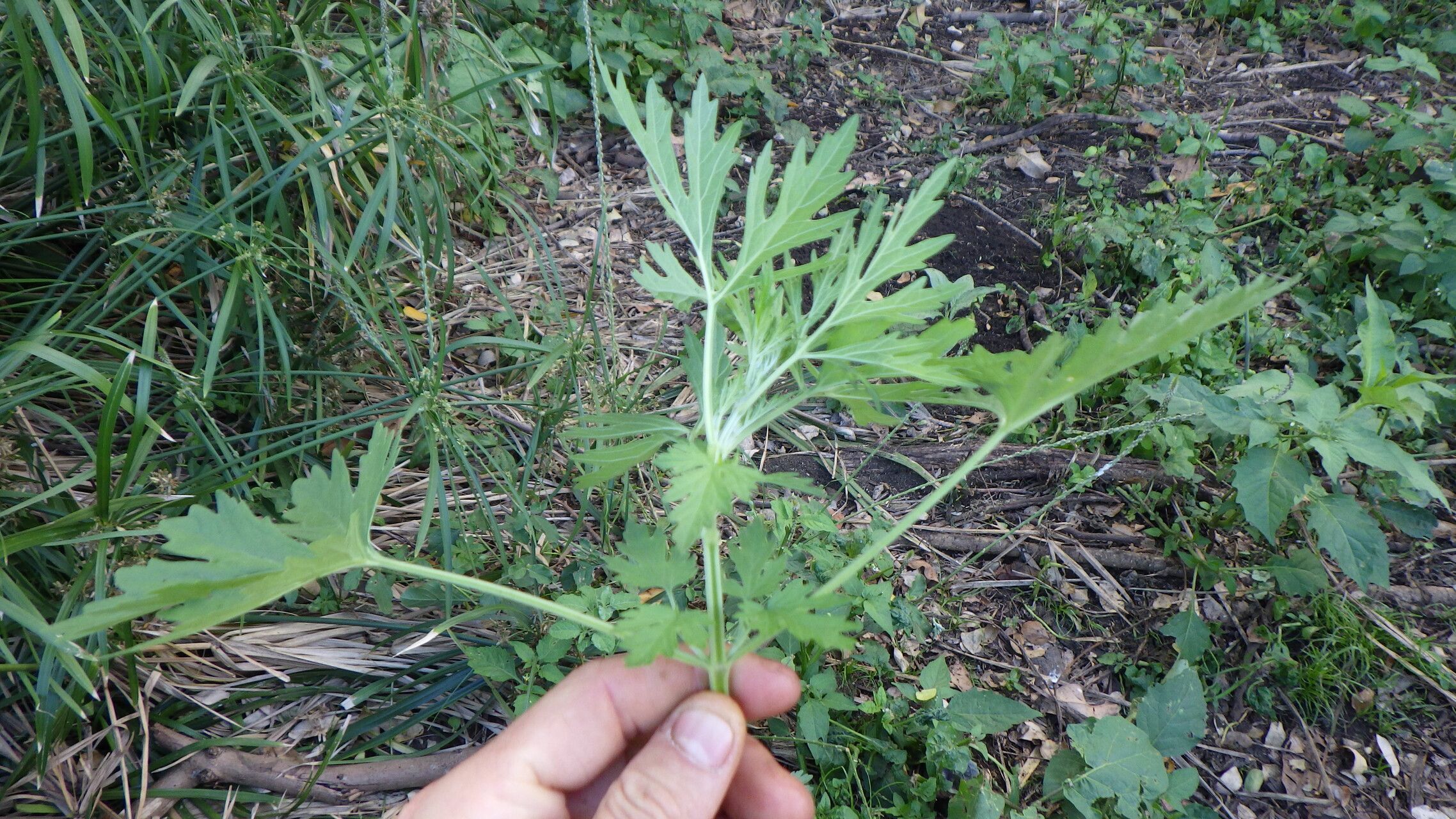
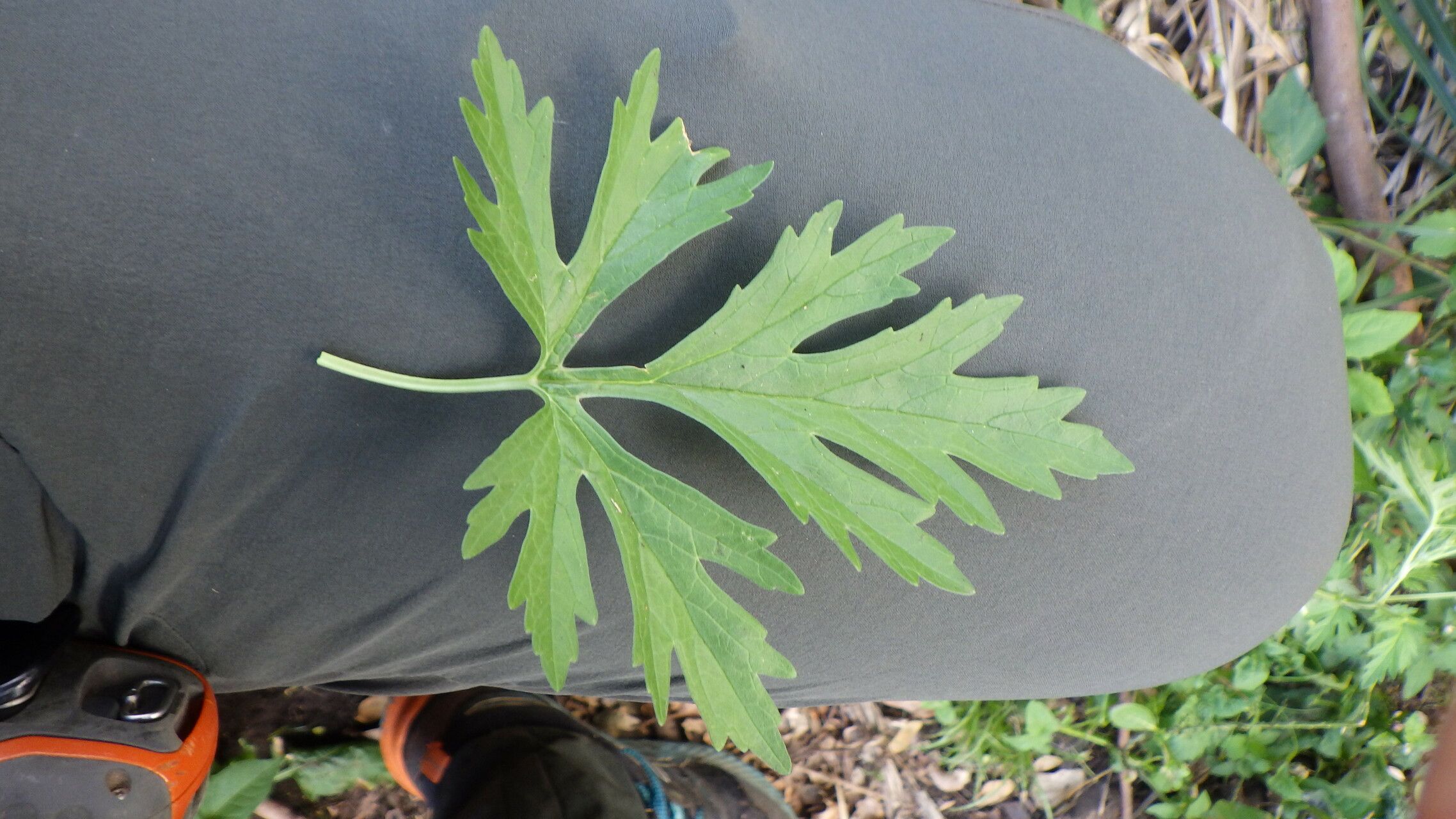
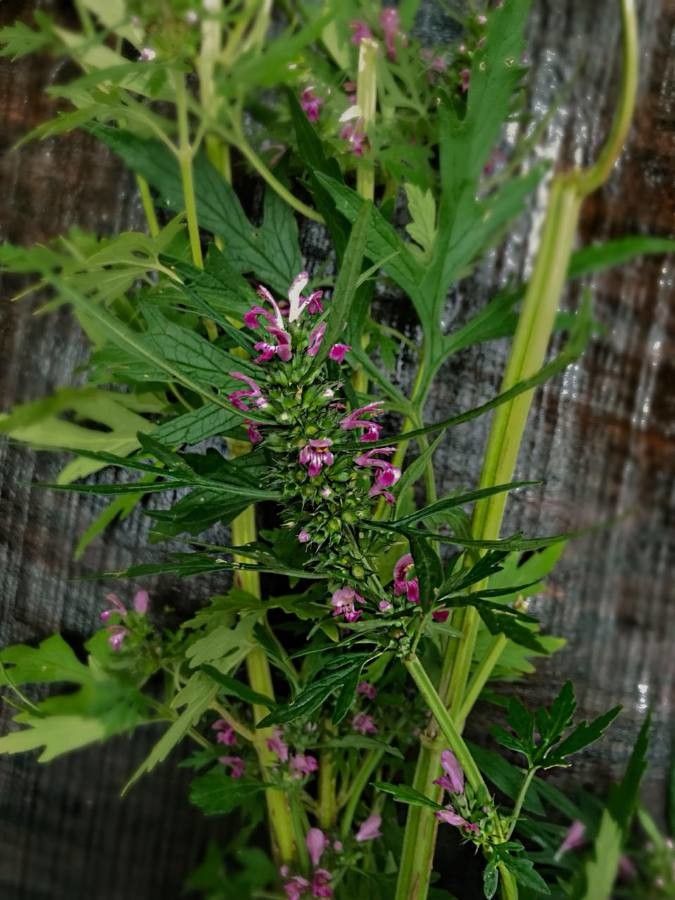
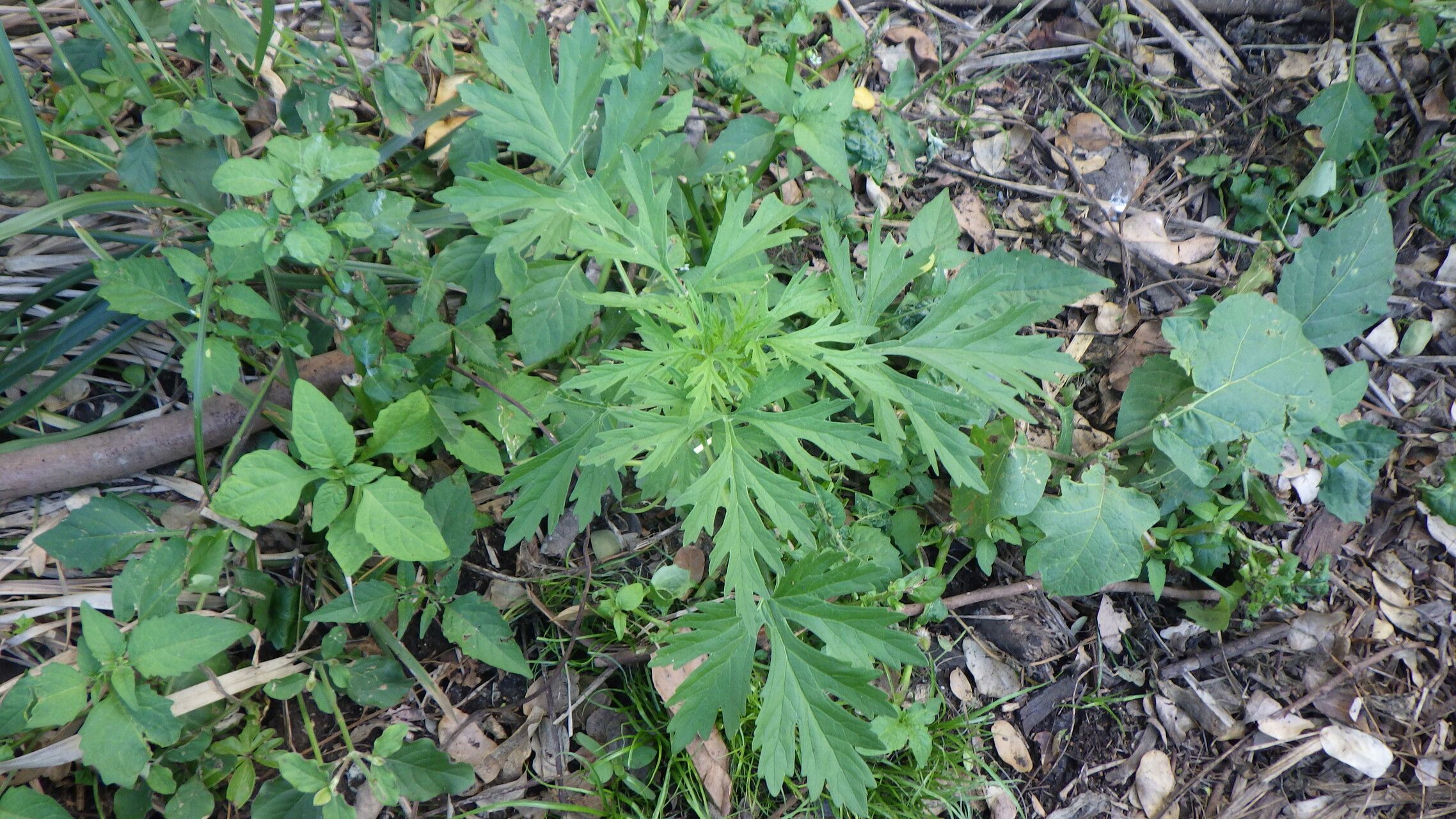
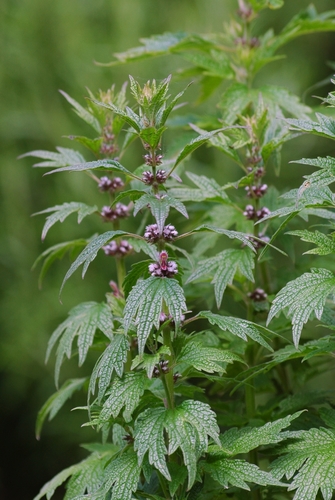
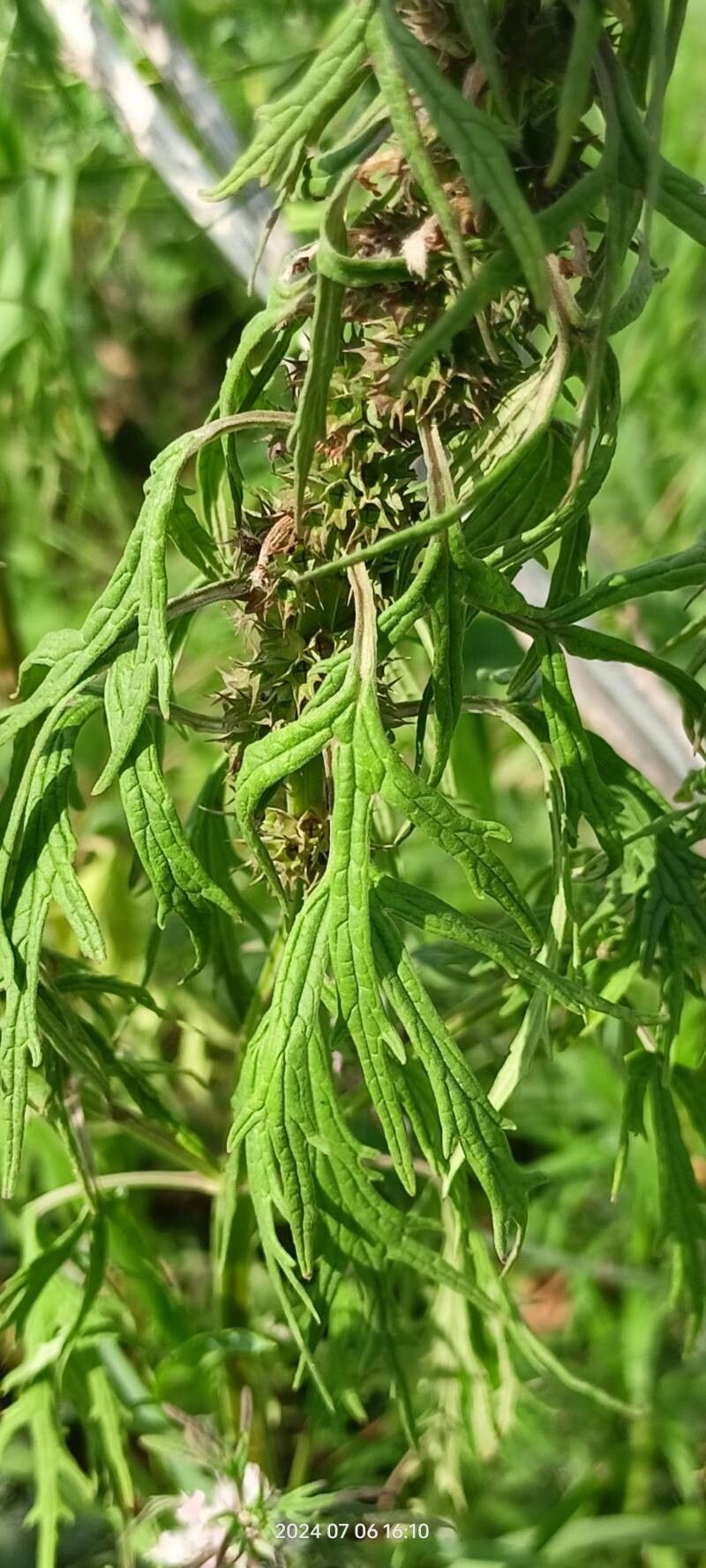
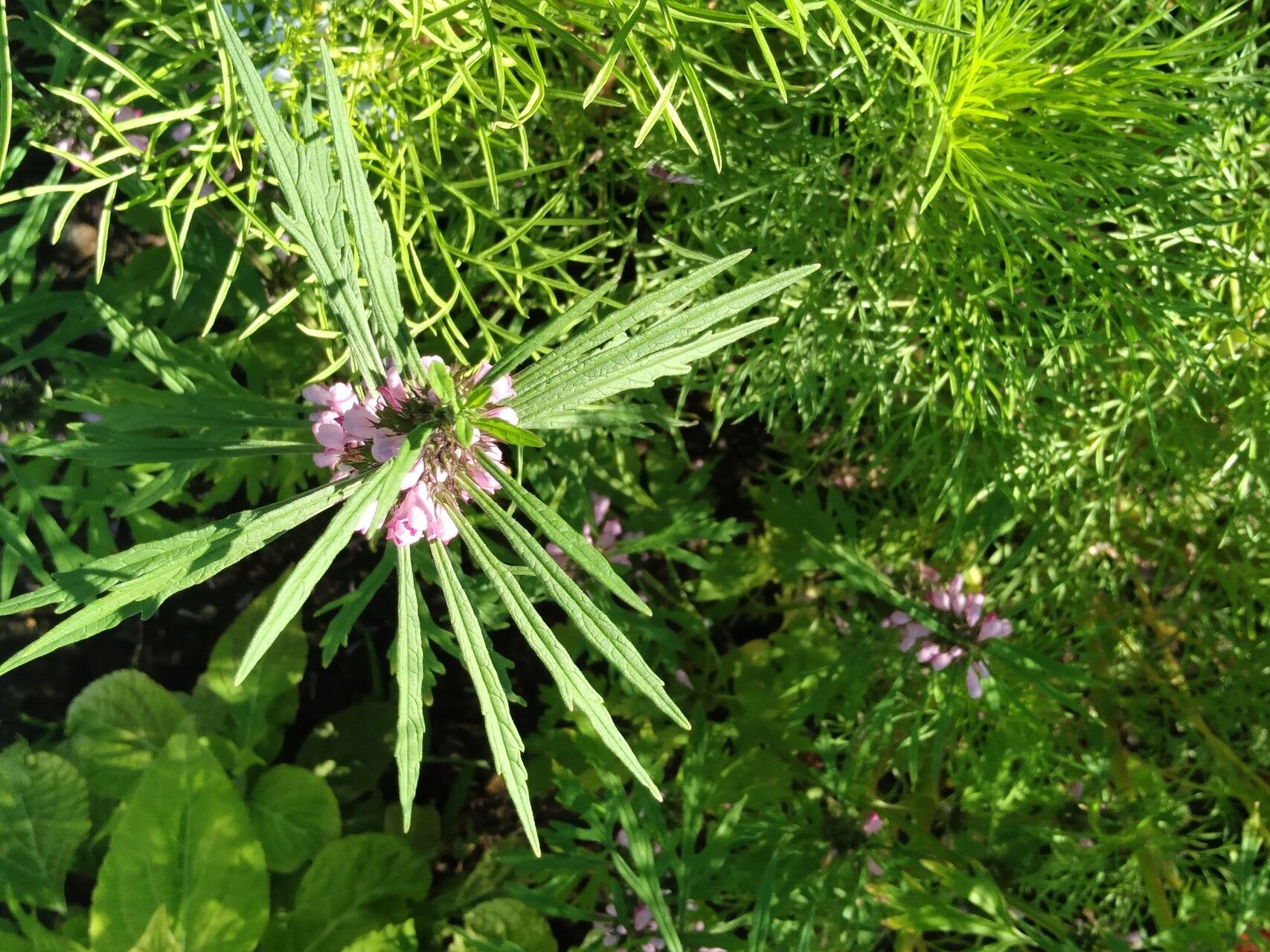
Leonurus japonicus, commonly called oriental motherwort or Chinese motherwort, is a herbaceous flowering plant native to Asia, including Korea and Japan, and China to Cambodia.
Chinese motherwort is fairly disease-resistant and generally not prone to illnesses. However, it can be affected by pests and diseases present in its surroundings. These infections are typically mild. For care, the plant needs moderate maintenance. It should be pruned regularly to maintain a neat appearance and healthy growth. Fertilizing can also help encourage flowering. Chinese motherwort is suitable for people with outdoor spaces, such as a garden or patio, and does not require extensive care experience. It may need more attention if grown indoors.
How to keep Leonurus Japonicus.
Light
Chinese motherwort needs ample light to grow properly. It can tolerate shadier locations, but its vigor usually declines. Native to sunny habitats, the plant may become weak or even wilt if it doesn't receive enough light. On the other hand, excessive sun can scorch the leaves. Its light requirement remains largely the same at all stages of growth.
Water
Chinese motherwort thrives in environments with consistent soil moisture and moderate rainfall. To meet its natural hydration needs, regular weekly watering is ideal, particularly during the active growing season. This practice helps maintain its lush foliage and medicinal properties without causing the soil to become waterlogged.
Temperature
Chinese motherwort does well in a temperate climate, favoring a wide range of temperatures. It thrives mainly at 68 to 95 °F (20 to 35 °C) and has adapted to tolerate variable weather. Adjust temperatures by season to mimic these native conditions as closely as possible.
Fertilizer
Chinese motherwort requires regular fertilization to encourage flowering but does not tolerate excessive amounts. It needs light, frequent applications of fertilizer throughout its entire life cycle, especially during the peak period of active growth and while it is flowering. Continue feeding your Chinese motherwort until it stops blooming.
Pruning
Chinese motherwort is a hardy plant with lobed leaves. To promote robust growth, prune it in early to late spring. Begin by removing dead stems and shaping the plant to improve airflow. Regular pruning not only enhances its medicinal qualities but also prevents the plant from becoming too leggy. Always use clean, sharp tools to maintain the plant's health and vitality, ensuring it looks good and functions well.
Botanical profile.
- Plant Type
- Herb
- Life Cycle
- Biennial, Annual, Perennial
- Genus
- Leonurus
- Family
- Lamiaceae
- Hardiness Zone
- 9
- Mature Height
- 0.49 m to 1.52 m
- Mature Spread
- 61 cm
- Leaf Color
- Green, Blue
- Leaf Type
- Semi-evergreen
- Flower Color
- Pink
- Flower Size
- 2.03 cm to 2.54 cm
- Bloom Time
- Early summer, Mid summer
- Planting Time
- Summer
- Harvest Time
- Mid summer
- Native Area
- Nepal, India, Malaysia, Philippines, Bangladesh, Laos, China, Russia, Indonesia, Cambodia, Vietnam, Myanmar, Japan, Koppen, Singapore, South Korea, Thailand
Other names.
Reader questions.
How should I water my Chinese motherwort plant?
To properly water the Chinese motherwort, it is recommended to use filtered water at room temperature or slightly warmer. This is because tap water may contain harmful particles that can affect the plant's health. The Chinese motherwort prefers a warm environment, so cold water should be avoided to prevent any stress. It is also advised to not water the plant from overhead as it can lead to issues with the foliage. Instead, apply your filtered room temperature water directly to the soil until it is completely soaked. This method helps to moisturize the roots and facilitate their spread through the soil, ensuring they can absorb the necessary nutrients.
Do Chinese motherwort need different amounts of sunlight as it grows?
Chinese motherwort plants require more light while they are growing compared to when they are fully mature. It is important to provide sufficient lighting for younger plants, but sudden exposure to full sunlight, especially if they were initially grown in a nursery, can be overwhelming. Younger plants may be more sensitive to intense summer sunlight, so it is recommended to gradually and slowly adjust their lighting conditions.
What temperature is best for Chinese motherwort?
Plants can be affected by colder temperatures, as their temperature matches the air around them. When plants are exposed to sunlight, they can warm up, but this doesn't happen in winter. The optimal temperature range for Chinese motherwort is typically between 70~85℉ (21~30℃). They might endure temperatures as low as 20~30℉ (-6~0℃) or even 15℉ (-10℃), but only for a short time as frost damage can occur. It's important to maintain maximum temperatures in the range of 70~85℉ (21~30℃). Additionally, be sure to occasionally spray the plants with water and provide some shade to prevent wilting.
What should I do if I give my Chinese motherwort plant too much or too little water?
Overwatering is a more common issue for Chinese motherwort and can have detrimental effects on its health. When this plant gets too much water, its stems and leaves may wilt and turn yellow. Overwatering for a long time can also cause diseases like root rot, mold, and mildew, which can be fatal. Underwatering is less common but still possible, resulting in brittle and brown leaves. It's important to recognize signs of overwatering early and take action. Some diseases caused by overwatering, like root rot, may not be fixable if left unaddressed. If you see early signs of overwatering, reduce watering immediately and check the soil's drainage. If the soil drains poorly, replace it with a loose, well-draining potting mix. Conversely, if signs of underwatering are present, simply increase watering until the symptoms improve.
How many hours of sunlight should Chinese motherwort receive each day to grow well?
To ensure the well-being of the plants, they should be exposed to sunlight for a minimum of 6 to 8 hours each day. Ideally, they should receive more sunlight in the morning, particularly during the summer. The Chinese motherwort, in particular, thrives in full sun and benefits from ample sunlight. Increased light exposure allows these plants to produce more food, develop attractive blooms, and thrive in their environment.
Do I need to change the temperature for Chinese motherwort as it grows?
Before growing Chinese motherwort, it is important to research and ensure that the temperature conditions are appropriate. Some growers may opt to decrease the plants' thermostats during the growing season to save on HVAC costs. However, it is crucial to understand that temperature can have significant impacts on flowering, pest control, and overall plant quality. It is worth noting that there is a temperature threshold at which Chinese motherwort growth will stop, often occurring during the winter months when certain species may enter a dormant state. As the seasons change, the optimal temperature for Chinese motherwort becomes warmer, promoting faster growth. Species native to warmer climates typically have higher optimal temperatures compared to those adapted to cooler environments. Exposing Chinese motherwort seeds to colder temperatures can result in reduced uniformity and delays in growth. During flowering, it may be beneficial to lower the temperature, but not during other stages of growth. Cooler temperatures at night will also necessitate less water, so adjust irrigation accordingly.
How often do I need to water my Chinese motherwort plant?
If your Chinese motherwort plant is in a pot, the easiest way to check if it needs water is by sticking your finger into the soil. If the top two to three inches are dry, it's time to water it. If your Chinese motherwort is planted outdoors, you can use the same method. When the top few inches of soil are dry, it's time to water. In the spring and early fall, you'll likely need to water once a week. In very hot weather, you might need to water twice a week or more. However, mature Chinese motherwort plants are great at surviving drought.
What kind of sunlight does Chinese motherwort require?
The Chinese motherwort needs full sunlight to grow best. To evenly expose them to the sun, avoid crowding the plants together. It's important to provide the leaves with enough sunlight, so avoid starving them. When planting in pots, place the herbaceous flowers in windows that receive direct sun and make sure they get full sunlight all year round. Avoid placing them in areas with partial or filtered light, as this won't result in strong stems and healthy flowers. The Chinese motherwort thrives when always exposed to the sun.
How can I keep Chinese motherwort warm when it's cold outside?
To help the Chinese motherwort plant withstand colder temperatures, cease fertilization to prevent new growth and allow the existing foliage to toughen up. To provide additional warmth, consider creating protective structures such as cages or trellises around the plant. Another option is to use heat mats, which can gently warm the soil and maintain an optimal temperature range for the Chinese motherwort.
How much water does my Chinese motherwort plant require?
To properly water your Chinese motherwort, don't be afraid to give it a good amount of water. When the top two to three inches of the soil are dry, it's time for a thorough watering. Make sure to completely saturate the soil with water. You'll know you've added enough water when you see excess water draining out from the bottom of the pot. If there's no excess water draining, it means you haven't watered enough. However, be careful not to let the water accumulate in the soil as it can harm the plant. On the other hand, if you notice that water is not draining properly through the pot, it could indicate that the soil doesn't drain well, which is not good for the plant's health. If the plant is outdoors, about 1 inch of rainfall per week should be sufficient.
Can the sun harm plants? How can we protect Chinese motherwort from damage caused by sun and heat?
When the temperature goes above 90℉(32℃), it can damage the Chinese motherwort, especially if it gets a lot of sun exposure for many hours. It's best to provide some shade in the afternoon during the summer. Keep in mind that the sun is stronger and shines for 50% longer in the summer compared to the winter. If the Chinese motherwort is stressed from too much sunlight, make sure to properly water them and consider bringing them indoors if it's too hot outside, especially if they are planted in containers. It's normal for the leaves to wilt during the day and recover at night, but if they continue to droop, it means the plant is losing water quickly and needs to be watered.
How can I protect Chinese motherwort from being damaged by temperature?
To protect the Chinese motherwort from frost during winter, cover it with cloths, tarps, burlaps, sheets, or plastic buckets. Keep these coverings firmly secured to act as insulators and prevent them from being blown away by the wind. Be careful not to let the plastic sheets or burlap covers come into contact with any part of the fruit or foliage, as this could transfer the cold temperatures and cause burns. Remember to remove the covers during the day when the temperatures start to rise.