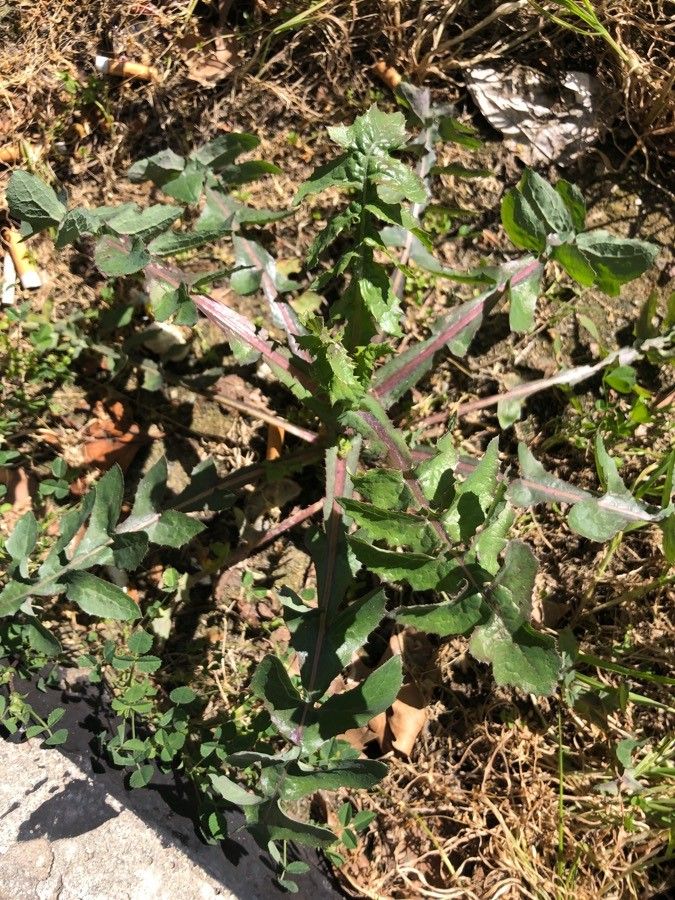
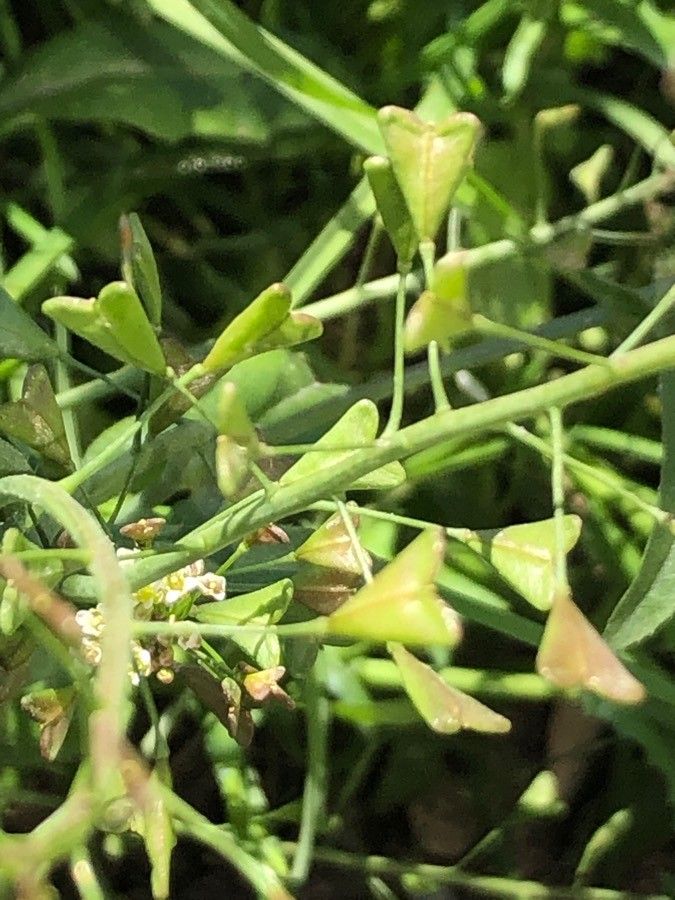
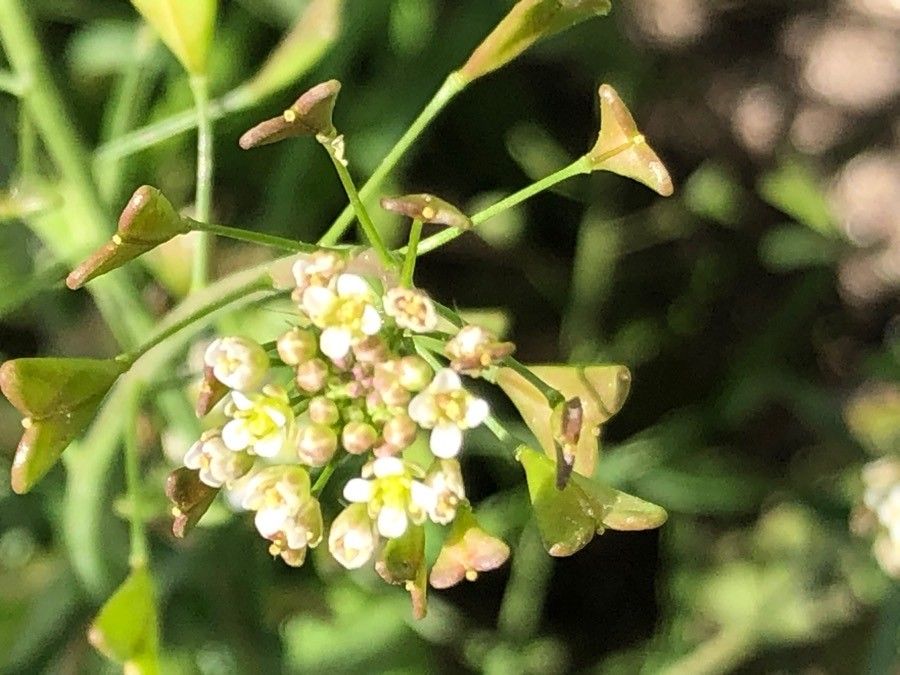
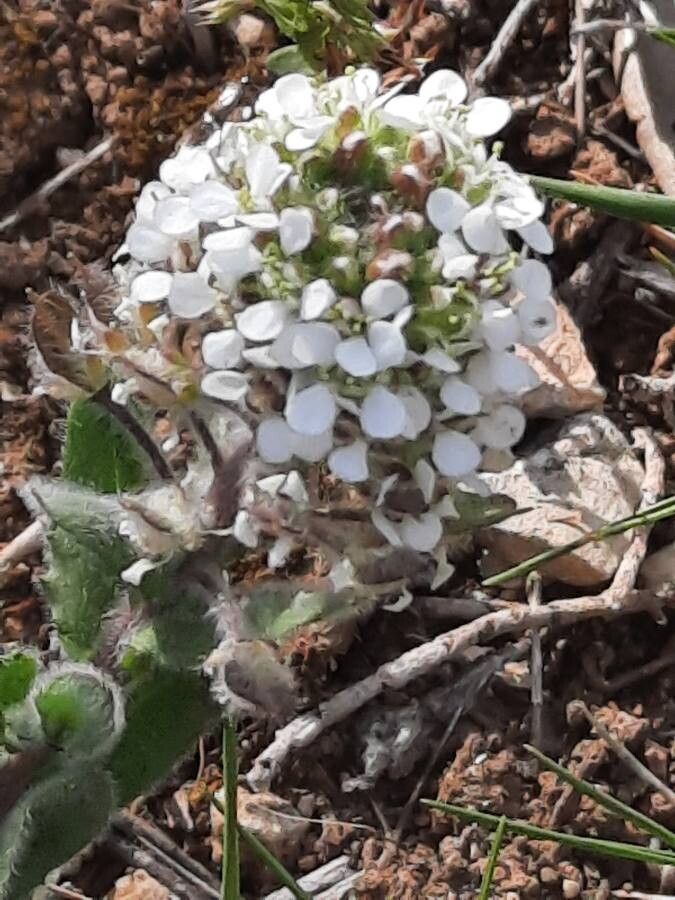
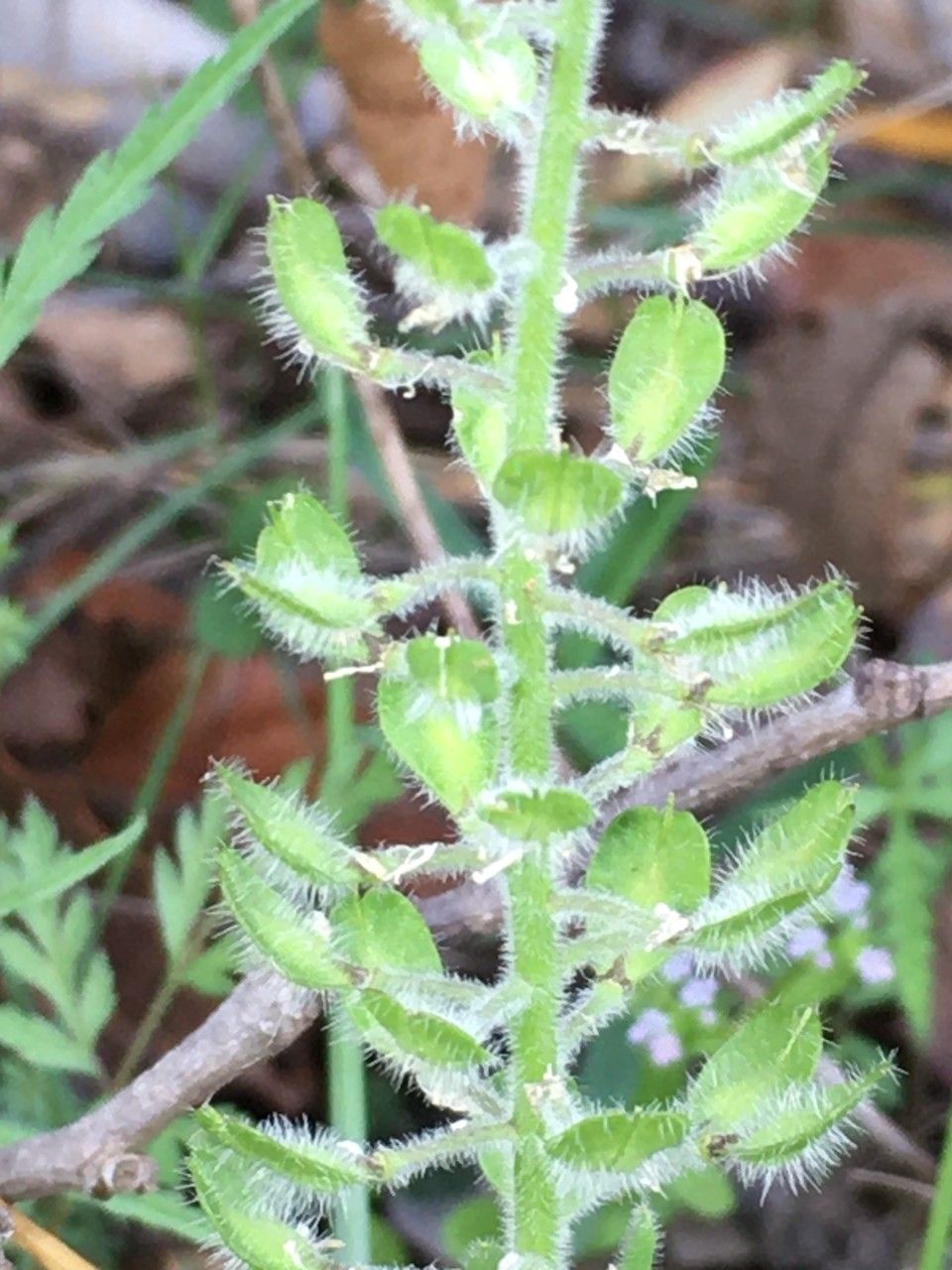
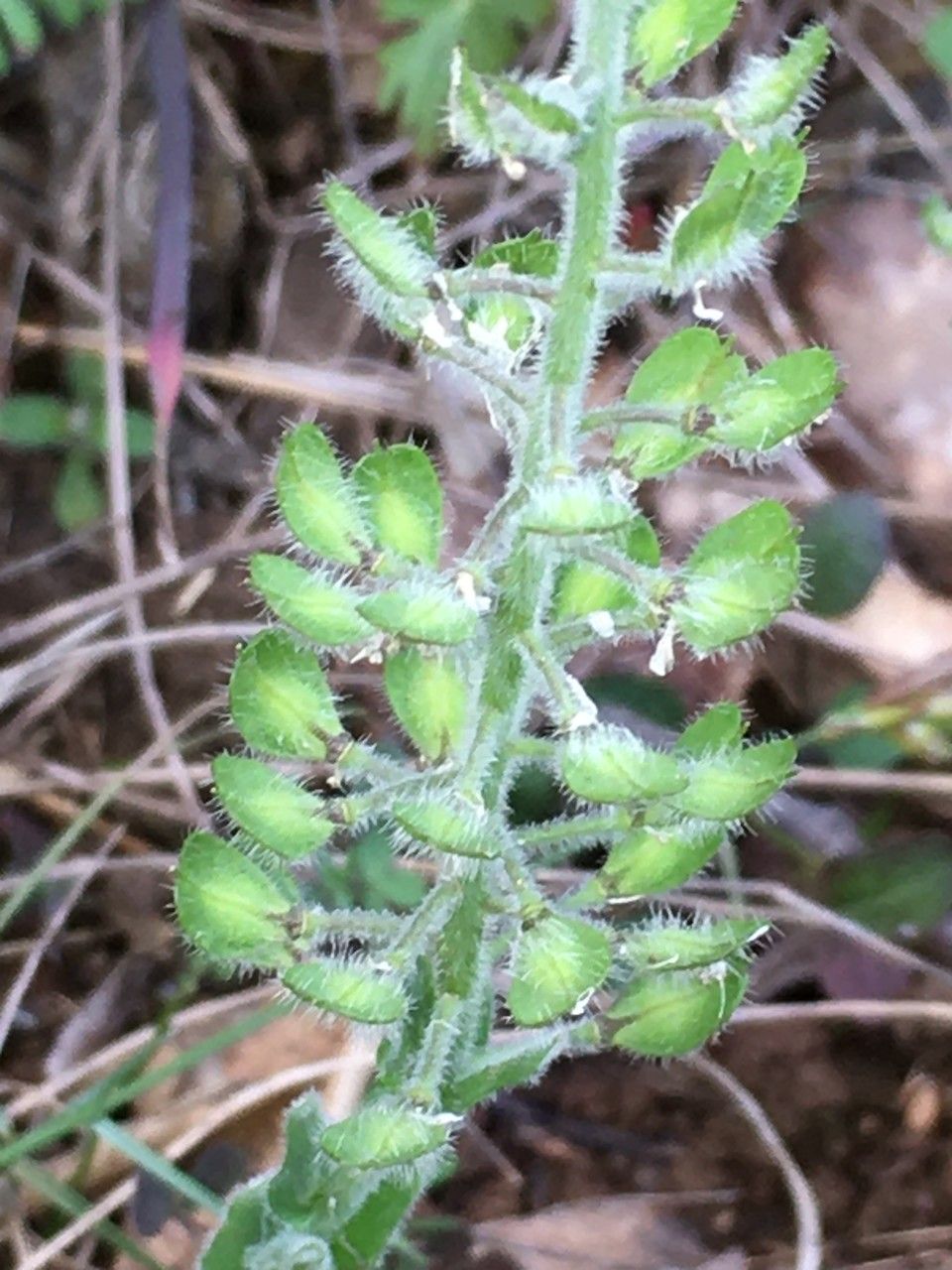
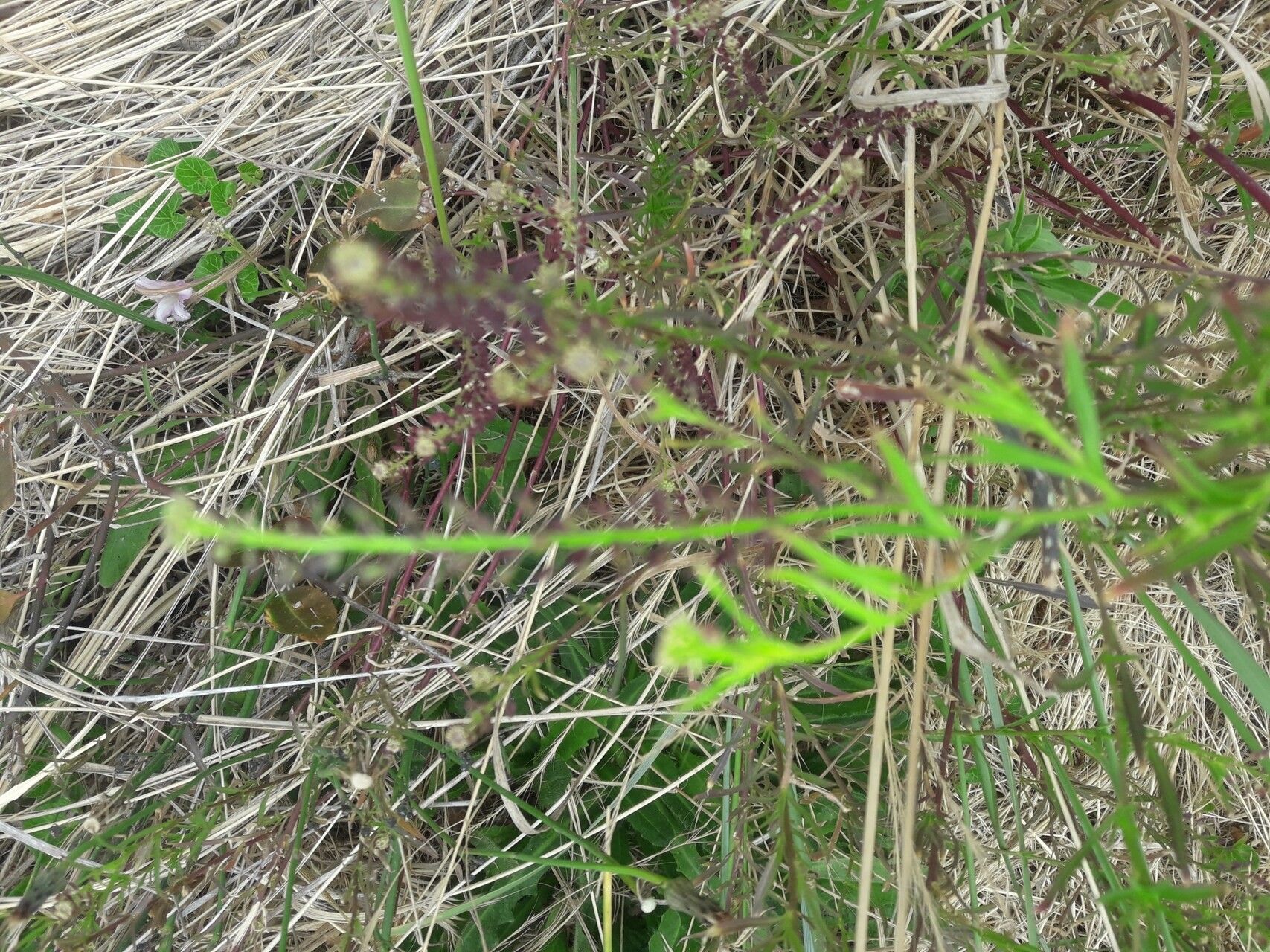
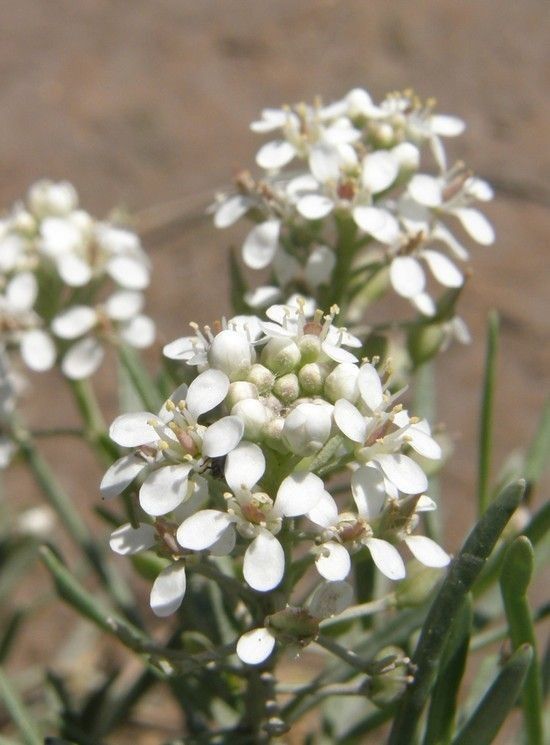
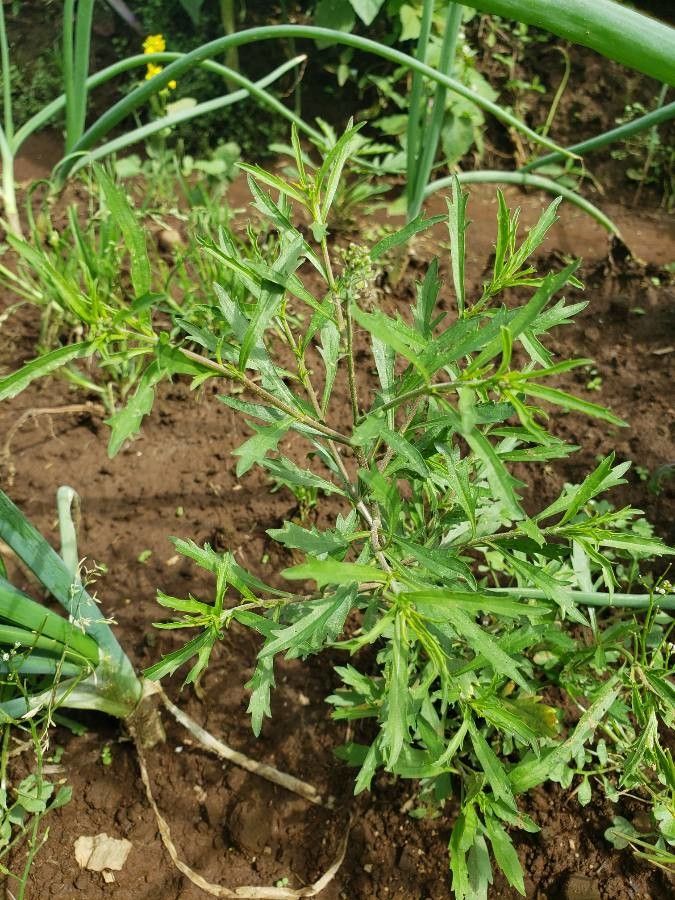
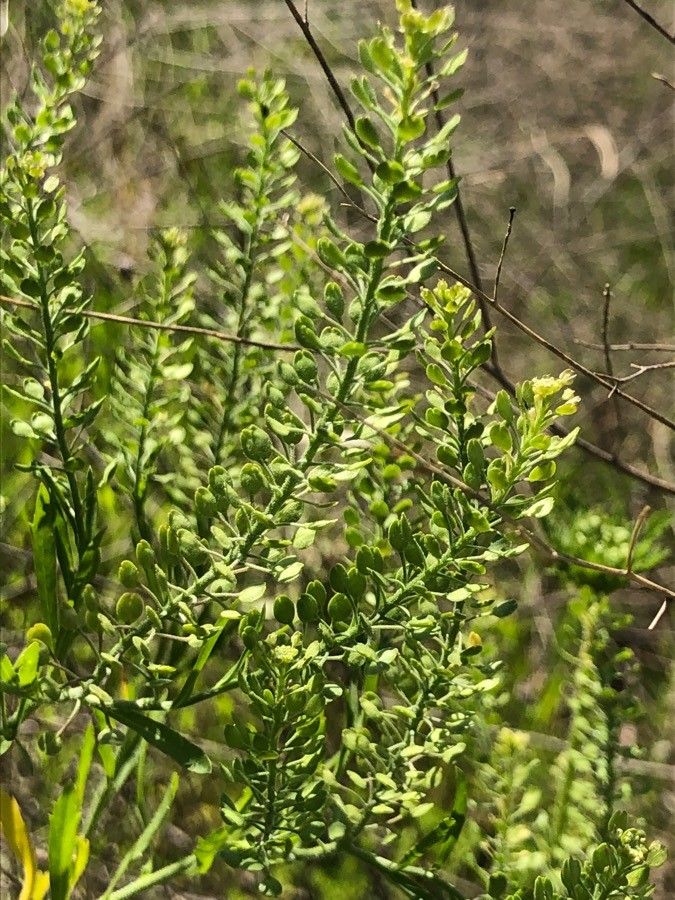
Lepidium hirtum, commonly known as Hairy Pepperweed, is a flowering plant belonging to the Brassicaceae family. Native to North America, it thrives in various habitats such as grasslands, meadows, and disturbed areas. The plant can grow up to 60 cm tall and features hairy stems with small white flowers that bloom from May to September.
The leaves of Lepidium hirtum are deeply lobed with toothed edges and are alternately arranged on the stem. The plant produces small fruits containing tiny seeds that are dispersed by wind or animals.
Hairy Pepperweed has been traditionally used for medicinal purposes by Native Americans to treat ailments such as coughs, colds, fever, and digestive problems. Additionally, its leaves can be used in salads or cooked like spinach, making it a versatile ingredient in the kitchen.
Despite its benefits for humans and wildlife, Lepidium hirtum is considered an invasive species in some areas. It can outcompete native plants due to its rapid growth under various environmental conditions.
In summary, Lepidium hirtum is a fascinating plant with medicinal properties and culinary uses. However, it requires careful management when introduced into new environments to prevent it from becoming invasive.
Mediterranean pepperweed shows strong resistance to disease and generally does not suffer from many illnesses. Still, it can be affected by pests and diseases present in its environment, though such infections tend to be mild. Regarding care, the plant needs moderate maintenance. It should be pruned regularly to keep a tidy appearance and support healthy growth. Applying fertilizer can also encourage flowering. This plant is appropriate for anyone with outdoor space, like a garden or patio, and does not require extensive gardening experience. It can demand more attention if grown indoors.
How to keep Lepidium Hirtum.
Temperature
Mediterranean pepperweed can tolerate a wide range of temperatures, although its distribution may still be restricted by specific combinations of water and heat. It does best in warm summer conditions with adequate rainfall or irrigation. Extended periods of cloudy, rainy weather or prolonged high temperatures increase the plant's risk of dying. In winter, protecting it from cold can boost its chances of survival.
Fertilizer
Usually a single fertilizer application in spring suffices for Mediterranean pepperweed, though repeated feedings can enhance growth. Apply fertilizer every month to six weeks. Fertilization improves leaf appearance and function, helping maintain uniform color and a healthy texture. It also encourages root development and nutrient uptake for the plant's long-term health.
Botanical profile.
- Plant Type
- Herb
- Life Cycle
- Perennial
- Genus
- Lepidium
- Family
- Brassicaceae
- Hardiness Zone
- 6-9
- Leaf Type
- Semi-evergreen
Other names.