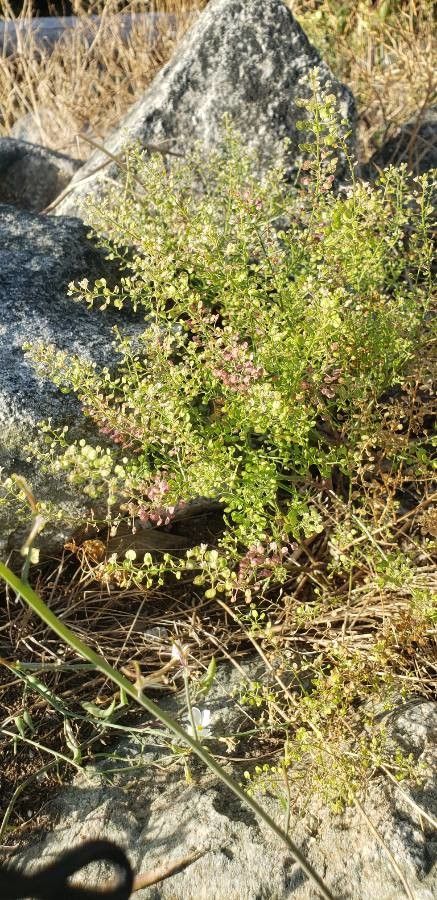
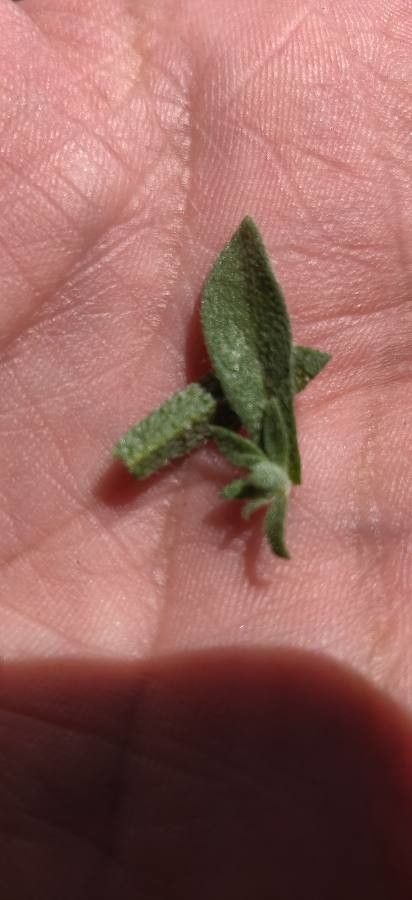
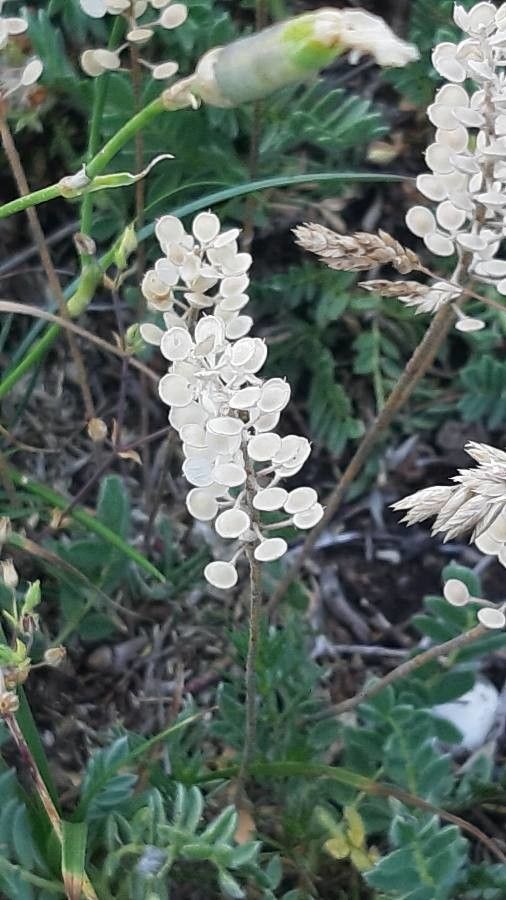
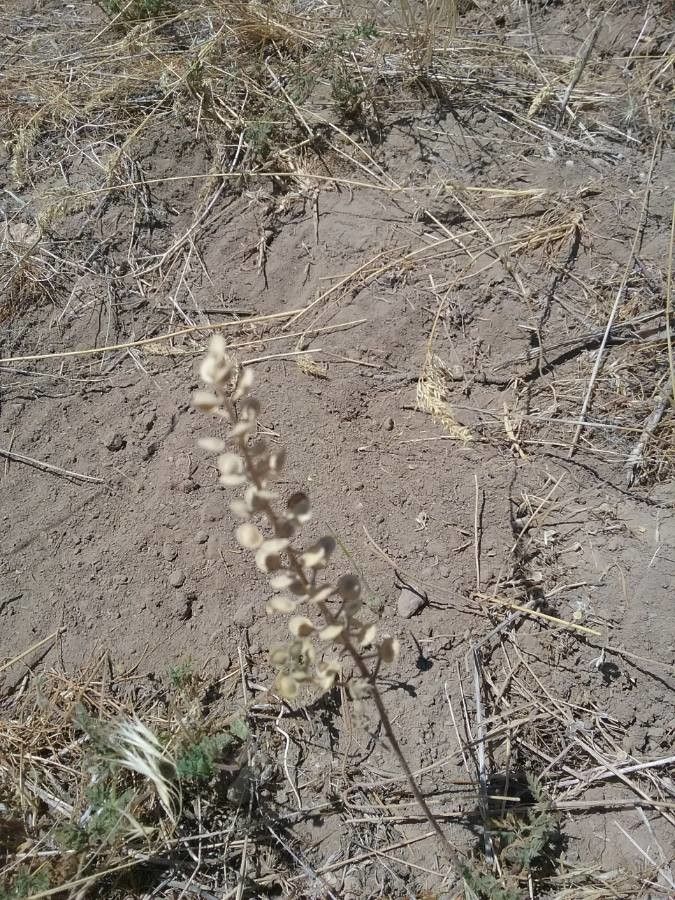
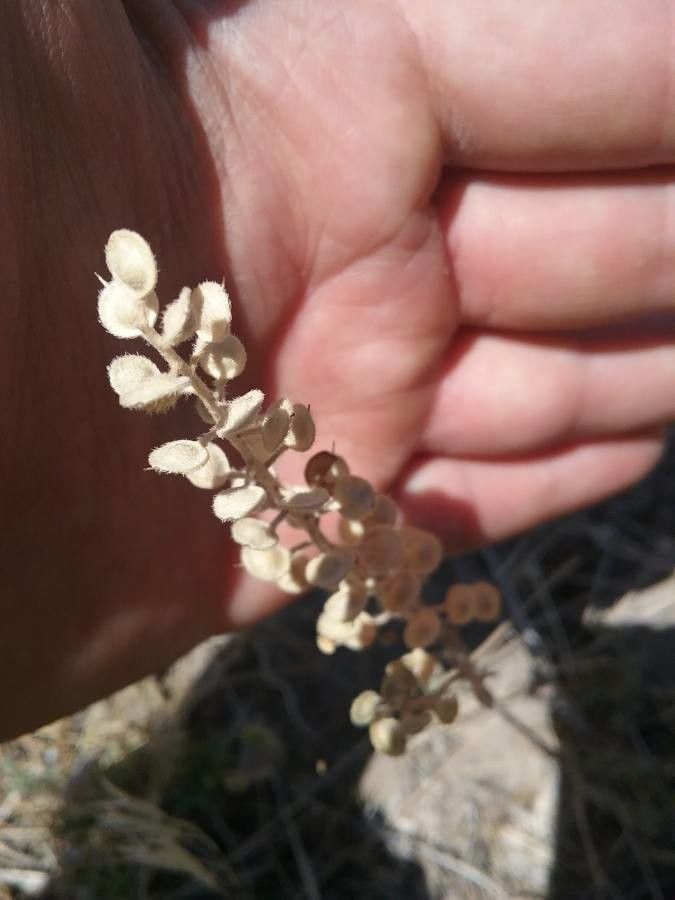
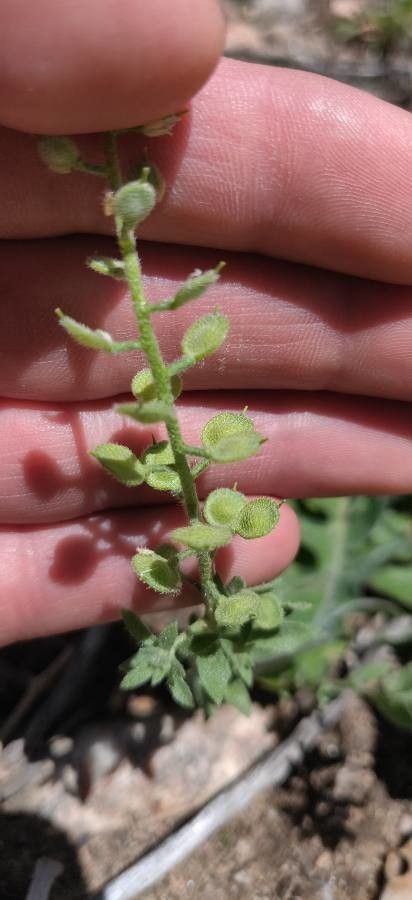
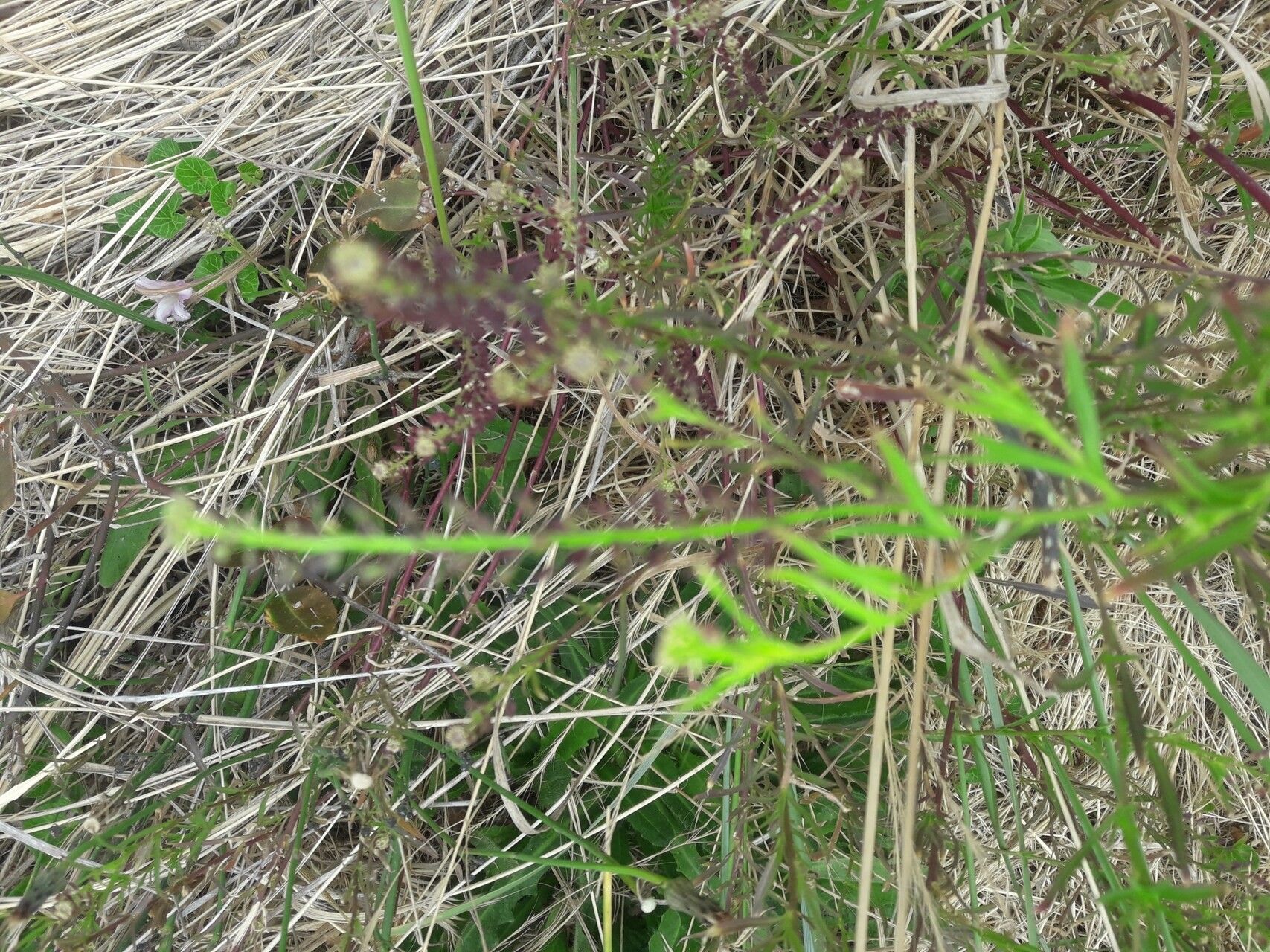
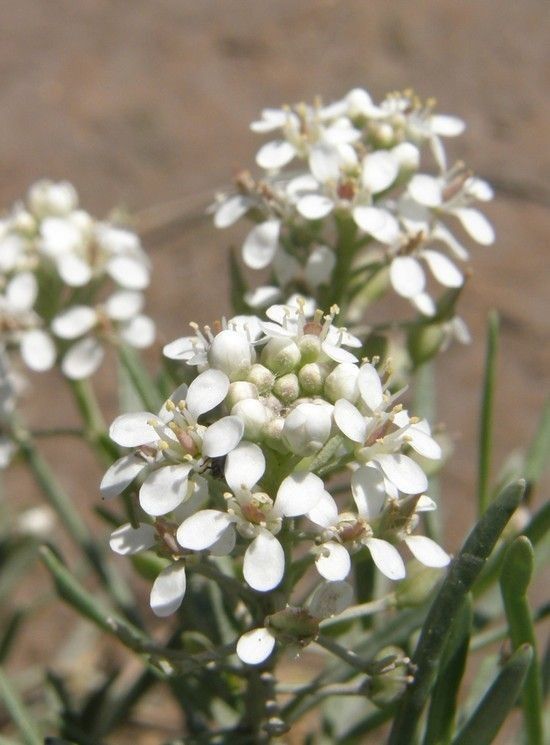
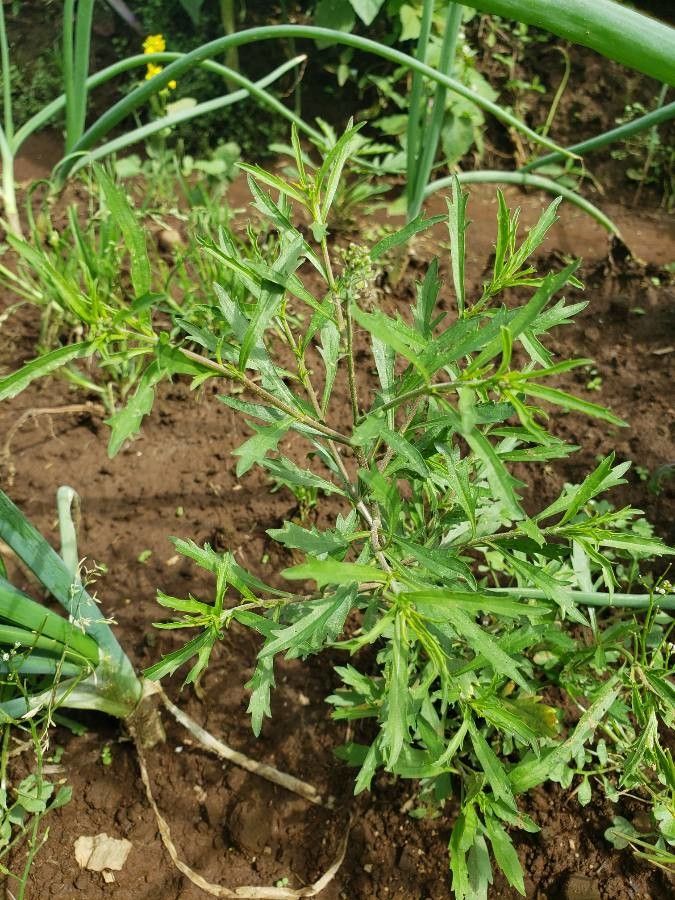
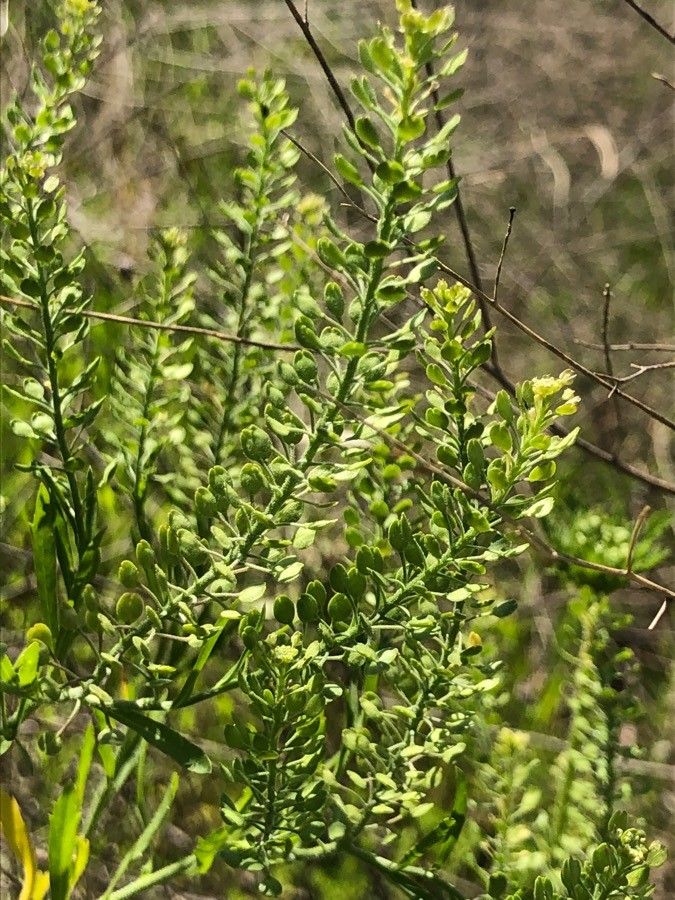
Lepidium lasiocarpum, commonly known as hairy-podded pepperweed, is a species of flowering plant in the mustard family. Native to North America, it thrives in various habitats, including grasslands, sagebrush steppe, and disturbed areas. Typically, the plant grows up to 60 cm tall, featuring hairy stems and leaves. The small, white flowers have four petals arranged in a cross shape. The fruit is a round or oval pod covered with hairs, giving the plant its common name.
Native American tribes have used hairy-podded pepperweed for medicinal purposes, treating ailments such as coughs, colds, fever, and stomach problems. Additionally, indigenous people have consumed the leaves, either raw or cooked, as a food source.
Ecologically, the plant plays a significant role by providing nourishment for pollinators like bees and butterflies. However, in some areas, it can become invasive and outcompete native vegetation.
Overall, Lepidium lasiocarpum is an interesting species with both cultural significance to indigenous peoples and an important ecological role within its natural North American habitat.
Shaggyfruit pepperweed is fairly disease-resistant and typically not prone to disease. However, it can be susceptible to pests and diseases present in its surroundings. These infections are usually mild. Regarding care, the plant requires moderate maintenance. It should be pruned regularly to maintain a neat appearance and healthy growth. Fertilizing can also help encourage flowering. Shaggyfruit pepperweed is suitable for anyone with an outdoor space, such as a garden or patio, and does not require much care experience. It may need more attention when grown indoors.
How to keep Lepidium Lasiocarpum.
Light
Shaggyfruit pepperweed comes from bright, open habitats where it flourishes in full sun. It will tolerate partial sun but favors direct sunlight for best growth. This plant, which can be annual or biennial, is known for its sun-loving nature.
Temperature
Shaggyfruit pepperweed can adjust to a wide range of temperatures, but its distribution may still be limited by different combinations of water and heat. It grows best in warm summer climates with adequate rainfall or watering. Extended periods of cloudy, rainy weather, as well as sustained high temperatures, can increase the likelihood of Shaggyfruit pepperweed dying. In winter, proper protection from cold can improve the plant’s survival rate.
Fertilizer
Shaggyfruit pepperweed benefits from regular, dilute fertilizer applications to encourage healthy leaf growth. You should fertilize Shaggyfruit pepperweed about once a month during the summer. Nitrogen is essential for foliage, and supplementing with nitrogen-rich sources helps Shaggyfruit pepperweed thrive.
Pruning
To optimize the growth and shape of shaggyfruit pepperweed, it is best to prune in early spring. Remove any dead or damaged branches, as well as overgrown stems, to boost air circulation and minimize pest issues. Always use clean, sharp tools to prevent disease and help the plant thrive throughout the growing season.
Botanical profile.
- Plant Type
- Herb
- Life Cycle
- Annual, Perennial
- Genus
- Lepidium
- Family
- Brassicaceae
- Hardiness Zone
- 7-10
- Mature Height
- 0 cm to 30 cm
- Mature Spread
- 5 cm to 20 cm
- Leaf Color
- Green, Dark Green
- Leaf Type
- Deciduous
- Flower Size
- 0.10 cm to 0.20 cm
- Bloom Time
- Early spring, Mid spring
- Planting Time
- Spring, Summer, Autumn
- Harvest Time
- Late spring, Early summer
Other names.