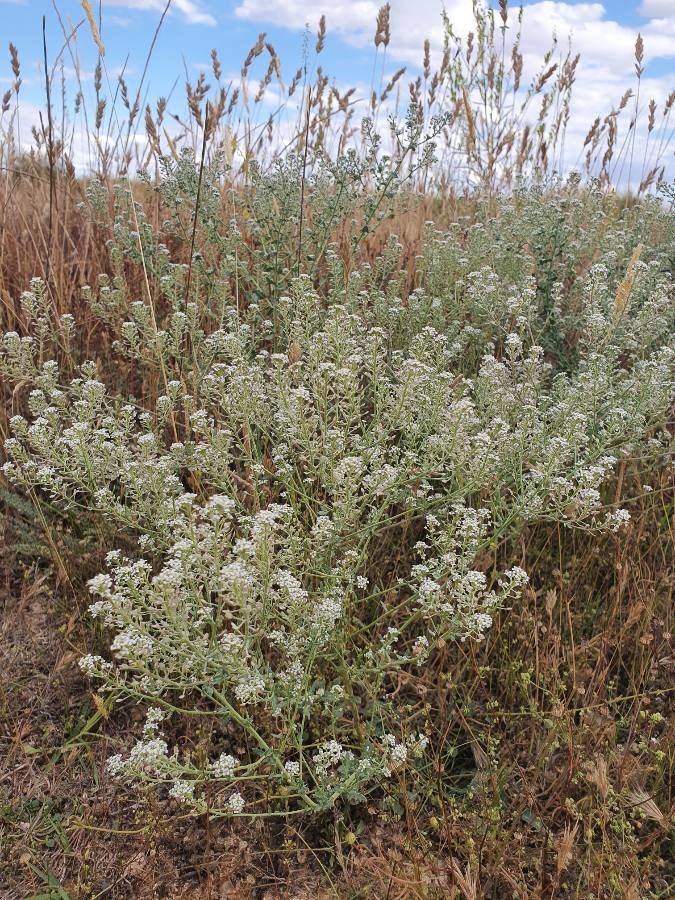
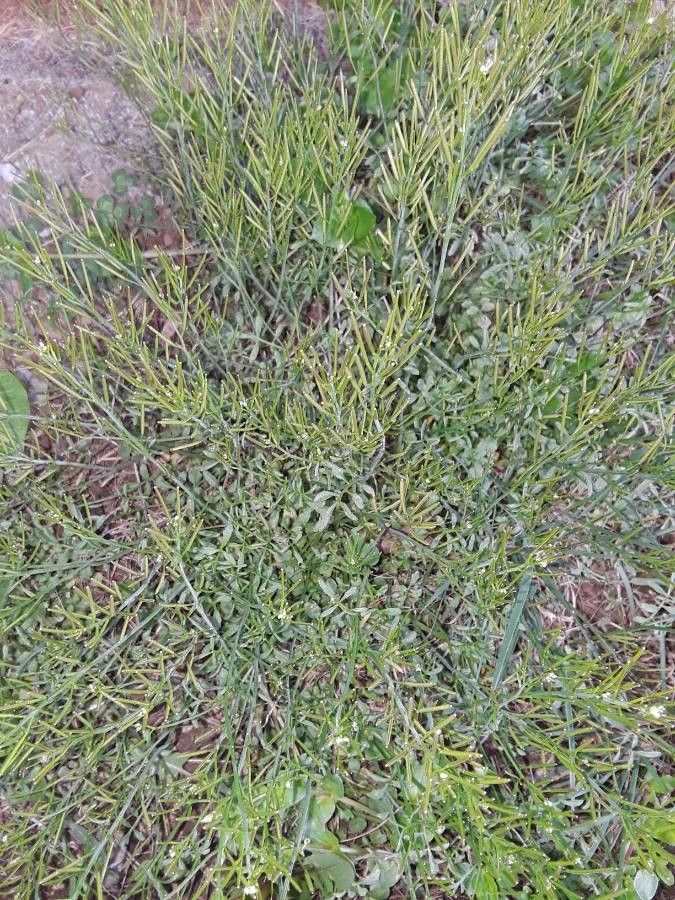
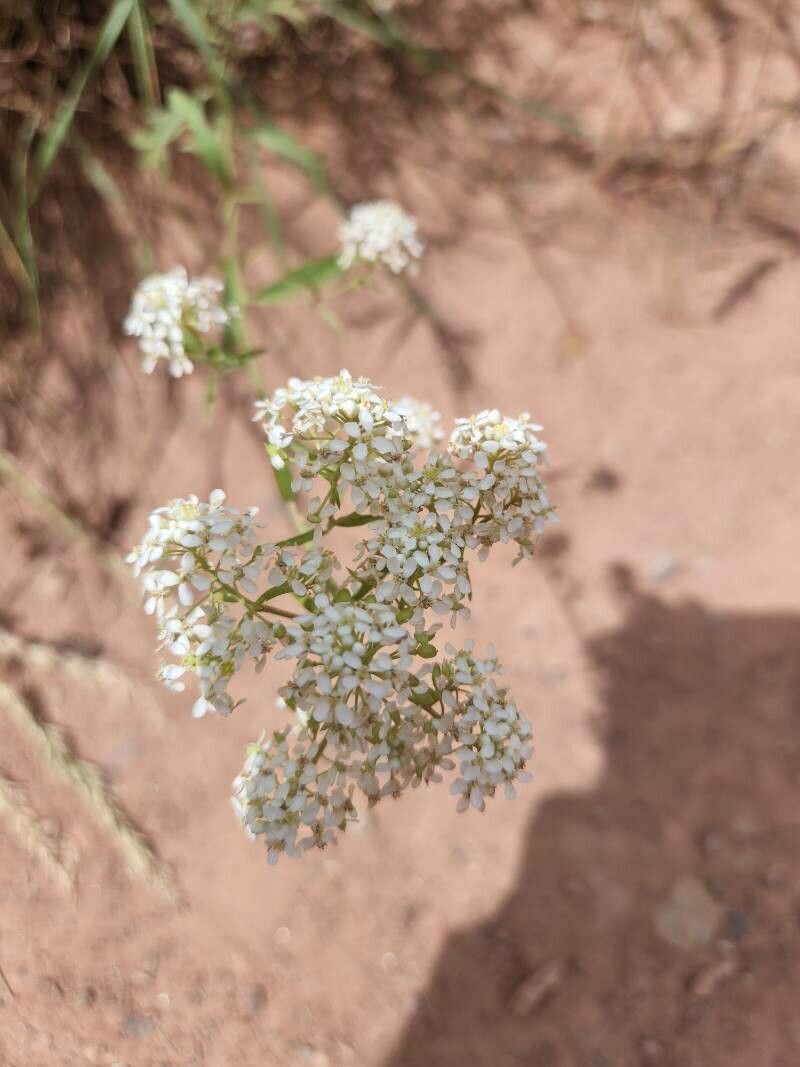
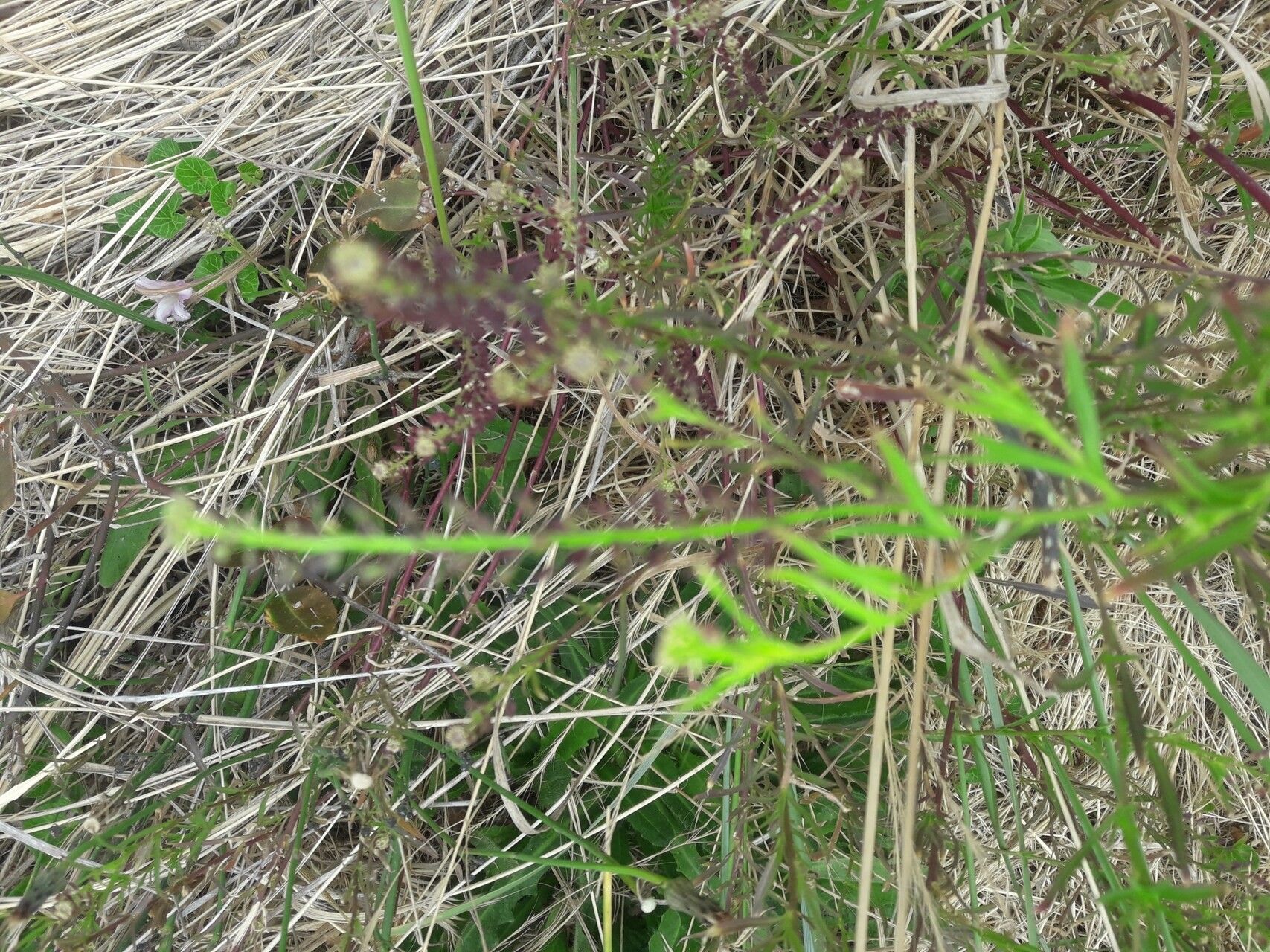
Lepidium montanum, commonly known as mountain pepperweed, is a perennial herbaceous plant in the Brassicaceae family. Native to North America, it thrives in a variety of habitats, including meadows, rocky slopes, and open forests.
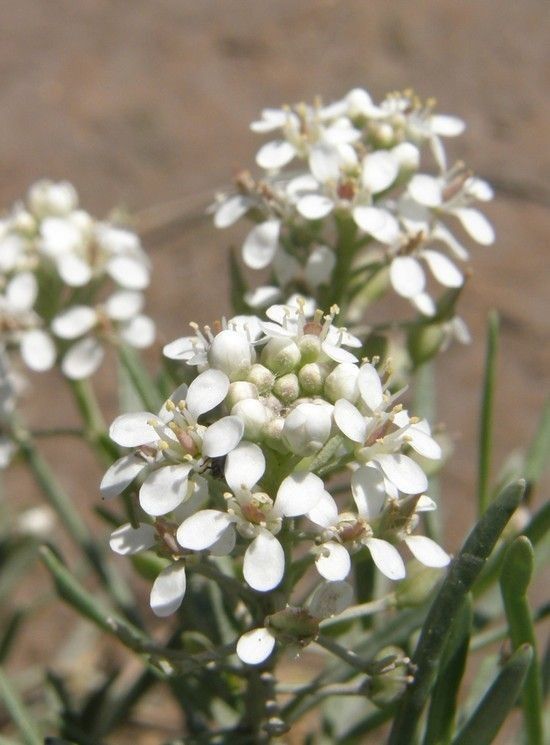
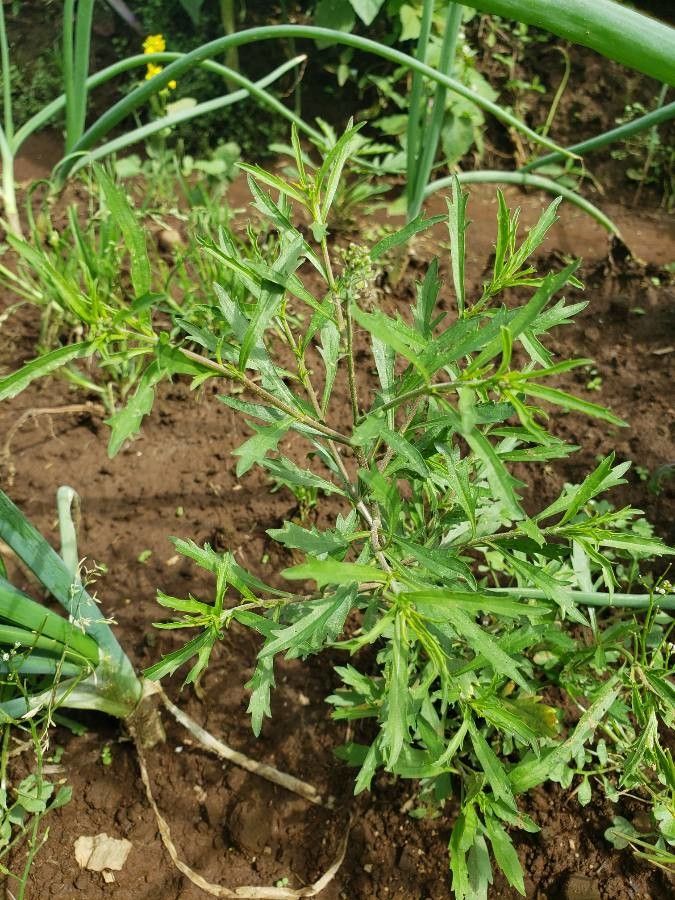
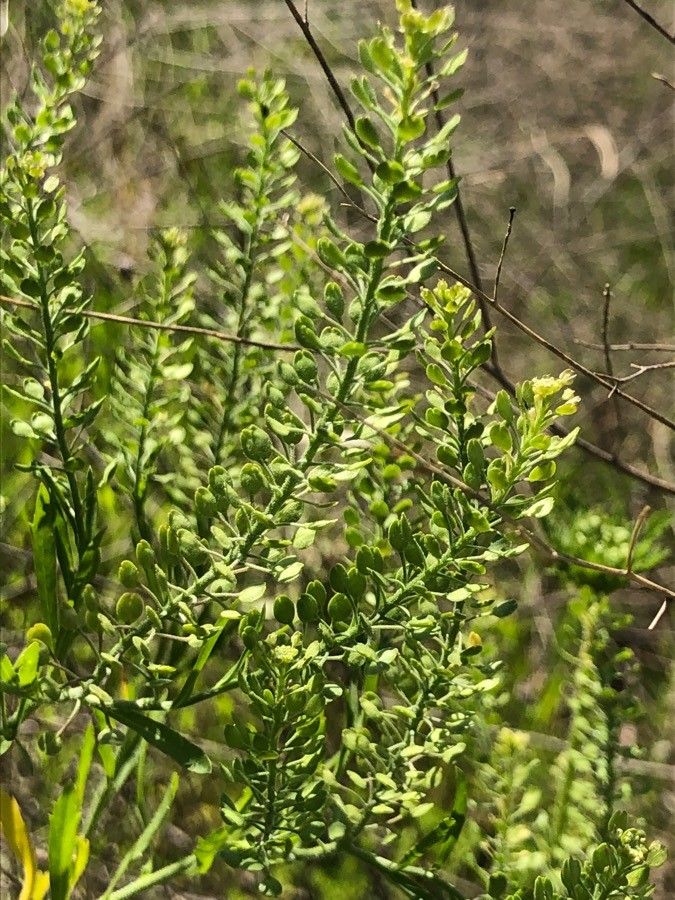
Reaching up to 60 cm in height, the plant features a basal rosette of deeply lobed, toothed leaves. Its erect stem bears small white flowers that bloom from May to August. The fruit of Lepidium montanum is a small, round pod containing tiny seeds.
For centuries, Native American tribes have utilized the leaves and seeds of Lepidium montanum for medicinal purposes. Believed to possess anti-inflammatory properties, they have been used as herbal remedies for a range of ailments, including arthritis, respiratory infections, and digestive issues.
In addition to its medicinal uses, Lepidium montanum plays an important ecological role in its native habitat. It provides a food source for wildlife such as deer and elk.
Overall, Lepidium montanum is a fascinating plant with notable medicinal properties and ecological importance in North America's natural ecosystems.
Mountain pepperplant is fairly disease-resistant and generally not prone to illnesses. However, it can be affected by pests and diseases present in its surroundings. Such infestations are typically mild. Care-wise, the plant requires moderate upkeep. Regular pruning is needed to maintain a tidy appearance and support healthy growth. Fertilizing can also help encourage flowering. Mountain pepperplant is suitable for anyone with outdoor space, such as a garden or patio, and does not demand extensive gardening experience. It may need more attention when cultivated indoors.
How to keep Lepidium Montanum.
Light
Mountain pepperplant is a sun-loving, perennial herbaceous plant that comes from open habitats and is commonly found in meadows and grasslands. It prefers full sun but can also tolerate partial sun conditions.
Temperature
Mountain pepperplant can tolerate a wide range of temperatures, but its distribution may still be restricted by specific combinations of moisture and heat. It does best in warm summer conditions with adequate rainfall or watering. Extended periods of cloudy, rainy weather or prolonged high temperatures can increase the chance of Mountain pepperplant dying. In winter, shielding it from cold can boost its survival rate.
Fertilizer
A single fertilization in spring is typically sufficient for Mountain pepperplant, though repeated feedings can maximize growth. Feed once a month to once every month and a half. Fertilizing improves leaf appearance and function, promoting consistent color and a healthy texture. It also encourages root growth and enhances nutrient absorption for long-term plant health.
Pruning
The mountain pepperplant thrives in rocky soils and has a low-growing habit. To encourage growth and flowering, prune the plant in early spring. Be careful not to over-prune, as this can cause stress. Regular pruning helps improve air circulation, reduce diseases, and maintain the plant's density. Additionally, remove spent flowers regularly to extend the blooming period.
Botanical profile.
- Plant Type
- Herb
- Life Cycle
- Perennial
- Genus
- Lepidium
- Family
- Brassicaceae
- Hardiness Zone
- 4-8
- Mature Height
- 30 cm to 91 cm
- Mature Spread
- 15 cm to 30 cm
- Leaf Color
- Green, Dark Green
- Leaf Type
- Deciduous
- Flower Color
- White
- Flower Size
- 0.20 cm to 0.51 cm
- Bloom Time
- Mid spring, Late spring, Early summer
- Planting Time
- Spring, Summer
- Harvest Time
- Summer
- Native Area
- Mexico
Other names.