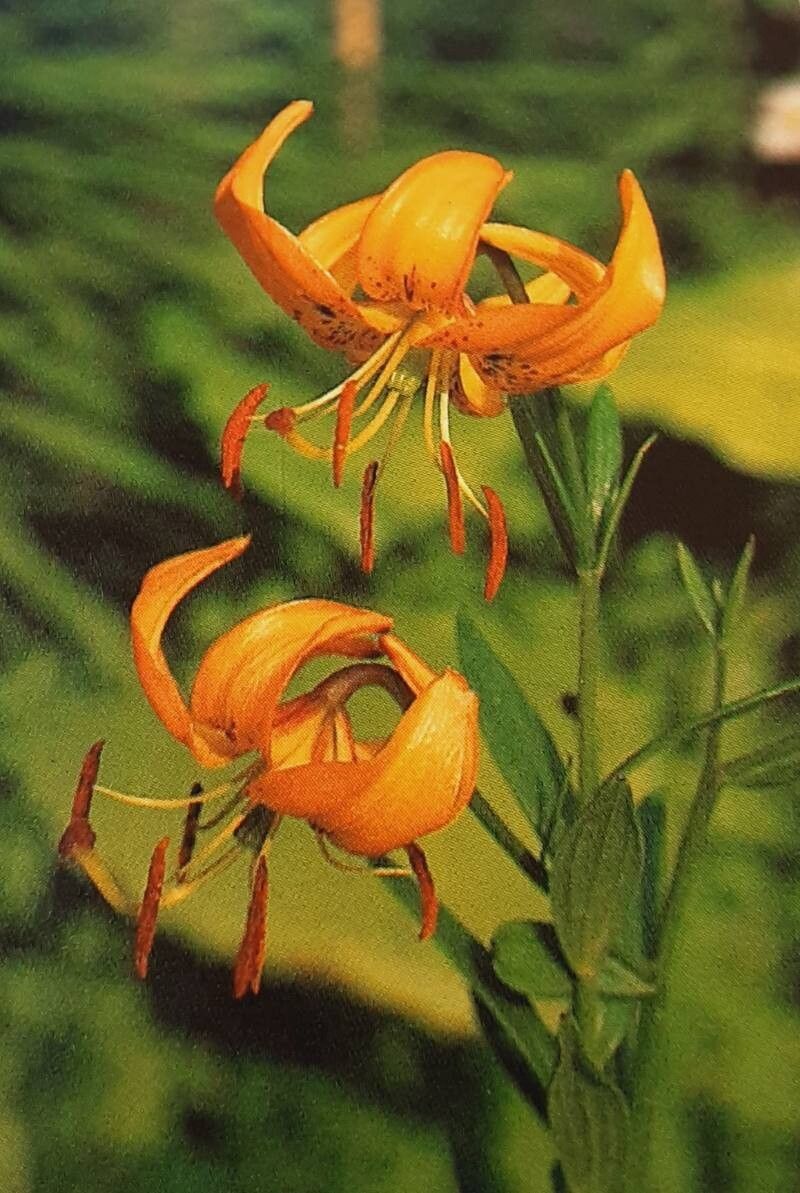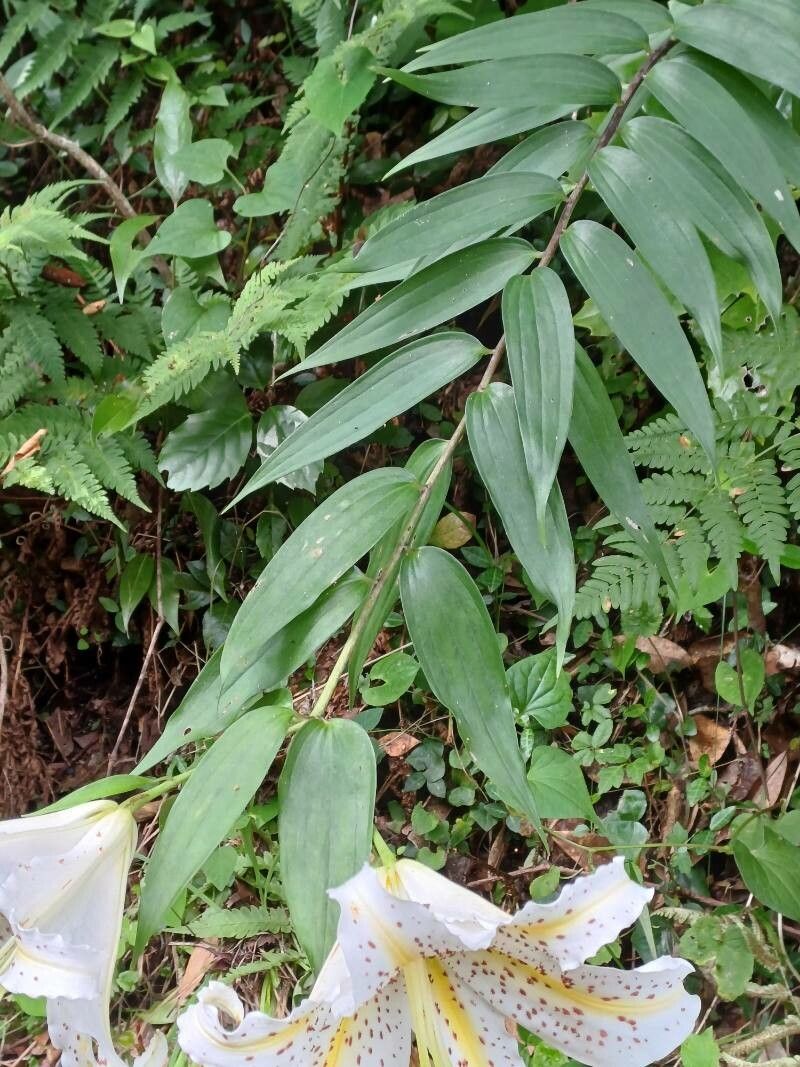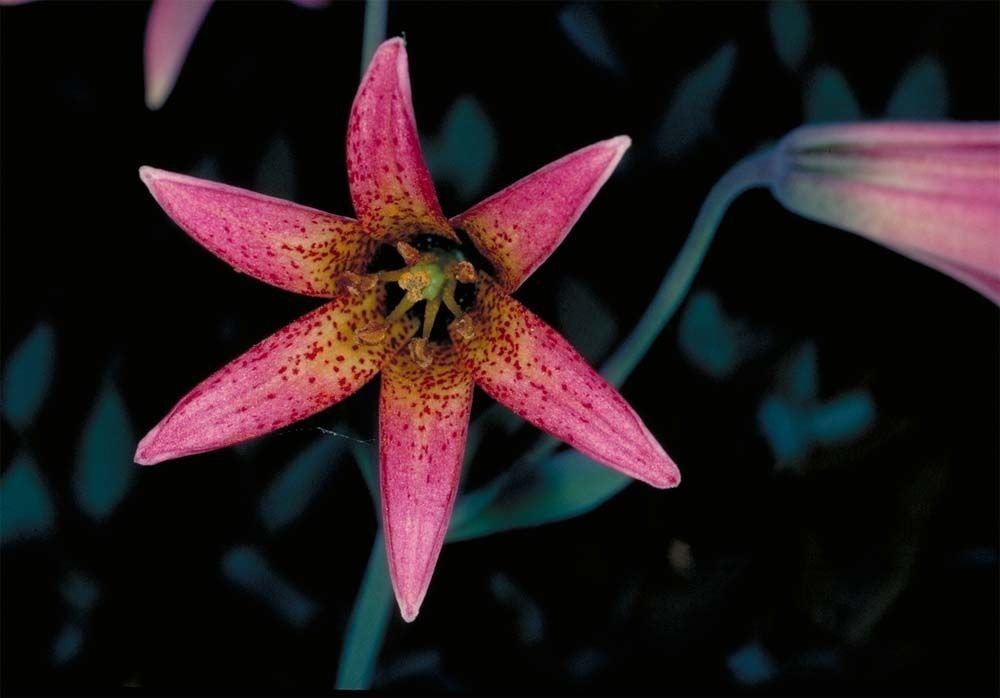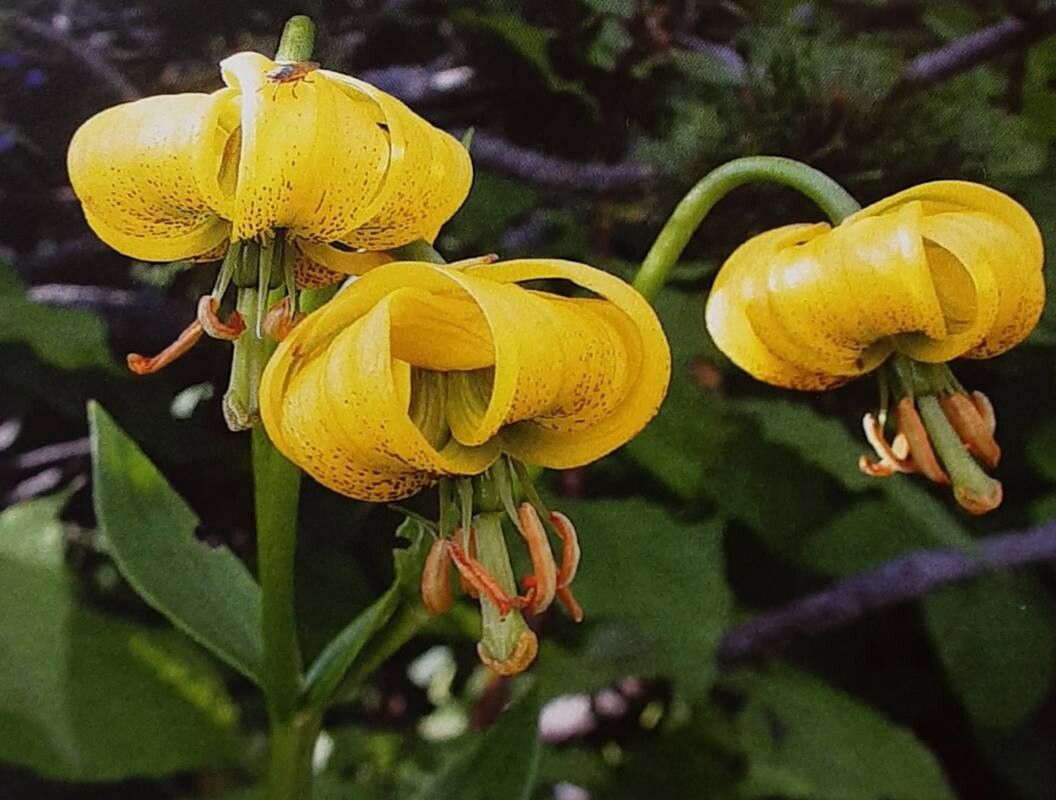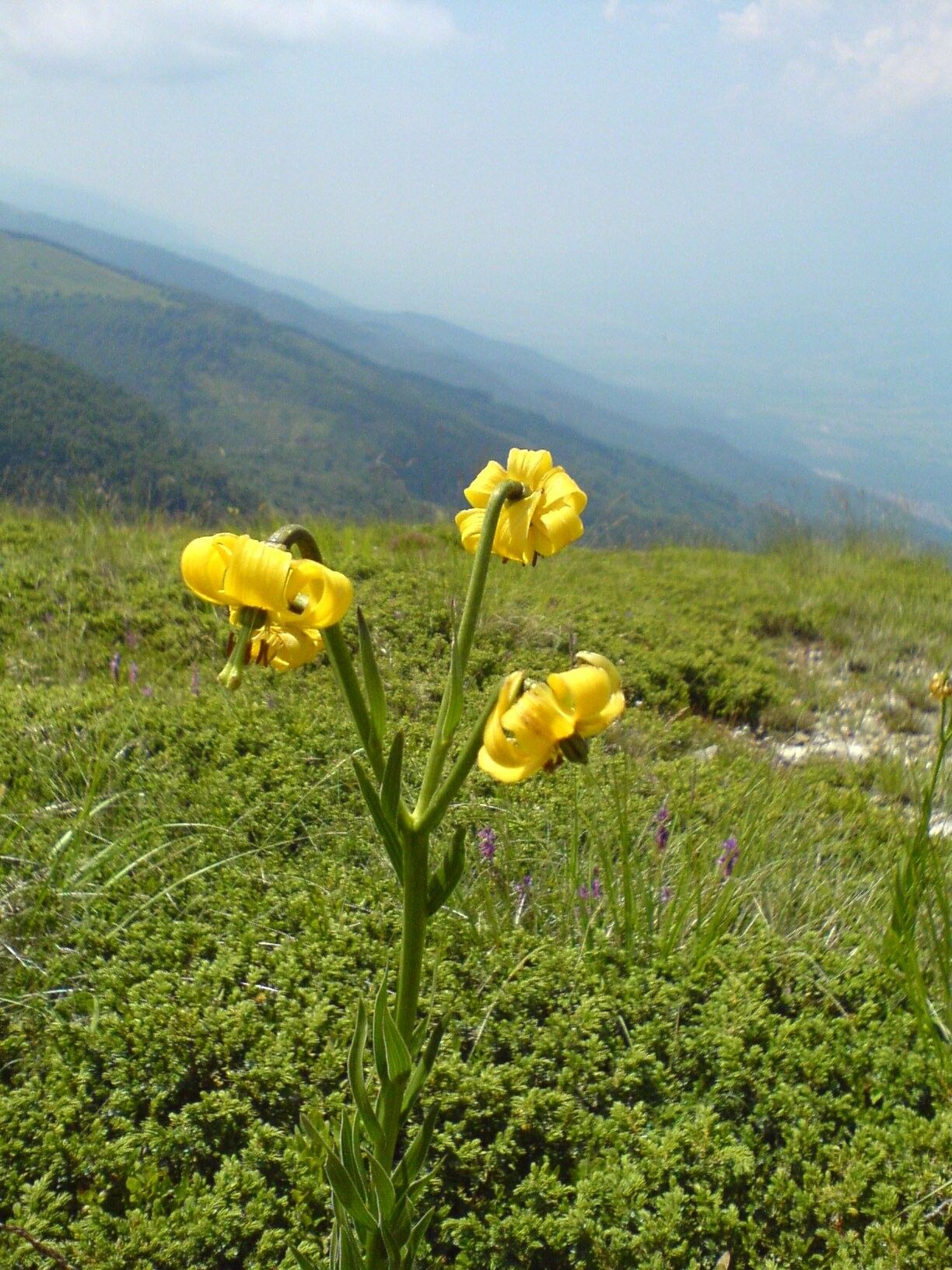
Lilium albanicum, the Albanian lily, is a species of flowering plant in the family Liliaceae. It is native to Albania and northern Greece. A perennial with yellow flowers, it appears to be a good species.
The Albanian lily is quite disease-resistant and typically not prone to illnesses. Still, it can be affected by pests and diseases present in its environment. These problems are generally mild. In terms of care, the plant needs moderate maintenance. It should be pruned regularly to keep a neat appearance and support healthy growth. Fertilizing can also aid in encouraging blooms. The Albanian lily is well-suited for anyone with outdoor space, such as a garden or patio, and does not demand extensive gardening experience. When kept indoors, it may call for more attentive care.
How to keep Lilium Albanicum.
Water
The Albanian lily thrives in moist soil but cannot withstand standing water. It's important to follow a strict watering schedule while the plant is in its seedling stage. Once the seedlings are established, you can reduce the frequency of watering unless there is a drought. After applying topdressing, be sure to water the plants and ensure that the soil drains well during rainy periods.
Fertilizer
One fertilizer application in spring is generally adequate for the Albanian lily, though repeated feedings can boost growth to its fullest. Feed every four to six weeks. Fertilization improves the leaves' appearance and function, helping maintain even color and healthy texture. It also promotes root development and nutrient uptake for the plant's long-term health.
Pruning
The Albanian lily displays vibrant flowers with minimal pruning. To encourage more blooms, it's important to deadhead regularly and remove any damaged leaves. Pruning should be done in early spring, and yellowing foliage should be removed to improve air circulation and plant health. Always sterilize your tools to prevent infections.