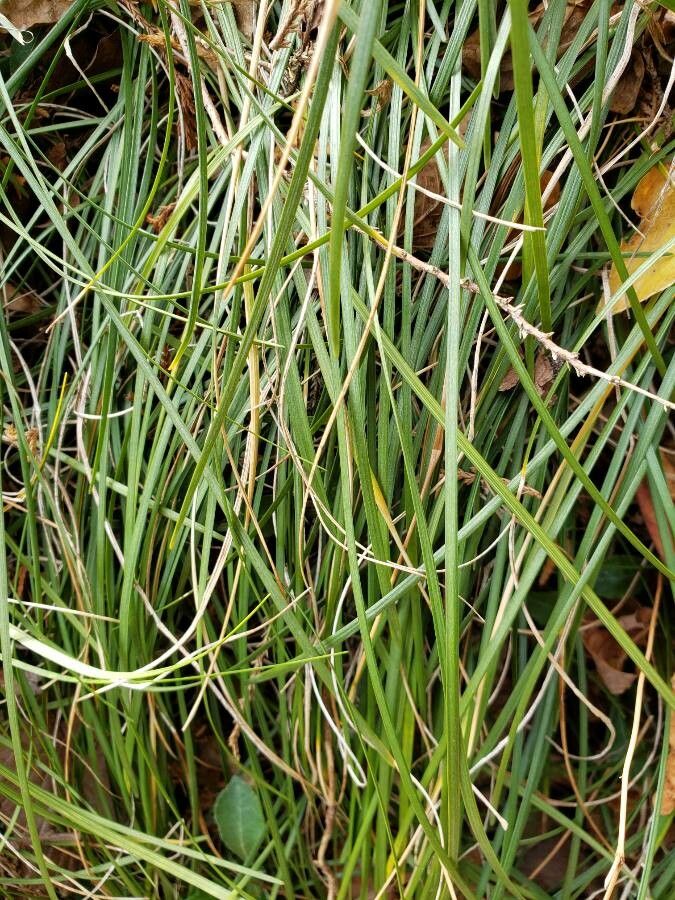
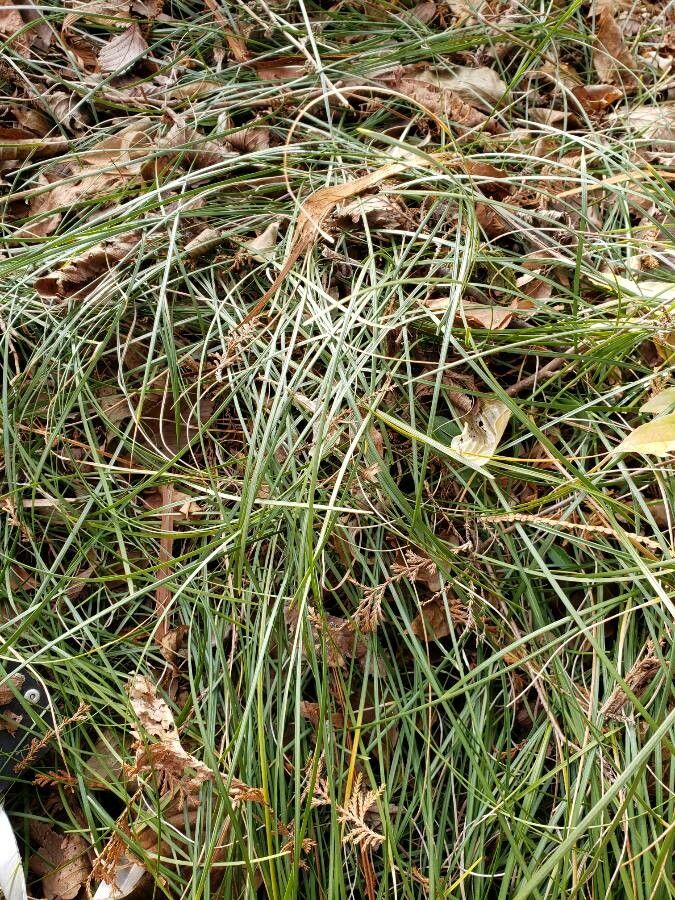
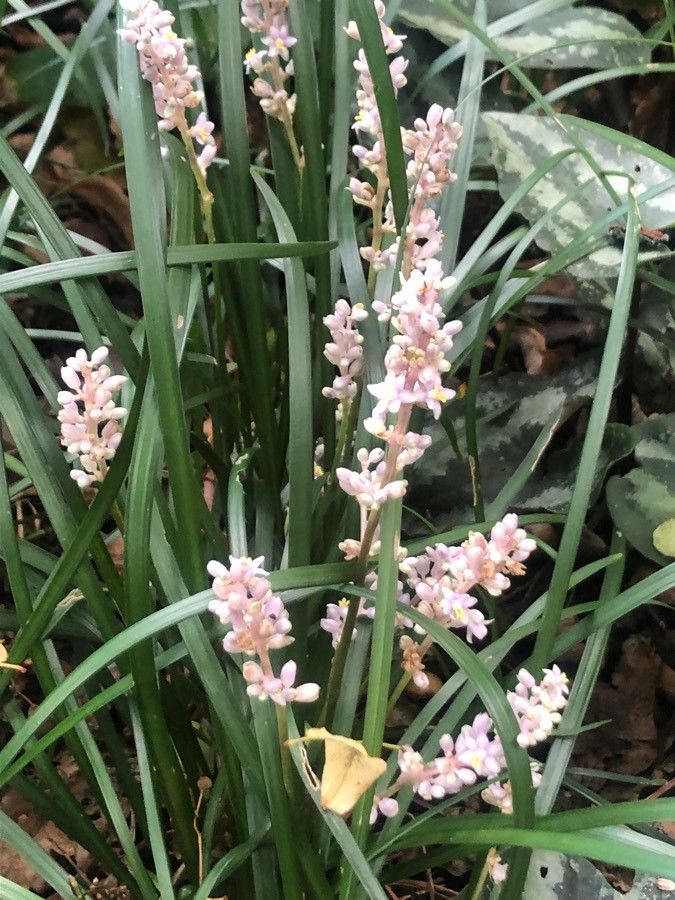
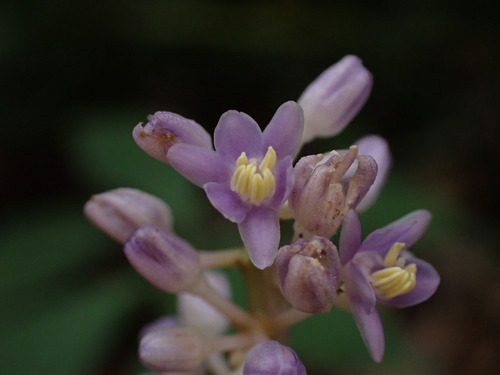
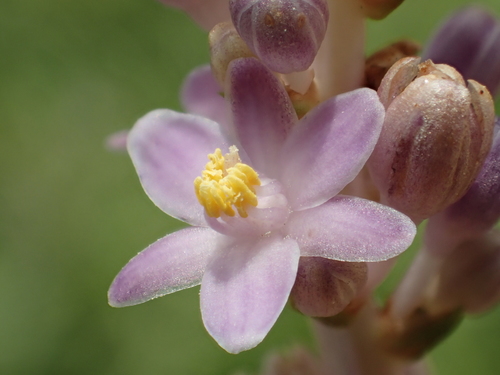
Monkey grass is quite disease-resistant and is generally not likely to get diseases. In terms of maintenance, this plant is comparatively low-maintenance. When grown outdoors it needs only minimal watering, and larger plants typically do not require pruning. Smaller plants, however, should be pruned after they finish blooming. Monkey grass is suitable for anyone with an outdoor area, such as a garden or a deck, and does not need extensive care experience.
How to keep Liriope Minor.
Light
Monkey grass does well when it gets light all day and can also tolerate somewhat reduced light. In its natural setting it is used to full sun exposure throughout the day. However, constant intense light can stress the plant, while too little sunlight can impede its growth and development.
Water
Monkey grass flourishes in humid environments as it needs consistently moist soil without becoming waterlogged. It thrives best with weekly watering to avoid both drought and excess moisture. As an evergreen plant, regular watering helps maintain its lush, year-round foliage and vibrant green color.
Temperature
Monkey grass originates from temperate regions and grows best in temperatures between 59 and 95 °F (15 to 35 ℃). Its preferred temperature range reflects that of its native habitat. In colder seasons, consider bringing it indoors or supplying a warmer microclimate.
Fertilizer
Monkey grass benefits from extra nutrients to encourage healthy new growth. In spring, spreading some compost around the plant’s base will effectively supply the nutrition it needs. Fertilizing helps support vigorous growth and improves the plant’s resistance to diseases and pests.
Pruning
Monkey grass is a hardy, low-growing perennial recognized for its grass-like leaves. To promote new growth, prune it in early spring by trimming it back to 2-3 inches above the ground. Regular pruning not only improves its appearance but also helps minimize the risk of disease and supports overall vitality. Be sure to use clean tools for this process.
Pot & Repot
Repot monkey grass every 2 to 3 years in spring, using a slightly larger pot to encourage bushy growth. After repotting, keep the soil moist and place the plant in an area with indirect light to help it recover. These care steps will ensure it thrives in its new environment.
Botanical profile.
- Plant Type
- Grass
- Life Cycle
- Perennial
- Genus
- Liriope
- Family
- Asparagaceae
- Hardiness Zone
- 7-10
- Mature Height
- 46 cm
- Mature Spread
- 46 cm
- Leaf Color
- Dark Green
- Leaf Type
- Evergreen
- Flower Color
- Lavender, Purple
- Flower Size
- 0.51 cm to 1.02 cm
- Bloom Time
- Mid summer, Late summer
- Planting Time
- Spring, Summer, Autumn
- Harvest Time
- Early fall, Mid fall
- Native Area
- South Korea, Japan, China
Other names.
Reader questions.
What do I do if I give my Monkey grass too much or too little water?
Proper watering is crucial for this beautiful ornamental grass's performance. When planted in the ground, any watering issues can be resolved. However, in a container, the grass will quickly die if it receives either too much or too little water. Insufficient water can cause the grass to stop growing, resulting in drooping leaves, weak seed head production, and browning. On the other hand, overwatering can lead to yellow leaves with brown tips. If you suspect improper watering, the first step is to determine if the problem is excess or insufficient water. If it is being overwatered, immediately stop watering and allow time for the soil to dry out. Once new growth appears, check the moisture level of the soil to determine if more water is needed. Conversely, if the grass is not receiving enough water, simply give it a thorough watering to see if it perks up. Remember that deep watering is preferred over frequent but shallow waterings. This encourages the grass to develop deep roots, making it more resilient to drought and watering issues.
Why is it necessary to add fertilizer to my Monkey grass?
Fertilizing Monkey grass is important because it provides your plant with the necessary nutrients for healthy new growth, while also supporting the health of existing growth and helping to prevent diseases and pests.
Can the sun harm Monkey grass? How can Monkey grass be shielded from sun and heat damage?
In warm climates, some Perennial Flowering Plants may struggle with excessive heat and suffer from sun damage. They can wilt, dry out, or even experience growth problems if they are consistently exposed to the intense afternoon sun. However, not all plants require protection from the light afternoon sun. For those that are harmed by intense afternoon exposure, it is recommended to provide them with some shade in warmer climates. Gardeners can achieve this by planting these plants in areas that do not receive direct heat during the afternoon, such as under trees or behind bushes.
What temperature is best for Monkey grass?
The temperature requirements for Monkey grass vary depending on the time of year. There are two main seasons to consider: the growing season and the dormancy season. During the growing season, when Monkey grass starts to sprout, the ideal temperature range is 65-80℉(18-27℃). If the temperature drops below 15℉(-10℃), the plant may suffer, with leaves turning brown and wilting. However, if it's a short cold snap, Monkey grass may survive with some assistance. In the warmer months, Monkey grass also needs protection from excessively high temperatures. The plant's top temperature limit is 95-105℉ (35-40℃). Anything beyond that range can harm the foliage and blooms, causing wilting, drooping, and even sunburn on the leaves. Recovering from these conditions can be challenging for Monkey grass. Fortunately, there are quick and easy solutions to address this issue.
How frequently should I give water to my Monkey grass?
The watering needs of Monkey grass depend on where it is planted. Generally, water this grass every week. In hot climates, watering once or twice a week in the summer may be necessary. In moderate climates, watering once every seven days or more may be enough. Grass in containers usually need more frequent watering than grass in the ground. The location also matters, as shaded grasses need less water than those in the ground. Only water Monkey grass when the soil is dry. You can check by pressing your finger into the soil or weighing the pot. The blades may appear folded and thinner when the roots lack water. Despite its drought tolerance, regular, deep waterings will keep Monkey grass looking beautiful. Even though Monkey grass is drought resistant, it still needs care and attention. When first planted, water it more frequently until it has established deep roots. Monkey grass in pots dries out quickly, so check the soil every 3 to 4 days and water as needed. Monkey grass in the ground needs less watering, depending on the type of soil. Clay soil may feel dry on the surface but still retain moisture below, while sandy soil that drains quickly needs to be watered more often.
When should I fertilize my Monkey grass?
To ensure the survival of Monkey grass in your garden, understanding the ideal time for fertilization is crucial. Monkey grass doesn't need a lot of nutrients, especially when it is dying back. It's generally not recommended to apply diluted fertilizer at the beginning of the growing season. Instead, a useful practice would be to use mulch or compost around the base of the plant.
Do I need to shield Monkey grass from the sun?
Certain perennial plants require ample sunlight to reach their maximum bloom. However, in warmer climates, some of these plants actually benefit from less sun. For instance, individuals residing in hotter regions might find it beneficial to shade their flowering perennials during the intense afternoon sun, especially during summer months. Although many perennial flowering plants prefer partial shade in the hottest climates, there are exceptions. Take the Giant Coreopsis, for example, as it is not bothered by excessive sun exposure. These plants can flourish even when placed in the full sun during scorching weather.
What temperatures does young Monkey grass need in its first year of growth?
If this is the first year of your Monkey grass being planted outside, it may need some extra care during the coldest months. Frost can cause severe damage to young Monkey grass and prevent it from growing back healthy in the spring. To prevent this, the plant should be kept at a temperature of 40℉(5℃) or above. This can be achieved by either bringing the Monkey grass inside for a month or two, or using mulch or fabric barriers to protect it from frost damage. During the first year or two, it is a good idea to plant Monkey grass in a shadier area. Smaller and weaker plants have a harder time maintaining their temperatures in the heat, so less direct sunlight is beneficial. It is recommended that first-year Monkey grass receive no more than five hours of direct sunlight per day, especially if the daytime temperature exceeds 80℉(27℃). To control the summer heat, the use of shadecloth and regular watering or misting is important.
What do I need to be careful of when watering my Monkey grass in different seasons, climates, or during different stages of growth?
To determine if you need to water your grass, observe its rate of growth. Monkey grass typically doubles in size within a year, especially during the hottest months. If the weather is hot but the grass is not growing vigorously, you may need to adjust your watering schedule. In winter, you can probably water only once a month, but check the soil for moisture. During the warmest months, the grass will require more water due to its growth cycle. However, during winter and cooler months, the need for water will significantly decrease. Remember, it is crucial to let the soil in which the Monkey grass is planted dry out completely before adding water.
When is it better if I don't add fertilizer to my Monkey grass?
If you're not using packaged fertilizers, there's no need to stress about when to stop feeding Monkey grass. Simply apply a layer of compost or mulch in the spring, and it will provide ample nourishment for the plant all year round. When the Monkey grass is dormant in the winter, there's no need to mulch or compost.
What kind of sunlight does Monkey grass need?
Monkey grass requires full sun daily for at least six hours to maintain the health of its leaves, roots, and blooms. While many perennials also require six hours of sunlight per day, plants such as the Orange Daylily or Giant Coreopsis can survive on as little as three hours of sunlight daily. However, it's important to note that these flowering perennials cannot flourish to their full potential without sunnier conditions.
How can I keep Monkey grass safe from very hot or very cold weather?
If the growing season experiences cold temperatures below 15℉(-10℃), there are ways to protect Monkey grass from frost or cold damage. If you are growing Monkey grass in a container, bring it inside to a bright, indirect light until temperatures rise above the lower threshold. For ground-planted Monkey grass, you can use mulch or horticultural fabric to create an insulated barrier around the plant, which will protect it from frost and cold wind. In temperatures hotter than 80℉(27℃) in the shade, be cautious about exposing Monkey grass to more than six hours of sunlight per day, preferably in the morning. Using shade cloth or fine plastic mesh can reduce direct sunlight during the hottest times. Additionally, installing a misting system that releases cooling mist around the plant's base during the day can lower ground temperatures.