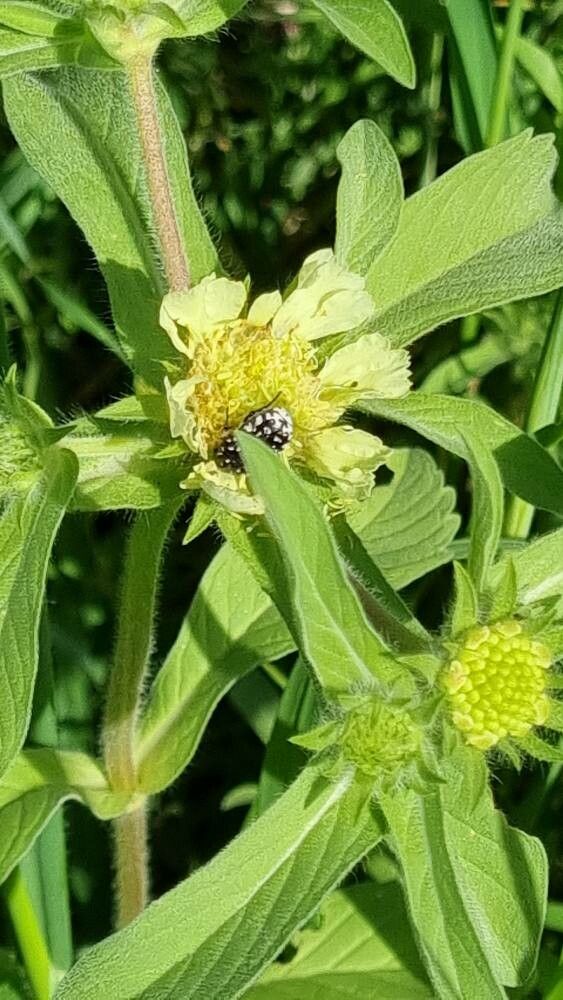
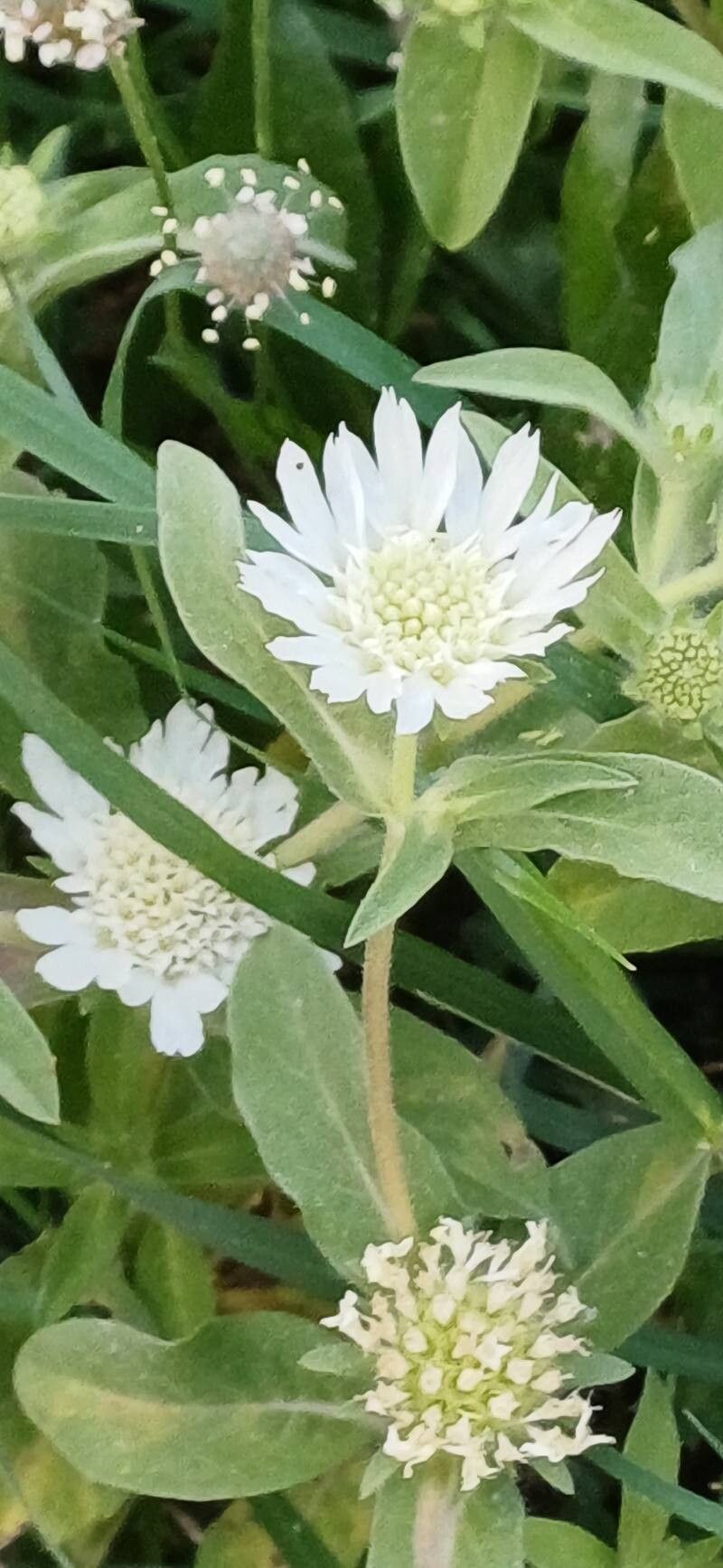
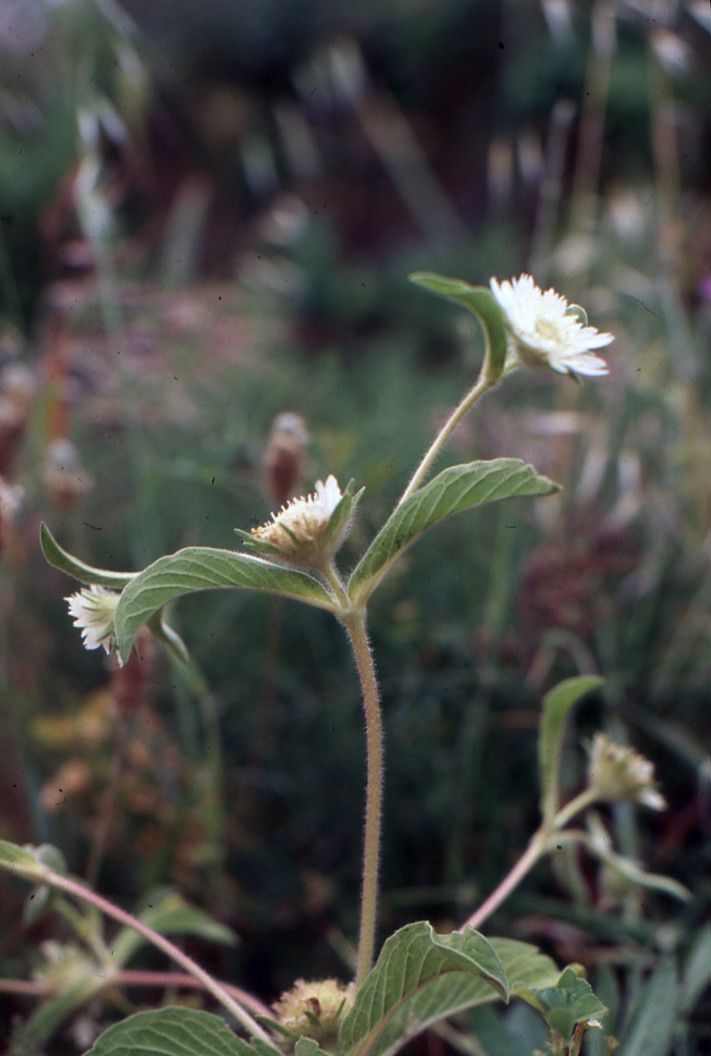
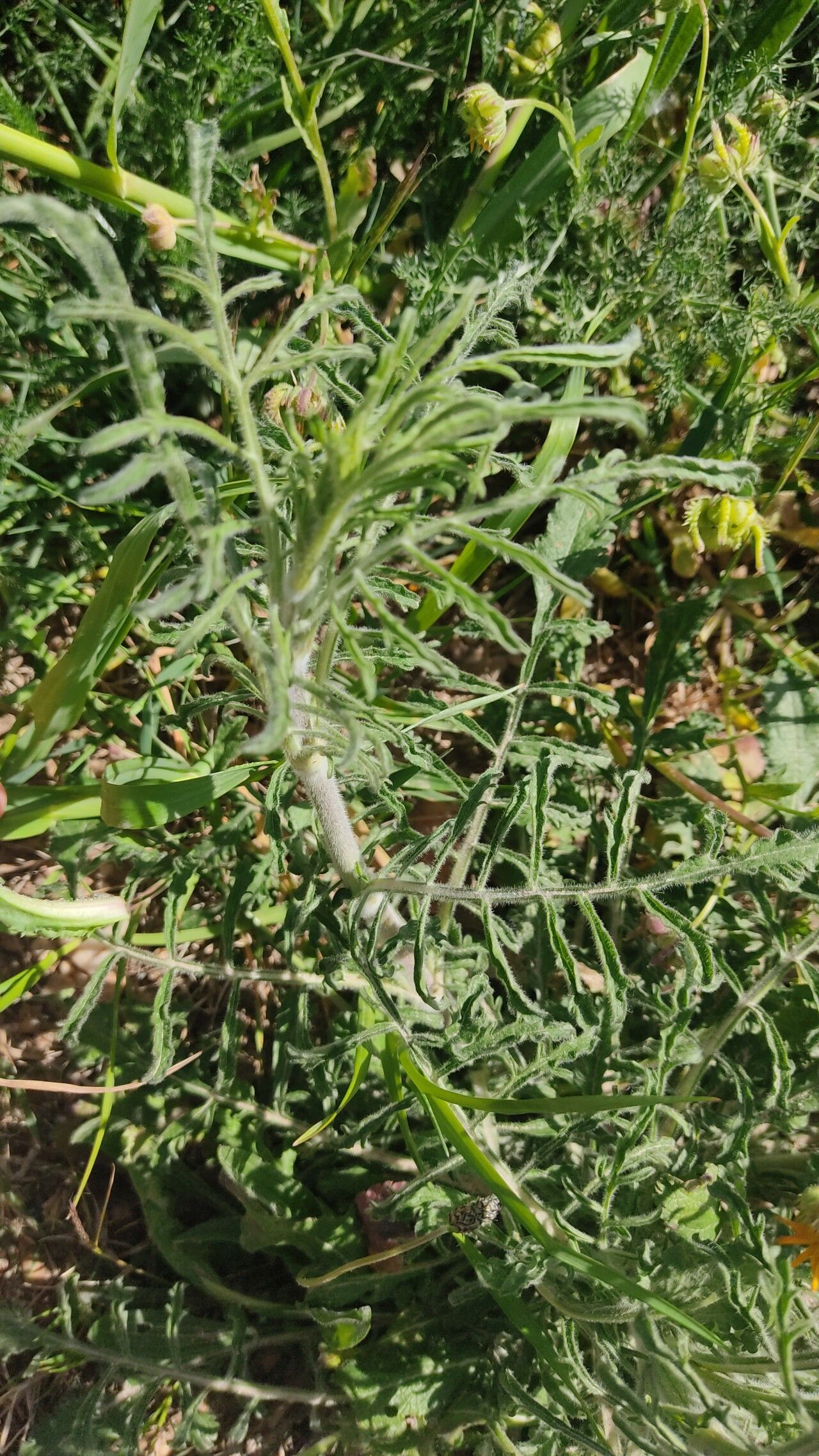
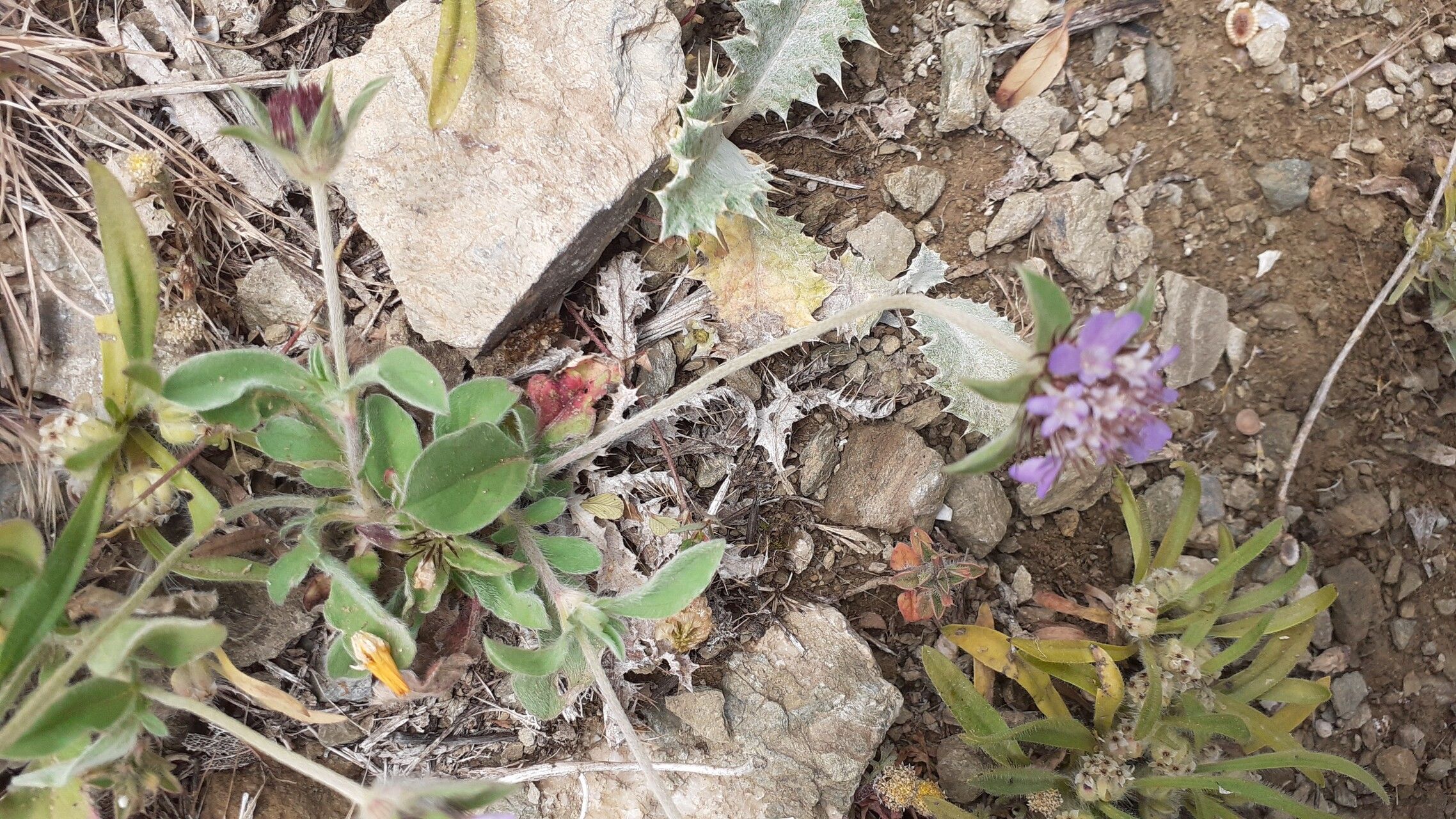
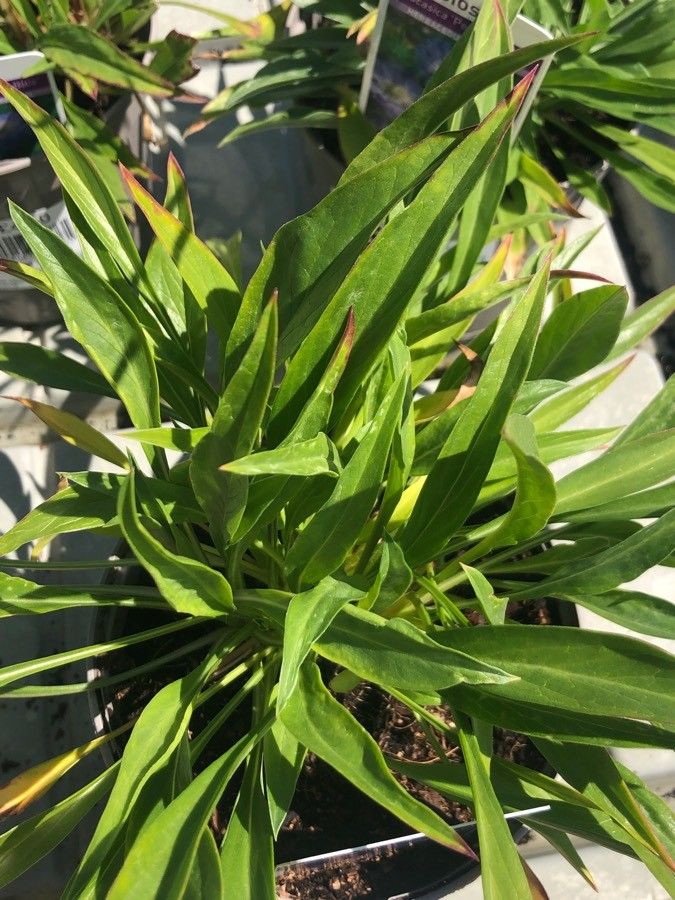
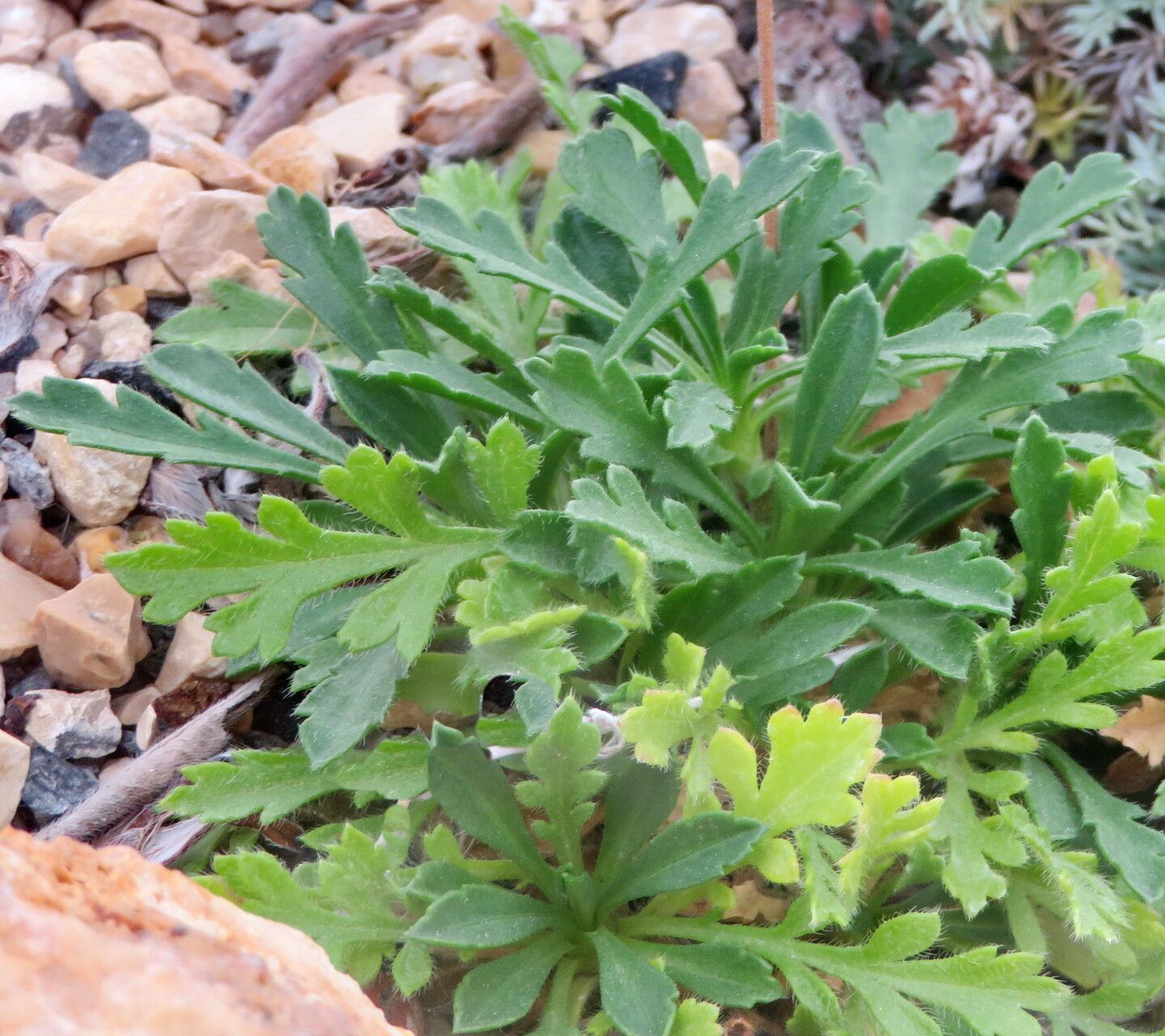
Lomelosia prolifera, the Carmel daisy, is a flowering plant of the family Caprifoliaceae. Its flowers in February to May, are creamy yellow, and when the petals are shed they leave a greenish-looking dried flower, good for arrangements. It is native to the eastern Mediterranean. It is an annual, growing up to 40 cm high. It has erect stem with soft, rather long, whitish hairs. The leaves are arranged opposite, simple, entire or irregularly dentate, pale green and hairy on both surfaces. The flowers are zygomorphic and hermaphrodite, After flowering it produces an Achene.It was first published in Willdenowia vol.15 on page 75 in 1985.It is found in Cyprus, East Aegean Islands, Egypt, Lebanon, Syria, Palestine and Turkey.Habitat: Waste ground, roadsides, grassy slopes, fields, 0-1500 m alt.
Carmel daisy has good disease resistance and is generally not prone to illnesses. However, it can be vulnerable to pests and diseases present in its environment. These problems are usually mild. For care, this plant needs a moderate level of maintenance. It should be pruned regularly to keep a neat appearance and support healthy growth. Fertilizing can also encourage better flowering. Carmel daisy is appropriate for anyone with outdoor space, such as a garden or patio, and does not demand extensive care experience. It may need more attention when grown indoors.
How to keep Lomelosia Prolifera.
Light
Carmel daisy comes from bright, open habitats and does best in full sun. It can handle partial shade but prefers direct sunlight for optimal growth. This annual and biennial plant is noted for its love of sun.
Temperature
Carmel daisy can tolerate a wide range of temperatures, but its distribution may still be restricted by different combinations of moisture and heat. It performs best in warm summer climates with sufficient rainfall or watering. Extended periods of cloudy, rainy weather, as well as prolonged high temperatures, can raise the chance of Carmel daisy dying. In winter, adequate protection from cold can increase the plant’s survival rate.
Fertilizer
Once the Carmel daisy has opened most of its blooms to full size, resume fertilizing. When the blooms are at peak output, fertilize every three to four weeks, weather permitting. Then, after the Carmel daisy begins producing fewer new blooms, stop fertilizing; there's no need to feed the plant when it can no longer produce more blooms.
Botanical profile.
- Plant Type
- Herb
- Life Cycle
- Annual, Biennial
- Genus
- Lomelosia
- Family
- Caprifoliaceae
- Hardiness Zone
- 7-10
- Mature Height
- 91 cm
- Mature Spread
- 91 cm
- Leaf Color
- Green
- Leaf Type
- Evergreen
- Flower Color
- Lavender
- Flower Size
- 1.02 cm to 2.03 cm
- Bloom Time
- Late spring, Early summer, Mid summer
- Planting Time
- Spring, Summer, Autumn
- Harvest Time
- Mid summer, Late summer, Early fall
- Native Area
- Turkey, Syria, Cyprus, Algeria, Lebanon
Other names.