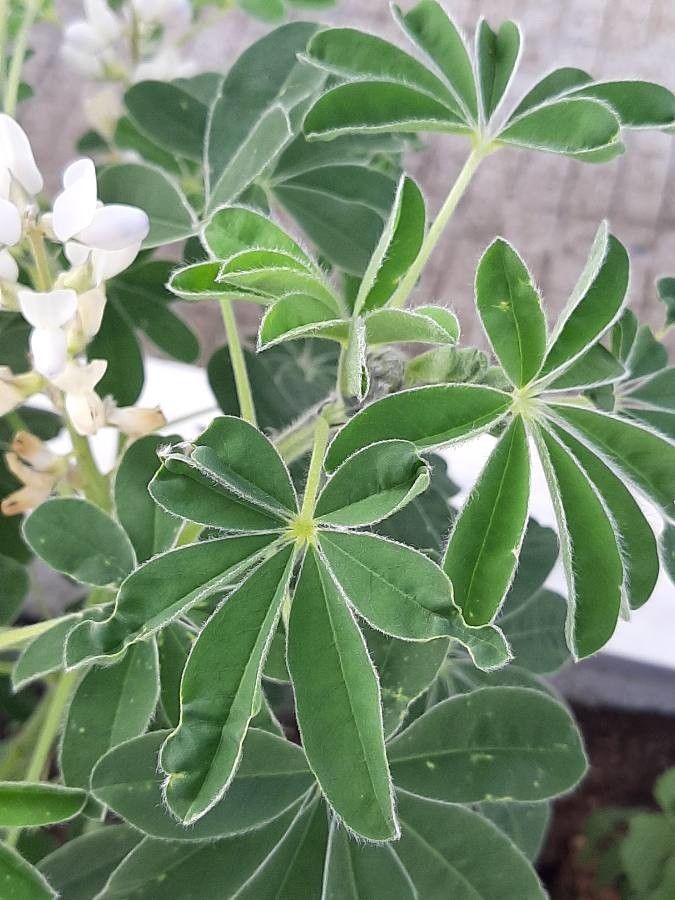
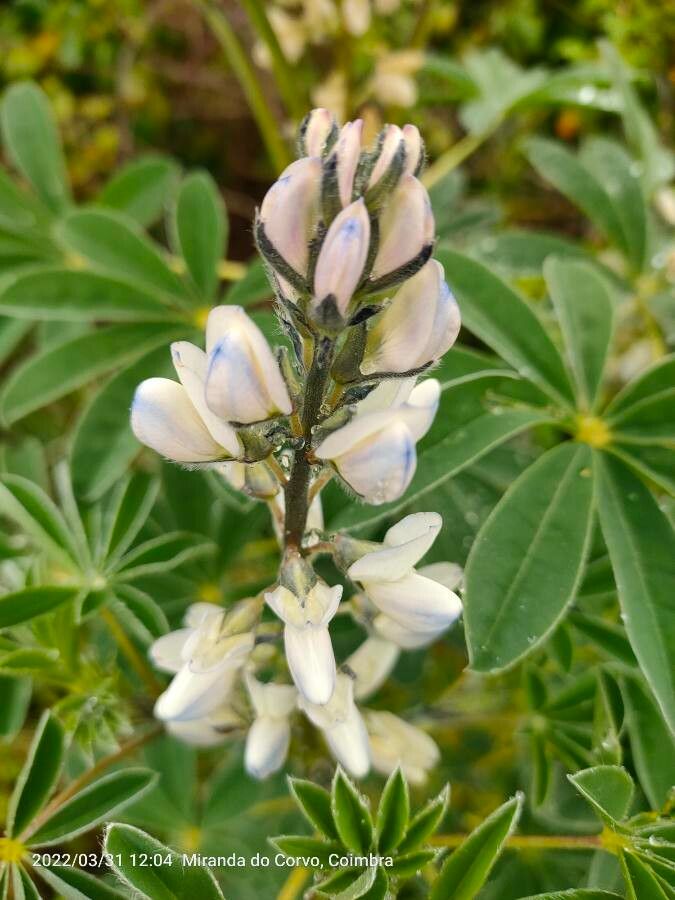
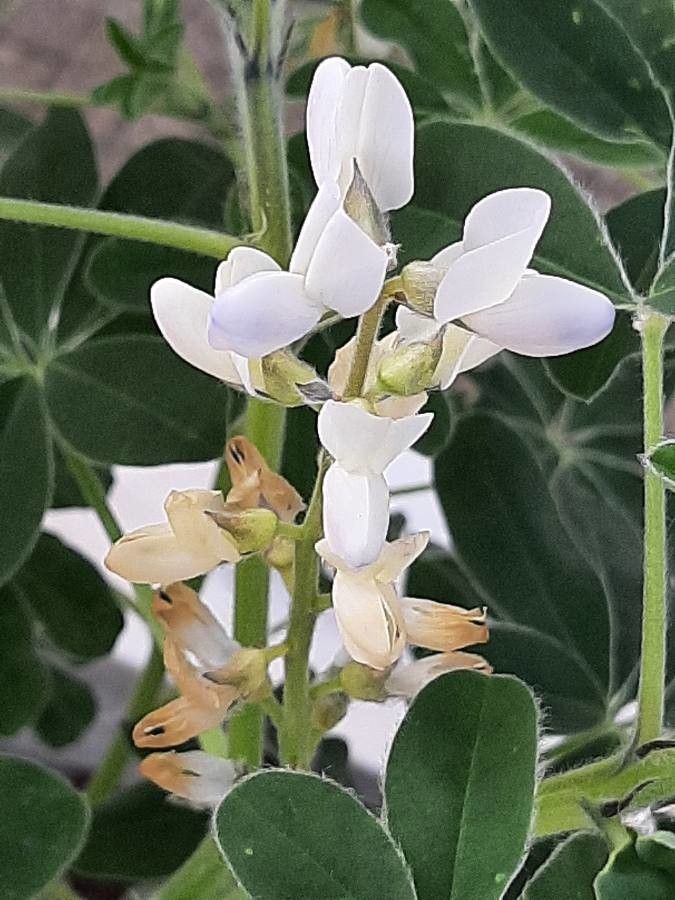
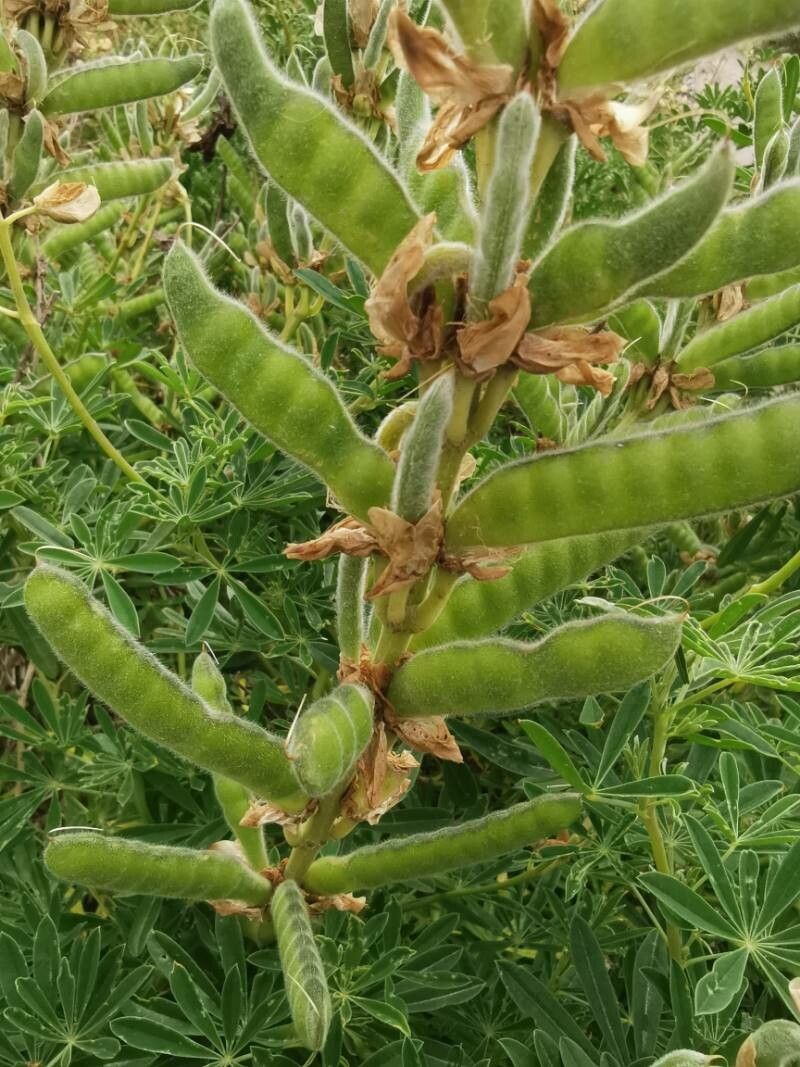
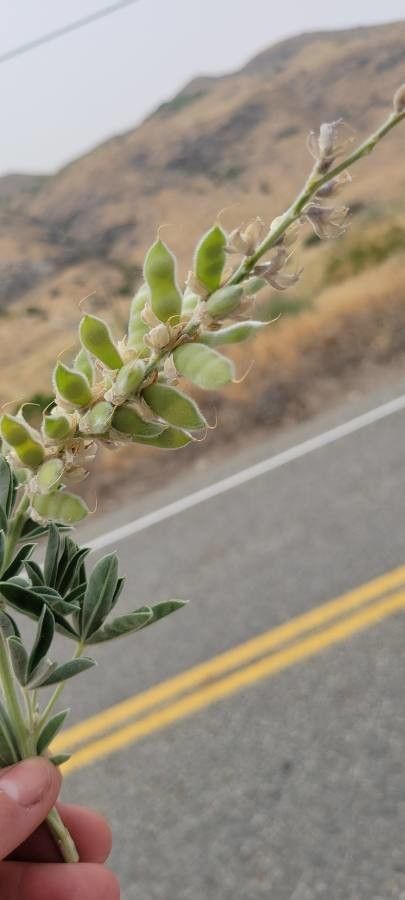
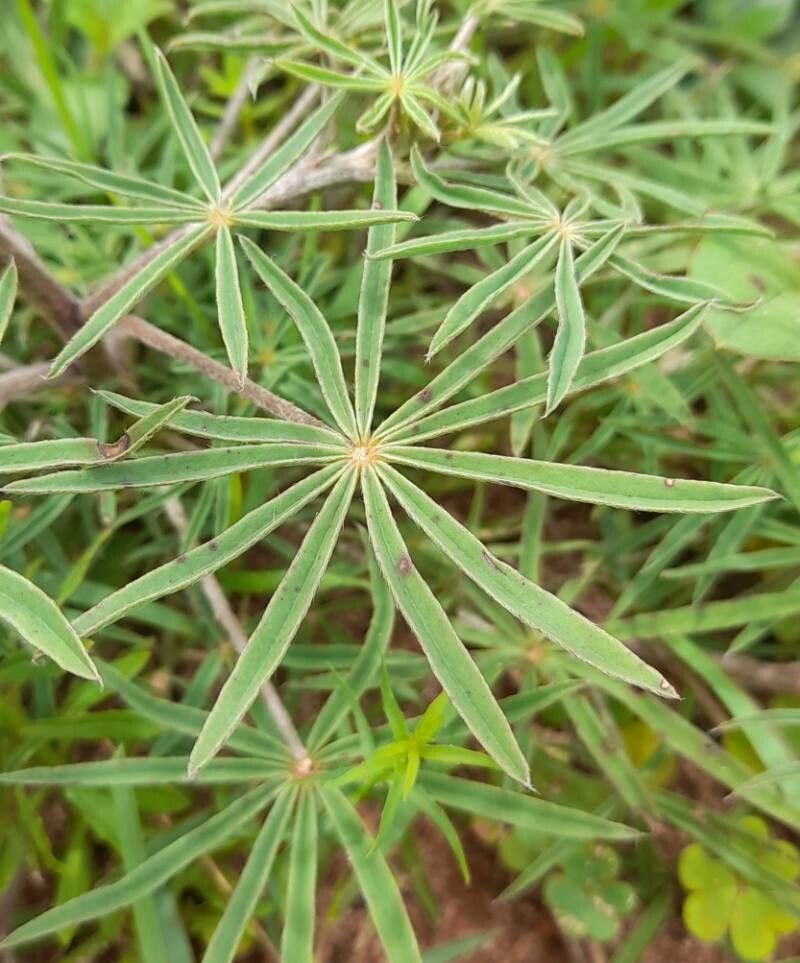
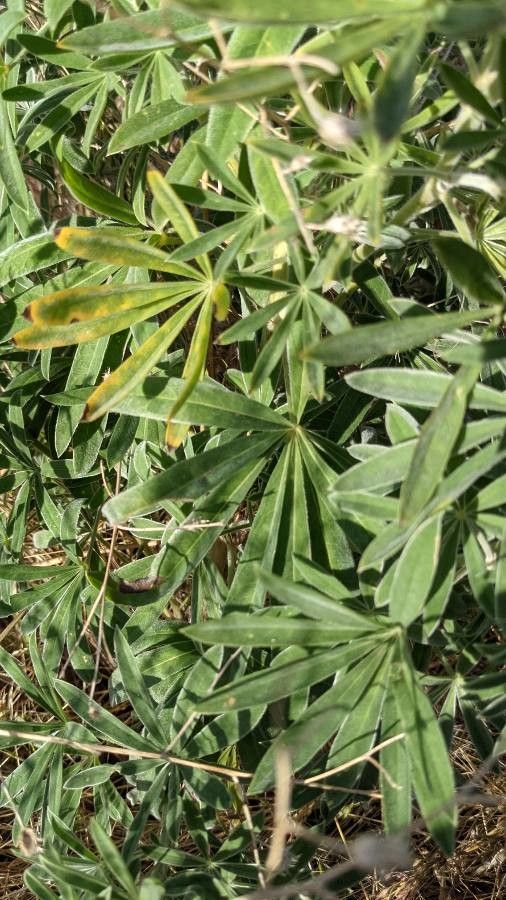
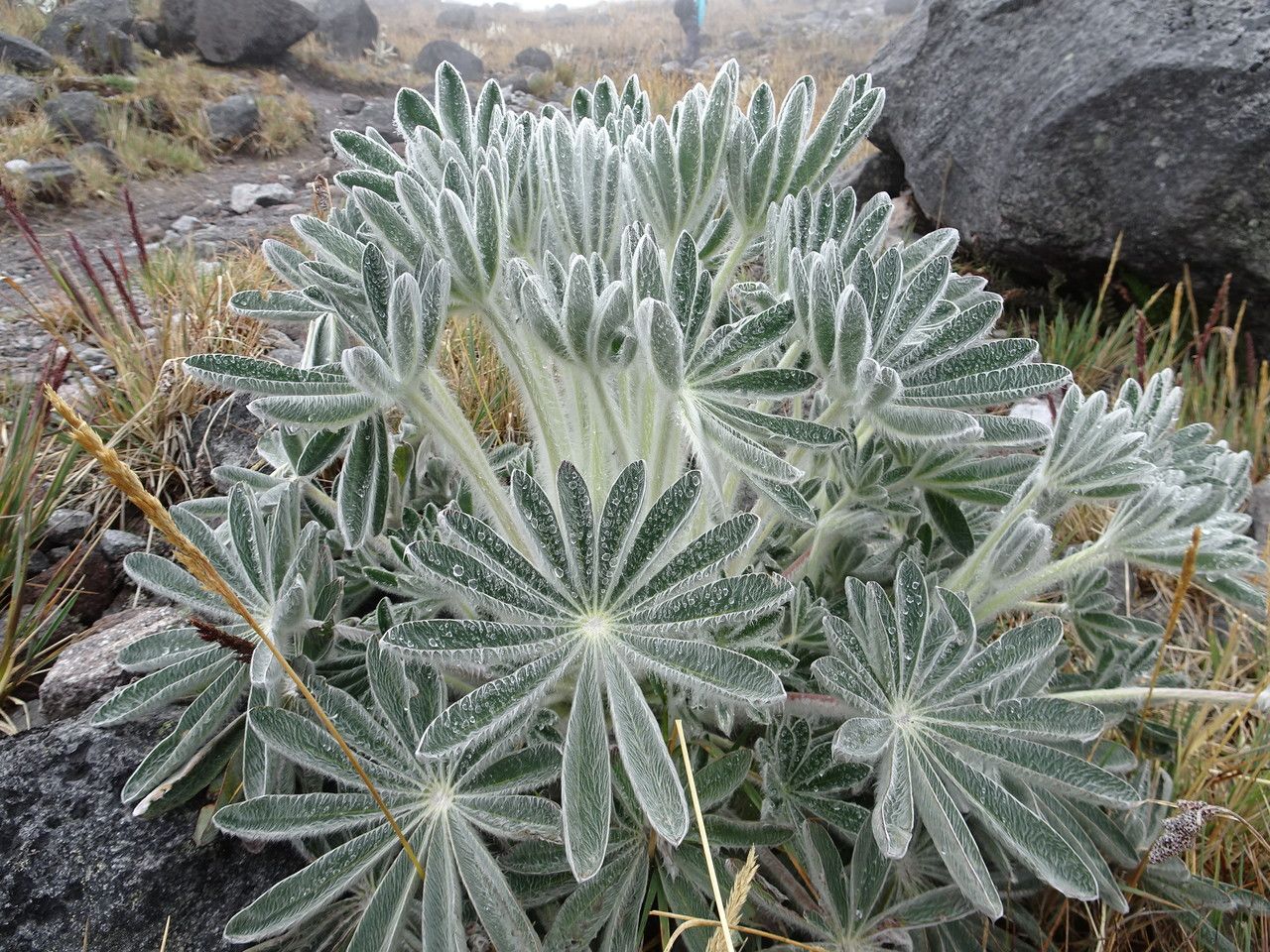
Lupinus albus, commonly known as the white lupin or field lupine, is a member of the genus Lupinus in the family Fabaceae. It is a traditional pulse cultivated in the Mediterranean region.
White lupine has strong resistance to disease and generally is not susceptible to illnesses. Still, it can be affected by pests and diseases present in its environment. Such infections are generally mild. Regarding care, this plant needs a moderate level of maintenance. It should be pruned regularly to preserve a neat appearance and encourage healthy growth. Applying fertilizer can also help boost flowering. White lupine is well suited for anyone with outdoor space, like a garden or a patio, and does not demand extensive gardening experience. It may need more attention when cultivated indoors.
How to keep Lupinus Albus.
Light
White lupine does best when it gets abundant sunlight throughout the day and can be harmed by insufficient light. Its natural habitat is defined by strong sun exposure, where it grows and flourishes. Overshadowing or dimly lit conditions can result in poor plant health and hinder its growth.
Water
White lupine thrives in a Mediterranean climate, where it favors sunlight and occasional watering, showing moderate tolerance to drought. Once established, these plants need watering once a week. Indoors, they require bright light and well-draining soil. Outdoors, they can withstand varying weather conditions.
Temperature
White lupine flourishes in its native growing environment, which is marked by moderate warmth of 68 to 100 °F (20 to 38 ℃). Across seasons, careful temperature adjustments may be necessary to replicate these conditions and ensure healthy growth.
Fertilizer
For optimal growth, White lupine needs three fertilizer applications: before planting, one month after seedlings emerge, and a final application 1 to 1.5 months after the second. Some White lupine varieties also benefit from extra fertilizer at planting to encourage rapid growth.
Pruning
White lupine is known for its tall spikes of blooms and bushy foliage. To promote healthy growth, prune the plant in the spring. This involves removing dead stems and improving air circulation. Making clean cuts helps prevent disease, and pruning during the plant's active growth period offers the best results while keeping stress to a minimum.
Botanical profile.
- Plant Type
- Herb
- Life Cycle
- Annual, Biennial
- Genus
- Lupinus
- Family
- Fabaceae
- Hardiness Zone
- 2-11
- Mature Height
- 0.3 m to 1.22 m
- Mature Spread
- 30 cm
- Leaf Color
- Green, Blue
- Leaf Type
- Semi-evergreen
- Flower Color
- White
- Flower Size
- 1.52 cm
- Bloom Time
- Mid spring, Late spring, Early summer
- Planting Time
- Spring, Autumn
- Harvest Time
- Mid summer, Late summer, Early fall
- Native Area
- Egypt, Turkey, Syria, Montenegro, Bulgaria, Albania, Lebanon, Greece, Croatia, Serbia
Other names.
Reader questions.
How should I water my White lupine plant to ensure it grows well?
To water White lupine, you have various options such as a garden hose with a spray nozzle, a watering can, or any common watering tool. White lupine is not too particular about its water source, as it can thrive with rainwater, tap water, or filtered water. It is generally advised to avoid watering this plant from above as it can harm the leaves and flowers and potentially cause disease. A drip irrigation system is often the best watering method for White lupine, as it delivers water evenly and directly to the soil. If you have a container-grown White lupine, you can follow a similar watering approach, but instead of a hose, you can use a cup, watering can, or tap water to apply water directly to the soil.
What will occur if I fertilize my White lupine excessively?
For both first-time gardeners and experienced gardeners trying out a new product, over-fertilizing can be an easy mistake to make. However, White lupine does a good job of indicating this issue through various signs of distress. These signs include quick yellowing of leaves, wilted foliage, and under-developed blooms. These signs clearly indicate that the plant has received too much food. When you fertilize White lupine too frequently, it results in unfavorable soil conditions. This can be described as soil becoming "too hot," which means it is overly saturated with minerals, nutrients, or compost, causing the roots of any plants in it to get burned. To prevent this, it is advisable to flush out the soil once a month by watering it twice as much as usual, ensuring good drainage.
What are the sunlight requirements for white lupine?
White lupine thrives in an environment characterized by significant sun exposure, requiring full sun, which is above 6 hours of sunlight, to flourish. Partial sun, about 3-6 hours of sunlight, could also be tolerable. Observing how sunlight moves through your garden and choosing spots that offer a perfect balance of light and shade will ensure the plants' happiness.
What are the ideal growth conditions for White lupine?
White lupine, scientifically known as Lupinus albus, thrives best in moderate heat conditions, preferring temperatures ranging from 68 to 100 °F (20 to 38 °C). To ensure healthy growth, it's important to regulate temperature carefully across different seasons to mimic its native environment. Although White lupine possesses strong cold resistance and typically doesn't require special frost protection measures, in conditions where winter temperatures are expected to drop below -40°C, it's crucial to provide cold protection by covering the plant with soil or straw. Additionally, watering the plant abundantly before the first freeze in autumn to keep the soil moist is recommended. This helps prevent drought and water scarcity during the colder months.
What should I do if I give my White lupine too much or too little water?
One solution for underwatering White lupine is to water it regularly when you notice that it lacks moisture. Overwatering, on the other hand, can be more dangerous if not caught early. It can lead to disease and death of the plant. To prevent this, it is important to choose a suitable location with proper sunlight and drainage. If you overwater a potted White lupine, consider changing it to a new pot with good drainage and loose soils.
Why should I put fertilizer on my White lupine?
Plants, including White lupine, need nutrients to survive. This is something most gardeners, regardless of experience, know. Without proper nutrition, White lupine will die out soon after the first pollination. To keep White lupine thriving and producing large, beautiful flowers throughout the blooming season, it is important to provide the right type and amount of nutrients. Fertilizer plays a crucial role in helping White lupine develop a healthy root system. Since White lupine has a thin and easily damaged root system, it requires extra support. By fertilizing during planting, White lupine can establish a solid root structure that not only ensures stability but also enhances its performance during flowering. Properly timed fertilization can also significantly prolong White lupine's flowering period.
How important is sunlight for the growth of white lupine?
Sunlight is crucial for the growth of white lupine, as it thrives when exposed to an abundance of sunlight throughout the day and might suffer from insufficient light. Its natural environment is one where it receives significant sun exposure, which is essential for its growth and health. In environments with low light, the plant may experience poor health and stunted growth.
How should I protect White lupine from low temperatures?
White lupine is cold-tolerant, with an optimal growth temperature above 20°C. During winter, it's vital to keep it above 0°C to avoid damage. In extreme conditions, where temperatures fall below -40°C, there may not be immediate visible damage in winter, but issues such as decreased sprouting or a lack of sprouting in spring may occur. To address this, remove any parts that have failed to sprout come springtime, ensuring the plant can recover and continue its growth cycle.
How often do I need to water my White lupine plant?
White lupine requires regular watering throughout the growing season. In the spring, water it once a week. As the season progresses and temperatures rise, you may need to water it two to three times per week. However, be cautious not to exceed this rate, as it can harm the plant. Regardless of how often you water, ensure that the soil remains moist but not wet. When it comes to watering potted White lupine, the frequency should be increased compared to plants growing in the ground. Generally, water container-grown White lupine a few times per week, whereas an in-ground plant only needs watering once a week.
When should I fertilize my White lupine?
White lupine experiences rapid growth early in the growing season after the last frost. It is recommended to fertilize White lupine during planting, right after it is placed in the ground or in planters. This initial dose of fertilizer should be the only one until later in the year when the plant is blooming at its fullest. Once the blooming season is underway and most of the blooms have reached their full size, it is time to resume fertilizing. This should be done every three to four weeks, depending on the weather, until the plant starts producing fewer new blooms. At that point, fertilizing can be stopped since the plant is no longer able to produce more blooms.
What artificial lighting requirements do indoor white lupine plants have?
Indoor white lupine plants require adequate artificial lighting for optimal growth, especially when natural sunlight is insufficient. LED lights are popular for indoor plant lighting as they can provide specific wavelengths needed by the plants. Full sun plants need 30-50W/sq ft, partial sun plants require 20-30W/sq ft, and full shade plants need 10-20W/sq ft of artificial light. The light source should be placed 12-36 inches above the plant for 8-12 hours per day to mimic natural sunlight conditions.
What should I do if White lupine is exposed to high temperatures?
During the summer months, it's crucial to maintain White lupine's environment below 38°C to avoid heat stress. Exposure to temperatures exceeding 43°C can lead to symptoms such as leaves becoming lighter in color, curling, susceptibility to sunburn, and in severe cases, the entire plant wilting and drying out. To mitigate these issues, trim away any sunburned or dried-up parts of the plant. Relocating the plant to a shaded area or utilizing a shade cloth can protect it from harsh midday and afternoon sun. Additionally, watering the plant in the morning and evening will help keep the soil moist and reduce stress on the plant.