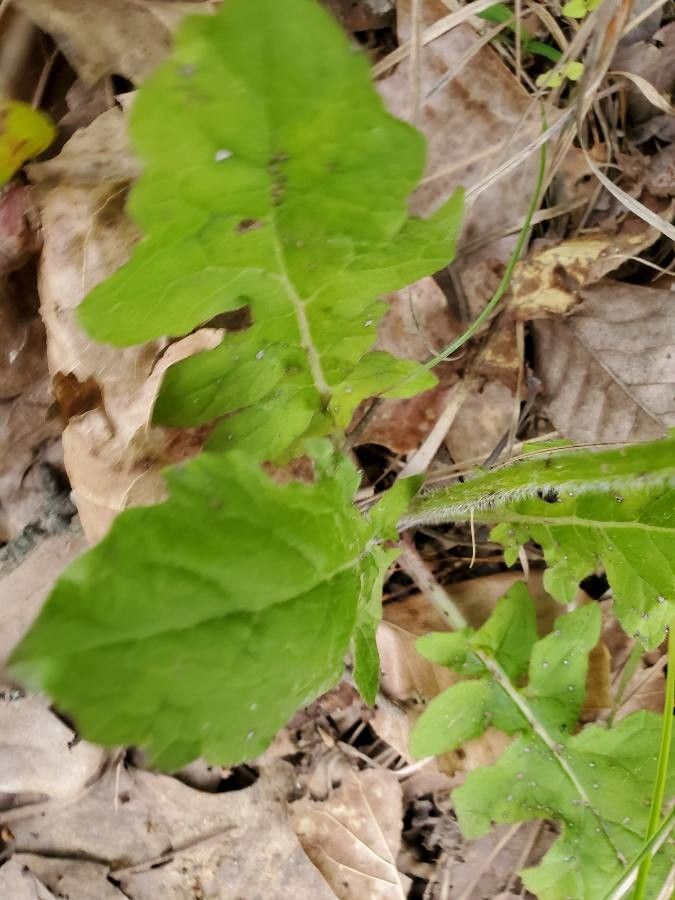
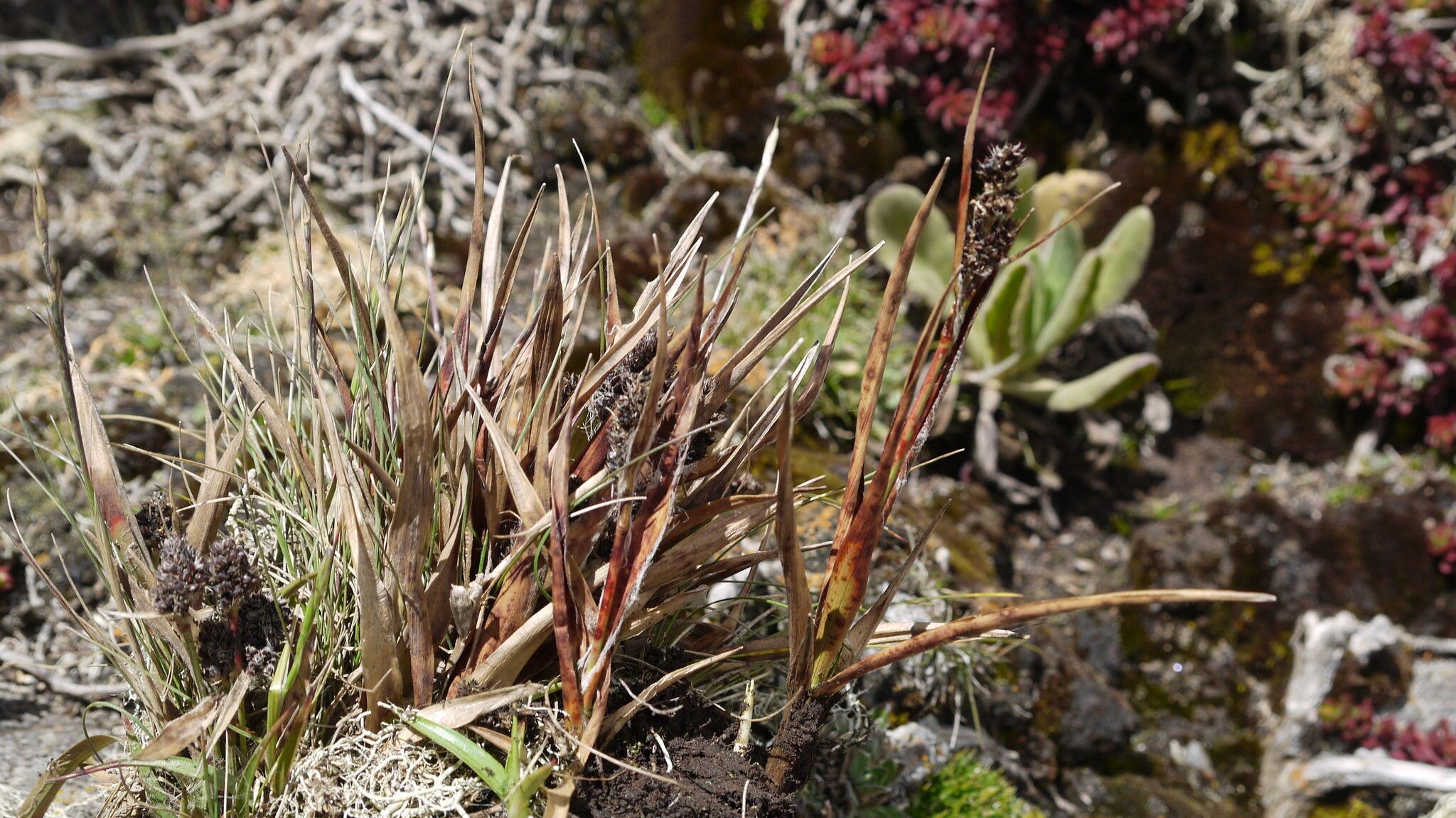
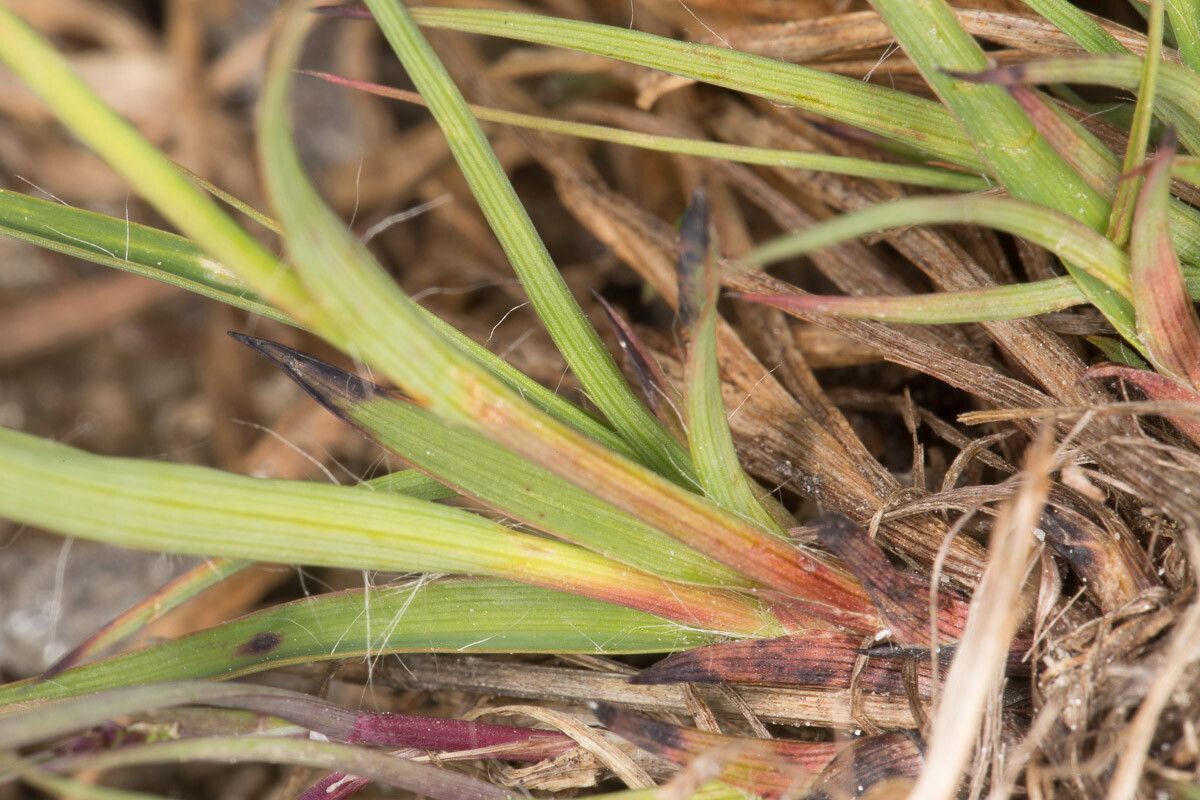
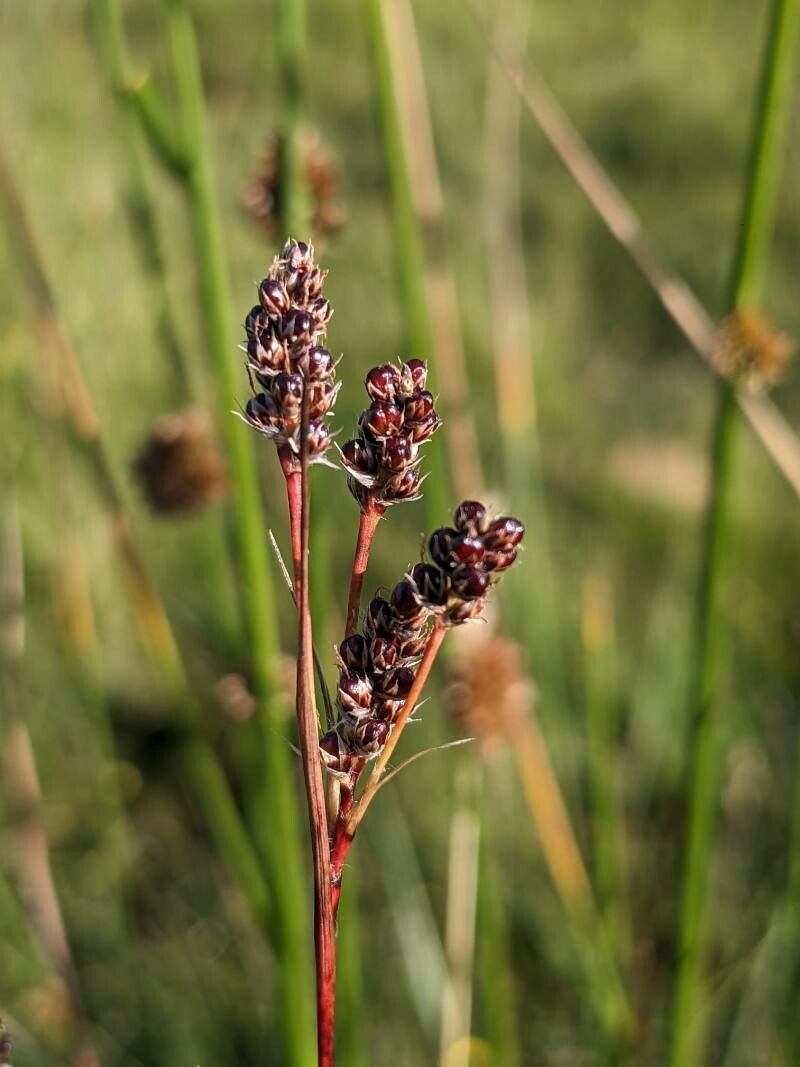
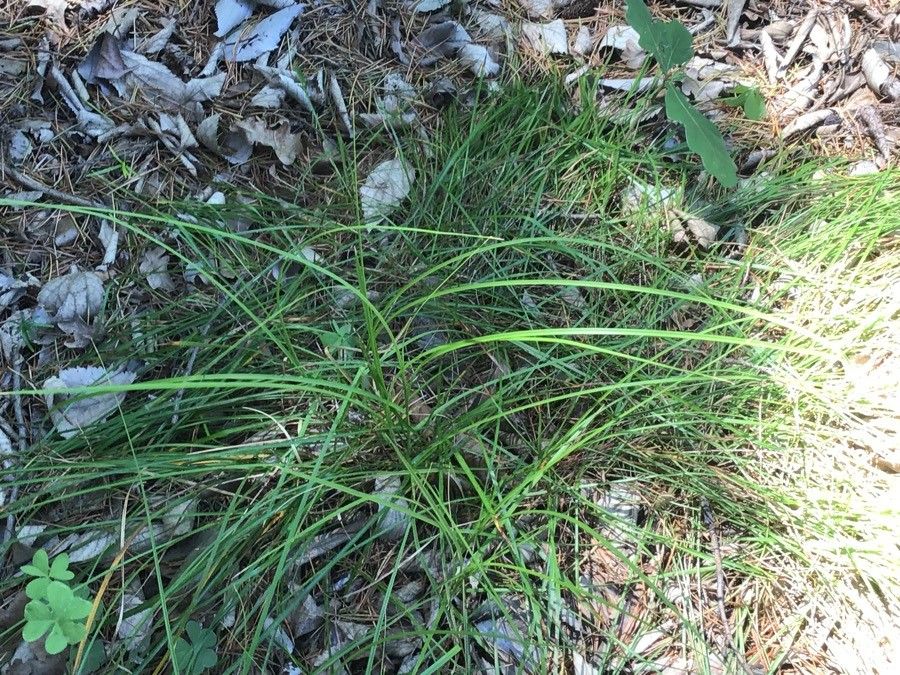
Luzula acuminata, the hairy woodrush, is a species of perennial plant in Juncaceae family that grows in northeastern United States and Canada. It is 6–47 centimetres (2.4–18.5 in) tall with its basal leaves being of 6–39 centimetres (2.4–15.4 in) high and 2–11 millimetres (0.079–0.433 in) in diameter. It cauline leaves are 2.5–11.5 centimetres (0.98–4.53 in) tall and 2–5 millimetres (0.079–0.197 in) wide.
Hairy woodrush has good resistance to disease and is generally not prone to illnesses. However, it can be vulnerable to pests and diseases present in its surroundings. These infections are typically not severe. Care-wise, this plant needs a moderate level of maintenance. Regular pruning is required to maintain a neat appearance and promote healthy growth. Fertilizing can also help encourage flowering. Hairy woodrush is suitable for anyone with an outdoor area, such as a garden or patio, and does not demand extensive care experience. It may need more attentive care when grown indoors.
How to keep Luzula Acuminata.
Light
Hairy woodrush is native to habitats such as forest understories and rocky areas, where it occurs in natural shade. It prefers partial sun but can tolerate full sun or full shade, demonstrating its versatile and hardy nature.
Water
The hairy woodrush thrives in conditions of consistent moisture and moderate humidity, benefiting from weekly watering. As an understory plant, it performs best indoors where dappled light and stable temperatures mimic its natural habitat. These conditions positively influence its watering requirements.
Temperature
Hairy woodrush is native to environments with temperatures ranging from 32 to 90 °F (0 to 32 ℃). It prefers conditions within that wide range and makes seasonal adjustments to enhance its survival.
Fertilizer
Typically, a single fertilizer application in spring is enough for Hairy woodrush, though multiple feedings can maximize growth. Apply every one to one and a half months. Fertilizing improves leaf appearance and function, helping maintain even color and a healthy texture. It also encourages root development and boosts nutrient uptake for long-term plant health.
Pruning
Hairy woodrush has tufted, grass-like foliage that needs regular pruning to remove dead or damaged leaves. The best time to prune is from early to late spring, as this encourages new growth and helps maintain its attractive appearance. Conducting regular inspections and using clean tools can enhance the plant's vigor and ensure good air circulation, which helps prevent disease.
Botanical profile.
- Plant Type
- Herb
- Life Cycle
- Perennial
- Genus
- Luzula
- Family
- Juncaceae
- Hardiness Zone
- 3-8
- Mature Height
- 10 cm to 40 cm
- Mature Spread
- 30 cm to 61 cm
- Leaf Color
- Forest Green, Dark Green
- Leaf Type
- Evergreen
- Flower Color
- Brown, Tan
- Flower Size
- 0.76 cm to 0.76 cm
- Bloom Time
- Early spring, Mid spring
- Planting Time
- Spring, Summer, Autumn
- Harvest Time
- Late spring, Early summer
Other names.
Reader questions.
How should I water my Hairy woodrush plant properly?
To properly water the Hairy woodrush, use filtered water at room temperature or slightly warmer. Tap water may have harmful particles, so filtered water is preferred. The Hairy woodrush originates from warm environments, so avoid using cold water to prevent shocking the plant. Additionally, do not water from above as it can lead to foliage issues. Instead, pour the filtered room temperature water directly onto the soil until it is completely saturated. This helps moisten the roots and supports their growth and nutrient absorption.
How much sunlight does Hairy woodrush need to grow?
Hairy woodrush needs both sunlight and shade to grow well. It thrives with 3-6 hours of direct sunlight a day, but it also requires some shade during the hottest parts of the day to avoid sun damage. The best time for sun exposure is in the morning, although it can handle some afternoon sun as long as the temperature is not too hot. To give Hairy woodrush the perfect amount of sunlight, consider planting it in a spot that receives partial sun, like under a tree or on the east side of a building.
What temperature is best for Hairy woodrush?
The best temperature for Hairy woodrush depends on the time of year. There are two primary seasons: the growing season and the dormancy season. During the growing season, when Hairy woodrush is sprouting, the ideal temperature range is 65~80℉ (18~27℃). If it gets colder than 15℉ (-10℃), the plant may suffer, with browning and wilting leaves. However, if the cold snap is short, the plant may survive with some assistance. In warmer parts of the year, Hairy woodrush should also be protected from temperatures above 95-105℉ (35-40℃). Higher temperatures can harm the foliage and blooms, resulting in wilting, drooping, and sunburn on the leaves. Recovering from these effects can be difficult for Hairy woodrush. Fortunately, there are quick and easy ways to combat this issue.
What should I do if I give too much or too little water to my Hairy woodrush?
Overwatering is a common issue for Hairy woodrush plants and can cause wilting, yellowing leaves, and potential diseases like root rot, mold, and mildew. Underwatering, although less common due to the plant's drought tolerance, can result in brittle, brown leaves. It's important to identify signs of overwatering early to prevent irreversible damage. Reduce watering and assess the soil if overwatering is suspected. If underwatering is detected, simply increase watering until signs improve.
What happens if Hairy woodrush doesn't get enough sunlight?
Hairy woodrush can experience sun damage if it receives too much direct sunlight. This can cause the leaves to turn yellow, dry out, or burn. Additionally, the plant may wilt or become stunted. To prevent this, it is important to provide some shade for Hairy woodrush during the hottest parts of the day. You can achieve this by using a shade cloth or planting it near taller plants that can provide natural shade.
The temperature conditions needed for newly planted or young Hairy woodrush.
If you have just planted a Hairy woodrush outside for the first time, it may need some extra care during the colder months. Frost can cause significant damage to a first-year Hairy woodrush and prevent it from growing back healthy in the spring. To avoid this, the plant should be kept at a temperature of 40℉(5℃) or above. This can be achieved by either bringing the plant inside for a month or two or using mulch or fabric barriers to protect it from frost. During the first year or two, it is a good idea to plant Hairy woodrush in a shadier spot. Smaller and weaker plants have a harder time maintaining their own temperatures in the heat, so they benefit from less direct sunlight. Ideally, they should receive no more than five hours of direct sunlight per day, especially if the temperature rises above 80℉(27℃). Use shadecloth and water or mist the plant frequently to control heat during the summer.
How frequently do I need to water my Hairy woodrush?
If your Hairy woodrush plant is in a pot, the best way to determine if it needs water is to stick your finger in the soil. If the top two to three inches of soil are dry, it's time to water it. For Hairy woodrush plants grown in the ground outdoors, you can use a similar method to check the soil. When the top few inches of soil have dried out, it's time to water it. Typically, during spring and early fall, you'll need to water this plant about once a week using this method. However, in extremely hot weather, you may need to water it twice or more per week. It's worth noting that mature, well-established Hairy woodrush plants can withstand drought quite well.
What will happen if Hairy woodrush is exposed to too much sunlight?
If Hairy woodrush doesn't receive sufficient sunlight, it may grow tall and thin with scarce foliage. Additionally, its leaves may become yellow or pale green, indicating a lack of chlorophyll production due to the insufficient sunlight. To fix this issue, you can relocate the Hairy woodrush to a sunnier area or trim nearby foliage to allow more light access to the plant.
How do I keep Hairy woodrush safe in very hot or cold weather?
If you experience cold temperatures (below 15℉(-10℃)) during the growing season, there are steps you can take to protect Hairy woodrush from frost or cold damage. If you're growing it in a container, bring the container indoors, where it can receive bright, indirect light until temperatures rise above the lower threshold again. For ground-planted Hairy woodrush, you can use mulch or horticultural fabric to create an insulated barrier around the plant, effectively shielding it from frost and cold wind. On the other hand, if temperatures go above 80℉(27℃) in the shade during the day, be cautious about exposing Hairy woodrush to sunlight for more than six hours a day, preferably in the morning. To reduce direct sunlight during the hottest parts of the day, you can put up shade cloth or a fine plastic mesh. Another option is to set up a misting system that produces a slow release of cooling mist around the plant's base, which helps lower ground temperatures.
How much water does my Hairy woodrush plant need?
When watering your Hairy woodrush, don't be afraid to give it plenty of water. Wait until the top few inches of soil are dry, then water the plant thoroughly. Make sure to water enough to saturate the soil completely, allowing excess water to drain through the pot's drainage holes. If you don't see excess water draining, you may have not watered enough. However, be careful not to let water accumulate in the soil, as this can harm the plant. Additionally, if water doesn't drain well, it could indicate a problem with the soil and should be addressed promptly. If the plant is outside, about an inch of rain per week should be enough.
Recommended temperatures for Hairy woodrush during the dormant season.
Hairy woodrush requires a certain amount of cold in winter to remain dormant until it's time to sprout. It's risky for Hairy woodrush to sprout too early, before the threat of frost has passed, especially if it has already started growing. Ideally, winter temperatures should be below 32℉(0℃), but if they reach 40℉(5℃), it's okay. In more temperate climates like woodland rainforests, an unexpected warm period can cause Hairy woodrush to sprout prematurely. If there's still a chance of frost, you can cover it with clear plastic on stakes to protect the new sprout from the cold. Once the danger of frost is gone, you can remove the covering. Sometimes Hairy woodrush will sprout at the right time without help, but the covering method increases the chances of a successful second growth.
How should I water my Hairy woodrush as it grows?
The water needs of the Hairy woodrush can vary depending on its growth stages. In the first few years of its life, or if it has recently been transplanted, the Hairy woodrush requires more water than usual. During these stages, the plant focuses on developing new roots to support future growth, and these roots perform best with slightly more moisture. After a few seasons, the Hairy woodrush will require less water. Additionally, during the bloom period, when the plant is producing flowers, it may need more water as the flower development process requires significant moisture.