### Luzula alpinopilosa: An Alpine Gem
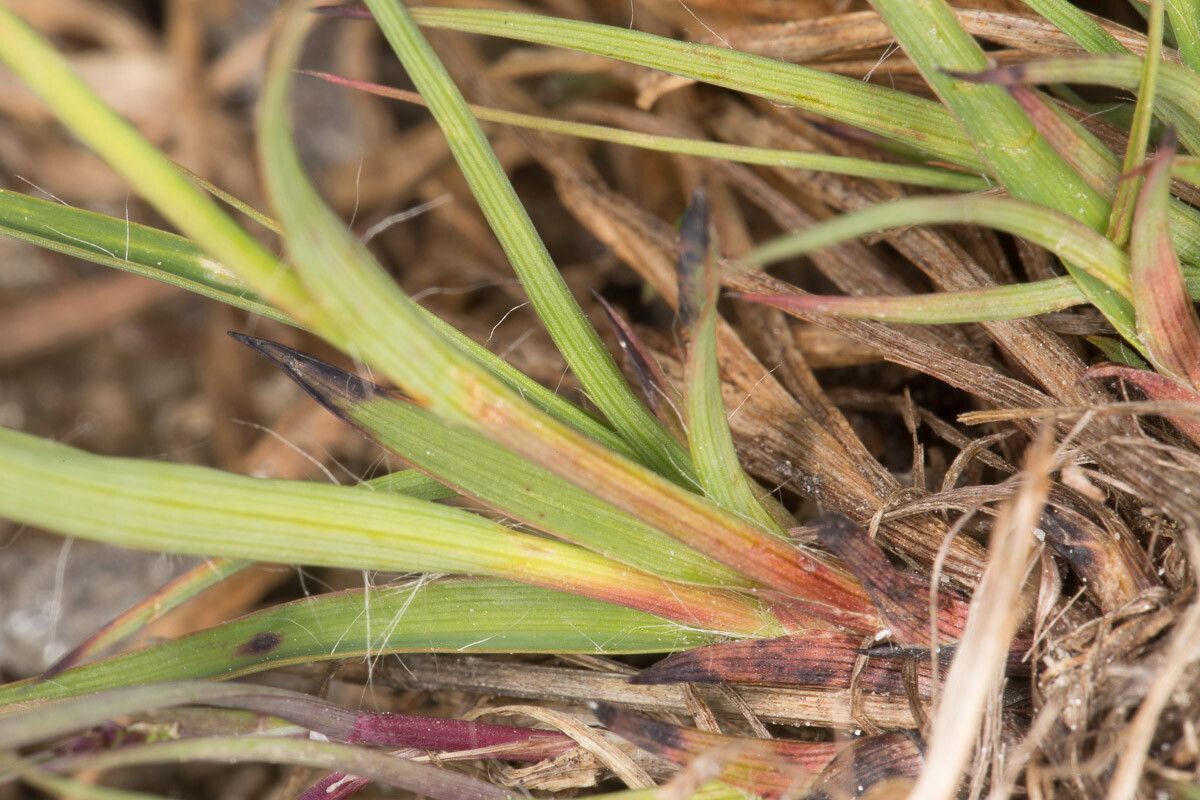
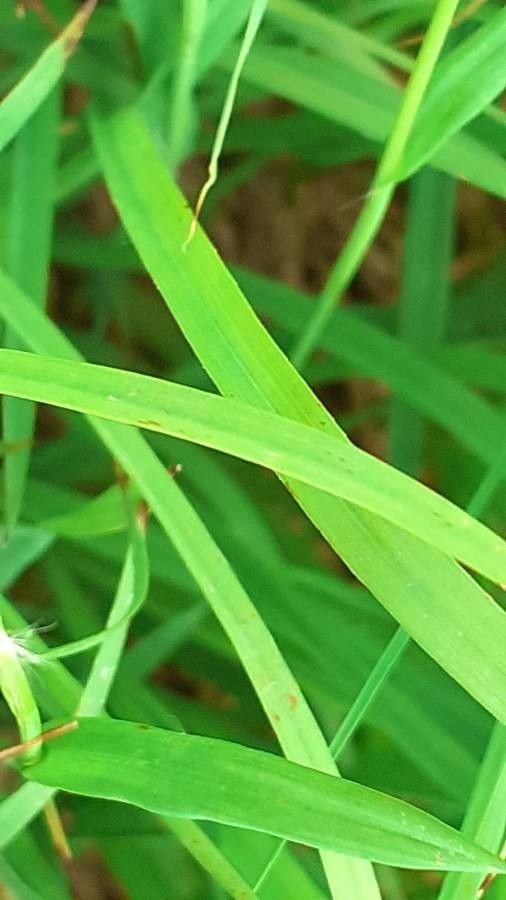
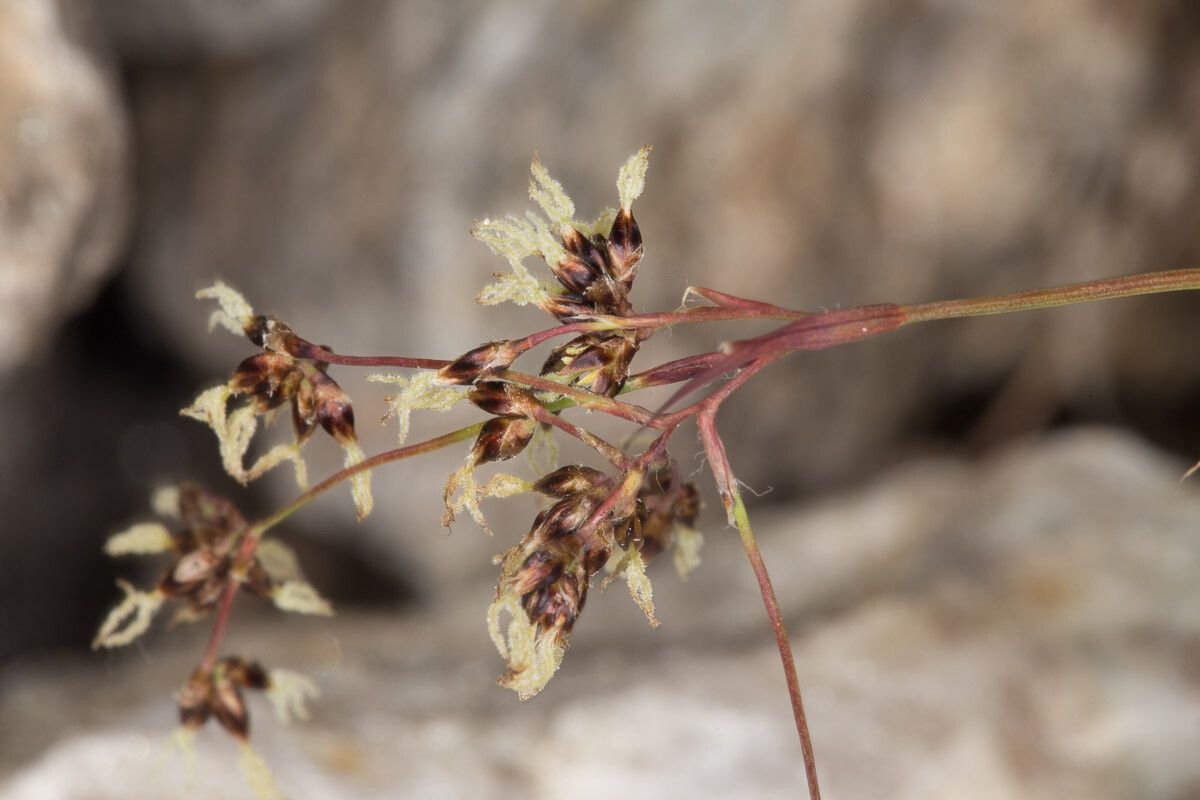
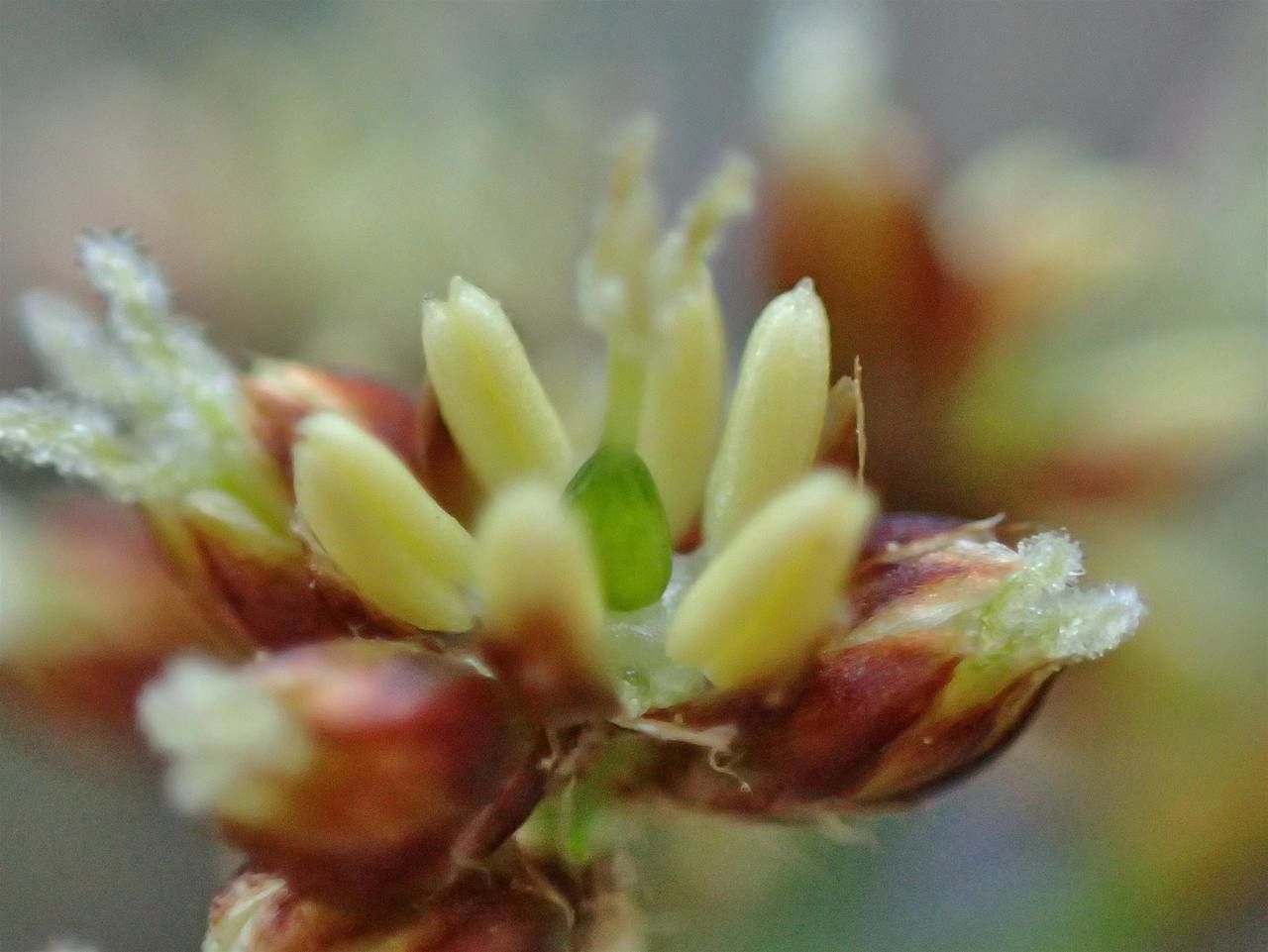
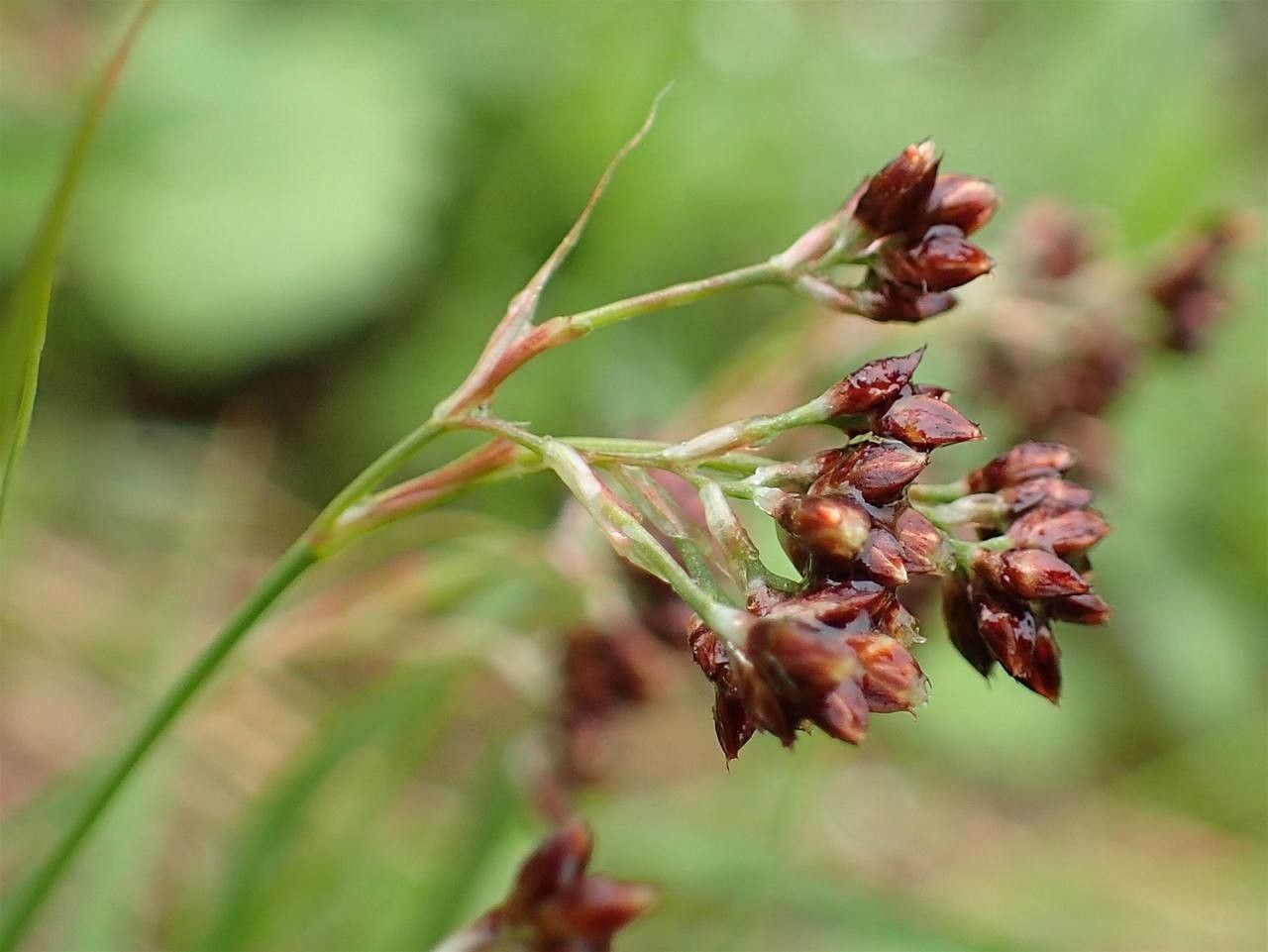
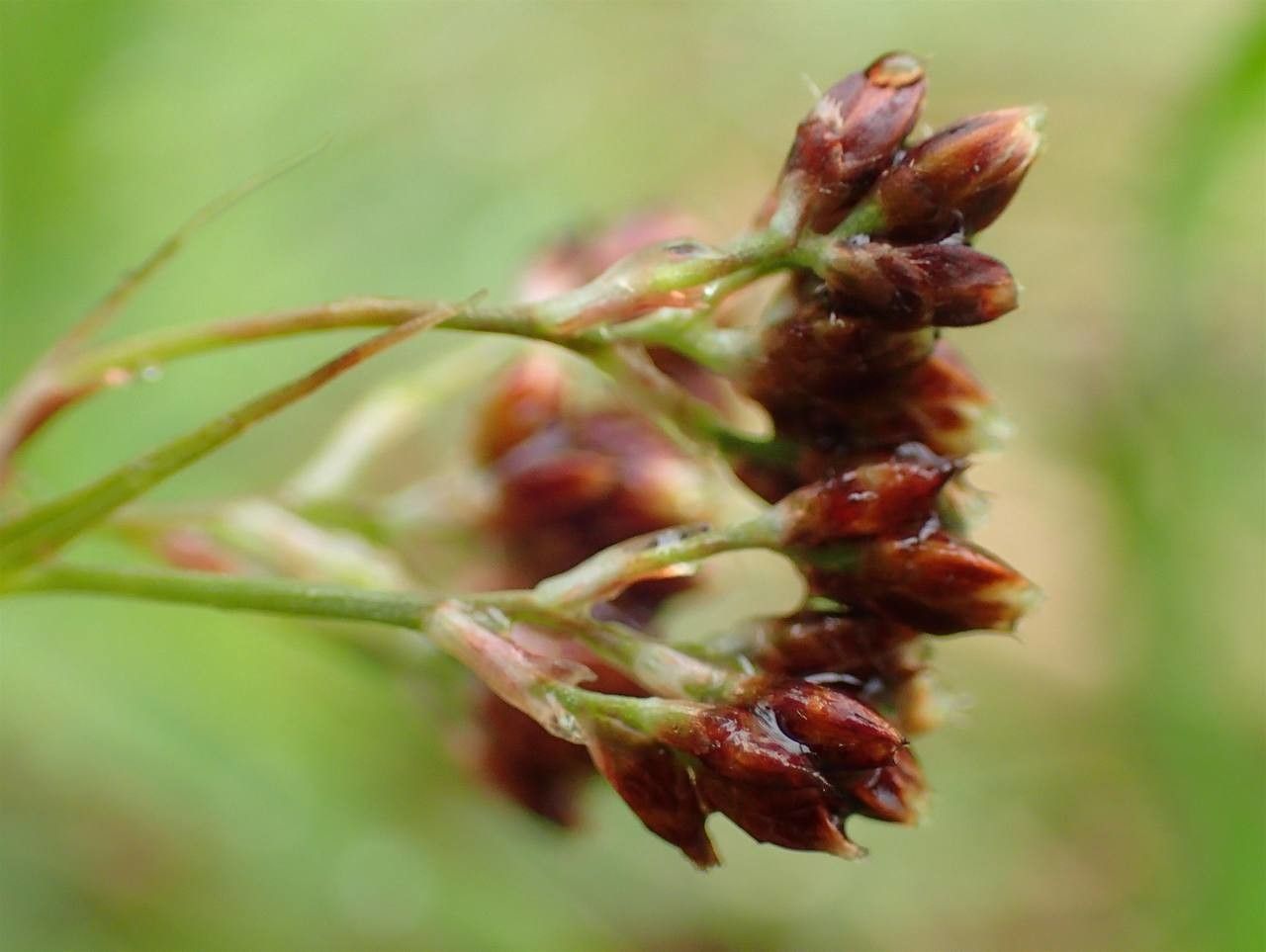
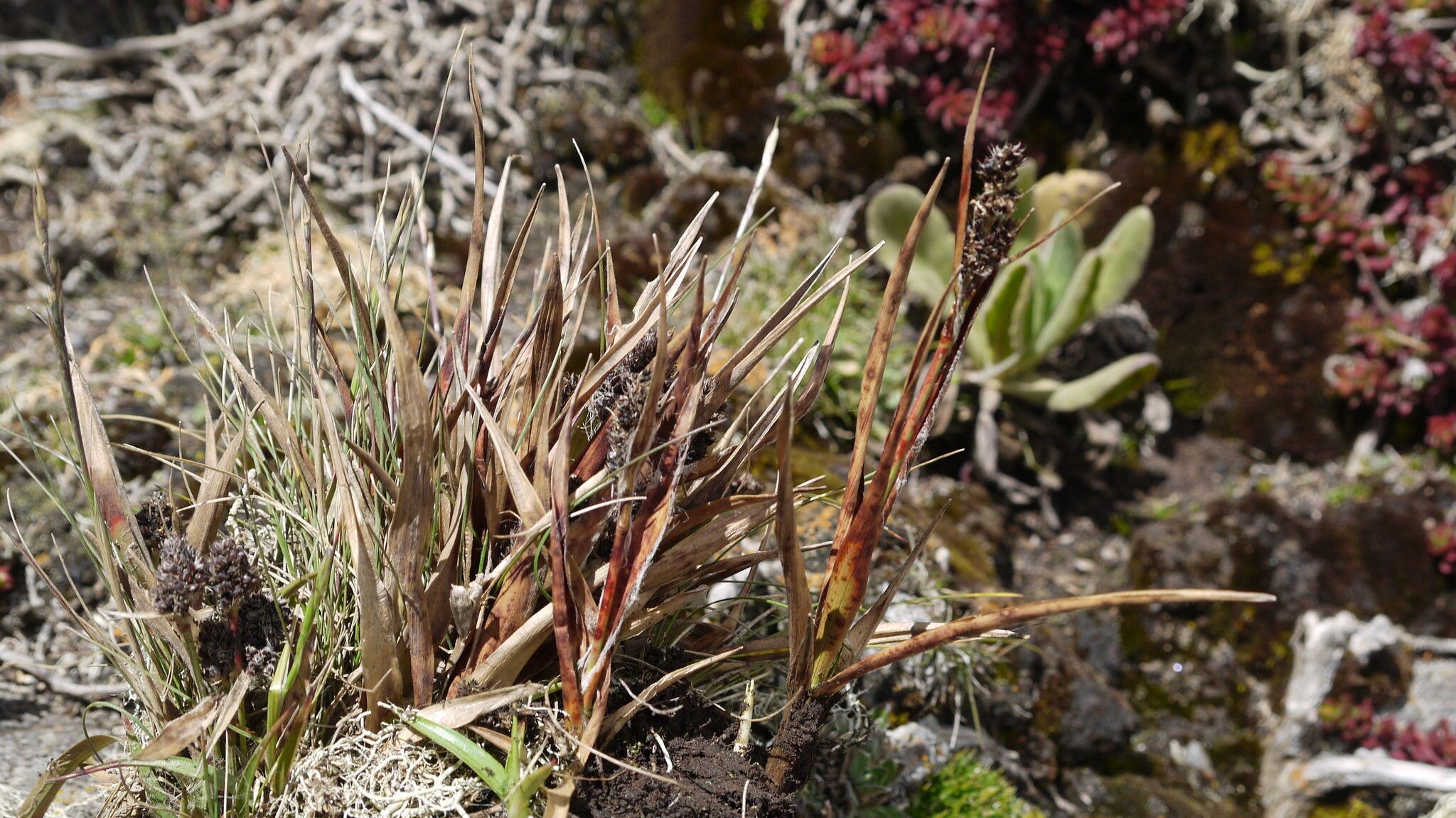
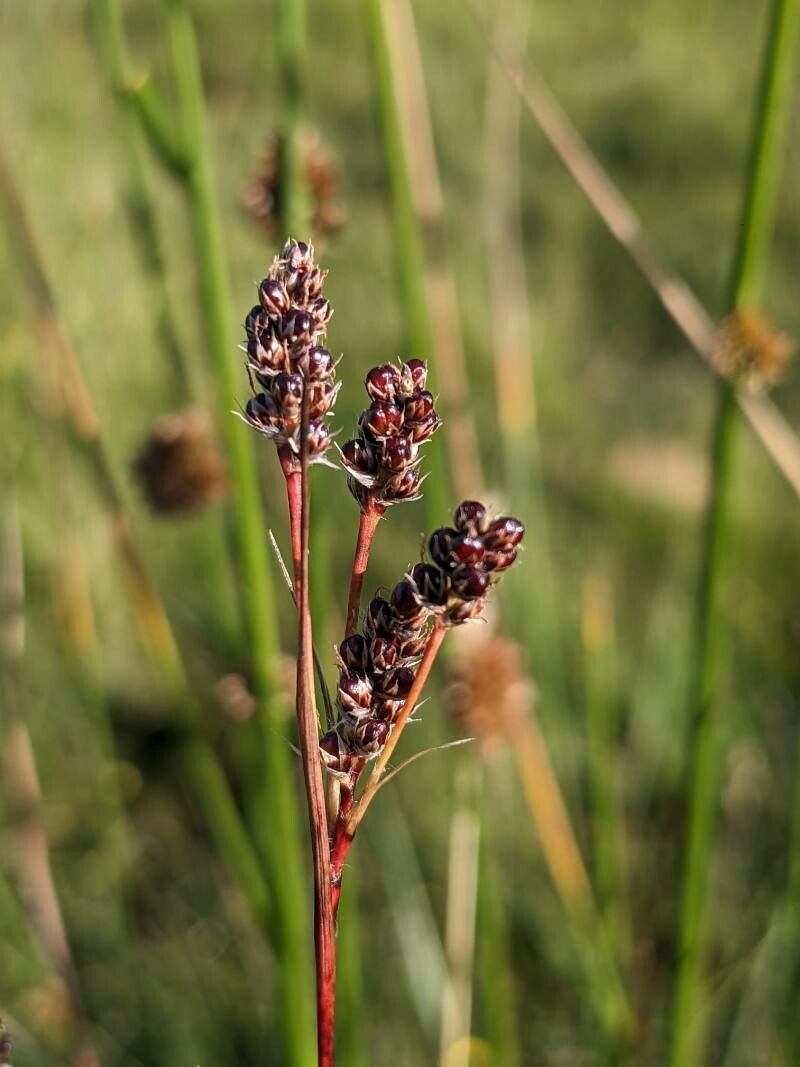
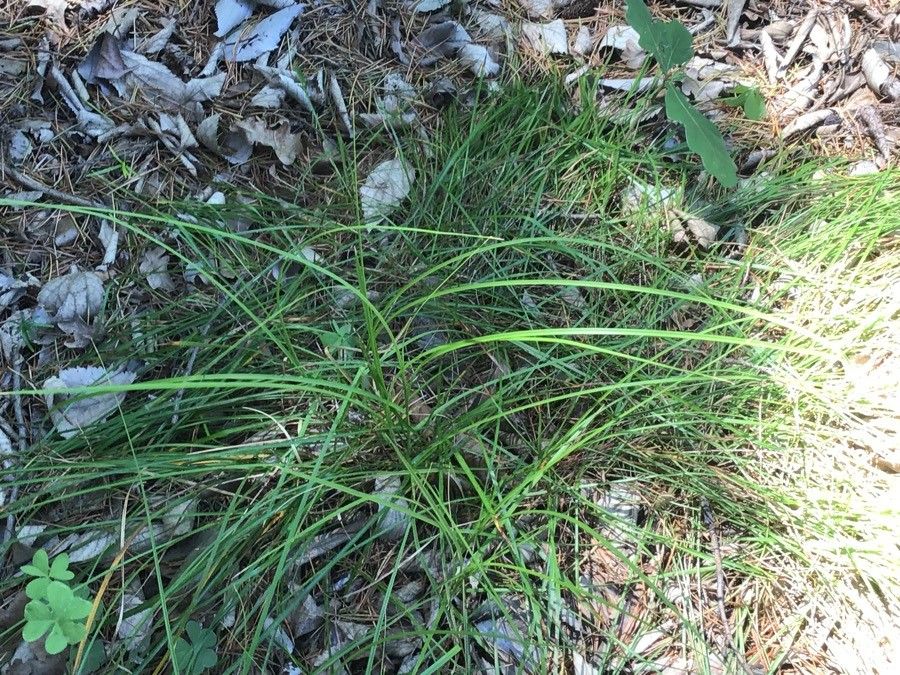
Luzula alpinopilosa, commonly known as Alpine Woodrush, is a perennial plant belonging to the Juncaceae family. This species thrives in the alpine and subalpine regions of Europe, Asia, and North America. It exhibits a tufted growth habit, featuring narrow, dark green leaves and small, brownish-green flowers that bloom on tall stems from May to July.
### Growing Conditions and Ornamental Use
Alpine Woodrush prefers moist, well-drained soils and can adapt to conditions ranging from full sun to partial shade. Its low-growing habit makes it an excellent choice for ornamental use in rock gardens or as ground cover.
### Traditional Medicinal Uses
Traditionally, indigenous peoples of North America have utilized Luzula alpinopilosa for medicinal purposes, treating ailments such as fever, coughs, colds, and headaches.
### Ecological Importance
Luzula alpinopilosa plays a crucial role in its ecosystem. It provides food sources for various insects, including butterflies and moths, and helps prevent soil erosion with its deep root system, stabilizing soil on steep slopes.
### Conclusion
In summary, Luzula alpinopilosa is a hardy perennial that adds natural beauty to any garden. Its multiple ecological benefits and low maintenance requirements make it an excellent choice for gardeners seeking a plant that is both aesthetically pleasing and environmentally beneficial.
Alpine woodrush is resistant to disease and generally not prone to health problems. Carewise, this plant is fairly low maintenance. When grown outdoors it needs only minimal watering; larger plants typically do not require pruning, while smaller ones should be trimmed after they finish blooming. Alpine woodrush is appropriate for anyone with an outdoor area, such as a garden or deck, and does not demand a lot of care experience.
How to keep Luzula Alpinopilosa.
Light
Alpine woodrush naturally occurs in habitats like forest understories and rocky areas, where it is exposed to natural shade. It prefers partial sun but can tolerate full sun or full shade, showing its adaptable and hardy character.
Water
Alpine woodrush thrives in the cool and humid environments of mountainous areas. It requires consistent moisture to maintain its lush foliage and should be watered weekly. As an evergreen plant, it needs careful hydration throughout the year, especially during the cooler months when indoor heating can lower humidity levels.
Fertilizer
Alpine woodrush needs extra nutrients to encourage healthy new growth. In spring, spreading compost around the base of the plant will effectively supply the nutrition it requires. Fertilizing helps maintain vigorous growth and aids the plant in resisting diseases and pests.
Pruning
Alpine woodrush is a resilient perennial that thrives in alpine settings. To encourage growth, it is best to prune in early spring, removing dead leaves and debris to improve air circulation. Regular thinning helps prevent overcrowding. Effective pruning not only enhances the plant's appearance but also reduces the risk of disease.
Botanical profile.
- Plant Type
- Grass
- Life Cycle
- Perennial
- Genus
- Luzula
- Family
- Juncaceae
- Hardiness Zone
- 4-8
- Mature Height
- 10 cm to 30 cm
- Mature Spread
- 5 cm to 15 cm
- Leaf Color
- Dark Green
- Leaf Type
- Evergreen
- Flower Color
- Brown
- Flower Size
- 0.25 cm to 0.51 cm
- Bloom Time
- Early summer, Mid summer
- Planting Time
- Spring, Summer
- Harvest Time
- Late summer, Early fall
Other names.
Reader questions.
How many times should I water my Alpine woodrush?
The watering needs of Alpine woodrush depend on its planting location. Generally, watering once a week is sufficient. In hot climates, watering once or twice a week in the summer may be necessary. In moderate climates, watering once every seven days or more may be enough. Grass in containers will need more frequent watering compared to grass in the ground. However, the watering frequency also depends on the location and sun exposure. Shaded grasses require less frequent watering than those in the ground. It is important to water Alpine woodrush when the soil is dry. To determine if the soil is dry, press your finger a couple of inches into the soil or weigh the potted grass. When the roots lack water, the grass blades may appear folded and thinner than usual. Despite its drought tolerance, regular and deep watering will result in beautiful color. In the wild, Alpine woodrush grows in open scrubland and is subject to extreme heat, bright sun, and intermittent rain. Although it is drought resistant, consistent watering is still necessary. When newly planted, Alpine woodrush requires more frequent watering until it establishes deep roots. For potted Alpine woodrush, test the soil every 3 to 4 days and water when it feels dry. Woodrush in the ground generally needs less watering, but this depends on the soil type. Clay soil retains moisture below the surface, even if it feels dry at the top, while sandy soils that drain quickly will require more frequent watering.
What are the sunlight requirements for Alpine woodrush?
Alpine woodrush thrives in partial sun, needing about 3-6 hours of sunlight daily. This plant is native to environments like forest understories or rocky areas, experiencing natural shade. It prefers partial sun but can also tolerate full shade, making it a flexible choice for various garden spots. Keep in mind the importance of observing how sunlight moves through your garden to find locations that offer a balance of light and shade, ensuring the plant's well-being.
What do I need to watch out for when watering my Alpine woodrush at different times of the year, in different climates, or during different stages of growth?
One way to determine if you are watering your grass enough is to observe its rate of growth. For example, Alpine woodrush is known to double in size within a year during the hottest months. Therefore, if the weather is hot but the grass is not growing vigorously, it may indicate that you need to adjust your watering schedule. In winter, you can likely water once a month, but it is still important to check the soil for moisture. During the growth cycle in the warmest months, the grass will require more water than usual. However, during winter and cooler months, the need for water will significantly decrease. It is crucial to remember that the soil for Alpine woodrush should always be allowed to completely dry out before adding water.
How can artificial lighting benefit indoor Alpine woodrush plants?
When natural sunlight is insufficient, particularly during winter or in less sunny spaces, artificial lighting can be a crucial aid for indoor Alpine woodrush plants. These artificial lights, such as LED lights, provide essential wavelengths for optimal growth, promoting healthier and faster development. For artificial lighting requirements, full sun plants need 30-50W/sq ft, partial sun plants need 20-30W/sq ft, and full shade plants need 10-20W/sq ft. The light source should be placed 12-36 inches above the plant to mimic natural sunlight conditions, and most plants will benefit from 8-12 hours of light per day.
What should I do if I give too much or too little water to my Alpine woodrush?
Proper watering is crucial for the health of this beautiful ornamental grass. When planted in the ground, watering issues can be resolved. However, in a container, overwatering or underwatering can quickly be fatal to Alpine woodrush. Insufficient watering can result in stunted growth, while overwatering can cause yellow leaves with brown tips. Underwatering may lead to drooping leaves, weak seed head production, and browned leaves. If you suspect incorrect watering, the first step is to determine if the issue is too much or too little. Cease watering immediately if the grass is receiving excessive water. Keep in mind that heavy soils may take weeks to dry, so patience is key. Once new growth appears, check the soil's moisture level to decide if it requires more water. If the grass is receiving too little water, a deep drink can often revive it. Remember that deep watering promotes the growth of deep roots, making the grass more resilient to drought and water-related problems.
What are the symptoms of light deficiency in Alpine woodrush?
Alpine woodrush shows several symptoms when exposed to insufficient light, including smaller new leaves, leggy or sparse growth, faster leaf drop, slower or halted growth, and lighter-colored new leaves. Additionally, chlorosis, or the yellowing of leaves due to a breakdown of chlorophyll, can occur with excessive sunlight, affecting the plant's ability to photosynthesize. Other symptoms of inadequate light or overexposure include sunscald, leaf curling, wilting, and leaf scorching.
What solutions can address light-related issues for Alpine woodrush?
For indoor Alpine woodrush plants, gradually shifting them to sunnier spots each week until they receive 3-6 hours of direct sunlight daily or using artificial lighting, such as desk or ceiling lamps for at least 8 hours daily, can help. For outdoor plants, moving them gradually to sunnier locations each week can prevent sunburn and encourage healthy growth. Reducing obstructions, like pruning trees that shadow your plants, or transplanting smaller plants during their dormant period to sunnier locations with good drainage, can also enhance light exposure.