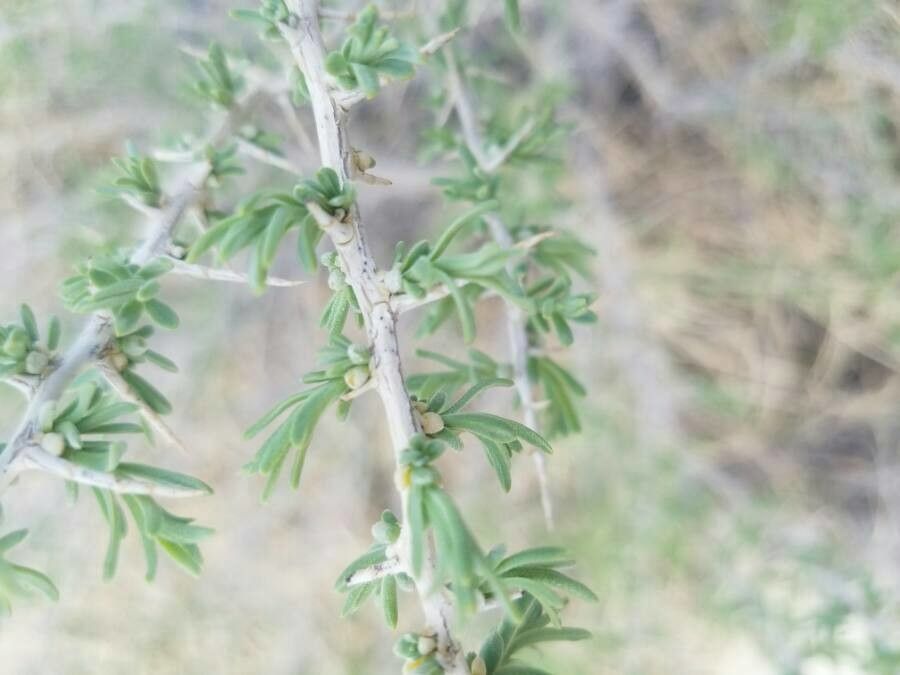
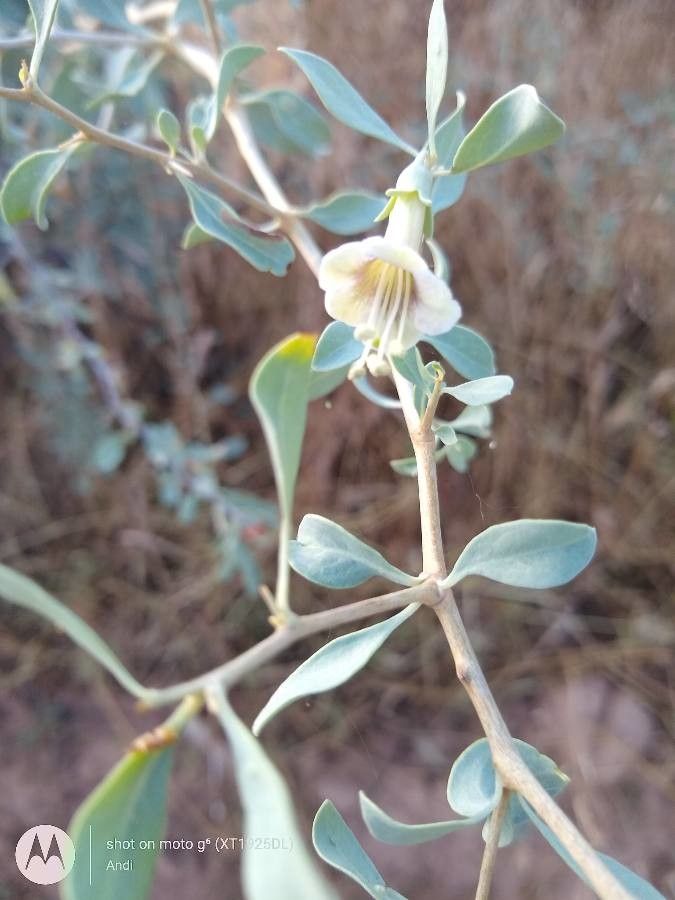
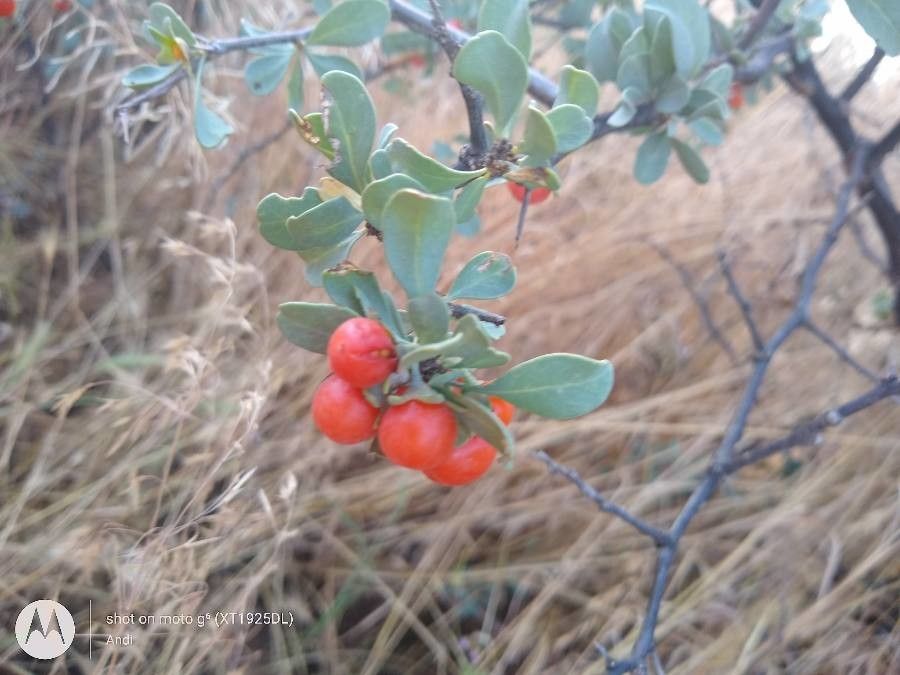
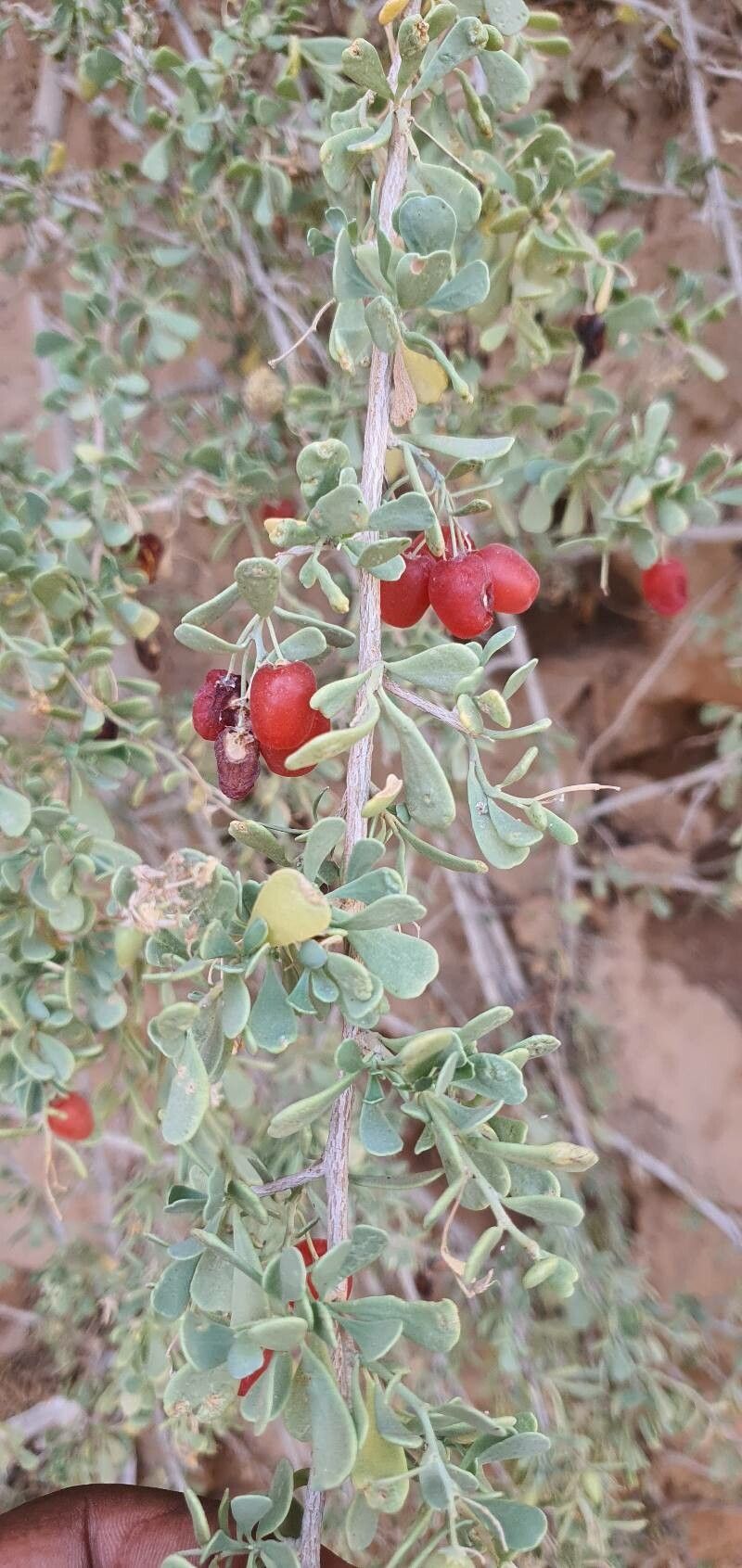
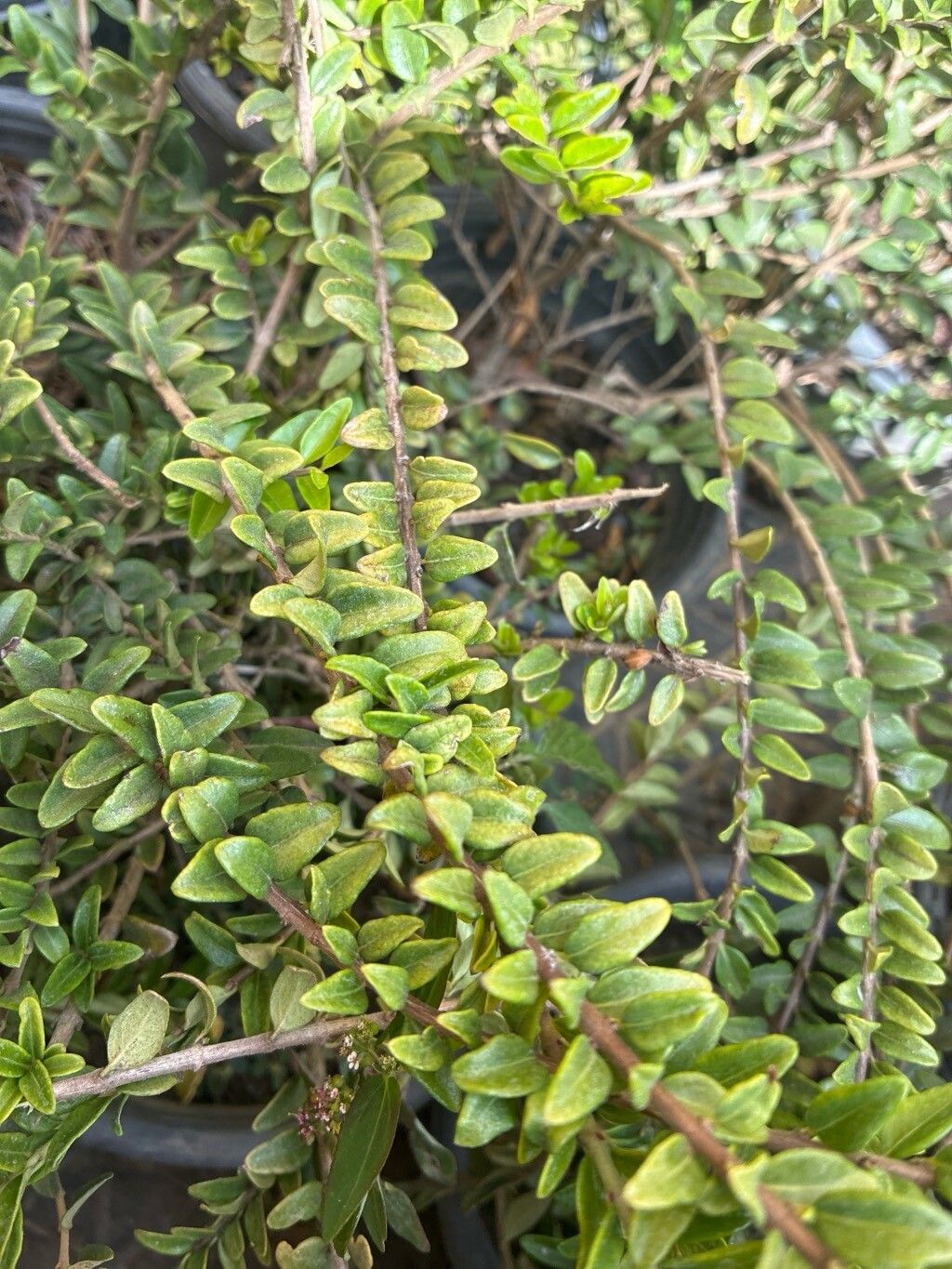
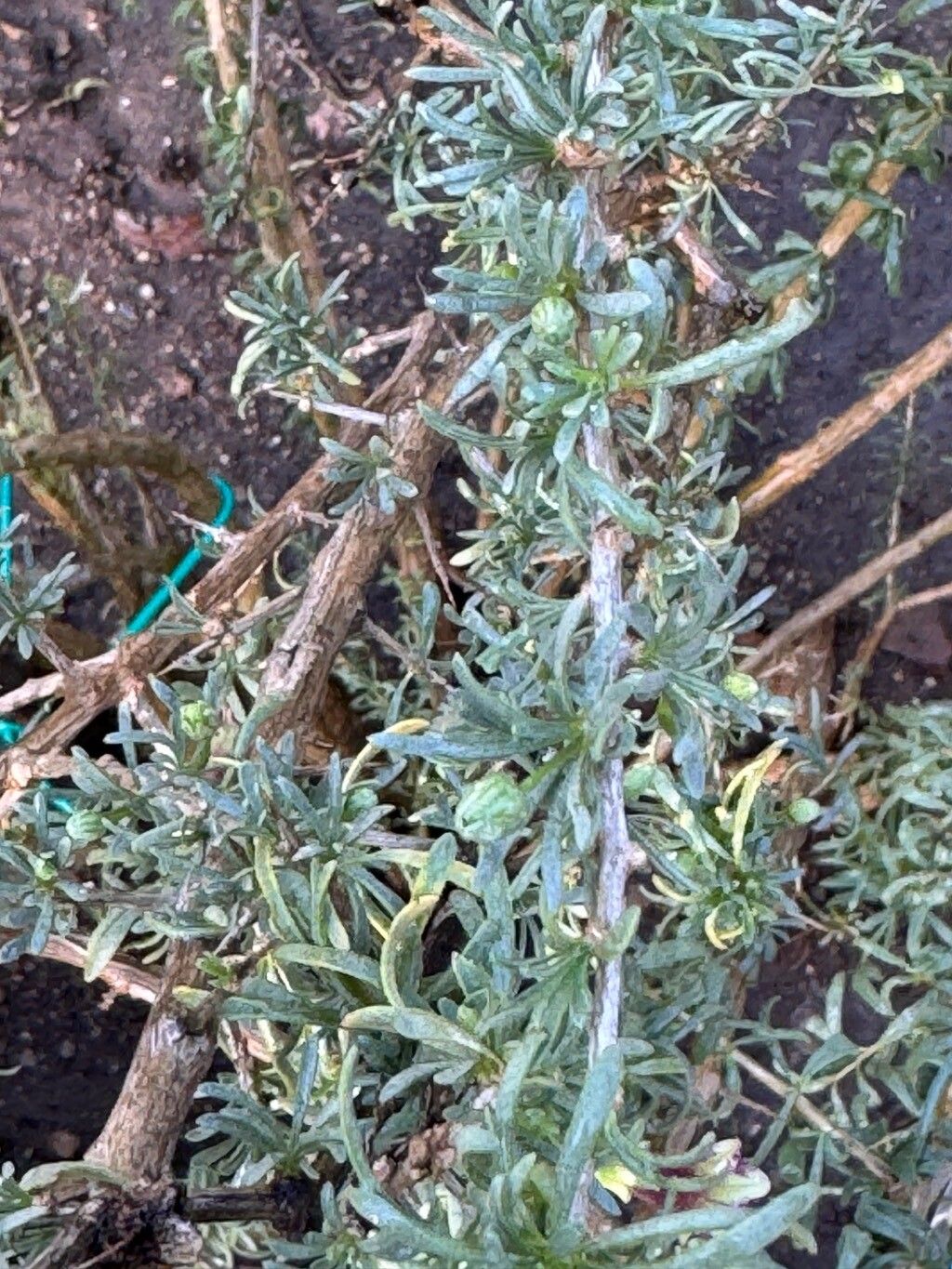
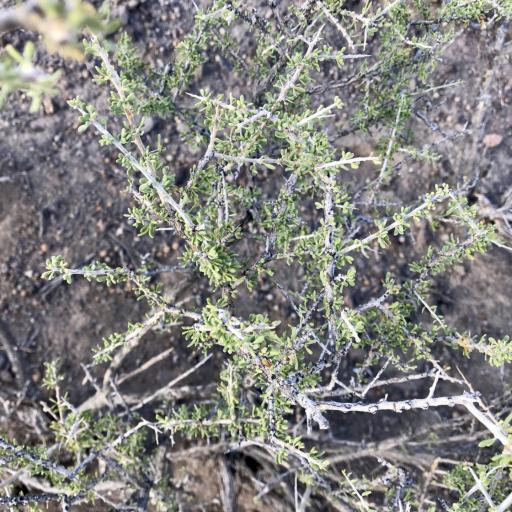
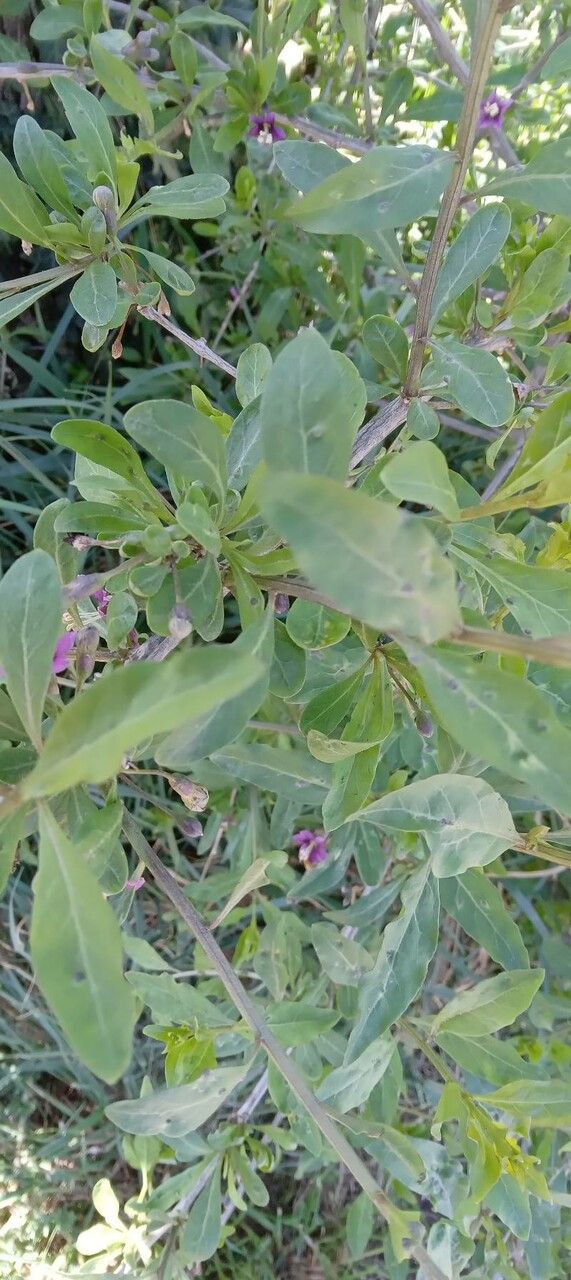
Lycium pallidum is a species of flowering plant in the nightshade family known by the common names pale wolfberry and pale desert-thorn. It is native to northern Mexico and the southwestern United States. In Mexico it can be found in Sonora, Chihuahua, Zacatecas, and San Luis Potosi. In the United States it occurs from California to Texas and as far north as Utah and Colorado.
Pale desert-thorn shows strong resistance to disease and is generally not susceptible to illnesses. Regarding care, this plant is fairly low-maintenance. When grown outdoors it needs only minimal watering, and larger specimens usually do not require pruning. Smaller plants, however, should be pruned after they have bloomed. Pale desert-thorn is appropriate for anyone with outdoor space, such as a garden or a deck, and does not demand extensive care experience.
How to keep Lycium Pallidum.
Light
Pale desert-thorn is native to open habitats, for example sunlit meadows and forest margins, where light is abundant. It does best in Full Sun but will also tolerate Partial Sun, showing good adaptability to different light levels.
Temperature
Pale desert-thorn comes from tropical areas, where the climate is generally warm and humid. Consequently, it is well suited to high temperatures and humidity. It does not tolerate sudden temperature changes and prefers a steady temperature, so indoor temperature fluctuations should be avoided. It usually cannot withstand cold and needs higher temperatures for growth. If the ambient temperature falls too low, the plant may stop growing or even die.
Fertilizer
Fertilization is essential for the care of the Pale desert-thorn. Regular feeding throughout the growing season helps maintain the energy needed for its showy leaves and supports overall growth. Skipping fertilization can lead to unhealthy foliage, reduced ornamental value, and stunted or weak growth that is more likely to break.
Pruning
Prune pale desert-thorn in early spring before new growth begins. Concentrate on removing dead branches, thinning dense areas, and shaping the plant for aesthetic appeal. Proper pruning improves airflow, which can reduce the risk of disease. Be sure to use clean, sharp tools to minimize damage, and sanitize them to prevent disease transmission.
Botanical profile.
- Plant Type
- Shrub
- Life Cycle
- Perennial
- Genus
- Lycium
- Family
- Solanaceae
- Hardiness Zone
- 5-9
- Mature Height
- 1.83 m
- Mature Spread
- 0.91 m to 2.13 m
- Leaf Color
- Green, Blue
- Leaf Type
- Deciduous
- Flower Color
- White
- Flower Size
- 1.02 cm to 1.52 cm
- Bloom Time
- Mid spring, Late spring, Early summer
- Planting Time
- Spring, Summer
- Harvest Time
- Mid summer, Late summer, Early fall
- Native Area
- Mexico
Other names.
Reader questions.
What is the scientific name of the Pale desert-thorn?
The scientific name of the Pale desert-thorn is Lycium pallidum.