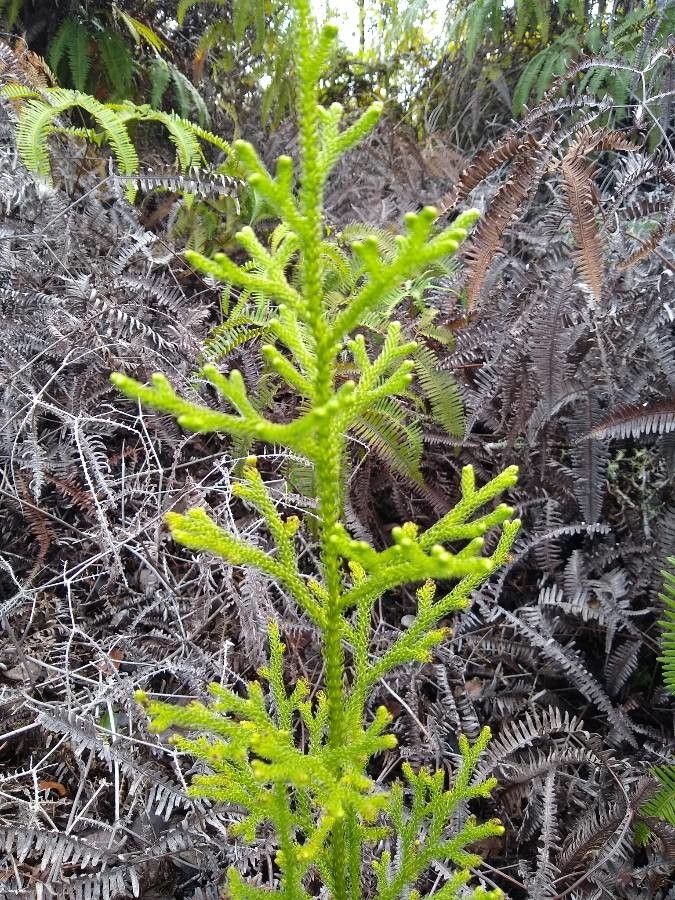
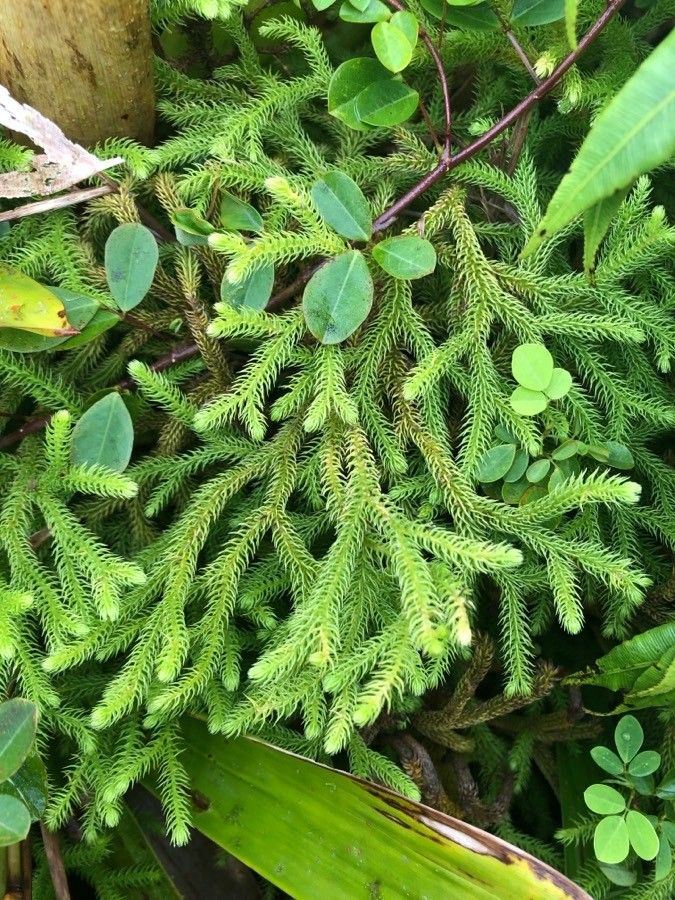
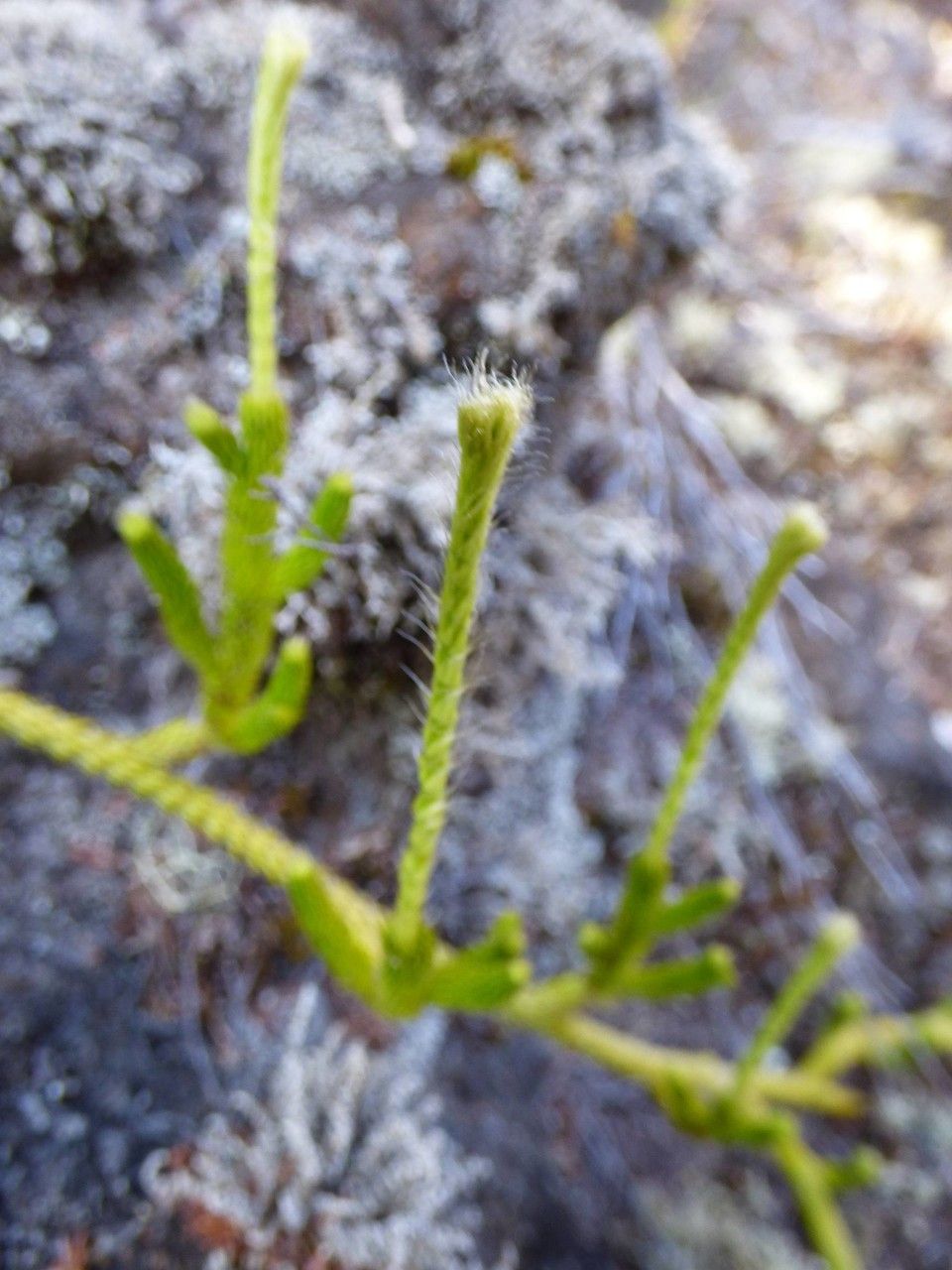
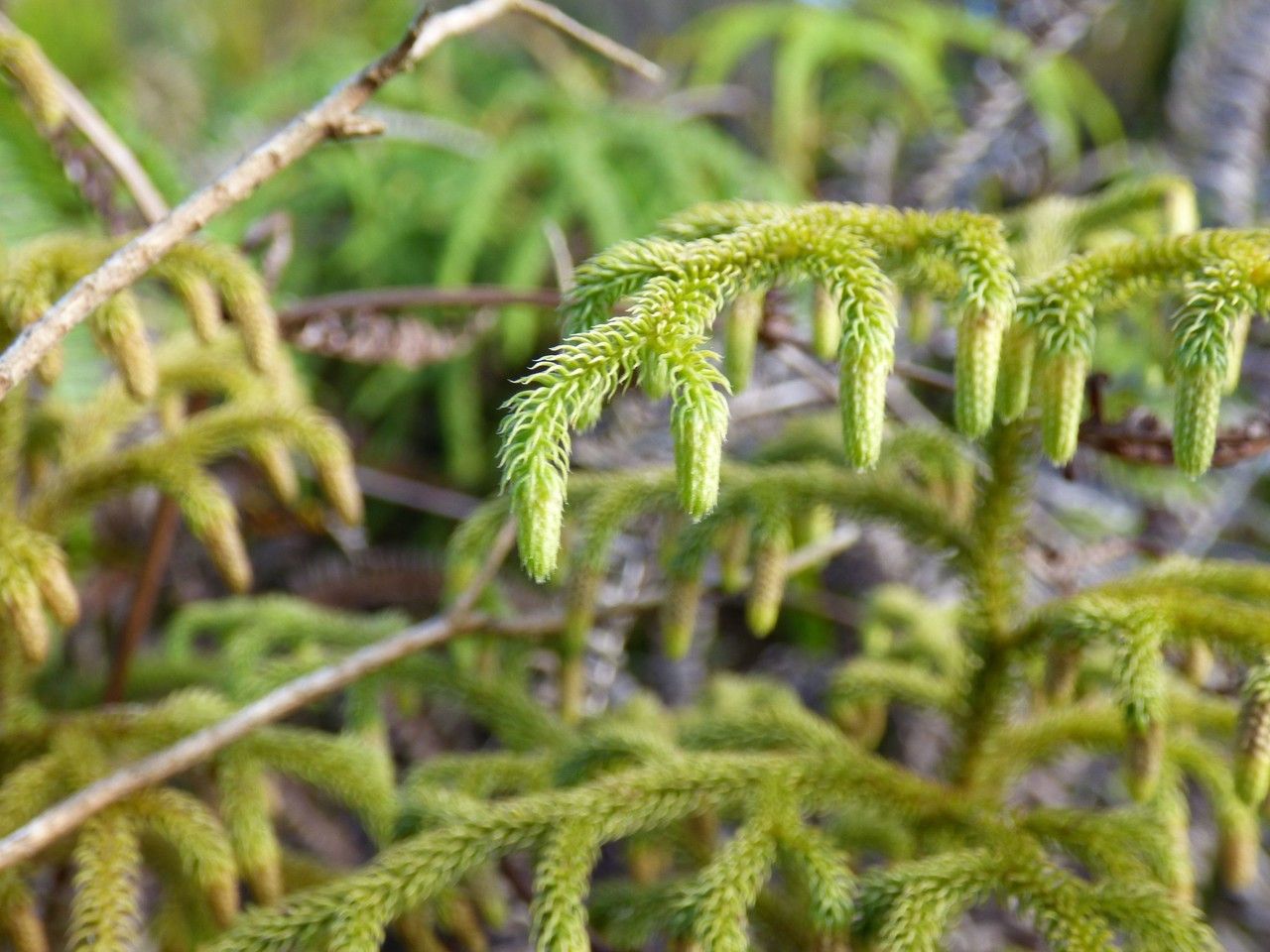
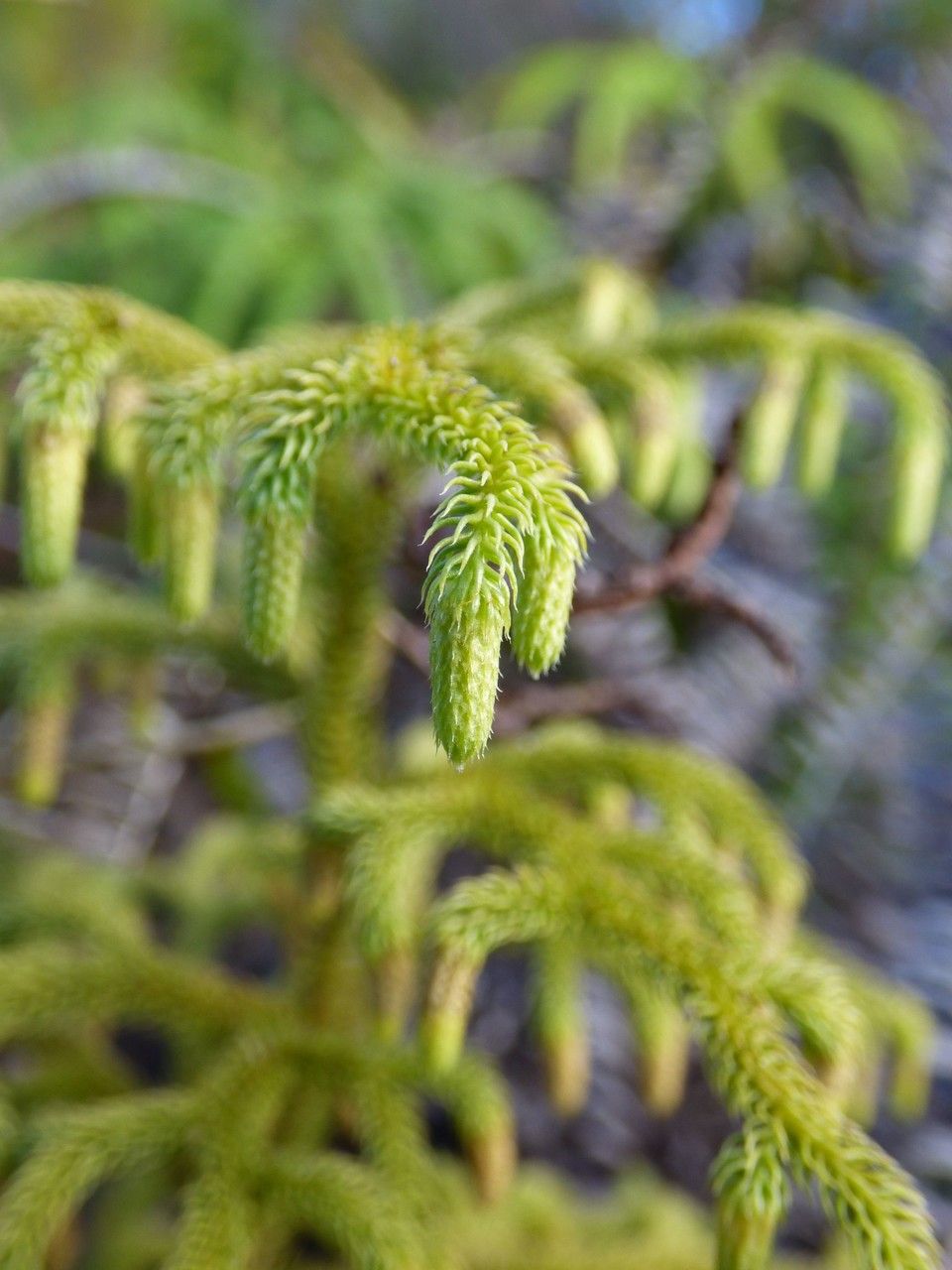
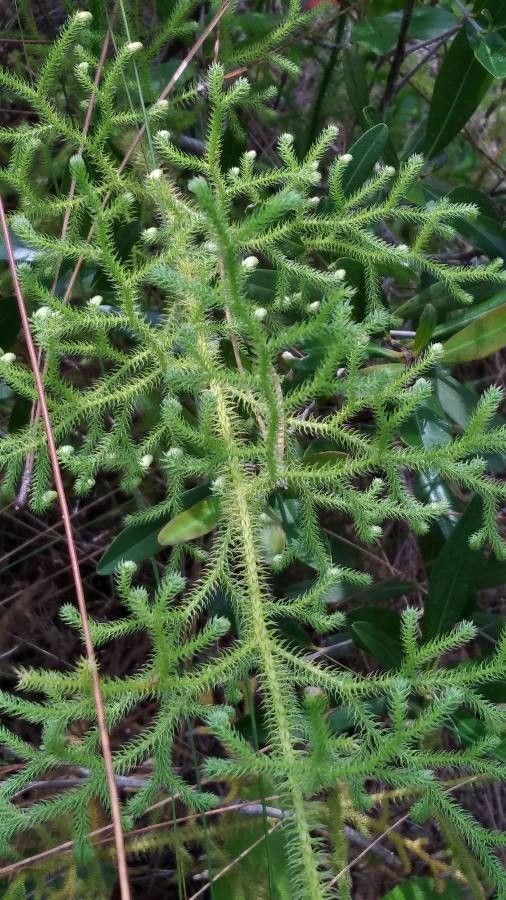
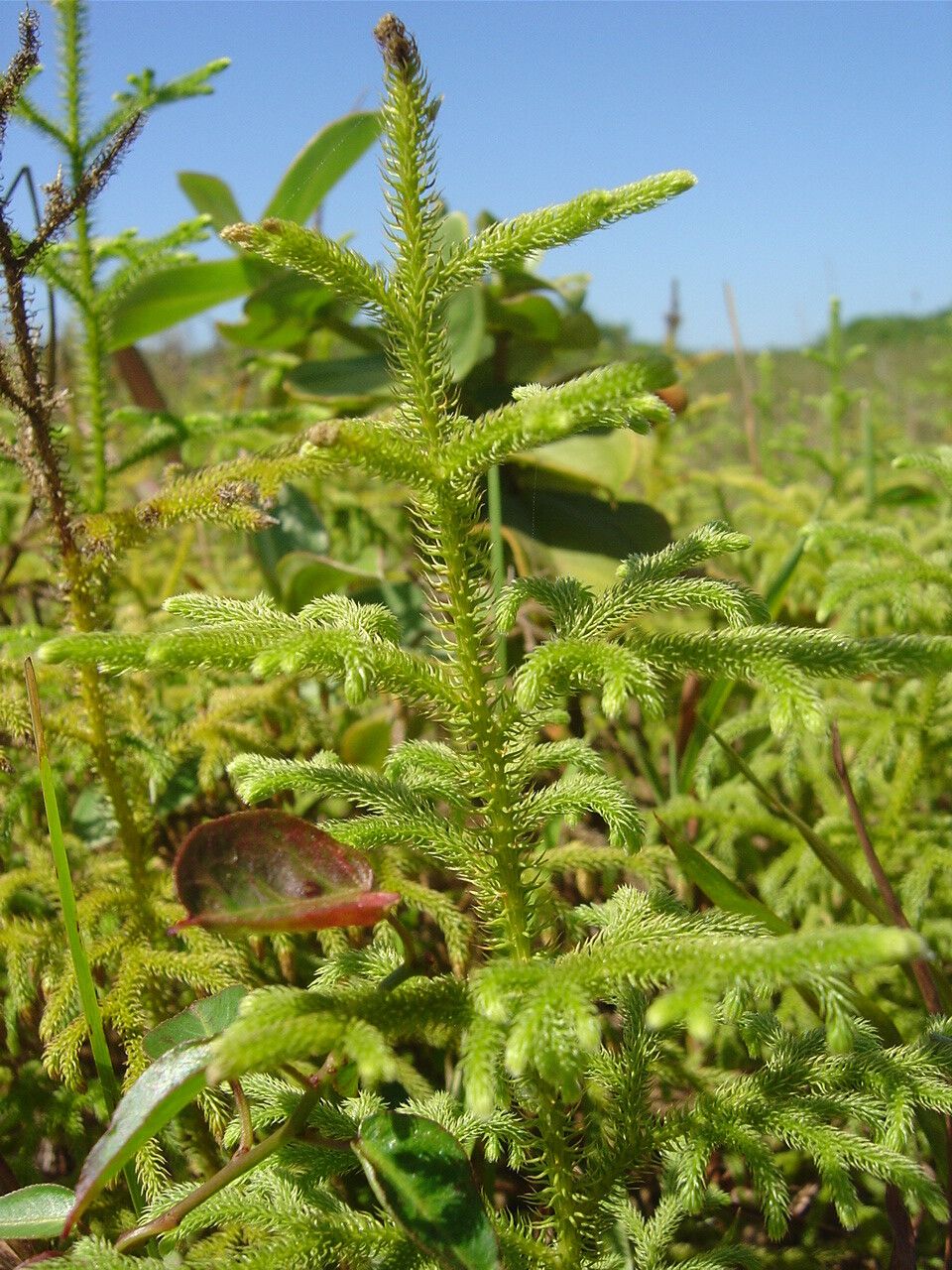
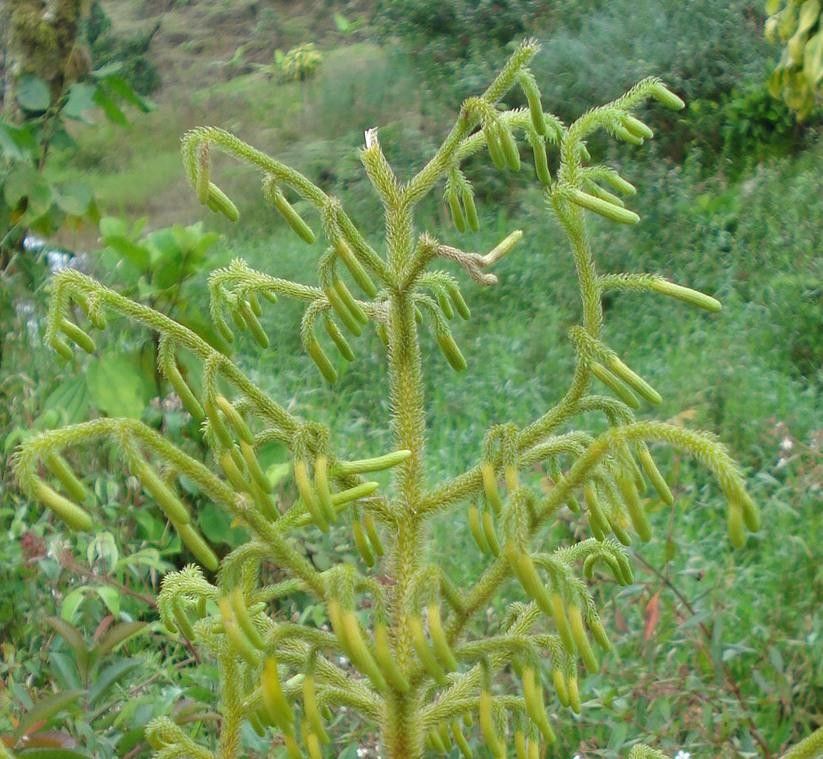
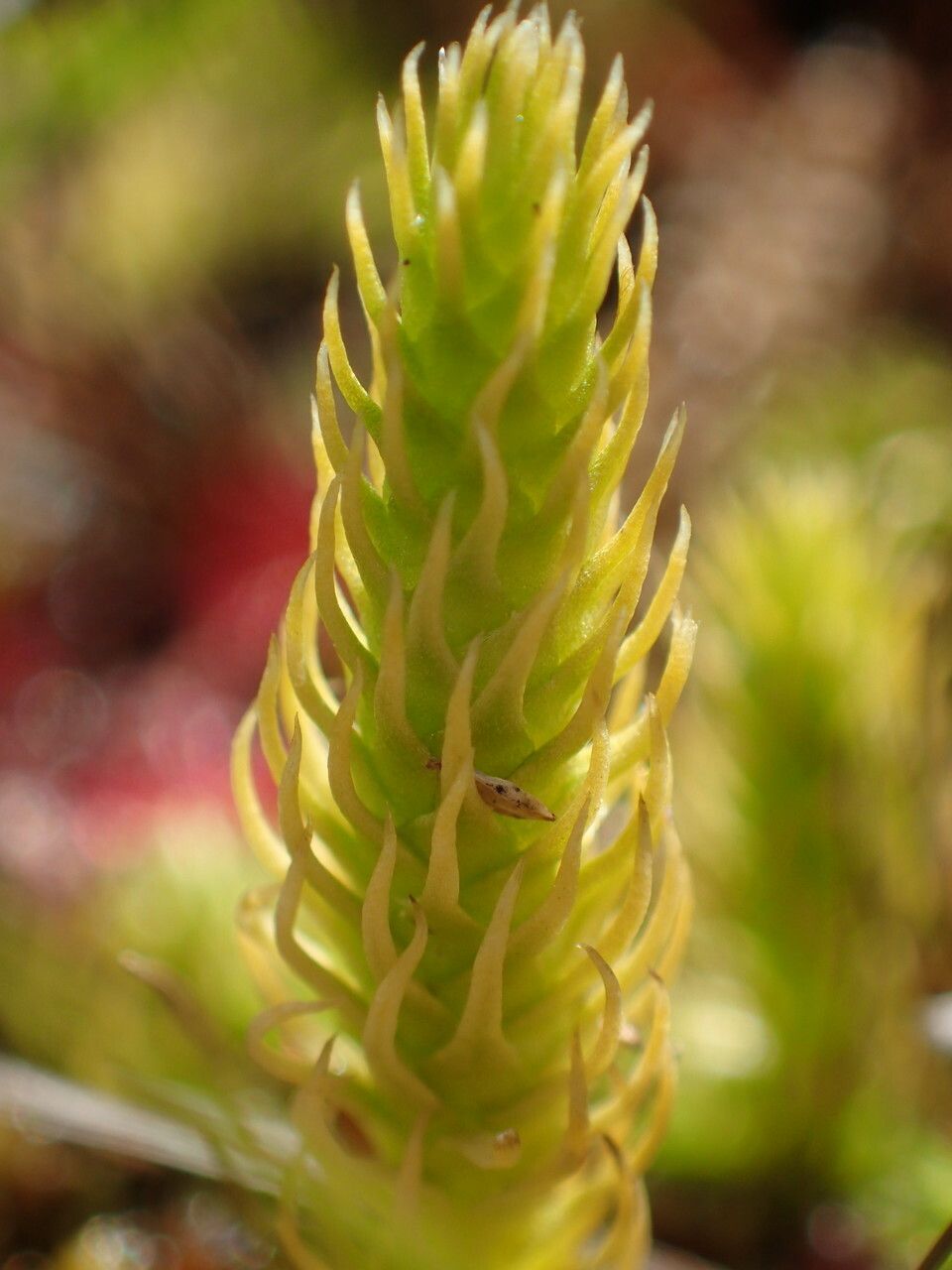
Palhinhaea cernua, synonym Lycopodiella cernua, is a plant in the family Lycopodiaceae, commonly known as the staghorn clubmoss. The Hawaiian name for the plant is wāwaeʻiole, or "rat's foot". It has a substantial number of scientific synonyms in several genera. The genus Palhinhaea is accepted in the Pteridophyte Phylogeny Group classification of 2016 (PPG I), but not in other classifications which submerge the genus in Lycopodiella.
Staghorn clubmoss has good resistance to disease and is usually not affected by illnesses. However, it can be vulnerable to pests and diseases present in its environment, though these infections are typically mild. Regarding care, this plant requires moderate maintenance. It should be pruned regularly to preserve a neat appearance and promote healthy growth. Fertilizing can also aid in encouraging flowering. Staghorn clubmoss is appropriate for anyone with outdoor space, such as a garden or patio, and does not demand extensive plant-care experience. It may need increased attention when grown indoors.
How to keep Lycopodiella Cernua.
Light
Staghorn clubmoss prefers spots with light dappled sunlight but can also adapt to areas with little light. Native to habitats with a range of sun exposures, it prospers in those settings. Moderate sunlight fuels its growth, while too much or too little can inhibit it.
Temperature
Staghorn clubmoss comes from tropical areas, where the climate is generally warm and humid. Therefore, it is adapted to high temperatures and moisture. It does not tolerate abrupt temperature changes and prefers a stable thermal environment, so avoiding temperature fluctuations indoors is important. It typically cannot endure cold and needs warmer conditions to grow. If the surrounding temperature falls too low, the plant may stop growing or even die.
Fertilizer
Staghorn clubmoss needs the most fertilizer during its active growth period, which takes place mainly in spring, summer, and early fall. Fertilization is required to supply essential nutrients that may be deficient in the soil, encouraging healthy root and stem development as well as attractive foliage, a key characteristic of this plant.
Botanical profile.
- Plant Type
- Herb, Shrub
- Life Cycle
- Perennial
- Genus
- Lycopodiella
- Family
- Lycopodiaceae
- Hardiness Zone
- 7-11
- Mature Height
- 61 cm
- Mature Spread
- 30 cm to 61 cm
- Leaf Color
- Light Green
- Leaf Type
- Deciduous
- Flower Color
- Yellow, Green
- Planting Time
- Spring, Summer, Autumn
- Native Area
- Sri Lanka, Lesotho, Belize, India, Angola, Malaysia, Mexico, Guatemala, Vanuatu, Madagascar, Rwanda, Nigeria, Australia, Fiji, Guinea-Bissau, Uganda, Tanzania, Benin, Kenya, Jamaica, Zimbabwe, Mali, Cuba, Sierra Leone, Indonesia, Equatorial Guinea, Cameroon, Burundi, Mozambique, Liberia, Venezuela, Brazil, Ghana, Ethiopia, South Korea, Central African Republic, Congo, Malawi, Nepal, Honduras, United States, Peru, Philippines, South Africa, Zambia, Bangladesh, Laos, Sudan, Guinea, Gambia, Panama, New Zealand, China, Colombia, Bolivia, Vietnam, Japan, Myanmar, Togo, El Salvador, Senegal, Eswatini, Côte d'Ivoire, Ecuador, Guyana, Bhutan, Nicaragua, Singapore, Costa Rica, Congo (DRC), Thailand, Gabon
Other names.