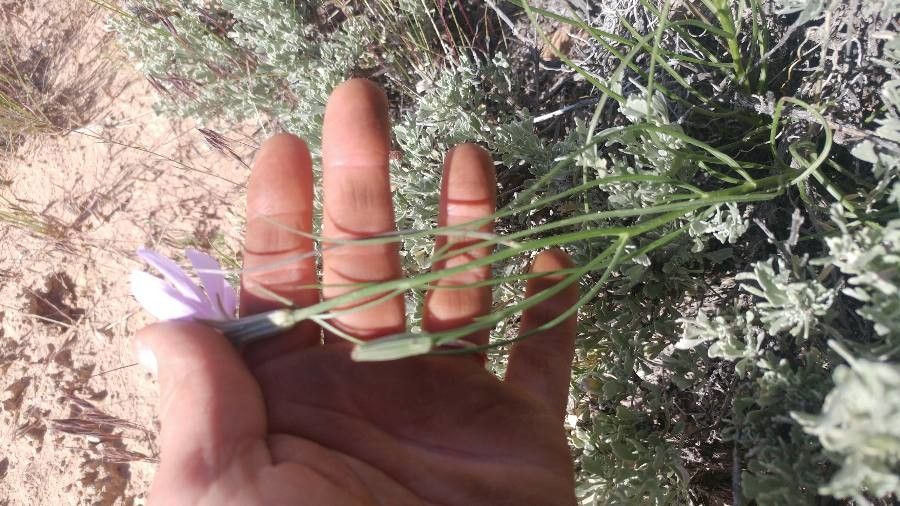
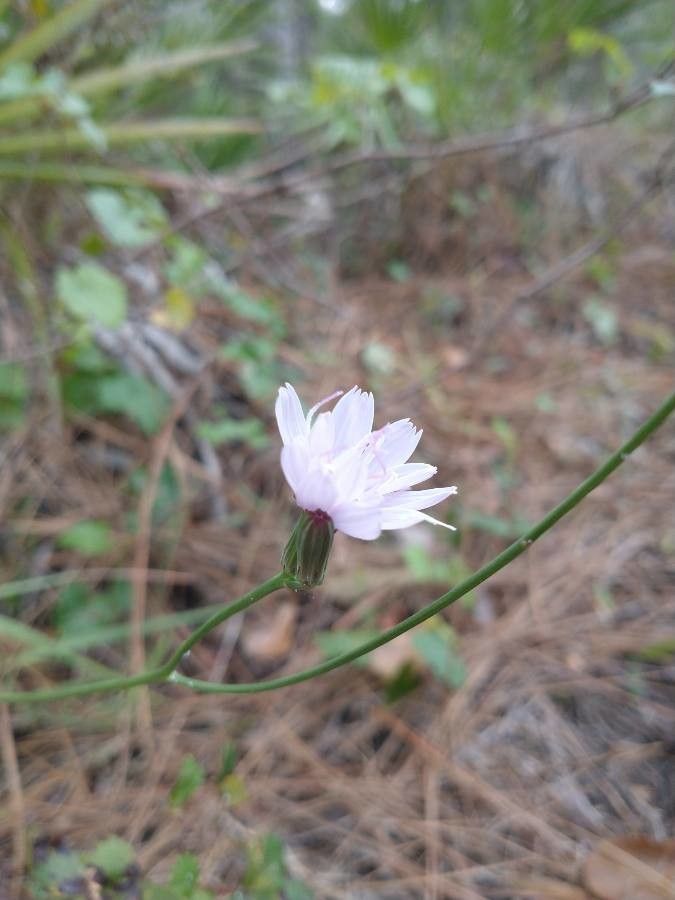
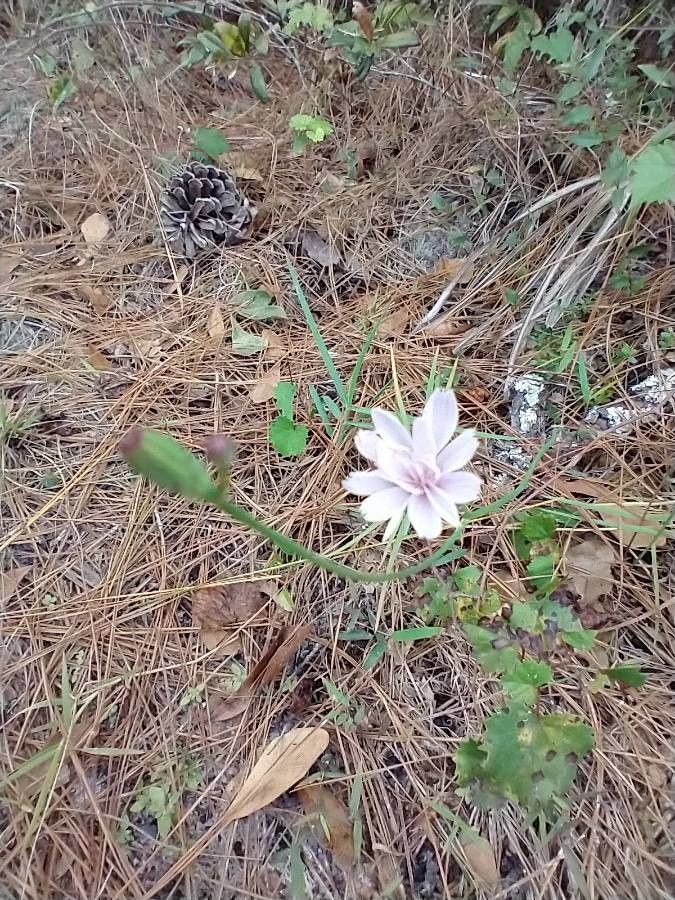
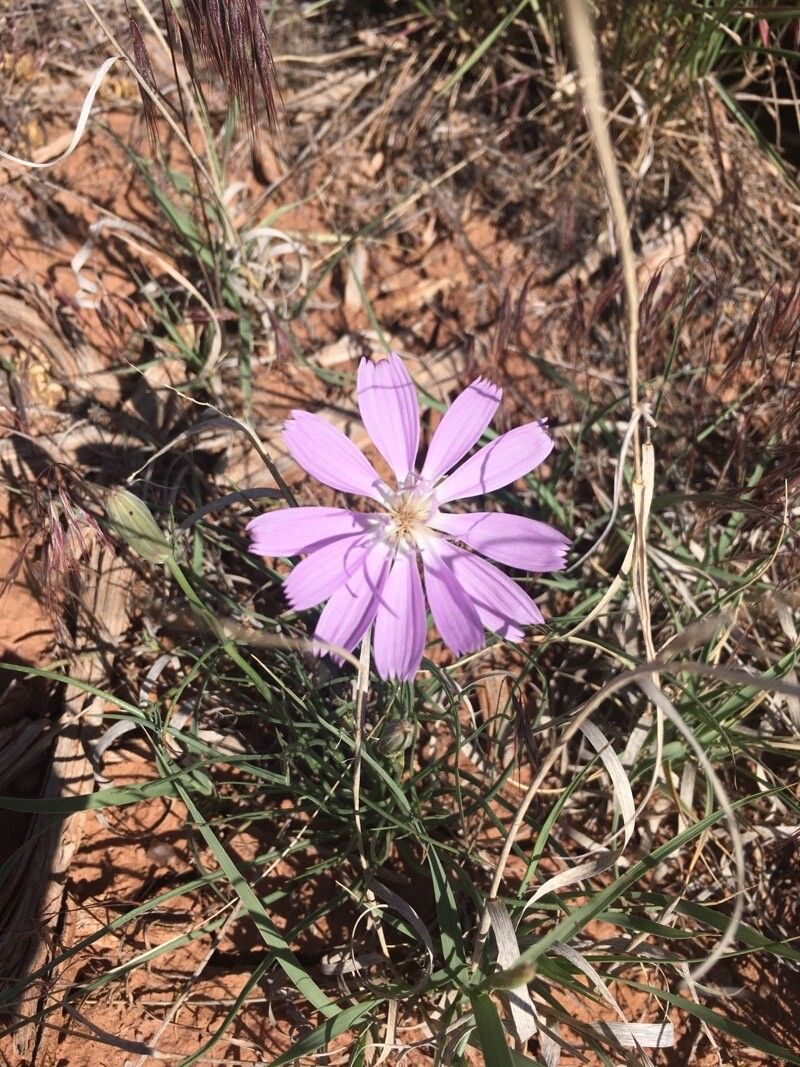
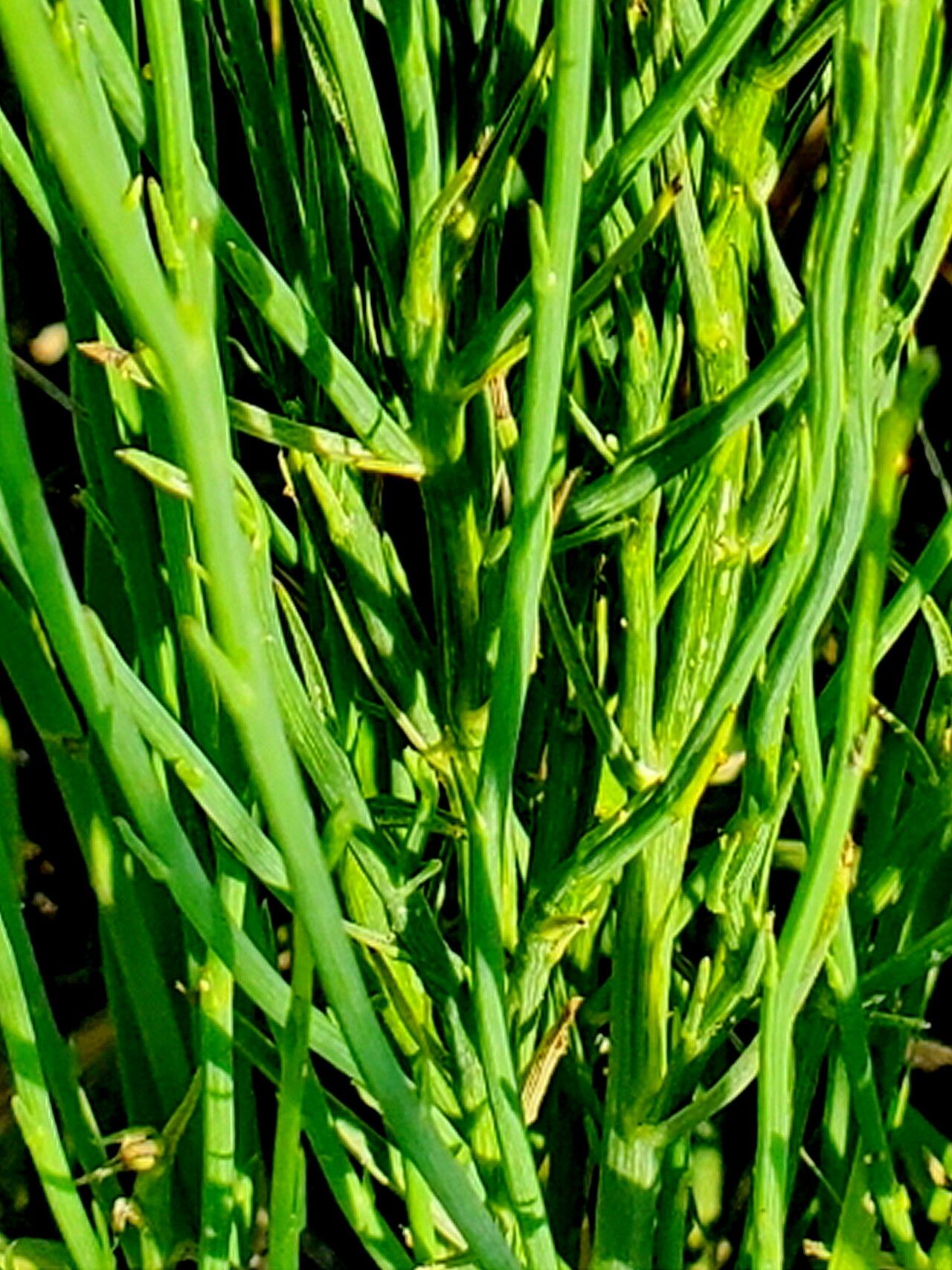
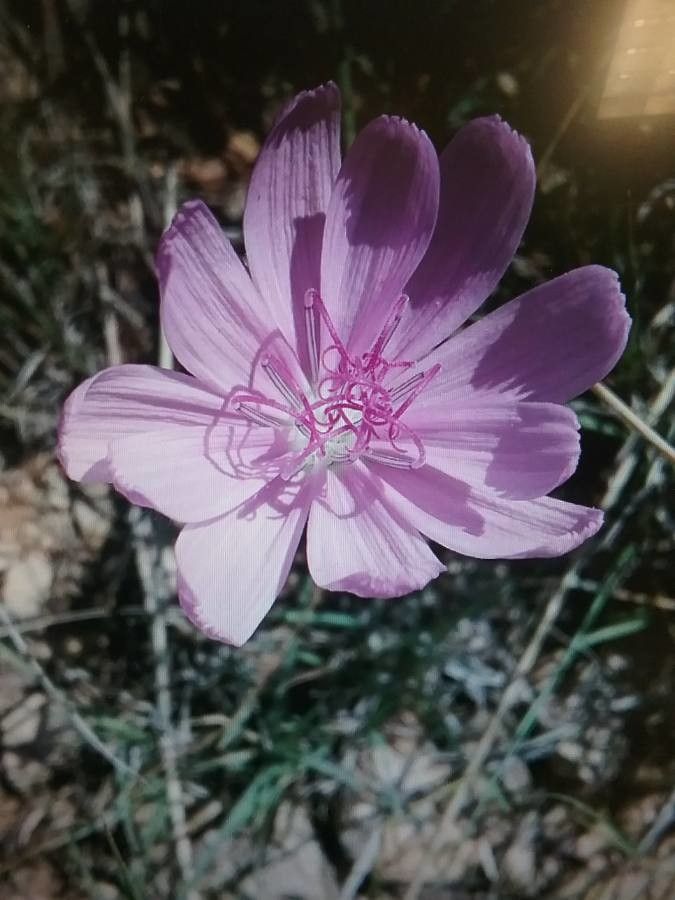
Lygodesmia aphylla is a species of flowering plant in the family Asteraceae known by the common name rose rush or rushweed. It has white, pink, or lavender flowers. It grows in Florida and Georgia and reaches between 1 and 3 feet tall.
Rose rush is fairly disease-resistant and usually not prone to illness. Nonetheless, it can be affected by pests and diseases present in its environment. These problems are generally minor. For care, the plant requires moderate maintenance. It should be pruned regularly to preserve a tidy appearance and encourage healthy growth. Feeding with fertilizer can also help boost flowering. Rose rush is suitable for anyone with outdoor space, such as a garden or patio, and does not need extensive plant-care experience. It may need more attention if grown indoors.
How to keep Lygodesmia Aphylla.
Light
Rose rush is a sun-loving, herbaceous perennial that originates from open habitats and is commonly found in meadows and grasslands. It prefers full sun but can also tolerate partial sun.
Temperature
Rose rush comes from tropical areas, where the weather is usually warm and humid. Consequently, it is adapted to high heat and humidity. It does not tolerate sudden temperature shifts and favors a steady thermal environment, so keeping indoor temperature fluctuations to a minimum is important. It generally cannot endure cold and needs relatively warm conditions to grow. If the surrounding temperature falls too low, the plant may stop growing or even die.
Fertilizer
Proper fertilization is essential for Rose rush's health and appearance. Fertilize Rose rush in the summer, applying it every month through the season. Nutrients provide the energy for growth and help sustain the plant's structures. Feeding the plant also improves Rose rush's flower display, ensuring the best blooms.
Pruning
Rose rush is a perennial plant characterized by its slender stems and sparse foliage. To promote healthy growth, prune it in early spring. This practice not only removes dead stems and helps maintain the plant's shape but also prevents disease and encourages more abundant blooms. Regular pruning ensures that the plant remains healthy throughout the growing season.
Botanical profile.
- Plant Type
- Herb
- Life Cycle
- Perennial
- Genus
- Lygodesmia
- Family
- Asteraceae
- Hardiness Zone
- 8-10
- Mature Height
- 30 cm to 91 cm
- Mature Spread
- 20 cm to 30 cm
- Leaf Color
- Green
- Leaf Type
- Deciduous
- Flower Color
- Pink
- Flower Size
- 2.03 cm to 3.05 cm
- Bloom Time
- Mid spring, Late spring, Early summer
- Planting Time
- Spring, Autumn
- Harvest Time
- Summer
Other names.