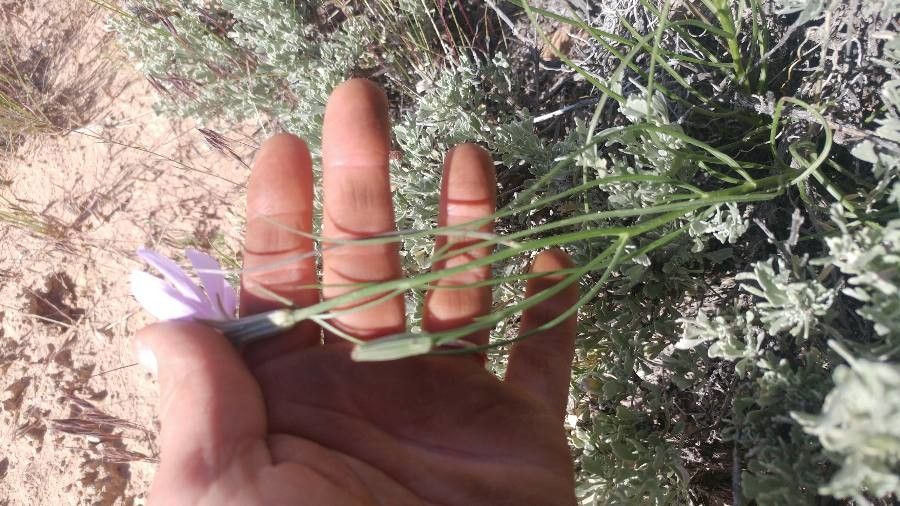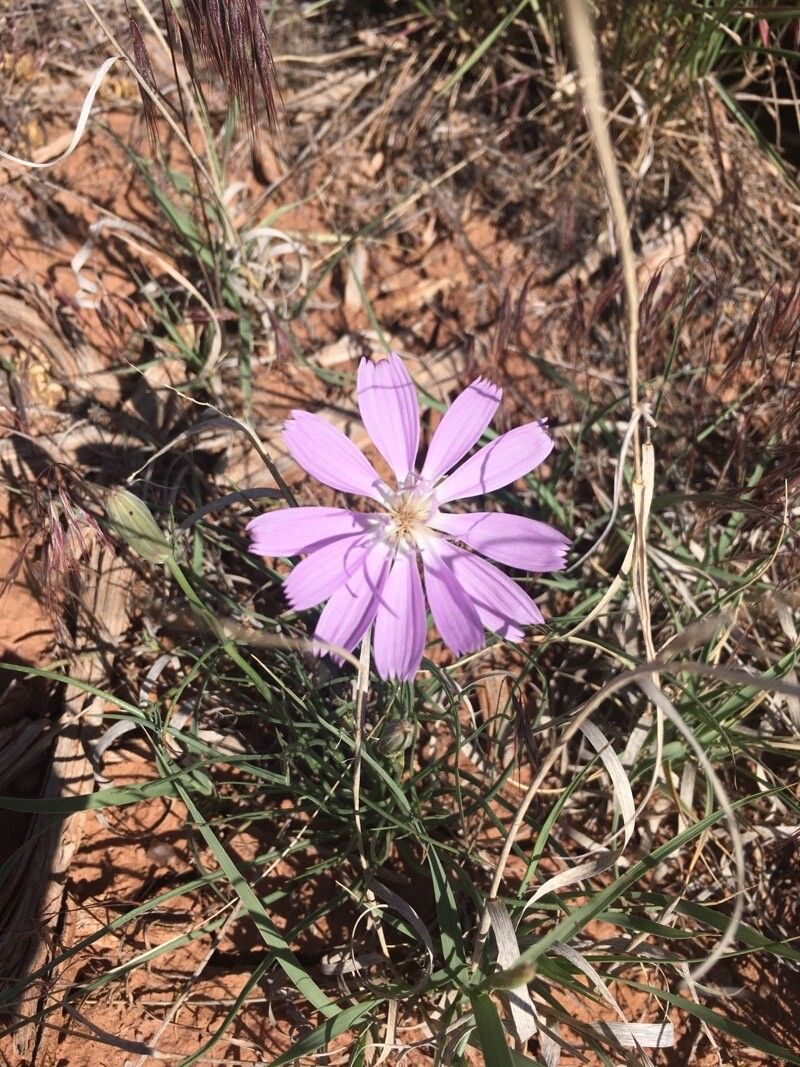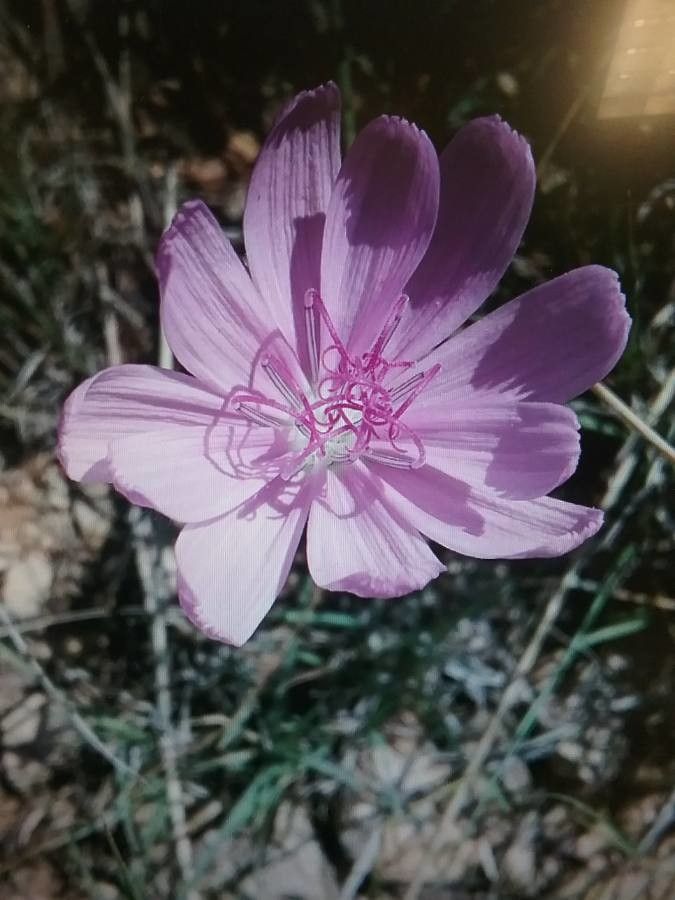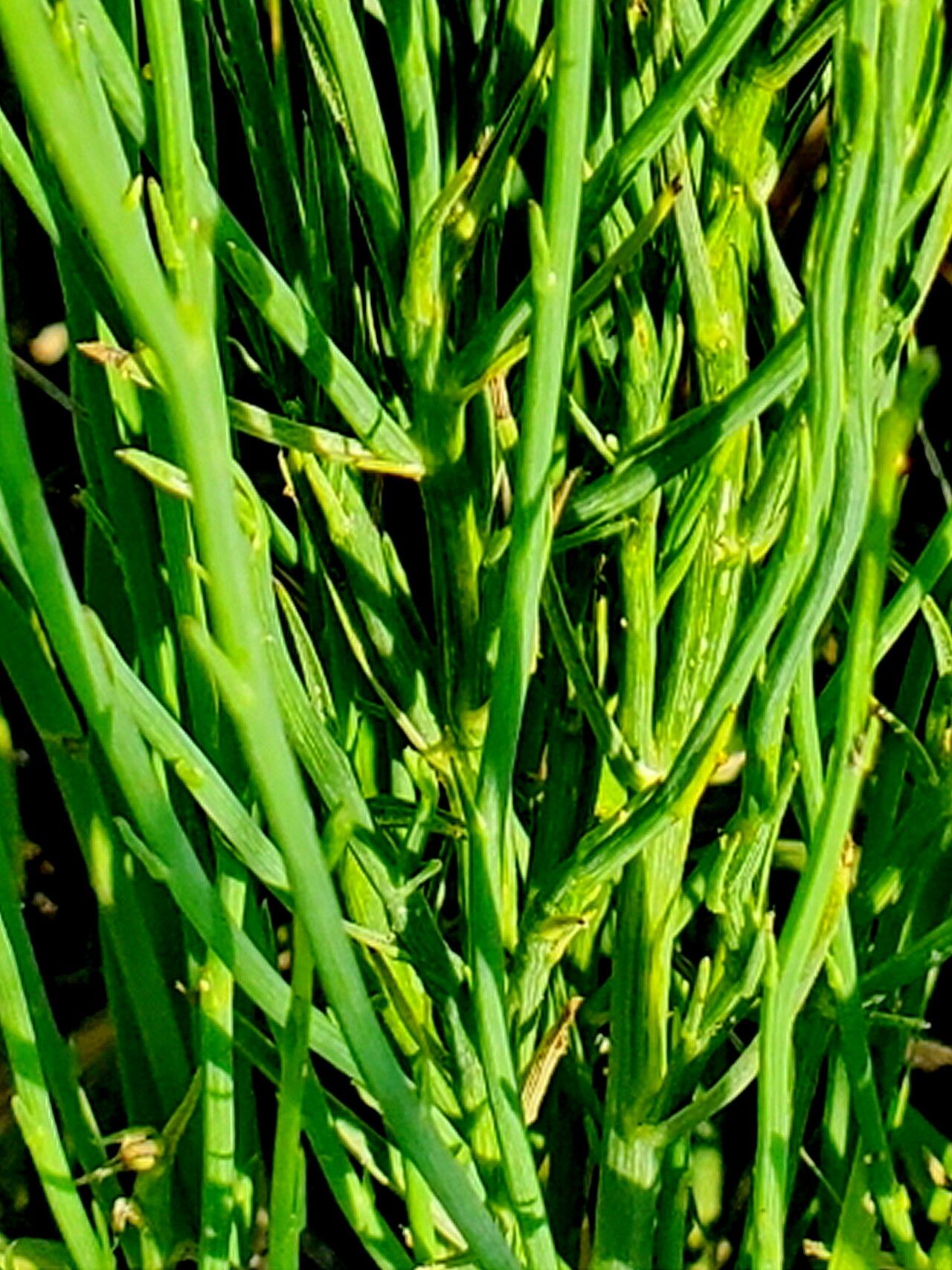
Lygodesmia juncea, the rush skeletonplant or just skeletonweed, is a species of flowering plant in the family Asteraceae, native to the western and central United States and western Canada. Widespread and considered somewhat weedy, it is adapted to blowing or otherwise disturbed soils, but not to fire. It is a perennial herb. Petals are pink or violet in color and flowers bloom June to September.
Rush skeletonplant is fairly disease-resistant and usually not prone to illness. However, it can be affected by pests and diseases present in its surroundings. These problems are typically mild. In terms of care, the plant requires moderate maintenance. It should be pruned regularly to maintain a good appearance and healthy growth. Fertilizing can also help encourage flowering. Rush skeletonplant is appropriate for anyone with outdoor space, such as a garden or patio, and does not demand extensive care experience. It may need more attention when grown indoors.
How to keep Lygodesmia Juncea.
Light
The Rush skeletonplant is a perennial herbaceous plant that prefers sunny environments, originating from open environments frequently found in meadows and grasslands. While it thrives in direct sunlight, it can also withstand conditions of partial sun.
Temperature
The Rush skeletonplant possesses the capacity to adjust to a broad spectrum of temperature conditions, though its dispersal can be constrained by varying mixes of moisture and heat circumstances. It flourishes optimally in hot climates throughout the summertime with sufficient rain or irrigation. Extended durations of overcast and wet weather, coupled with continuous high temperatures, can heighten the probability of the Rush skeletonplant perishing. During the winter, appropriate shielding against cold can enhance the chance of the plant's survival.
Fertilizer
Typically, a one-time fertilizer application in the spring is ample for Rush skeletonplant, but to optimize growth, apply it several times. Dispense feed every four to six weeks. Fertilizing boosts the aesthetics and performance of the leaves, improves the color uniformity and promotes a robust texture. Furthermore, it fosters the development of roots and the intake of nutrients, contributing to the persistent well-being of the plant.
Botanical profile.
- Plant Type
- Herb
- Life Cycle
- Perennial
- Genus
- Lygodesmia
- Family
- Asteraceae
- Hardiness Zone
- 3-9
- Mature Height
- 15 cm to 46 cm
- Mature Spread
- 20 cm to 40 cm
- Leaf Color
- Green
- Leaf Type
- Semi-evergreen
- Flower Color
- Pink
- Flower Size
- 2.03 cm to 3.05 cm
- Bloom Time
- Summer
- Planting Time
- Spring, Summer
- Harvest Time
- Late summer, Early fall, Mid fall