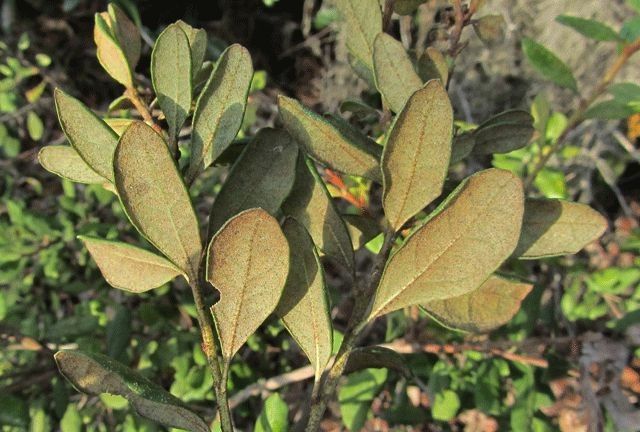
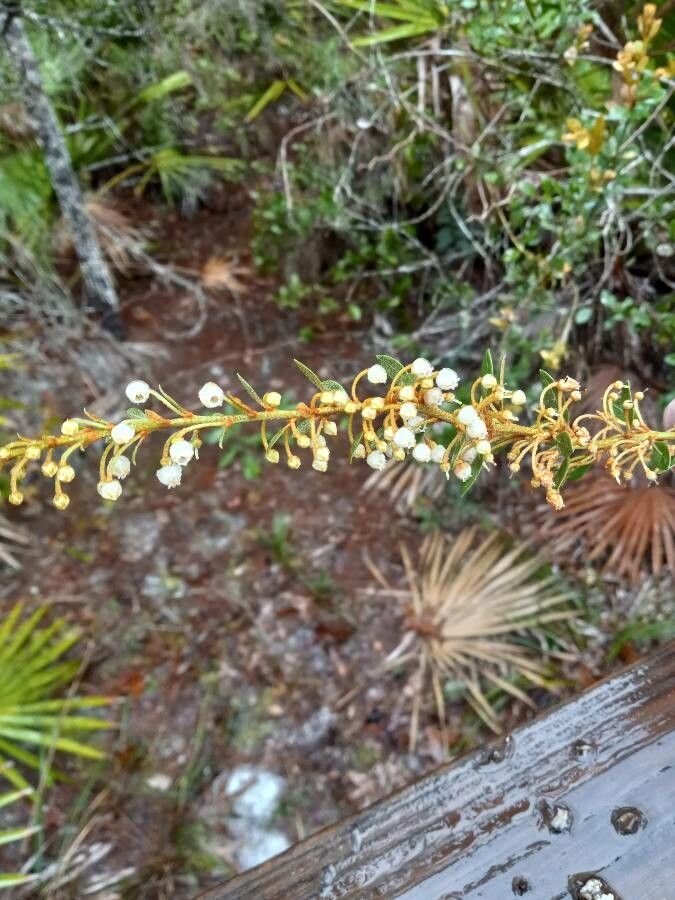
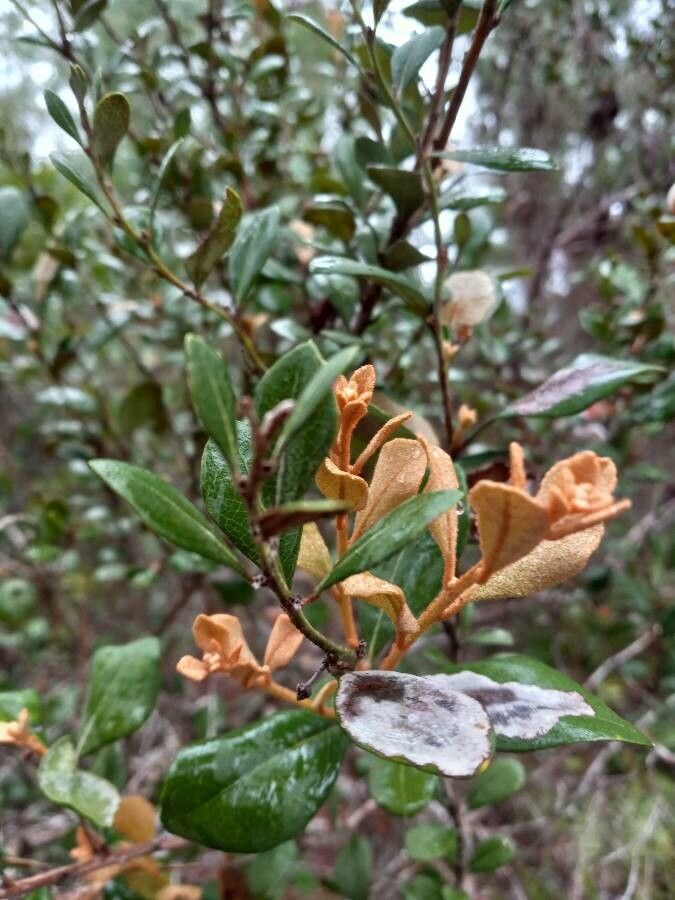
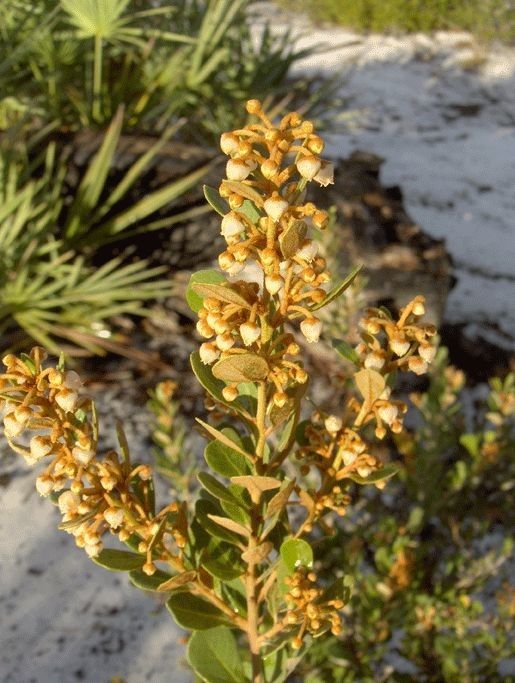
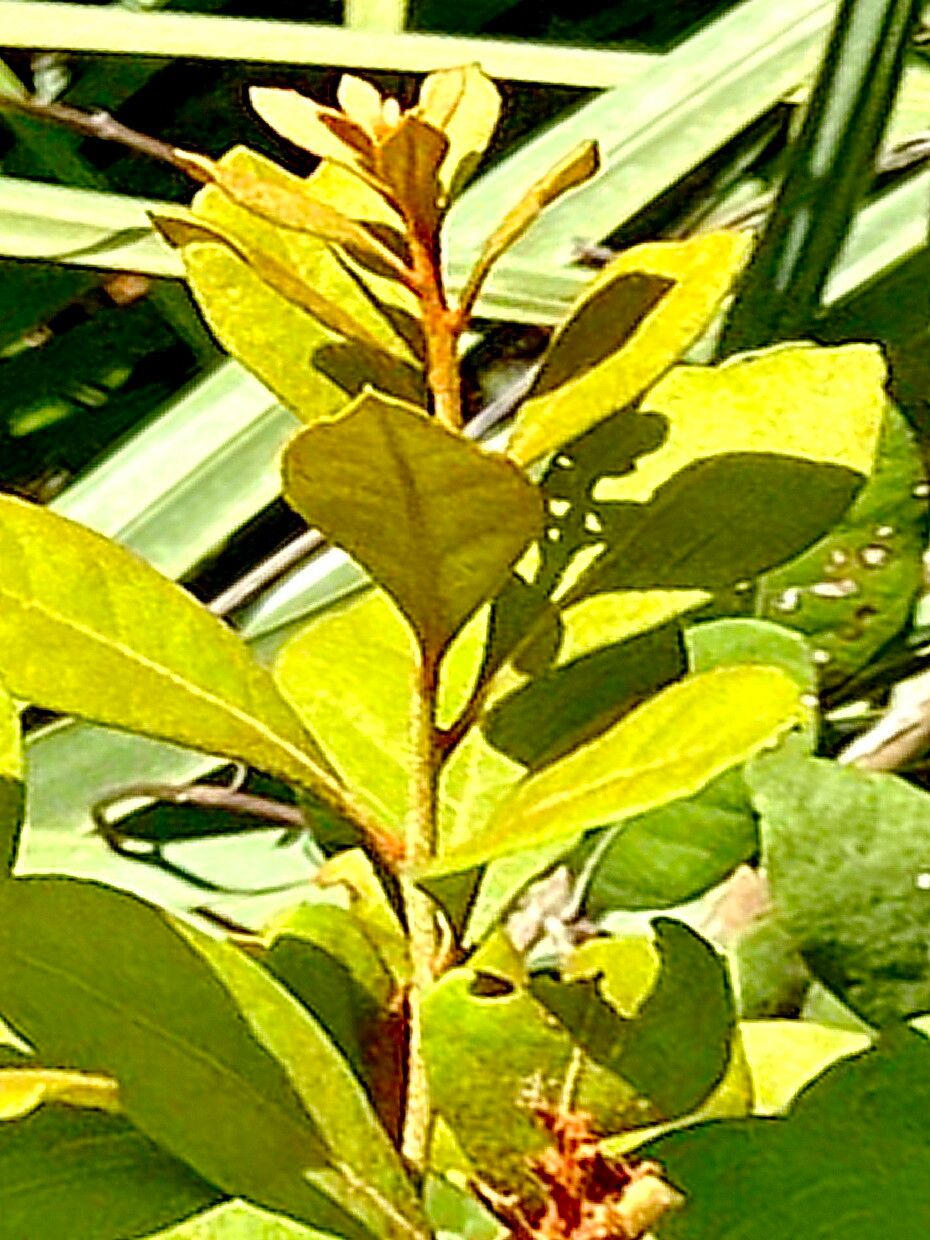
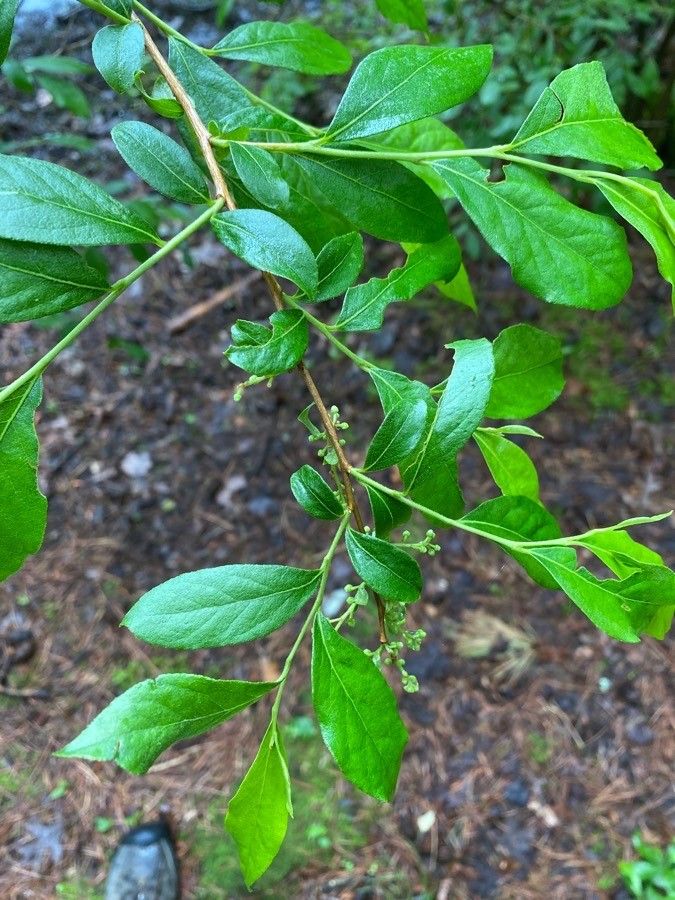
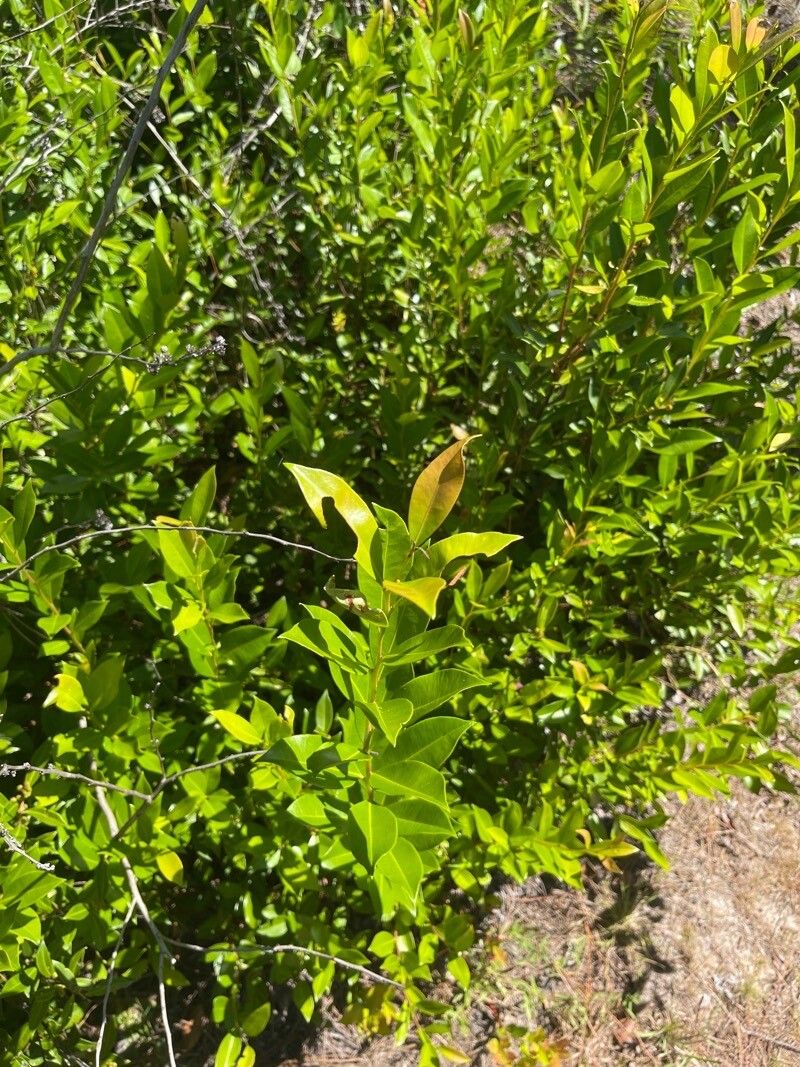
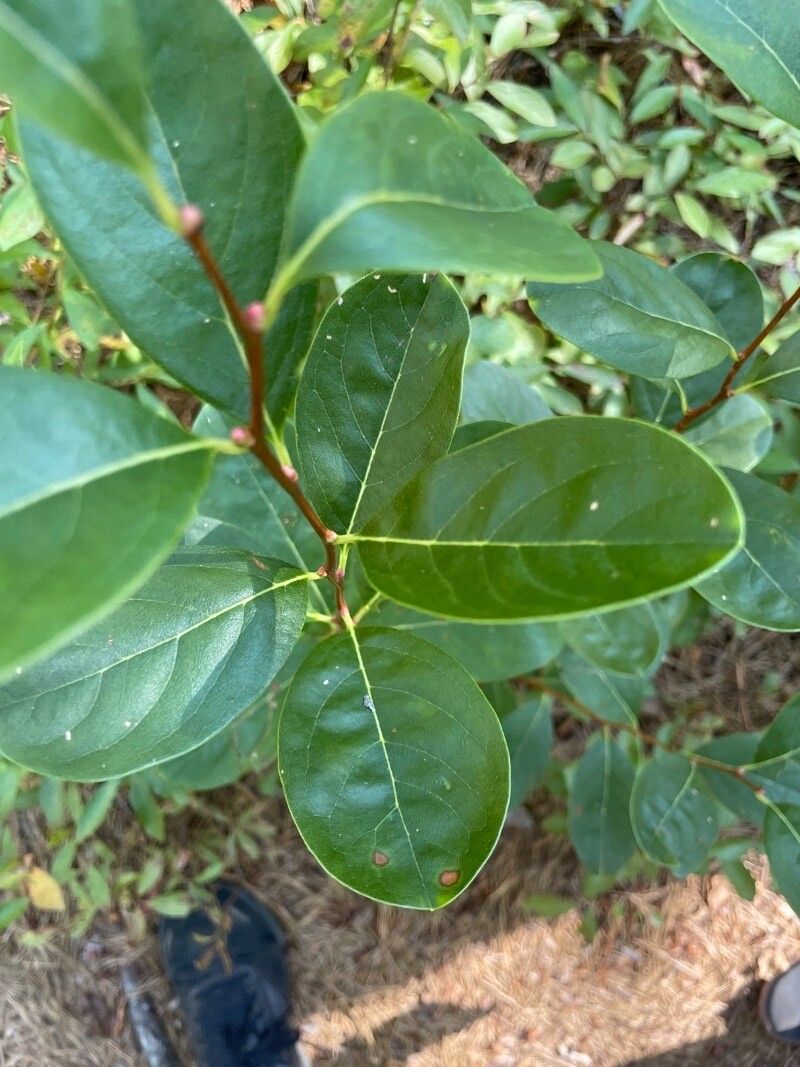
Lyonia ferruginea, commonly known as the rusty staggerbush, is a small evergreen shrub that belongs to the heath family. Native to the southeastern United States, it is typically found in wetlands, bogs, and pine savannas. The plant usually grows up to 6 feet tall and has a spreading habit with multiple stems. Its dark green leaves have rusty-colored undersides, which give the plant its common name. In the spring, Lyonia ferruginea produces clusters of small white or pink flowers that attract bees and butterflies. The plant's fruit is a small capsule containing numerous tiny seeds, which are dispersed by wind or water.
Lyonia ferruginea also has several medicinal uses in traditional medicine, such as treating fever, coughs, colds, and flu symptoms due to its anti-inflammatory properties.
Overall, Lyonia ferruginea is an attractive ornamental shrub for gardens, thanks to its year-round foliage coloration. It is an excellent choice for landscaping projects in wet areas, such as pondsides or bog gardens, where it can thrive under moist conditions with acidic soil pH levels between 4 and 6.
Rusty staggerbush has strong disease resistance and is typically not susceptible to diseases. In terms of care, this plant is fairly low-maintenance. When grown outdoors, it needs only minimal watering, and larger plants usually do not require pruning. However, smaller plants ought to be pruned after they have finished blooming. Rusty staggerbusht is suitable for anyone with an outdoor area, such as a garden or deck, and does not demand a great deal of care experience.
How to keep Lyonia Ferruginea.
Light
Rusty staggerbush is native to open habitats, like sunny meadows and forest edges, which supply plenty of light. It does best in Full Sun but can endure Partial Sun, adjusting well to a range of sunlight conditions.
Water
The Rusty Staggerbush thrives in dry, well-drained soils and is tolerant of drought conditions. It benefits from occasional rainfall but requires careful watering to prevent over-saturation; watering every 2–3 weeks is ideal. To ensure successful growth, it's important to consider your local climate zones and adjust water management according to seasonal weather patterns.
Temperature
Rusty staggerbush displays good temperature adaptability, tolerating higher heat and greater temperature fluctuations. In hot conditions, attention to watering and providing appropriate shade is necessary to avoid sunburn. On the other hand, Rusty staggerbush has relatively poor cold tolerance; it can endure some chill, but excessively low temperatures may cause frost damage.
Fertilizer
Fertilize your Rusty staggerbush in early spring to encourage healthy growth. Regular feeding improves overall vigor, leading to robust growth, better ability to withstand harsh conditions, and increased resistance to pests and diseases. Keep a consistent fertilization schedule for your Rusty staggerbush to preserve vibrant foliage with deep color and a lush appearance.
Pruning
The Rusty Staggerbush is a resilient shrub known for its unique rusty-colored foliage and bell-shaped flowers. To maintain its health and appearance, prune it from early to late winter. This will help shape the plant, improve air circulation, and encourage denser growth, while also reducing the risk of diseases and pests. Regular maintenance is essential to keep the plants robust and vibrant.
Botanical profile.
- Plant Type
- Tree, Shrub
- Life Cycle
- Perennial
- Genus
- Lyonia
- Family
- Ericaceae
- Hardiness Zone
- 8-10
- Mature Height
- 3.05 m to 6.1 m
- Mature Spread
- 1.22 m to 3.05 m
- Leaf Color
- Green
- Leaf Type
- Evergreen
- Flower Color
- White
- Flower Size
- 0.51 cm to 1.02 cm
- Bloom Time
- Early spring, Mid spring
- Planting Time
- Spring, Summer
- Harvest Time
- Summer
- Native Area
- Mexico
Other names.
Reader questions.
How can I make sure my Rusty staggerbush gets enough water all year round?
Seasonal changes will impact the watering needs of your Rusty staggerbush. In the summer, especially if it's exposed to a lot of sunlight, you'll have to water it more frequently because the soil will dry out faster. Conversely, during the winter when it's not actively growing, the plant will require much less water. You can water it once every 2 to 3 weeks or sometimes not at all. If you're growing the plant indoors, be cautious of appliances like air conditioners as they can cause the plant to dry out faster, requiring more frequent watering.
How many hours of sunlight should Rusty staggerbush get each day to grow well?
To ensure healthy growth, Rusty staggerbush needs a minimum of 3-6 hours of sun daily. It's important to note that this is the bare minimum requirement. However, plants that can tolerate partial sunlight usually thrive in full sunlight as well. These plants are more adaptable because they need less light for photosynthesis compared to those that specifically require full sunlight or partial shade.
Can the sun harm Rusty staggerbush plant? How can I keep Rusty staggerbush safe from sun and heat damage?
When bringing Rusty staggerbush plants indoors, direct sunlight can cause damage when they are moved outdoors. To avoid sunburns, it is best to gradually move pots from a shaded area to a brighter spot. However, even if plants are accustomed to the summer sun, extreme heat can still harm them. To help plants withstand excessive heat during a heatwave, it is crucial to keep the soil consistently moist. Additionally, providing afternoon shade or using a shade cloth can protect sensitive Rusty staggerbush plants during extreme weather events.
Does Rusty staggerbush need extra attention to sunlight at various stages of its growth?
Tender, new leaves are extremely prone to sunburn. It's important to remember this when dealing with very young Rusty staggerbush during its rapid growth phase in late spring and early summer. At this stage, it is more sensitive to intense sunlight and heat compared to mature plants or those in a dormant growth stage during autumn. When acquiring Rusty staggerbush from a nursery, it is usually not acclimated to direct sunlight and should be gradually exposed to it.