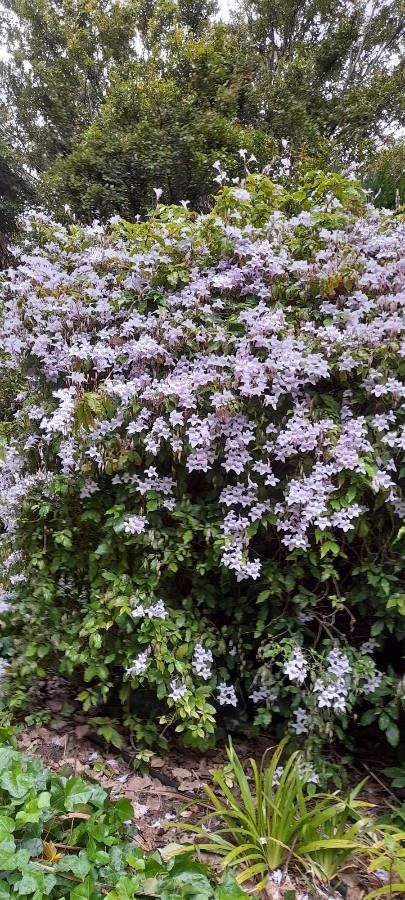
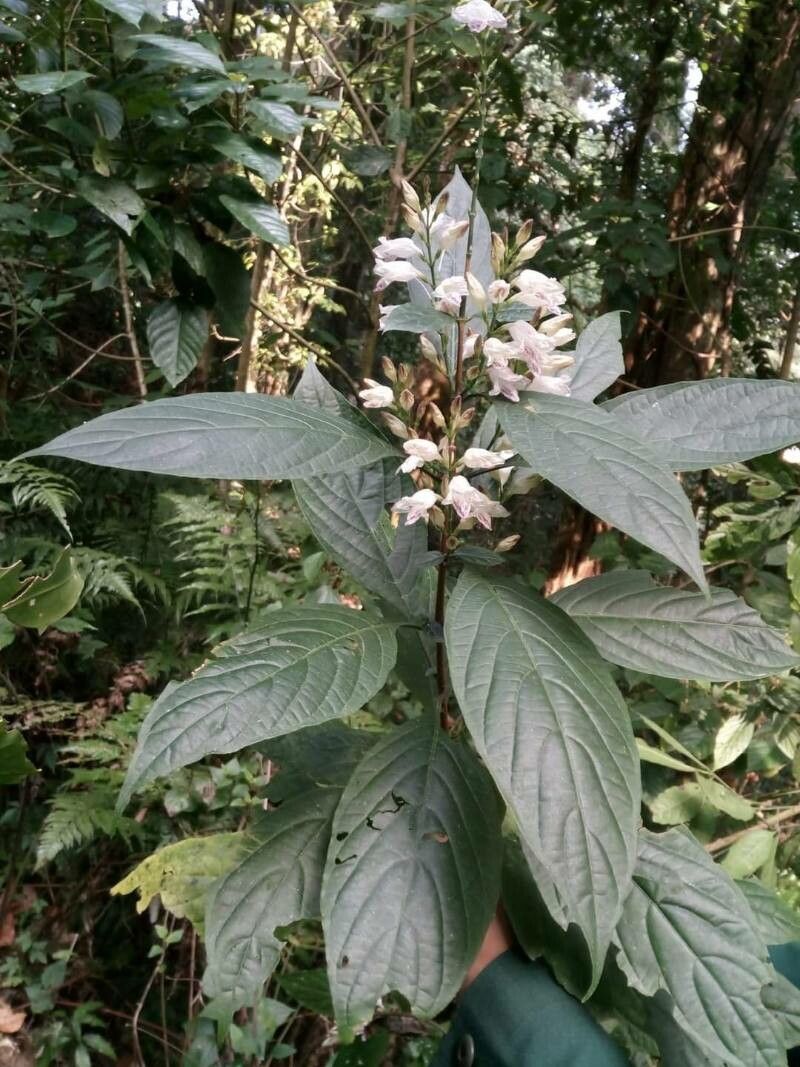
Mackaya bella is a stunning evergreen shrub that belongs to the Acanthaceae family. Native to South Africa, it is commonly known as the forest bell bush or Mackay's bush. This plant can grow up to 2 meters tall and spread about 1.5 meters wide.
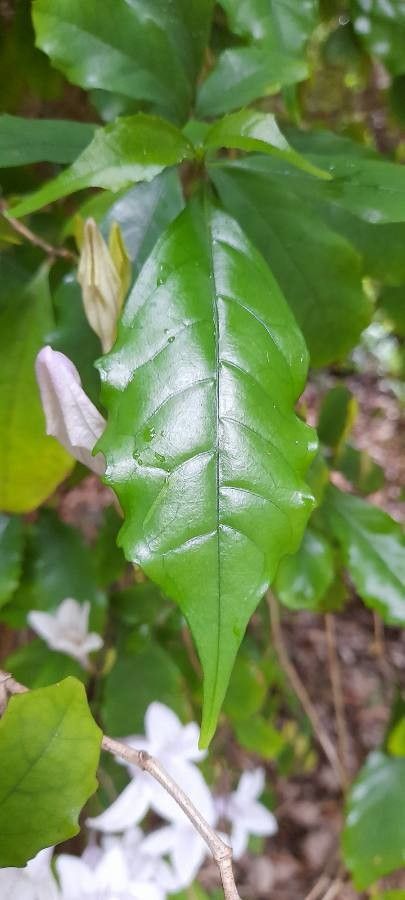
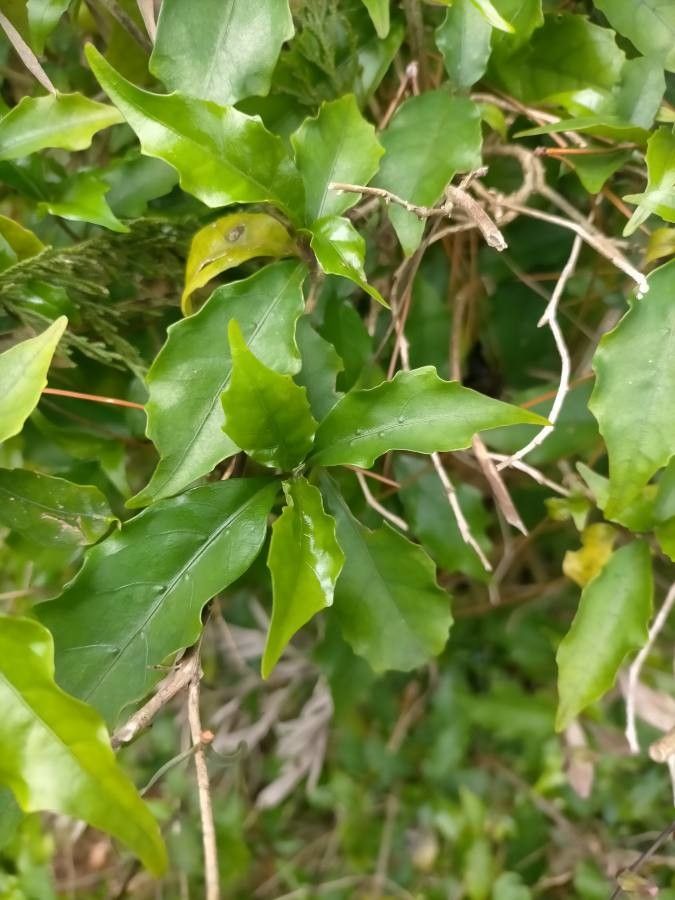
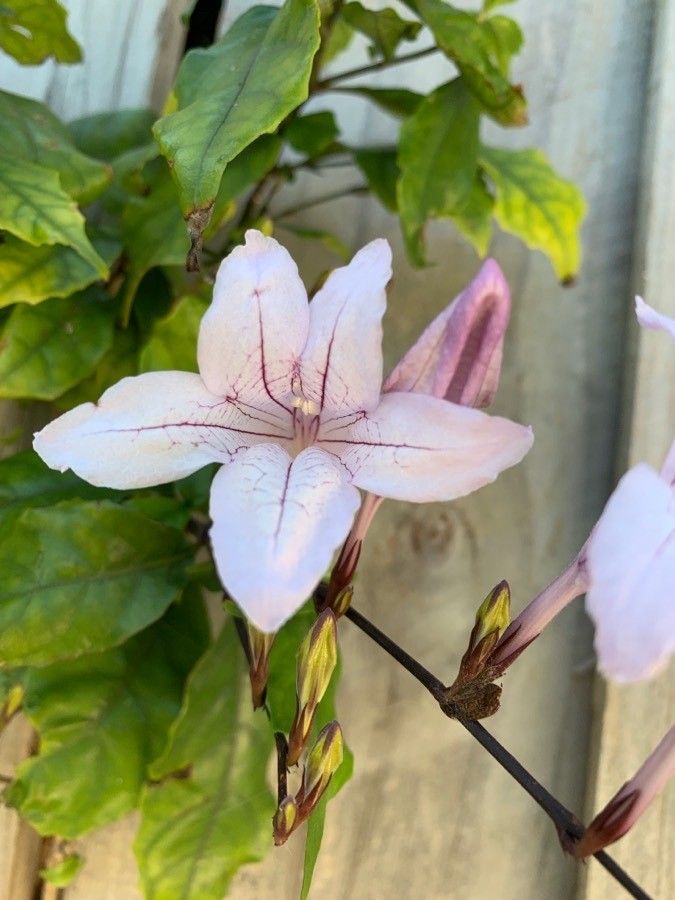
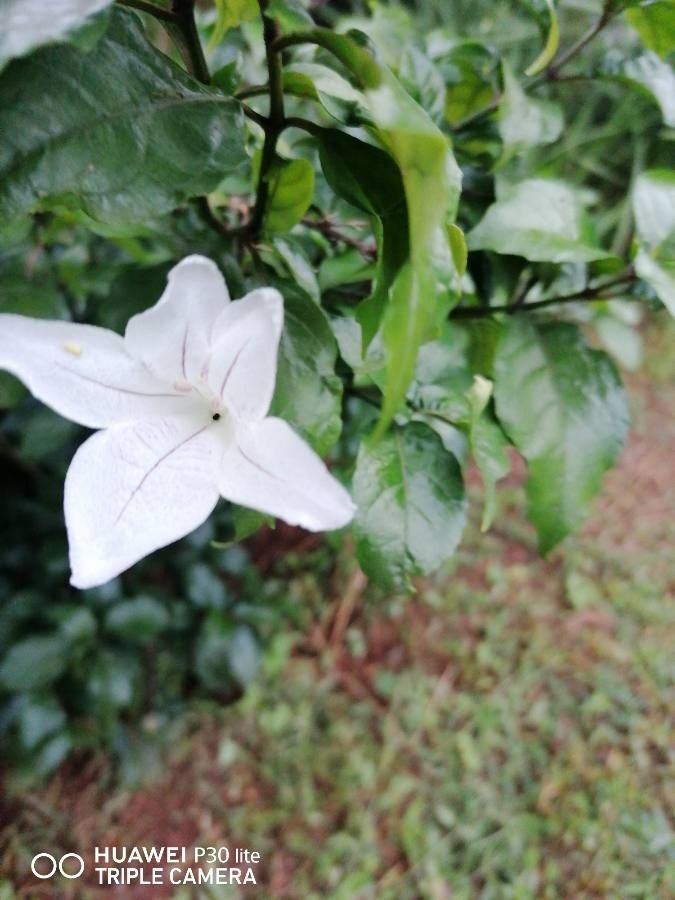
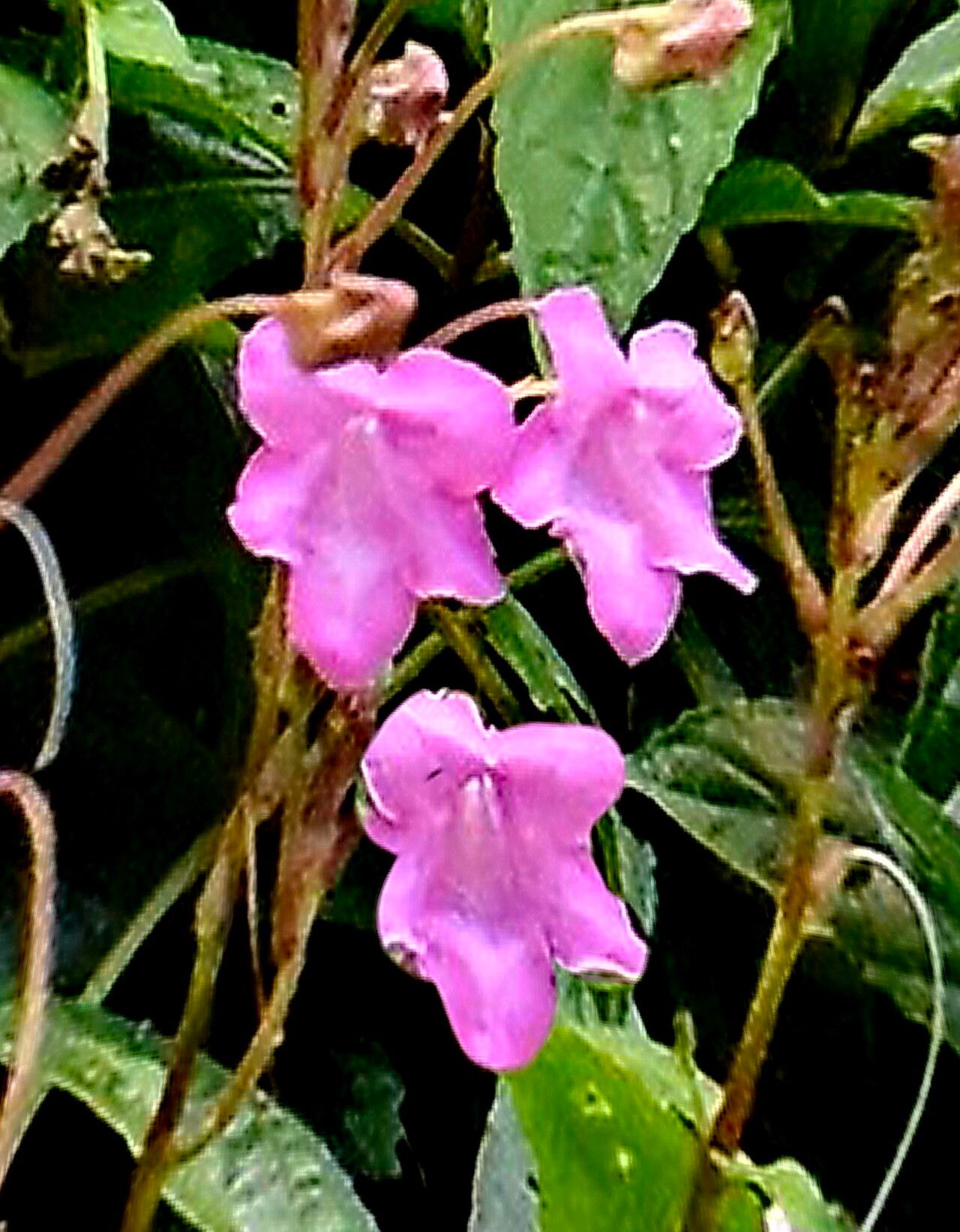
The leaves of Mackaya bella are dark green, glossy, and oval-shaped with serrated edges. It produces beautiful, trumpet-shaped flowers that are lavender-blue with white throats, blooming in clusters from spring through fall.
Mackaya bella thrives in partial shade or filtered sunlight and prefers well-draining soil rich in organic matter. During the growing season, it requires regular watering but can tolerate short periods of drought once established.
The plant attracts bees, butterflies, and other pollinators thanks to its nectar-rich flowers. Additionally, it has medicinal properties; its leaves have traditionally been used to treat various ailments such as fever, coughs, and colds.
Overall, Mackaya bella makes an excellent addition to any garden due to its stunning foliage and beautiful blooms. It provides ecological benefits for pollinators, making it a great choice for gardeners who seek both beauty and functionality in their plants.
The forest bell bush has strong disease resistance and is generally not susceptible to illnesses. In terms of care, the plant is fairly low-maintenance. When grown outdoors it needs only minimal watering, and larger specimens usually do not require pruning. Smaller plants, however, should be pruned after they have finished blooming. The forest bell bush is suitable for anyone with an outdoor area, such as a garden or deck, and does not require much care experience.
How to keep Mackaya Bella.
Light
The forest bell bush is indigenous to habitats like forest understories and rocky sites, where it grows in natural shade. It prefers partial sunlight but can tolerate both full sun and full shade, illustrating its versatility and hardiness.
Water
The Forest Bell Bush, native to tropical rainforests, thrives in humid conditions but is also drought-tolerant. It needs watering every one to two weeks. As an evergreen plant, it retains its leaves throughout the year, helping it conserve water during dry periods.
Humidity
This plant will thrive in moderate humidity, which is probably the level in your home. However, misting it a few times a week can be very beneficial. Make sure the room has good ventilation.
Temperature
Forest bell bush is fairly adaptable to temperature, tolerating high heat and large temperature fluctuations. In hot weather, one should ensure proper watering and provide suitable shade to avoid sunburn. On the other hand, forest bell bush has limited cold tolerance: it can handle some chill but very cold conditions can cause frost damage.
Fertilizer
Timing is important when fertilizing Forest bell bush. Apply fertilizer in early spring and continue monthly up to early summer. Fertilizer encourages attractive blooms and supplies energy during both dormant and active growth periods.
Pruning
The Forest Bell Bush thrives when selectively pruned from early to late winter to boost its growth and flowering. To enhance air circulation, remove dead branches and thin out dense areas. Regular pruning helps maintain its shape, encourages abundant blooming, and enhances its ornamental appeal. Be sure to use clean, sharp tools to prevent disease.
Botanical profile.
- Plant Type
- Shrub
- Life Cycle
- Perennial
- Genus
- Mackaya
- Family
- Acanthaceae
- Hardiness Zone
- 9-11
- Mature Height
- 0.91 m to 1.83 m
- Mature Spread
- 0.91 m to 1.52 m
- Leaf Color
- Green
- Leaf Type
- Evergreen
- Flower Color
- Lavender
- Flower Size
- 3.05 cm to 4.06 cm
- Bloom Time
- Mid spring, Late spring, Early summer
- Planting Time
- Spring, Autumn
- Harvest Time
- Summer
- Native Area
- South Africa, Eswatini
Other names.