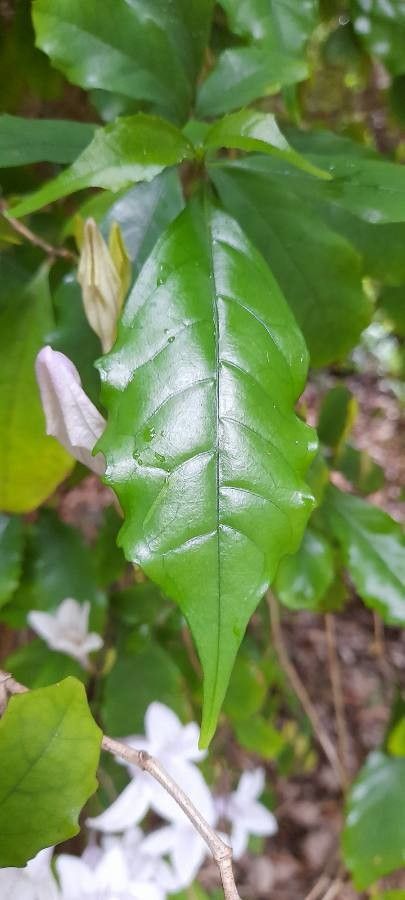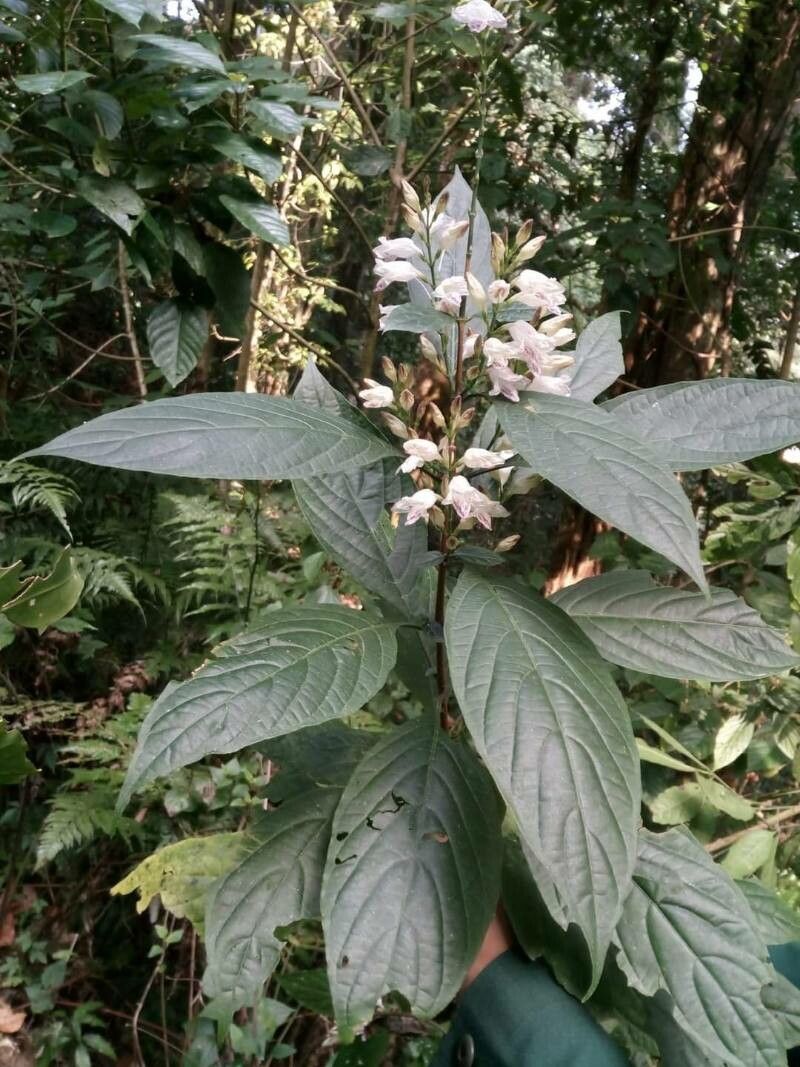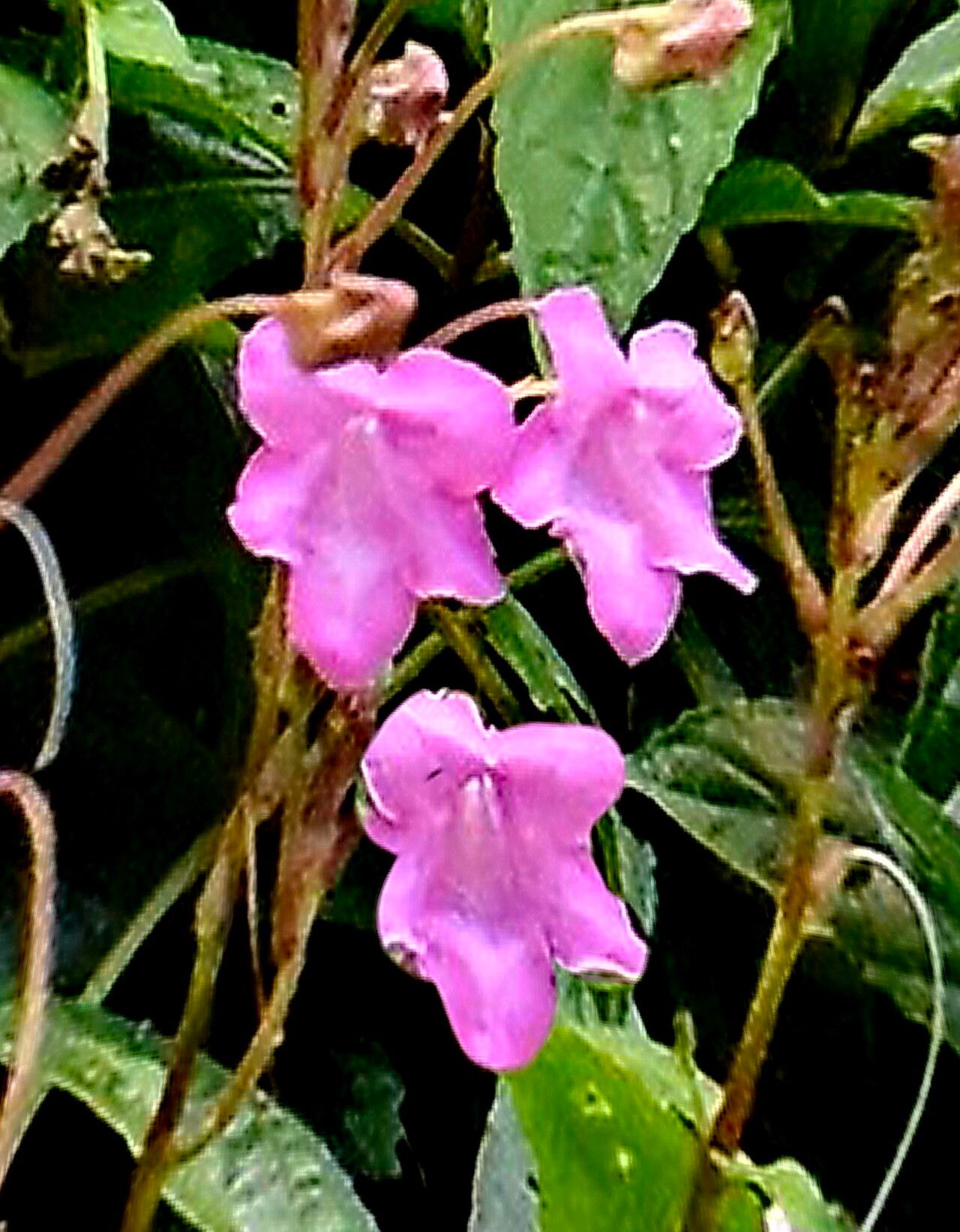
Mackaya neesiana is a plant species in the family Acanthaceae. It has various synonyms including Ruellia neesiana and Asystasiella neesiana. This species is cited in Journals of Travels in Assam, Burma, Bhootan, Afghanistan and The Neighbouring Countries by William Griffith under the synonym Ruellia neesiana.
East-himalayan bell-bush is resistant to disease and generally does not tend to get sick. With regard to care, this plant is fairly low-maintenance. Planted outdoors, it needs only light watering, and larger specimens typically do not require pruning. Smaller plants, however, should be trimmed after they finish blooming. East-himalayan bell-busht is suitable for anyone who has outdoor space, like a garden or deck, and it does not demand much gardening experience.
How to keep Mackaya Neesiana.
Light
The East-himalayan bell-bush is native to the understory of tropical forests, where it gets dappled sunlight. It prospers in partial sun but can also withstand full sun, adjusting well to different light levels.
Temperature
The East-Himalayan bell-bush is native to the East Himalayan region and does best in temperatures of 68 to 100.4 °F (20 to 38 °C). It prefers a cooler winter but temperatures should not drop below 20 °C. Small adjustments can be made for seasonal changes.
Fertilizer
The best time to fertilize an East-himalayan bell-bush is in early spring as it comes out of dormancy. This stimulates overall growth and flower development. Fertilizing improves foliage, stems, and branches while encouraging large, vivid, and long-lasting flowers. It helps move nutrients from the roots to the flowers and enhances the plant’s health and resistance to disease.
Botanical profile.
- Plant Type
- Shrub
- Life Cycle
- Perennial
- Genus
- Mackaya
- Family
- Acanthaceae
- Hardiness Zone
- 11
- Mature Height
- 91 cm
- Mature Spread
- 0.91 m to 1.52 m
- Leaf Color
- Dark Green
- Leaf Type
- Evergreen
- Flower Color
- Lavender
- Flower Size
- 0.76 cm
- Bloom Time
- Mid spring, Late spring, Early summer
- Planting Time
- Spring, Summer
- Harvest Time
- Mid summer, Late summer, Early fall
- Native Area
- India, Vietnam, Myanmar, Laos, Thailand, China