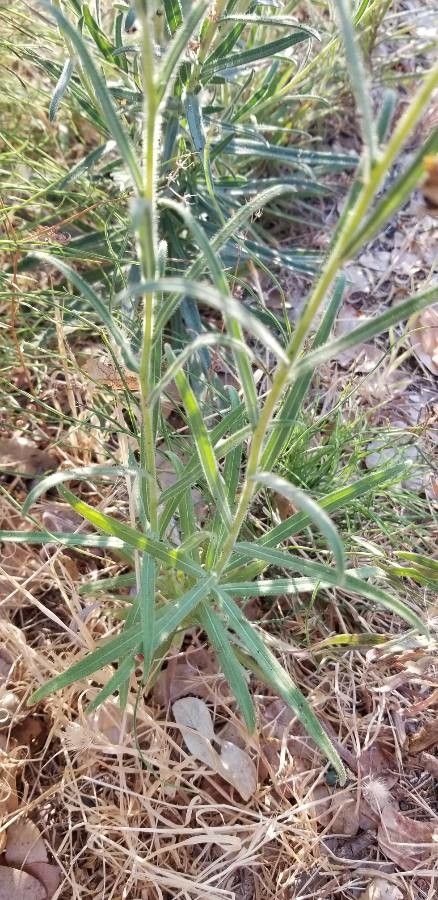
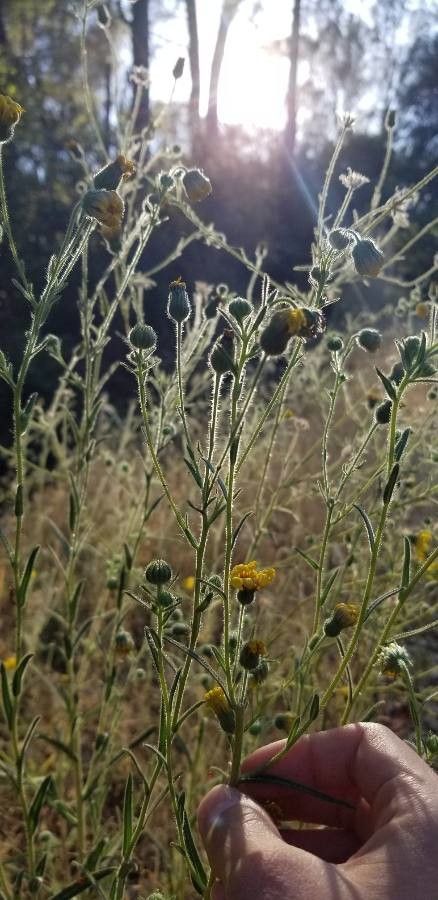
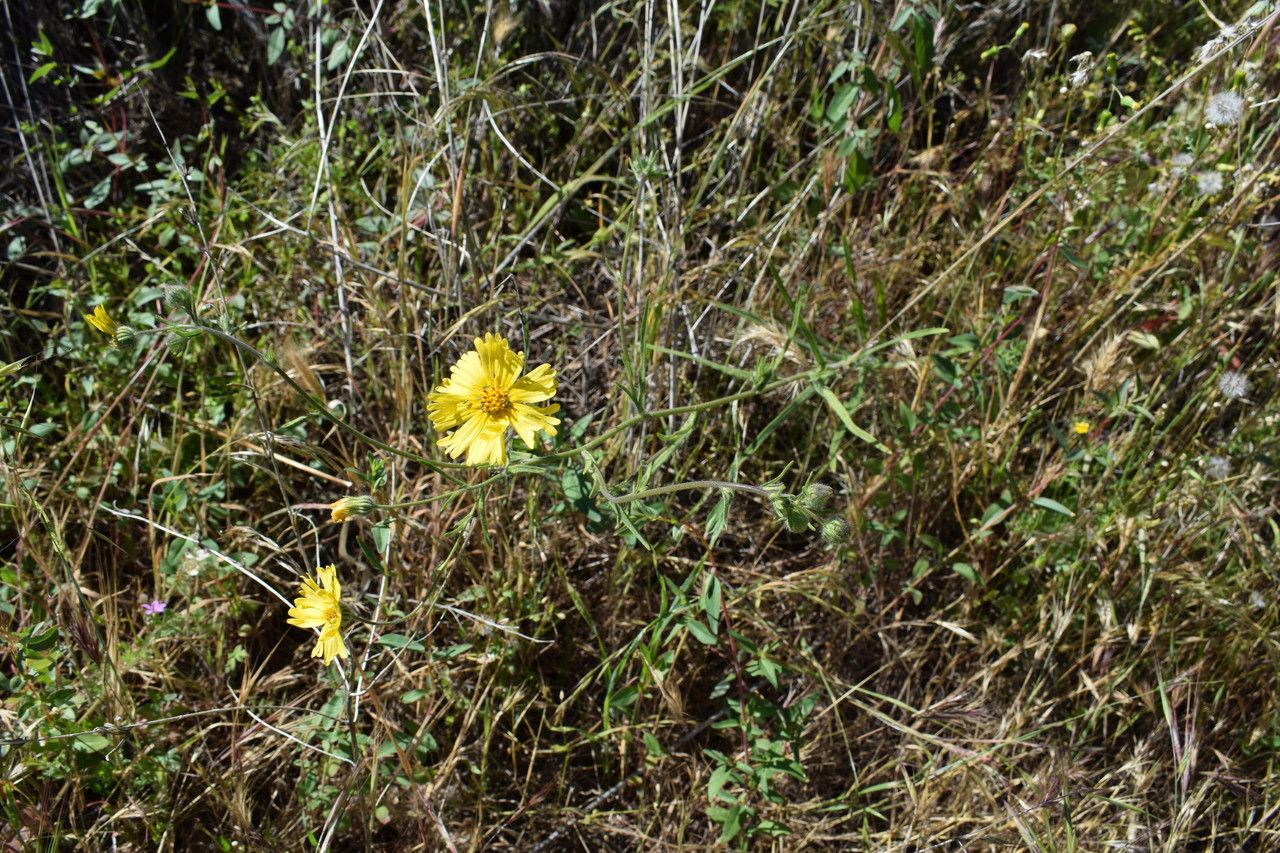
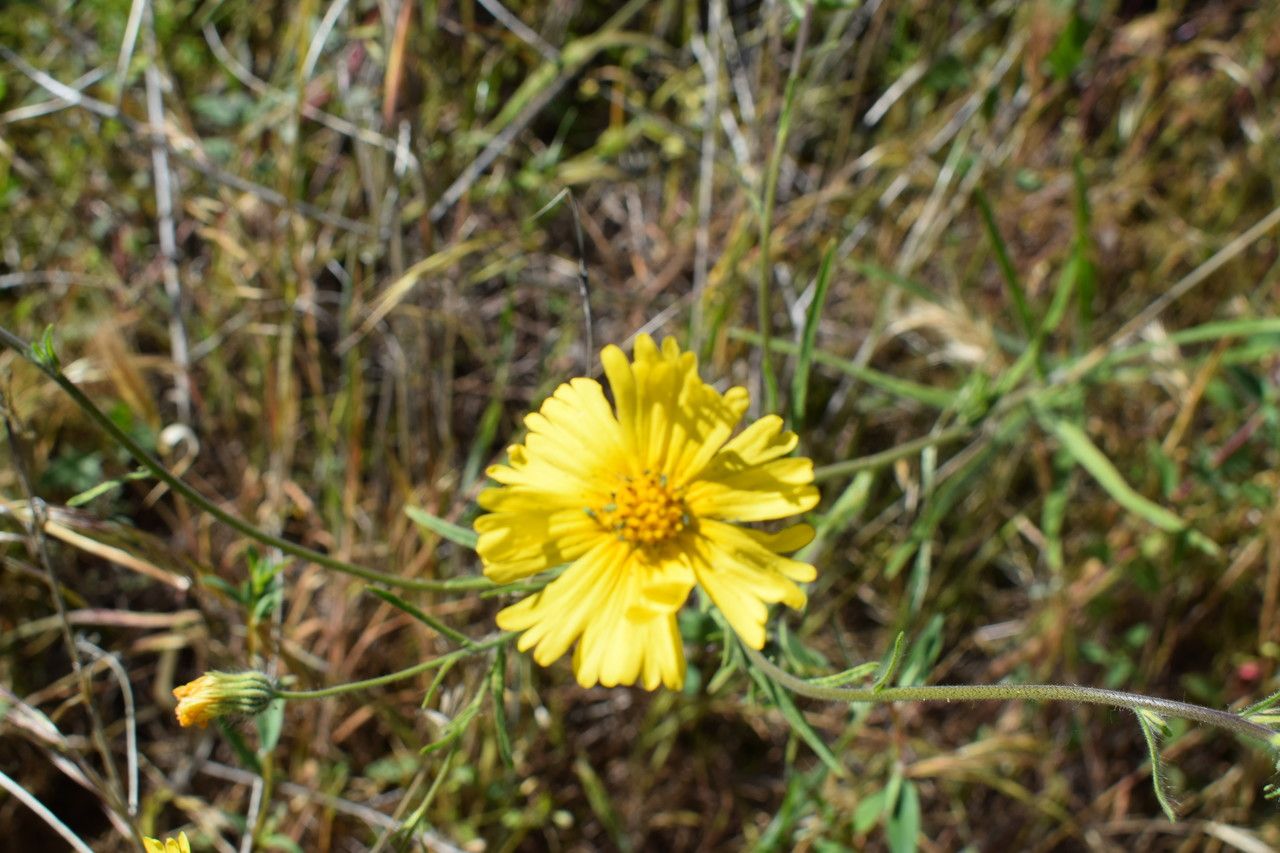
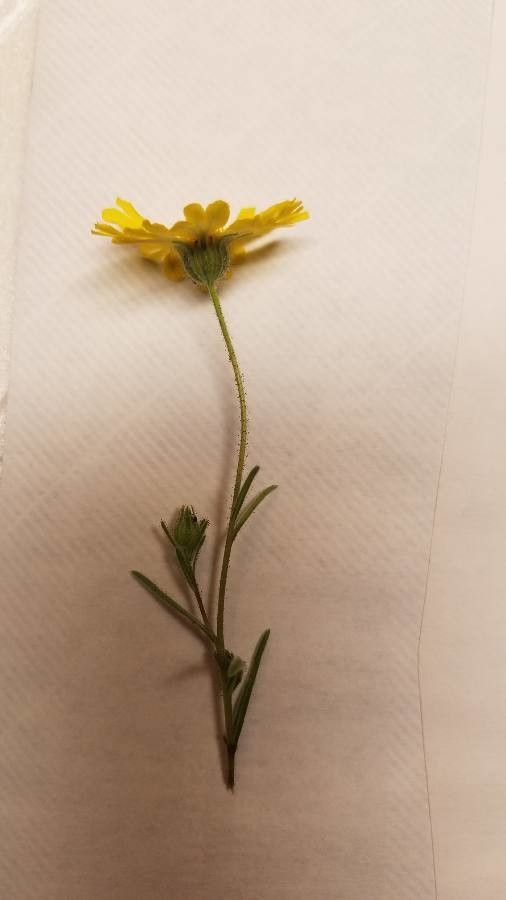
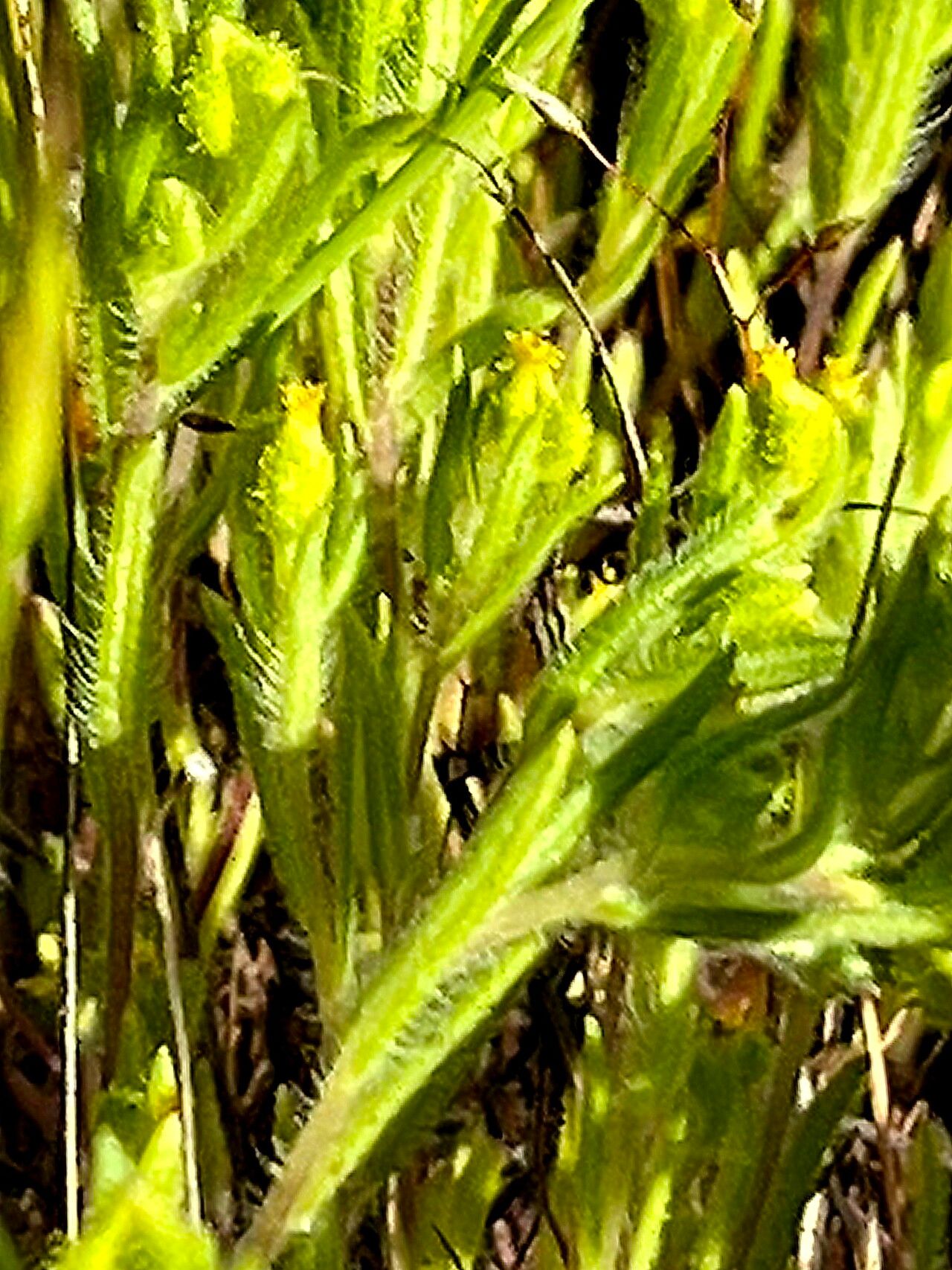
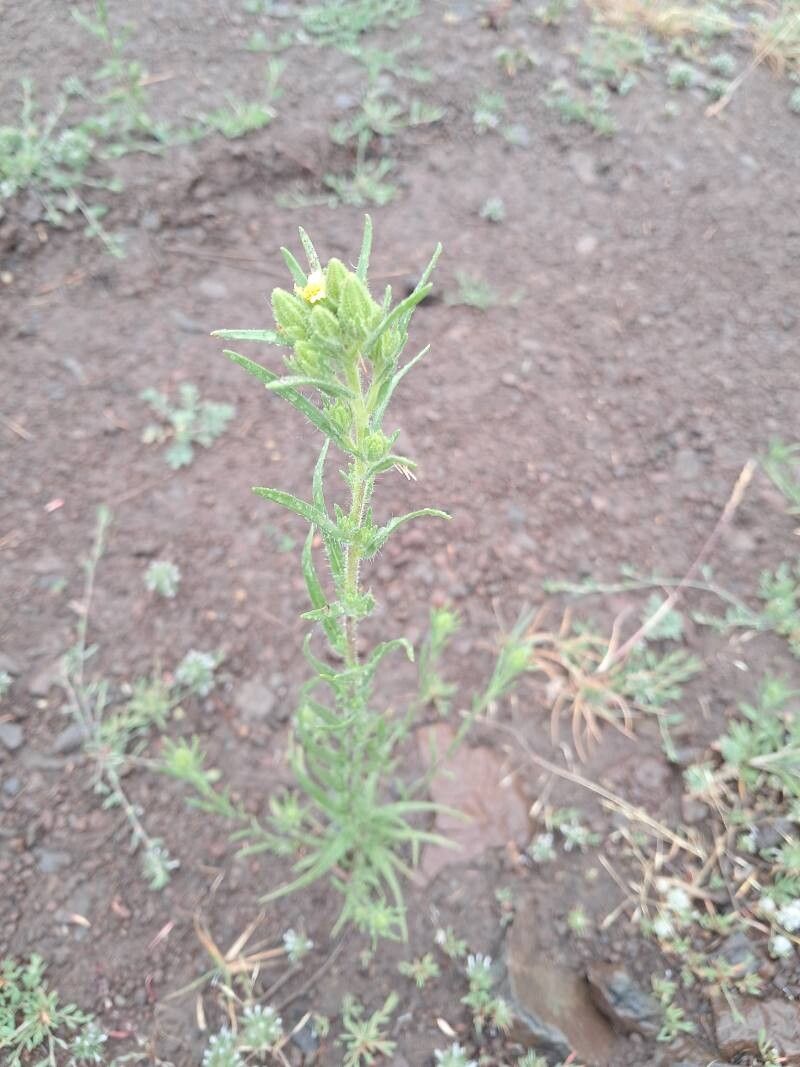
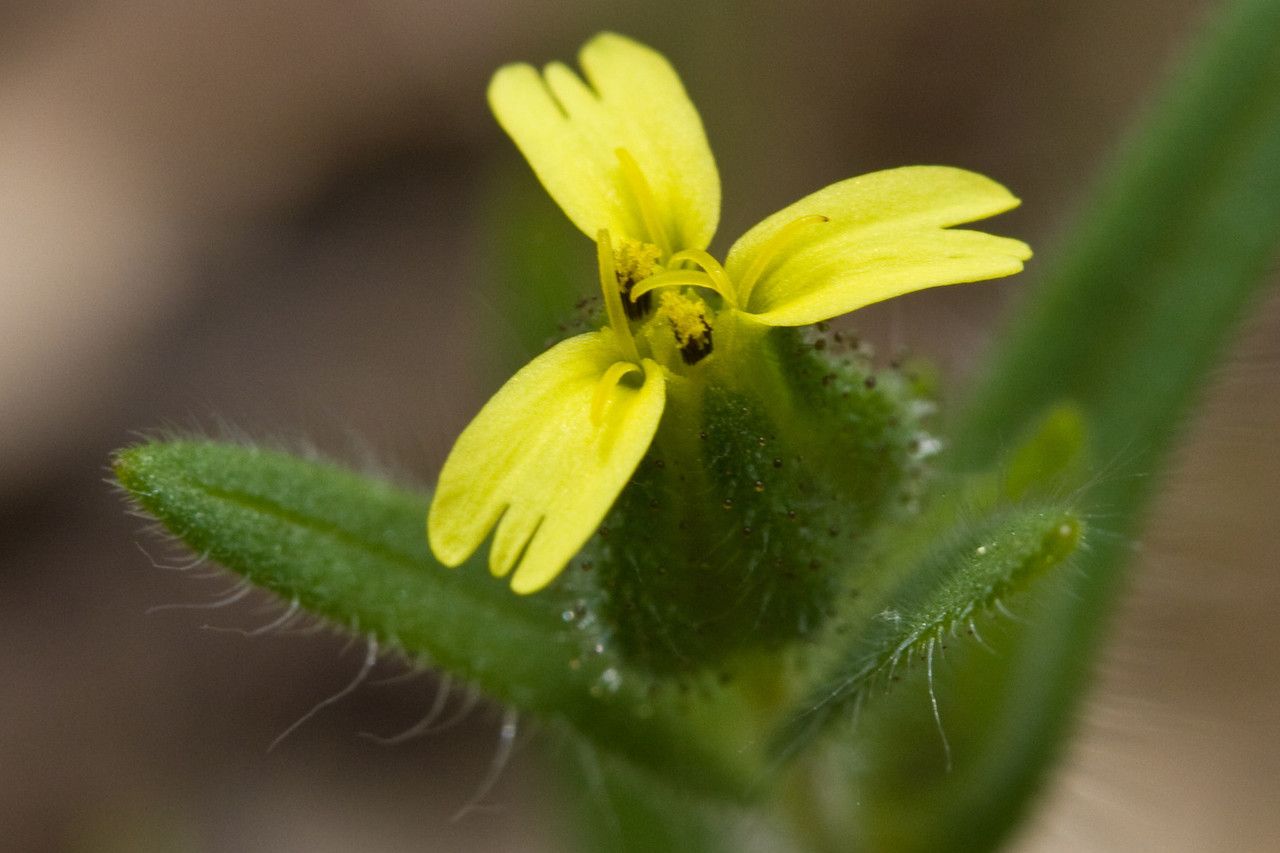
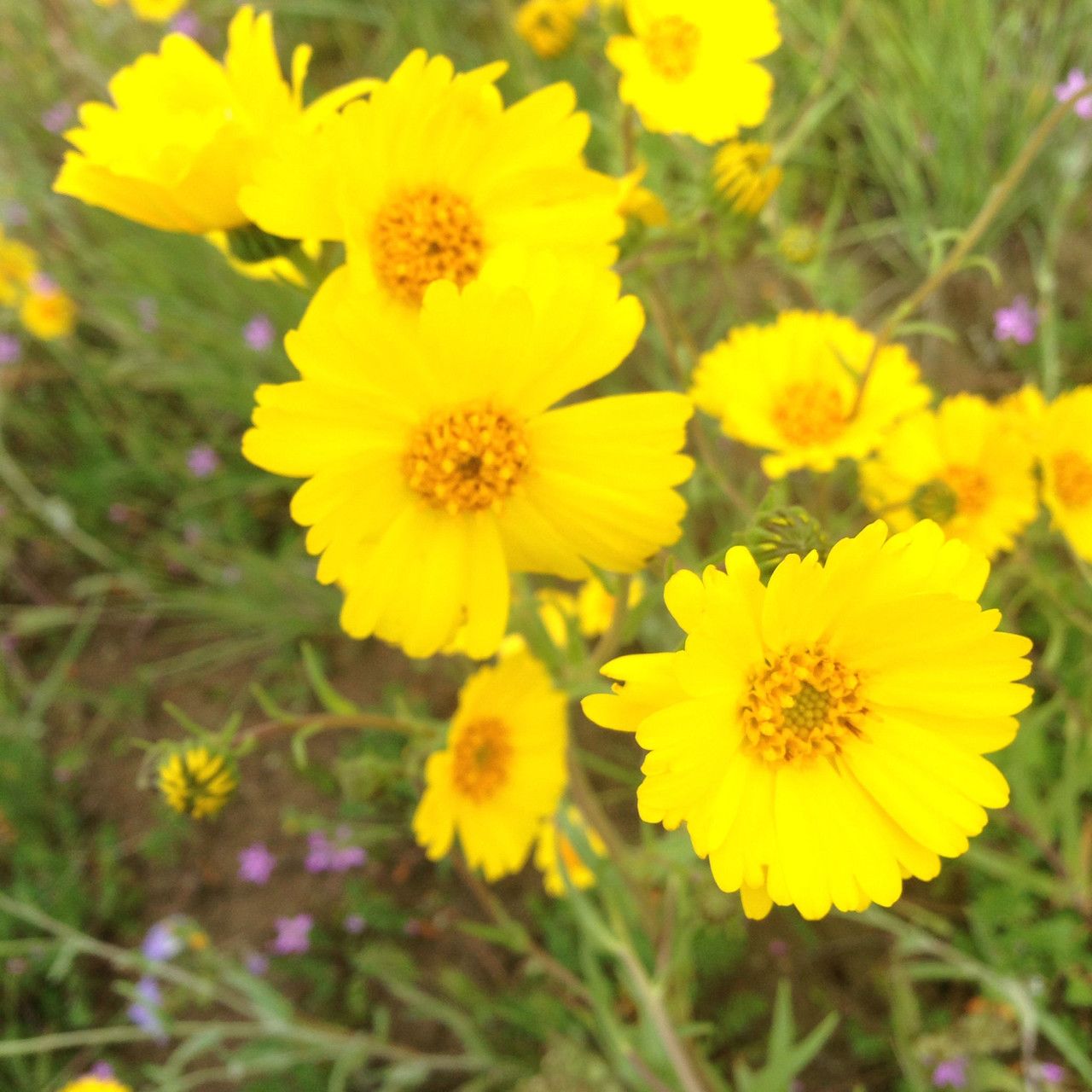
Madia elegans is an annual herbaceous plant species in the family Asteraceae. It is generally known as the common madia, but there are several subspecies known by various common names.
Spring madia is fairly resistant to disease and generally not easily affected by illnesses. Still, it can be vulnerable to pests and diseases present in its environment. Such infections are typically mild. For care, this plant needs moderate maintenance. It should be pruned regularly to preserve a neat appearance and encourage healthy growth. Fertilizing can also aid in boosting flowering. Spring madia works well for anyone with outdoor space like a garden or patio and does not demand extensive care experience. It may need more attention when cultivated indoors.
How to keep Madia Elegans.
Light
Spring madia grows best when it gets a large amount of sunlight every day. It can tolerate somewhat filtered light, but abundant light is what produces its healthiest growth. Its natural habitat has strong sun for much of the day. Excessive shade can hinder its development, while too much sun can cause wilting.
Water
Spring madia thrives in moderate moisture and well-drained conditions, making it ideal for a weekly watering schedule. It adapts well to seasonal rainfall and is perfectly suited for outdoor growth in gardens within similar climate zones.
Temperature
Spring madia is a plant suited to moderate habitats, and its native environment indicates a preferred temperature range of 68 to 95°F (20 to 35°C). Care should be taken to make adjustments during extreme seasonal temperatures to maintain optimal growth.
Fertilizer
When most of Spring madia's blooms have opened to full size, it's time to resume fertilizing. Around the peak bloom period, start fertilizing again about every three to four weeks, as weather allows. Then, once Spring madia begins producing fewer new blooms, stop fertilizing; there's no need to fertilize when the plant can no longer produce more flowers.
Pruning
Spring madia plants have daisy-like flowers and aromatic leaves. To keep them healthy and promote blooming, prune them in early spring to remove any dead stems. Later on, trim away spent blooms to improve growth and air circulation. This practice helps maintain the plant's size and encourages more flowers. Additionally, always use clean tools when pruning to prevent disease.
Botanical profile.
- Plant Type
- Herb
- Life Cycle
- Annual
- Genus
- Madia
- Family
- Asteraceae
- Hardiness Zone
- 6
- Mature Height
- 8 cm to 91 cm
- Mature Spread
- 30 cm
- Leaf Color
- Green
- Leaf Type
- Semi-evergreen
- Flower Color
- Yellow
- Flower Size
- 1.52 cm to 4.57 cm
- Bloom Time
- Summer
- Planting Time
- Spring
- Harvest Time
- Late summer, Early fall, Mid fall
- Native Area
- Mexico
Other names.
Reader questions.
How should I give water to my Spring madia plants during different seasons?
As the season progresses, the water requirements for your Spring madia will increase. In spring, watering once a week is sufficient. However, as summer arrives with its heat, you may need to water your Spring madia more frequently, potentially up to three times per week. This is especially important for Spring madia growing in containers, as the soil in containers tends to dry out faster in warm weather compared to ground soil. In autumn, when your Spring madia is still blooming, it might require slightly less water due to decreased temperatures and less intense sun exposure than during the summer.
What kind of fertilizer does my Spring madia plant require?
Most types of Spring madia plants require a specific balance of nutrients found in high-yield blooming plant fertilizers. For optimal growth, it's best to use a fertilizer with a higher level of phosphorus, indicated by a higher P number in its NPK number (e.g., 10-30-10). There are several fertilizer brands available that offer fertilizers suitable for blooming plants like Spring madia, making it easy to provide the necessary nutrients. If you prefer using pre-mixed fertilizers, make sure to carefully follow the instructions on the package to avoid over or under-fertilizing the Spring madia plant, as both can lead to stunted growth or wilting.
What are the sunlight requirements for Spring Madia?
Spring Madia, also known by its botanical name Madia elegans, thrives best in full sun, which means it requires more than 6 hours of sunlight daily. However, it can also grow in partial sun, receiving about 3-6 hours of sunlight. It's crucial to observe the movement of sunlight in your garden to ensure plants are placed in spots that offer an ideal balance of light and shade, as this encourages their growth and wellbeing. Spring Madia's optimal health and growth are attained with extensive light exposure, although it can endure somewhat diffused sunlight. A habitat with abundant sun throughout the day is intrinsic to its nature, and too much shade may hinder its growth, whereas excessive exposure can lead to wilting.
What is the ideal climate for growing Spring madia?
Spring madia, or Madia elegans, thrives in moderate climates, with an ideal temperature range between 68 to 95°F (20 to 35°C). It is a plant well-suited for environments that do not experience extreme temperatures. During particularly hot or cold seasons, care should be adjusted to maintain optimal growth conditions. Despite its high cold tolerance, during the onset of winter, it is beneficial to water the plant abundantly before the first freeze. This ensures the soil remains moist when it enters a frozen state, helping prevent drought and water scarcity for the plant during the colder months.
How should I water my Spring madia?
There are a few different ways to water Spring madia. You can use a garden hose with a spray nozzle, a watering can, or any common watering tool. Spring madia is not too picky about how it gets watered, and can survive on rainwater, tap water, or filtered water. It's generally not recommended to water this plant from above, as it can harm the leaves and flowers and potentially cause disease. A drip irrigation system is often the best way to water Spring madia because it provides even and direct watering to the soil. If you have a container-grown Spring madia, you can use a cup, watering can, or your tap to water it directly on the soil.
How can I improve the growth of my Spring madia?
Fertilizing Spring madia can vary depending on the type of fertilizer you have. However, there are some general tips to follow. When first planting Spring madia, mix the recommended amount of fertilizer into the soil before planting and water it in. For subsequent fertilizing, pellet fertilizers can be mixed into the top inch of soil around the outer edge of the plant and watered in well. Other fertilizers can be mixed with water in a watering can and applied like regular watering. It's important to follow any instructions on the fertilizer packaging, but to maintain a regular schedule, aim for fertilizing every three to four weeks.
How can artificial lighting be used for indoor Spring Madia plants?
Indoor Spring Madia plants require adequate lighting to grow optimally, especially when natural sunlight is insufficient, such as in winter or in less sunny indoor spaces. Artificial lights provide a practical solution, enhancing the plants' growth and health. Opt for LED lights, which can be tailored to provide the specific wavelengths needed by your plants. Full sun plants need 30-50W/sq ft, partial sun plants 20-30W/sq ft, and full shade plants 10-20W/sq ft of artificial light. Position the light source 12-36 inches above the plant to mimic natural sunlight. The duration of artificial lighting should mimic natural daylight hours, typically 8-12 hours per day for most plant species.
What should I do if the temperature drops below -25°C?
Spring madia is highly tolerant of cold temperatures but should ideally be kept in conditions above -25°C. If temperatures fall below this threshold, you may not observe any immediate damage during winter; however, there could be a reduced or complete lack of sprouting in the spring. To mitigate this, you should remove any parts of the plant that fail to sprout once spring arrives.
What should I do if I give my Spring madia plant too much or too little water?
To ensure your Spring madia plant stays healthy, it's important to properly water it. Underwatering can be fixed by increasing the frequency of watering when you notice the plant is lacking moisture. On the other hand, overwatering can cause serious problems that may go unnoticed. Overwatered plants are prone to diseases, leading to their decline and death. To prevent this, choose a growing location that receives ample sunlight to dry out the soil and has good drainage to avoid water pooling. If you have overwatered your potted Spring madia, consider transferring it to a new pot. The previous container may have had poor drainage or not enough drainage holes. When repotting, ensure loose soil and an efficiently draining pot are used.
What will happen if I put too much fertilizer on my Spring madia?
First-time gardeners, as well as experienced gardeners experimenting with new products, often make the mistake of over-fertilizing. However, Spring madia provides clear indications of this issue. Look out for yellowing leaves, wilting foliage, or under-developed blooms, as these are all signs of excessive feeding. When Spring madia is fertilized too frequently, the soil becomes uninhabitable due to high levels of minerals, nutrients, or compost. This can lead to root burn. To prevent this, it is recommended to flush out the soil every month by watering twice as much as usual with proper drainage.
What are the symptoms of inadequate light for Spring Madia?
Insufficient light can cause several symptoms in Spring Madia, including smaller new leaves, leggy or sparse growth, faster leaf drop, slower or none new growth, lighter-colored new leaves, chlorosis, sunscald, leaf curling, wilting, and leaf scorching. New leaves may grow smaller once mature, and the plant may exhibit a thin, stretched-out look due to longer spaces between leaves or stems. A decrease in light can also cause early shedding of older leaves, halt leaf production, leading to pale-looking or irregularly colored new leaves. Excessive sunlight exposure can cause chlorosis, leaf curling, wilting, and leaf scorching, which negatively impact the plant's health.
How do I care for Spring madia during high temperatures?
In high temperatures, especially when they exceed 35°C, Spring madia's growth can halt, and the plant becomes prone to rot. To care for your Spring madia during such conditions, trim away any sunburned or dried-up parts of the plant. Moving the plant to a shaded location or employing a shade cloth can protect it from the midday and afternoon sun. Additionally, ensure the soil remains moist by watering the plant in the morning and evening.