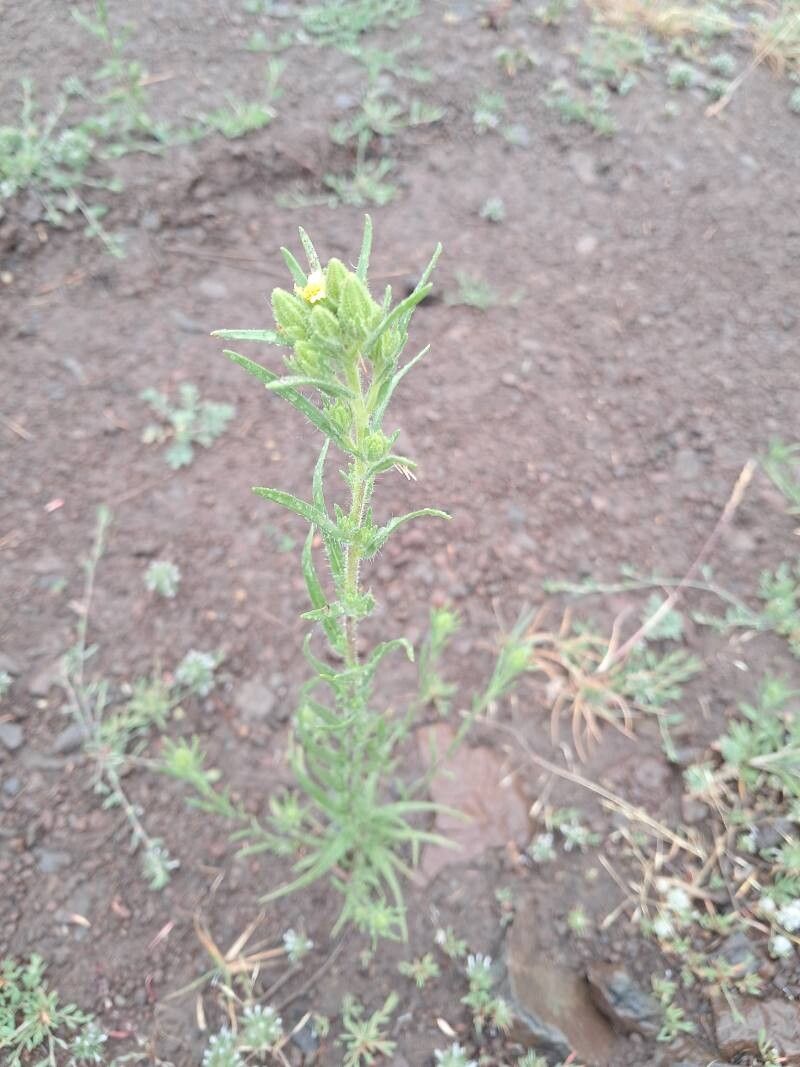
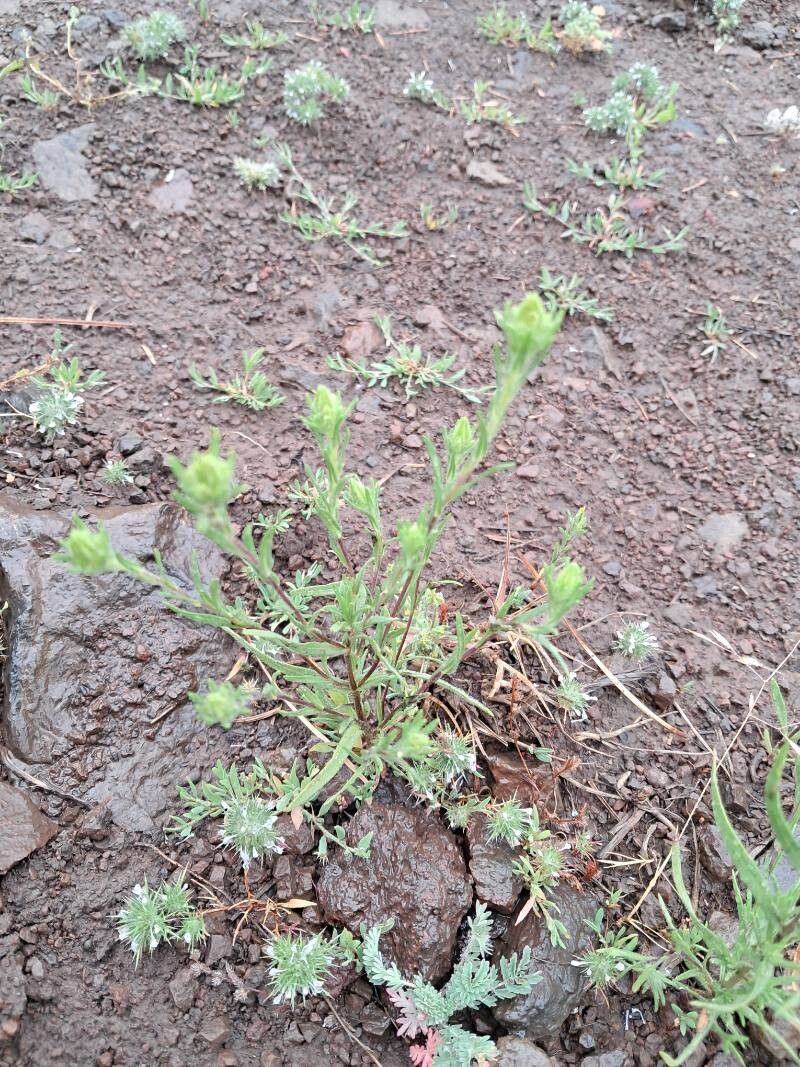
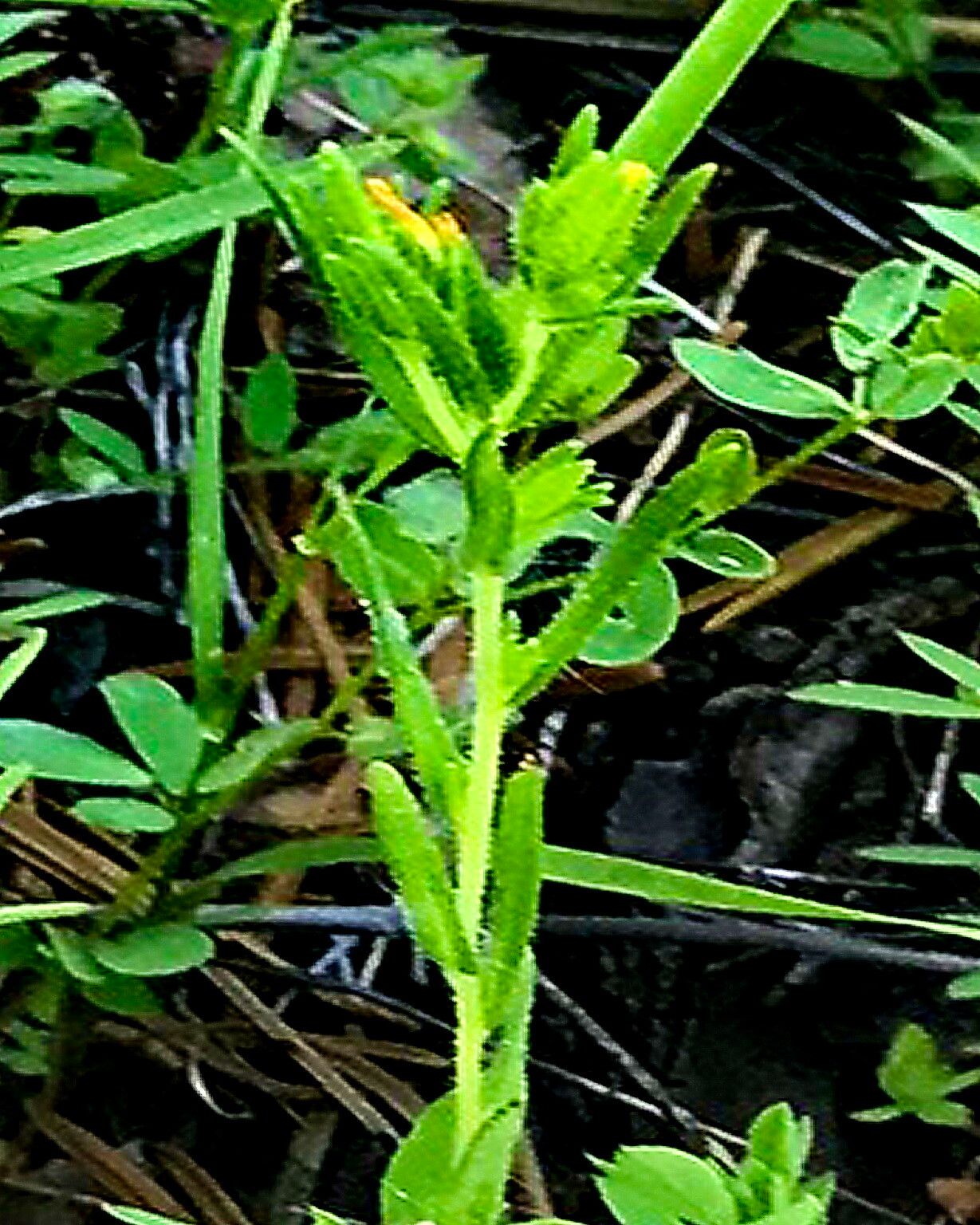
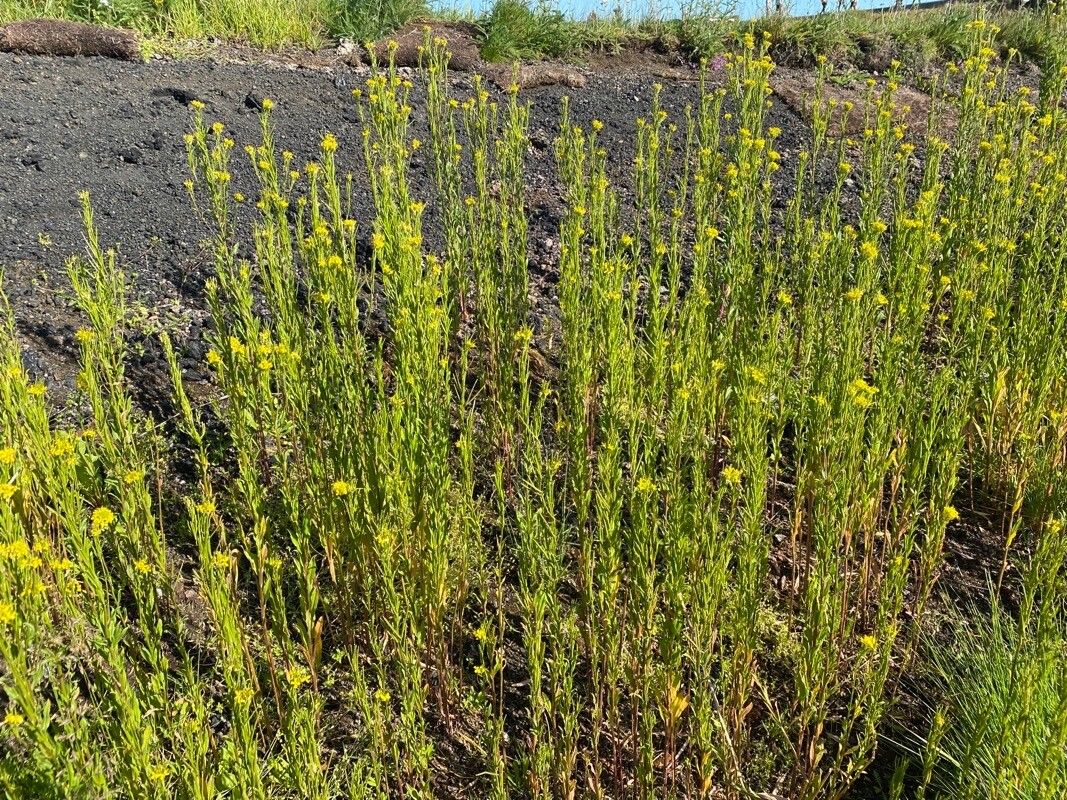
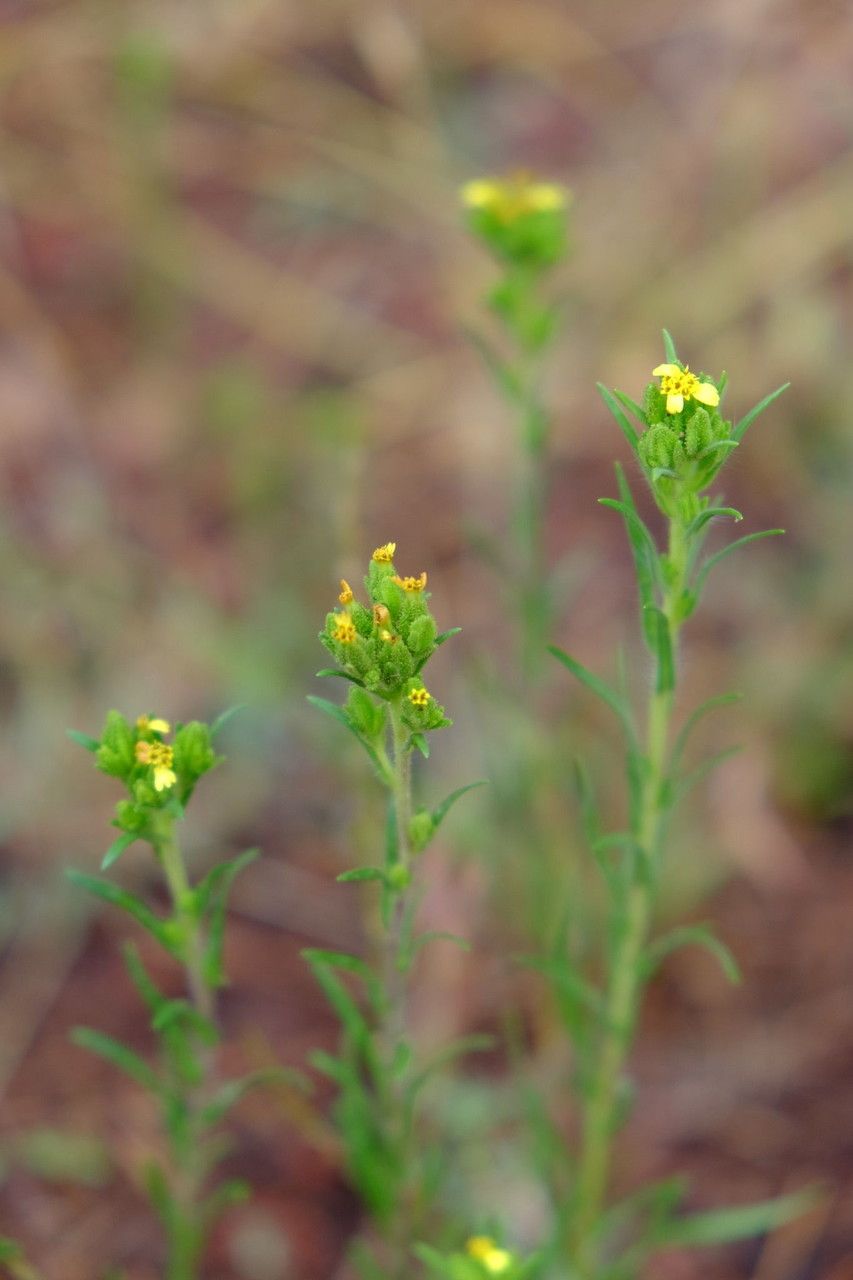
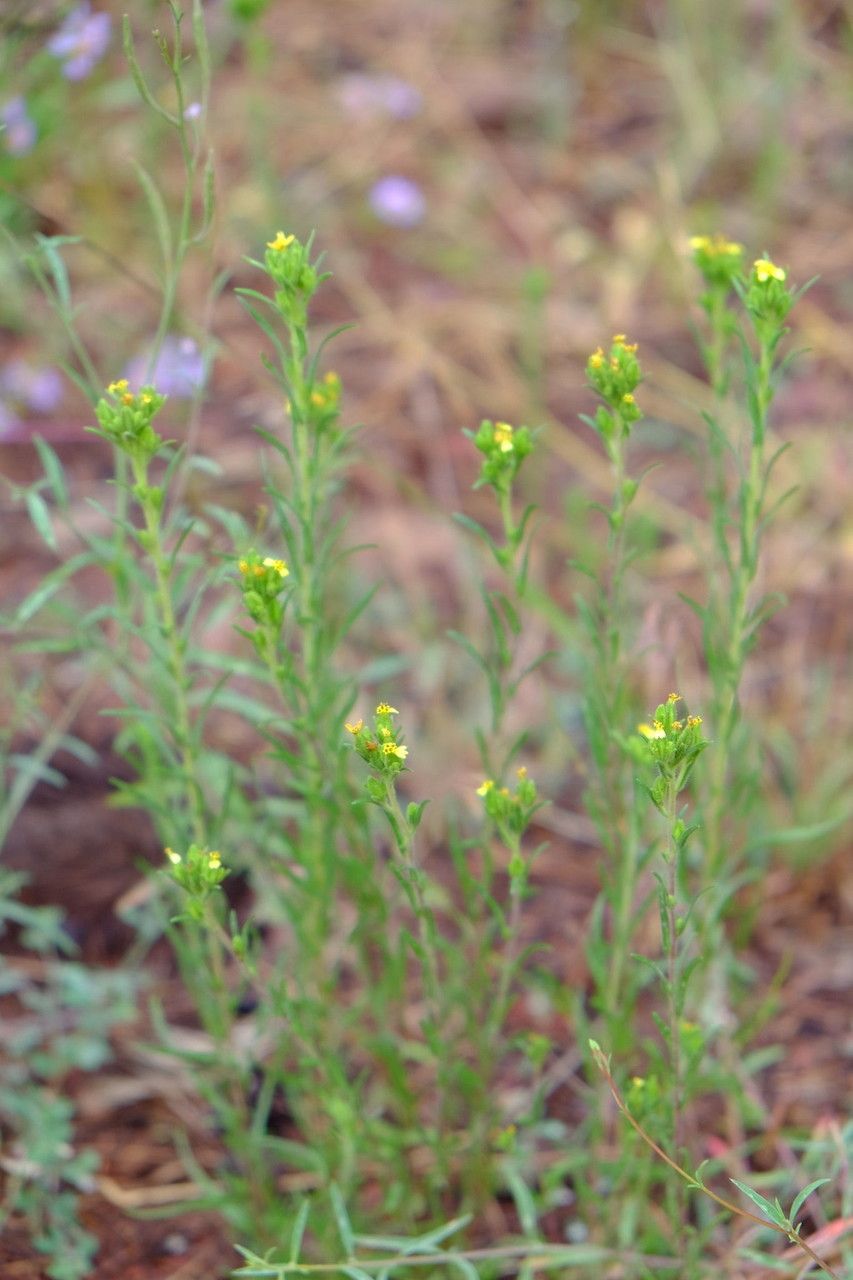
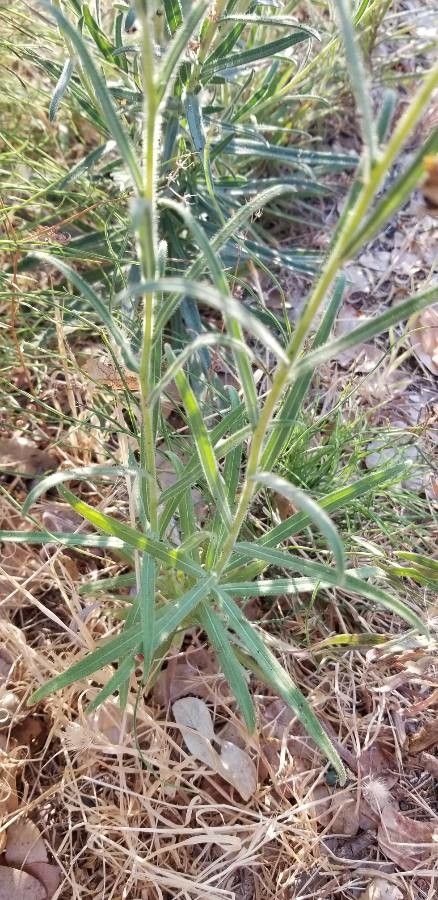
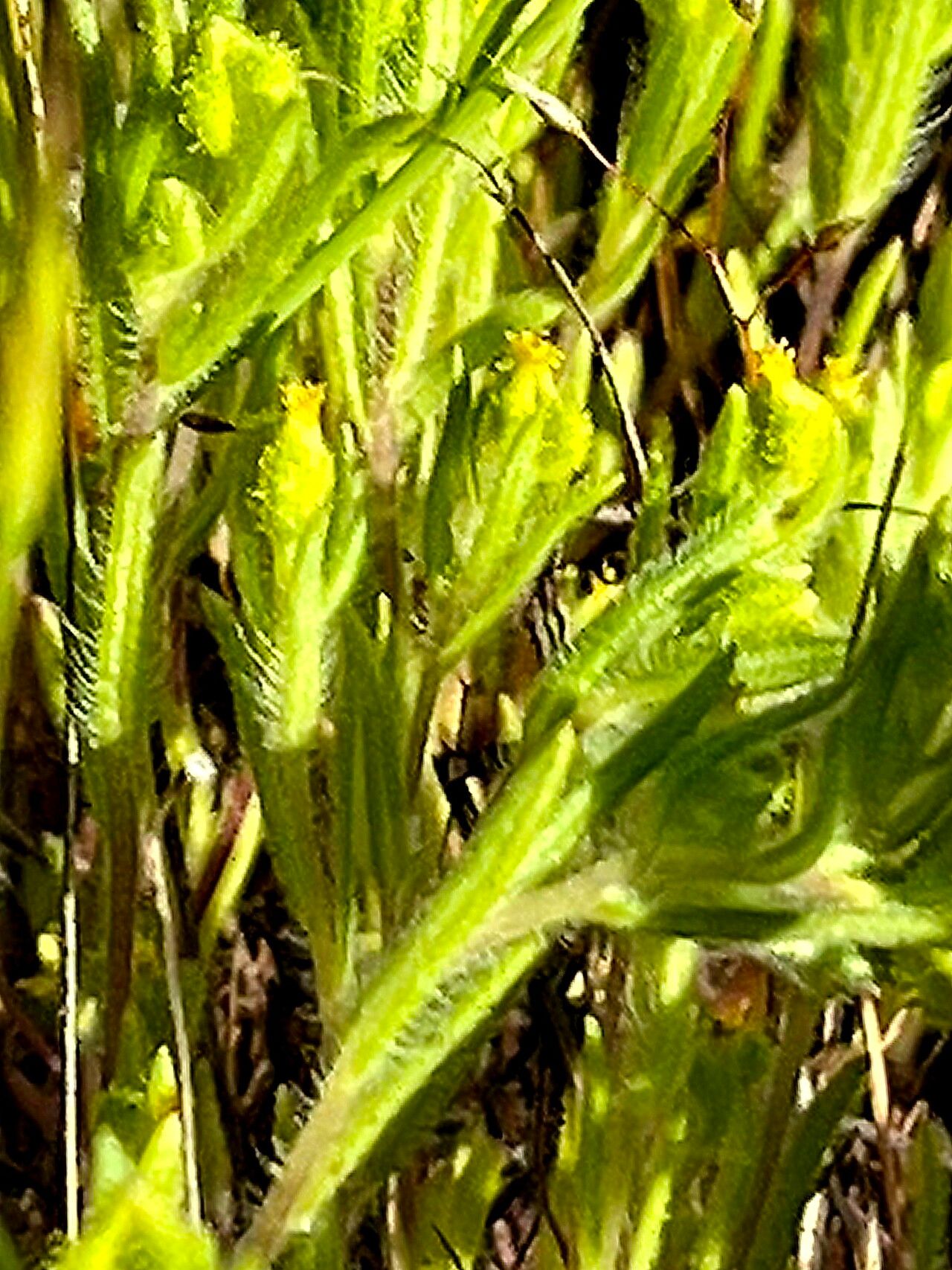
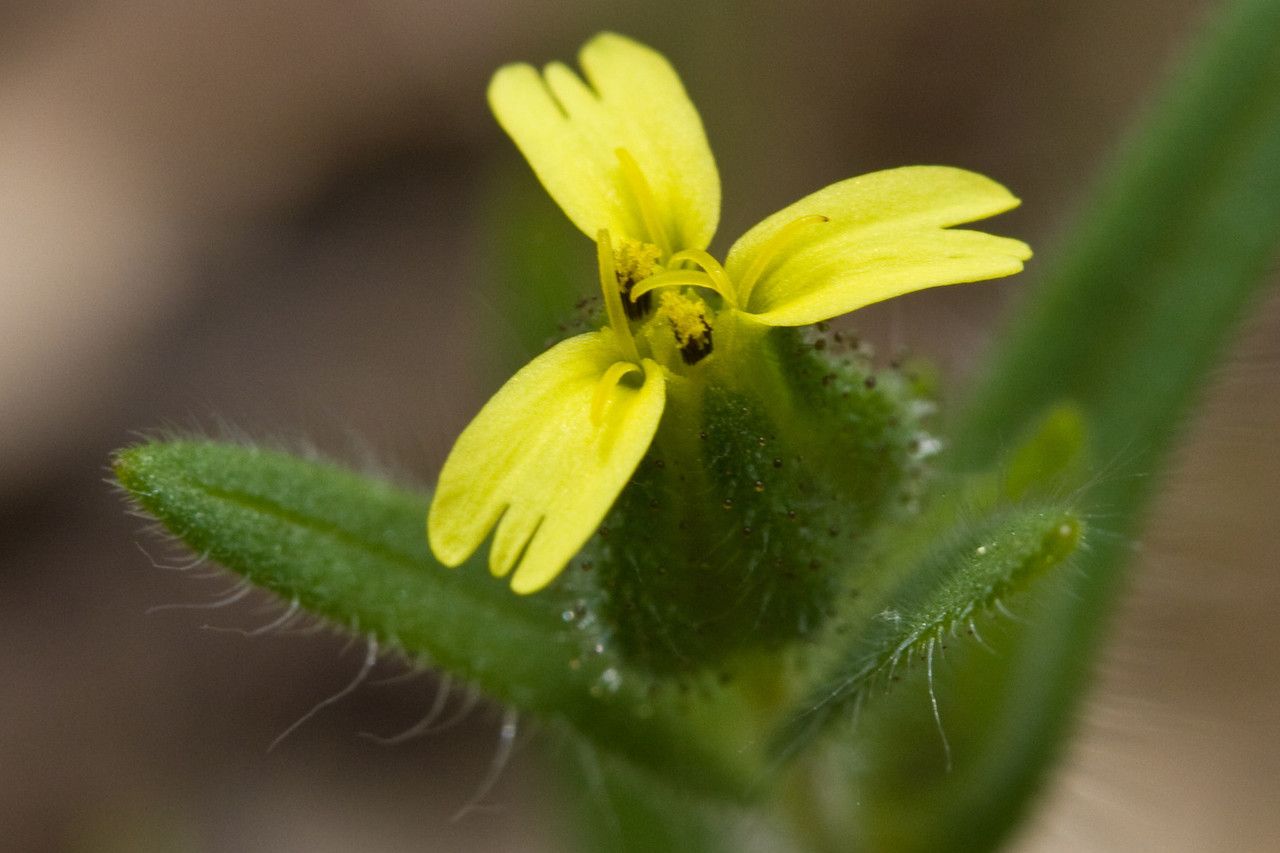
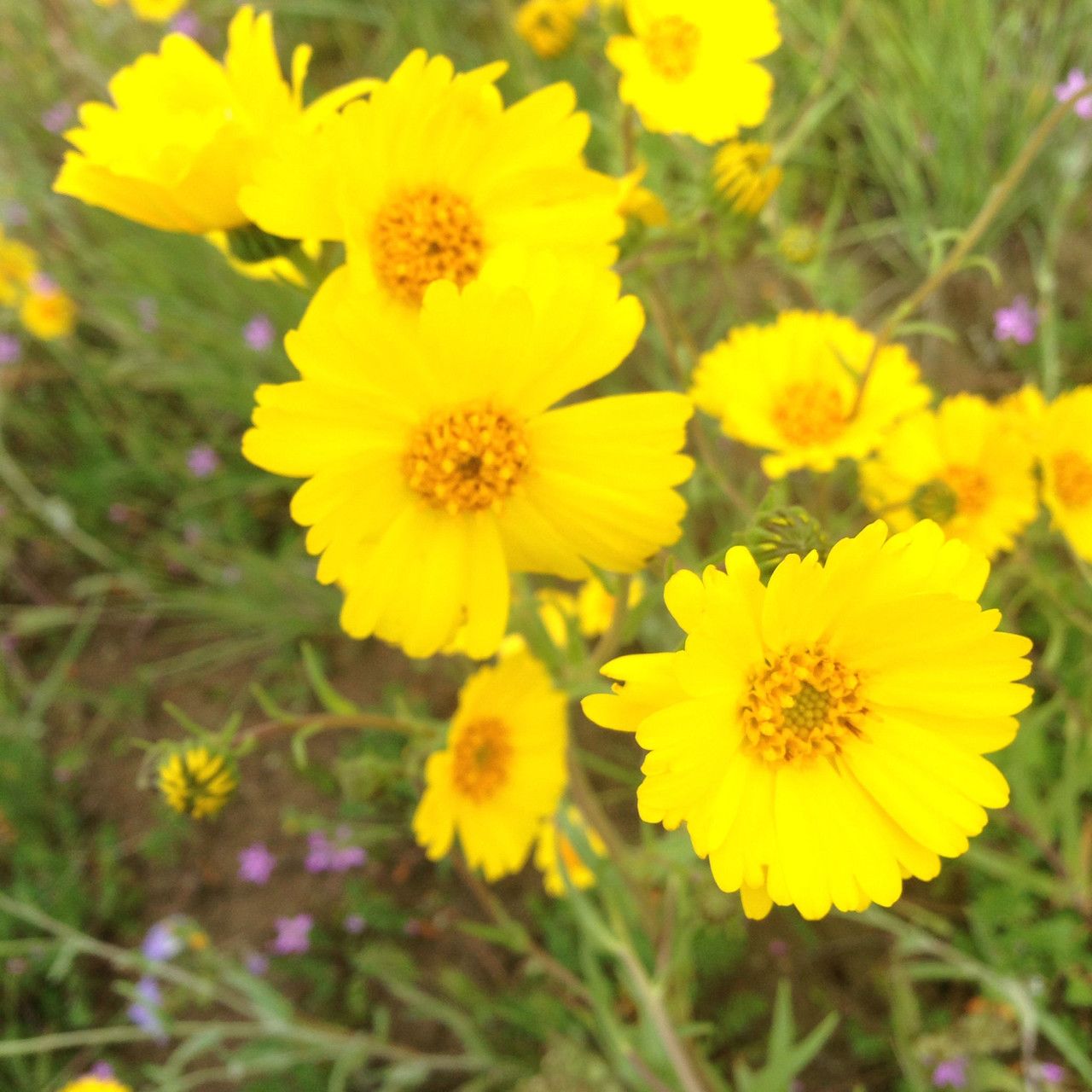
Madia glomerata is a species of flowering plant in the family Asteraceae known by the common name mountain tarweed.
Mountain tarweed has strong resistance to disease and is generally unlikely to suffer from illnesses. Still, it can be affected by pests and diseases present in its environment. Such infections tend to be mild. Regarding maintenance, this plant needs a moderate level of care. It should be pruned on a regular basis to preserve a neat appearance and encourage healthy growth. Applying fertilizer can also help stimulate blooming. Mountain tarweed is appropriate for anyone with outdoor areas like a garden or patio and does not demand extensive plant-care experience. When kept indoors, however, it may need more attentive care.
How to keep Madia Glomerata.
Light
Mountain tarweed comes from sunny, open habitats where it performs best in full sun. It can tolerate some partial shade but favors direct sunlight for optimal growth. This plant, which can be annual or biennial, is recognized for its sun-loving character.
Water
Mountain tarweed flourishes with weekly watering, as it prefers consistent moisture without becoming waterlogged. This annual plant is well-suited to natural rainfall patterns, efficiently utilizing water during the growing season to promote healthy growth.
Temperature
Mountain tarweed can tolerate a wide range of temperatures, but its range may still be constrained by various combinations of moisture and heat. It does best in warm summer climates with sufficient rainfall or irrigation. Extended spells of cloudy, rainy weather or prolonged high heat raise the chances of Mountain tarweed dying. In winter, shielding it adequately from cold can boost its chances of survival.
Fertilizer
Mountain tarweed benefits from regular, light applications of fertilizer to encourage healthy leaf development. You should fertilize Mountain tarweed about once a month throughout the summer. Nitrogen is important for the foliage, and adding nitrogen-rich sources helps Mountain tarweed thrive.
Pruning
Mountain tarweed has sticky, aromatic foliage and yellow flowers. To promote blooming and maintain a compact shape, it benefits from regular pruning, which should be done from early to late spring. Using clean tools is important to minimize the risk of infection. Clean tools also enhance airflow and reduce disease, ultimately supporting the overall health of the plant.
Botanical profile.
- Plant Type
- Herb
- Life Cycle
- Annual
- Genus
- Madia
- Family
- Asteraceae
- Hardiness Zone
- 7-10
- Mature Height
- 30 cm to 61 cm
- Mature Spread
- 20 cm to 40 cm
- Leaf Color
- Green
- Leaf Type
- Deciduous
- Flower Color
- Yellow
- Flower Size
- 0.20 cm to 0.51 cm
- Bloom Time
- Summer
- Planting Time
- Spring, Summer, Autumn
- Harvest Time
- Late summer, Early fall, Mid fall
Other names.
Reader questions.
How should I water my Mountain tarweed?
Mountain tarweed can be watered using various tools such as a garden hose with a spray nozzle or a watering can. It is not overly particular about the type of water it receives, as rainwater, tap water, or filtered water will suffice. However, it is advisable to avoid watering this plant from above, as it can harm the leaves and flowers and potentially cause disease. A drip irrigation system is often recommended for watering Mountain tarweed as it provides even and direct watering to the soil. When watering a container-grown Mountain tarweed, similar tools can be used, such as a cup, watering can, or tap, to apply water directly to the soil.
Are there any things to be careful about or advice for being in the sun and around Mountain tarweed?
When transplanting plants, avoid exposing them to sudden sunlight. Let the Mountain tarweed grow and mature before transplanting it outside. Some herbaceous plants can grow taller and create shade for young plants, so allow 80 to 100 days of growing season before planting another batch to ensure each plant gets at least 6 hours of sunlight daily. Make sure the Mountain tarweed gets the best light, especially if it's in a nursery. These plants love the sun, but too much sunlight with high temperatures can be harmful to their growth. Replace indoor lights with natural sunlight whenever possible, as these plants thrive on it daily.
What should I do if I give too much or too little water to my Mountain tarweed?
To fix underwatering for Mountain tarweed, simply water the plant more regularly when you notice it lacks moisture. Overwatering, on the other hand, can be a serious problem if not caught early. It can cause diseases that lead to the decline and death of the Mountain tarweed. To prevent this, choose a suitable location with ample sunlight, which helps dry the soil, and good drainage to avoid waterlogged soil. If you have overwatered Mountain tarweed in a pot, consider changing to a new pot with better soil drainage and sufficient drainage holes. When repotting, use loose soils and a pot that drains efficiently.
How many hours of sunlight does Mountain tarweed need each day to grow well?
To help these plants thrive, it is important to expose them to a minimum of 6 to 8 hours of sunlight each day. In particular, during the summer, they benefit from receiving more morning light. The Mountain tarweed, in particular, requires full sun and thrives with as much sunlight as possible. The more light these species receive, the better they can produce food, showcase stunning blooms, and increase their chances of survival.
How frequently should I water my Mountain tarweed plant?
To keep your Mountain tarweed healthy, it's important to water it regularly. In the spring, watering once a week should be sufficient. However, as the weather gets warmer, you may need to increase the frequency to two or three times a week. It's important not to exceed this rate, as overwatering can harm the plant. Regardless of how often you water, it's important to ensure that the soil remains moist but not wet. If you're growing Mountain tarweed in a pot, you'll need to water more frequently than if it's in the ground. Potted plants tend to dry out faster, so watering a few times a week is usually necessary.
What kind of sunlight does Mountain tarweed require?
The Mountain tarweed thrives when exposed to full sunlight. To ensure even sun exposure, avoid crowding them together. It's important not to deprive the leaves of sunlight. If planting in pots, place the herbaceous flowers in windows with direct sun to guarantee they receive full sunlight throughout the year. Partial or filtered light should be avoided as this can result in weak stems and unhealthy flowers. Overall, it is beneficial for the Mountain tarweed to always be exposed to the sun.
How much water does my Mountain tarweed require?
There are a few different ways you can determine how much water to give your Mountain tarweed. One option is to feel the soil for moisture and water until the first six inches of soil are moist. Another option is to use a set measurement, like two gallons per week, taking into account the heat and soil dryness. However, following strict guidelines may overwater if your plant needs less water. When growing in a container, you should moisten all dry soil layers or check moisture by sticking your finger in the soil. You can also water until you see a slight trickle of excess water from the pot's drainage holes.
Does sunlight harm plants? How can we prevent Mountain tarweed from getting damaged by the sun and heat?
When the temperature exceeds 90℉ (32℃), the Mountain tarweed is susceptible to damage from extreme heat, particularly when exposed to prolonged periods of sunlight. It is advisable to provide some shade in the afternoon to protect them during the summer months. Remember that sunlight is stronger and lasts 50% longer in the summer compared to winter. If excessive sunlight causes stress to the Mountain tarweed, ensuring they are well-hydrated is recommended. Water them when the top layer of soil is about 2 inches dry and consider moving them indoors if it is too hot outside, especially if they are planted in containers. It is normal for the plant leaves to wilt during the day, but they typically recover at night. However, if the Mountain tarweed consistently droops, it indicates rapid water loss and requires immediate watering.
How do I know if I'm watering my Mountain tarweed enough?
Avoiding overwatering your Mountain tarweed can be challenging because of two conflicting factors. On one hand, these plants need weekly watering to moisten the soil due to their deep roots. On the other hand, Mountain tarweed is highly prone to root rot, which can cause browning of the plant. Underwatering is less of a concern as these plants can survive without regular watering for some time. However, if you wait too long to water, the plant will begin to wilt and you may notice dry leaves.
Do I need to keep Mountain tarweed away from the sun?
The Mountain tarweed thrives in sunlight and is even attracted to it, with some species being heliotropic. It is recommended to plant them in south-facing gardens to maximize their exposure to the sun from morning to afternoon. However, although the sun is beneficial for them, some may be susceptible to sunburn. To prevent this, consider providing shade in the form of a tree or a wall during the afternoon and midday sun. Growing the Mountain tarweed in shady areas is not possible as the larger flowers require a significant amount of energy to grow and bloom. For optimal results, always ensure they are placed in an area with full sun and appropriate lighting conditions.
How do I water my Mountain tarweed throughout the year?
As the seasons progress, your Mountain tarweed's water requirements will change. During spring, watering once a week should suffice. However, as the summer heat sets in, you may need to water more frequently, potentially up to three times a week. This is particularly important if your Mountain tarweed is in a container, as the soil in containers tends to dry out faster during warm weather. In autumn, when your Mountain tarweed is still blooming, you can likely decrease watering slightly due to the lower temperatures and weaker sunlight than in the summer.
What will happen if Mountain tarweed doesn't get enough sunlight?
When the Mountain tarweed does not receive enough sunlight, its photosynthetic process will slow down. This lack of sunlight causes the stems to become long and thin as they try to reach for more sunlight. In addition, they will not bloom or produce seeds in shady conditions. Insufficient sunlight can also lead to the death of older leaves, lighter coloration in new leaves compared to old ones, and smaller growth overall. While the Mountain tarweed thrives in the sun, it can wither when exposed to excessive heat and ultraviolet light during the summer. To protect them, consider using a green shade net to prevent leaf and flower scorching. When indoors, use a fan to reduce heat.