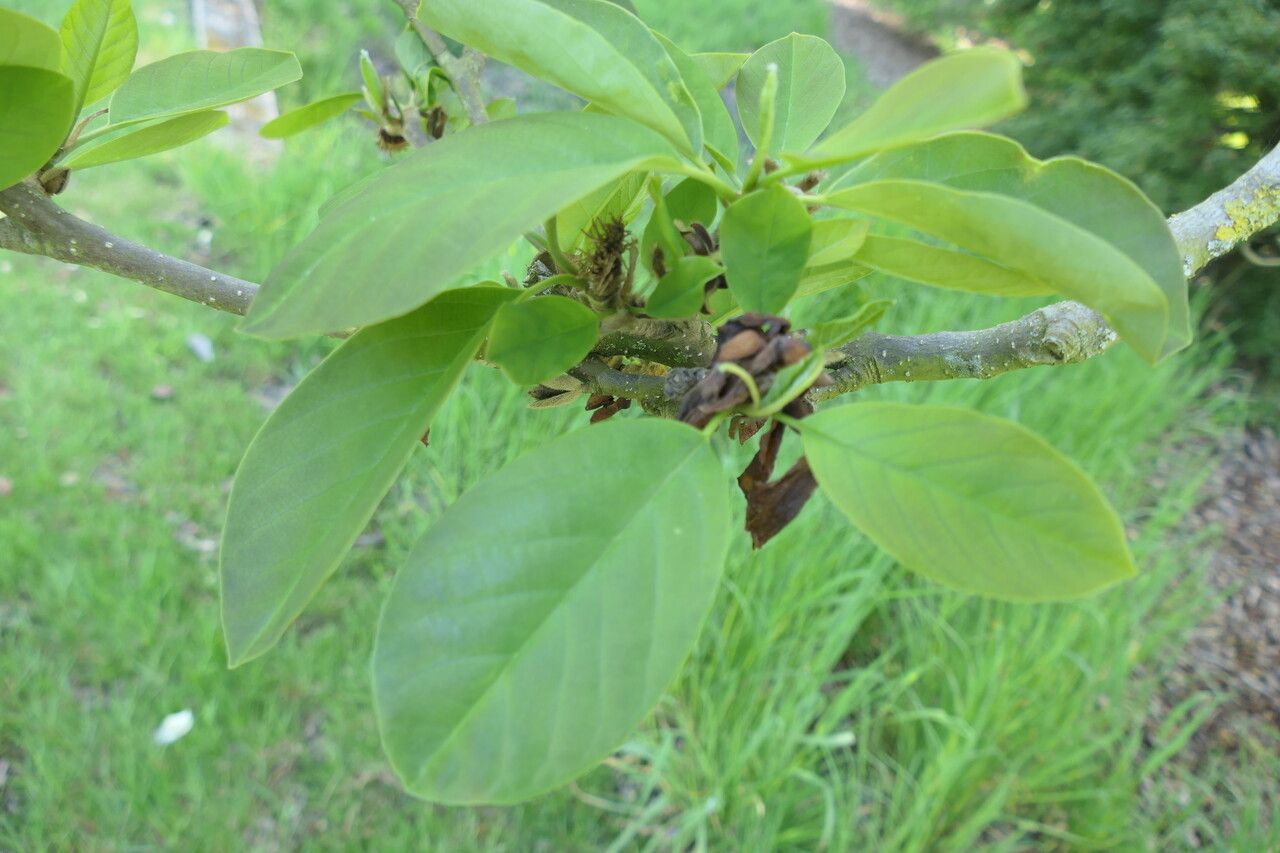
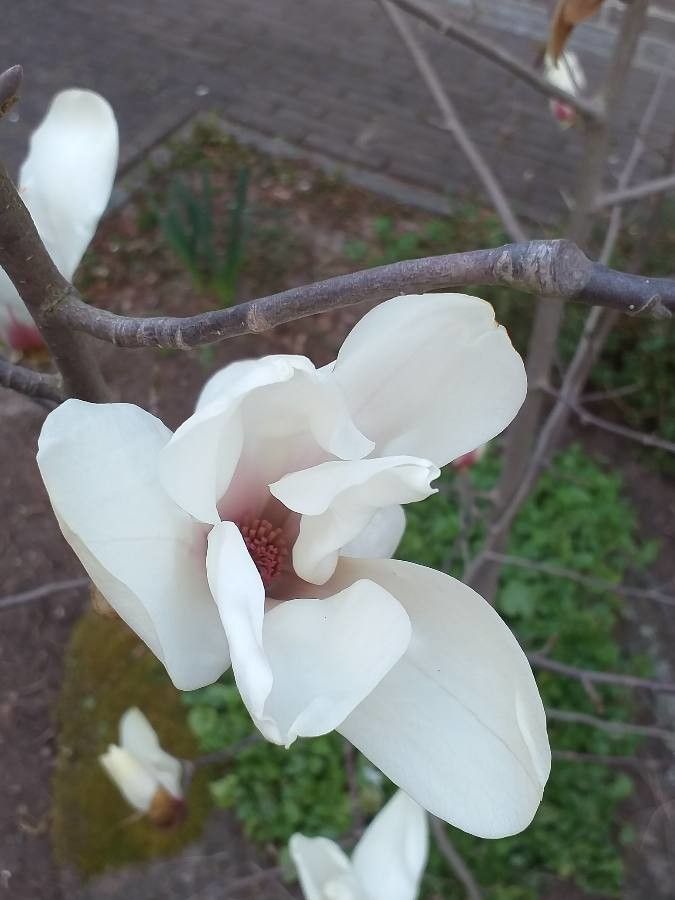
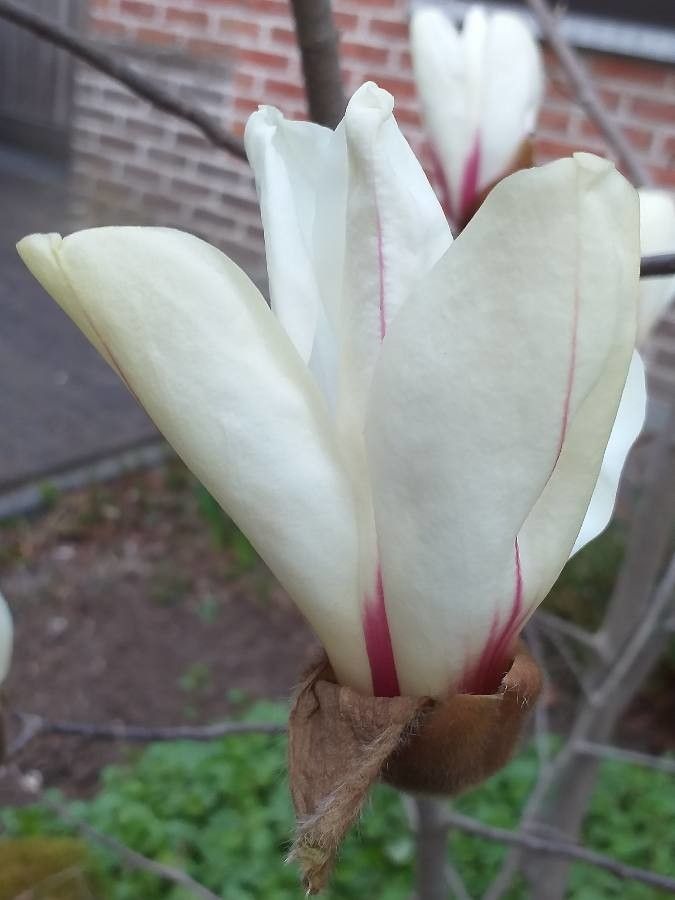
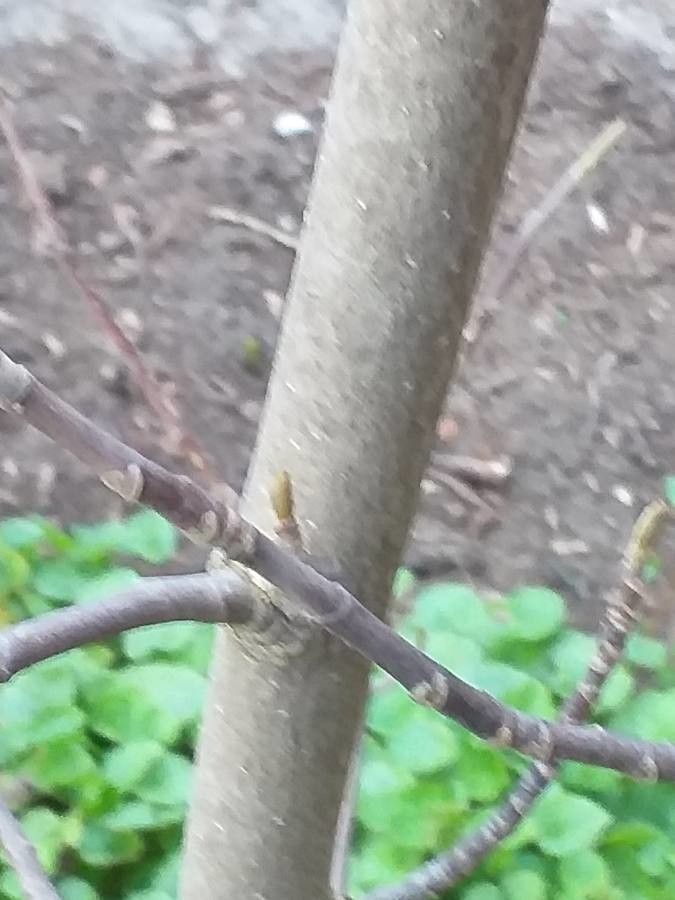
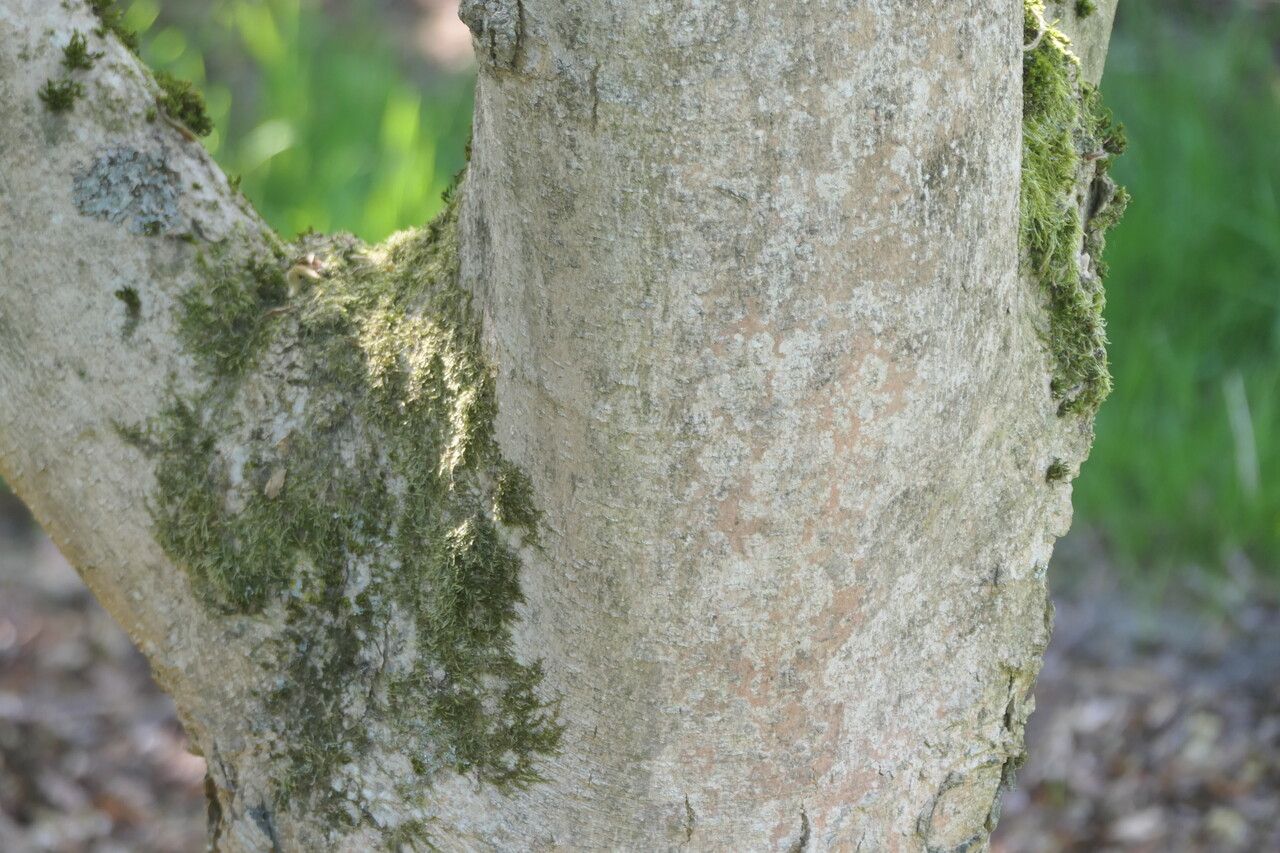
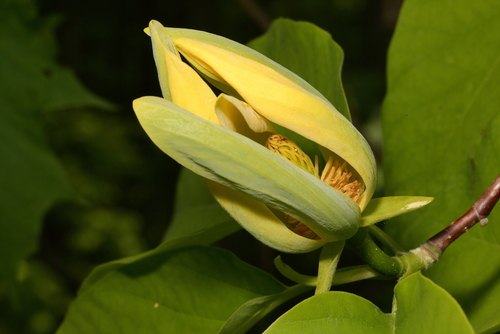
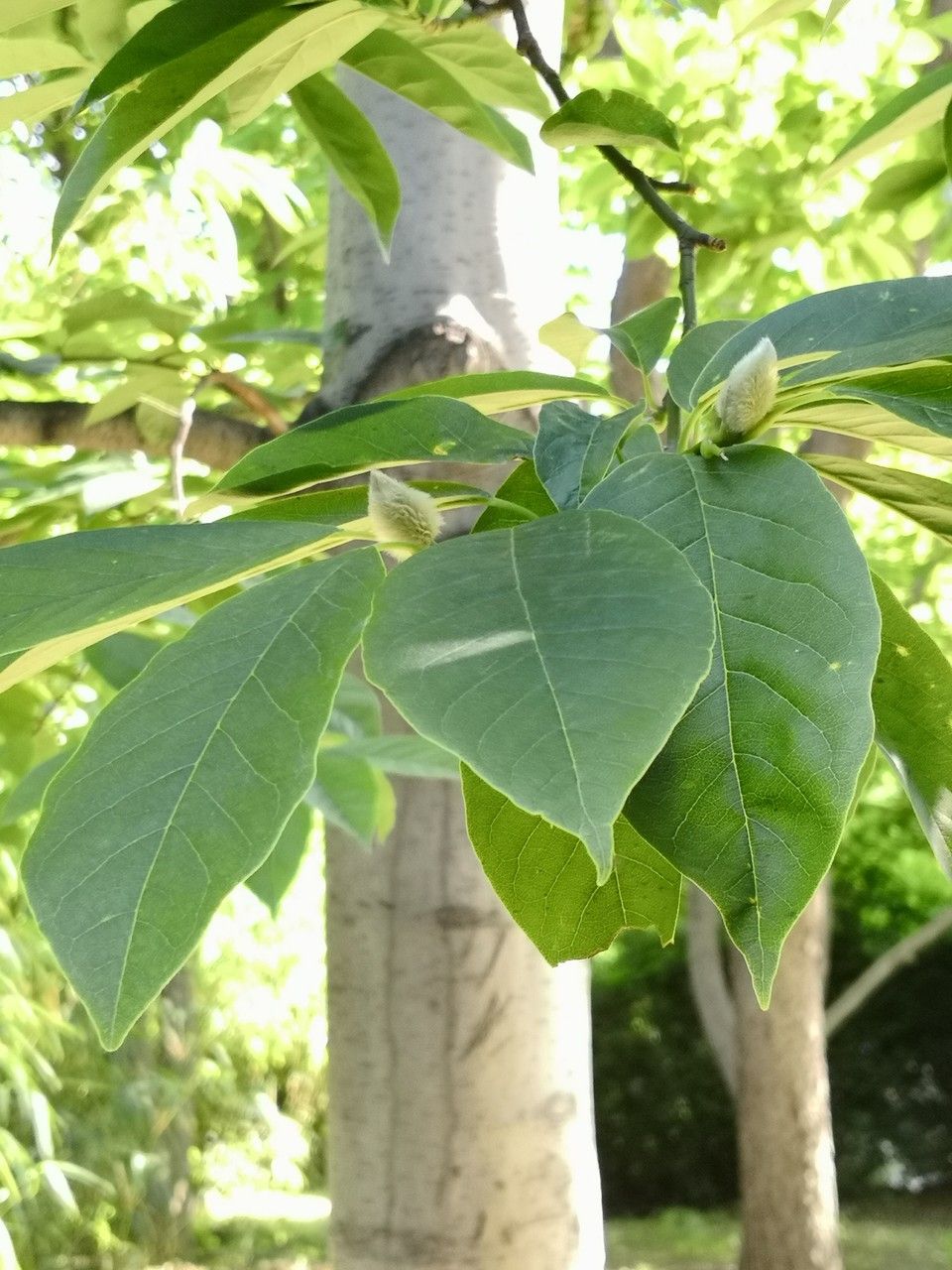
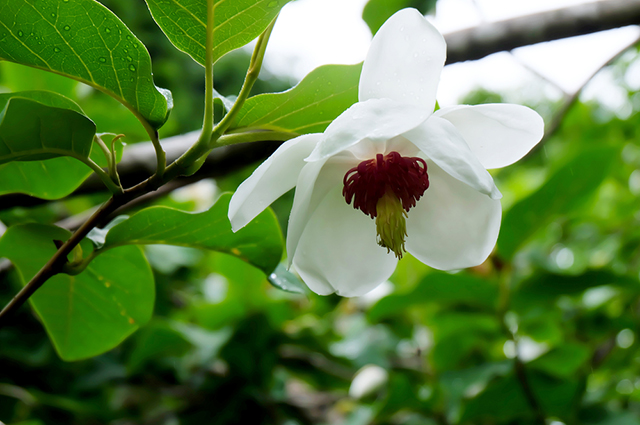
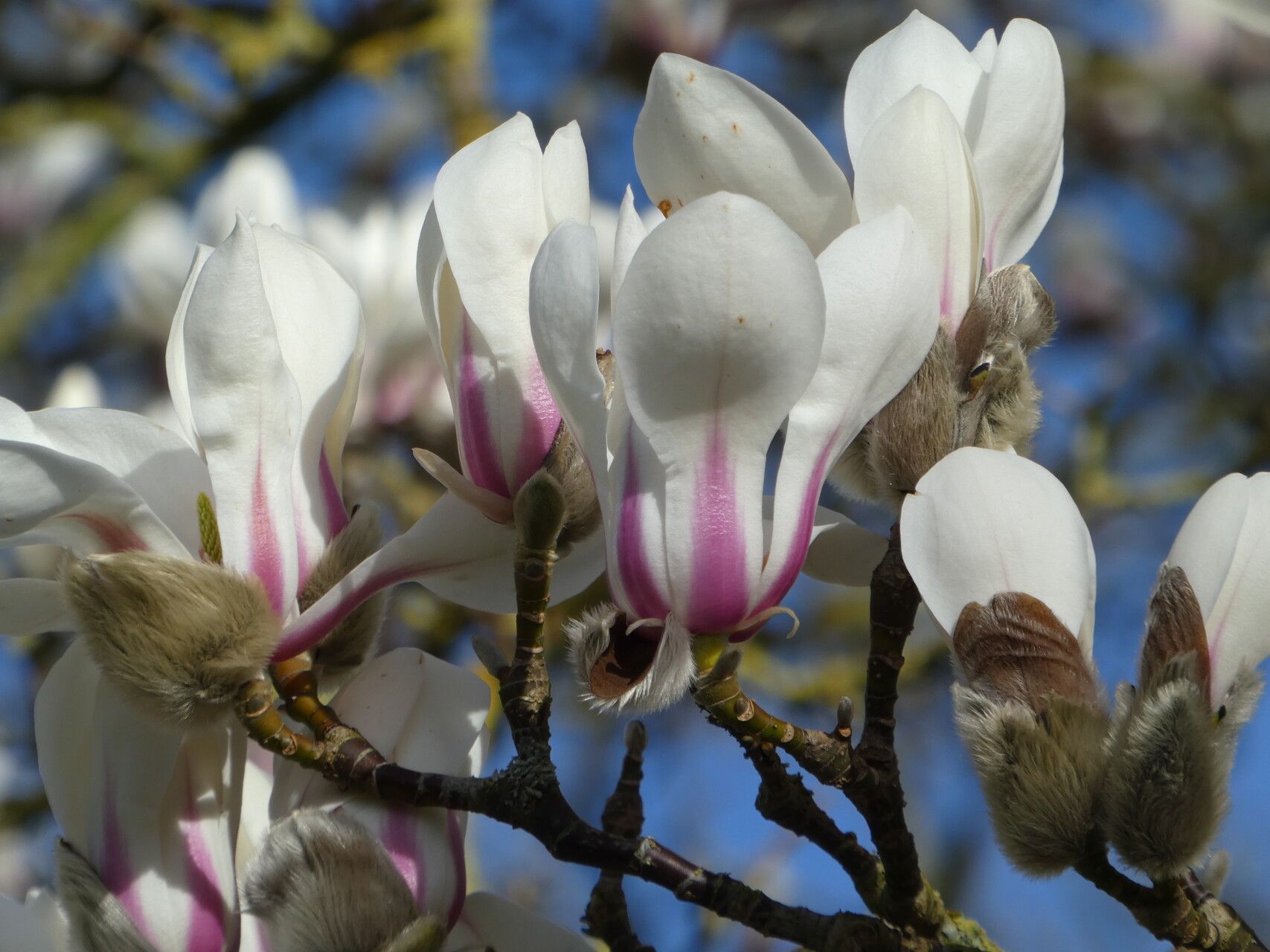
Magnolia cylindrica, the Huangshan magnolia (named for Mount Huang, where it can be found naturally), is a species of plant in the family Magnoliaceae. It is endemic to southeastern China (Anhui, Zhejiang, Jiangxi, Fujian). It is threatened by habitat loss.
Huangshan magnolia is resistant to disease and generally not prone to illnesses. In terms of care, this plant is fairly low-maintenance. When grown outdoors it needs little watering, and larger specimens usually do not require pruning. Smaller plants, however, should be pruned after they finish blooming. Huangshan magnolia is suitable for anyone with outdoor space, such as a garden or deck, and does not need much gardening experience.
How to keep Magnolia Cylindrica.
Light
Huangshan magnolia does best with abundant sunlight, though it also tolerates moderate sun. Native to regions with plentiful sunshine, its light requirements shift slightly at different growth stages, yet it generally needs steady exposure. Excessive sun, however, can stress and potentially damage the plant, while too little light inhibits its growth and development.
Water
Huangshan magnolia thrives in humid environments and needs to be watered every two weeks to prevent waterlogging. As an evergreen, it retains its leaves year-round, so it's important to consistently monitor its water intake to prevent dehydration in all seasons.
Temperature
Huangshan magnolia is highly adaptable to a variety of climates, from very hot summers to cold winters. However, it does have a preferred temperature range for healthy growth. If temperatures rise too much, the plant can experience heat and humidity stress that may lead to its death. In places where temperatures approach the lower limit of its cold tolerance, it is important to insulate the plant to protect it.
Fertilizer
Timing matters when fertilizing Huangshan magnolia. Apply fertilizer in early spring and repeat monthly until early summer. Fertilizer encourages attractive blooms and supplies energy both during dormancy and in periods of active growth.
Pruning
To ensure the vibrant health and manageable size of the Huangshan magnolia, proper care is essential. Begin by pruning it in early spring before new growth appears. Start by removing any dead branches, then focus on shaping the tree for aesthetic appeal. Regular thinning helps improve air circulation and enhances bloom quality. Always use clean, sharp tools to minimize damage and promote healing.
Pot & Repot
The Huangshan magnolia is not well-suited for potting. This suggests that the plant thrives best when grown directly in the ground or under environmental conditions that potting cannot offer.
Botanical profile.
- Plant Type
- Tree
- Life Cycle
- Perennial
- Genus
- Magnolia
- Family
- Magnoliaceae
- Hardiness Zone
- 5-9
- Mature Height
- 6.1 m to 9.14 m
- Mature Spread
- 2.44 m to 4.57 m
- Leaf Color
- Dark Green, Forest Green
- Leaf Type
- Deciduous
- Flower Color
- White, Pink
- Flower Size
- 7.62 cm
- Bloom Time
- Early spring, Mid spring
- Planting Time
- Spring, Autumn
- Harvest Time
- Late summer, Early fall, Mid fall
- Native Area
- China
Reader questions.
What kind of sunlight requirements does the Huangshan magnolia have?
The Huangshan magnolia, or Magnolia cylindrica, flourishes in full sun conditions, requiring above 6 hours of sunlight daily. It can also adapt to partial sun, needing about 3-6 hours of sunlight. However, it's important to note that as the magnolia grows, its sunlight needs may slightly change. Typically, it thrives in areas with abundant sunlight but can endure moderate exposure. Extreme sun exposure can stress the plant, potentially causing damage, while insufficient sunlight restricts its growth and development. Observing how sunlight moves through your garden and choosing locations that provide a balance of light and shade will ensure the wellbeing of your plants.
What is the botanic name of Huangshan magnolia?
The botanic name of Huangshan magnolia is Magnolia cylindrica. This name helps in scientifically identifying and classifying the plant, ensuring clarity and consistency in communication among horticulturists, botanists, and enthusiasts.
How does artificial lighting affect the growth of indoor Huangshan magnolia?
Indoor Huangshan magnolias require adequate lighting to grow optimally, especially when natural sunlight is scarce, such as in winter or less sunny spaces. Artificial lighting serves as an essential solution, promoting faster and healthier growth by compensating for the lack of sunlight. LED lights are recommended due to their ability to be customized for the specific light wavelengths needed by the plant. For plants that are accustomed to full sun, they need 30-50W per square foot of artificial light. Partial sun plants require 20-30W per square foot, and full-shade plants need 10-20W per square foot. The artificial light source should be placed 12-36 inches above the plant to mimic natural sunlight, and the duration should mimic the natural daylight hours, typically 8-12 hours per day for most plants.
What are the symptoms of light deficiency or overexposure in Huangshan magnolia?
When the Huangshan magnolia is not receiving optimal light conditions, it might show several symptoms indicating either light deficiency or overexposure. Symptoms of insufficient light include small and lighter-colored new leaves, leggy or sparse growth, faster leaf drop, and a halt in new growth. This indicates the plant is struggling due to a lack of chlorophyll and essential nutrients. On the other hand, symptoms of too much sunlight include chlorosis, sunscald, leaf curling, wilting, and leaf scorching. These conditions reflect the plant's difficulty in photosynthesizing effectively, leading to tissue damage and reduced health. Addressing these symptoms promptly by adjusting light exposure can help ensure the plant's recovery and growth.
How can I address light-related issues for my Huangshan magnolia?
To address light-related issues for your Huangshan magnolia, consider the following solutions based on where the plant is grown. For indoor plants, gradually increase sunlight exposure each week by moving them to a sunnier location until they receive at least 6 hours of direct sunlight daily. Utilize a south-facing window and keep curtains open during the day for maximum exposure. If the plant is large or difficult to move, supplement with artificial light, keeping a desk or ceiling lamp on for at least 8 hours daily or using professional grow lights. For outdoor plants, also gradually move them to sunnier spots to adapt without experiencing sunburn. If sunlight is obstructed, for ground-planted magnolias, trim trees or branches that block the sun or consider transplanting to a sunnier location with good drainage during the plant's dormant period. Note that parts of the plant previously affected by inadequate sunlight might not fully recover, but new growth will be healthy with improved light conditions.