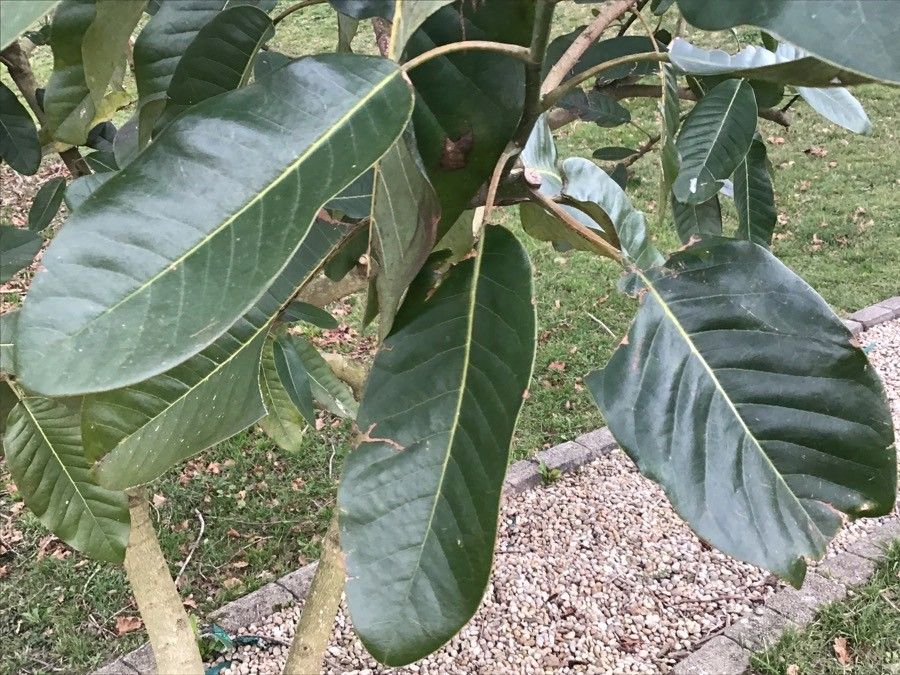
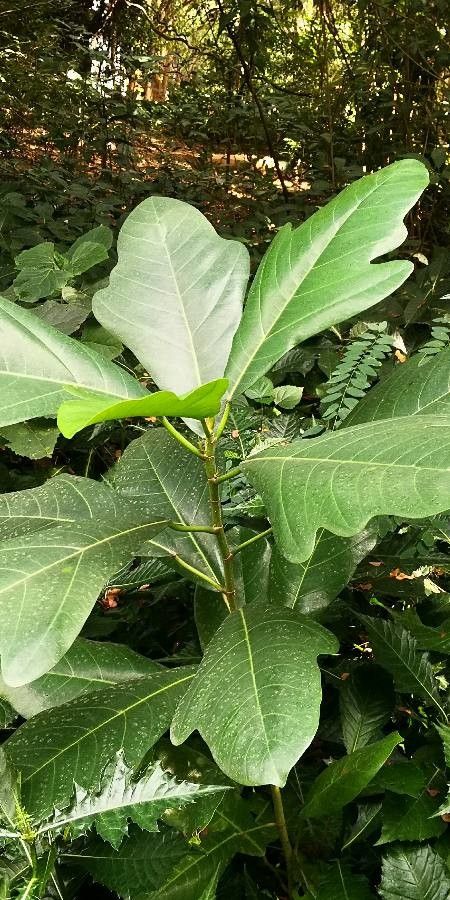
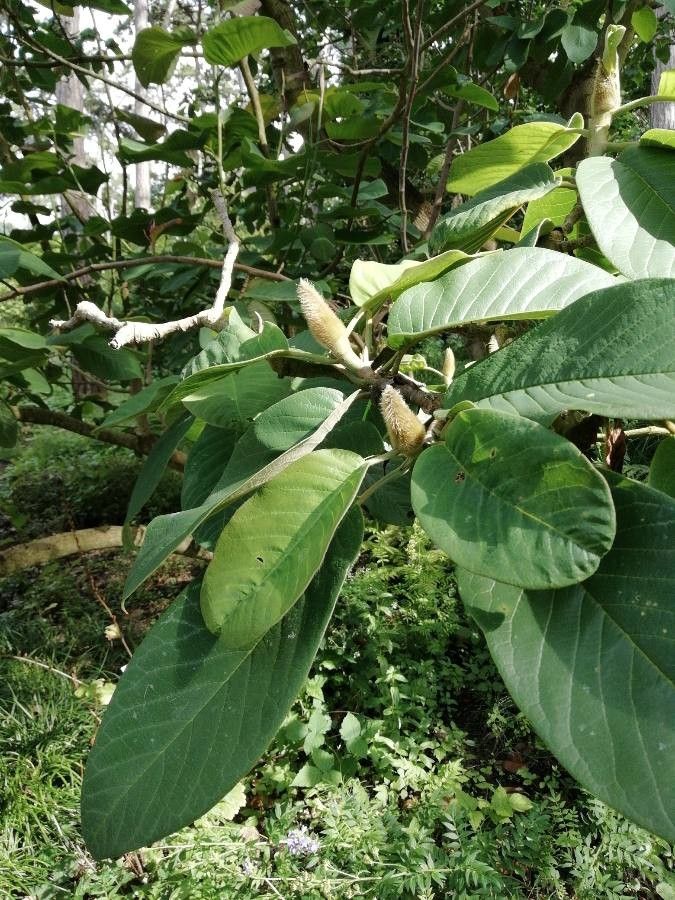
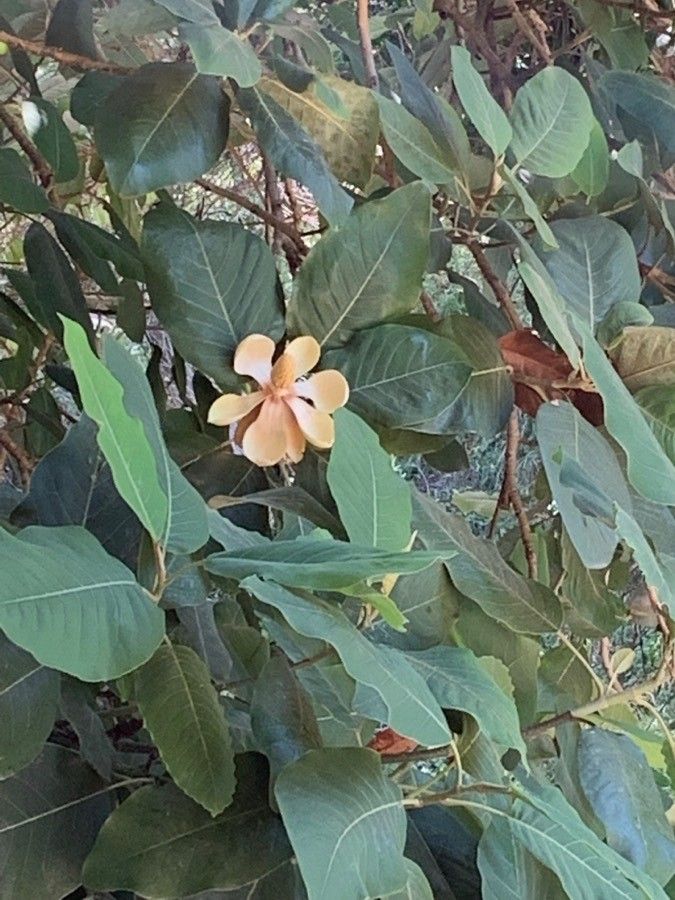
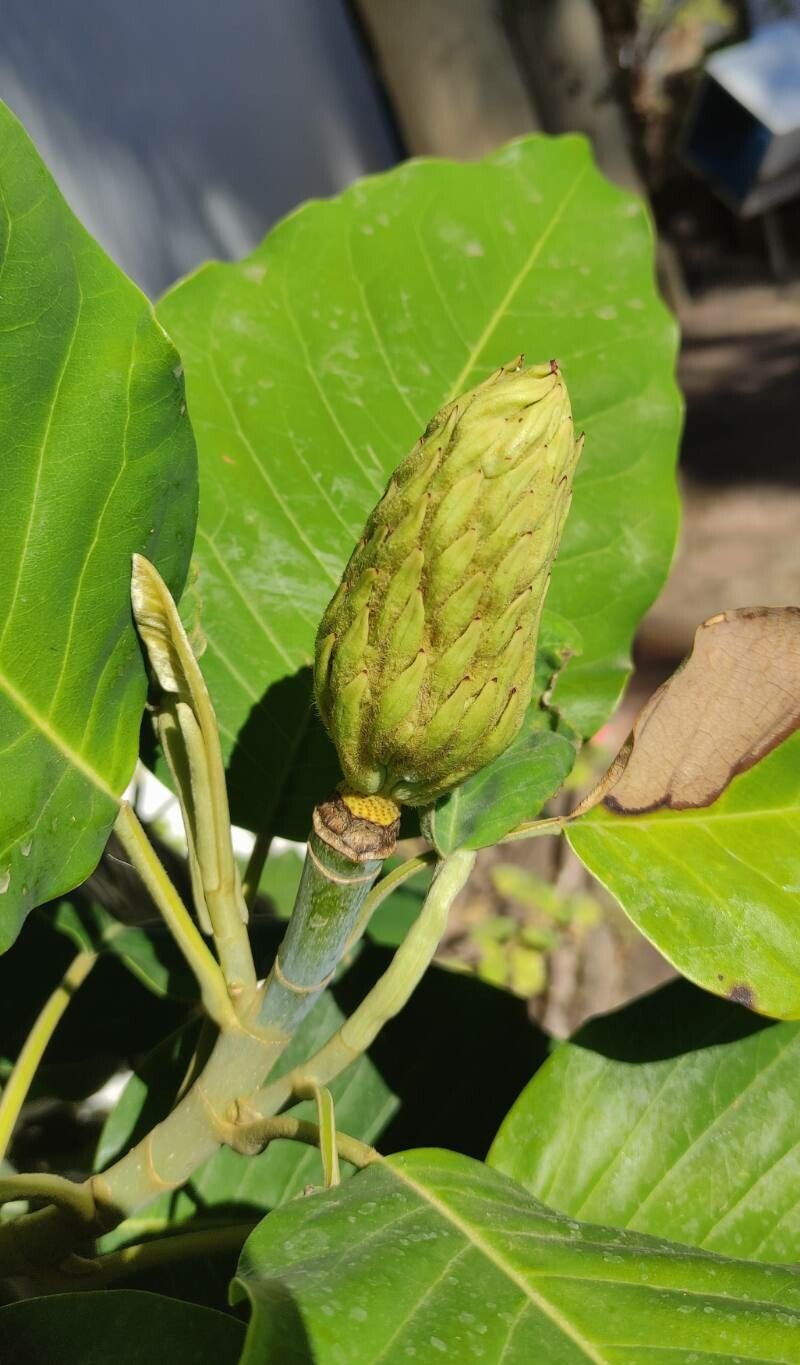
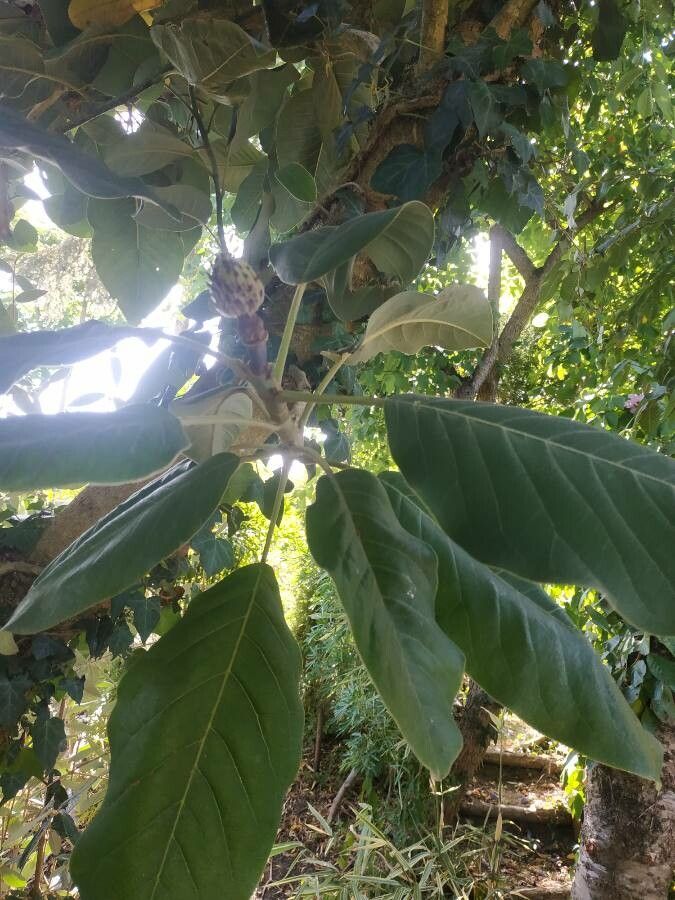
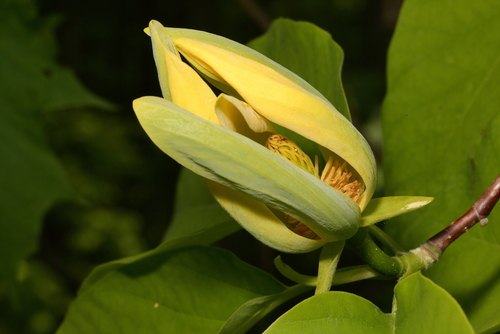
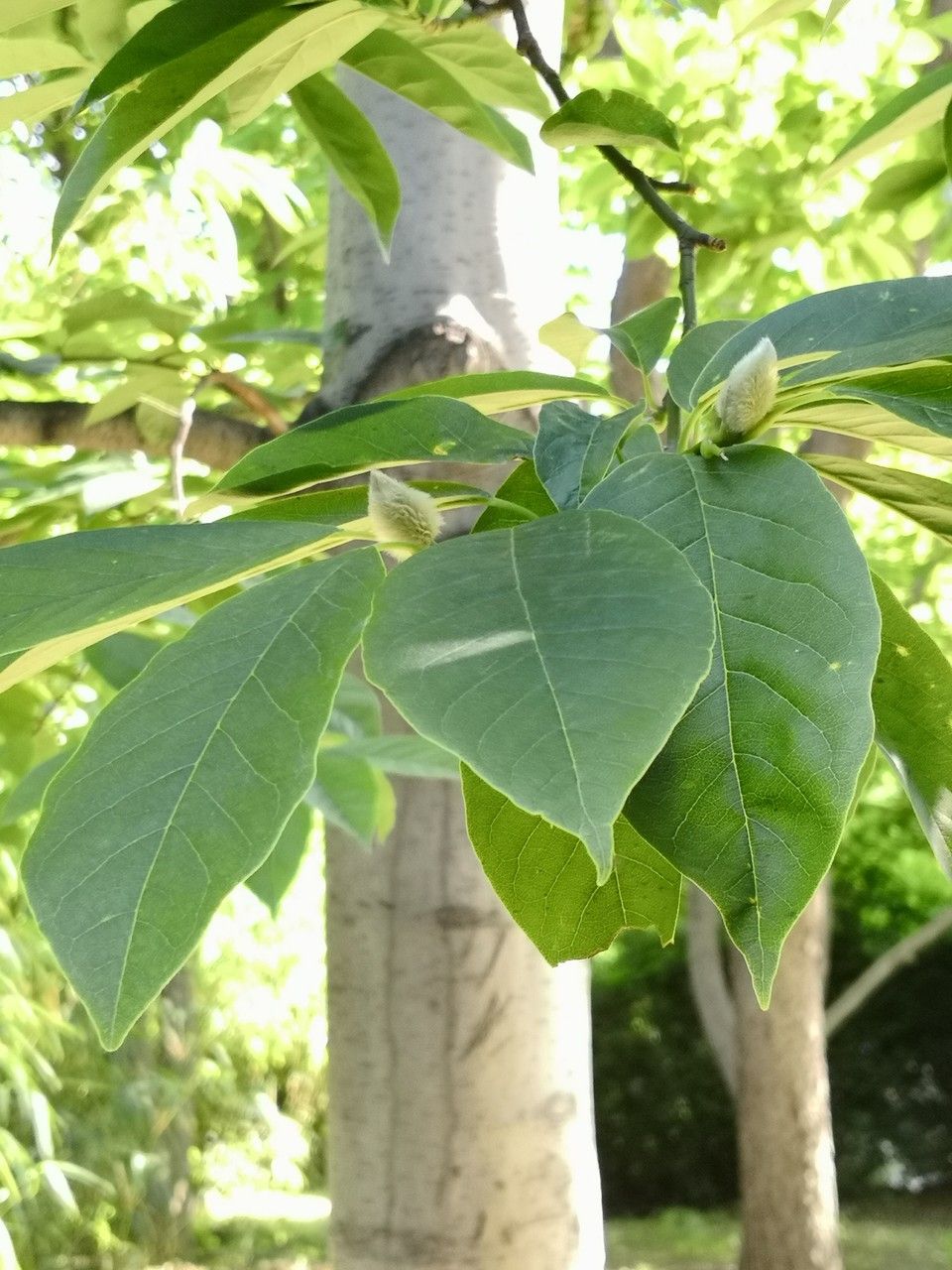
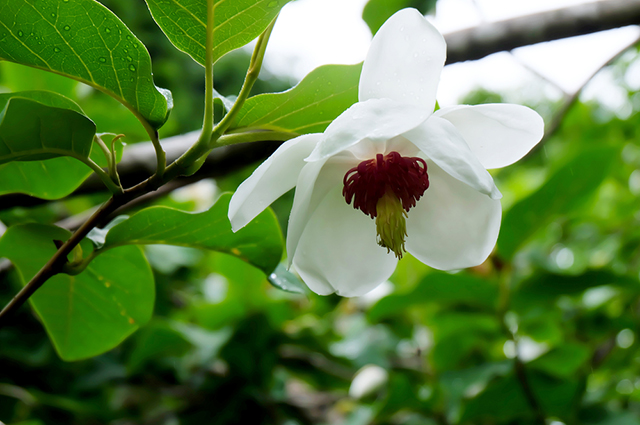
Magnolia delavayi is a species of flowering plant in the genus Magnolia. It is known by the common names of Chinese evergreen magnolia or Delavay's magnolia. It was named after Father Delavay, French Catholic missionary in China, who collected it.
The Chinese evergreen magnolia is disease-resistant and generally not prone to illness. In terms of care, this plant is fairly low-maintenance. When grown outdoors it needs minimal watering, and larger specimens usually do not require pruning. Smaller plants, however, should be pruned after they have finished blooming. The Chinese evergreen magnolia is suitable for anyone with outdoor space, such as a garden or deck, and does not demand extensive gardening experience.
How to keep Magnolia Delavayi.
Light
The Chinese evergreen magnolia grows naturally in habitats like forest understories or rocky sites, where it receives natural shade. It prefers partial sun but can tolerate full sun or full shade, reflecting its versatile and hardy nature.
Water
The Chinese evergreen magnolia is native to humid subtropical regions and thrives in consistently moist soil. While it has moderate drought tolerance, it benefits from being watered every one to two weeks. As an evergreen, its waxy leaves help conserve water, allowing it to adapt to various climates.
Temperature
Chinese evergreen magnolia adapts well to temperature, tolerating high heat and considerable temperature fluctuations. In hot conditions, it’s important to ensure adequate watering and provide suitable shade to avoid sunburn. However, its resistance to low temperatures is relatively weak; although it can endure some cold, very cold conditions may cause frost damage.
Fertilizer
Timing is essential for fertilizing Chinese evergreen magnolia. Fertilize in early spring and continue once a month until early summer. Fertilizer aids in producing attractive blooms and supplies energy during both dormant and active growth periods.
Pruning
The Chinese evergreen magnolia is a tree that remains green year-round, featuring large, glossy leaves and fragrant flowers. To maintain its health and appearance, it's best to prune the tree in early spring. During pruning, remove any dead branches and shape the tree to improve air circulation. This process encourages growth, enhances blooming, and helps prevent disease. Be sure to use clean tools and consider wearing gloves for added protection.
Botanical profile.
- Plant Type
- Tree
- Life Cycle
- Perennial
- Genus
- Magnolia
- Family
- Magnoliaceae
- Hardiness Zone
- 7-9
- Mature Height
- 10.06 m
- Mature Spread
- 10.06 m
- Leaf Color
- Green
- Leaf Type
- Semi-evergreen
- Flower Color
- White
- Flower Size
- 15.24 cm to 20.32 cm
- Bloom Time
- Early summer, Mid summer
- Planting Time
- Spring
- Harvest Time
- Late summer, Early fall, Mid fall
- Native Area
- China
Other names.