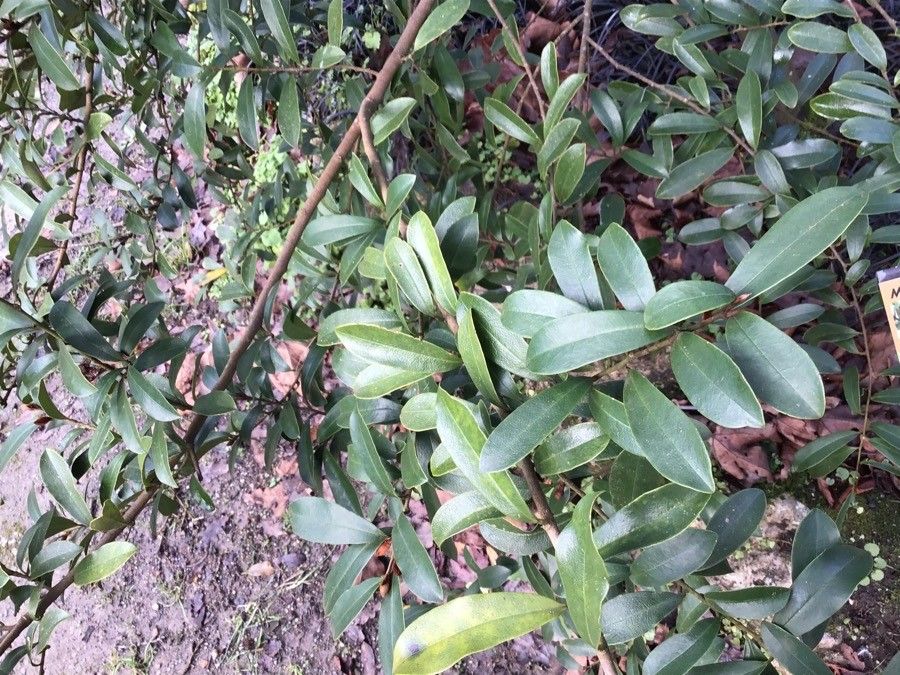
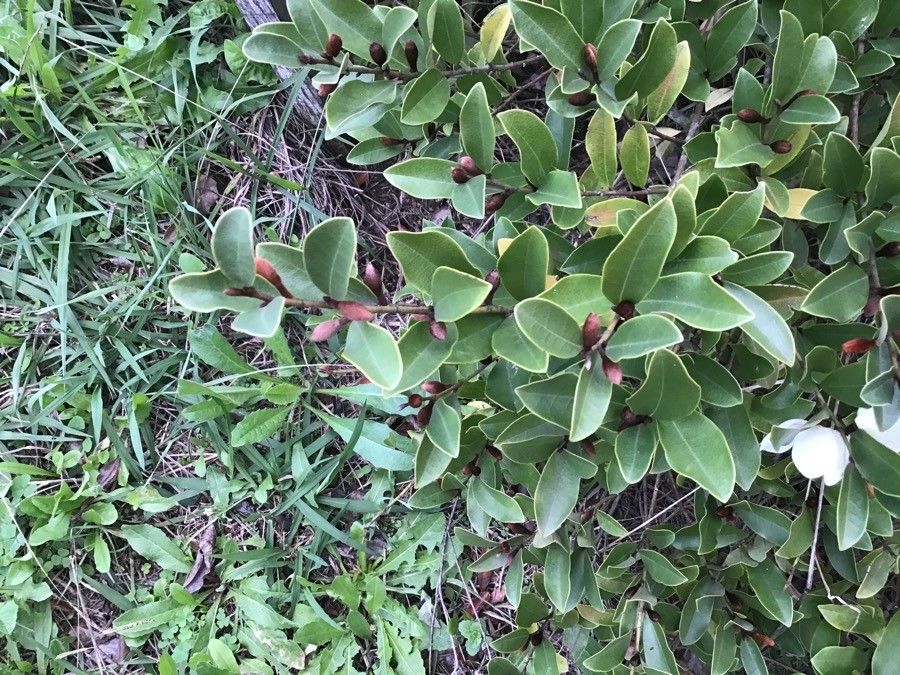
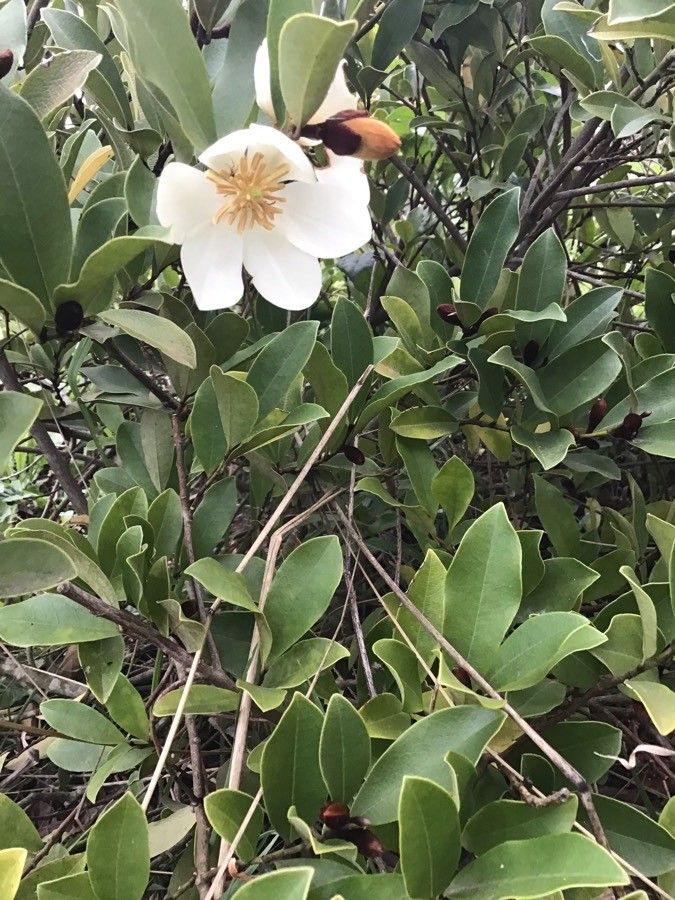
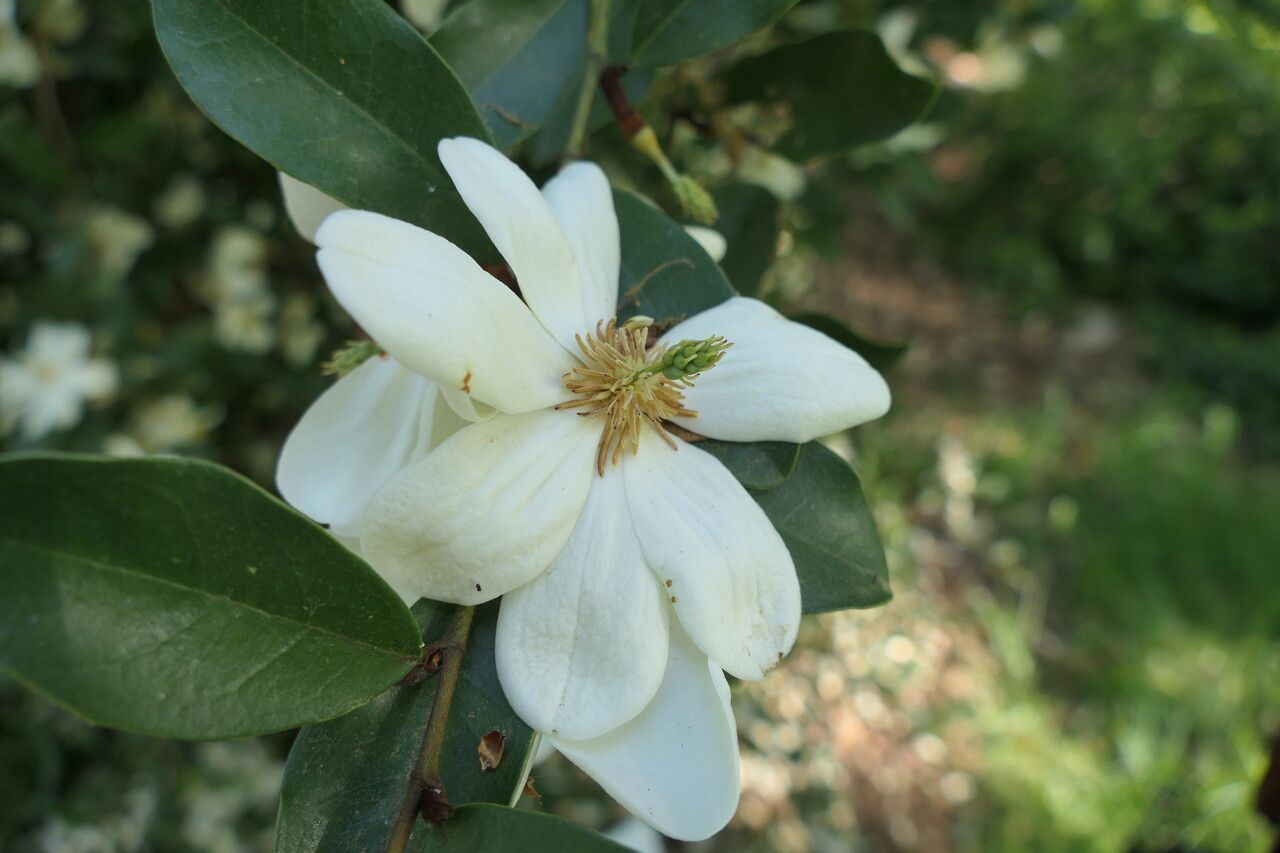
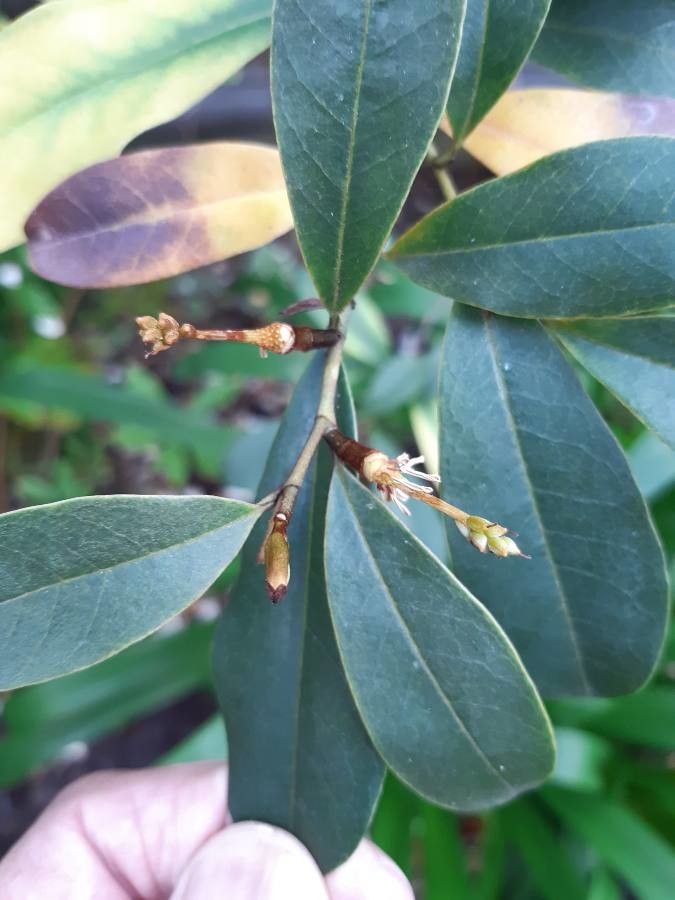
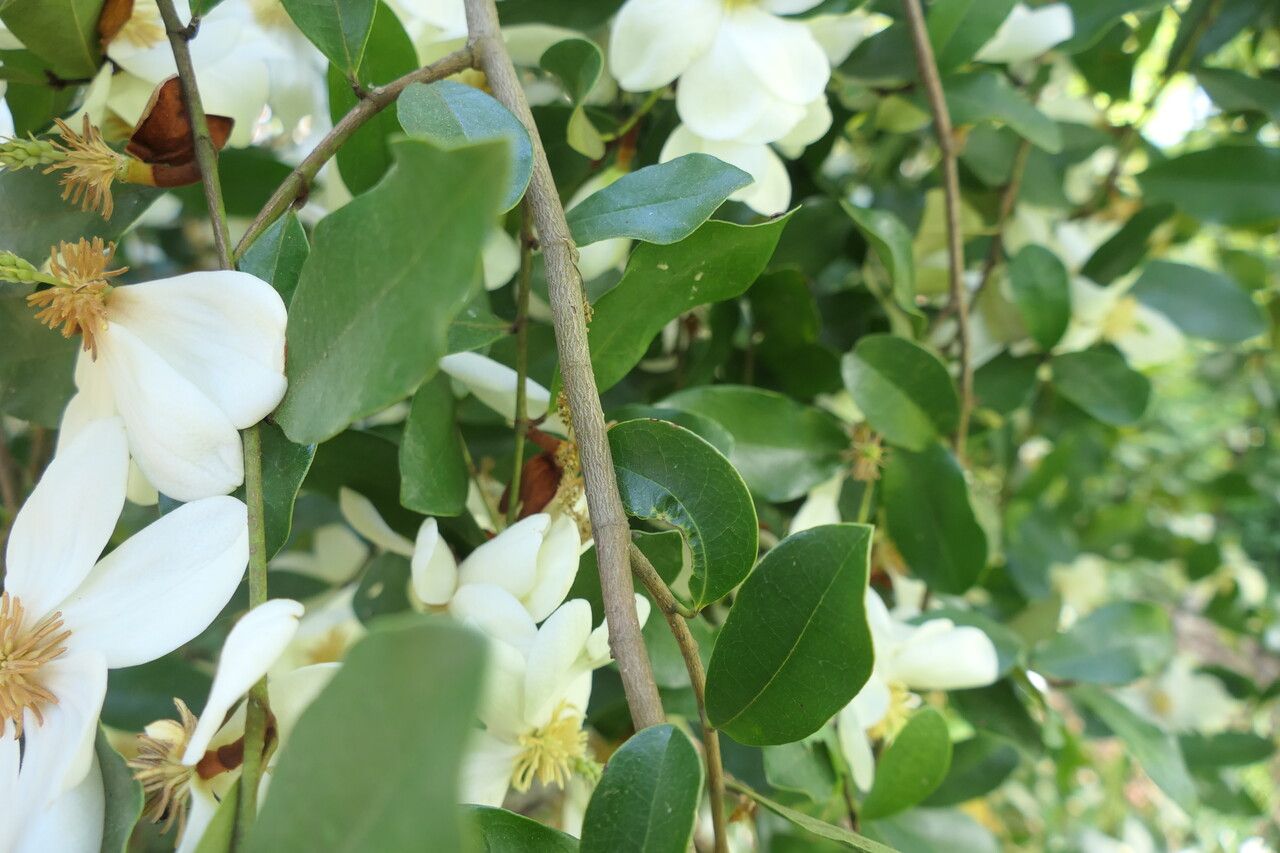
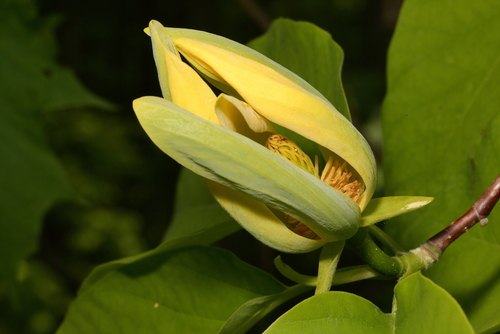
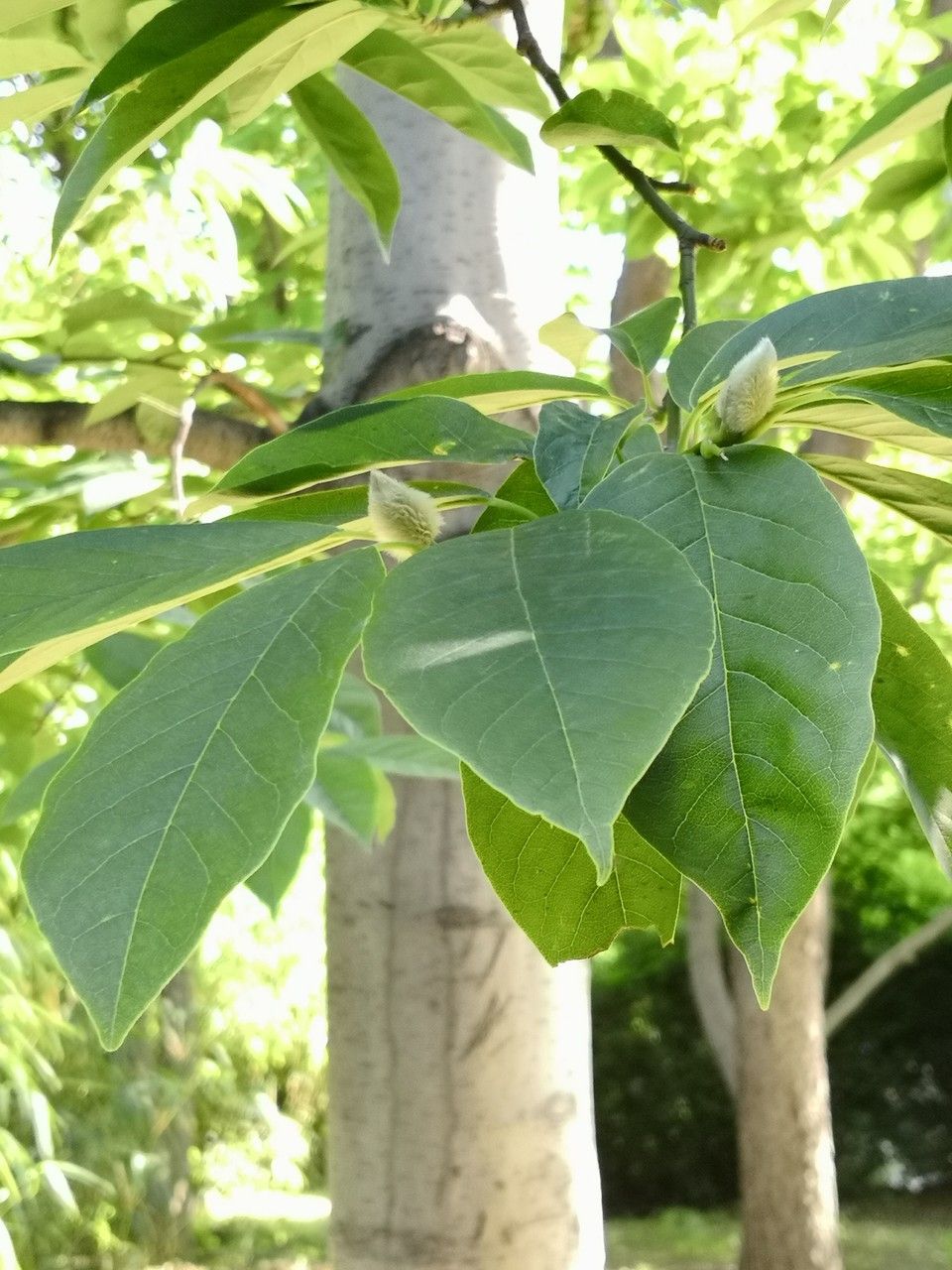
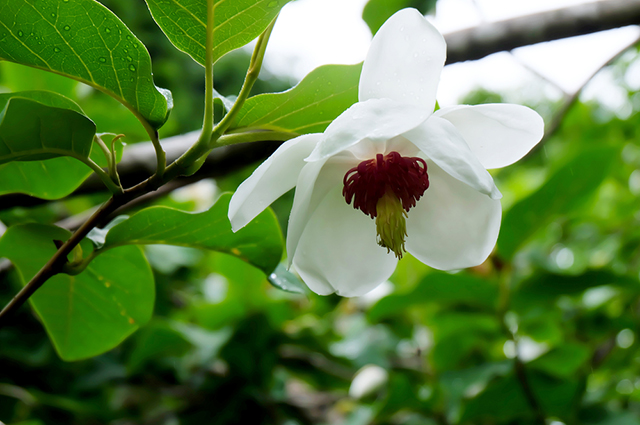
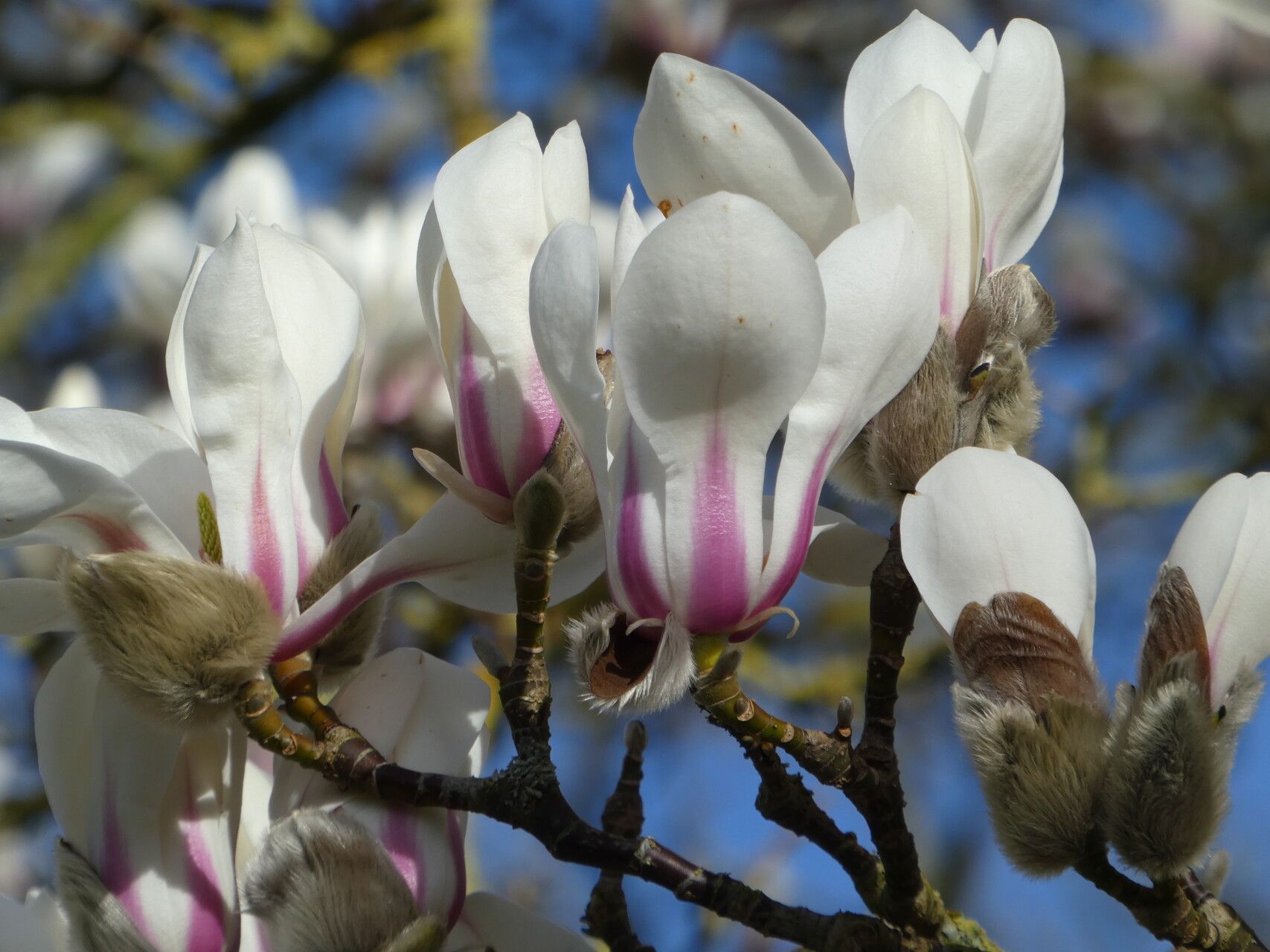
Magnolia laevifolia is a species of flowering plant in the family Magnoliaceae, native to south-central China. Hardy to USDA zone 8, it easily tolerates pruning, and can be formed into topiaries, hedges and screens. The Royal Horticultural Society recommends the 'Gail's Favourite' cultivar for small gardens.
Dwarf magnolia is disease-resistant and, overall, not likely to suffer from illnesses. As for maintenance, the plant is fairly low-maintenance. Planted outdoors it needs only light watering, and larger plants typically do not require pruning. Smaller plants, however, should be trimmed after they have bloomed. Dwarf magnoliat is appropriate for anyone with outdoor space, such as a garden or deck, and does not demand much gardening experience.
How to keep Magnolia Laevifolia.
Light
Dwarf magnolia is native to habitats such as forest understories and rocky areas, where it grows in natural shade. It prefers partial sun but can adjust to full sun or full shade, reflecting its versatile and hardy nature.
Water
The dwarf magnolia thrives in mountainous woodlands and prefers soil that is evenly moist. To keep it healthy, you should water it every 1-2 weeks. Its waxy leaves help the plant retain water, which is particularly beneficial during dry spells between waterings. This makes the dwarf magnolia a resilient evergreen plant.
Temperature
Dwarf magnolia adapts well to warm conditions and can tolerate higher temperatures and wide temperature fluctuations. During hot weather, attention should be given to watering and providing suitable shade to avoid sunburn. On the other hand, dwarf magnolia is less tolerant of cold. It can withstand some chill, but excessively low temperatures may cause frost damage.
Fertilizer
Proper timing is essential for fertilizing Dwarf magnolia. Start fertilizing in early spring and repeat every month until early summer. Fertilizer promotes beautiful blooms and supplies energy during both dormant and active growth phases.
Pruning
Dwarf magnolia trees require minimal pruning since excessive cutting can damage the tree and inhibit its flowering. It is best to perform light trims in late spring or summer, after the tree has finished blooming. This helps shape the plant and encourages future blooms. Focus on removing any damaged or crossing branches to maintain a balanced structure.
Botanical profile.
- Plant Type
- Tree, Shrub
- Life Cycle
- Perennial
- Genus
- Magnolia
- Family
- Magnoliaceae
- Hardiness Zone
- 7-9
- Mature Height
- 3.96 m
- Mature Spread
- 2.44 m
- Leaf Color
- Dark Green, Olive Drab
- Leaf Type
- Evergreen
- Flower Color
- White
- Flower Size
- 6.35 cm to 7.62 cm
- Bloom Time
- Early spring, Mid spring
- Planting Time
- Spring, Summer, Autumn
- Harvest Time
- Mid summer, Late summer, Early fall
- Native Area
- China
Other names.