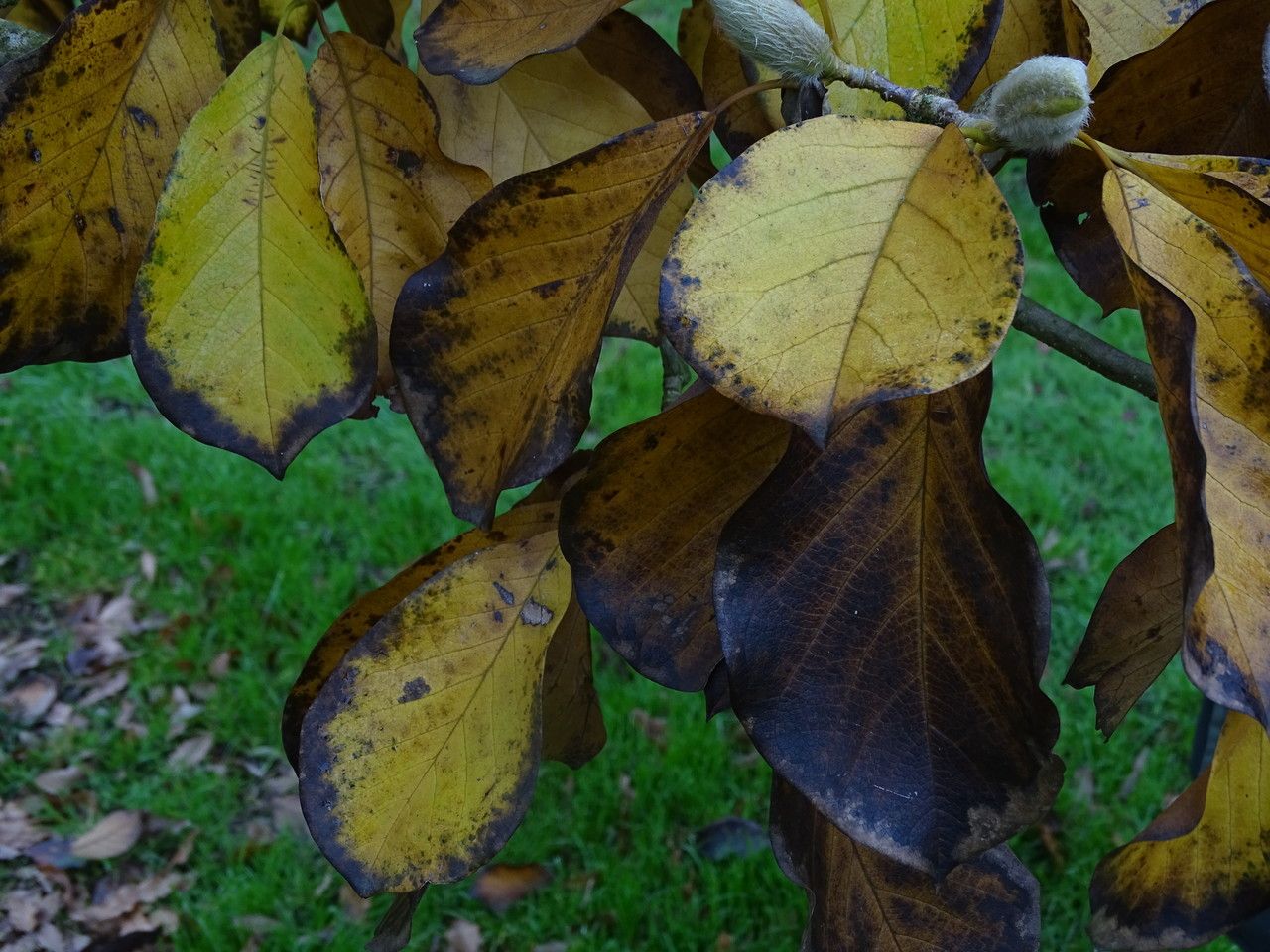
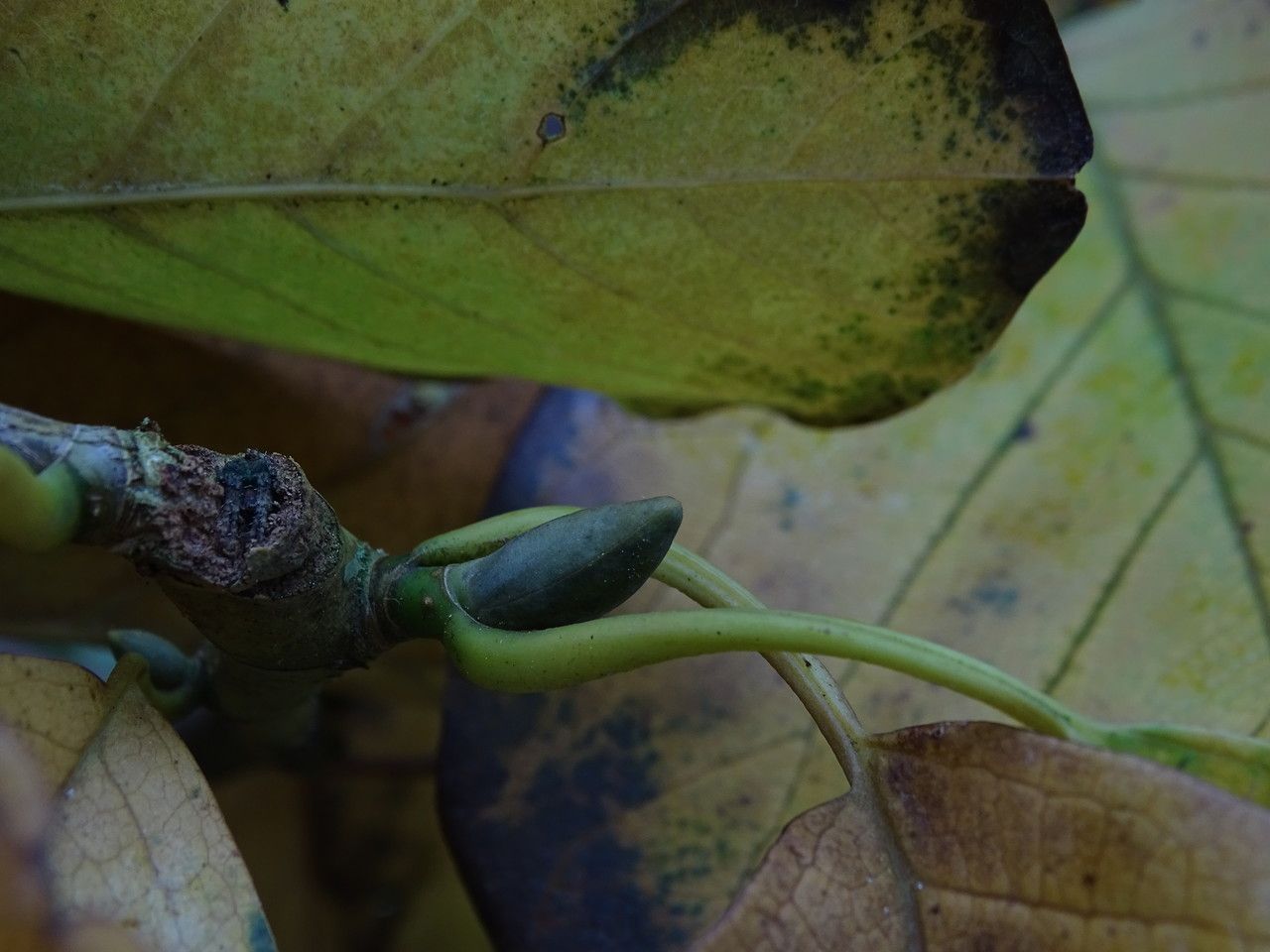
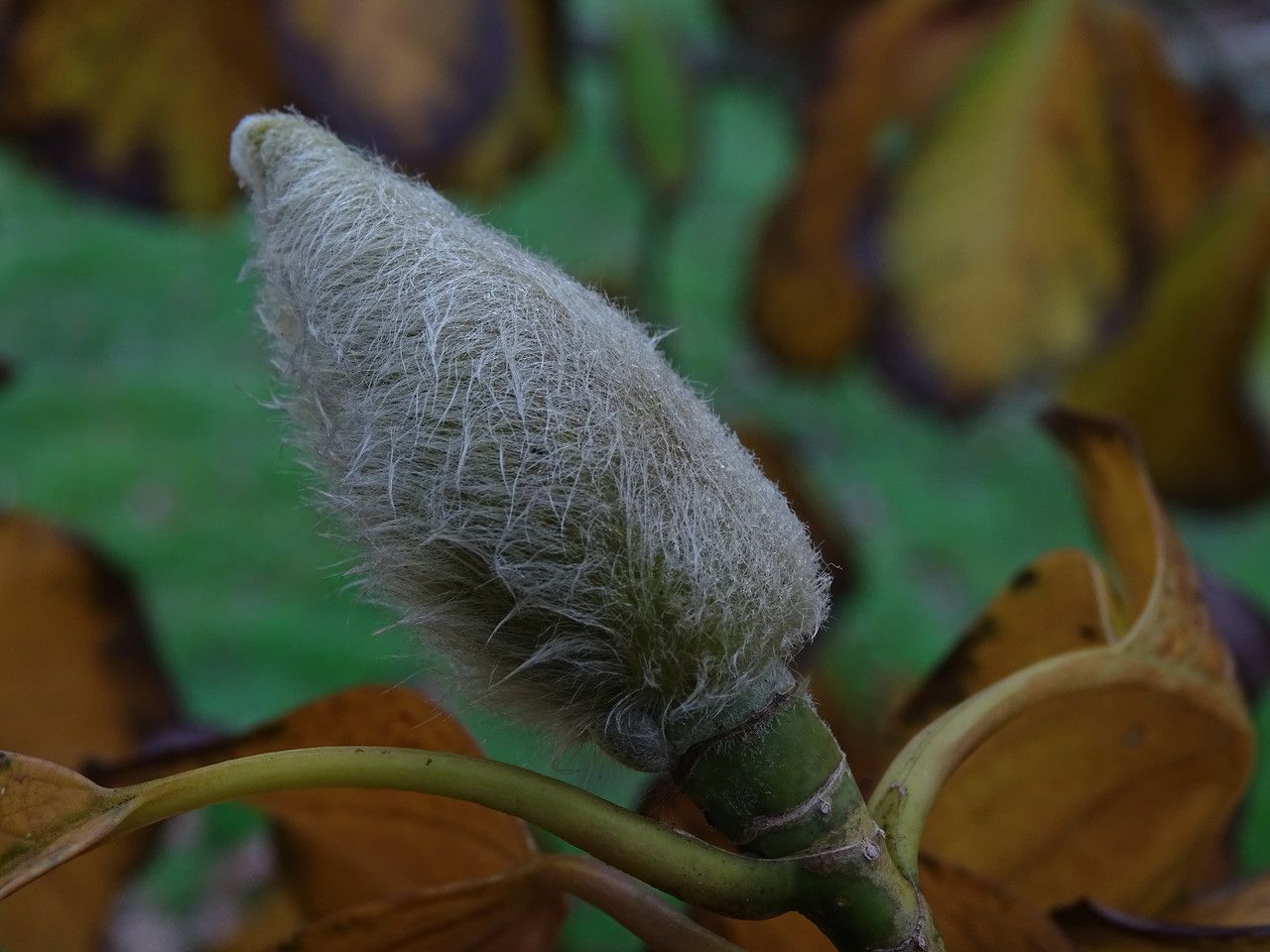
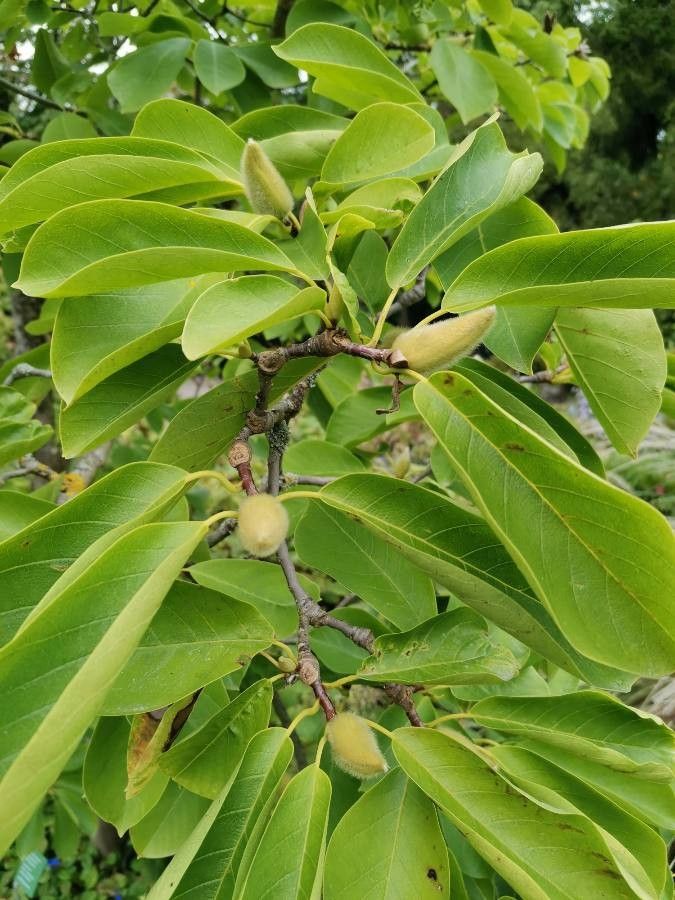
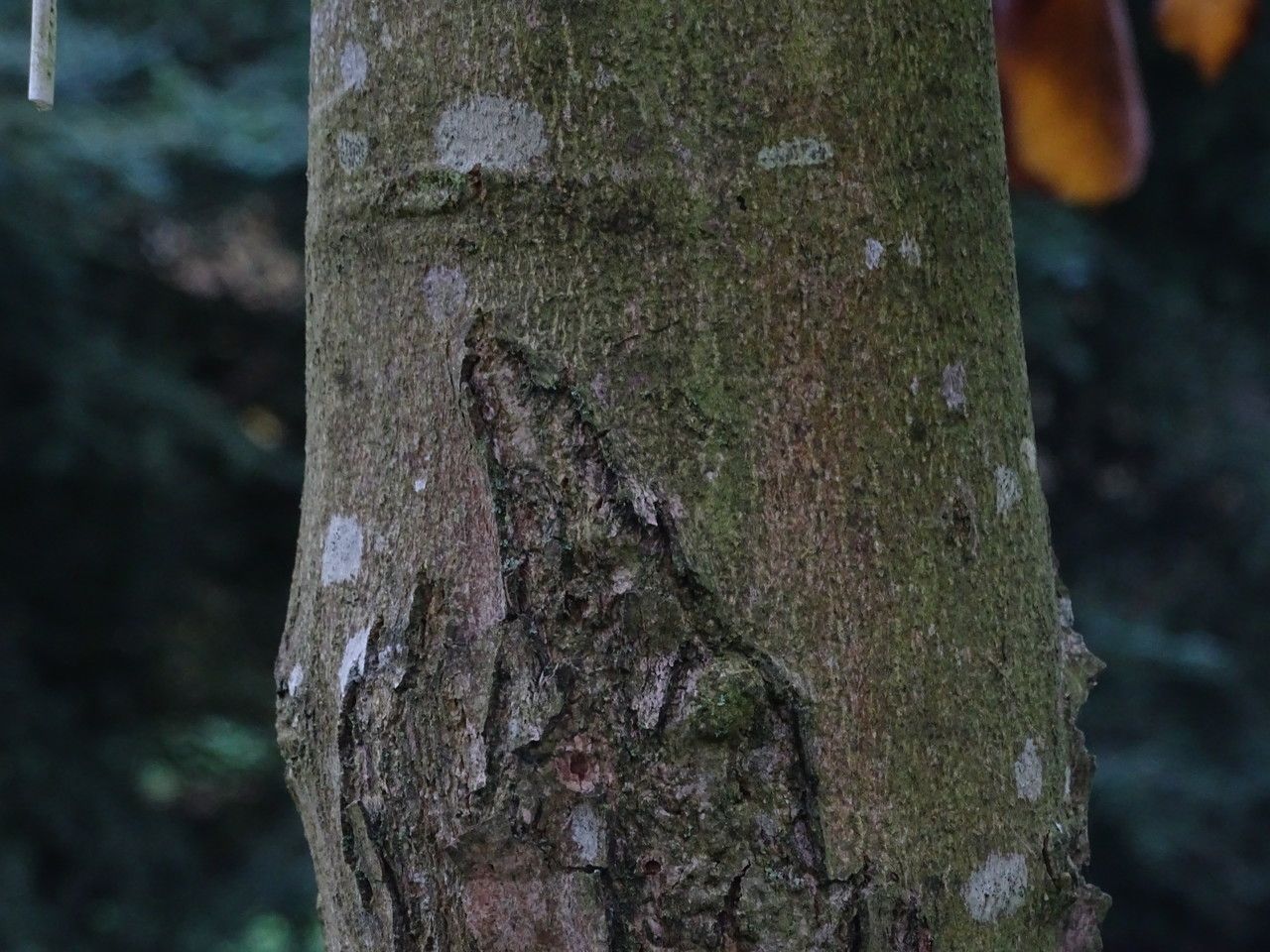
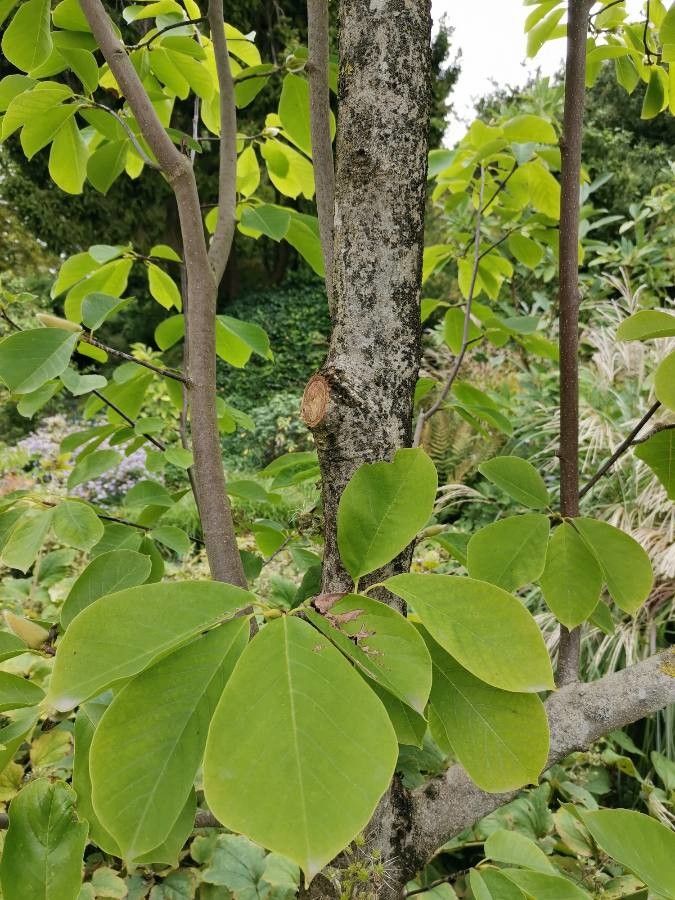
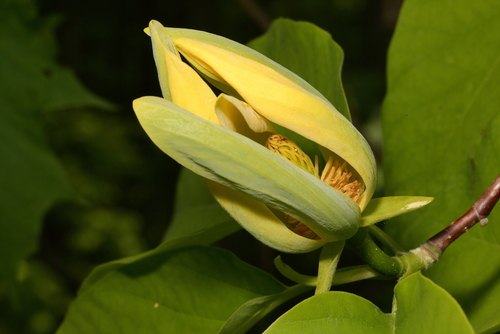
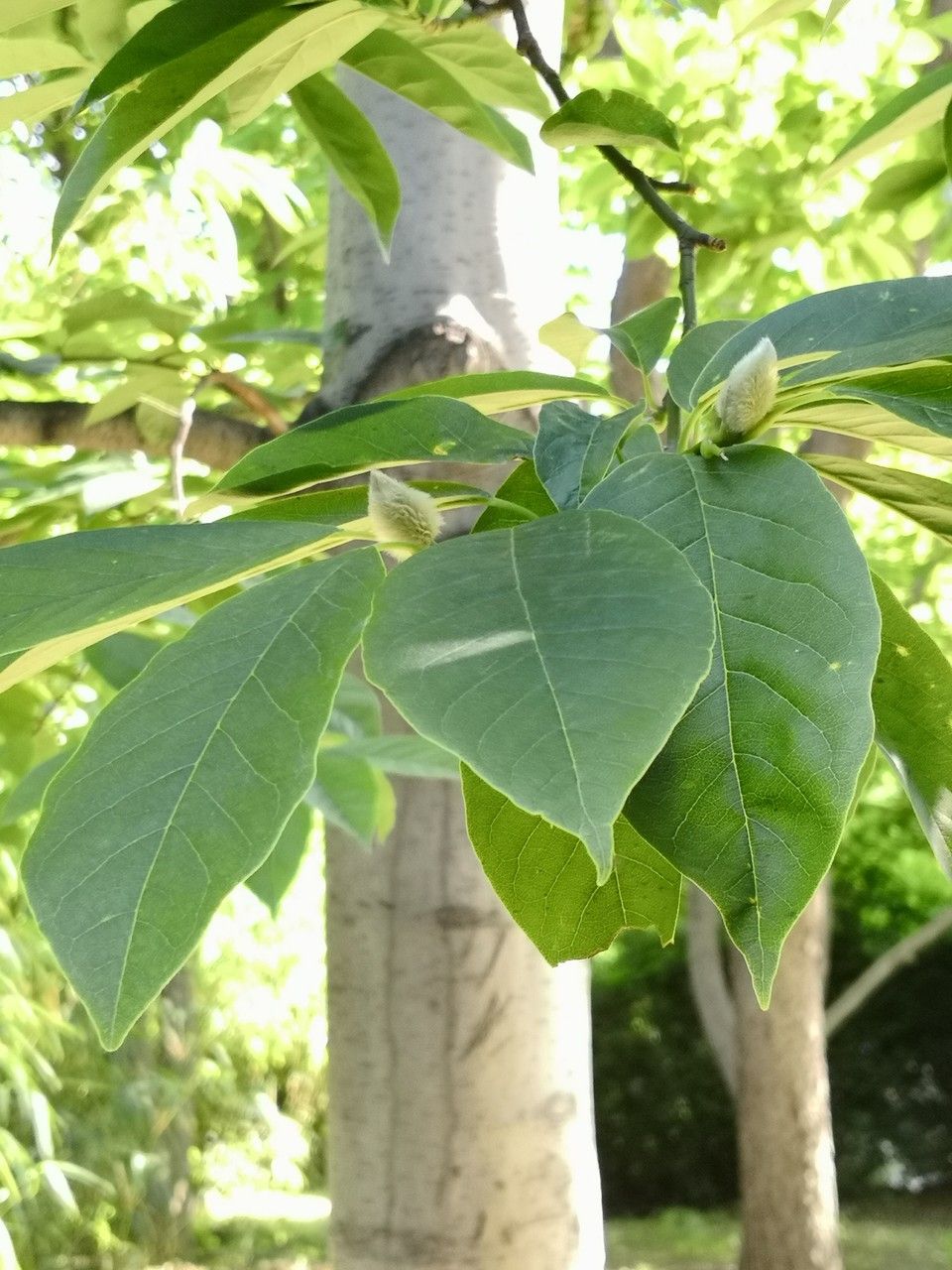
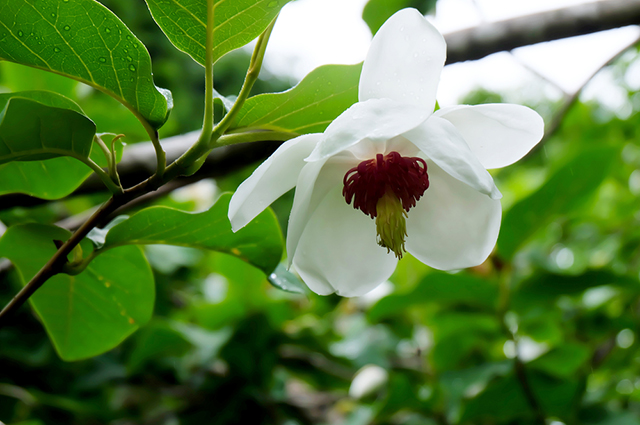
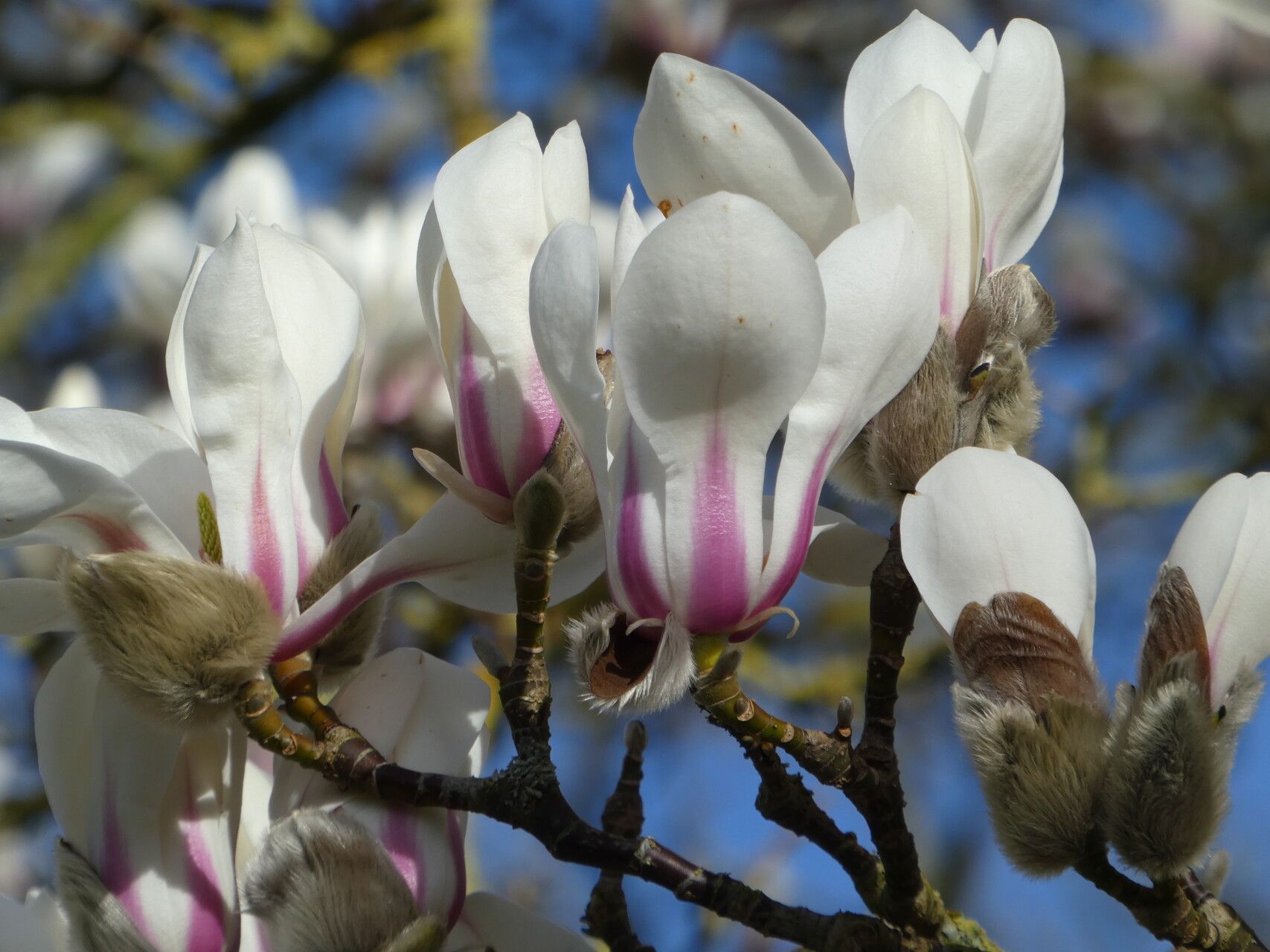
Magnolia sprengeri, or Sprenger's magnolia, is a species of Magnolia native to China, occurring in Gansu, Henan, Hubei, Hunan, Shaanxi, and Sichuan in forests or thickets at 1300–2400 m altitude. Named for Carl Ludwig Sprenger, a botanist of note.
Sprenger's magnolia has good resistance to disease and is generally not susceptible to illnesses. In terms of care, this plant is fairly low-maintenance. When grown outdoors it needs minimal watering, and larger specimens usually do not require pruning; however, smaller plants should be pruned after they have finished blooming. Sprenger's magnolia is appropriate for anyone with outdoor space, such as a garden or deck, and does not demand extensive care experience.
How to keep Magnolia Sprengeri.
Light
Sprenger's magnolia performs best when it gets plenty of sunlight each day, though it can also adjust to locations with less sun. Adequate sunlight is essential for its health and vigor. Too much sun can cause scorching, while too little can slow growth and reduce its resilience. This reflects its native habitat, which is generally abundant in sunlight.
Temperature
Sprenger's magnolia is highly adaptable to a range of climate conditions, whether facing scorching summers or chilly winters. That said, it still has an ideal temperature range for growth. If temperatures become too high, the plant is vulnerable to heat and humidity stress, which can lead to its death. In areas where temperatures approach the lower limit of its cold tolerance, taking insulation measures to protect the plant is important.
Fertilizer
The timing of fertilizing Sprenger's magnolia is important. Apply fertilizer in early spring and repeat monthly until early summer. Fertilizer promotes attractive blooms and supplies energy during both dormant periods and active growth.
Pruning
Sprenger's magnolia is an ornamental tree featuring large, fragrant flowers and a broad canopy. To maintain the tree's health and appearance, prune it in early spring by removing dead or crossing branches to improve airflow and shape. Regular pruning not only enhances flowering but also promotes overall health. For the best results, use clean tools and follow local horticultural guidelines.
Pot & Repot
Repot Sprenger's magnolia every 2 to 3 years in late winter or early spring. Choose a container that is one size larger, ensuring it has good drainage and holes to allow excess water to escape. After repotting, place the plant in partial shade and water it regularly to encourage recovery and healthy growth.
Botanical profile.
- Plant Type
- Tree, Shrub
- Life Cycle
- Perennial
- Genus
- Magnolia
- Family
- Magnoliaceae
- Hardiness Zone
- 5-9
- Mature Height
- 20.12 m
- Mature Spread
- 17.98 m
- Leaf Color
- Green
- Leaf Type
- Deciduous
- Flower Color
- Pink, White
- Flower Size
- 15.24 cm
- Bloom Time
- Early spring, Mid spring
- Planting Time
- Winter, Spring
- Harvest Time
- Late summer, Early fall, Mid fall
- Native Area
- China
Other names.
Reader questions.
What are the sunlight requirements for Sprenger's Magnolia?
Sprenger's Magnolia requires full sun exposure for more than 6 hours daily to thrive but can also tolerate partial sun, approximately 3-6 hours of sunlight. It's essential to observe your garden's sunlight patterns to find spots that offer a balanced light and shade for the plant's optimal growth. Ensuring the right amount of sunlight mirrors the plant's native habitat conditions, which are typically rich in sunlight. However, too much sunlight can cause scorching, and too little can inhibit growth and decrease the plant's resilience.
What is Sprenger's Magnolia?
Sprenger's Magnolia, botanically known as Magnolia sprengeri, is a type of magnolia species. Details about its essentials, such as care, growth conditions, and additional information, are not provided in the provided data. Similarly, symptoms of common issues or diseases associated with Sprenger's Magnolia were not mentioned in the information.
How can artificial lighting be used for indoor Sprenger's Magnolia?
Indoor Sprenger's Magnolia plants require adequate lighting to thrive, especially when natural sunlight is insufficient. Artificial lights, such as LEDs, provide a vital solution, offering the necessary wavelengths for optimal growth. For full sun plants, 30-50W/sq ft of artificial light is recommended, while partial sun plants need 20-30W/sq ft, and full shade plants require 10-20W/sq ft. The light source should be placed 12-36 inches above the plant, mimicking natural sunlight's duration, with most plants needing 8-12 hours of light per day.
What are the signs of insufficient or excessive sunlight in Sprenger's Magnolia?
Signs of insufficient sunlight in Sprenger's Magnolia include smaller new leaves, leggy or sparse growth, faster leaf drop, slower or halted growth, lighter-colored new leaves, and symptoms of chlorosis. Excessive sunlight can cause symptoms such as sunscald, leaf curling, wilting, leaf scorching, indicating damage to the plant's leaves or stems. Monitoring and adjusting the plant's exposure to sunlight are crucial to prevent these symptoms and ensure healthy growth.
What solutions can help Sprenger's Magnolia receive adequate sunlight?
To ensure Sprenger's Magnolia receives sufficient sunlight, gradually move the plant to a sunnier location each week to adapt without shock. For indoor plants, use a south-facing window, keep curtains open during the day, or use artificial lighting solutions for at least 8 hours daily. For outdoor plants, move them to an optimal spot gradually and avoid sudden light intensity changes to prevent sunburn. If sunlight is obstructed, consider pruning or transplanting to a location with more sunlight and good drainage. Note that parts of the plant affected by light deficiency may not recover, but new growth will be healthy with improved light exposure.