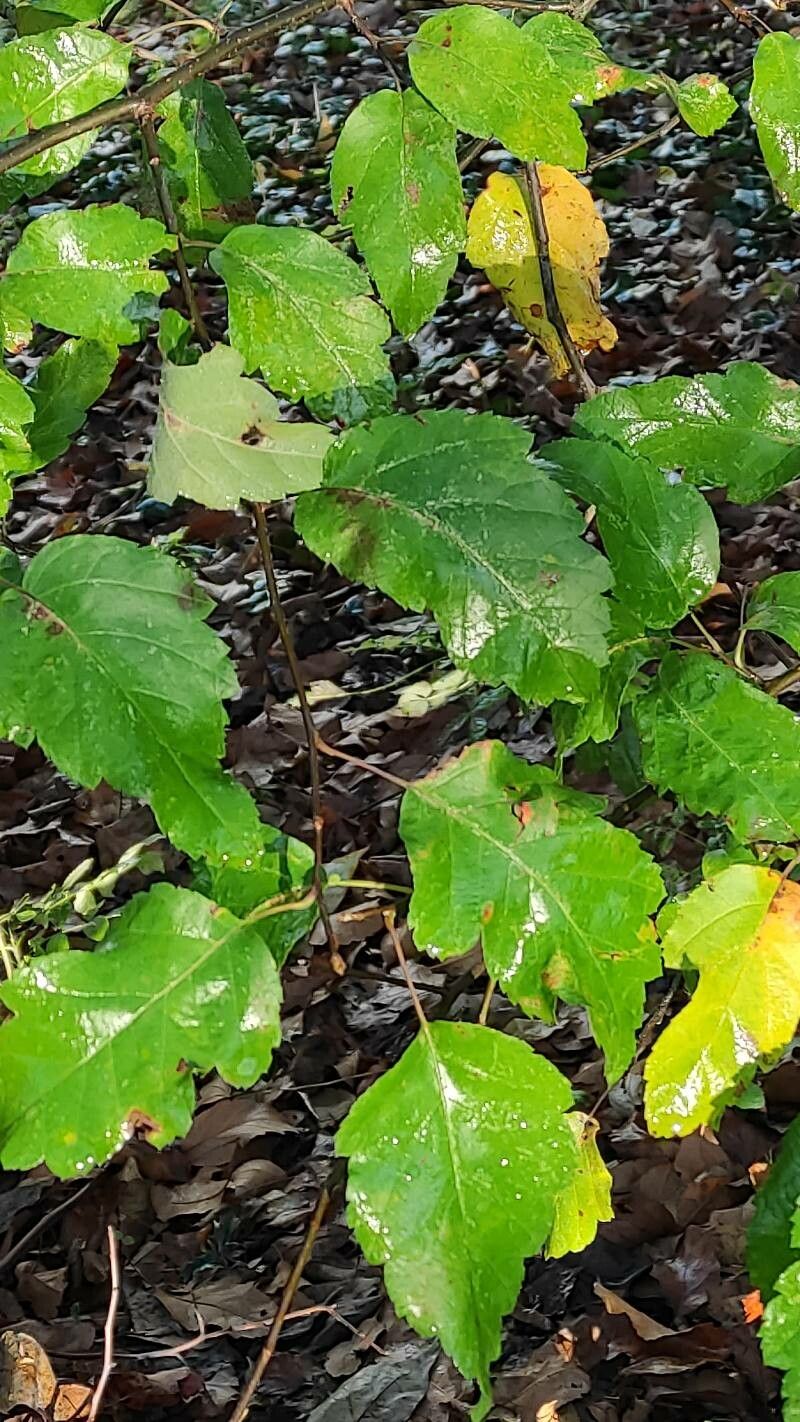
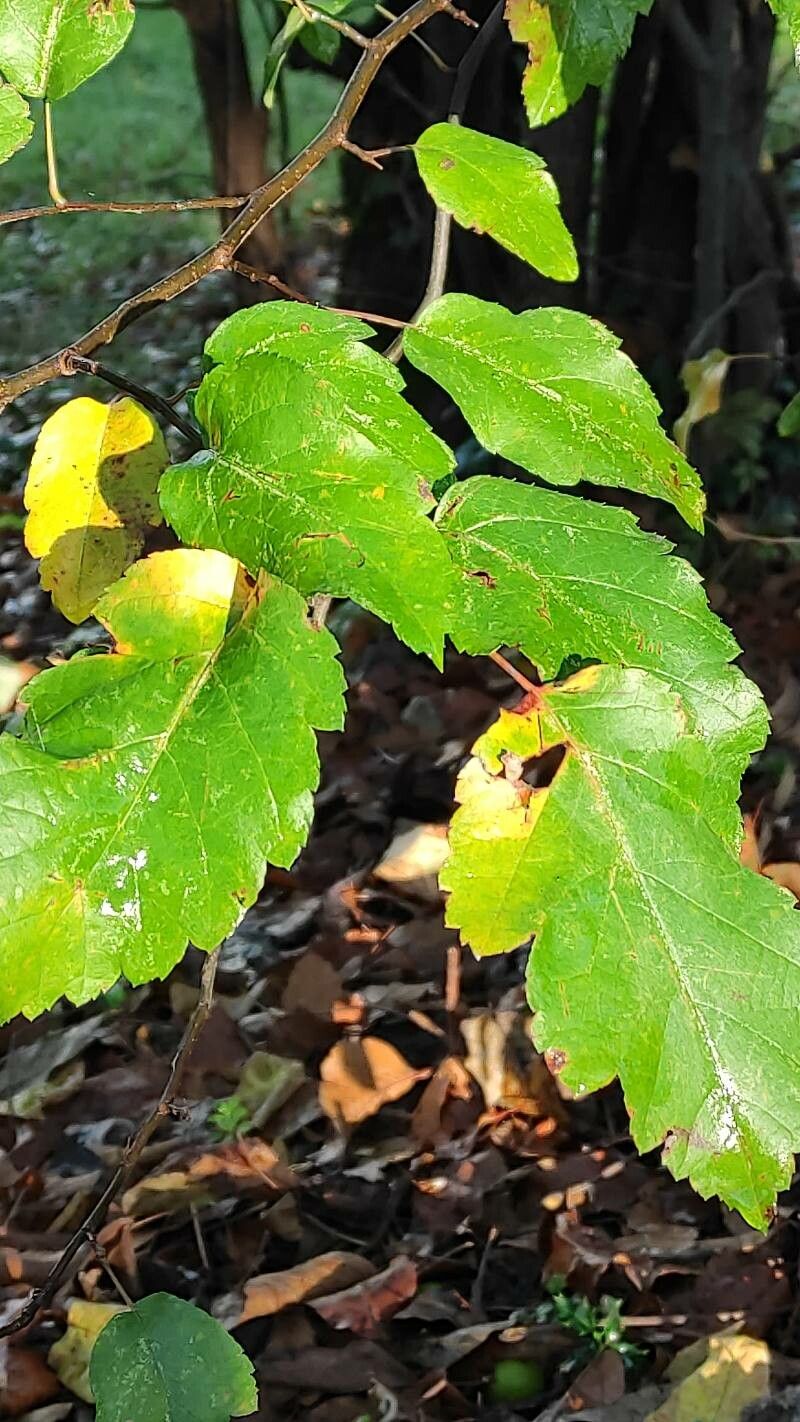
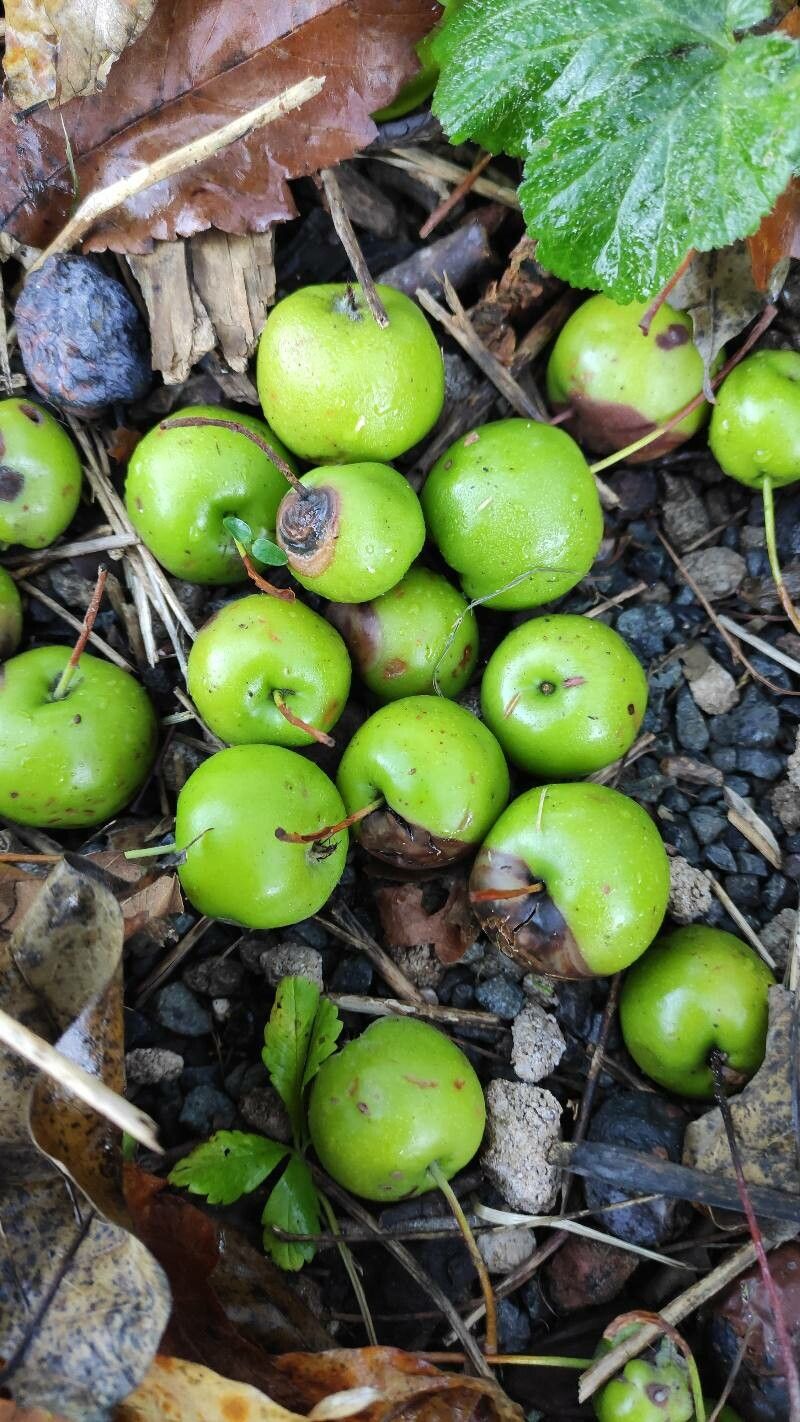
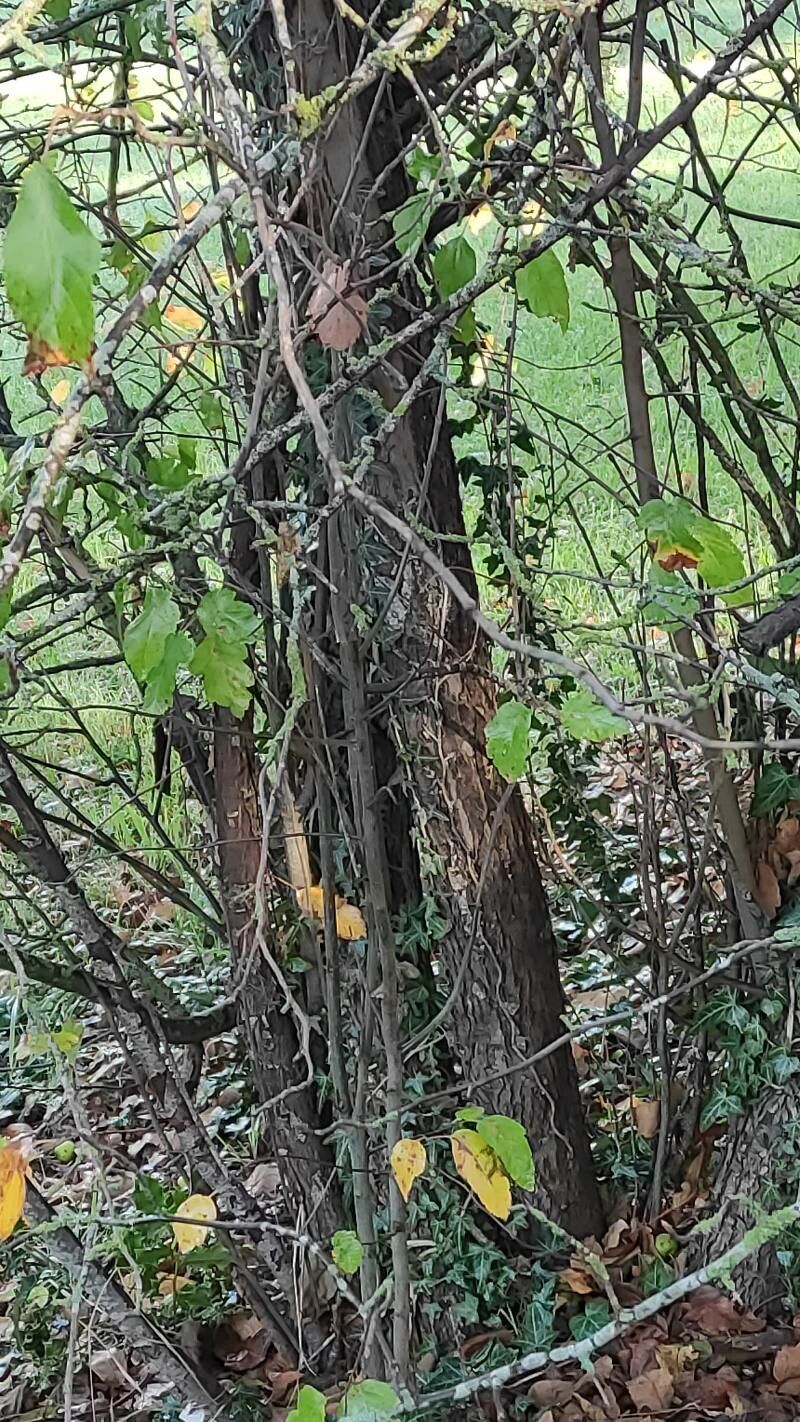
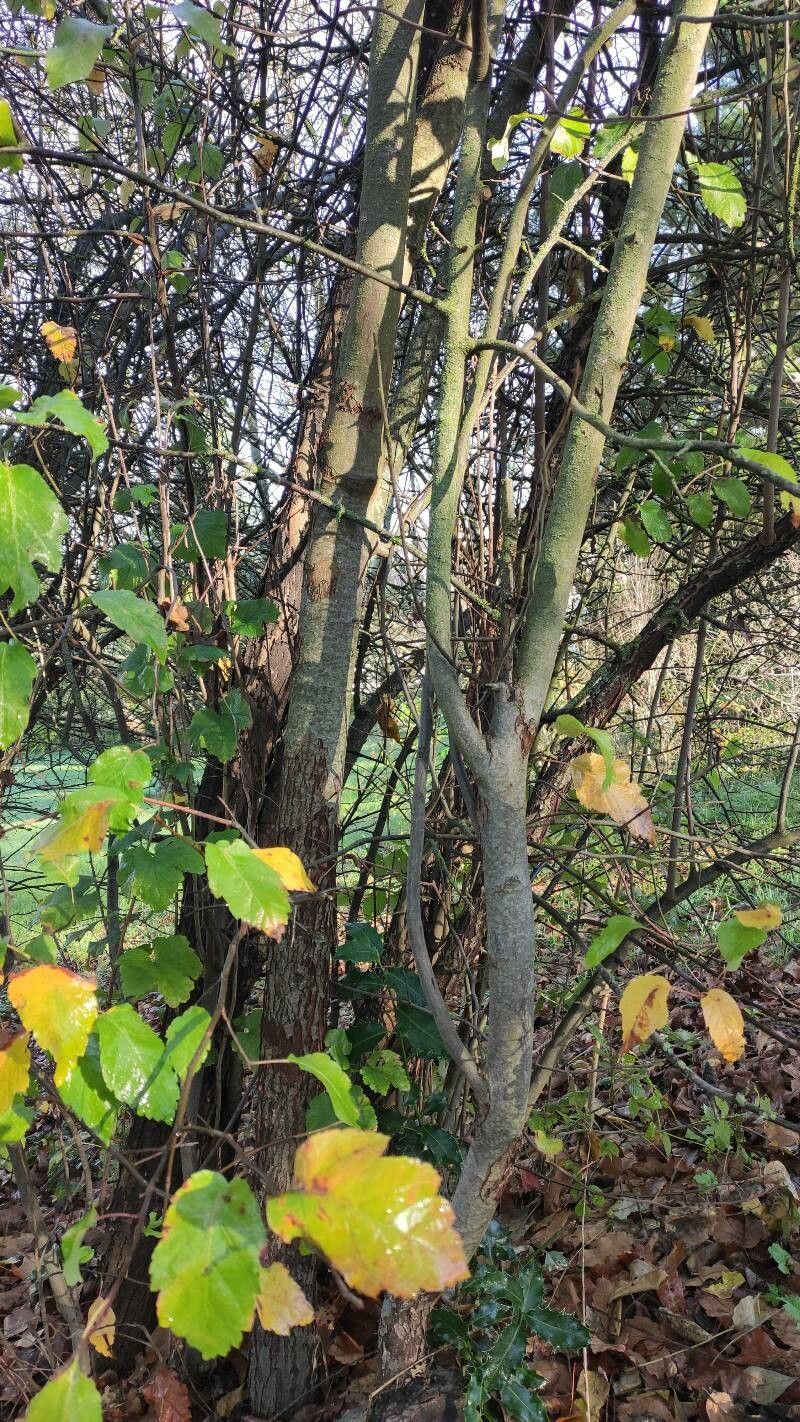
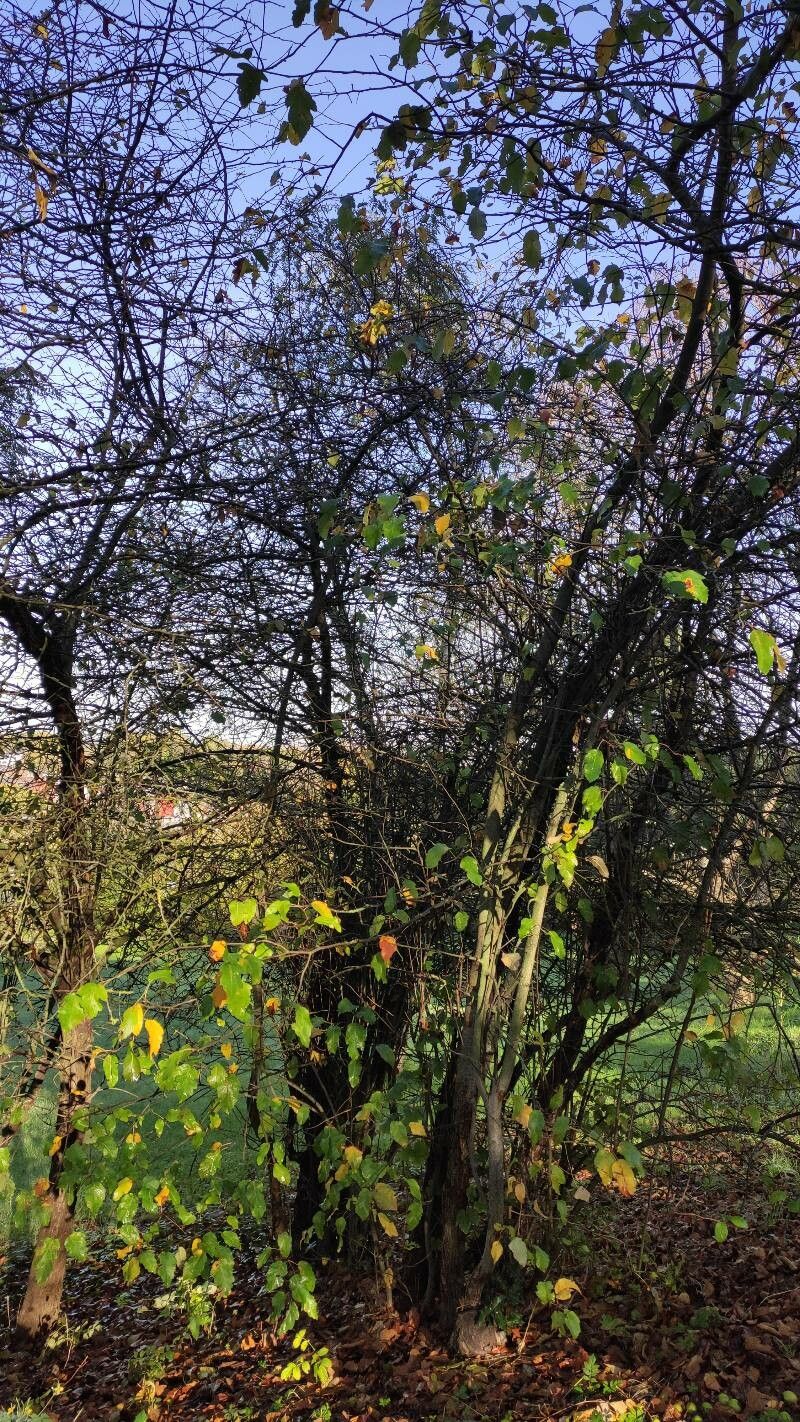
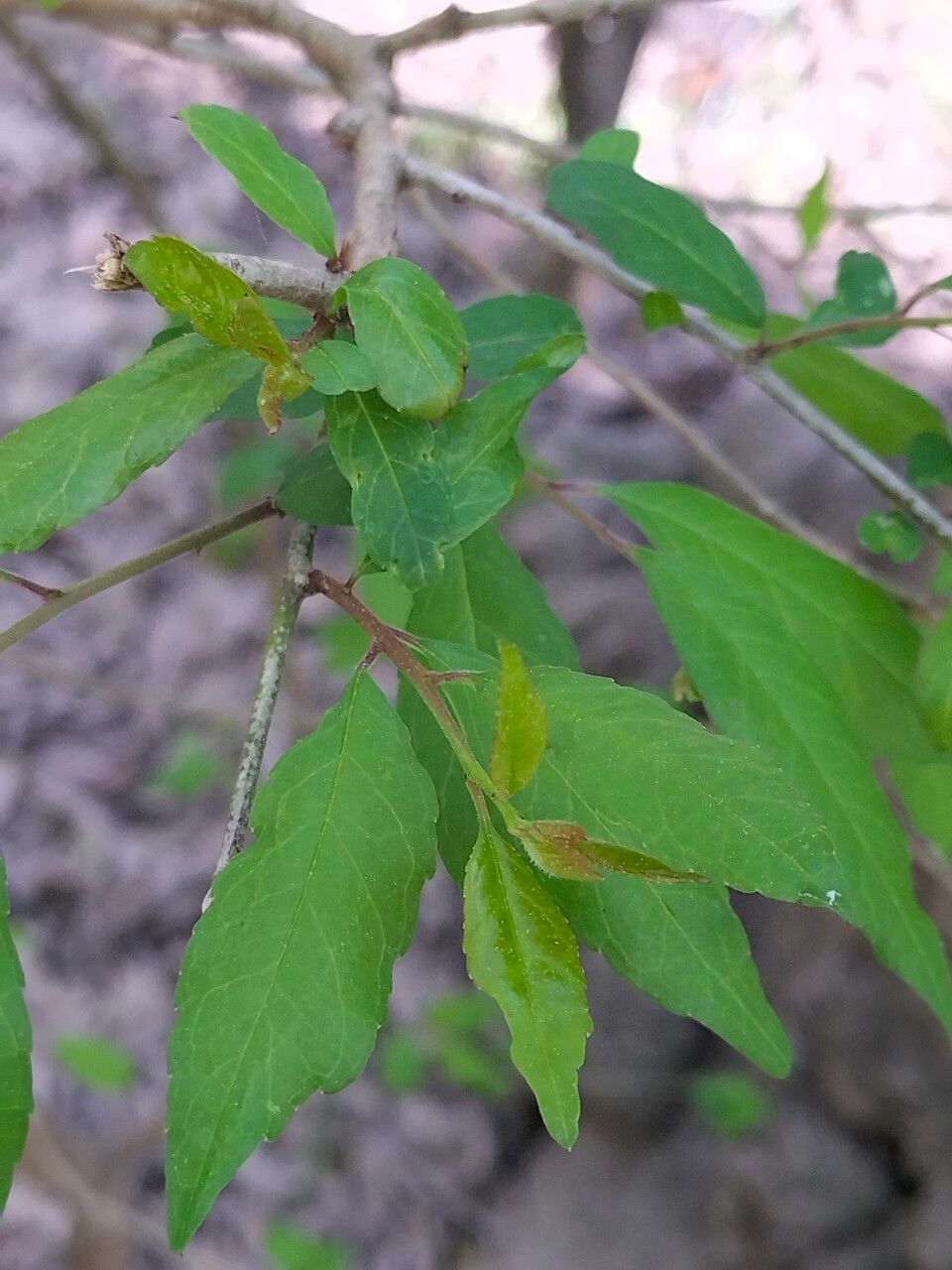
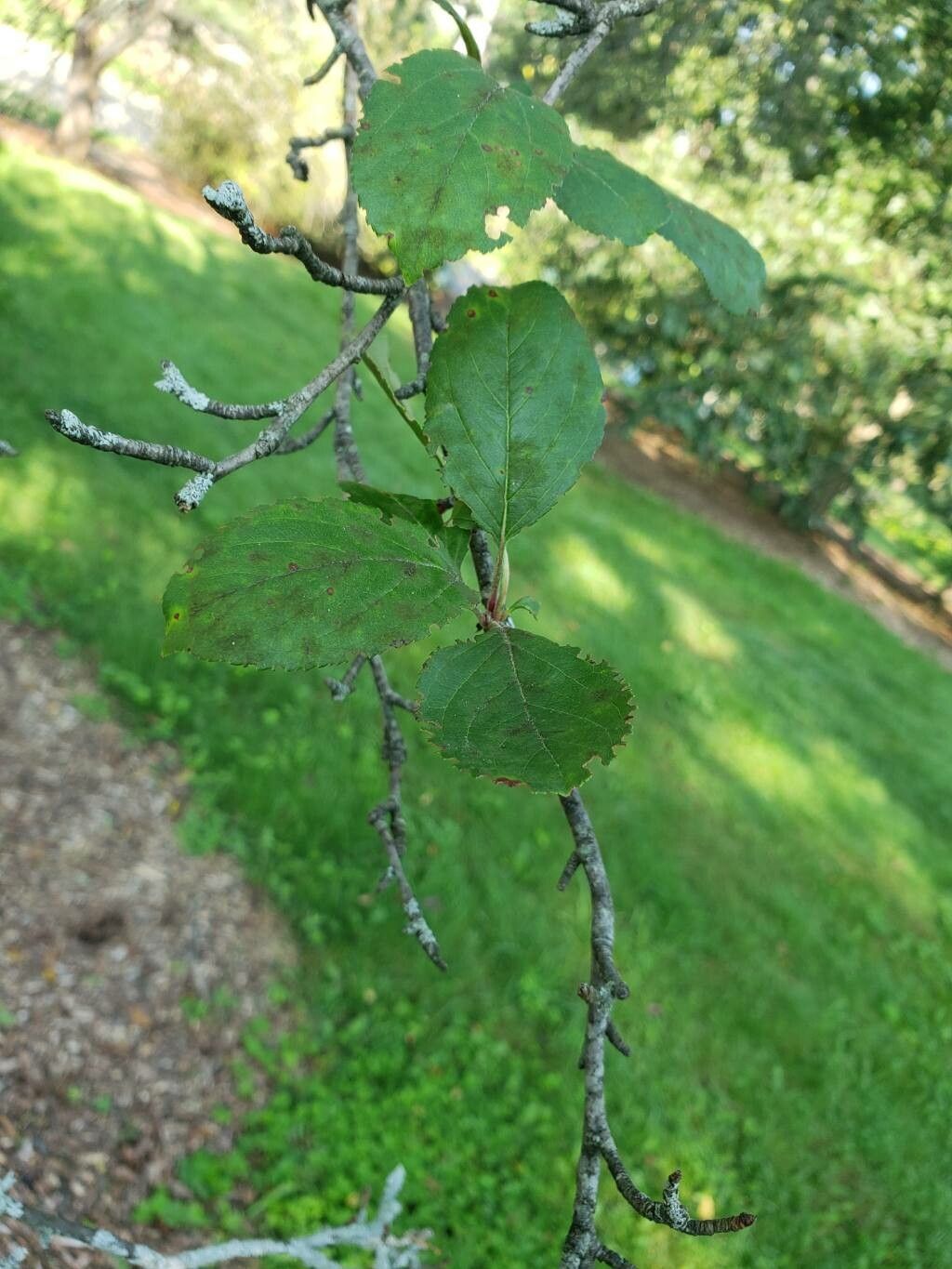
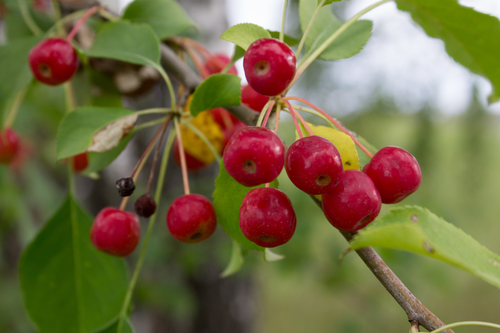
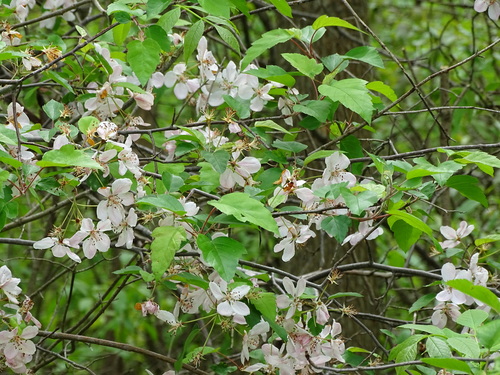
Malus ioensis, known as the Iowa crab or prairie crabapple, is a species of crabapple tree native to the United States. The most common variety, M. ioensis var. ioensis, is found primarily in the prairie regions of the upper Mississippi Valley. Another variety, M. ioensis var. texana, or the Texas crabapple, is found only in a small region of central Texas.
Prairie crabapple has strong disease resistance and is usually not susceptible to illnesses. Regarding care, this plant is fairly low-maintenance. When grown outdoors it needs little watering; mature plants typically don't require pruning, but smaller ones should be trimmed after they have finished blooming. Prairie crabapple is suitable for anyone with an outdoor area, such as a garden or deck, and does not require much gardening experience.
How to keep Malus Ioensis.
Light
The prairie crabapple does best when it gets abundant sunlight throughout the day. It can tolerate some shade, allowing it to grow in places that are not continuously sunlit. A setting similar to its place of origin, with ample sun exposure, supports its optimal development. Too little light can stunt its growth, while too much can cause the leaves to scorch.
Water
Native to temperate regions, the prairie crabapple thrives best when the soil is consistently moist but not waterlogged. For optimal growth, water the prairie crabapple every one to two weeks. As an outdoor plant, it benefits from natural rainfall during the active growing season, which helps maintain the necessary hydration levels.
Temperature
In its natural habitat, prairie crabapple favors temperatures of 5 to 32 ℃ (41 to 90 ℉) and is able to adjust to a range of seasonal temperatures. In winter it can withstand colder conditions but may need protection from extreme cold. In summer it needs regular watering and some shade to prevent overheating.
Fertilizer
Proper timing is vital for fertilizing Prairie crabapple. Apply fertilizer in early spring and continue monthly until early summer. Fertilizer encourages attractive blooms and supplies energy both during dormancy and active growth.
Pruning
For optimal health of your prairie crabapple, prune it in early spring before new growth begins. At this time, focus on removing dead wood, thinning out crowded branches, and shaping the plant. Pruning during this period, when the plant is dormant, minimizes stress and enhances air circulation. This promotes healthier blooms, leading to more robust flowering and better disease prevention.
Pot & Repot
When repotting Prairie crabapple, select a pot 1-2 inches (2.5–5.1 cm) larger with good drainage. Use a well-draining potting mix. Repot in spring or fall, making sure the root ball sits slightly below the pot’s rim. Water thoroughly after repotting and place it in a warm spot with indirect sunlight.
Botanical profile.
- Plant Type
- Tree, Shrub
- Life Cycle
- Perennial
- Genus
- Malus
- Family
- Rosaceae
- Hardiness Zone
- 4-8
- Mature Height
- 3.05 m to 6.1 m
- Mature Spread
- 3.05 m to 7.92 m
- Leaf Color
- Green, Blue, Red
- Leaf Type
- Deciduous
- Flower Color
- Pink, White
- Flower Size
- 2.54 cm to 5.08 cm
- Bloom Time
- Mid spring, Late spring
- Planting Time
- Spring, Autumn
- Harvest Time
- Mid summer
Other names.
Reader questions.
What are the sunlight requirements for a Prairie Crabapple?
The Prairie Crabapple thrives best with plentiful sunshine throughout the day but can also endure some shade. It requires a habitat that offers generous sun exposure for optimal growth, although it can grow in spots that aren't constantly sunlit. Full sun is defined as above 6 hours of sunlight per day, while partial sun refers to about 3-6 hours of sunlight. It's important to watch how sunlight moves through your garden to choose spots with the perfect balance of light and shade for the plants.
What are the ideal temperature conditions for growing Prairie Crabapple?
Prairie crabapple thrives in a native growth environment with temperatures ranging from 5 to 32 \u2103 (41 to 90 \u2109), adapting to various temperatures across different seasons. It has a strong cold resistance, enabling it to tolerate lower temperatures during winter without special frost protection measures in most cases. However, if temperatures are expected to drop below -30\u00b0C, it's important to protect the plant from extreme cold by wrapping its trunk and branches. In summer, to prevent overheating, it requires regular watering and some shade.
How does artificial lighting support plant growth?
Artificial lighting is crucial for indoor plants, especially when natural sunlight is insufficient, like in winter or less sunny spaces. It promotes faster, healthier growth. LED lights are ideal because they can be customized to provide specific wavelengths of light needed by the plants. Full sun plants require 30-50W/sq ft of artificial light, partial sun plants 20-30W/sq ft, and full shade plants need 10-20W/sq ft. The light source should be placed 12-36 inches above the plant, mimicking natural sunlight, and most plants need 8-12 hours of light per day.
How do I protect Prairie Crabapple during winter?
To protect Prairie Crabapple during winter, especially if temperatures are to drop below -30\u00b0C, you should wrap the trunk and branches with non-woven fabric or cloth to provide insulation against the cold. Additionally, watering the plant abundantly before the first freeze in autumn is crucial to ensure that the soil stays moist and enters a frozen state. This helps the plant avoid drought and water scarcity during winter and early spring.
What are the symptoms of light deficiency in Prairie Crabapple?
When a Prairie Crabapple is exposed to suboptimal lighting, it may exhibit symptoms of light deficiency such as smaller new leaves, leggy or sparse growth, faster leaf drop, slower or no new growth, and lighter-colored new leaves. These signs indicate that the plant is not receiving enough sunlight for optimal growth and health.
What should I do if my Prairie Crabapple experiences low temperatures?
Prairie crabapple is cold-tolerant, best thriving above 5\u00b0C, and should be kept above -25\u00b0C during winter. If temperatures fall below -30\u00b0C, it's possible the branches may become brittle and dry, failing to produce new shoots in spring. To address this, prune away any dead branches that have not produced new leaves during the springtime.
What happens when a Prairie Crabapple gets too much sunlight?
Excessive sunlight can harm the Prairie Crabapple, leading to symptoms like chlorosis (leaves losing their green color), sunscald (pale, bleached, or necrotic areas on plant tissue), leaf curling (a defense mechanism to minimize water loss), wilting (loss of turgor pressure causing leaves and stems to droop), and leaf scorching (brown, dry, crispy edges on leaves). These conditions negatively affect the plant's ability to photosynthesize and maintain overall health.
How should I care for Prairie Crabapple in high temperatures?
In high temperatures, particularly above 32\u00b0C, Prairie crabapple may show signs of stress such as lighter colored leaves, dry and withered tips, and increased susceptibility to sunburn. To mitigate these issues, trim away the sunburned and dried-up parts of the plant. Relocate it to a spot with shade from the midday and afternoon sun or use a shade cloth. Additionally, watering the plant in the morning and evening helps keep the soil moist and supports its health.
How can I ensure my Prairie Crabapple gets sufficient sunlight?
To ensure your Prairie Crabapple gets sufficient sunlight, gradually move the plants to sunnier locations each week until they receive at least 6 hours of direct sunlight daily. For indoor plants, use a south-facing window and keep curtains open during the day. If the plant is large or not easily movable, consider using artificial light, keeping a lamp on for at least 8 hours daily or investing in professional plant grow lights. Outdoors, avoid sudden changes in light intensity to prevent sunburn, and if necessary, prune trees to reduce obstructions or transplant smaller plants during their dormant period to locations with ample sunlight and good drainage.