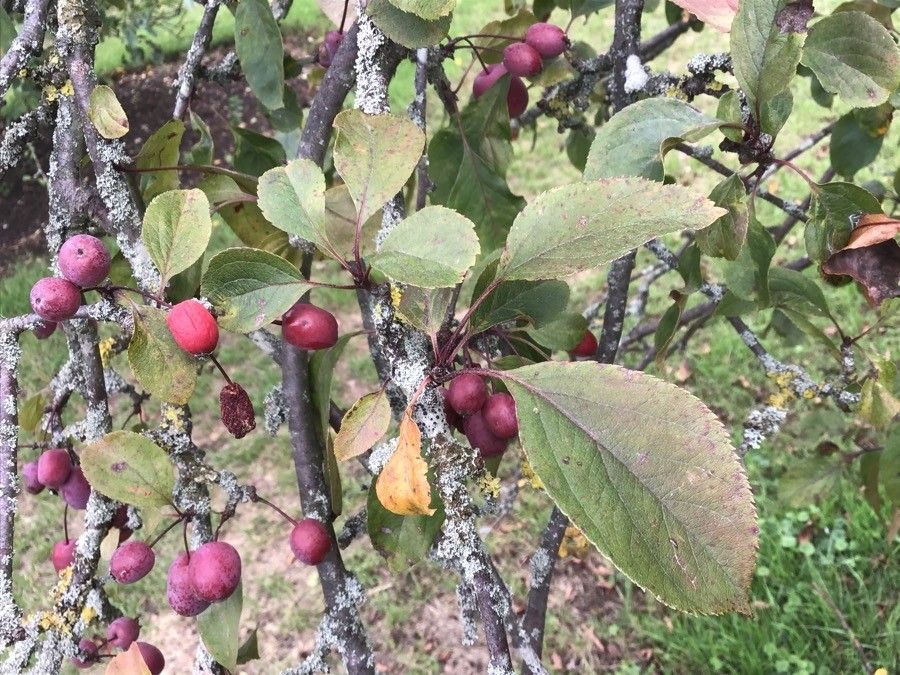
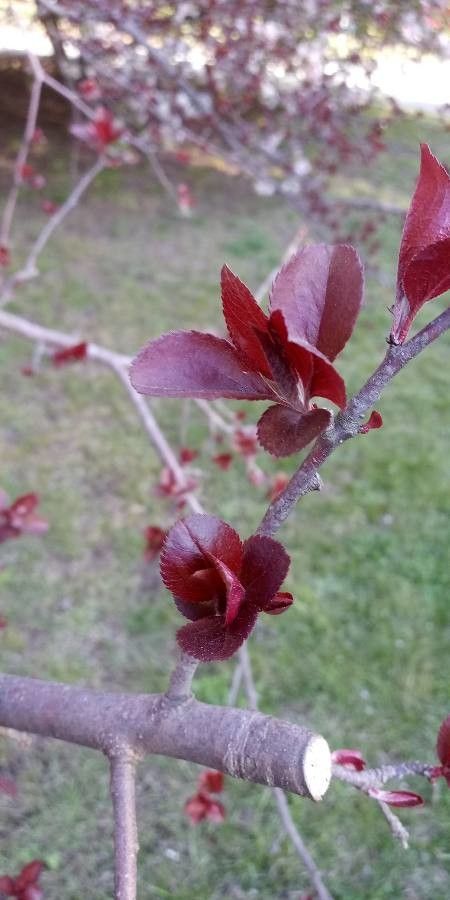
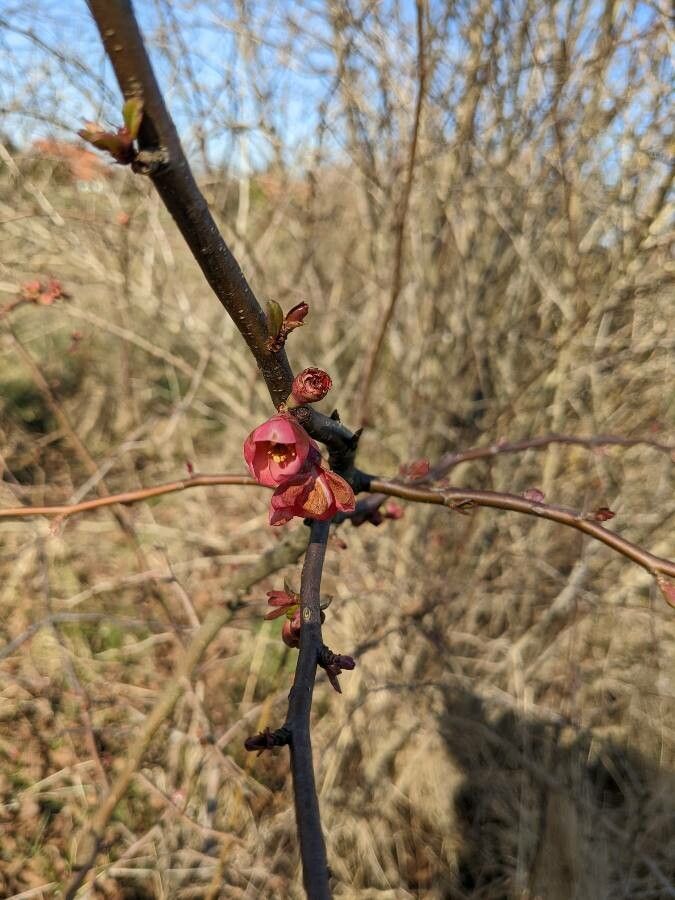
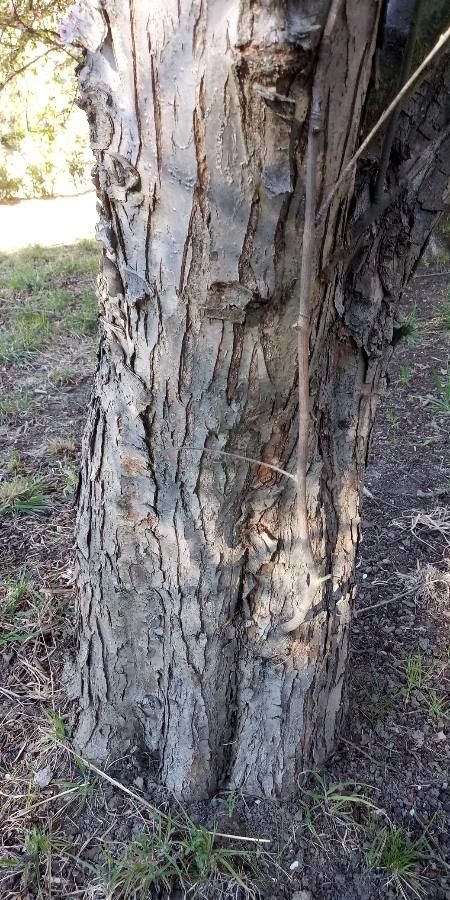
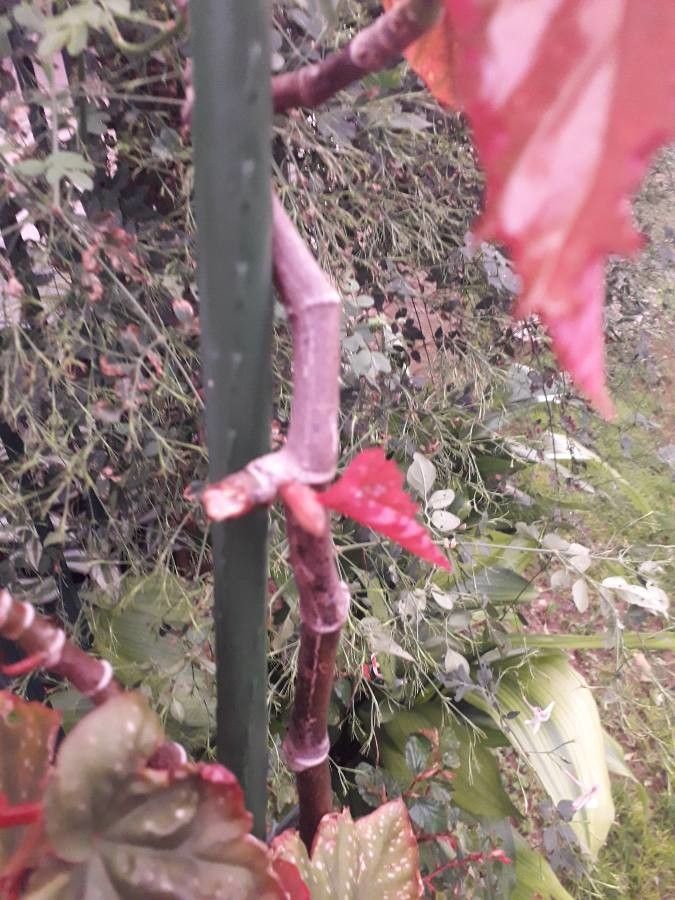
Malus × purpurea, commonly known as the purple crabapple, is a deciduous tree in the Rosaceae family. It’s a hybrid of Malus floribunda and Malus pumila and is native to North America. The tree can reach heights of up to 20 feet and features an upright habit with a rounded crown.
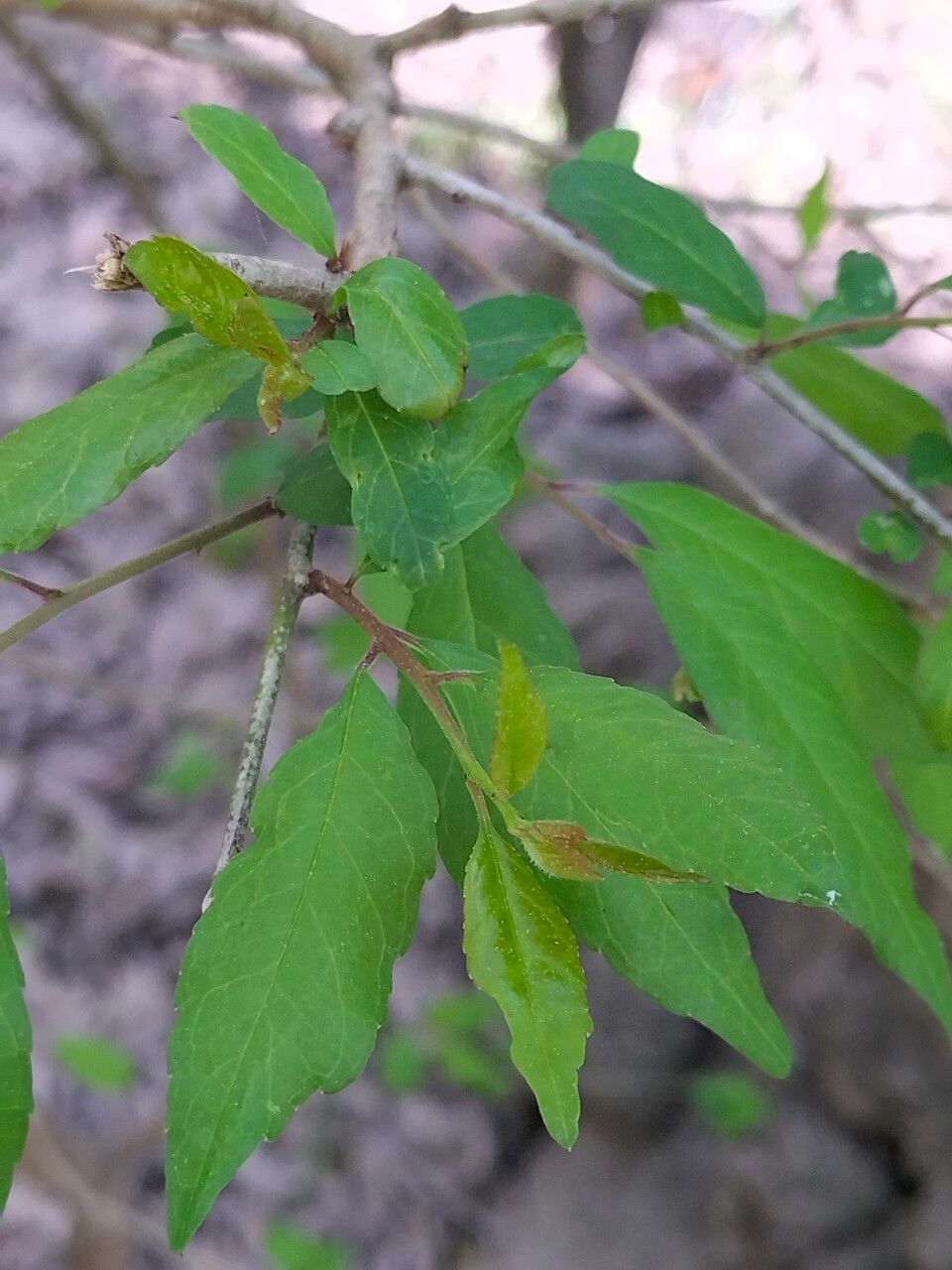
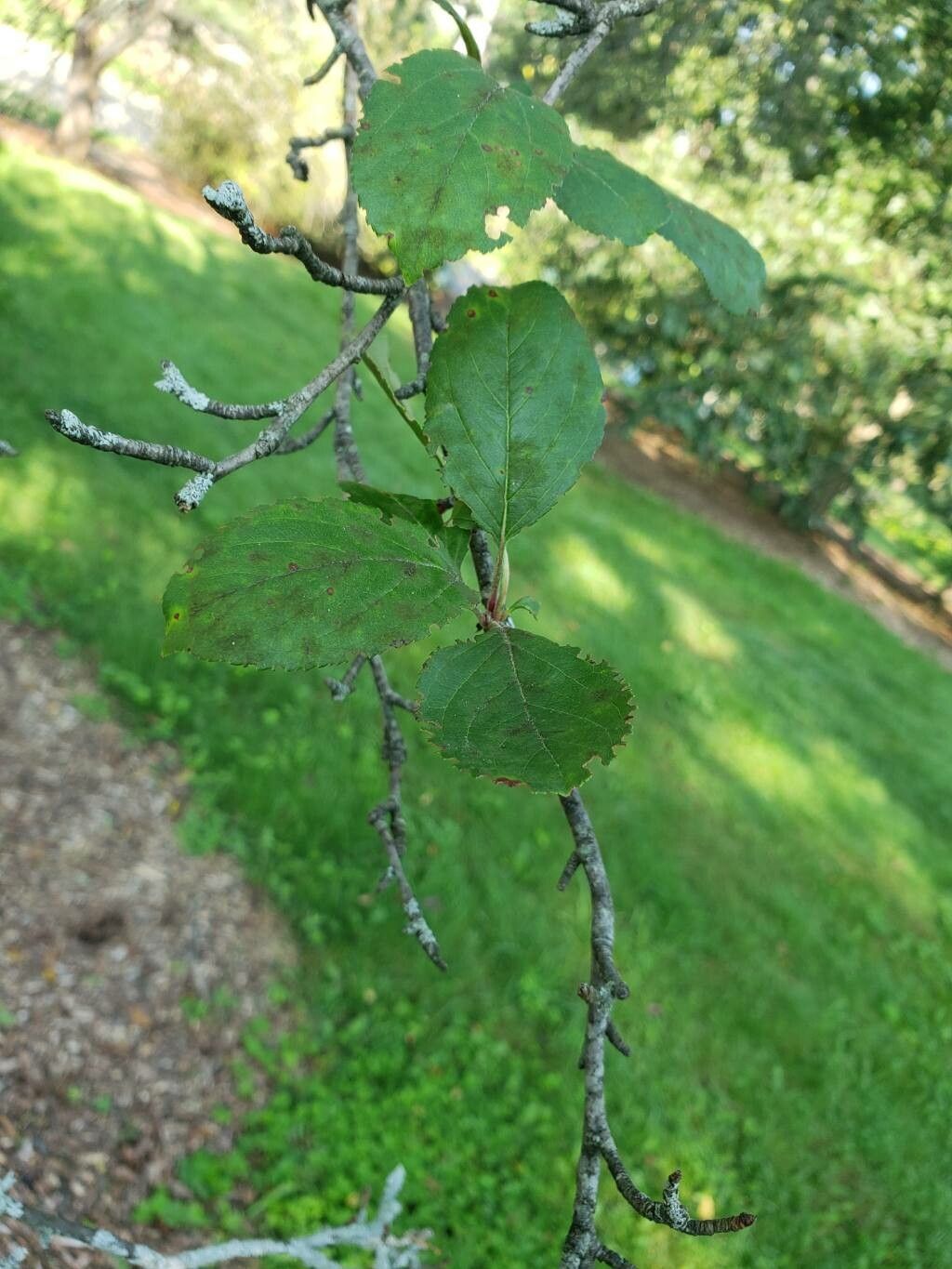
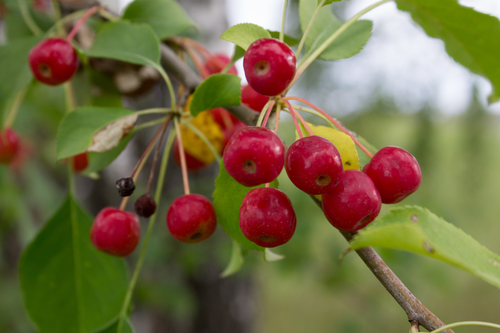
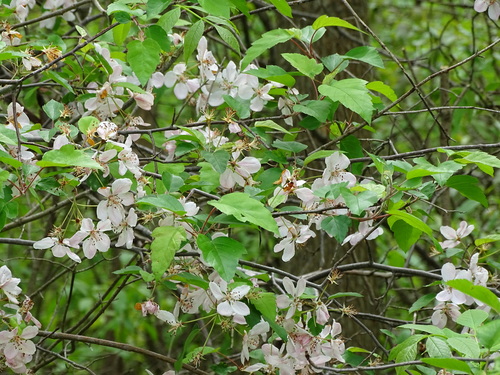
The leaves of Malus × purpurea are oval-shaped with serrated edges, displaying a dark green color that transforms to reddish-purple in autumn. Its pinkish-red flowers bloom in spring, leading to small purple fruits that persist into winter.
Renowned for its ornamental appeal, the purple crabapple tree is popular for its attractive foliage, flowers, and fruit. It can be planted in full sun or partial shade but prefers well-drained soil. The plant needs regular watering during its growing season but becomes drought-tolerant once established.
Beyond its ornamental value, the fruit of Malus × purpurea is often used for making jellies or cider due to its high pectin content. Overall, this plant adds both beauty and utility, making it an excellent choice for any garden or landscape design project.
Botanical profile.
Other names.