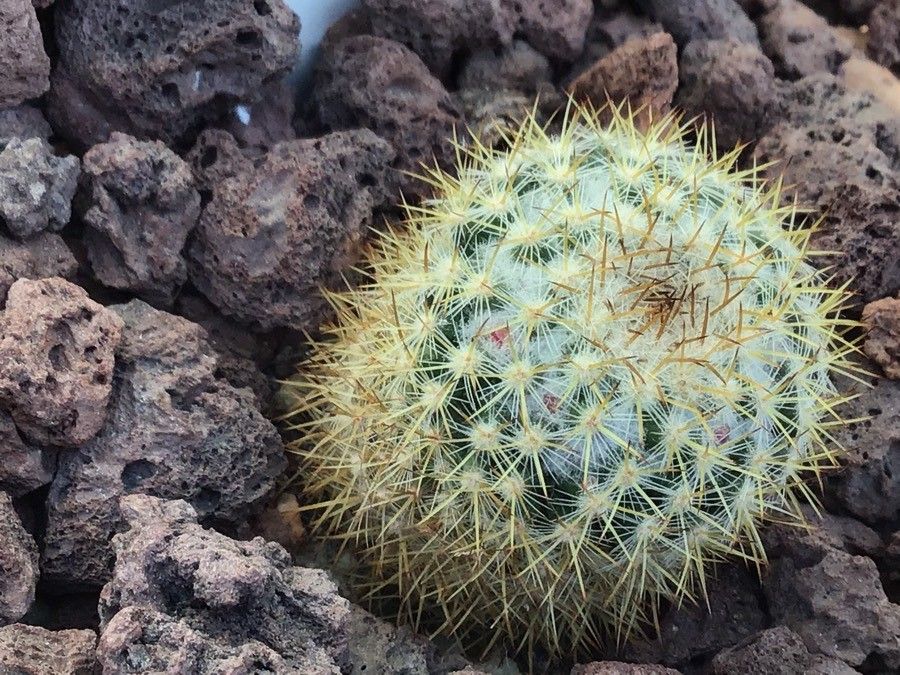
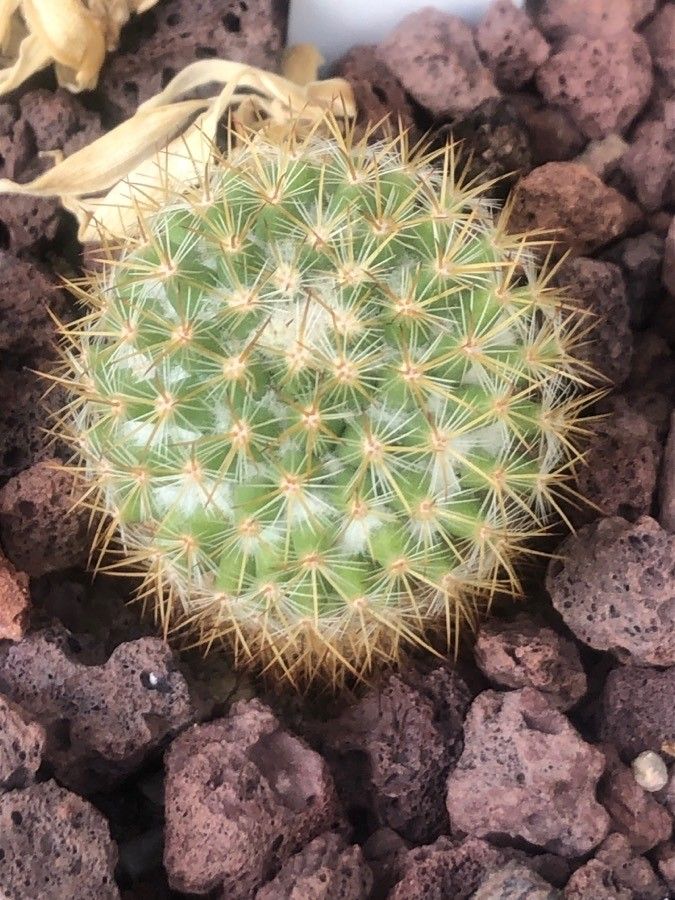
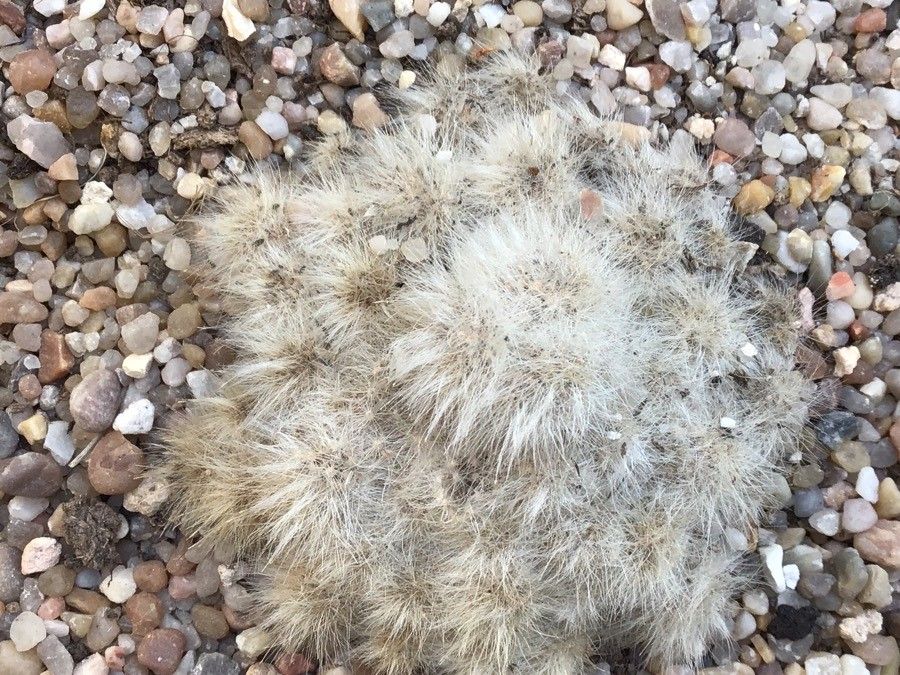
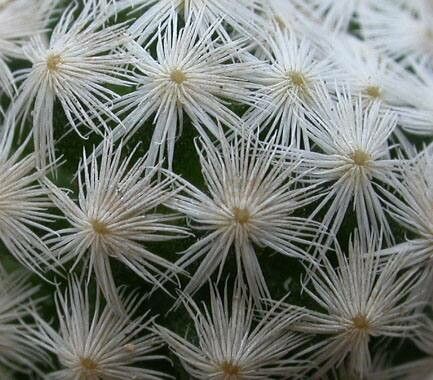
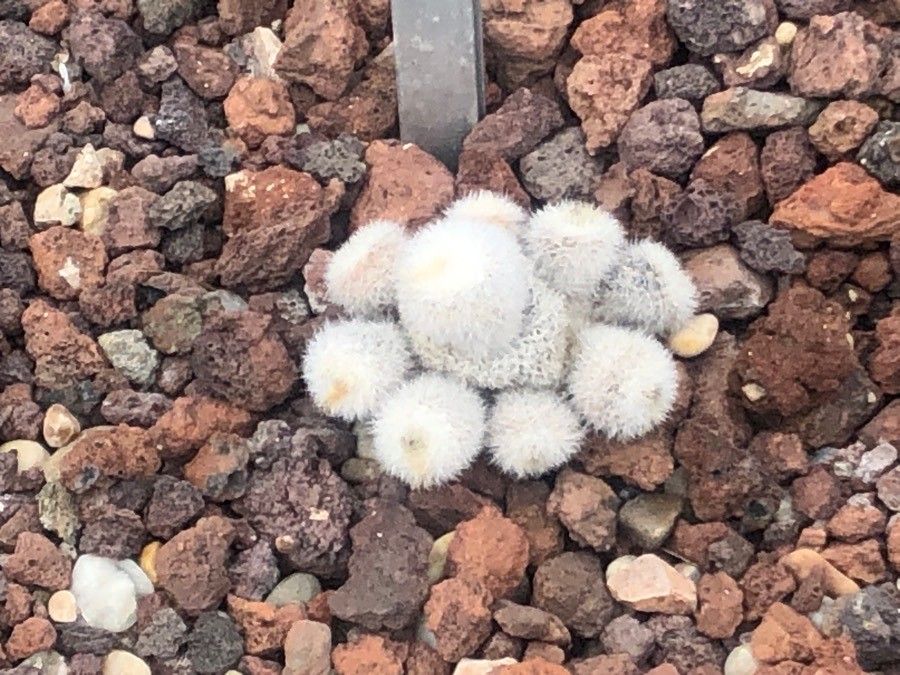
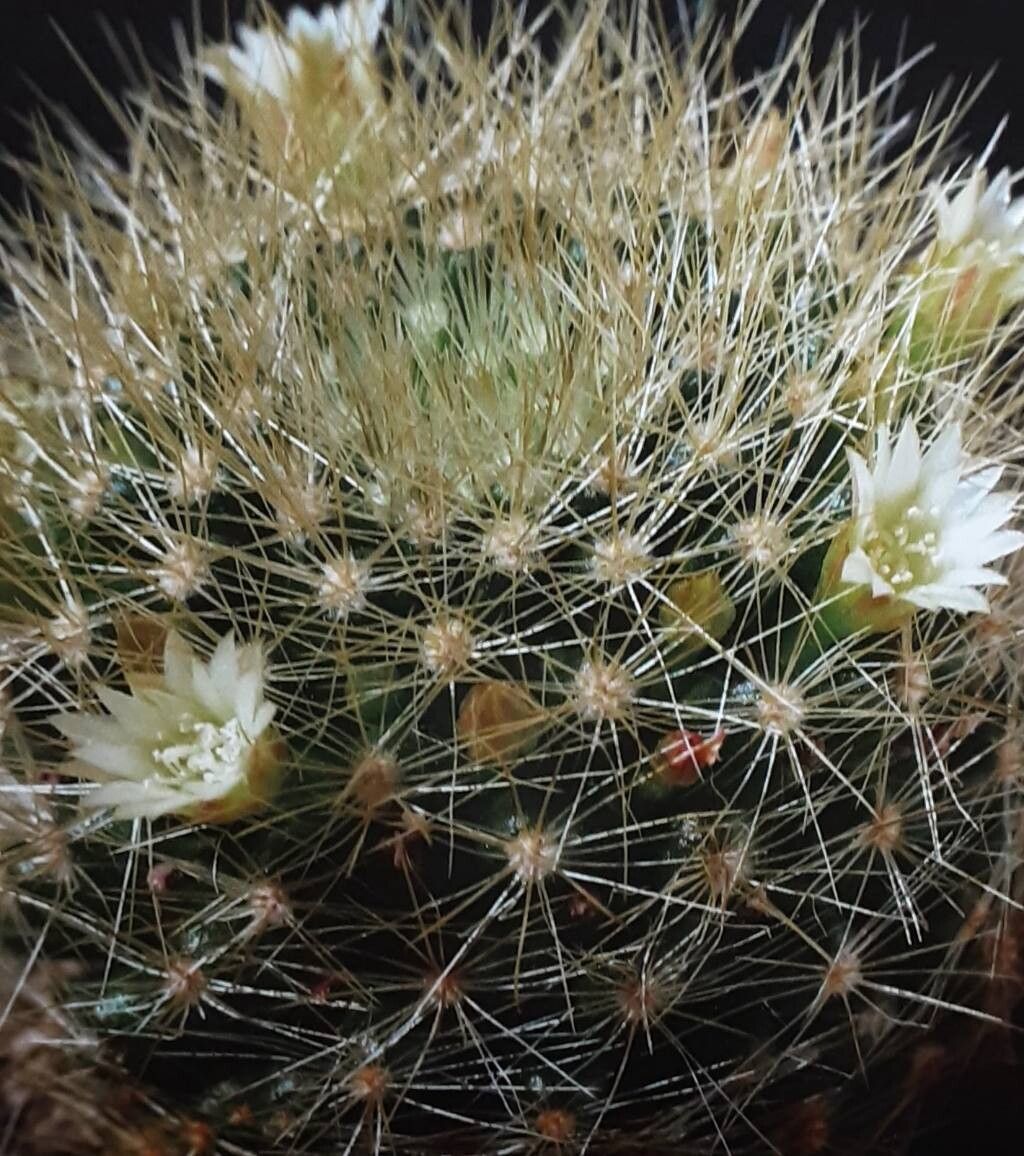
Mammillaria orcuttii is fairly disease-resistant and tolerates routine care without becoming ill easily. It can, however, be vulnerable to mealybugs; they may cause some damage but are usually not a major threat. Regarding care, it is drought-tolerant and does not need frequent watering. It can endure long periods without water and requires little fertilizer. That said, it is highly prone to root rot when lighting is inadequate and it is overwatered. Overall, Mammillaria orcuttii is well suited to people who want to spend less time on plant care, but it is important to know and meet its basic needs. It is especially appropriate for those who are away for long periods and might forget to water their plants regularly.
How to keep Mammillaria Amajacensis.
Light
Mammillaria orcuttii comes from habitats with filtered light, such as forest understories or rocky locations that offer natural shade. It prefers partial sunlight but can also withstand full sun.
Temperature
Mammillaria orcuttii prefers warm conditions and requires relatively high temperatures during the growing season to encourage growth and metabolic activity. It does well with ample sunlight, suitable moisture, and good ventilation. It is prone to damage from very low temperatures and from overwatering. It's important to maintain a balance and avoid extreme heat and overly dry conditions.
Fertilizer
For Mammillaria orcuttii, light applications of fertilizer once or twice a year during the growing season are adequate. Do not fertilize in winter or in summer when the plant is dormant. Use reduced amounts of fertilizer for repotted plants, and wait a couple of months after repotting before you begin fertilizing. Fertilizing promotes healthy growth and encourages blooming.
Pot & Repot
During the spring or summer months, rehouse your Mammillaria orcuttii into a container that's a bit bigger than its existing pot and has decent drainage. Opt for a cactus blend that drains well and has a sand or grit base. Take caution when dealing with it to dodge its thorns. Before transferring the cactus, let it completely dry to avoid root decay. Let a week pass after transferring before irrigating to give the roots time to recover.
Botanical profile.
- Plant Type
- Succulent, Shrub
- Life Cycle
- Perennial
- Genus
- Mammillaria
- Family
- Cactaceae
- Hardiness Zone
- 9-11
- Mature Height
- 10 cm to 20 cm
- Mature Spread
- 5 cm to 10 cm
- Leaf Color
- Green, Dark Green
- Leaf Type
- Evergreen
- Flower Color
- Pink
- Flower Size
- 1.52 cm to 2.03 cm
- Bloom Time
- Mid spring, Late spring, Early summer
- Planting Time
- Spring, Summer, Autumn
- Harvest Time
- Mid summer, Late summer, Early fall
- Native Area
- Mexico