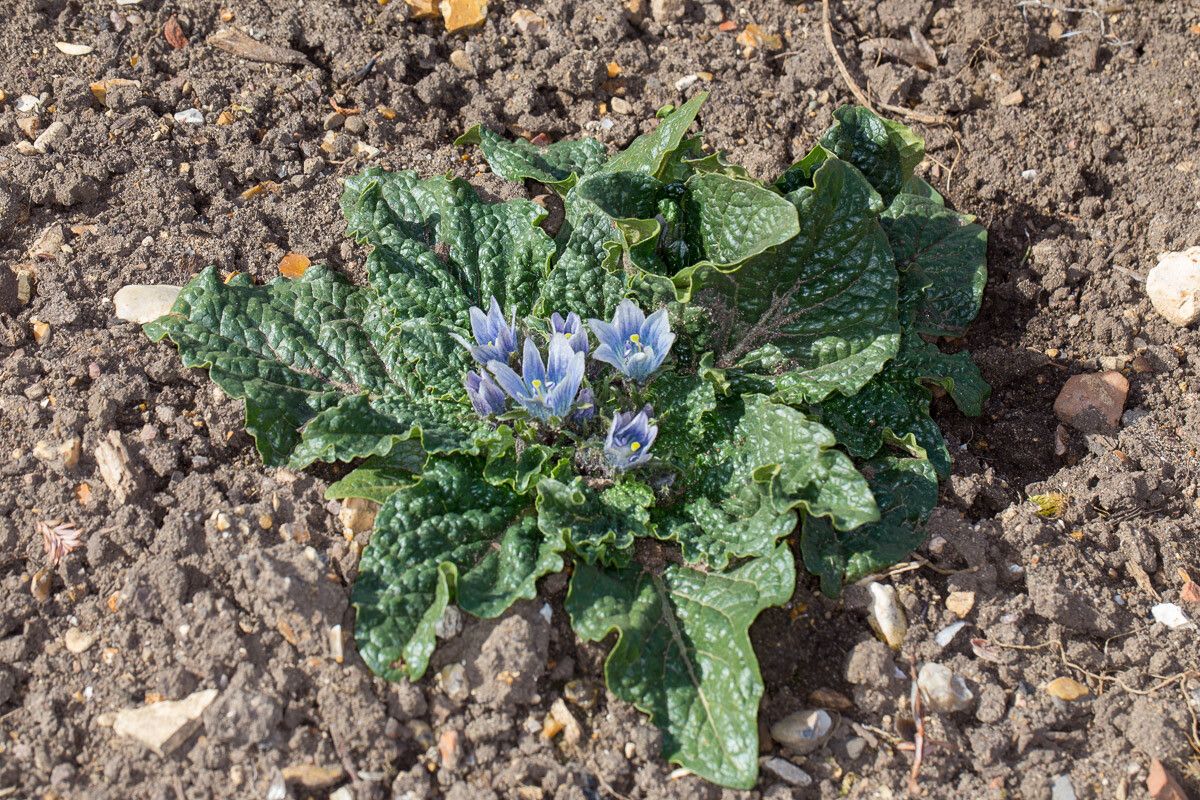
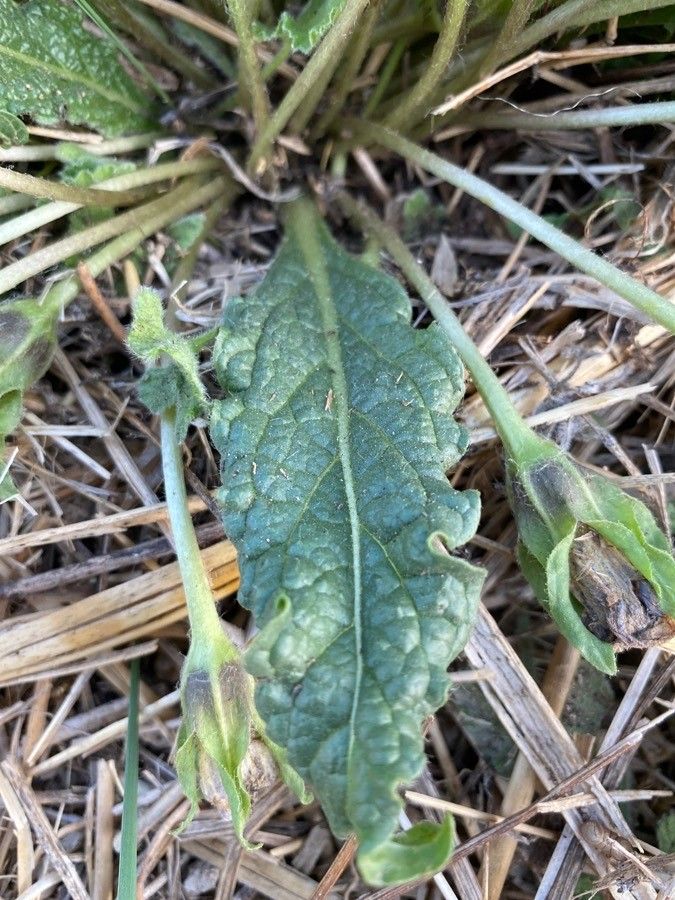
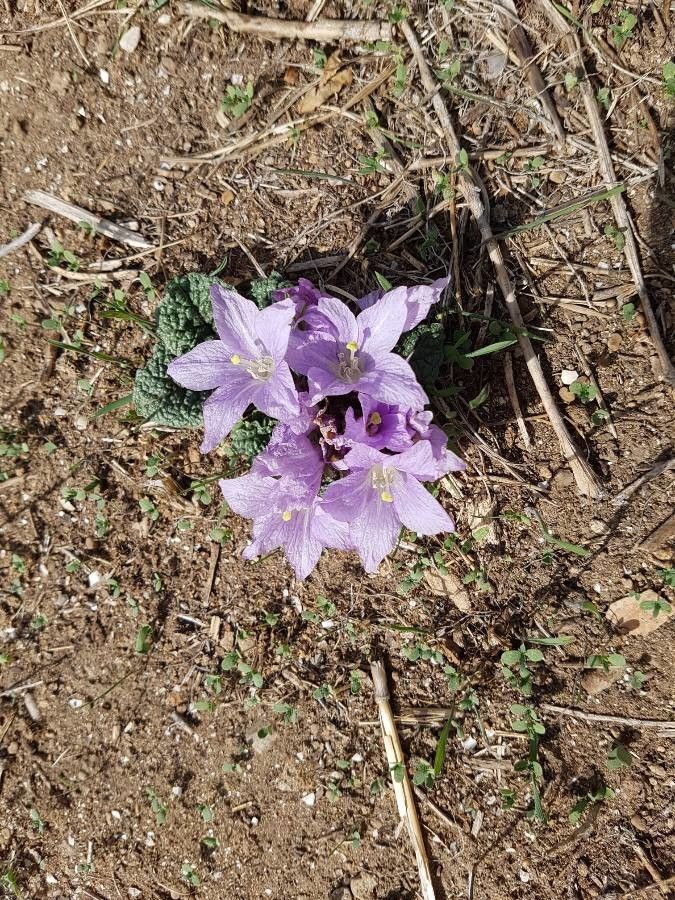
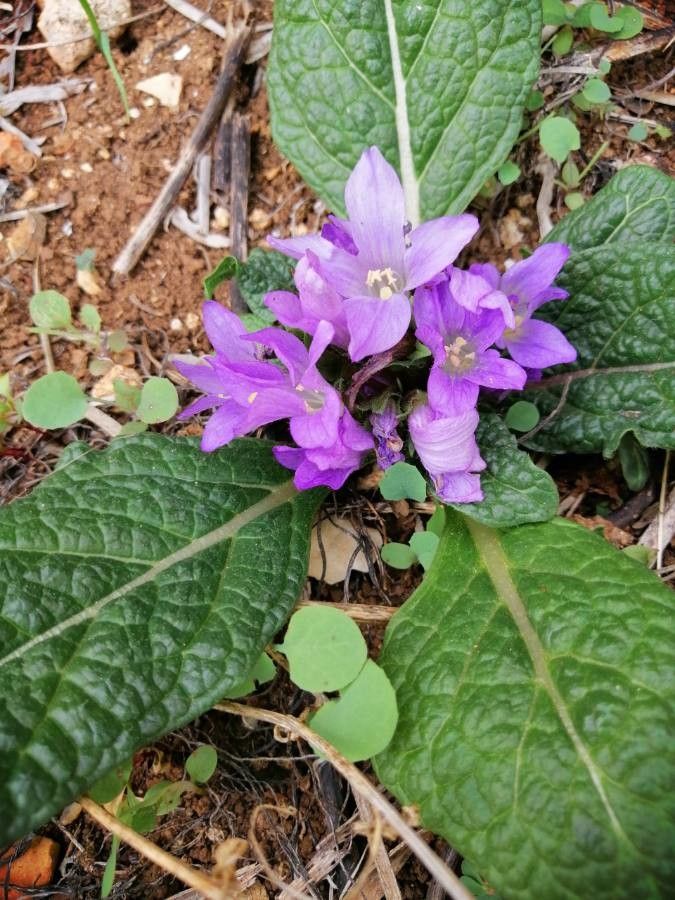
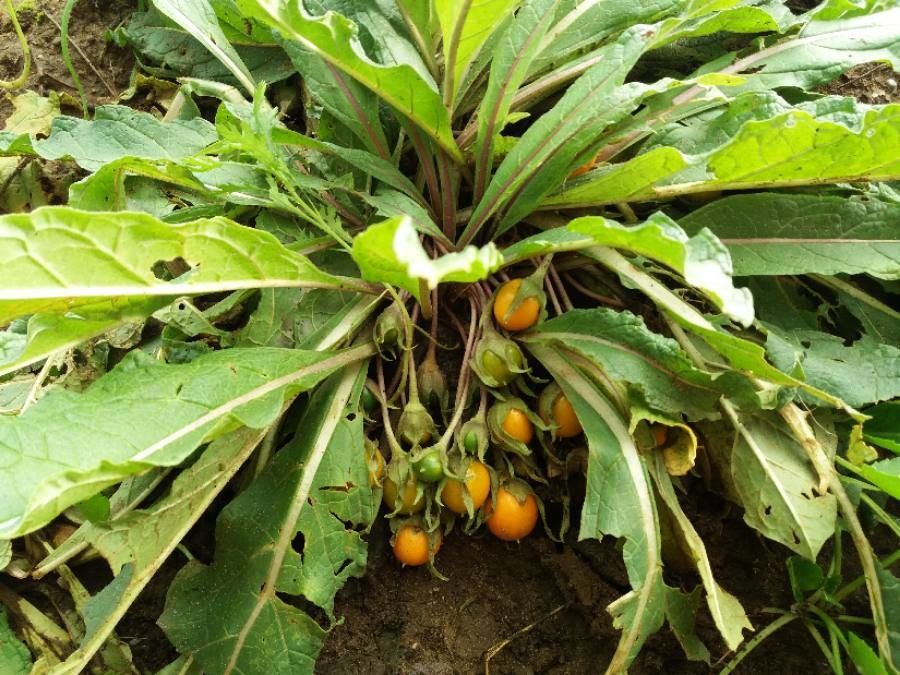
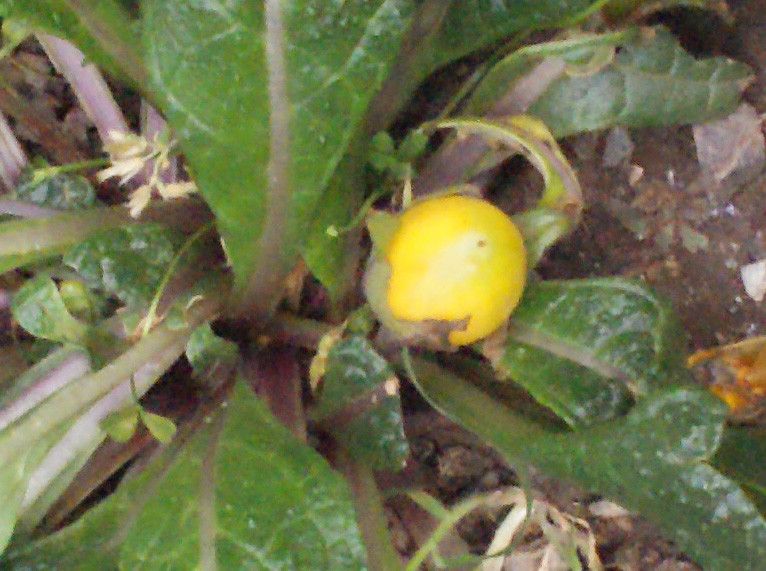
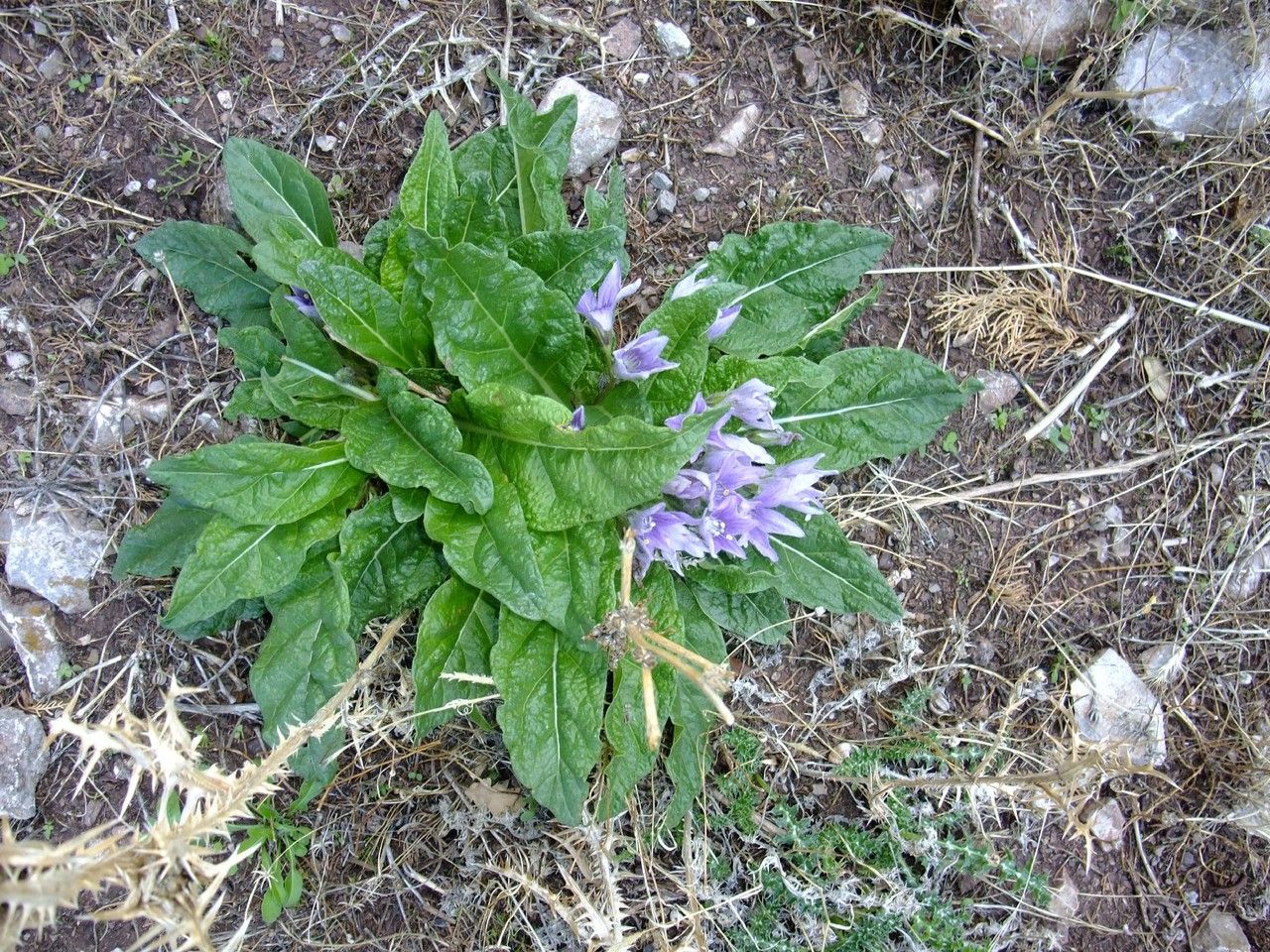
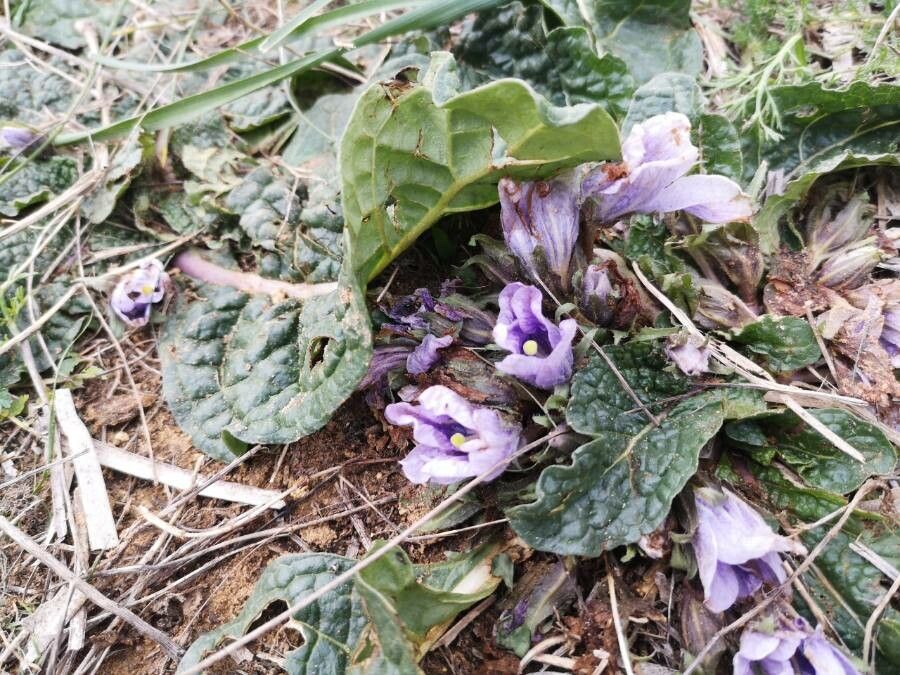
Mandragora autumnalis, known as mandrake or autumn mandrake, is recognized by some sources as a separate species from Mandragora officinarum, although with different circumscriptions. Others regard it as merely part of this very variable species. Plants given the name Mandragora autumnalis consist of a rosette of leaves up to 60 cm (2 ft) across, close to the ground, with a central group of usually purplish flowers followed by yellow or orange berries. The large tap-roots as well as the leaves contain alkaloids and are toxic. They have traditional uses as herbal medicines.
Mandrake generally has good resistance to disease and is not typically vulnerable to illnesses. Still, it can be affected by pests and diseases present in its environment. Such infections tend to be mild. Regarding maintenance, this plant is moderately demanding. It should be pruned regularly to preserve a tidy look and support healthy growth. Applying fertilizer can also encourage blooming. Mandrake is a good choice for anyone who has outdoor areas like a garden or patio and does not demand extensive plant-care experience. It may need more attention if cultivated indoors.
How to keep Mandragora Autumnalis.
Light
Mandrake flourishes in ample sunlight, prospering in settings that are bathed in substantial amounts of light. Concurrently, it possesses the ability to endure situations of reduced light. Nonetheless, a deficiency of light can negatively impact its vigorous growth. It's original environment, which is wide and sunny, equally reflects its pronounced preference for luminous conditions.
Temperature
Mandrake initially grows in settings with temperatures spanning from 50 to 95 °F (10 to 35 ℃). This vegetation favors hot weather conditions and may require additional safeguards during cold periods if temperatures drop.
Fertilizer
The best period to nourish a Mandrake is during the onset of spring, when it transitions from a dormant state to a phase of active growth. Fertilization imparts essential nutrition for robust growth. Even though a Mandrake's need for fertilization is fairly modest, offering nutrients annually can improve its resilience, and foster superior, more enduring blooms.
Botanical profile.
- Plant Type
- Herb
- Life Cycle
- Perennial
- Genus
- Mandragora
- Family
- Solanaceae
- Hardiness Zone
- 6-9
- Mature Height
- 10 cm
- Mature Spread
- 30 cm
- Leaf Color
- Green
- Leaf Type
- Deciduous
- Flower Color
- Purple, Green, White
- Flower Size
- 3.05 cm to 5.08 cm
- Bloom Time
- Early spring, Mid spring
- Planting Time
- Spring, Summer, Autumn
- Harvest Time
- Early summer, Mid summer
- Native Area
- Turkey, Tunisia, Italy, Spain, Cyprus, Algeria, Greece, Croatia, Morocco, Lebanon, Portugal
Other names.